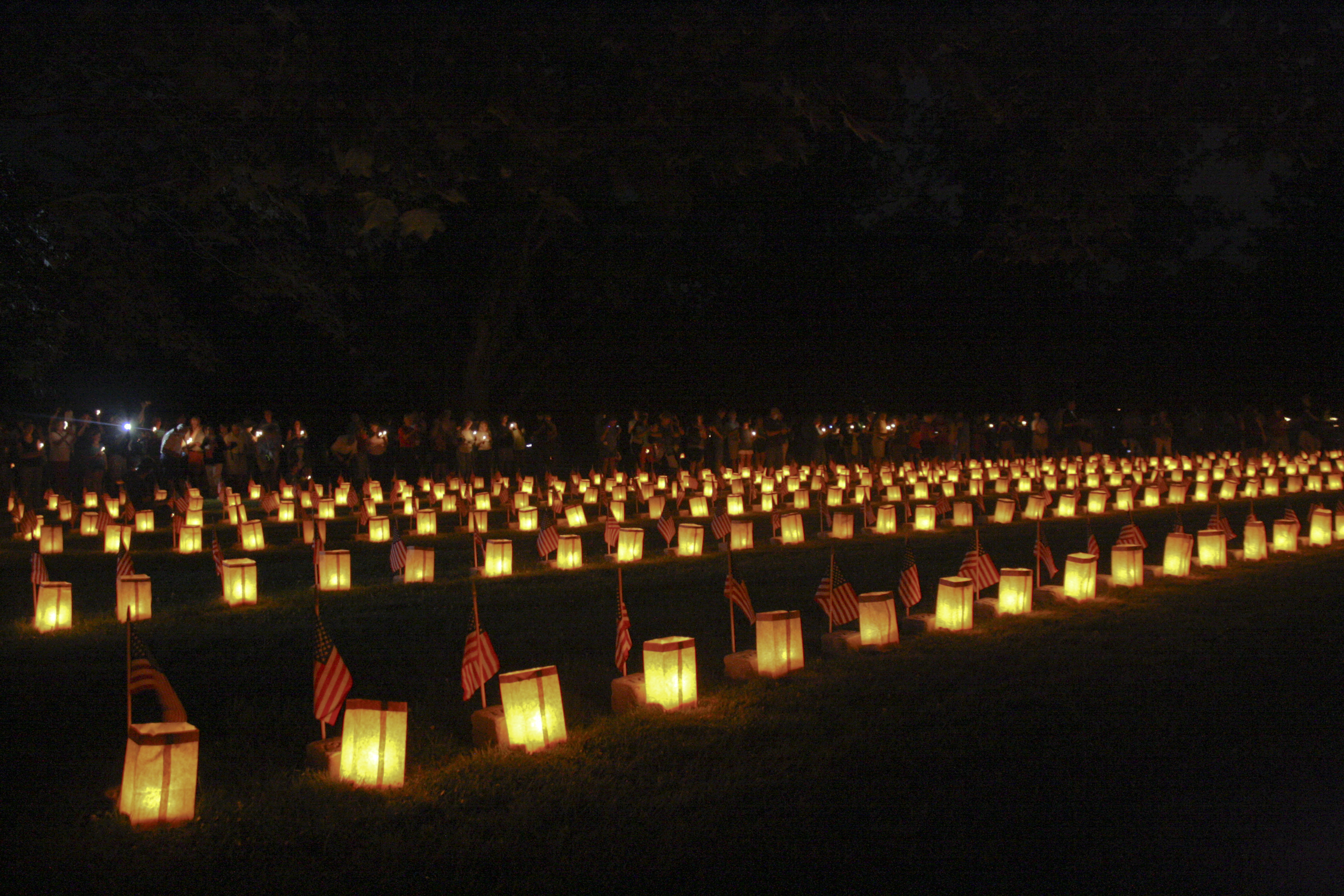
Gettysburg National Military Park: our verdict
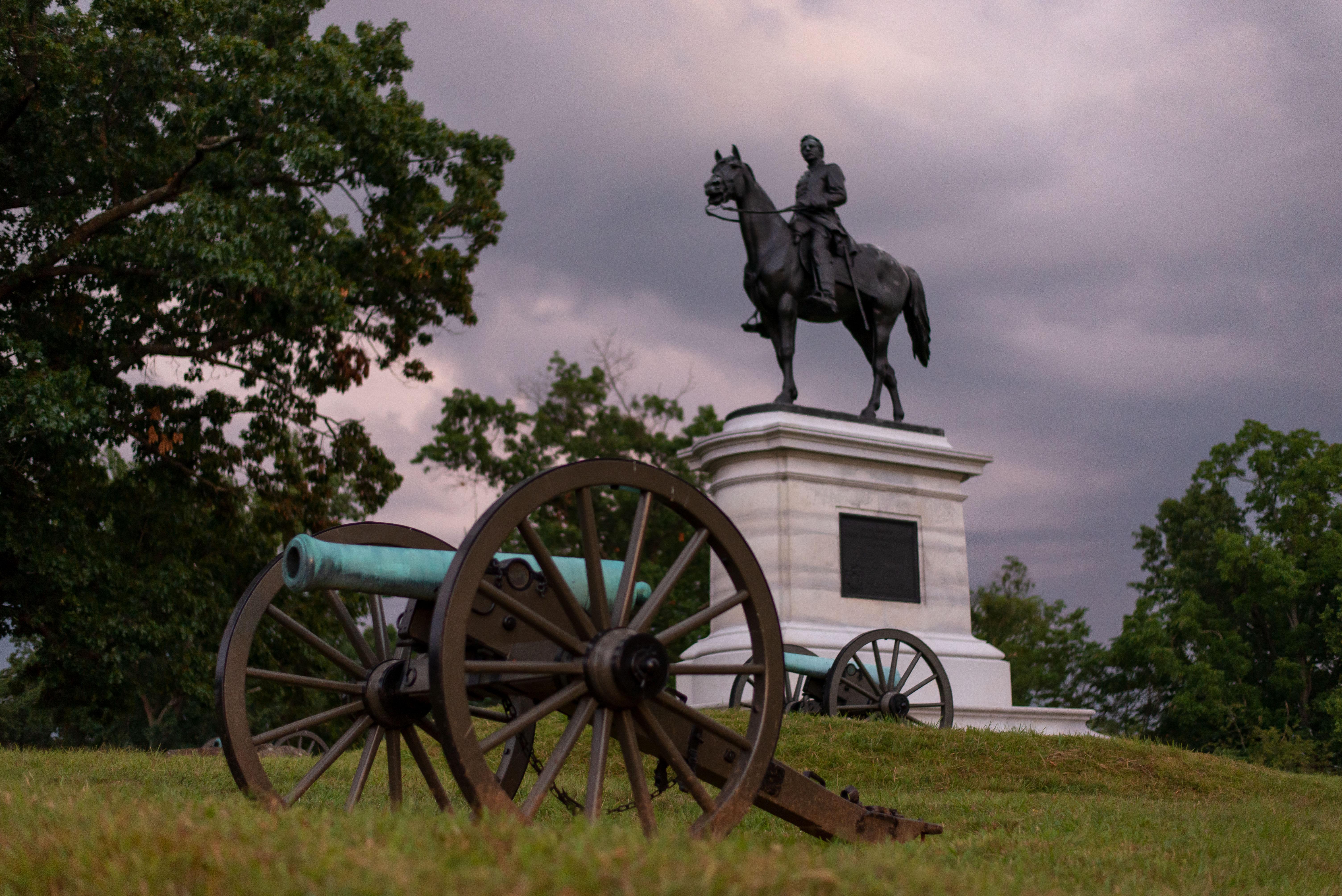
Gettysburg National Military Park preserves the site of the Civil War's bloodiest battle in July 1863.
The scale is the draw here. Its 88 experience score reflects substantial breadth; visitors can drive, bike, hike, or ride horses through the grounds. Guided bus tours and living history demonstrations are also available. The museum and film presentation alone warrant a half-day. Free admission removes a key barrier. This is not a short visit. An afternoon will prove insufficient. Two full days represent a realistic minimum to appreciate the historical depth. For those invested in American history, this park is a mandatory destination.
Why visit
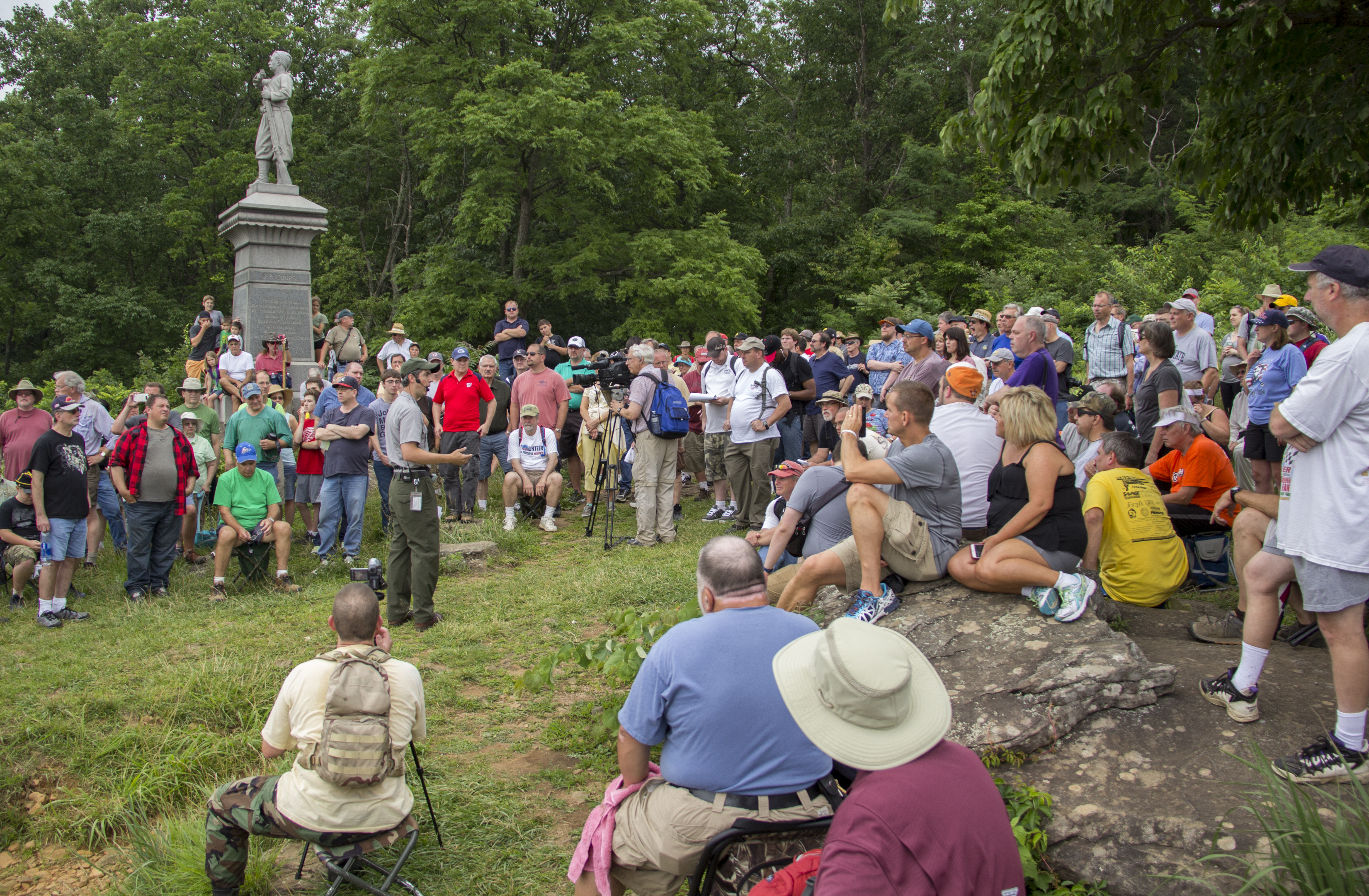
A good day at Gettysburg starts at the museum and visitor center, where the film and exhibits give the battle's three days a clear shape before you step onto the ground itself. From there, the self-guided auto tour loops through the core of the battlefield, connecting key positions with interpretive stops. Bikers and hikers can cover the same ground at their own pace and get closer to the terrain than a car allows. Licensed battlefield guides, available for hire at the visitor center, are widely regarded as among the best in the NPS system and will transform what you see. Living history demonstrations and historic weapons programs run seasonally and add a visceral layer that no exhibit can replicate. Birdwatching across the open fields and woodlots is a legitimate secondary draw.
Who it suits
This unit primarily serves history enthusiasts and families. Its Junior Ranger program and living history events engage children directly. Cyclists and hikers will find ample opportunity to combine physical activity with significant historical context. The extensive scope may overwhelm casual visitors seeking only scenic views or those with limited time.
Timing your visit
Peak visitation is in summer, which brings the highest volume of programming, including reenactments and living history events. This also means high heat, humidity, and crowds. The anniversary weekend in early July is particularly busy. For more comfortable conditions, late spring and early fall are best for extended outdoor time on the battlefield. Winter provides quiet, stark, and unobstructed views of the terrain, offering useful perspectives on troop movements. Casual sightseers should plan for shoulder seasons.
What stands out
- Licensed battlefield guide tours that reframe the entire landscape through tactical and human detail
- Self-guided auto tour covering the full sweep of the three-day battle across preserved ground
- Museum exhibits and the park film providing essential context before you walk the field
- Living history demonstrations and historic weapons programs running seasonally
- Biking and hiking routes that put you directly in contact with the terrain at ground level
- Wildlife and birdwatching across the open fields, woodlots, and quieter corners of the park
Good to know
Admission is free, a notable exception for a park of this scope. Battlefield roads maintain extensive hours, open from thirty minutes before sunrise to thirty minutes after sunset. The visitor center and museum operate on a separate schedule, with an admission fee applying to the museum and film. Budgeting for a licensed guide is a sound investment, particularly for a first visit.
Insider tipIf you hire a licensed battlefield guide, request one for the full two-hour tour rather than a shortened version - the standard tour covers enough ground that cutting it short leaves the third day of battle, which includes the Pickett's Charge positions, completely unaddressed, and that is where the battle's meaning crystallizes.