George Washington Birthplace National Monument: our verdict
George Washington Birthplace National Monument offers more than a historical marker; it presents a substantial 551-acre exploration of early American life and memory.
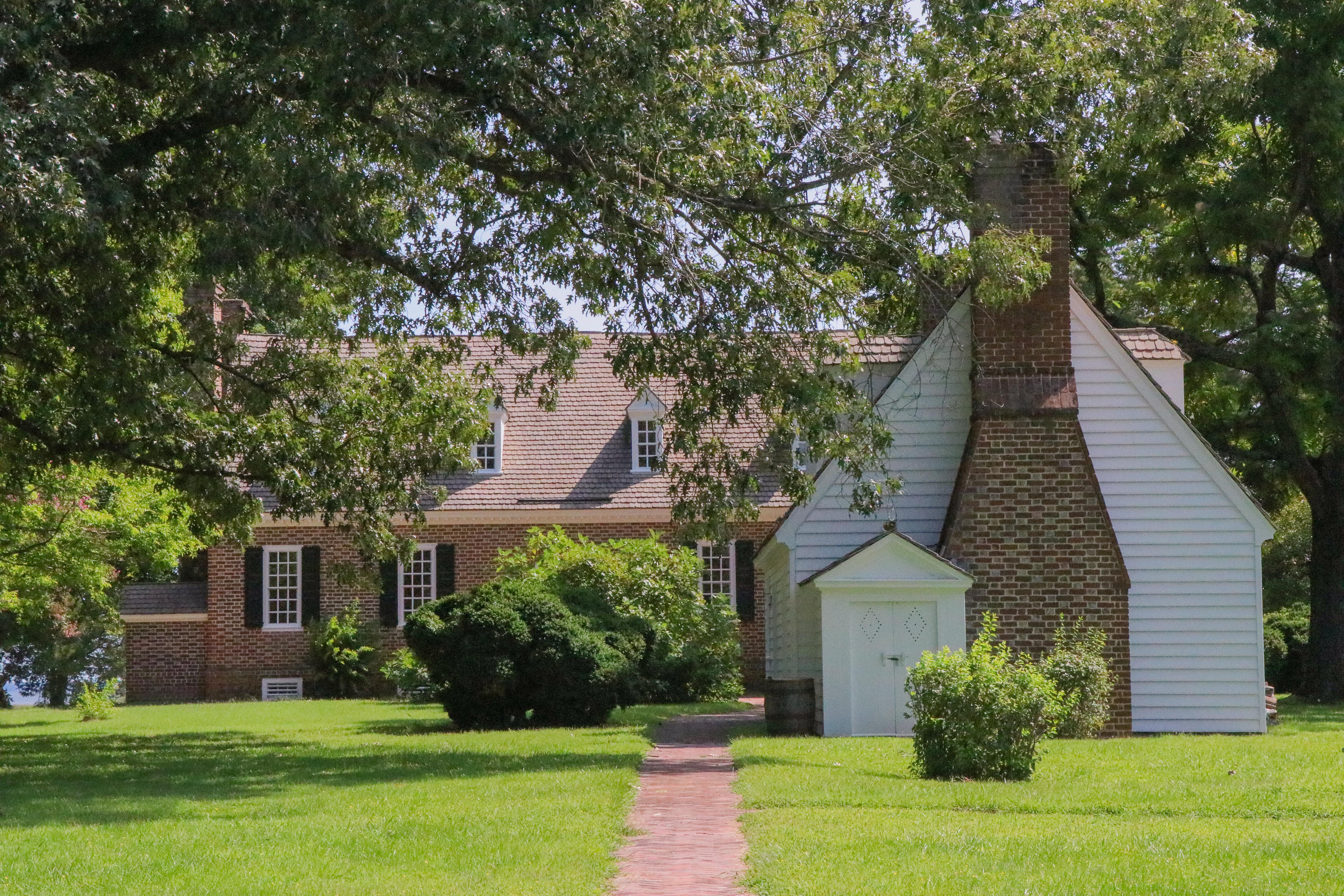
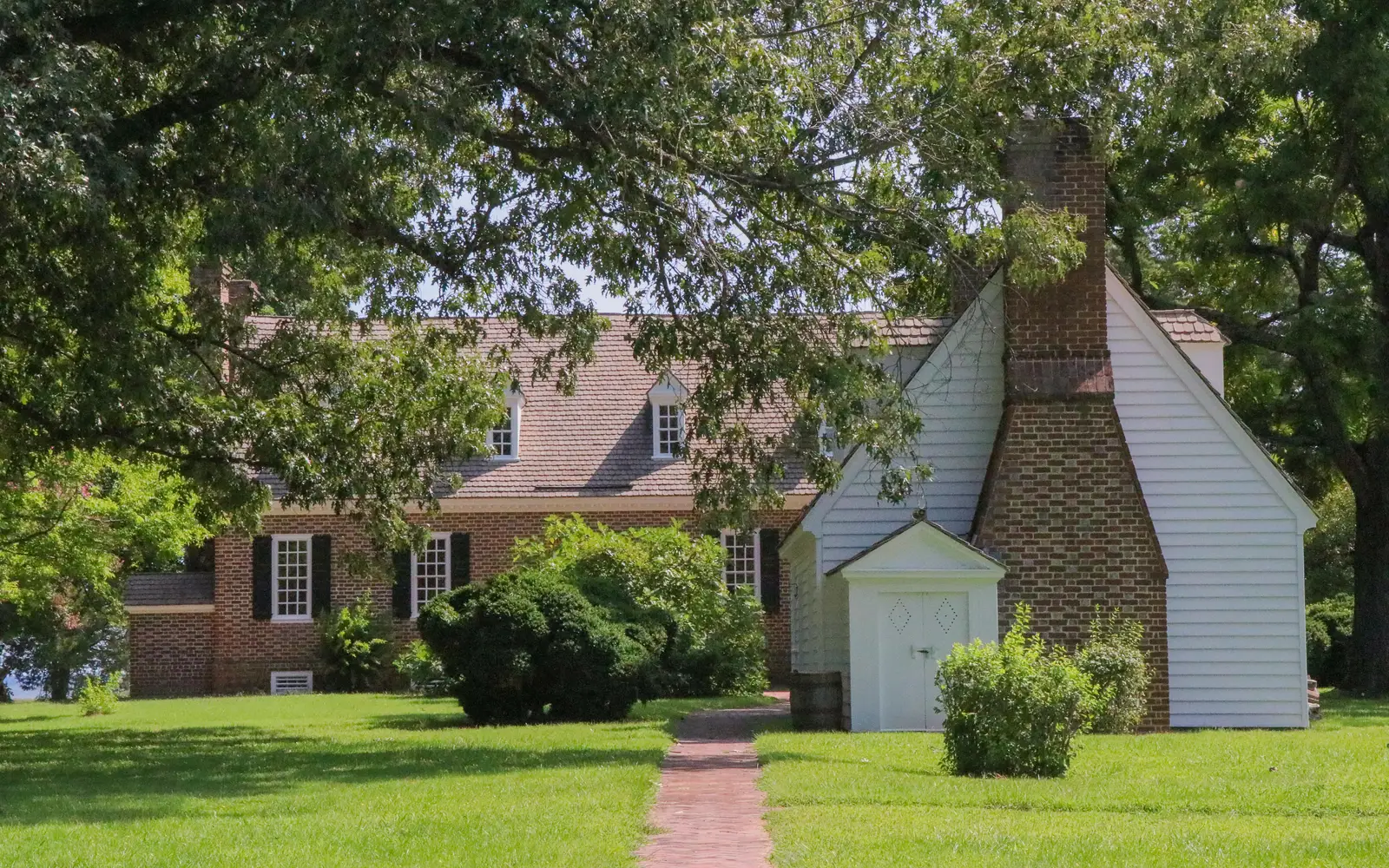
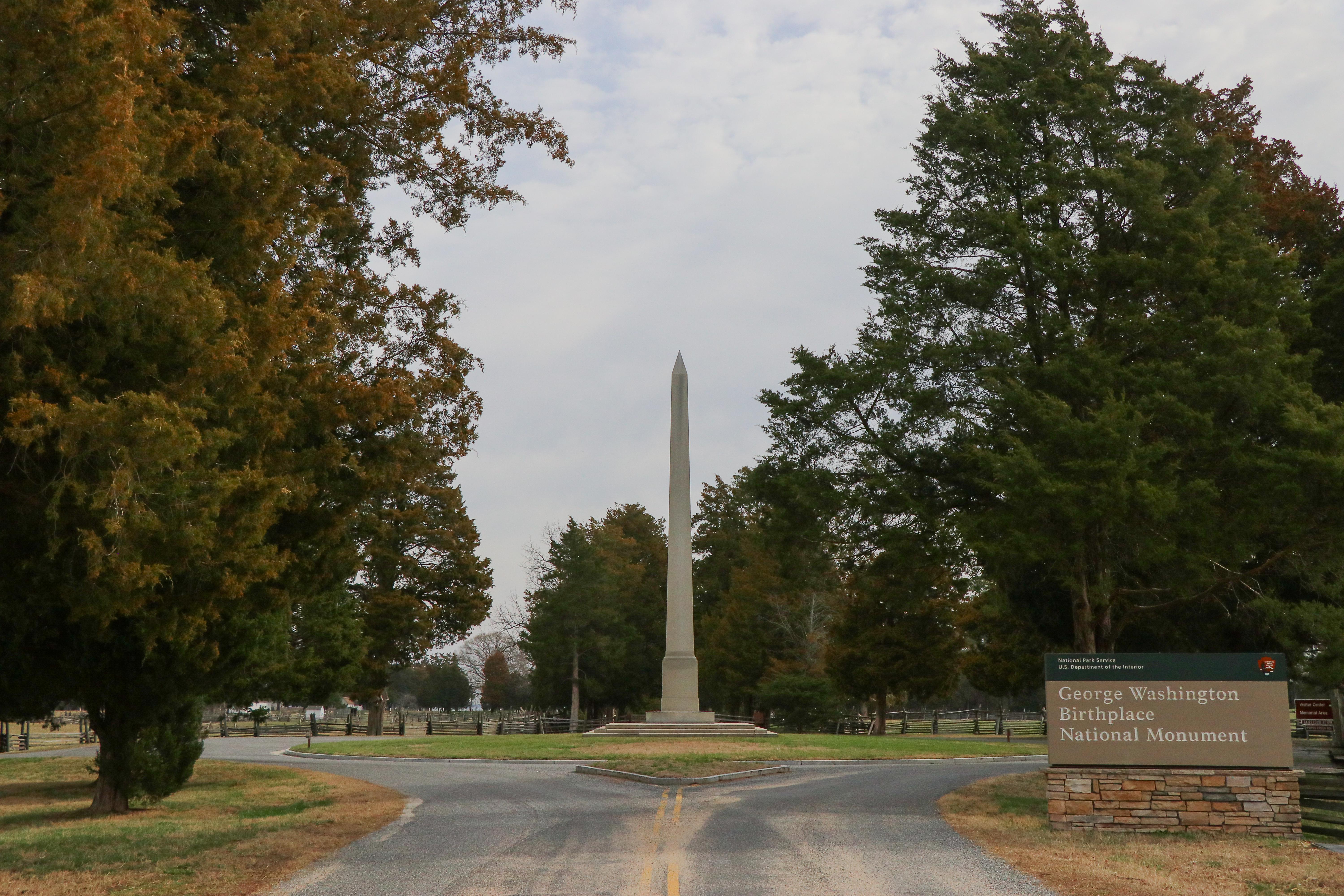
While not a wilderness park, its scope goes beyond a mere roadside attraction. The property chronicles seven generations of Washington family history, and a second historical layer documents the 1932 bicentennial memorial efforts. An experience score of 74 points to a genuinely accessible and varied site. Entry is free. The monument provides water access for paddlers and walking trails. Wildlife viewing is possible. Guided tours are available. This is best considered a half-day to full-day destination. It rewards visitors interested in colonial Virginia and the public commemoration of historical figures. Casual sightseers should look elsewhere. Those seeking rugged outdoor adventure will not find it here. Families, history enthusiasts, and travelers in Virginia's Northern Neck will find this stop worthwhile.
Why visit
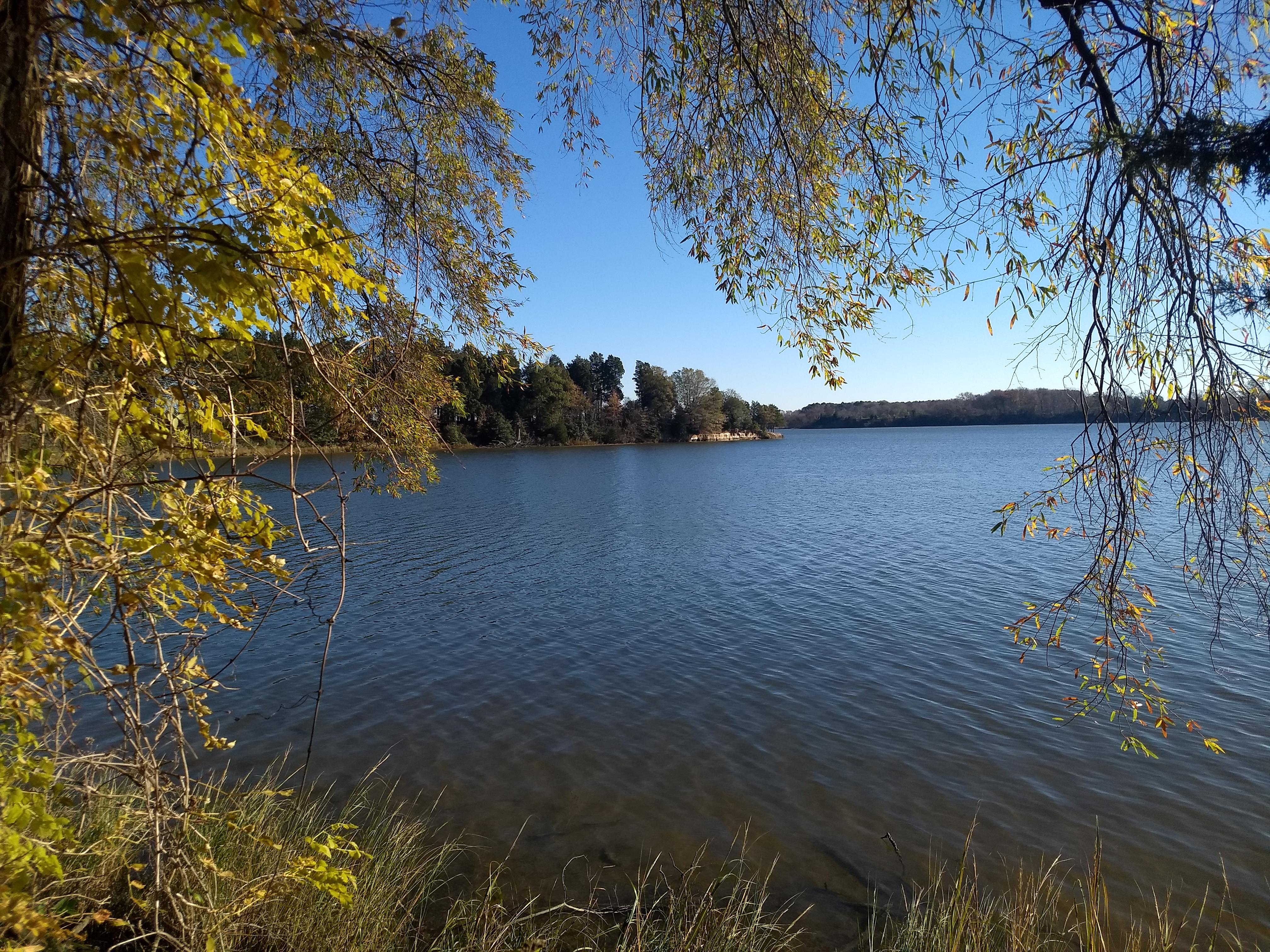
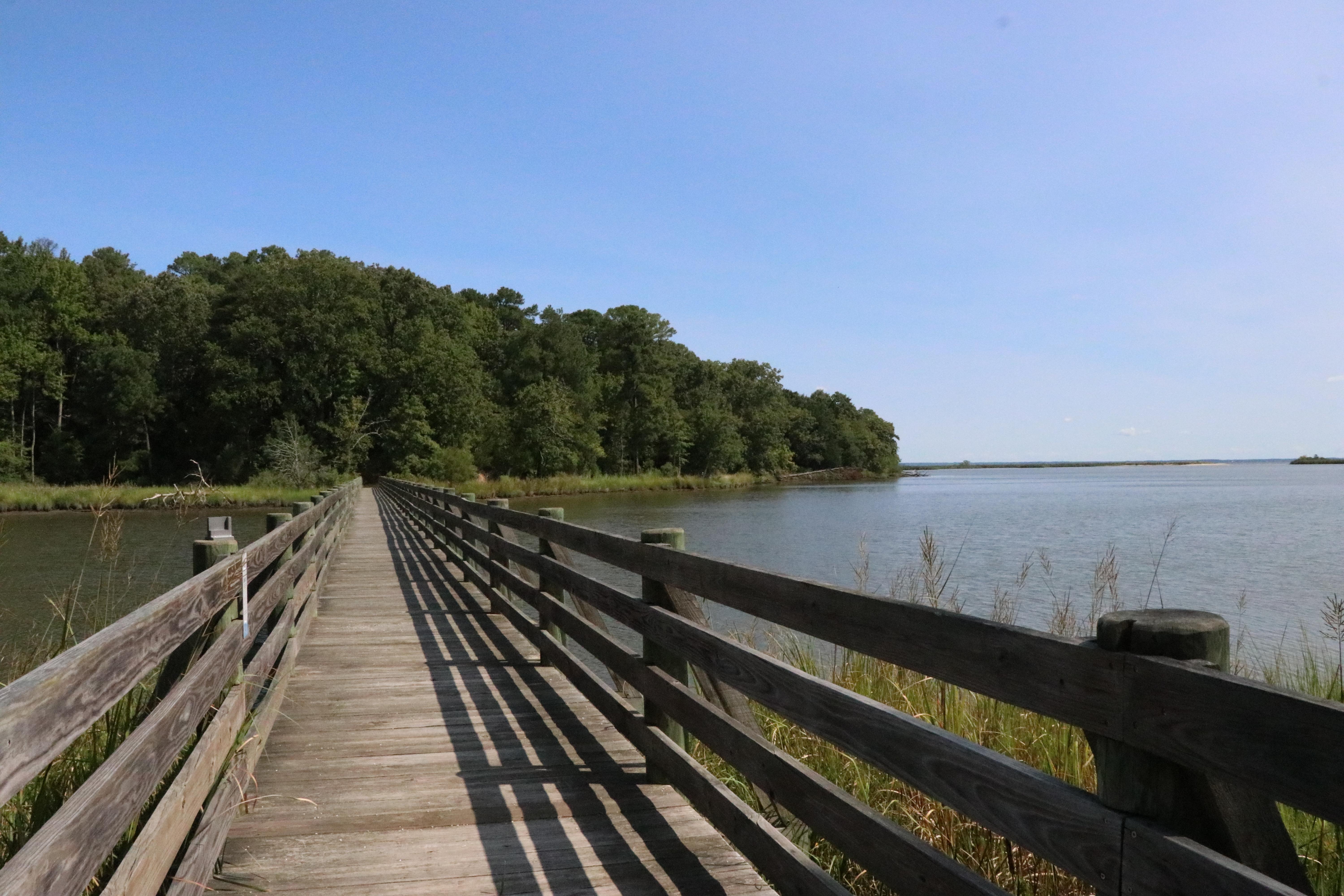
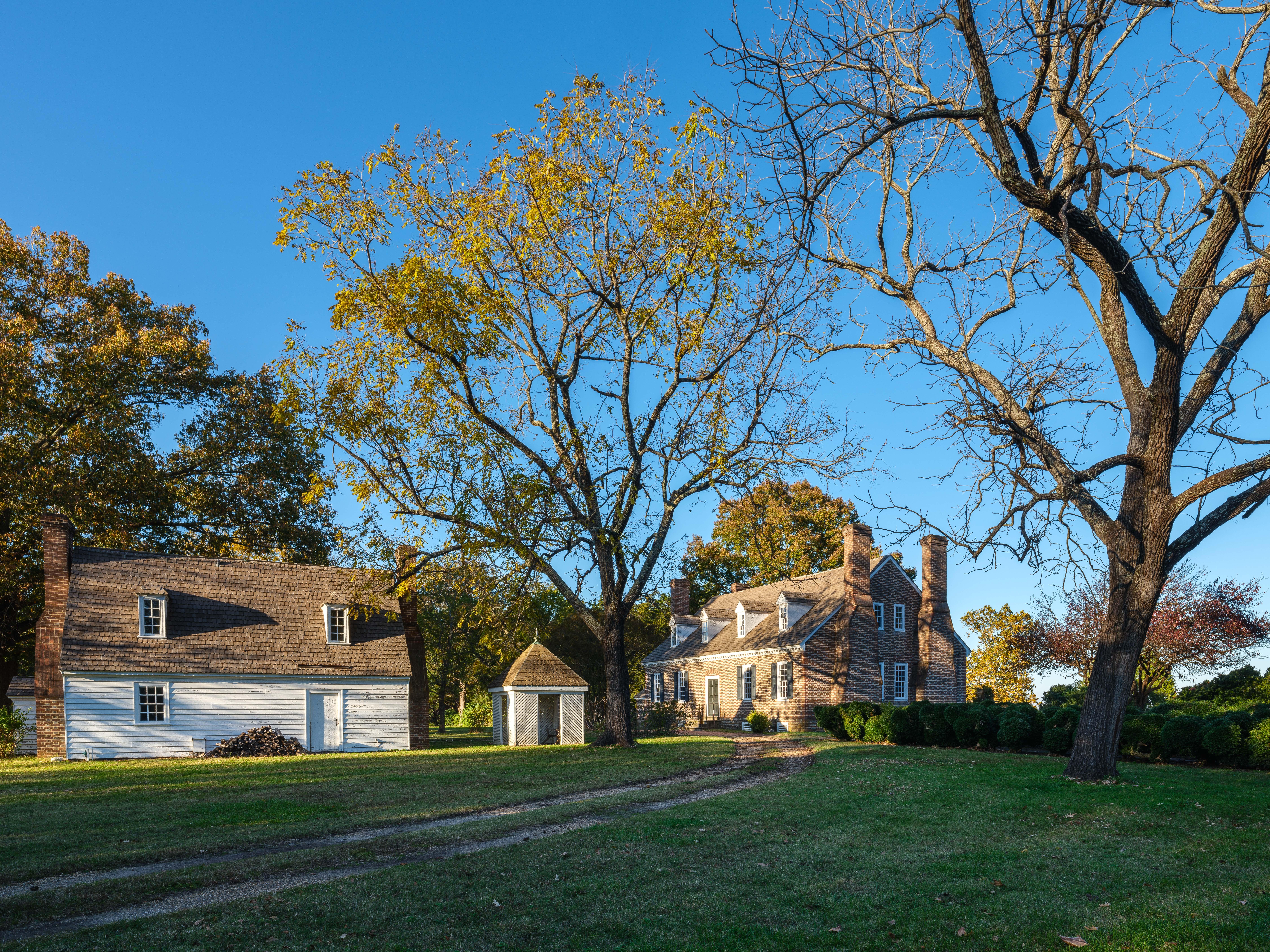
This destination excels in combining historical interpretation with outdoor activity. A guided tour illuminates the Washington family narrative and the intriguing 1932 commemorative history, a compelling example of American myth-making. Self-guided trails traverse the 551-acre property. Situated along the Potomac River, this site provides wildlife viewing in a pastoral, colonial-era setting. Picnic facilities are available; visitors should plan accordingly. Water access for kayaks and canoes offers a distinct recreational layer absent from most presidential birthplace sites. The junior ranger program provides structured engagement for children. The park store and bookstore offer regional history titles.
Who it suits
This park is genuinely rewarding for history enthusiasts, families with school-age children, and travelers already exploring Virginia's Northern Neck. Paddlers seeking a scenic water experience tied to a historic site will appreciate the canoe and kayak access. Visitors seeking strenuous hiking, dramatic scenery, or a full multi-day outdoor itinerary should look elsewhere.
Timing your visit
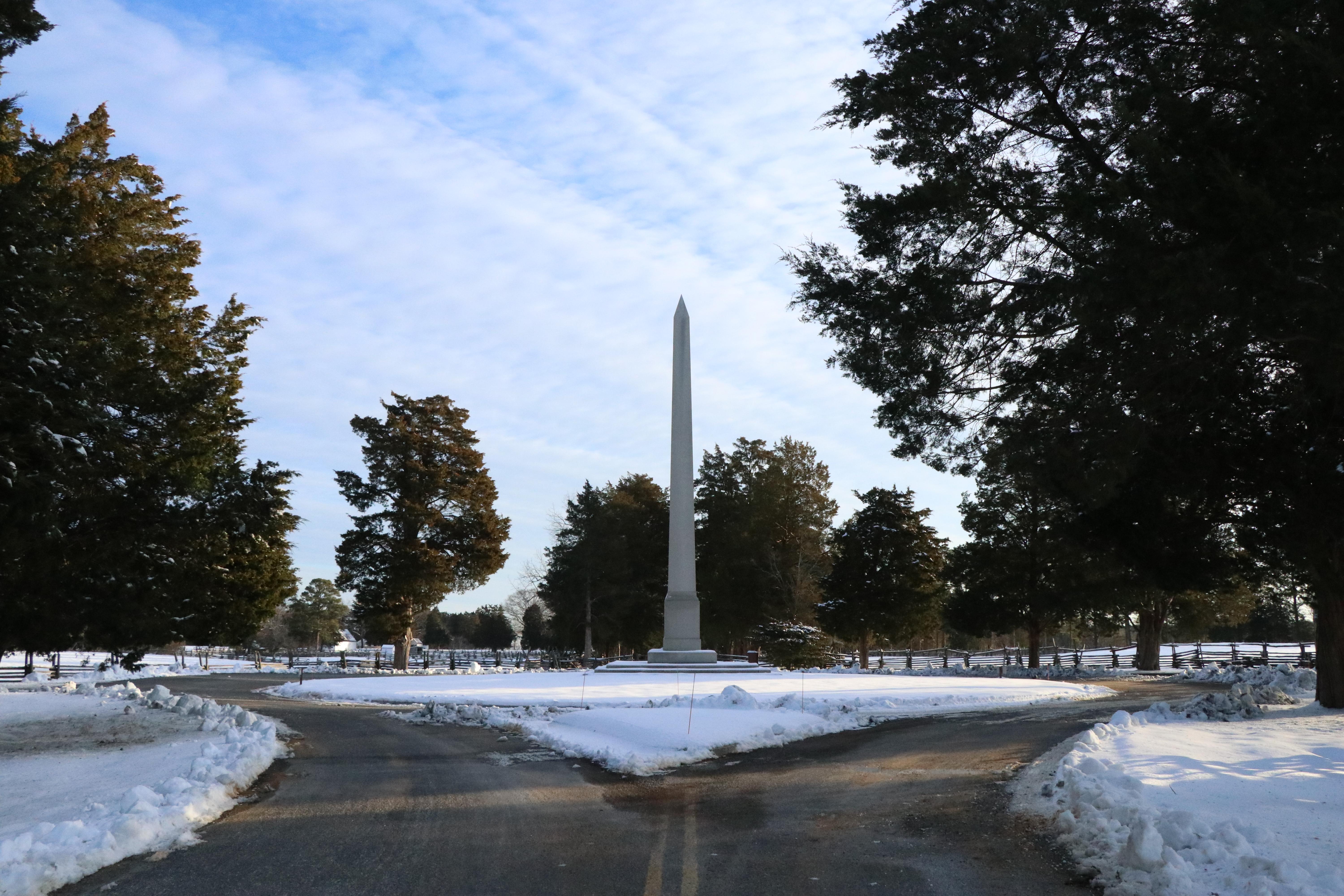
The Northern Neck is best experienced in spring and fall. Spring delivers mild temperatures and active wildlife viewing. Fall provides comfortable walking conditions and notable foliage along the river. Summer heat and humidity make shaded trails and water access critical for comfort; midday visits are challenging. Winter visits are cold and dry, offering a more limited experience, though the site remains open.
What stands out
- Free admission to a 551-acre historic landscape on the Potomac River
- Guided tours covering both Washington family history and the 1932 bicentennial memorial story
- Canoe and kayak access providing a water-based perspective on the site
- Wildlife watching opportunities across a colonial-era agricultural landscape
- Junior Ranger program giving kids a concrete way to engage with the history
- Picnic grounds that make a leisurely half-day or full-day visit easy to plan
Good to know
Entry to the Memorial Area is free, with daily hours from 9 a.m. to 5 p.m. Located on Virginia's Northern Neck peninsula, visitors should account for significant drive time due to the limited through-roads connecting to major corridors such as I-95. The site offers paddling opportunities. However, the National Park Service does not consistently provide on-site rentals; confirm current water access and rental availability before any visit.
Insider tipThe 1932 bicentennial memorial history provides a compelling narrative. Inquire with your guide about the commemoration project's specific decisions. Choices regarding reconstruction and omission illuminate national identity perspectives during that era.