Is Gateway National Recreation Area worth your trip?
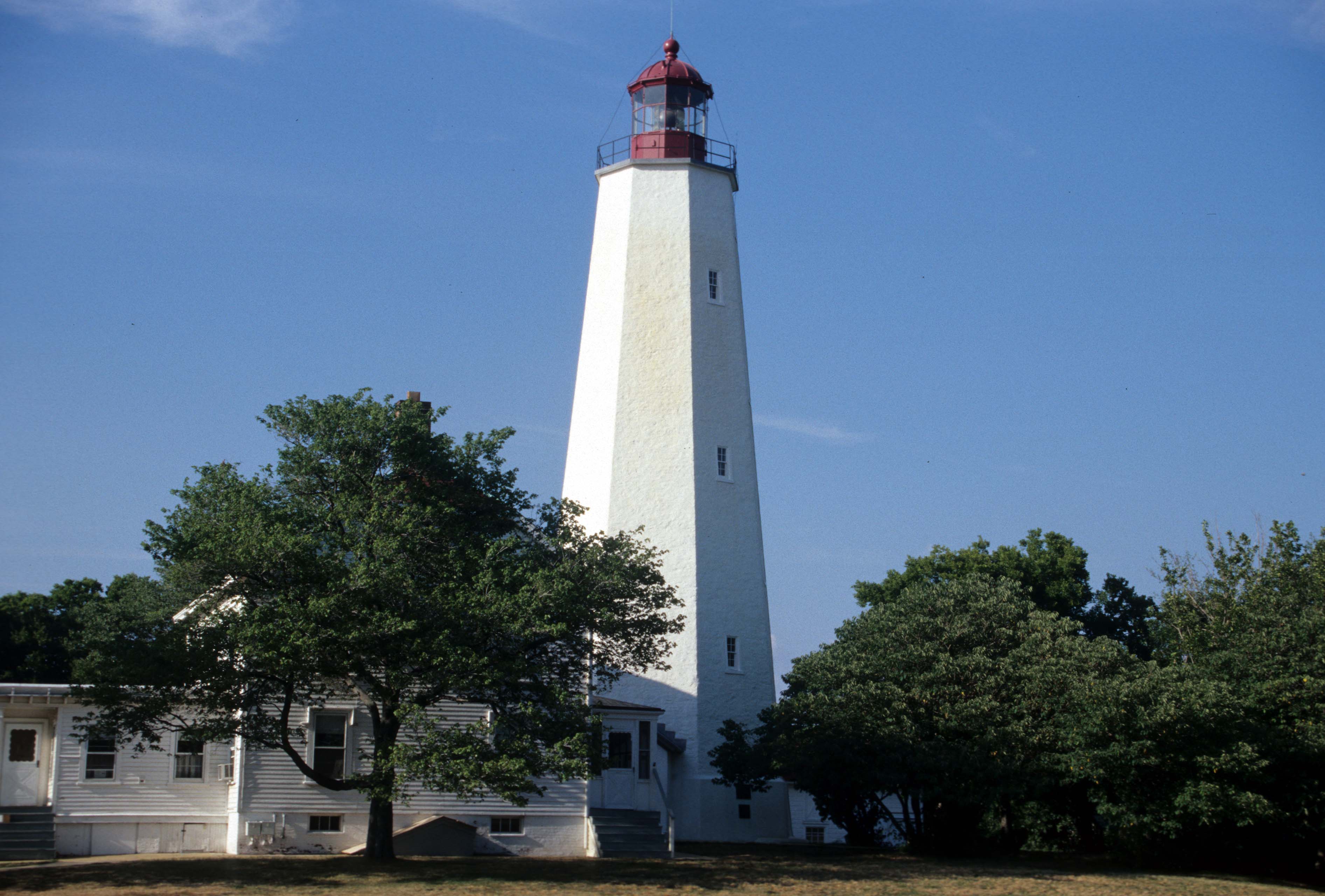
Gateway National Recreation Area is a sprawling, multi-unit urban escape covering 27,000 acres across a dozen distinct sites in New York and New Jersey.
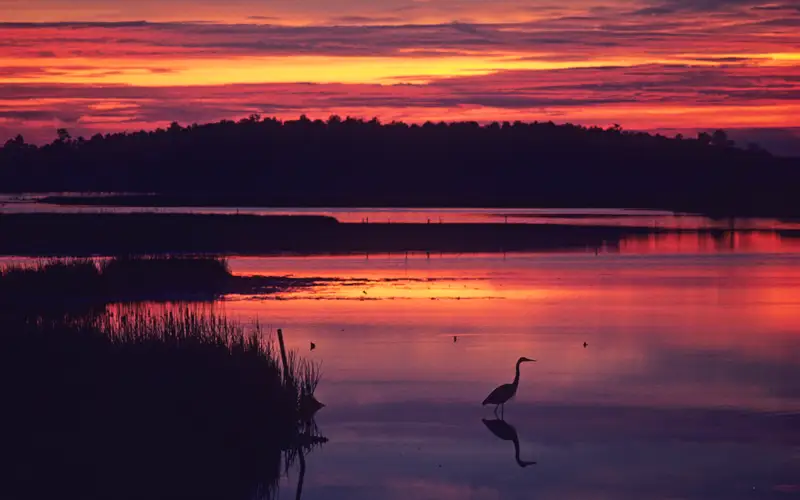
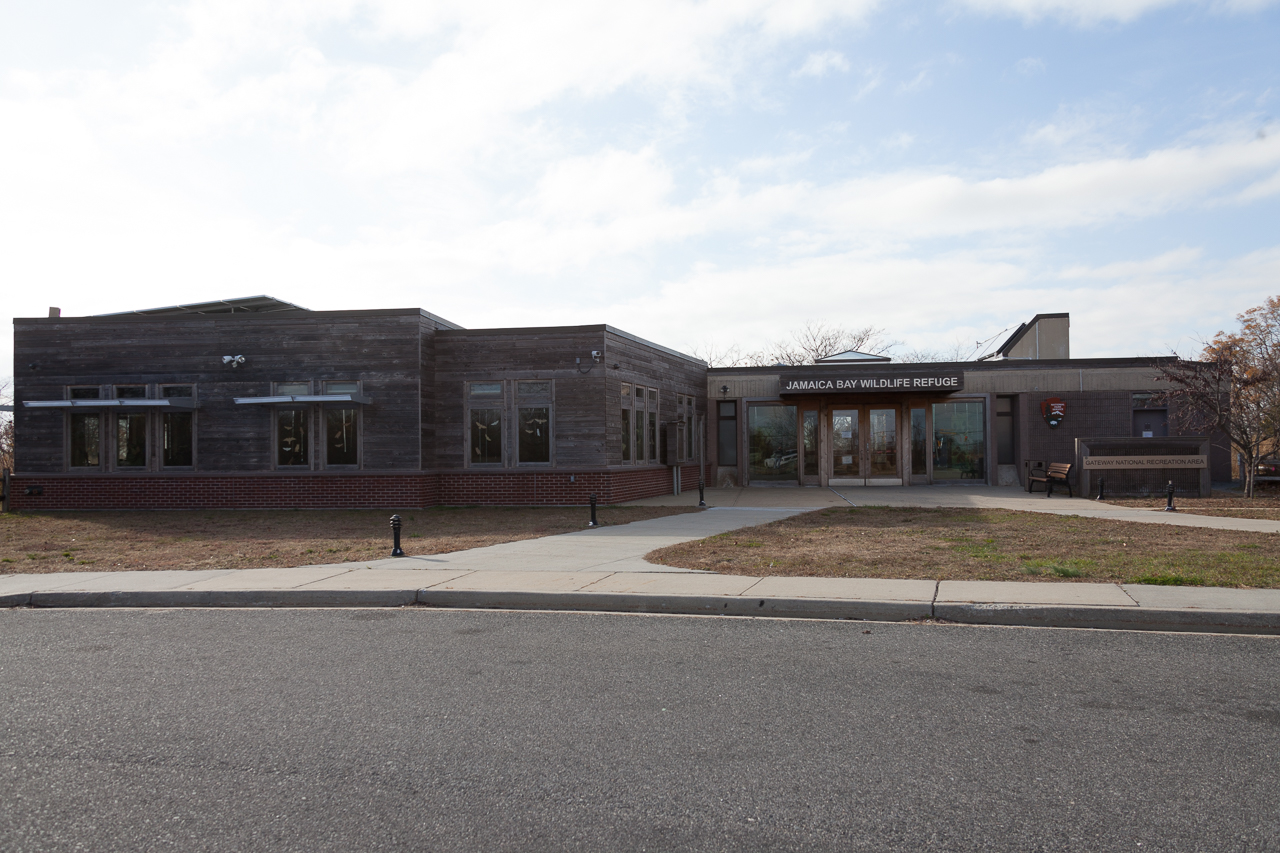
This is not a wilderness destination. It is a genuinely useful park for millions of metro-area residents who need open water, beach access, cycling space, and wildlife refuge within a subway or short drive of the city. The experience varies dramatically by site: Floyd Bennett Field offers camping and biking on a historic airfield, Jamaica Bay Wildlife Refuge draws birders and paddlers, Jacob Riis Park and Fort Tilden offer Atlantic-facing beaches, and Sandy Hook anchors the New Jersey side. The fragmented geography means you will rarely feel like you are in one coherent park, but each unit delivers something real. For city dwellers, this is one of the best free outdoor resources in the country.
Why go
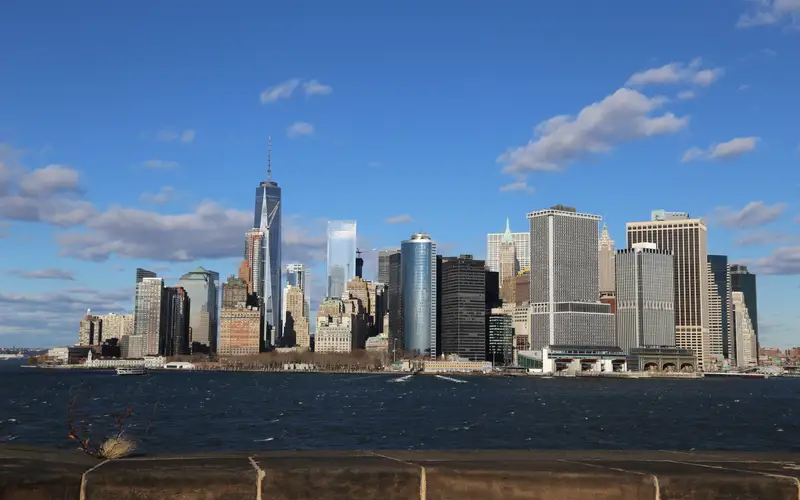
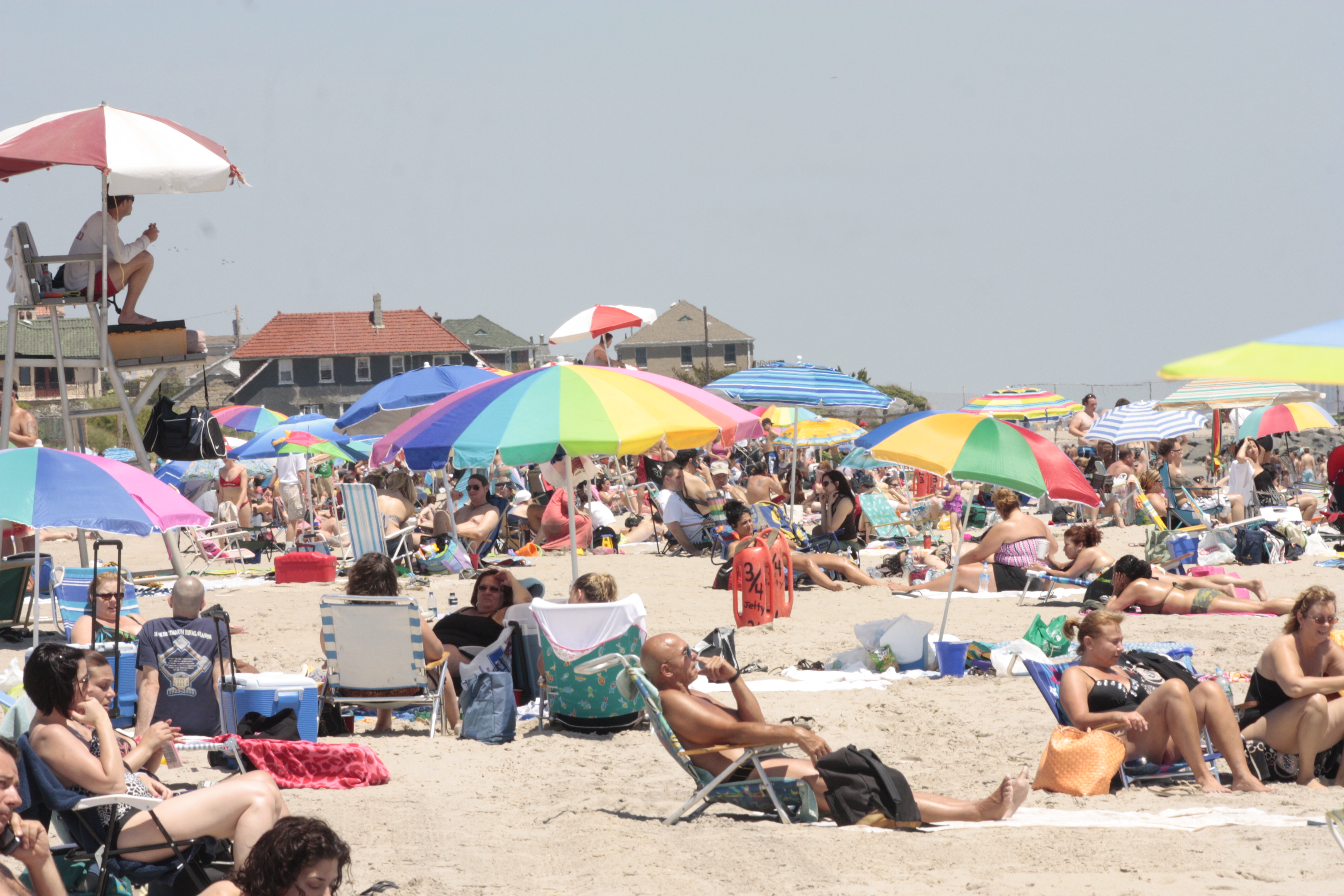
A good day at Gateway looks very different depending on which unit you choose. Launch a kayak or paddleboard into Jamaica Bay and spend a morning on the water with the Manhattan skyline as a backdrop. Rent a bike and ride the flat, open stretches at Floyd Bennett Field, a former naval air station with wide runways converted to recreational paths. Swim at Jacob Riis Park or the Sandy Hook beaches, both of which offer genuine Atlantic surf without a resort price tag. Anglers can fish from Canarsie Pier or along the bay. Guided tours at several sites add historical context, particularly around the military fortifications at Fort Tilden and Sandy Hook. Camping at Floyd Bennett Field makes an overnight urban adventure genuinely feasible.
Best for
Gateway offers particular appeal to New York and New Jersey metro residents. The unit excels for those seeking active outdoor recreation, including biking, paddling, and fishing. Its free beach access is a significant draw. Families will find accessible options close to the city. For destination travelers, however, Gateway's urban waterfront focus may not justify a dedicated trip. Consider your priorities carefully.
Best season
The core season for aquatic recreation, including swimming, paddling, and beach use, runs from late spring through early fall. July and August deliver the warmest water, drawing the largest beach crowds. Spring and fall present optimal temperatures for biking and wildlife observation at Jamaica Bay. Fall migration notably increases activity within the refuge. Winter visits are characterized by quiet conditions and cold temperatures; most beach amenities close for the season. This park suits those prioritizing seasonal outdoor activity. Casual sightseers should look elsewhere.
The high points
- Saltwater swimming at Jacob Riis Park and Sandy Hook beaches, both free and Atlantic-facing
- Kayaking and paddling on Jamaica Bay with city skyline views
- Biking on the open, flat grounds of Floyd Bennett Field, a repurposed historic airfield
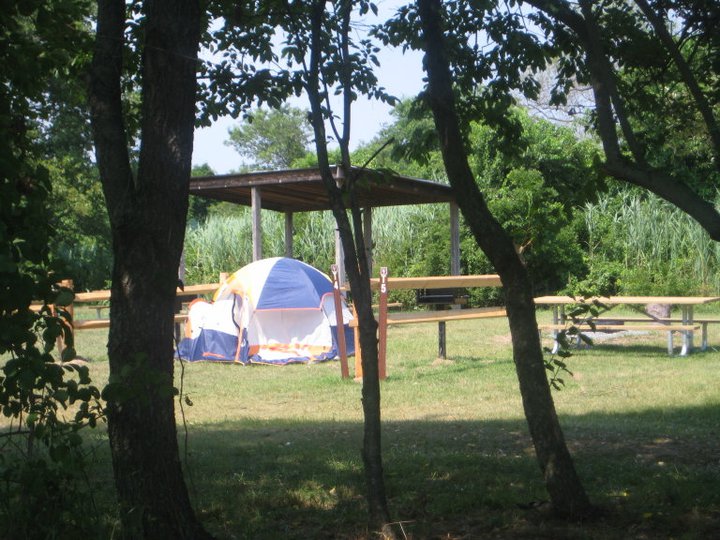
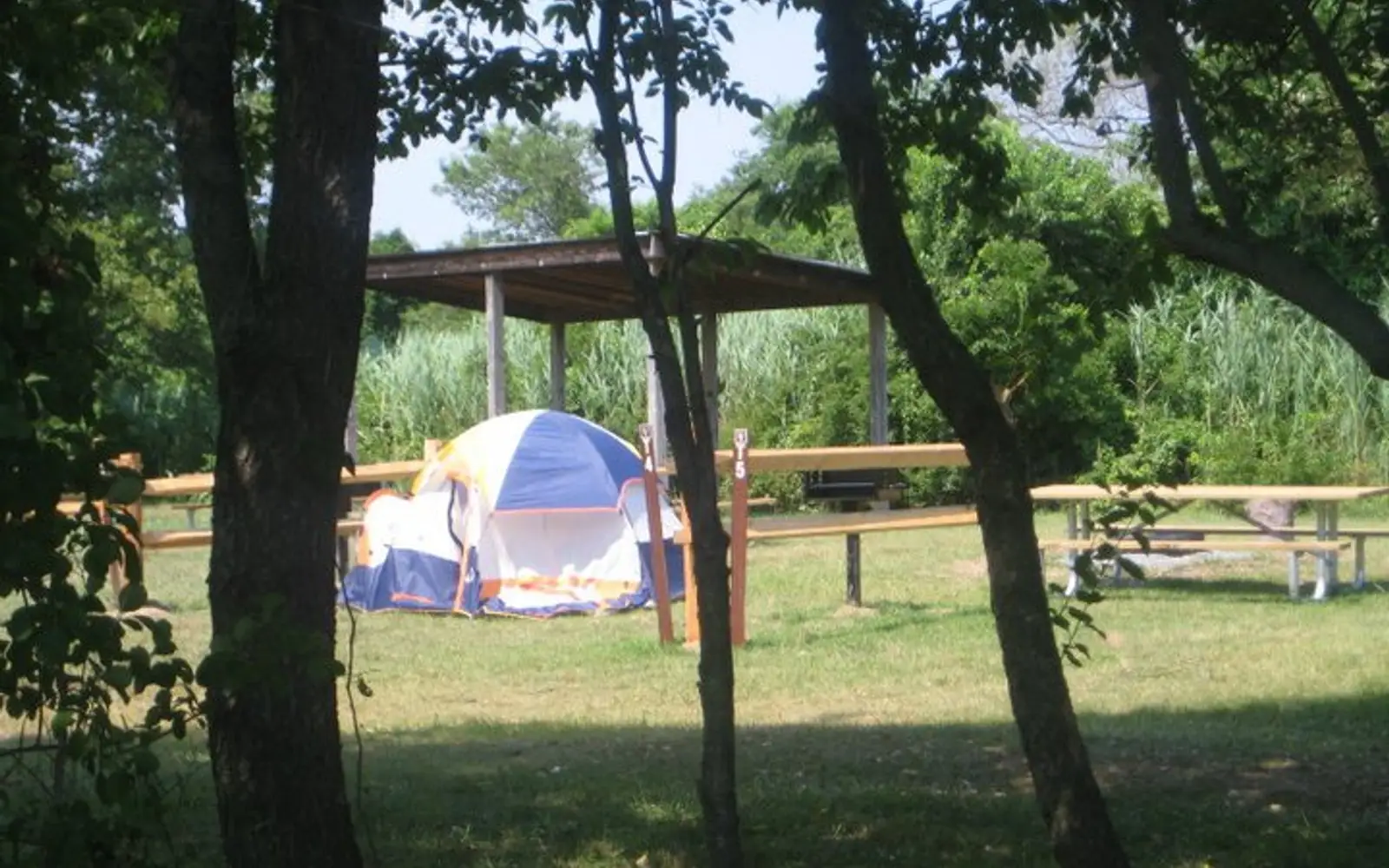
- Camping overnight at Floyd Bennett Field, one of the few urban camping options in the metro area
- Fishing from Canarsie Pier and other accessible waterfront spots throughout the park
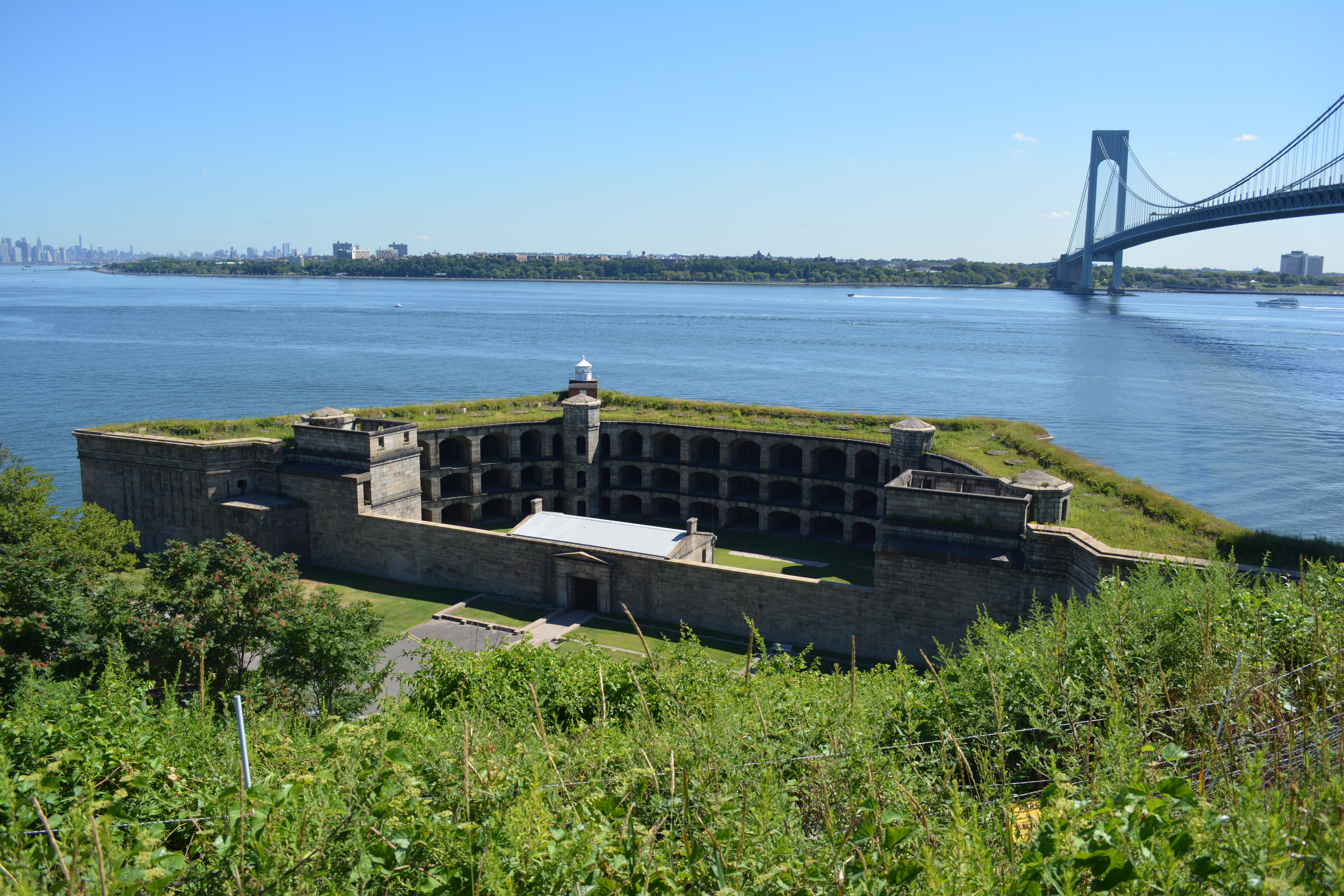
- Guided tours of historic military fortifications at Fort Tilden and Sandy Hook
Know before you go
Entrance is free across all units, a significant advantage. This is not a single destination. Individual units like Sandy Hook in New Jersey and the Brooklyn and Queens sites demand separate trips. Before visiting, confirm the specific site you are targeting. Parking, hours, and available facilities vary significantly by location. During summer weekends, some beach lots fill early.
One more thingFloyd Bennett Field presents a compelling alternative to its popular coastal neighbors. It provides reservable campsites, expansive biking terrain, and significantly fewer visitors than Jacob Riis or Sandy Hook on summer weekends. Those seeking an overnight stay must book campsites well in advance; urban camping opportunities this close to New York City are limited. The scale is the draw here. For what it offers, Floyd Bennett Field merits consideration.