Should you visit Gates Of The Arctic National Park & Preserve?
Gates of the Arctic National Park is not a casual destination.
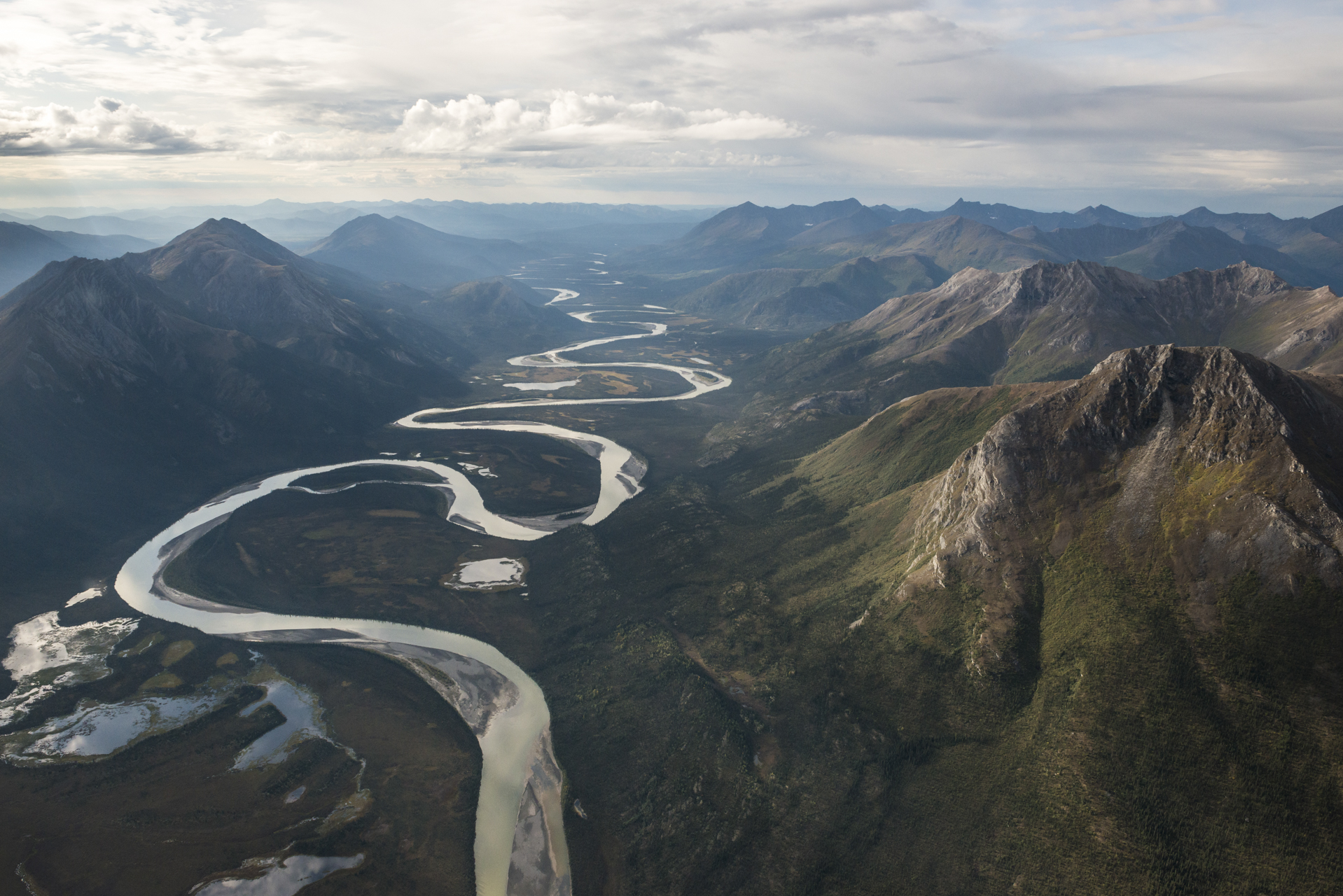
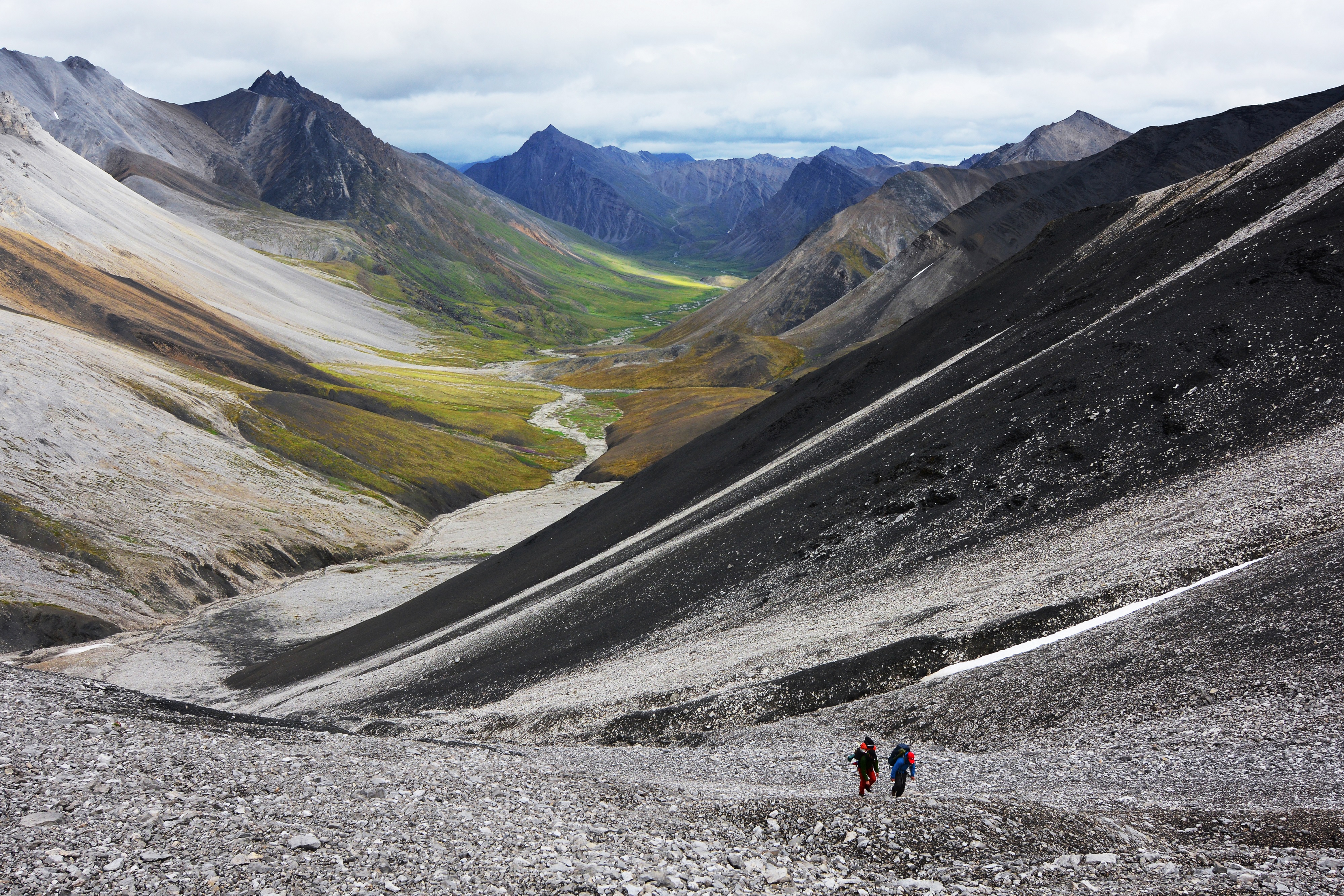
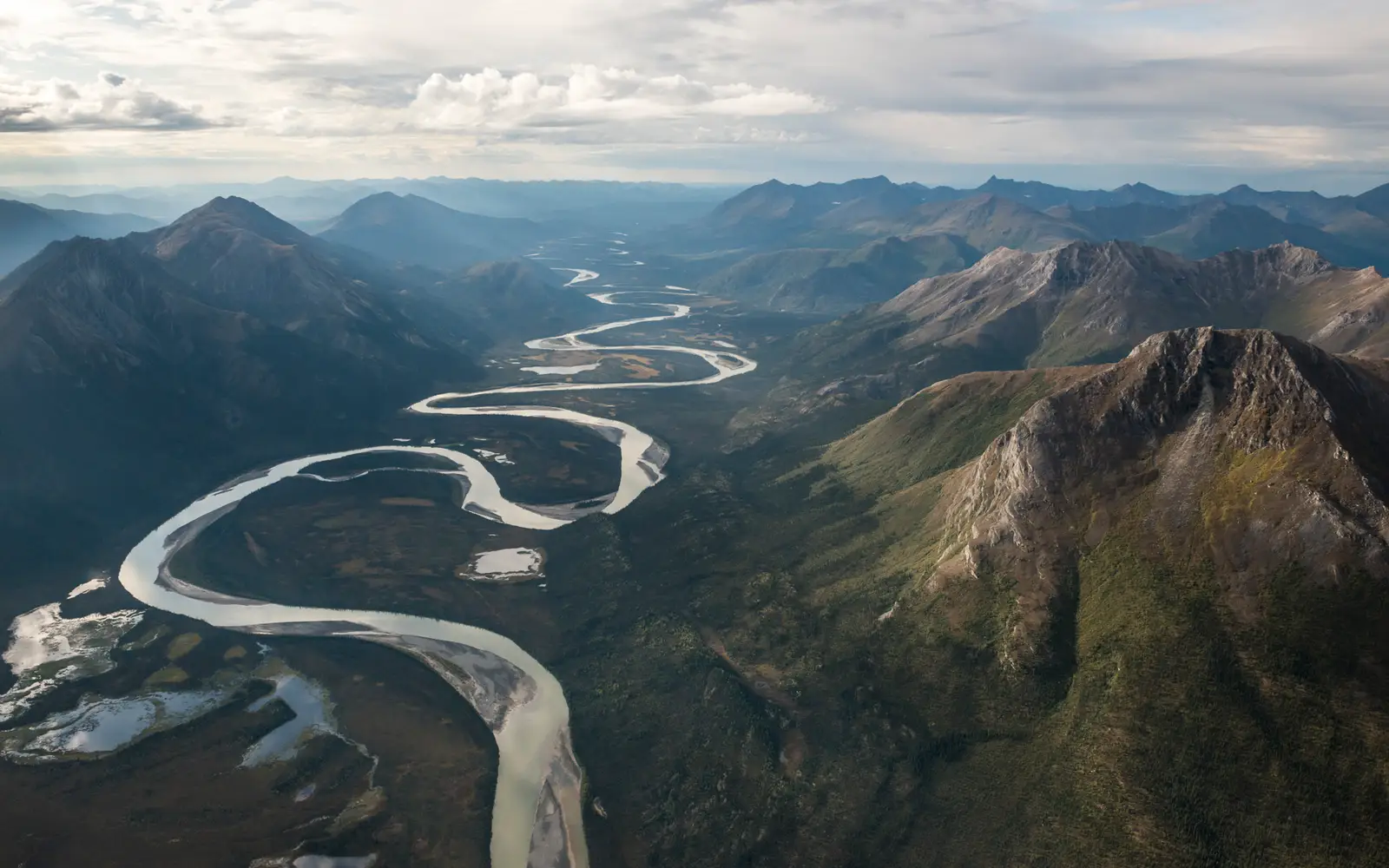
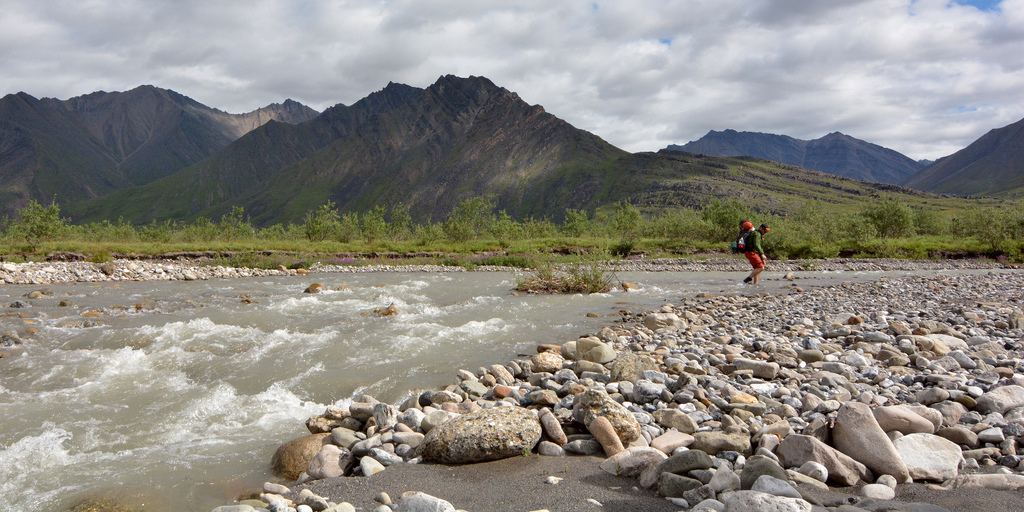
Situated entirely above the Arctic Circle, its roadless and trailless expanse demands significant logistical planning. The park offers no maintained paths, no developed campgrounds, and no interior ranger stations. What it does offer is one of the most genuinely wild places remaining. Visitors encounter intact arctic and sub-arctic ecosystems and free-running rivers ideal for multi-day paddling expeditions. The open tundra permits and requires off-trail hiking. The scale of solitude here is unmatched. An experience score of 90 reflects the remarkable breadth of documented activities, not ease of access. This park suits self-sufficient wilderness travelers. For this specific audience, it stands as one of the most rewarding units in the entire system.
What makes it worth it
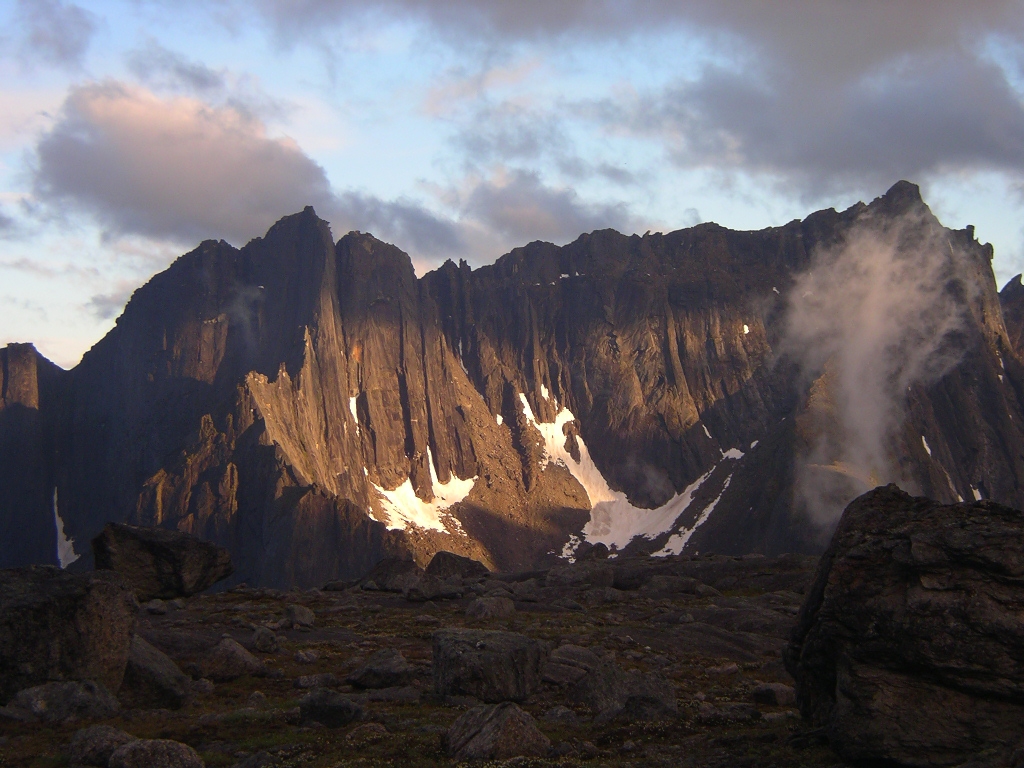
This park demands commitment. Multi-day river trips by canoe or kayak form the core experience, connecting wild arctic waterways with backcountry camping on gravel bars and tundra benches. Hikers comfortable with true off-trail navigation can explore terrain rarely trod by others. Climbers find remote peaks without the crowds of more accessible ranges. Nearly endless summer daylight dramatically extends activity windows for all visitors. The Junior Ranger program offers older, experienced outdoor children a structured entry into the park's ecology and human history. This is a destination for the self-sufficient, not the casual sightseer.
Who should go
This unit is best suited for experienced wilderness travelers, expedition paddlers, and backcountry hunters. Full self-sufficiency is a must. Visitors must be comfortable with arctic conditions and expert-level navigation. Families with young children and casual day hikers will find little to support their interests here. This is not a starter park.
When to go
Late June through early August presents the most favorable conditions, with mild temperatures, flowing rivers, and extended daylight for activities. September introduces tundra fall colors and enhanced wildlife viewing, but daylight diminishes and temperatures fall quickly. Winter travel, while possible, demands extreme preparedness. Rapid weather shifts are a constant factor across all seasons, necessitating itinerary flexibility.
Highlights
- Multi-day canoe and kayak expeditions on wild, roadless arctic rivers
- Fully off-trail hiking across open tundra with no permit or fee required
- Whitewater rafting on remote rivers with no development along the banks
- Backcountry camping under endless summer light above the Arctic Circle
- Rock and mountain climbing in a genuinely untracked wilderness setting
- Legal hunting and gathering within the preserve, continuing a ten-thousand-year human tradition
Plan ahead
This park unit presents a significant logistical and financial commitment. While entrance is free, reaching the preserve demands considerable expense and planning. You must fly into Bettles, Coldfoot, or another small gateway community, followed by a bush plane or floatplane into the park. No roads access or traverse the unit. For a trip here, advance contact with the Bettles or Coldfoot visitor centers is essential. Satellite communication devices are strongly recommended for all visitors. This destination is for the self-reliant and well-prepared. Casual sightseers should look elsewhere.
Editor's tipThis park unit caters exclusively to the self-reliant. River travelers must factor in potential water level fluctuations that can occur rapidly due to unseen upstream weather events. Prudent planning dictates at least one to two buffer days in any paddling itinerary before a scheduled departure flight. Bush plane pickups are impossible in poor visibility. Rescheduling options are notably limited. Casual sightseers should look elsewhere.