Is Friendship Hill National Historic Site worth your trip?
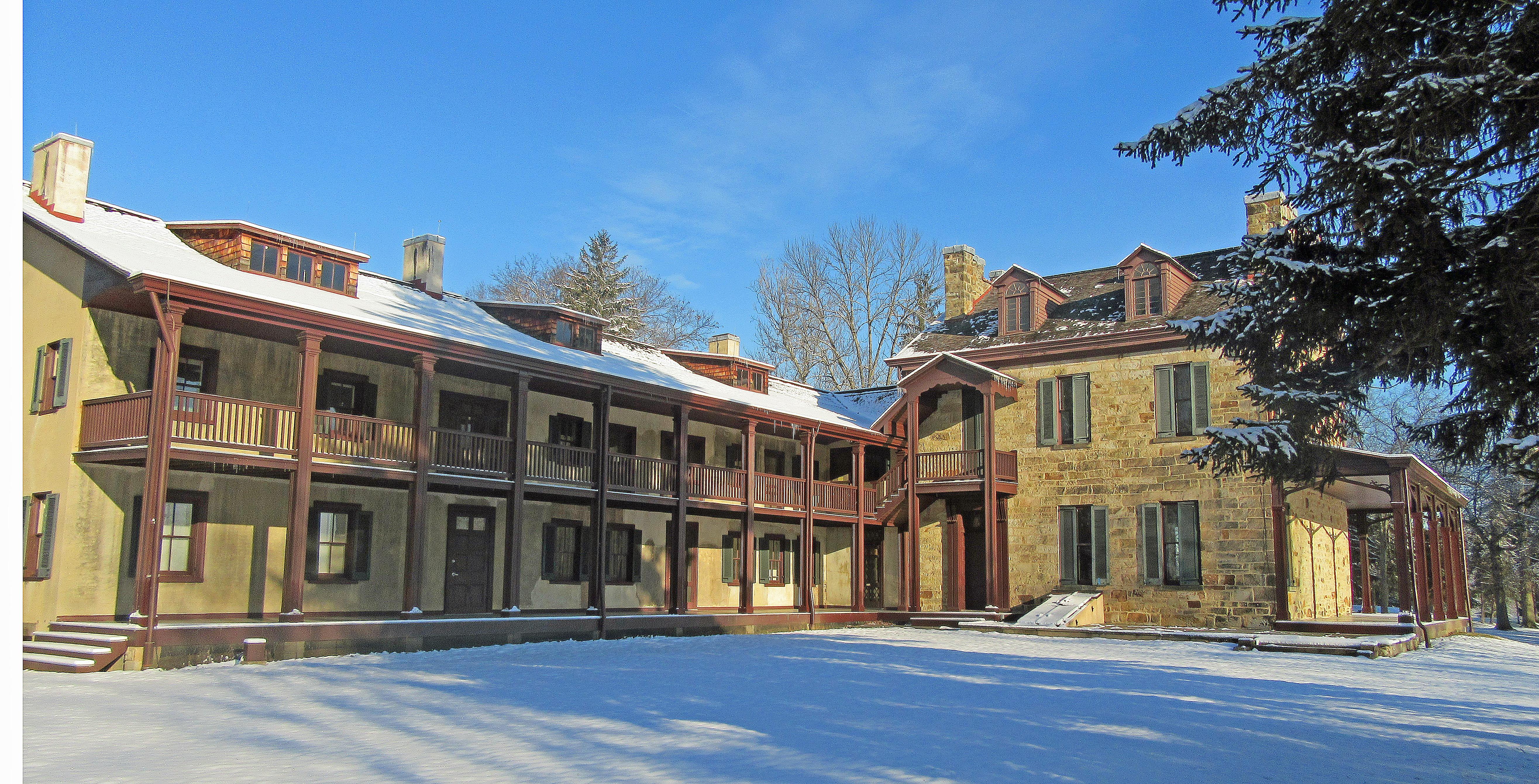
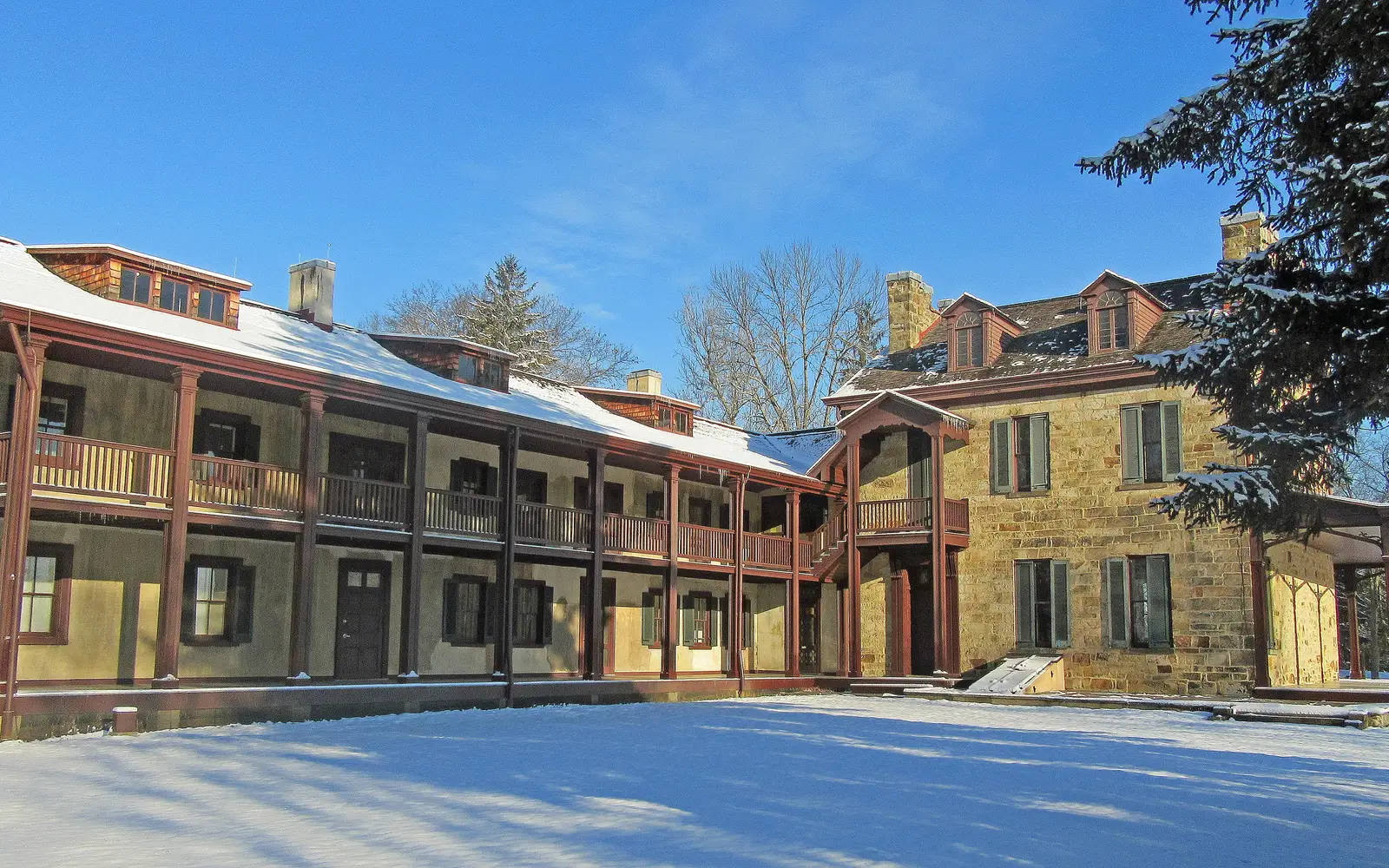
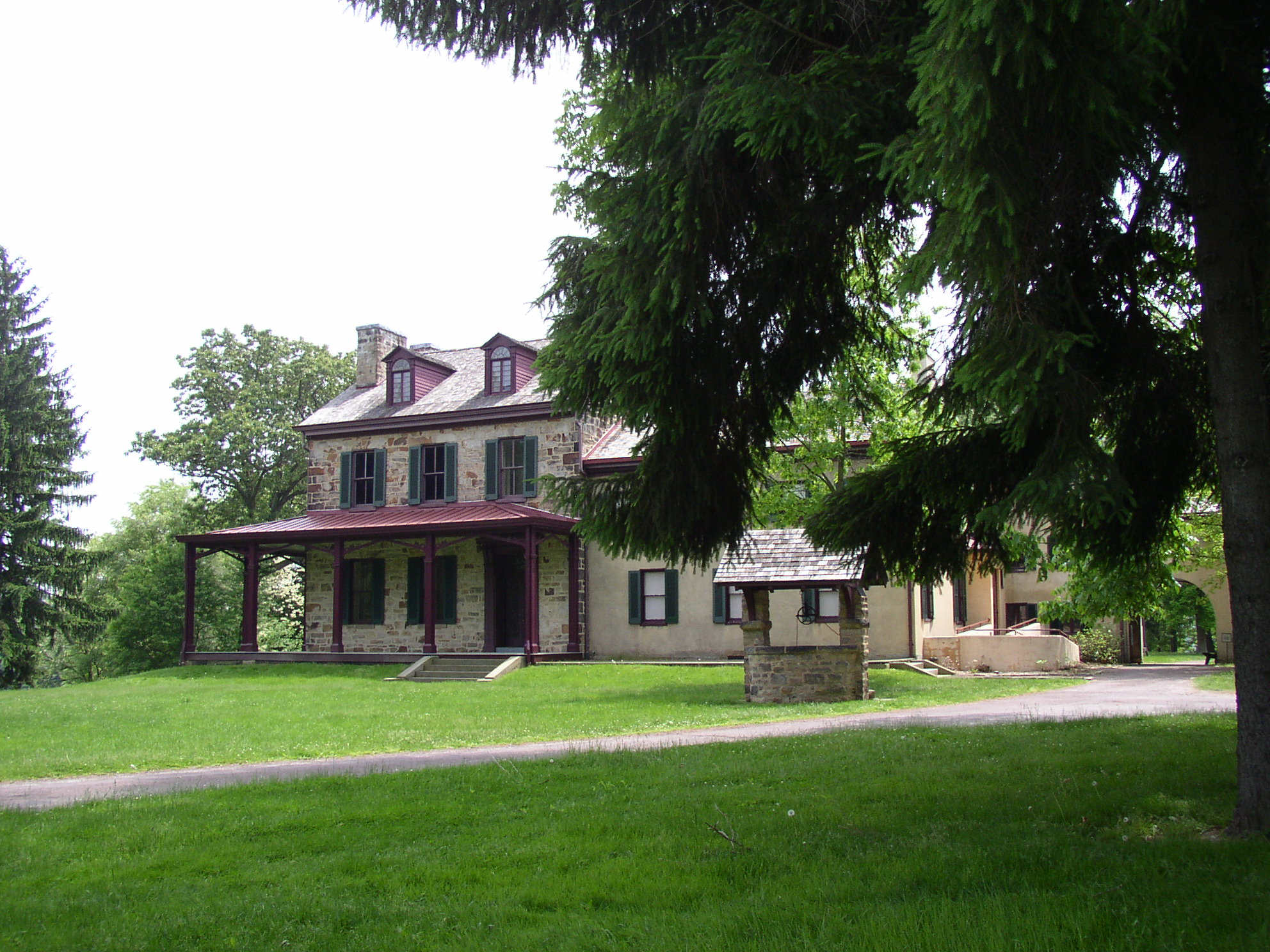
Friendship Hill National Historic Site in southwestern Pennsylvania honors Albert Gallatin, an under-recognized figure in early American history.
As Treasury Secretary, Gallatin significantly influenced national finance and key historical events like the Louisiana Purchase. The site offers a dual experience: historical immersion at the restored Gallatin estate and outdoor activity across a network of front-country trails. This location provides a quiet, uncrowded atmosphere. Access is free. The Gallatin House visitor center provides interpretive information. However, its operating hours are inconsistent; visitors focused on the historical exhibits should confirm availability in advance. For those seeking a low-key outdoor experience with a distinct historical anchor, the site offers value. As a primary destination, its appeal is specialized.
Why go
Friendship Hill presents a two-part experience: the House museum and its extensive grounds. While the visitor center and house have limited hours, the property remains accessible from sunrise to sunset year-round. This allows for wildlife viewing and hiking, with trails doubling as cross-country ski routes in winter. The park film and exhibits effectively convey historical significance. Junior Ranger programs are available. This unit provides free admission and accessible outdoor recreation, making a half-day visit a good value for those interested in history and light activity.
Best for
Gallatin's story is a compelling draw for those interested in the early American republic and fiscal policy. This subject is underserved elsewhere within the park system. The grounds offer hikers and birdwatchers a quiet, crowd-free outing in southwestern Pennsylvania. Cross-country skiers will find a rare winter option here. However, visitors expecting dramatic landscapes or a full-day itinerary comparable to larger NPS units will be disappointed. Casual sightseers should look elsewhere.
Best season
Optimal access runs from late spring through early fall; the visitor center and trails are reliably open then. May sees the most precipitation, so rain gear is advisable. Summer temperatures remain
The high points
- Restored Gallatin House with museum exhibits on his Treasury career and early American fiscal history
- Park film offering a focused introduction to Gallatin's outsized but overlooked legacy
- Front-country hiking trails through the estate grounds with wildlife and birdwatching opportunities
- Cross-country skiing on the trail network during winter snowpack
- Junior Ranger Program for families with children
- Free admission and uncrowded access year-round from sunrise to sunset
Know before you go
Admission is free. The grounds and trails are open daily from sunrise to sunset. However, the Gallatin House Visitor Center maintains irregular hours; it may be closed upon arrival. Call ahead or check the NPS website if indoor exhibits and films are a priority for your visit. Layered clothing is a practical choice in any season. Temperatures can swing from 25 to 70 degrees Fahrenheit in spring, and precipitation is variable.
One more thingDo not turn back if Gallatin House is closed. The trail system is the park's most accessible feature, open regardless of visitor center status. Reviewing Gallatin's Treasury record beforehand will connect the landscape to its history.