parkverdict
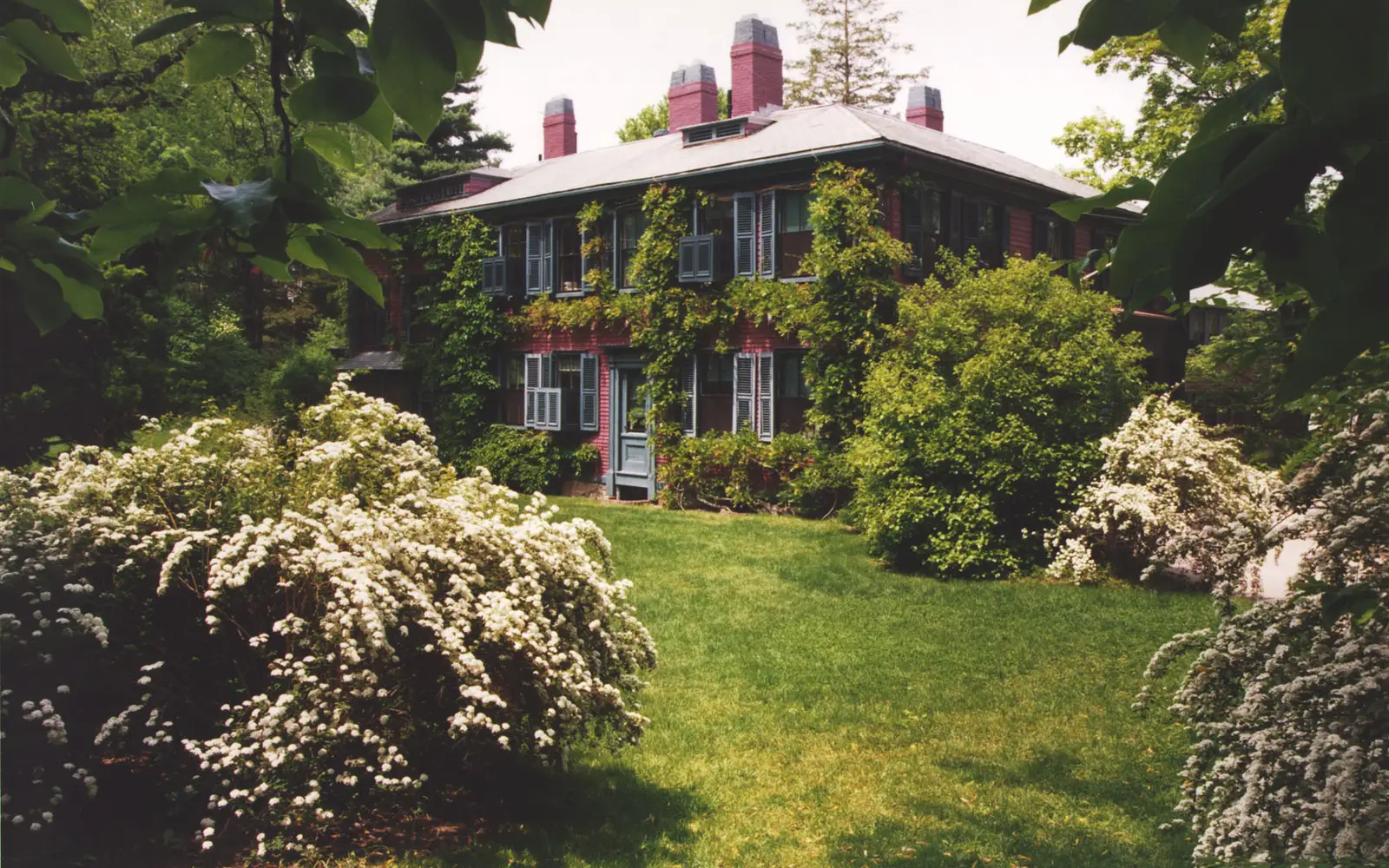
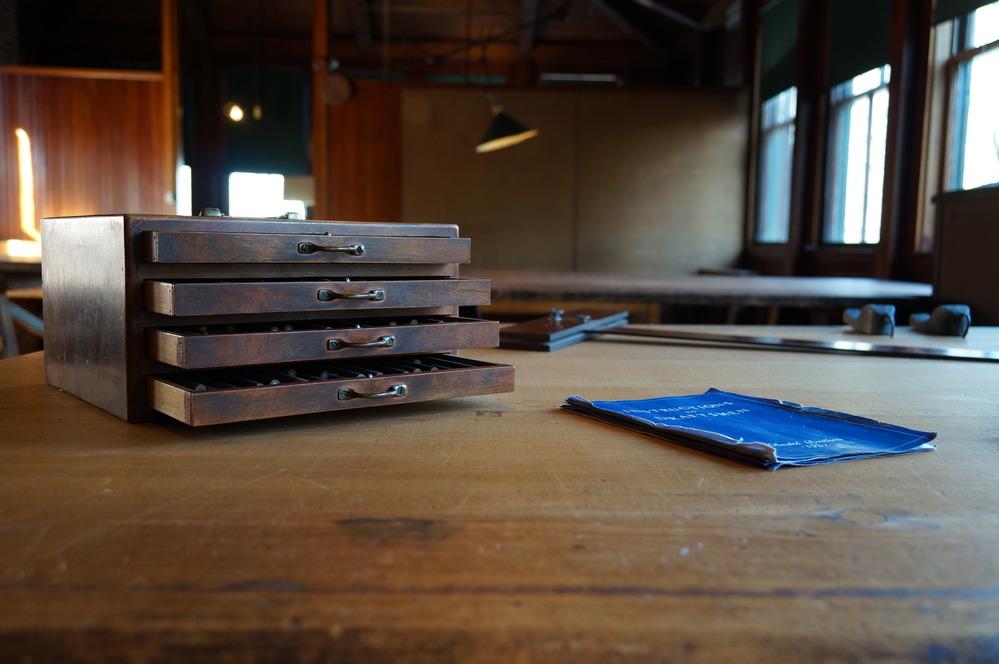
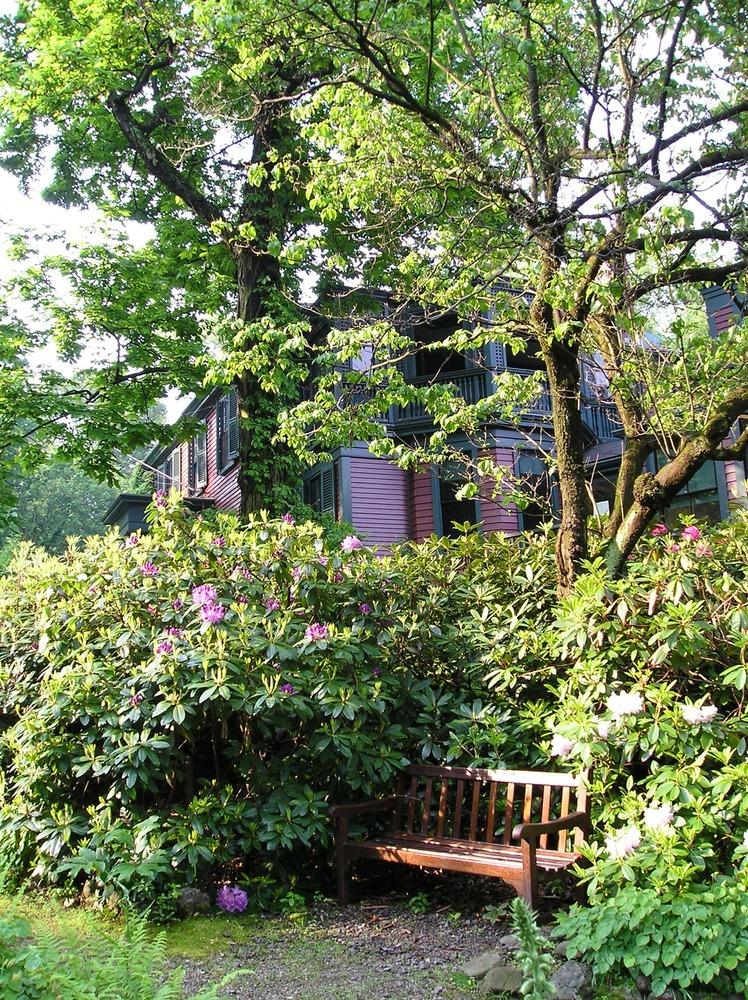
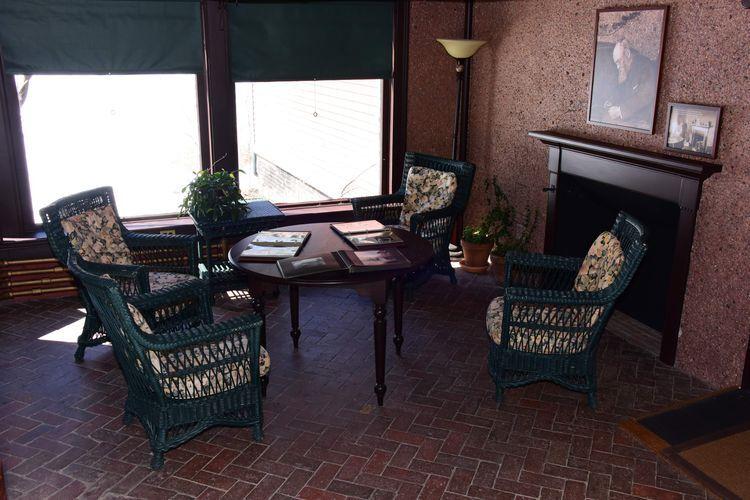
FairstedDark wood box with four shallow drawers on large wooden table with blueprintA shaded bench and plants in a sunken garden surrounded by bushesWicker chairs around table in room with rock covered wall with views outside
National Historic SiteMA

Frederick Law Olmsted National Historic Site

NPS / NPS Photo
46/ 100FOCUSED
parkverdict Experience ScoreIndependent, not sponsored

46 of 100. Our independent breadth-and-access index. How we score

Our take

Is Frederick Law Olmsted National Historic Site worth your trip?

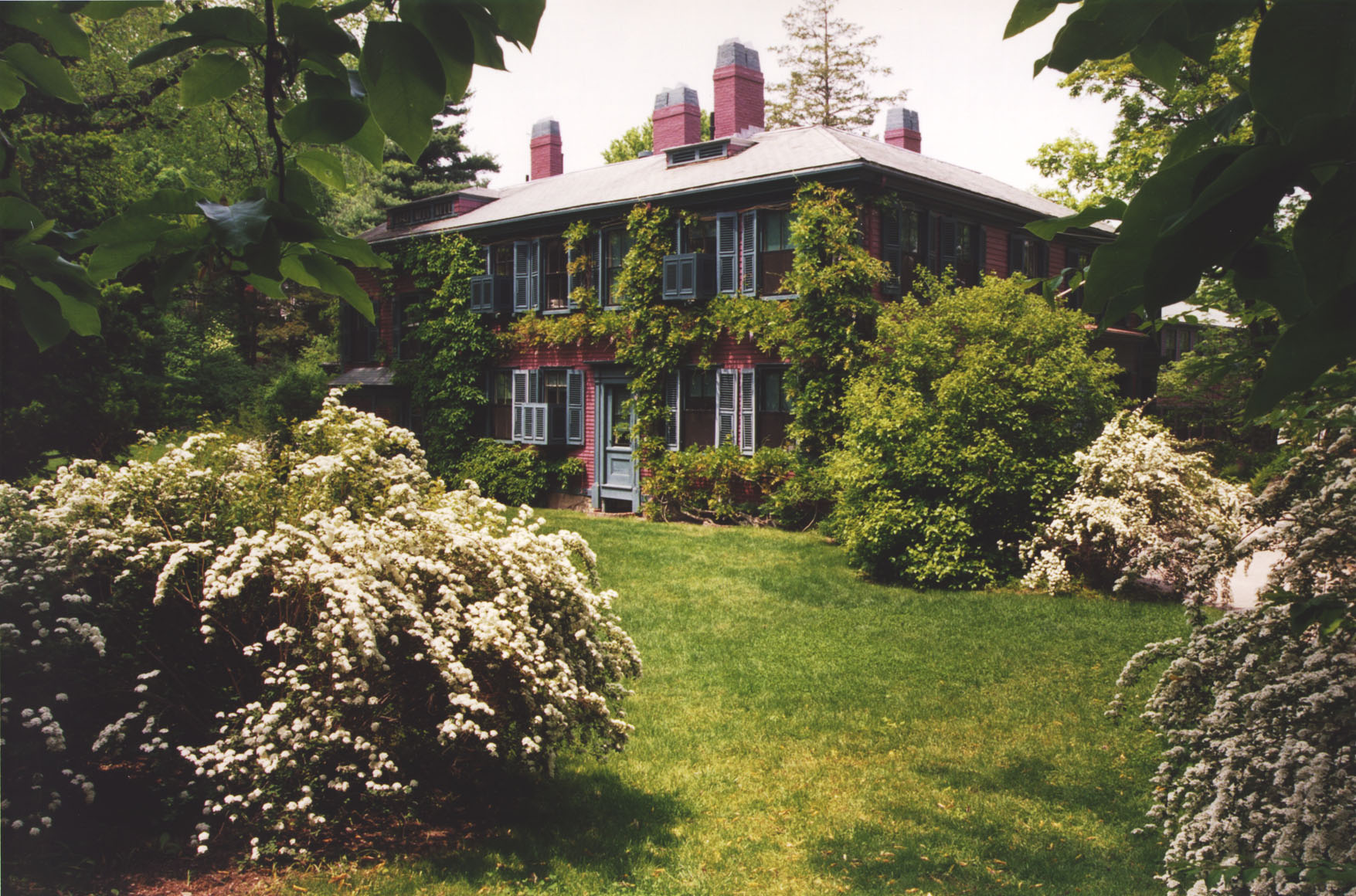
Sitting in Brookline, Massachusetts, this quiet, intellectual little site is dedicated to Frederick Law Olmsted, the man who designed Central Park, the U.S.

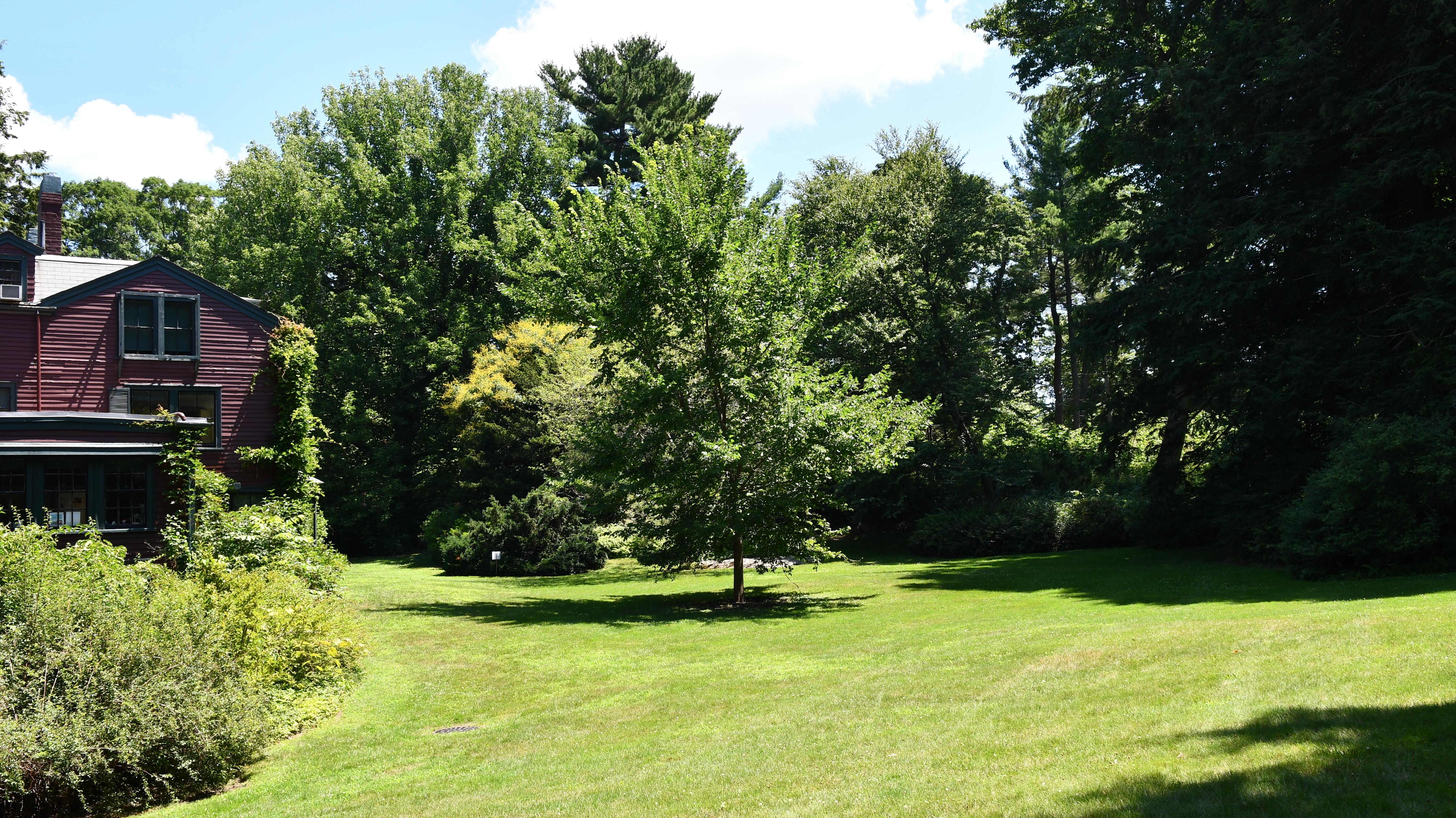
Capitol grounds, and hundreds of other landscapes that Americans walk through every day without ever connecting them to a name. The physical heart of the place is a modest Victorian house and office where Olmsted and his successors worked for nearly a century. The site is small, free, and genuinely worth a visit if you care about design history, urban planning, or landscape architecture. Do not show up expecting sweeping scenery or a nature walk. The grounds are pleasant but compact, and that is not really the point anyway. What draws people here is the archive, the exhibits, and the guided tours that trace how one office, over decades, shaped the green spaces of American cities. Come looking for a grand estate and you will leave let down. Come curious about the ideas behind American public parks and you will find it surprisingly hard to leave at all.

Why go

The guided tour is the best place to start. It walks you through the drafting rooms and archives where Olmsted and his firm produced some of the most influential landscape designs in American history, and the museum exhibits fill in the broader story of his career and philosophy. If you prefer to move at your own pace, a self-guided walking option covers both the grounds and the building. Families can grab a Junior Ranger program to keep younger visitors busy. The bookstore and park store stock titles on landscape architecture and design history that you would struggle to find at a typical park gift shop, so they are worth a few minutes of your time. Budget two to three hours for the full visit, which makes it a comfortable half-day stop if you are already in the Boston or Brookline area.

Best for

If design history, urban planning, or the quiet story behind familiar parks and parkways means anything to you, this place is worth the trip. The Junior Ranger program also makes it work well for a short family outing. Just know what you are getting into: there is no hiking here, no wildlife, no dramatic scenery. It is a house museum, and a good one.

Best season

Summer is your best bet for reliable access, with the site running Thursday through Sunday, grounds open from dawn to dusk. Spring hours tighten a bit, with access starting on Friday. Fall brings cooler air and good foliage, and mid-October is worth considering. Winter hours shrink considerably, so check current hours before making the trip.

The high points

  • Guided tours of the historic house and original working office
  • Museum exhibits tracing Olmsted's career and lasting influence on American landscapes
  • Archival drafting rooms preserved largely as they were during active use
  • Self-guided walking tour of the grounds at your own pace
  • Junior Ranger program for families with children
  • A well-stocked bookstore focused on landscape architecture and design history

Know before you go

Admission is free. The visitor center and house run on seasonal hours and close on certain days, so check the current schedule before heading out, particularly in spring or winter. The grounds are open year-round from dawn to dusk, even when the buildings are closed. Street parking is available nearby in Brookline. The site is small enough that half a day covers it comfortably.

One more thingTry to book a ranger-led tour rather than walking through on your own. Those tours get you into the office and archive spaces, and standing inside those rooms makes it clear how much this one building influenced parks from one coast to the other.

How we scored it

Behind the 46

The number is not a mood. It is a few things we can actually check in public records, added up and capped so no single one runs away with the total. It tracks how much a place has going on and how easy it is to reach, and nothing about scenery or crowds. Here is what added up to 46:

  • Activity breadth6 documented activities
  • Topic breadth6 topics
  • Official imagery6 public-domain images
  • Camping on sitenone recorded
  • Entry costfree

No number is hand-adjusted and no unit pays for placement. The full weights, the floor at 18 and a worked example are on how we score.

The honest limits

The honest blind spots

Read the score for what it is. It counts what a place documents and how reachable it is, and stops there. It will not tell you if a sunset floors you, if the crowds thin out by dusk, whether a washout closed your trail, or how a ranger tells the story. Plenty of quiet, focused spots score modestly and still win the weekend. Let the number rank what is on offer; let the verdict speak to the feel.

Things to do

What it offers

Guided ToursSelf-Guided Tours - WalkingJunior Ranger ProgramMuseum ExhibitsShoppingBookstore and Park Store
Overview

About Frederick Law Olmsted National Historic Site

Frederick Law Olmsted (1822-1903) did more to shape American parks than anyone before or since, and he essentially invented landscape architecture as a profession in this country. In 1883 he relocated to suburban Boston and set up what became the world's first full-scale professional office dedicated to landscape design. His sons took over after him, and the firm carried his approach forward for the next century.

On documented breadth and access, Frederick Law Olmsted National Historic Site ranks 17th of 19 park and public-land units we score in Massachusetts.

Climate note

Summer runs warm and humid, with average highs around 80 degrees Fahrenheit. July and August are the hottest months. Fall brings temperatures down into the 45 to 65 degree Fahrenheit range, rain comes and goes, and foliage peaks in mid-October. Winter is cold and snowy, with average lows around 25 degrees Fahrenheit. Spring starts cold and gradually turns cool.

Common questions

Frederick Law Olmsted National Historic Site: quick answers

Is Frederick Law Olmsted National Historic Site worth visiting?

Sitting in Brookline, Massachusetts, this quiet, intellectual little site is dedicated to Frederick Law Olmsted, the man who designed Central Park, the U.S.

Is Frederick Law Olmsted National Historic Site free to visit?

No charge at the gate.

What is Frederick Law Olmsted National Historic Site best for?

It leans hardest toward good with kids, guided tours, history & culture, going by the 6 activities it actually documents.

When is the best time to visit Frederick Law Olmsted National Historic Site?

Summer is your best bet for reliable access, with the site running Thursday through Sunday, grounds open from dawn to dusk.

How is the Experience Score for Frederick Law Olmsted National Historic Site calculated?

The 46 comes straight from public data on how much the place documents and how easy it is to reach, things like activities, topics, photos, camping and whether entry is free. It says nothing about scenery or how busy it gets.