Should you visit Frederick Douglass National Historic Site?
The Frederick Douglass National Historic Site preserves Cedar Hill, the Washington D.C.
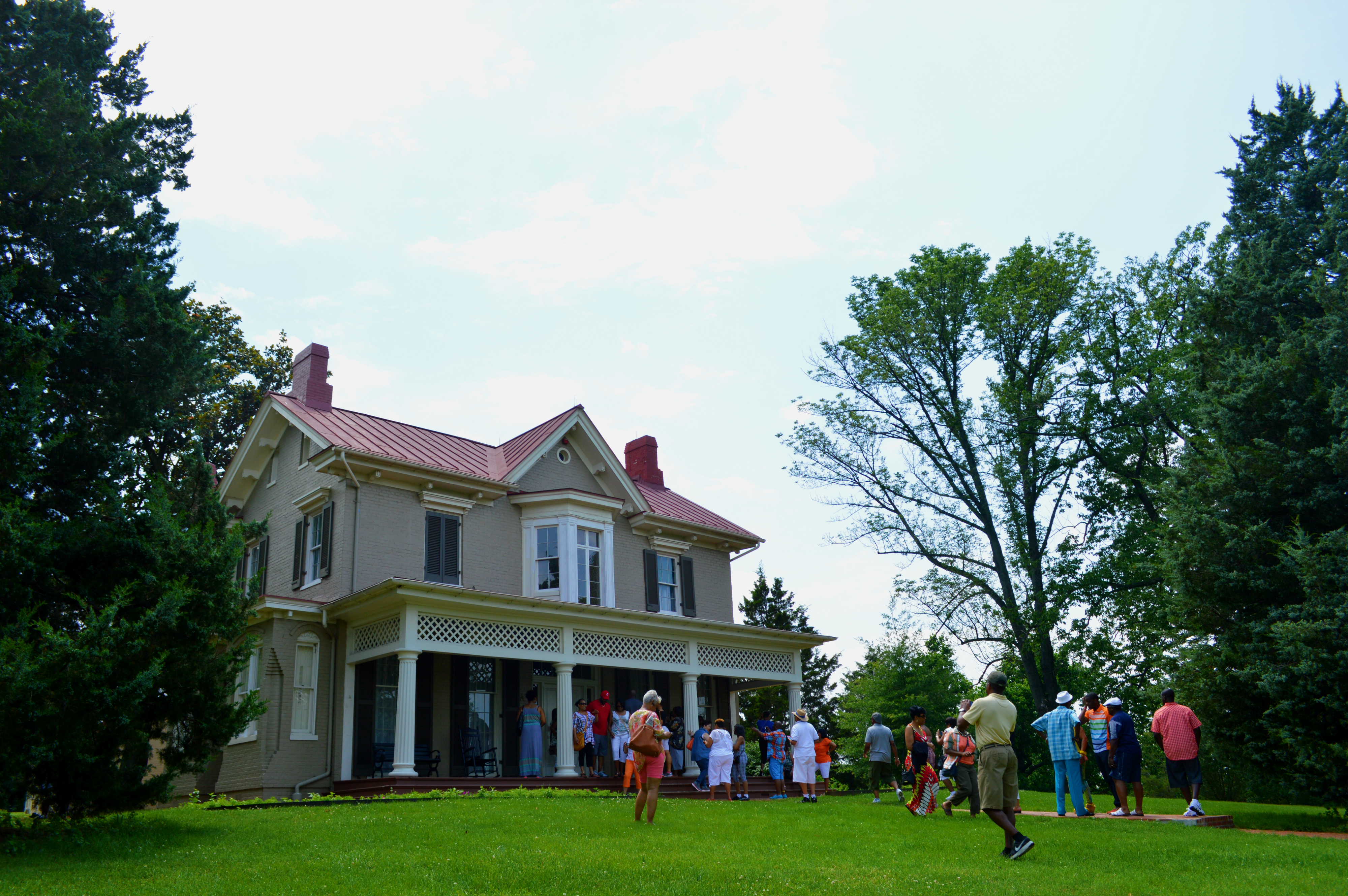
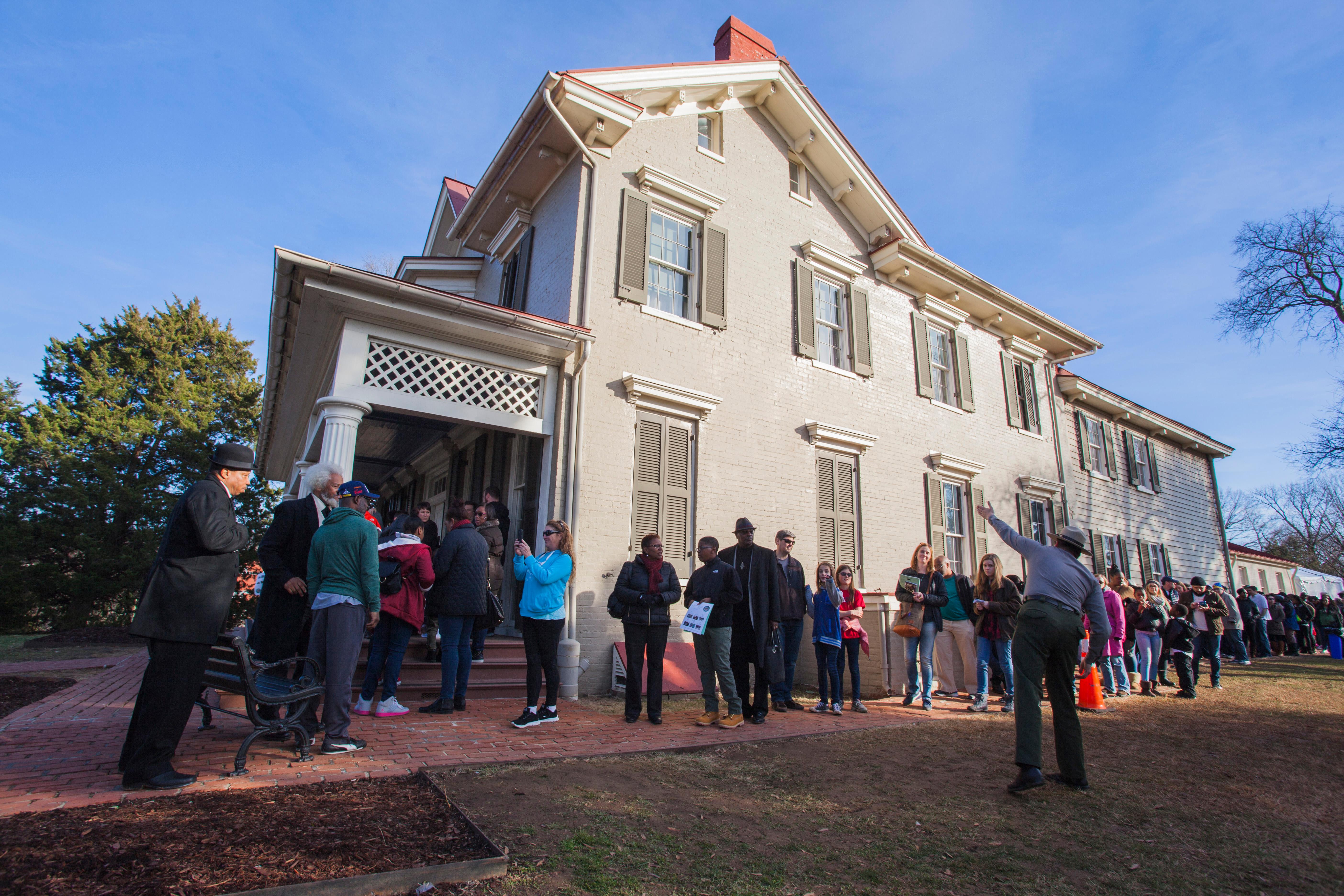
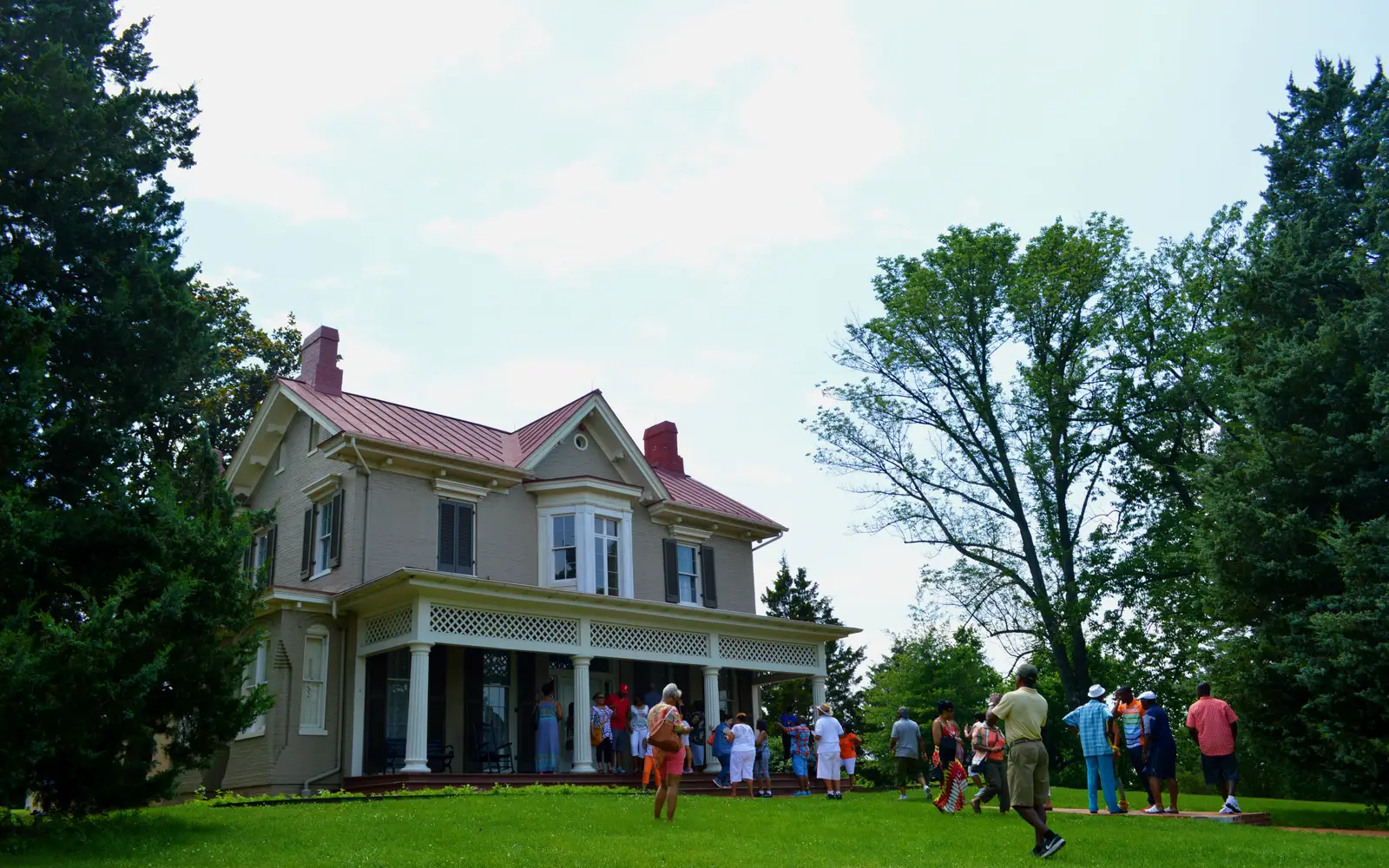
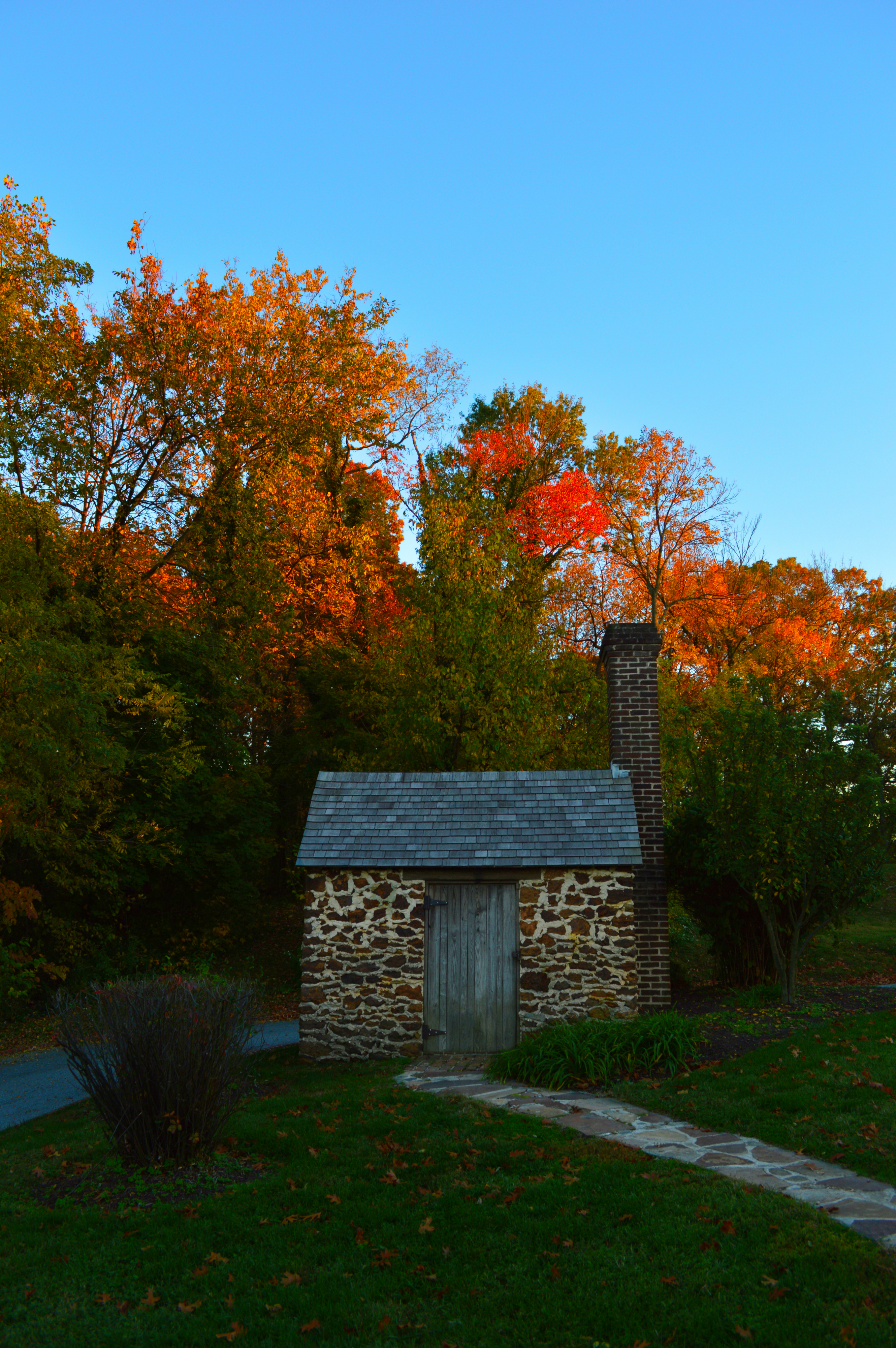
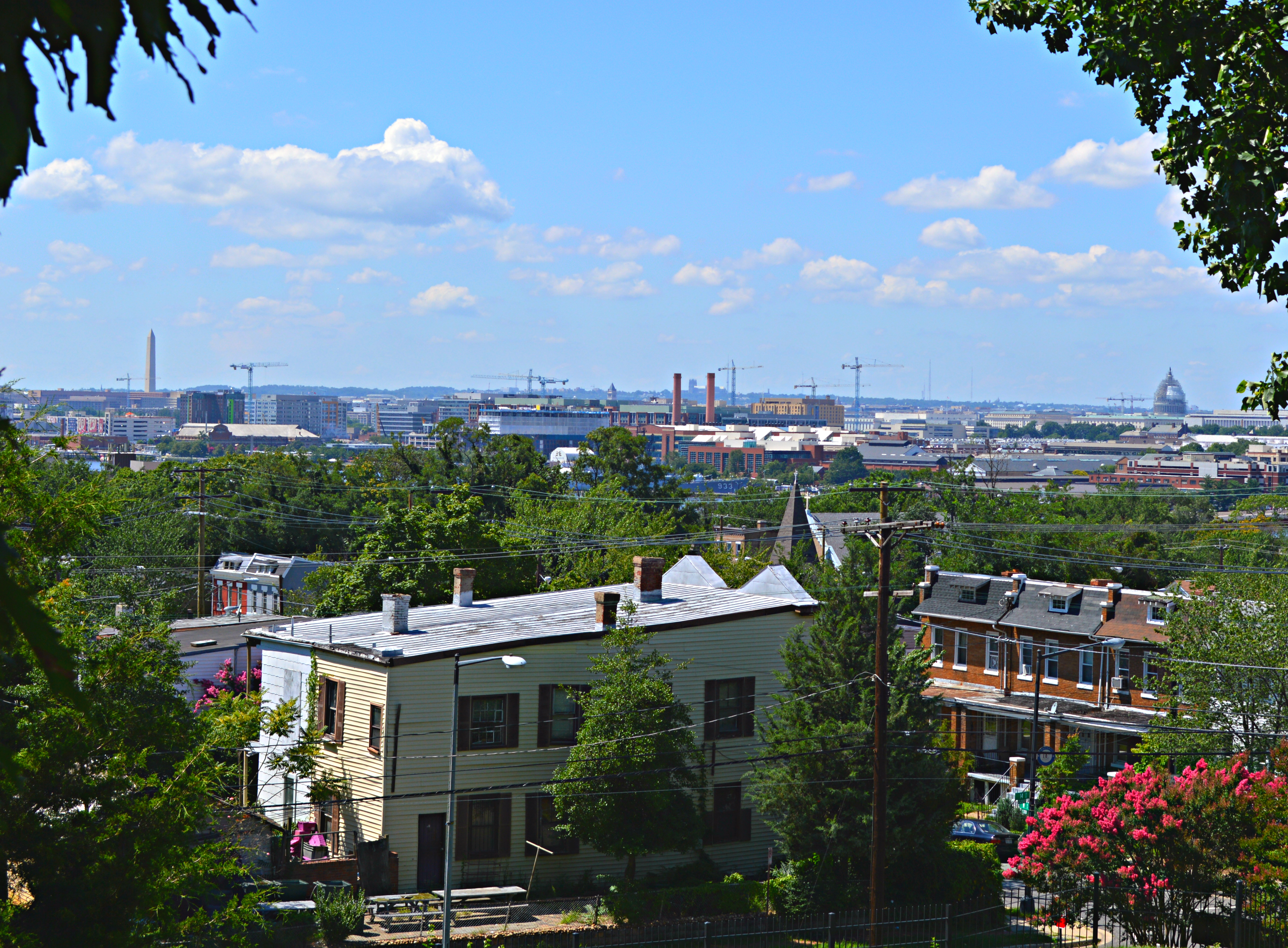
home where Douglass lived for his final 17 years. This is not a sprawling outdoor park. The Experience Score of 44 reflects its compact footprint rather than its significance. The site is a single house on a hill in the Anacostia neighborhood. At $1 entry, it stands as one of the best value historic sites in the country. The experience is intimate and focused: a ranger-guided tour of the Victorian house, a short film, and museum exhibits tracing his journey from enslaved person to abolitionist, writer, and statesman. The guided tour is the whole show. For anyone seriously interested in American history, the civil rights movement, or 19th-century political thought, that show is quietly extraordinary. Expect depth, not breadth.
What makes it worth it
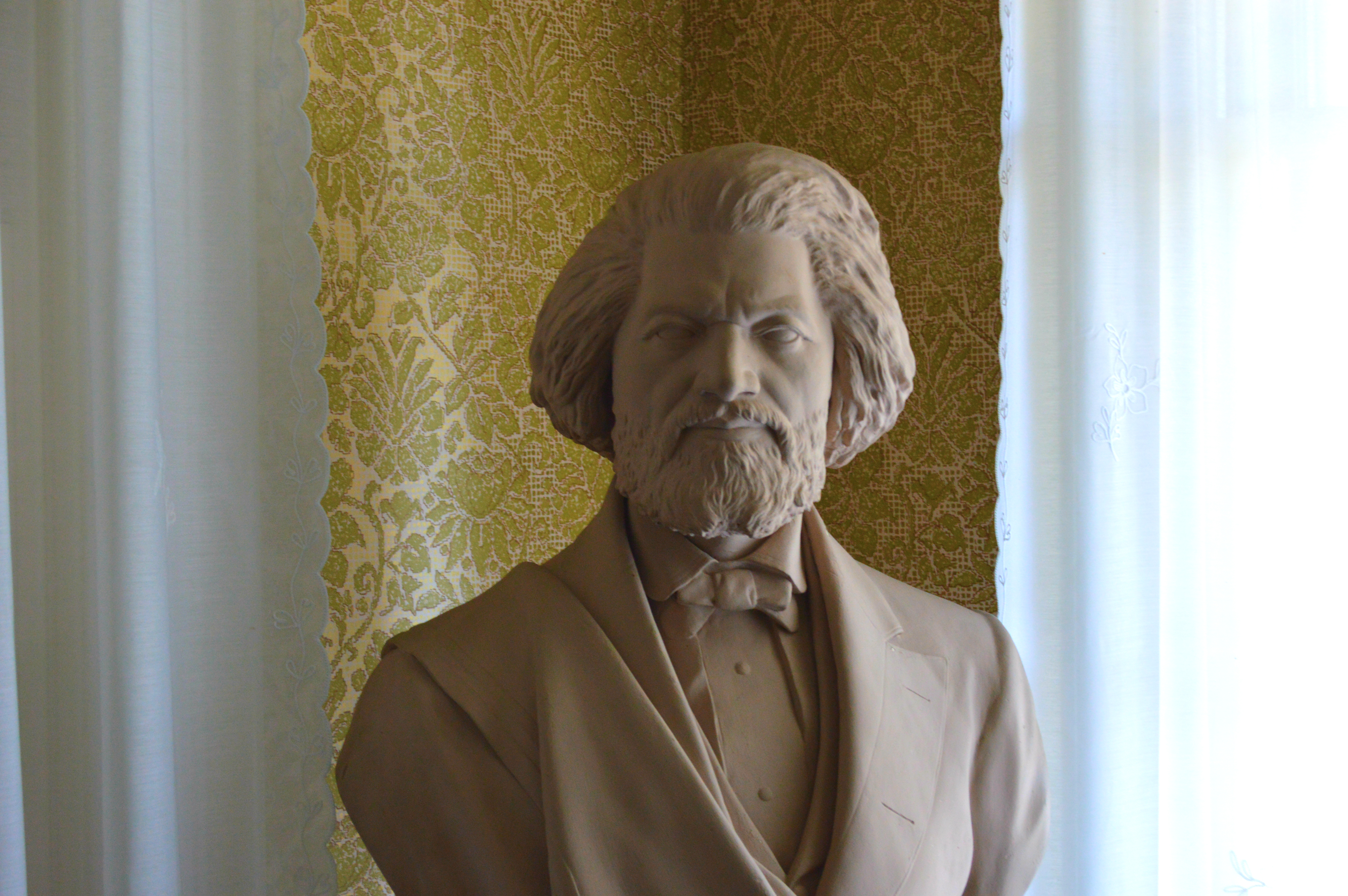
A visit to this site typically requires two to three hours. The experience begins with a park film in the visitor center, providing essential context before entering the house. The guided tour of Cedar Hill forms the core of the visit; rangers present rooms containing original furnishings and personal effects, creating a direct link to Douglass. Museum exhibits within the visitor center offer additional biographical and historical information. The bookstore and park store feature substantial titles on Douglass and the abolitionist movement, catering to readers. Junior Ranger booklets are available for younger visitors. The integrated film, exhibits, and narrated house tour provide a structured and rewarding experience.
Who should go
This unit holds substantial value for history enthusiasts and students of the abolitionist movement. It pairs well with other heritage sites in Anacostia. Visitors should expect a contemplative, educational experience. Those seeking outdoor recreation, scenic landscapes, or physical activity will be disappointed. This is a sit-and-listen, look-and-read destination.
When to go
Spring and fall present the most favorable conditions for a visit, offering mild temperatures and more manageable crowds. Summer visits are feasible due to indoor tours and exhibits, but the documented oppressive humidity in July and August significantly impacts any outdoor experience. Reduced winter hours between October and March necessitate checking the schedule. This destination operates Tuesday through Saturday only, year-round.
Highlights
- Ranger-guided tour of Cedar Hill, Douglass's original Victorian home with period furnishings intact
- Park film providing biographical context before entering the house
- Museum exhibits tracing Douglass's life from enslavement to national prominence
- One of the lowest entrance fees in the National Park system at $1
- Junior Ranger Program for families with children
- Well-stocked bookstore focused on Douglass, abolitionism, and African American history
Plan ahead
This site caters to those with a specific historical interest, offering a focused experience rather than broad recreational appeal. Its limited operating schedule, Tuesday through Saturday, necessitates planning, with reservations for the house tour highly advisable due to capacity restrictions. The accessible Anacostia neighborhood location, a short drive or Metro ride from the National Mall, adds to its convenience for city visitors. Arriving early to the visitor center allows time for the interpretive film and exhibits, which are essential context for the tour. Casual sightseers or those seeking extensive outdoor activities will find little here; this destination is for the deliberate cultural tourist.
Editor's tipAdvance booking for the guided house tour is advisable, particularly for spring and fall weekend visits. While walk-in spots are sometimes available, tours fill rapidly. Without a tour, the visitor experience is confined to the film and exhibits, which offers significantly reduced engagement with the site.