Fossil Butte National Monument: our verdict
Fossil Butte National Monument, in southwest Wyoming's high desert, preserves one of the world's most significant Eocene fossil deposits.
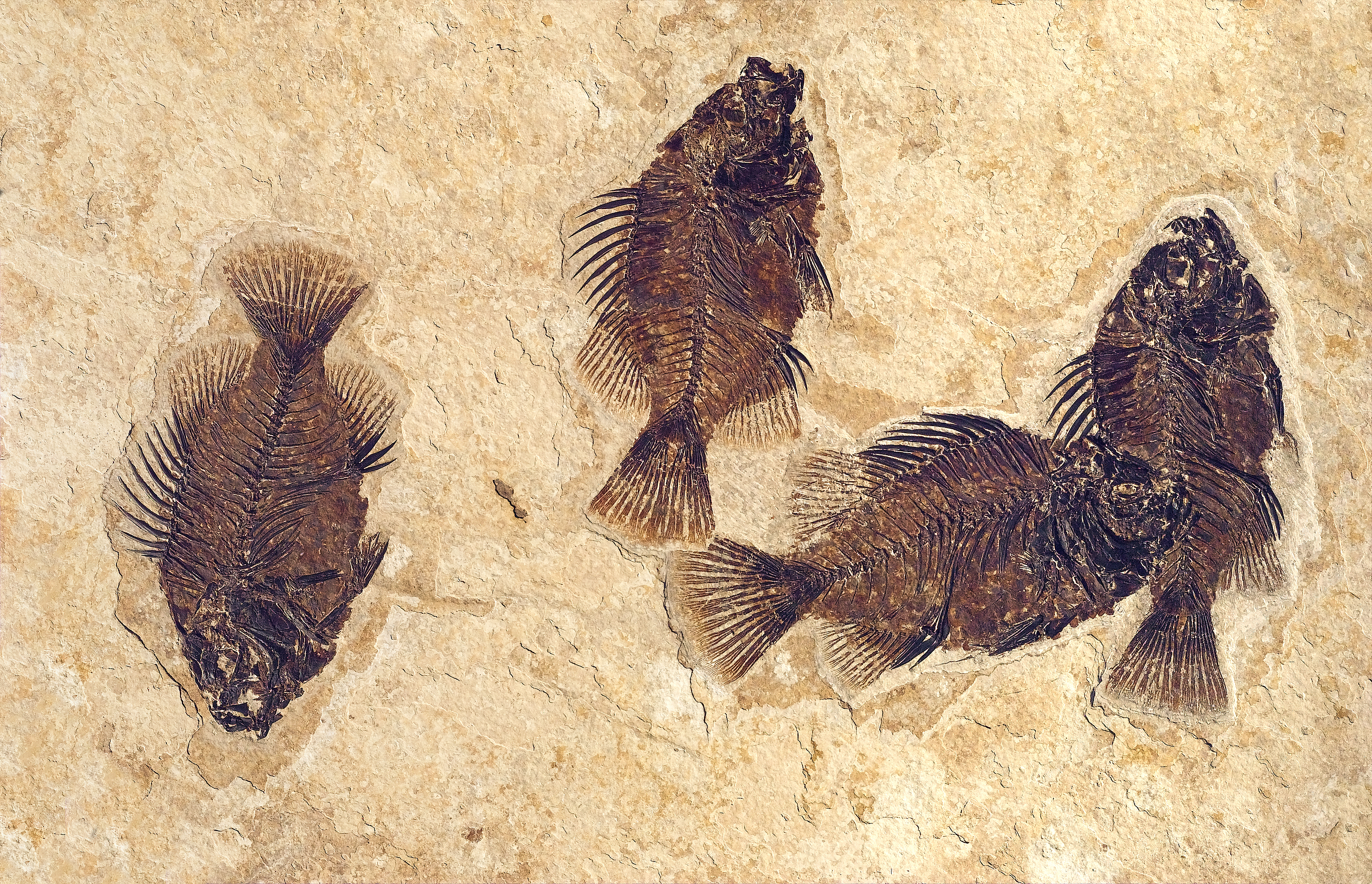
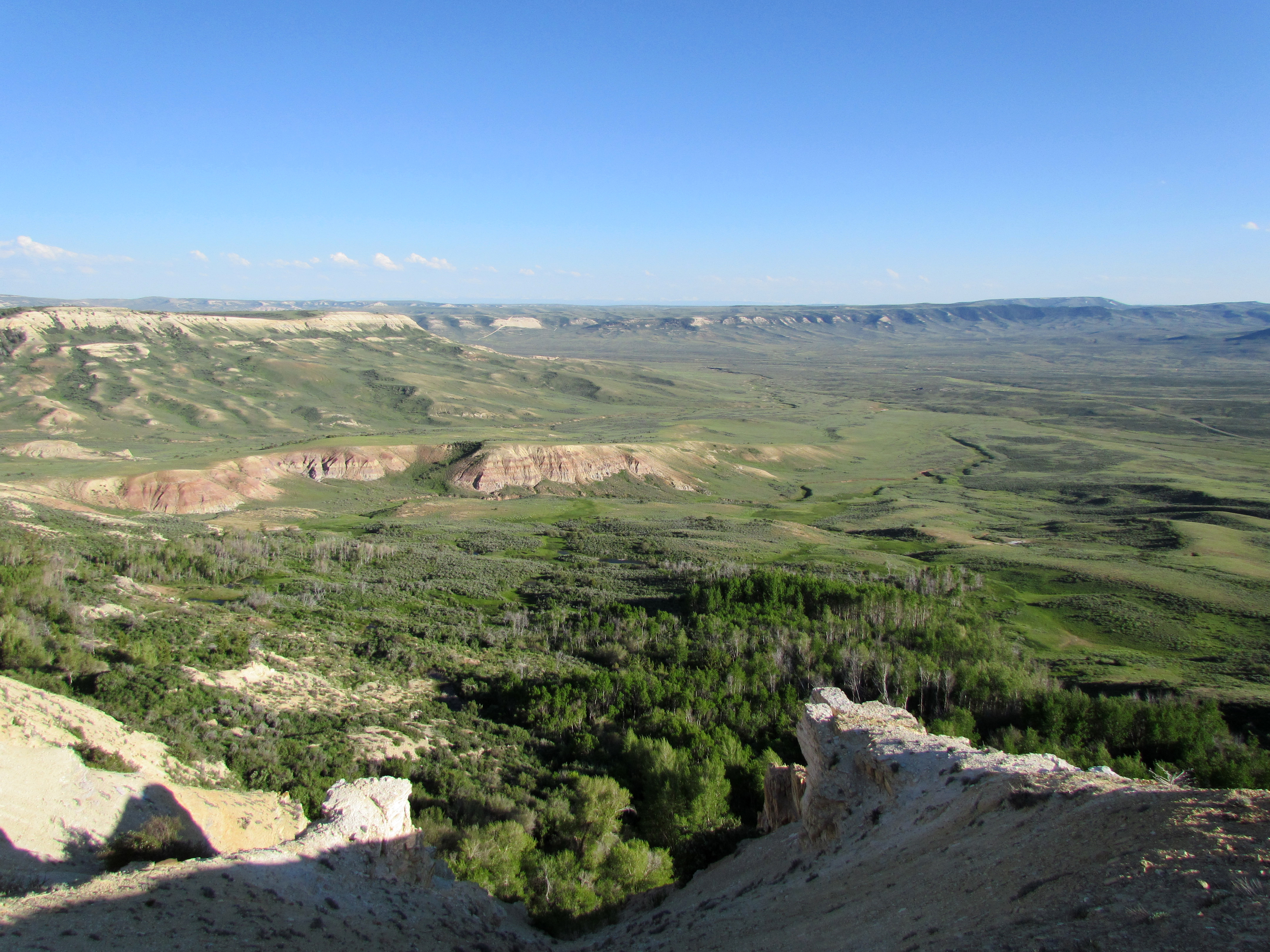
The visitor center displays remarkable fossil specimens: fish, turtles, and early mammals from a 52-million-year-old lake bed. A handful of hiking trails traverse ridgelines above that ancient lakeshore. This is not a multi-day destination. The fossil collection alone merits a half-day stop. The landscape offers stark, open Wyoming rangeland, not dramatic canyon country. Geology enthusiasts, paleontology fans, or families seeking an educational detour will find significant value. Casual park collectors may find it thin.
Why visit
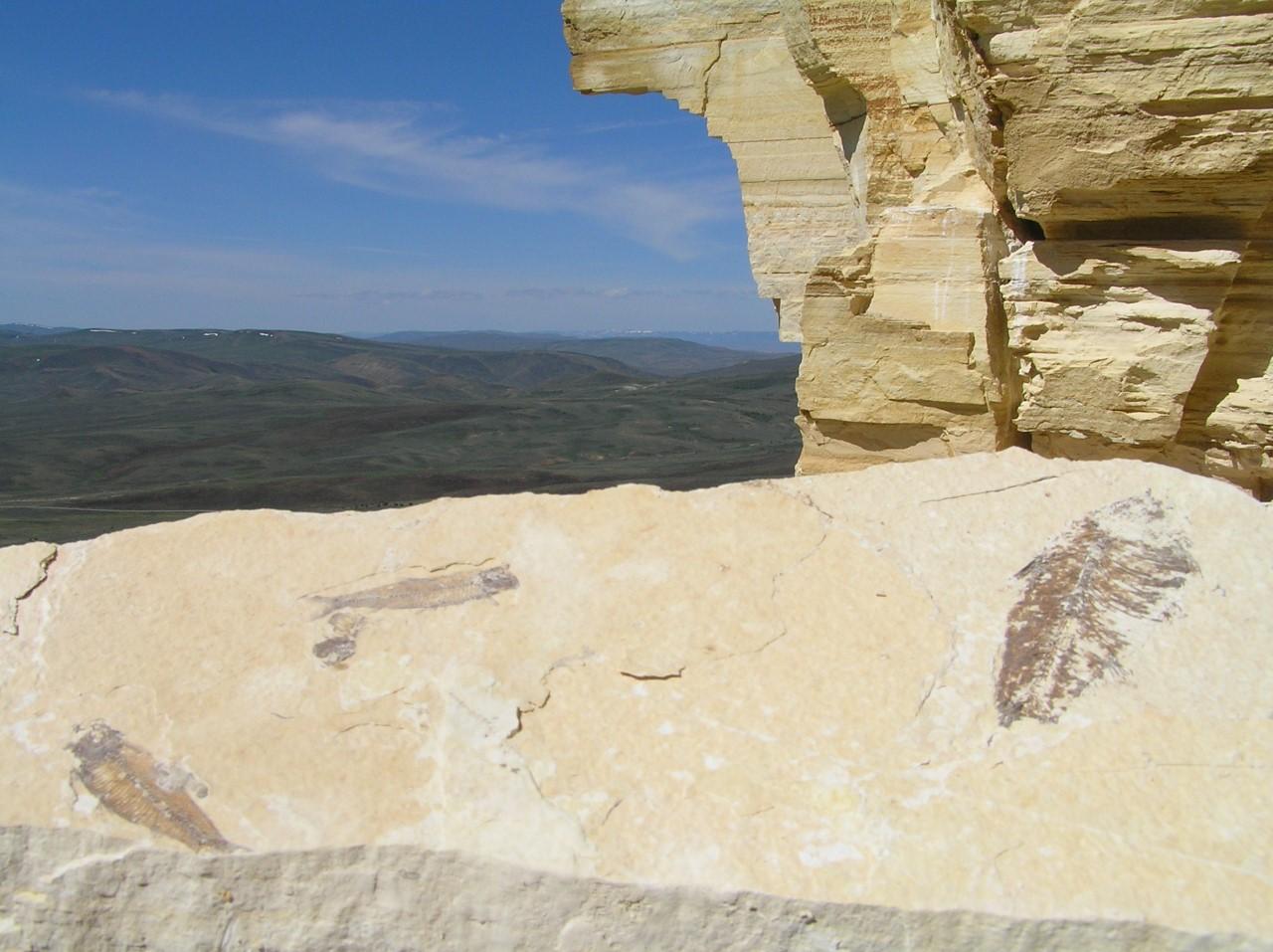
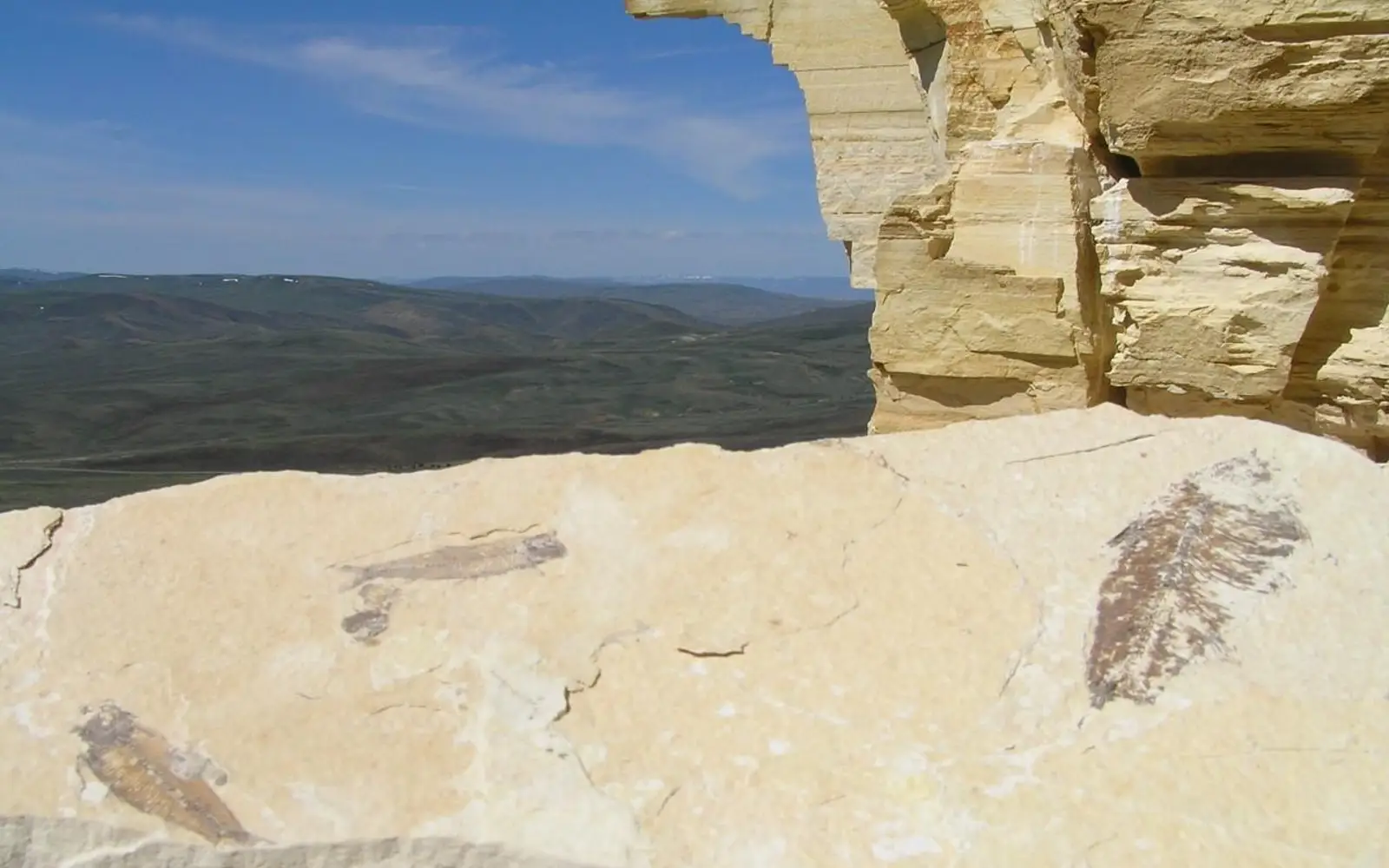
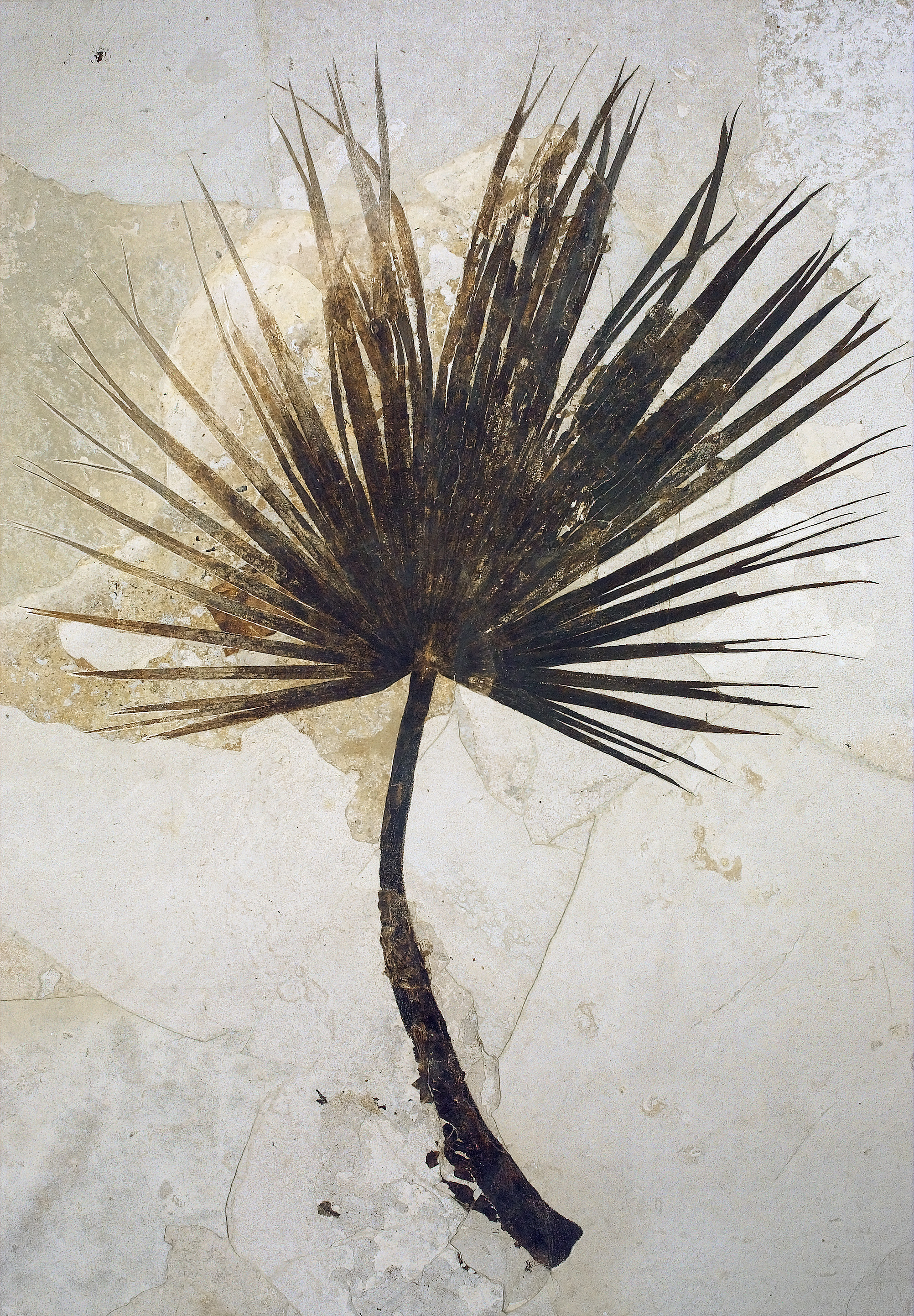
This site's true distinction lies in its world-class fossil specimens. These are not reconstructions; they are genuine Eocene lakebed fossils, presenting fish, rays, turtles, insects, and plant material with exceptional detail. A focused visit begins at the visitor center. Allow a half-day to fully absorb the exhibits and gain contextual understanding. Afterward, explore the outdoor hiking trails to view the fossil-bearing ridges directly. Wildlife and birdwatching opportunities enhance the experience. The expansive Wyoming sky conveys a profound sense of remoteness. The Junior Ranger program effectively complements the park's educational offerings. For those whose curiosity is piqued, the park store and bookstore stock substantive paleontology titles. The scale is the draw here.
Who it suits
This destination caters to specific interests. It is best suited for paleontology enthusiasts, geology-minded adults, and families with children who engage with hands-on museum exhibits. The park serves as an excellent free detour for those already traveling through southwest Wyoming. It is not recommended as a standalone destination for visitors prioritizing dramatic scenery, strenuous hiking, or multi-day backcountry experiences.
Timing your visit
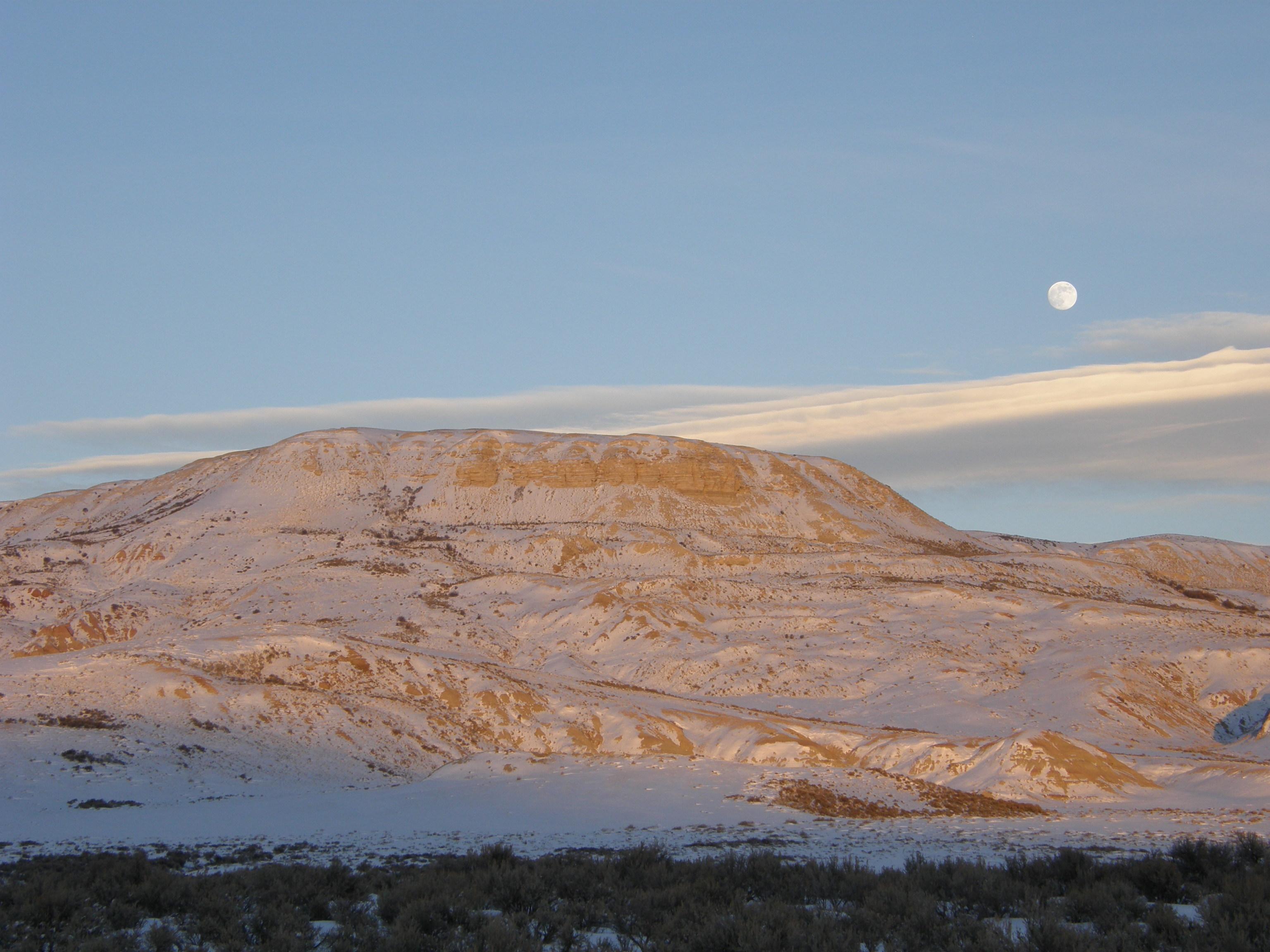
The period from June through August provides the most dependable experience, with all visitor services open. Temperatures range from 60 to 90 degrees, ensuring comfortable hiking. Spring and fall present opportunities for wildlife viewing, though visitors should prepare for cold temperatures and potential snow. Winter access is notably restricted. Road conditions often prove challenging. Confirm visitor center hours prior to any cold-season visit.
What stands out
- World-class Eocene fossil specimens on display in the visitor center, including fish, turtles, and early mammals
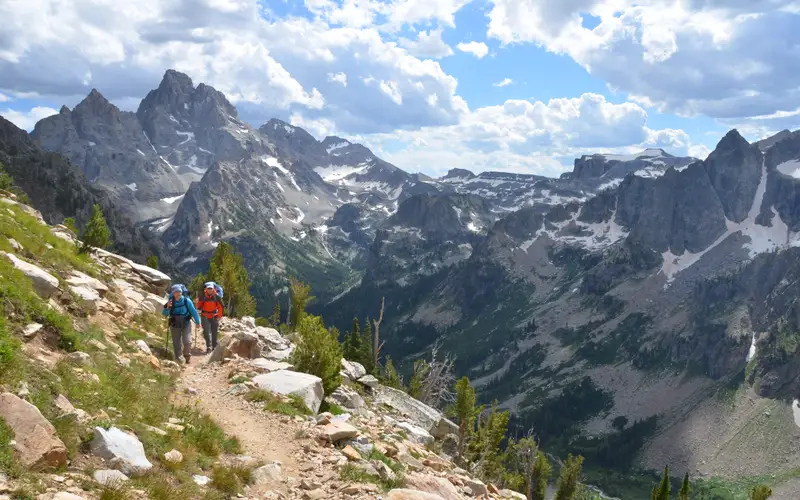
- Hiking trails through the fossil-bearing ridgelines above the ancient lakebed
- Birdwatching and wildlife watching across open high-desert terrain
- Junior Ranger program with strong educational content suited to the site
- Free admission with no entrance fee barrier
- Bookstore stocked with paleontology and natural history titles
Good to know
Admission is free. The monument is open sunrise to sunset daily. Check the NPS site for current visitor center hours and motor vehicle access, which vary seasonally. No camping is available on-site. The nearest services are in Kemmerer, Wyoming, approximately ten miles distant. Fuel and food should be secured before arrival.
Insider tipThe fossil preparation lab at the visitor center presents a unique opportunity. If staff are at work during your visit, observe the process. Witnessing a fossil emerge from 52-million-year-old rock provides potent context for the exhibits. This live demonstration can reframe the entire viewing experience.