
parkverdict
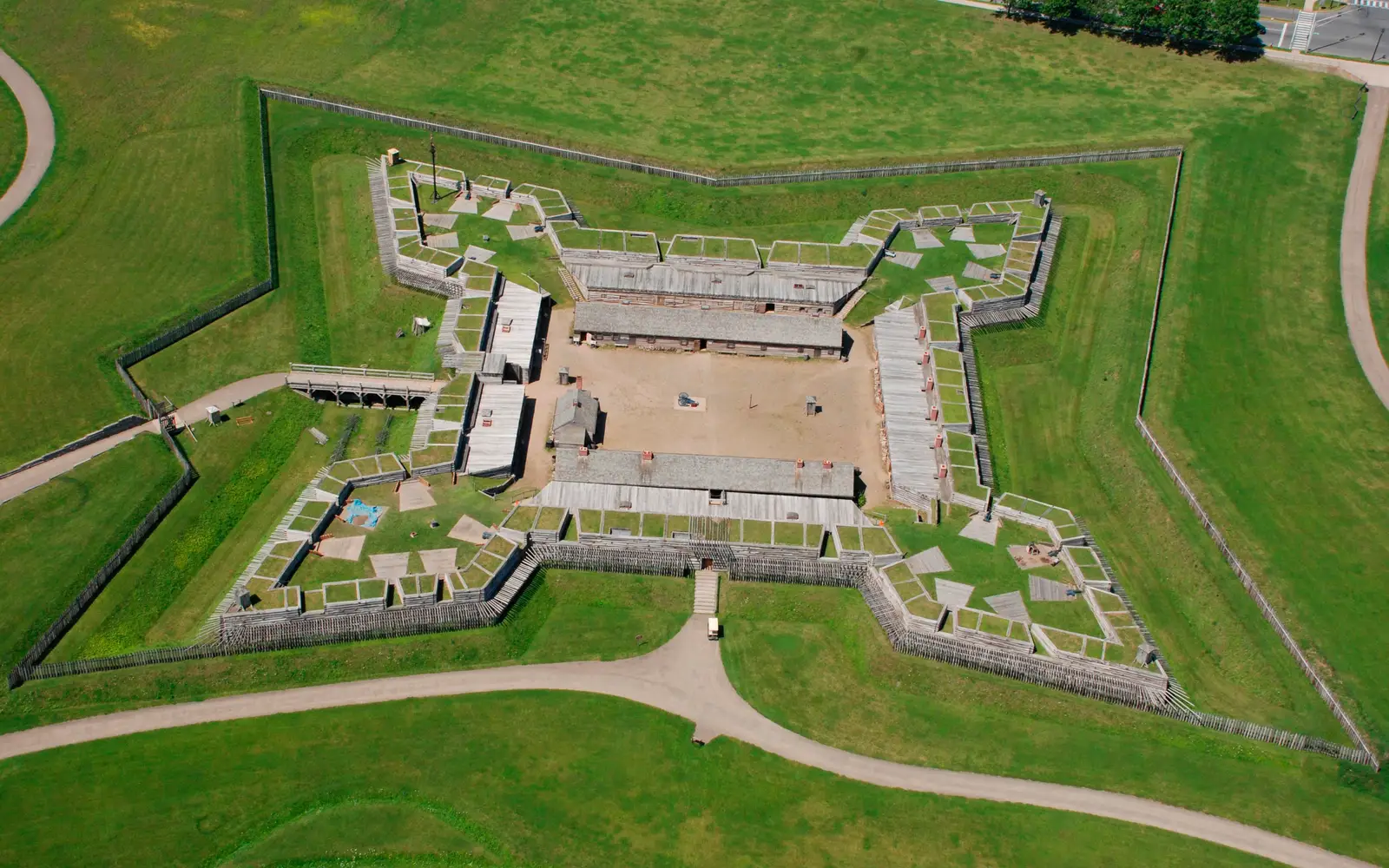
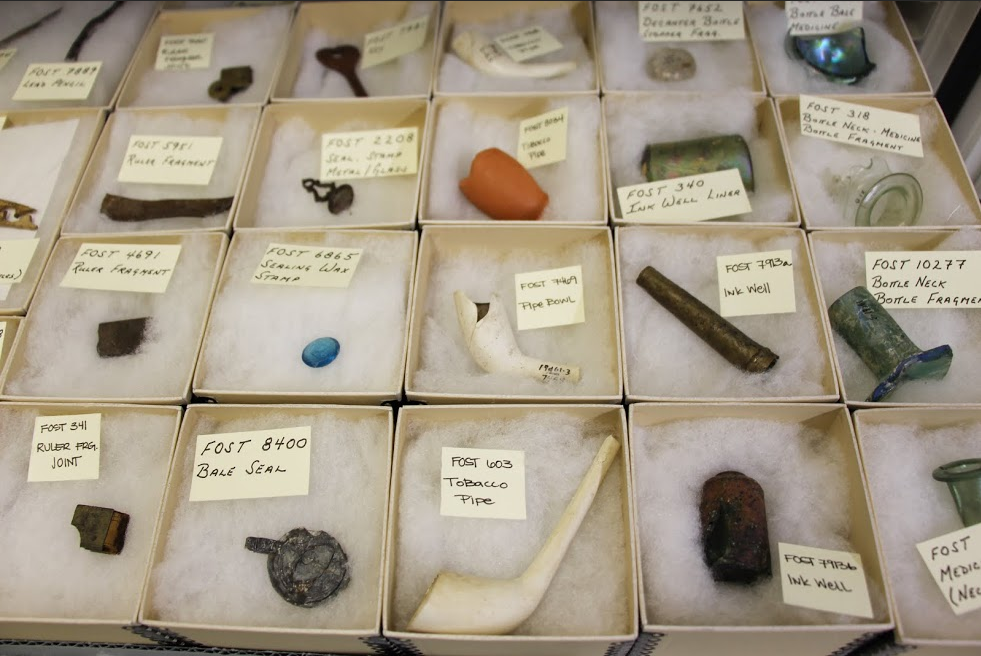
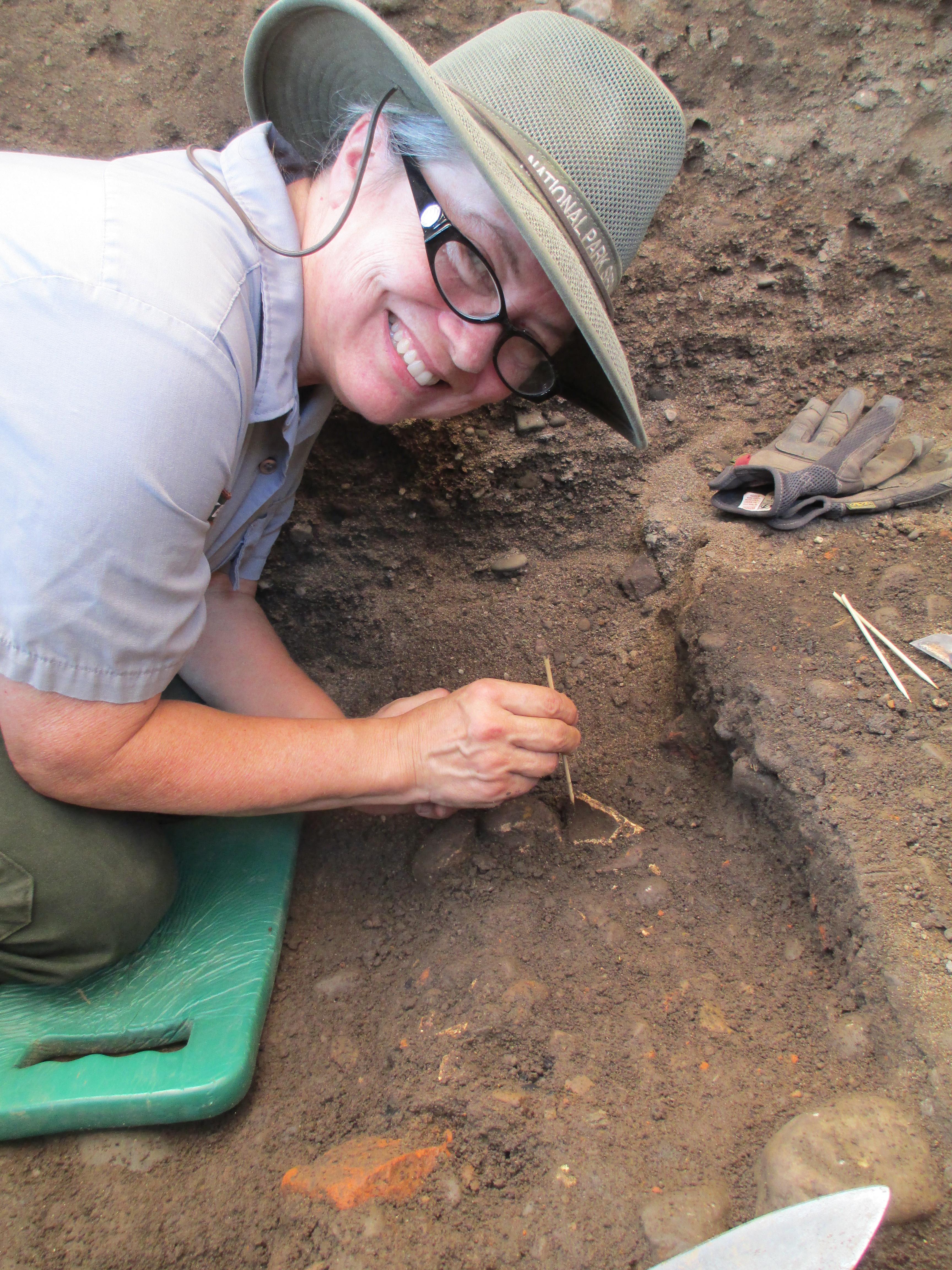
A park ranger directs a group of children thorugh the fort.Children dance, jump, and skip on the parade ground of reconstructed Fort Stanwix.Small boxes in rows contain small artifacts, including broken pipes and glass bottles.A woman digs in a carefully excavated hole.
National MonumentNY

Fort Stanwix National Monument

NPS / NPS Photo
88/ 100DOES IT ALL
parkverdict Experience ScoreIndependent, not sponsored

88 of 100. Our independent breadth-and-access index. How we score

The bottom line

Fort Stanwix National Monument: our verdict

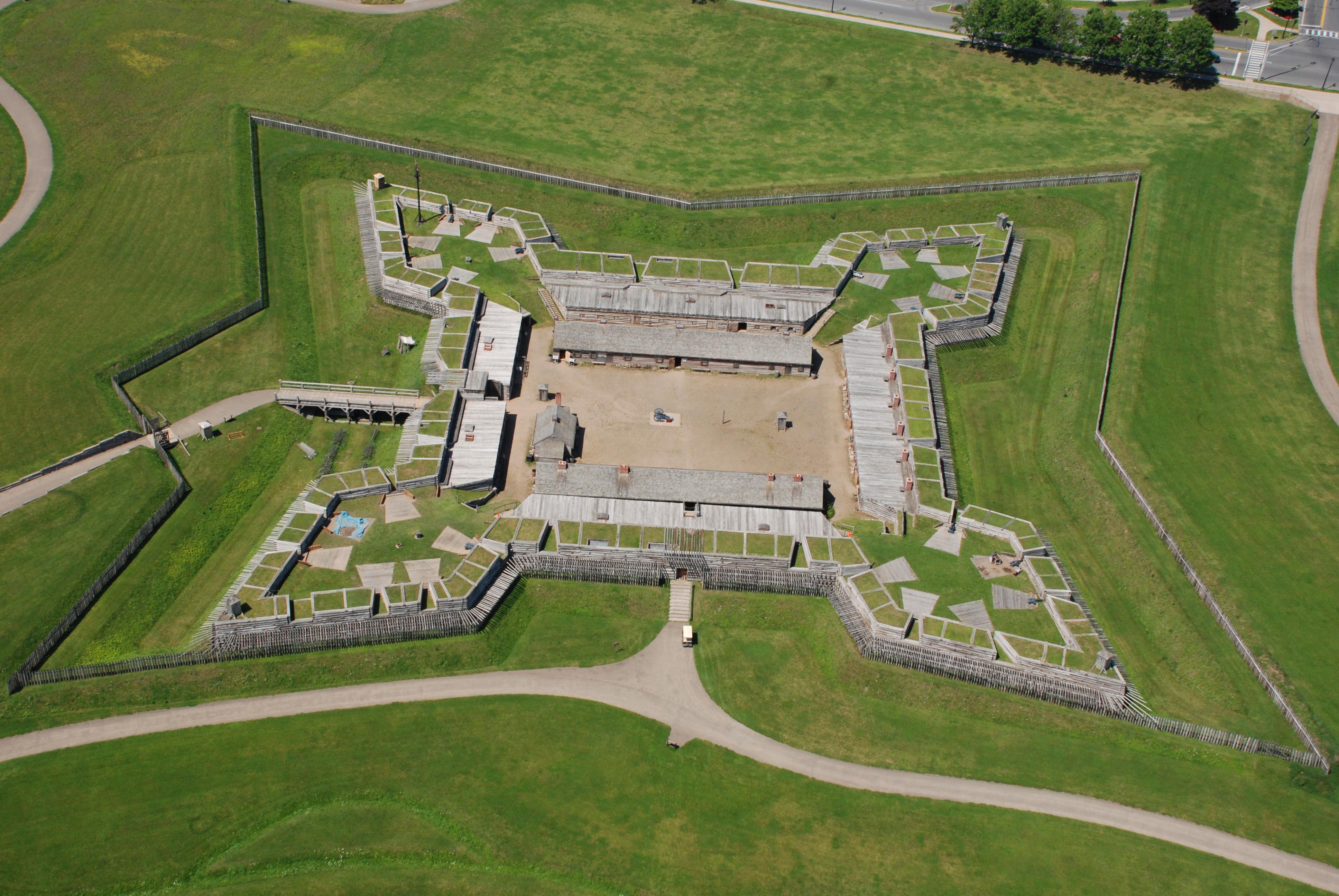
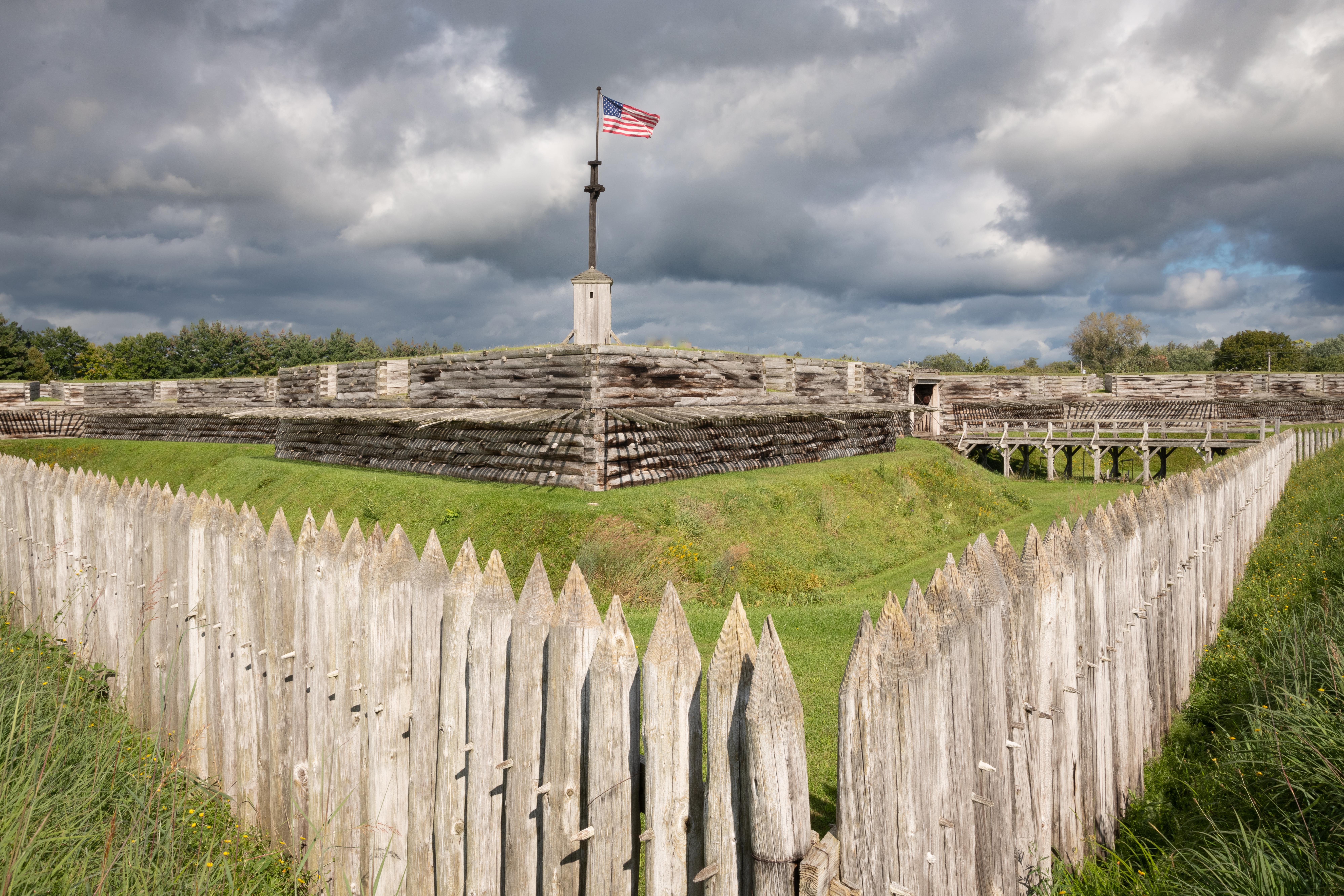
Fort Stanwix National Monument sits at the center of Rome, New York, on the exact footprint of an 18th-century fort that helped shape both the American Revolution and the longer history of the Haudenosaunee (Iroquois) Confederacy.

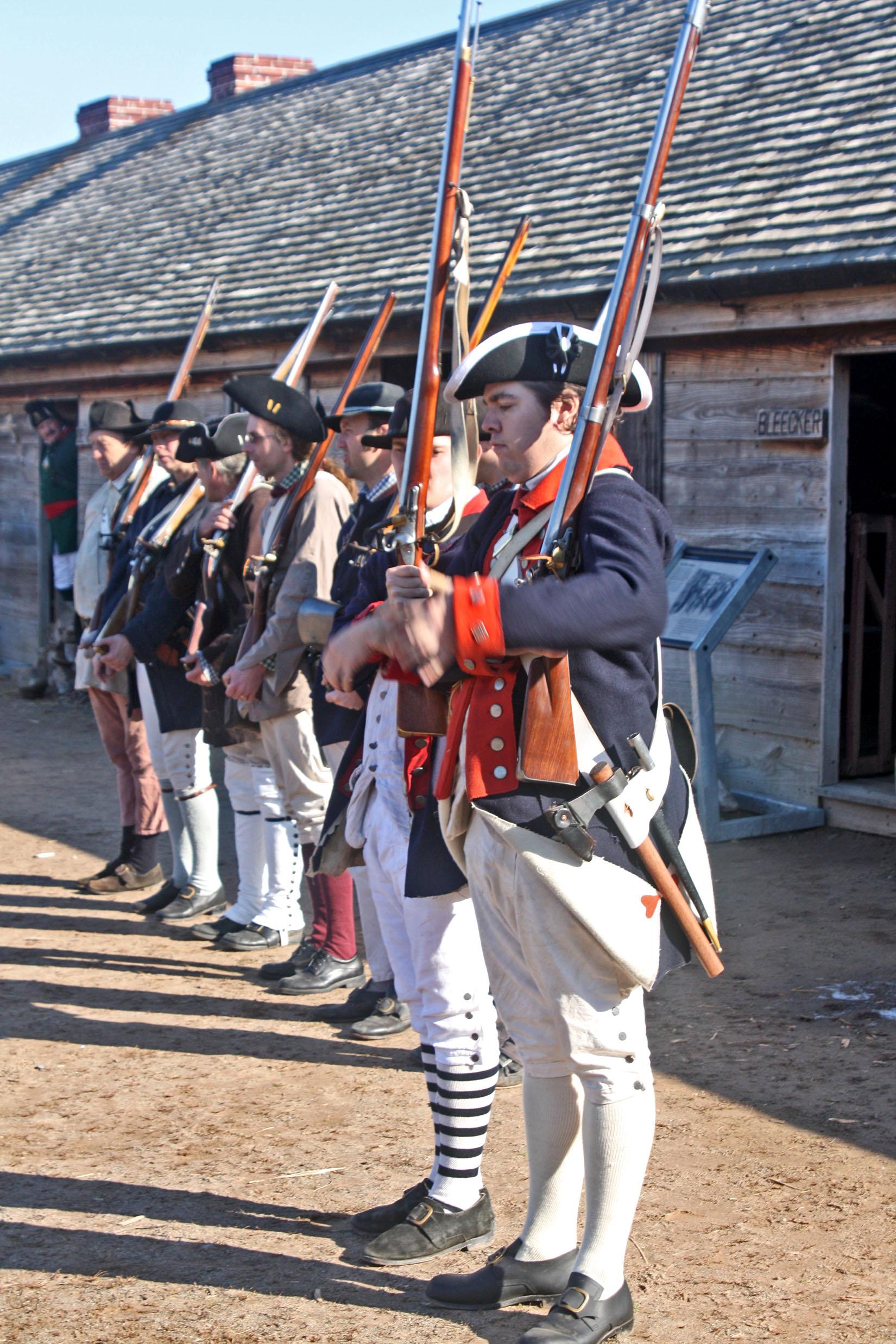
This is a fully staffed, program-rich site built around human interpretation rather than landscape. Costumed rangers demonstrate period weapons, lead first-person living history encounters, and run craft demonstrations inside the reconstructed fort. For a free urban monument, the programming runs surprisingly deep, and the Junior Ranger program is one of the more substantive in the Northeast. It is a history destination, not a wilderness one, and it delivers that history with unusual clarity. Come expecting trails or scenery and you will leave disappointed. Come with genuine curiosity about the Revolutionary War, the Six Nations, or colonial-era trade routes and you will find a site that does far more than its size would suggest.

Why visit

Arrive when the fort opens and catch the park film first. It gives you enough background that the guided tour actually makes sense when you get to it. The ranger-led walk through the reconstructed fortification is worth doing because rangers field real questions instead of reciting a script. Living history demonstrations and historic weapons shows run on a fixed schedule, so check the posted times at the entrance before you wander off on your own. Kids tend to stay engaged with the hands-on craft activities and cultural demonstrations, which helps. The grounds are open for self-guided walking and picnicking, and the bookstore carries serious history titles rather than the trinkets you find at most gift shops. One thing worth checking before your visit: the site occasionally hosts evening astronomy and stargazing events, which is a genuinely unexpected offering for an urban fort monument.

Who it suits

History buffs will find a lot to like here, and so will families whose kids actually engage with hands-on or living history formats. Anyone tracing Revolutionary War or Haudenosaunee roots through New York has good reason to stop. That said, if you're after outdoor recreation, dramatic scenery, or backcountry time, this isn't your spot. It works best as a half-day anchor inside a broader Mohawk Valley itinerary.

Timing your visit

Memorial Day through Labor Day packs the calendar with living history demonstrations, and the summer heat and humidity inside the fort make a morning visit a lot more comfortable than an afternoon one. Winter slows things down considerably, though the park opens the grounds for snow play and keeps some indoor exhibits going. Check hours online before you visit in the off-season.

What stands out

  • Living history and first-person interpretation by costumed rangers inside a reconstructed 18th-century fort
  • Historic weapons demonstrations that bring Revolutionary War-era military life to life
  • Craft and cultural demonstrations rooted in both colonial and Haudenosaunee traditions
  • A strong Junior Ranger program with hands-on activities suited to school-age children
  • Occasional astronomy and stargazing events, an unexpected program for an urban monument
  • Free admission with a well-stocked bookstore and gift shop for follow-up learning

Good to know

Admission is free, and the fort is in downtown Rome, NY, with parking nearby. Building hours differ from grounds hours and change by season, so check the NPS website before you go if you want to see the indoor exhibits and demonstrations. The grounds can get muddy any time of year, so wear closed-toe shoes.

Insider tipLook up the fort's online calendar before you go. Weapons demonstrations, living history events, and stargazing programs all run on specific days, and showing up without checking first means you could easily miss the programming that makes the whole visit worthwhile.

How we scored it

Why Fort Stanwix National Monument scores 88

We keep the math boring on purpose. The same handful of public-data inputs, capped so none of them dominates, decide every score. What they measure is breadth and access, not beauty and not crowd levels. For Fort Stanwix National Monument, they shook out like this:

  • Activity breadth25 documented activities
  • Topic breadth32 topics
  • Official imagery6 public-domain images
  • Camping on sitenone recorded
  • Entry costfree

No number is hand-adjusted and no unit pays for placement. The full weights, the floor at 18 and a worked example are on how we score.

The honest limits

Where the score goes quiet

One limit to keep in mind. Everything here comes from public records on what a unit documents and how reachable it is, so the score cannot judge beauty, crowds, trail conditions, weather, or how good any single program is. That is exactly why a small, specific place can score below a sprawling park and still be your better trip. Take the number as a like-for-like look at what is on paper, and lean on the verdict for the human read.

What you can do

Activities

Arts and CultureCraft DemonstrationsCultural DemonstrationsAstronomyStargazingBikingFoodPicnickingGuided ToursSelf-Guided Tours - WalkingHands-OnArts and CraftsHikingFront-Country HikingLiving HistoryReenactmentsHistoric Weapons DemonstrationFirst Person Interpretation
Background

The short version

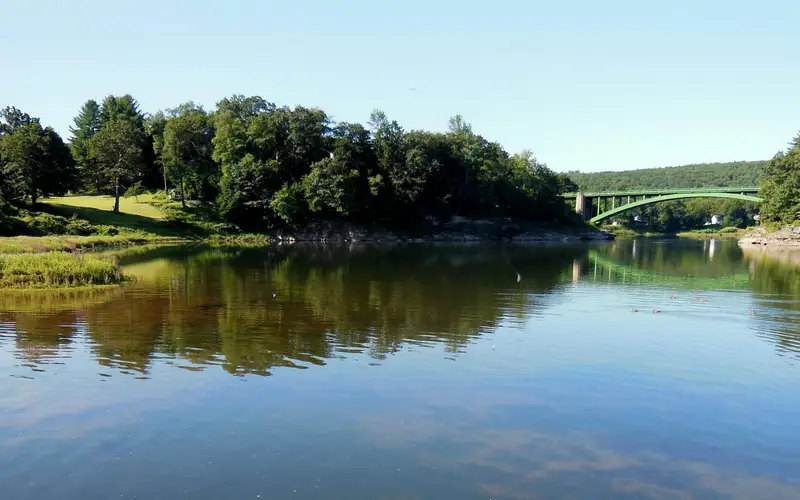
For centuries, the Oneida Carrying Place connected the Mohawk River to Wood Creek, a six-mile portage that anyone traveling from the ocean to the Great Lakes had no choice but to cross. When Europeans arrived, nations fought over control of that carry, over the homelands of the Six Nations Confederacy, and over the rich resources of North America. Fort Stanwix stood at the center of that struggle.

On documented breadth and access, Fort Stanwix National Monument ranks 7th of 29 park and public-land units we score in New York.

What the seasons are like

The park sits in a temperate climate with four real seasons. Summers get hot and humid, and snow is possible as late as May or as early as October. The fort area tends to stay muddy year-round, regardless of the season. Nearly all activities happen outside, so closed-toe walking shoes with low heels are a practical necessity. Air conditioning and heating are available mainly in the park visitor center.

Common questions

Fort Stanwix National Monument: quick answers

Is Fort Stanwix National Monument worth visiting?

Fort Stanwix National Monument sits at the center of Rome, New York, on the exact footprint of an 18th-century fort that helped shape both the American Revolution and the longer history of the Haudenosaunee (Iroquois) Confederacy.

Is Fort Stanwix National Monument free to visit?

It is free to get in.

What is Fort Stanwix National Monument best for?

It leans hardest toward stargazing, hiking, good with kids, winter sports, going by the 25 activities it actually documents.

When is the best time to visit Fort Stanwix National Monument?

Memorial Day through Labor Day packs the calendar with living history demonstrations, and the summer heat and humidity inside the fort make a morning visit a lot more comfortable than an afternoon one.

How is the Experience Score for Fort Stanwix National Monument calculated?

The 88 comes straight from public data on how much the place documents and how easy it is to reach, things like activities, topics, photos, camping and whether entry is free. It says nothing about scenery or how busy it gets.