Is Fort Smith National Historic Site worth your trip?
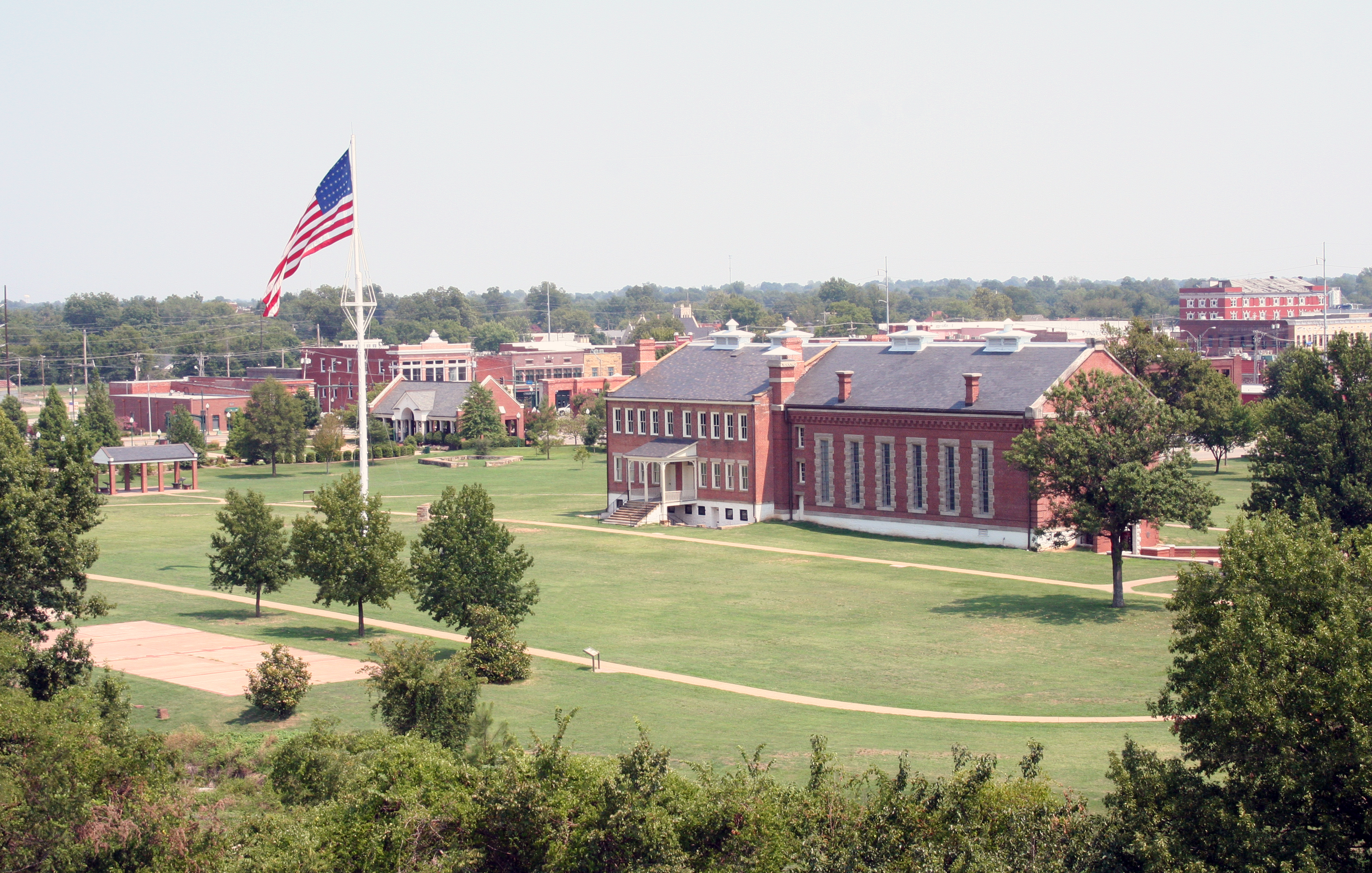
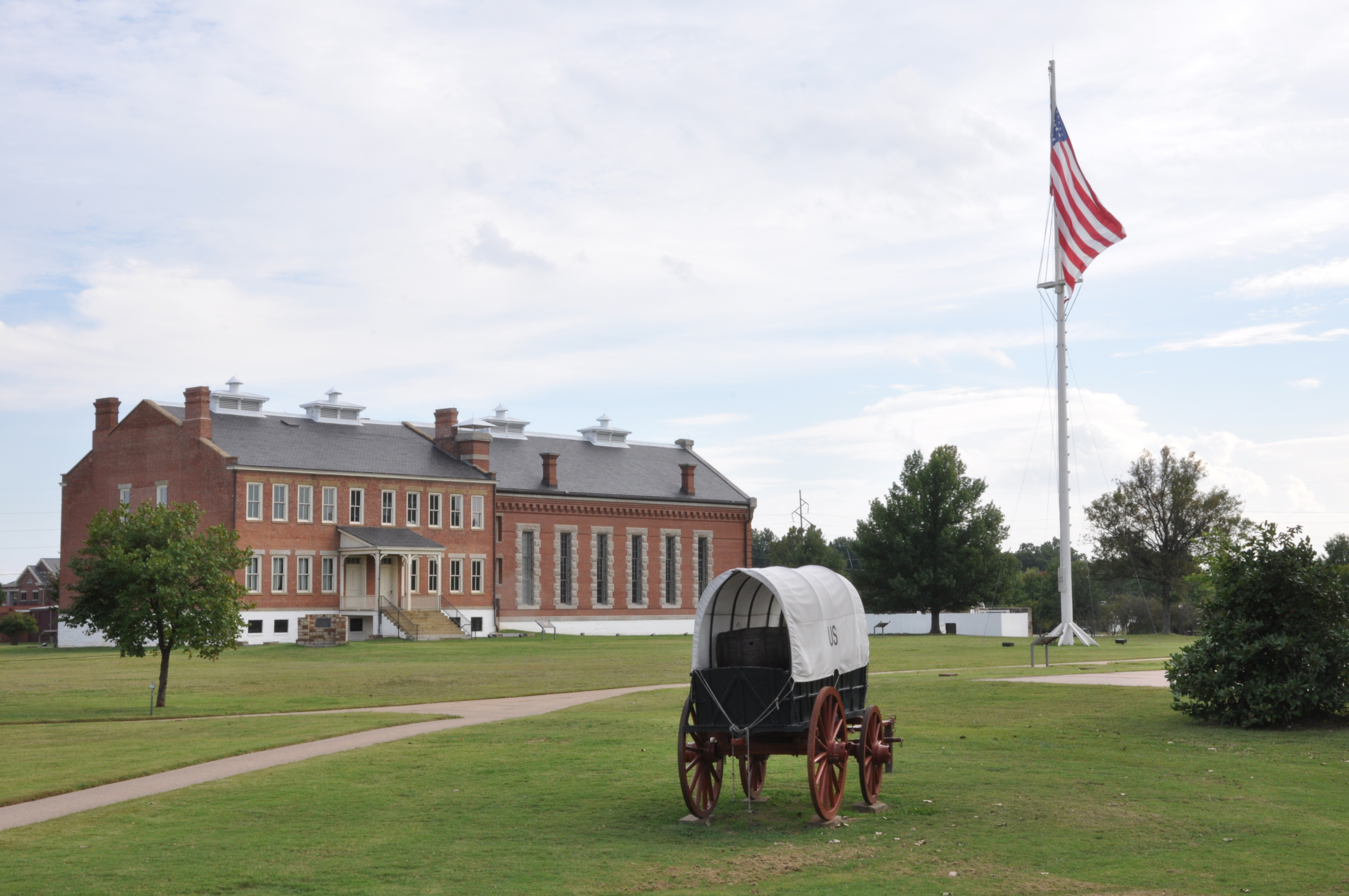
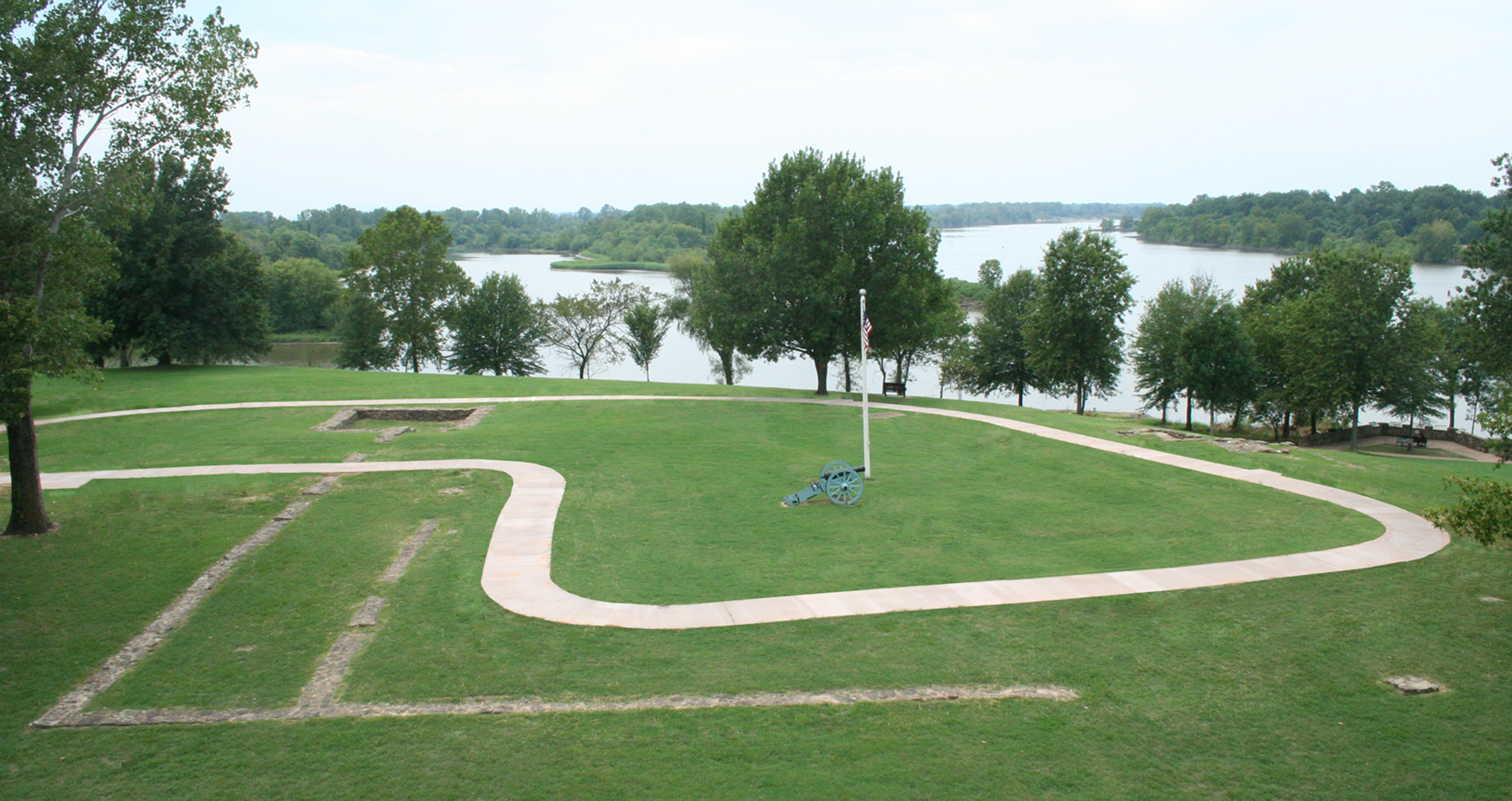
Fort Smith National Historic Site in downtown Fort Smith, Arkansas, offers a compact, walkable journey through nearly 80 years of frontier history.
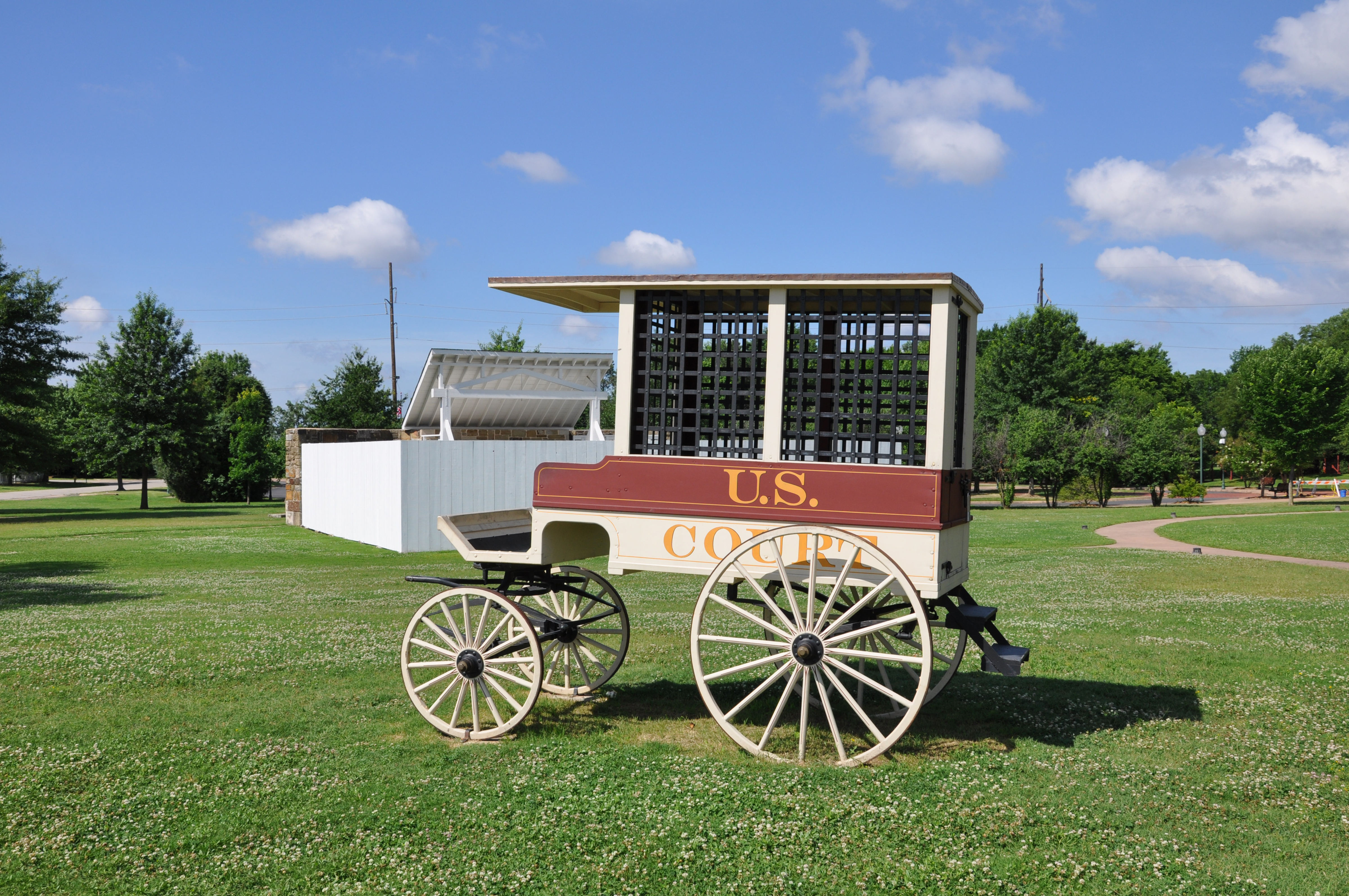
From the fort's establishment in 1817 to Judge Isaac Parker's federal court era ending in 1896, the site is rich in narrative. Visitors explore the federal courthouse, reconstructed gallows, a commissary, and museum exhibits. These threads weave together frontier military history, the Trail of Tears, Indian Territory law enforcement, and the outlaws of Parker's court. This is not a wilderness destination. It serves as a half-day to full-day history stop, dense with genuine stories, and free to enter. For those interested in Native American history, frontier justice, and the mythology of the American West, it delivers significant depth. Casual visitors seeking scenery or trails will find little to hold them.
Why go
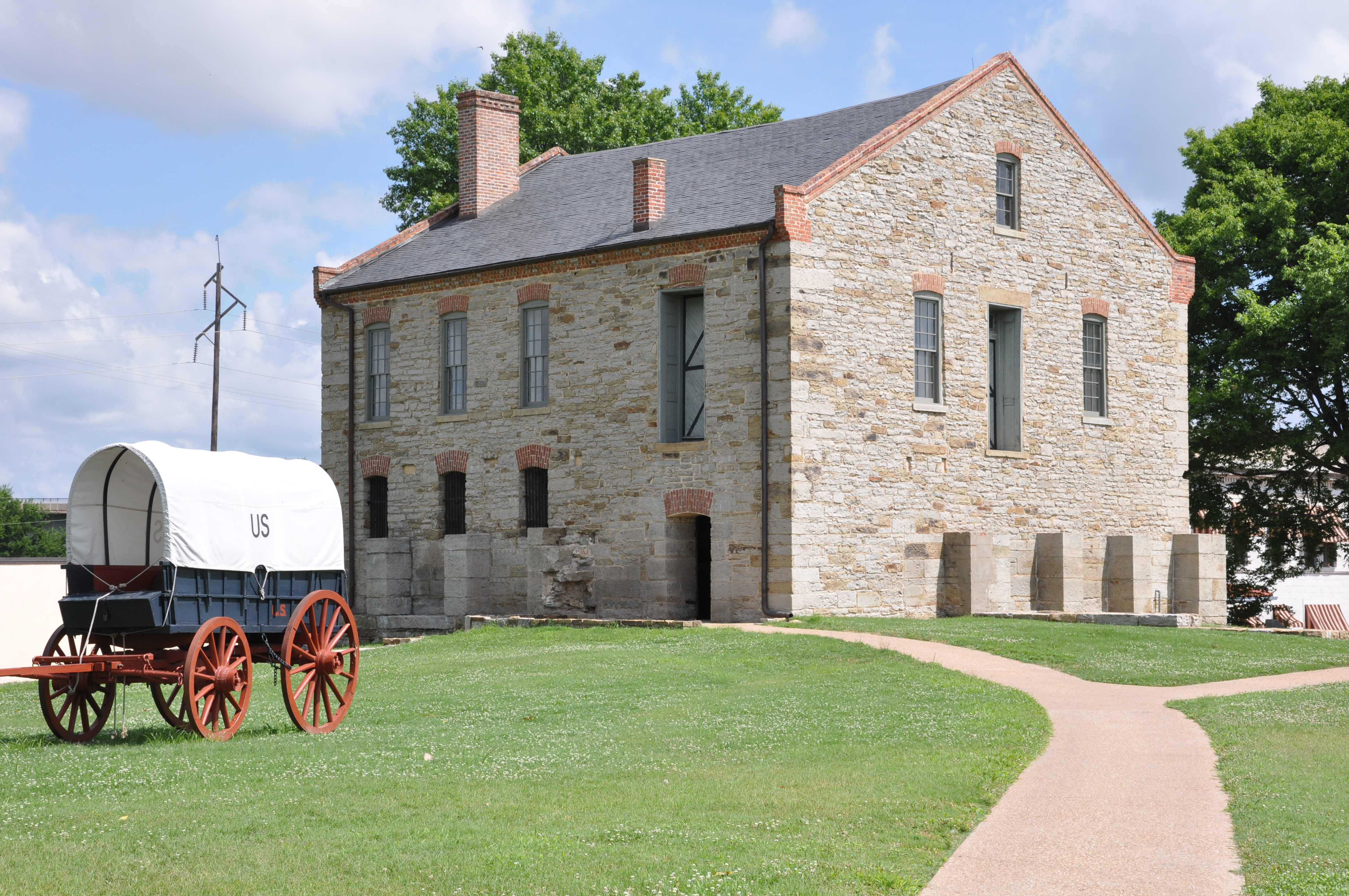
This site rewards engagement. A useful park film and museum exhibits detail Judge Parker's legacy, the deputy marshals of Indian Territory, and the clash of federal law with frontier life. The reconstructed gallows offers a visceral, sobering focal point. Guided tours are recommended; they provide context a self-guided visit cannot, particularly for the courthouse and commissary. The park store and bookstore offer research-grade materials for deeper study. Free admission and a downtown location make it an excellent anchor for a multi-day regional trip exploring neighboring historical sites.
Best for
This site rewards history enthusiasts, especially those drawn to frontier justice, Native American removal history, and the post-Civil War American West. Families with older children benefit from the Junior Ranger program and its tangible narratives. Casual visitors seeking outdoor recreation or dramatic scenery will not find it here. This is a cerebral, story-driven experience in an urban setting.
Best season
Seasonal planning is paramount for this unit. Spring and fall provide ideal conditions for exploring the grounds on foot, with mild temperatures enhancing outdoor enjoyment. While summer visits are feasible, the late summer heat and humidity in Fort Smith can make midday excursions arduous. Winters are typically mild, though visitors should prepare for sudden temperature drops. Always confirm visitor center hours in advance, as access to the Gallows and Commissary is contingent upon them and subject to seasonal changes.
The high points
- The reconstructed gallows, a historically grounded and sobering centerpiece of the Parker court era
- Museum exhibits covering Judge Isaac Parker's federal jurisdiction over Indian Territory from 1875 to 1896
- Guided tours that contextualize the courthouse, frontier law enforcement, and the Trail of Tears history
- The park film as an efficient orientation to nearly 80 years of layered regional history
- Junior Ranger program offering structured engagement for children
- A well-stocked bookstore and park store for deeper reading on the frontier and Parker era
Know before you go
Admission is free. The site sits in downtown Fort Smith; parking in an urban context is the main logistic to plan for. The park grounds maintain extensive hours, open daily from 30 minutes before sunrise to 30 minutes after sunset. However, the Gallows and Commissary are only accessible during visitor center hours, which vary by season. Checking these hours before a visit is essential for complete access.
One more thingFor those with an interest in the Parker era, the guided tour is essential. It provides context beyond static exhibits. Guides routinely offer details on the deputy marshals of Indian Territory, illuminating stories of lives as compelling as Parker's own.