parkverdict
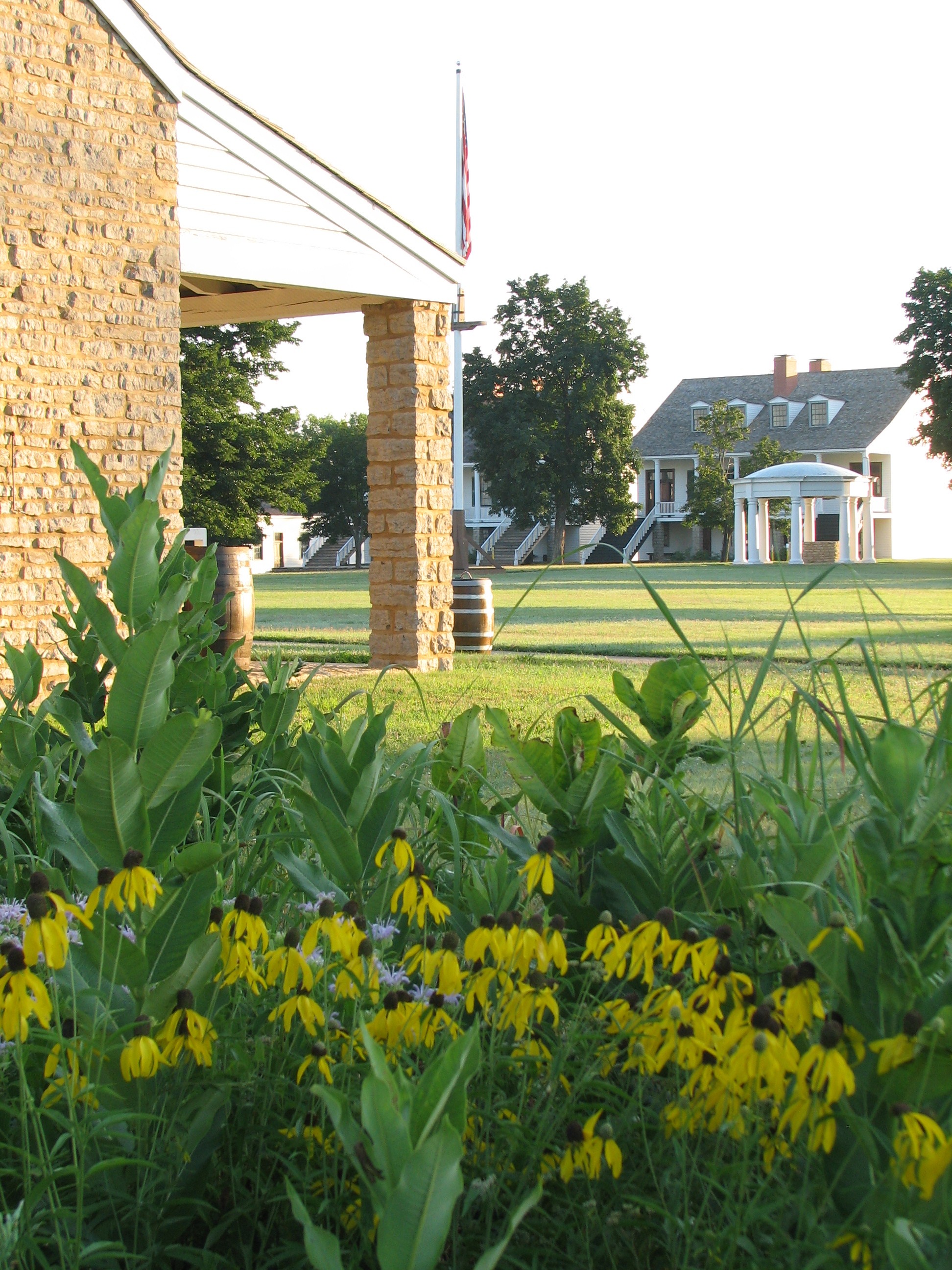
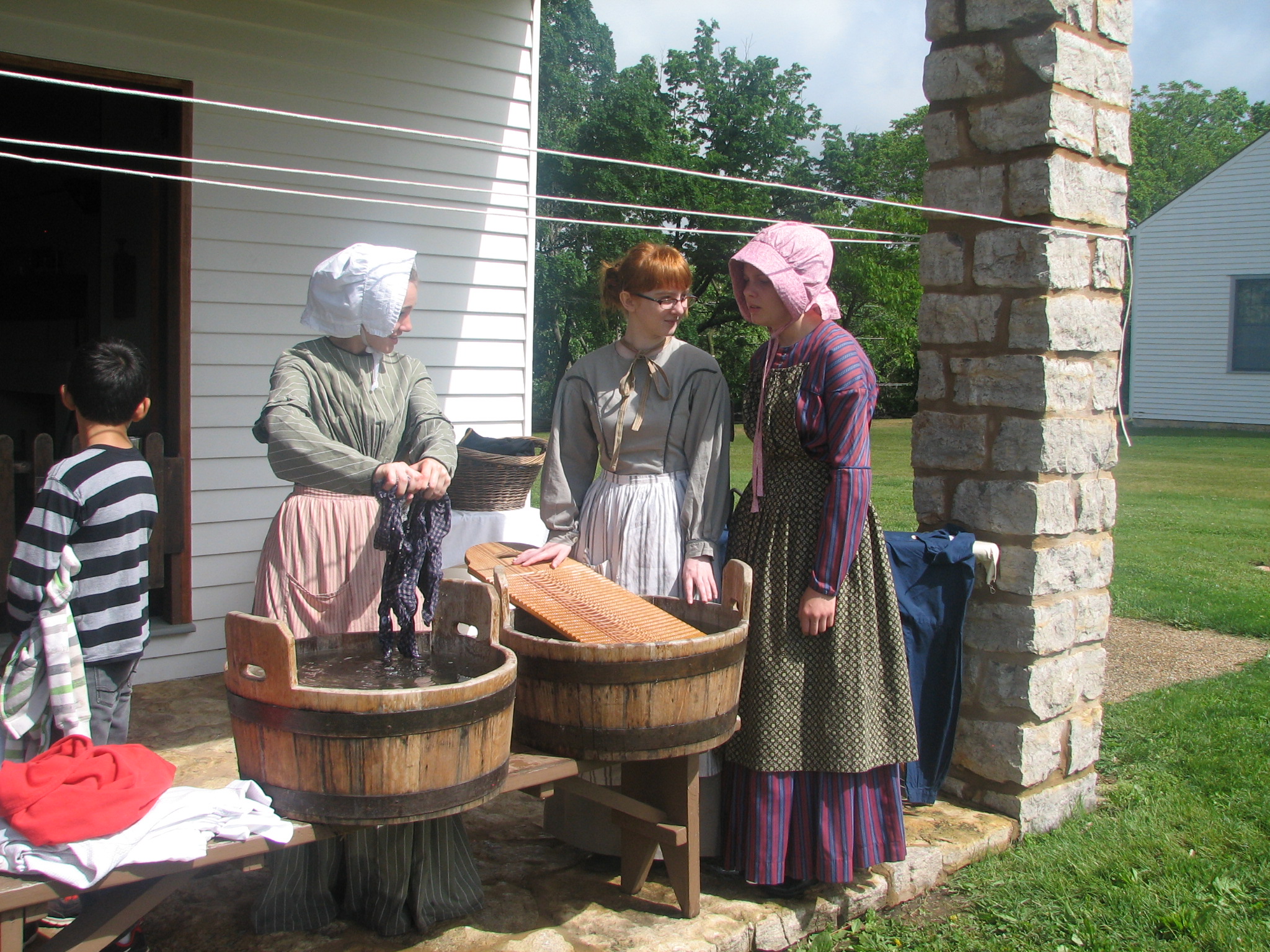
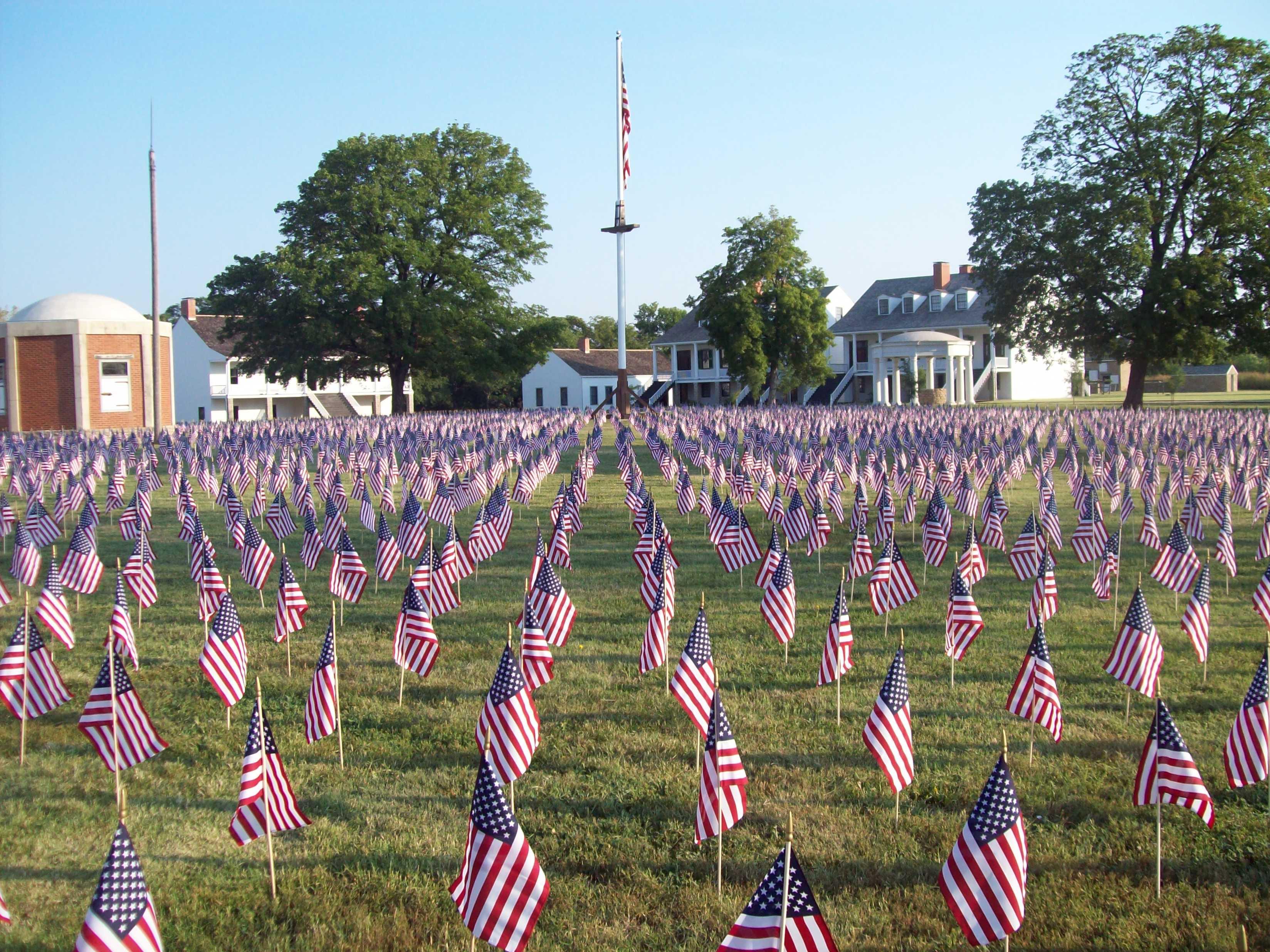
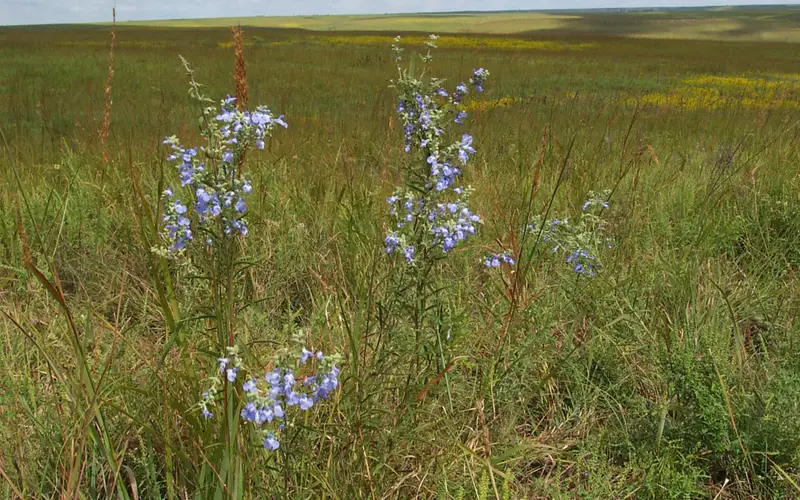
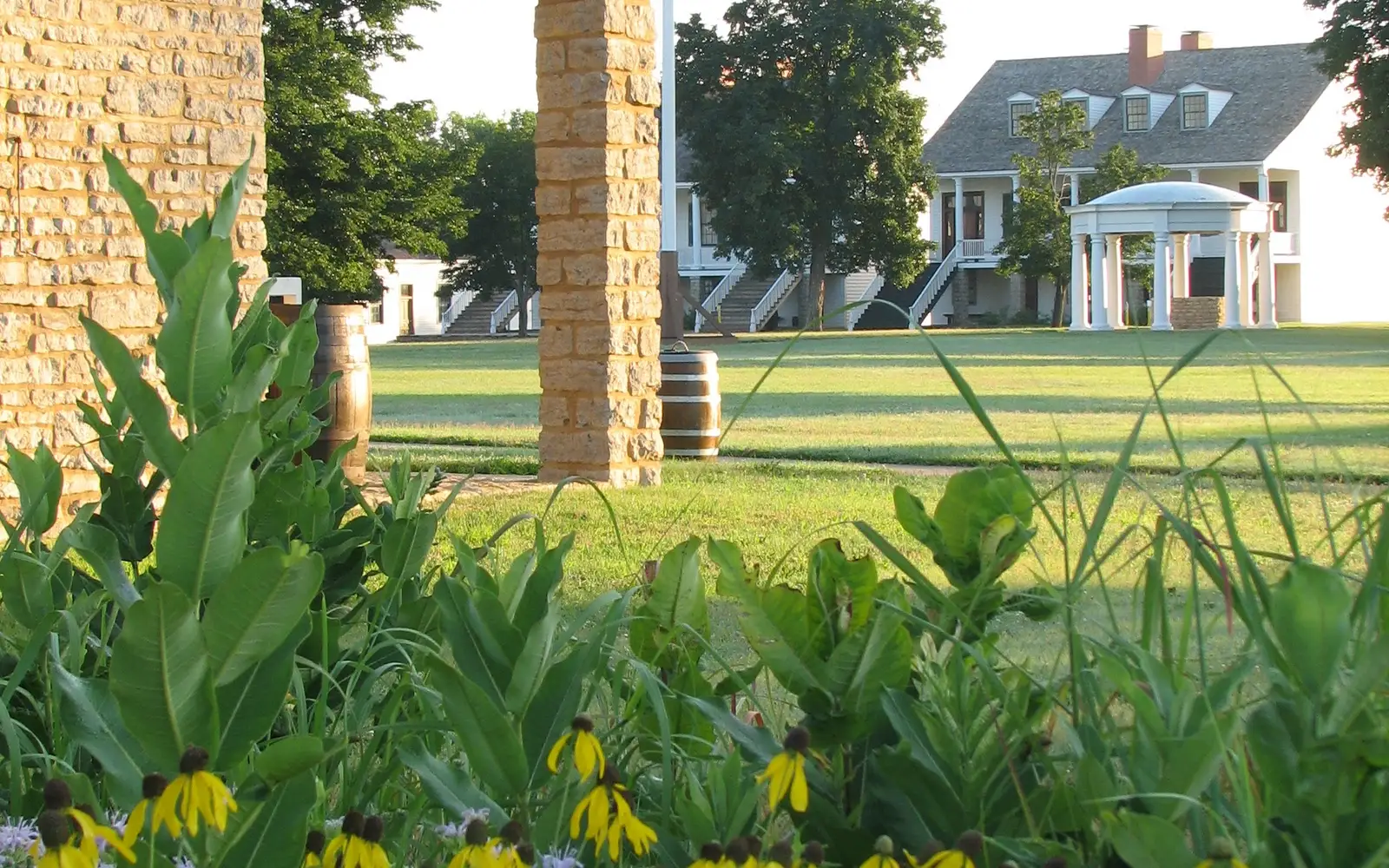
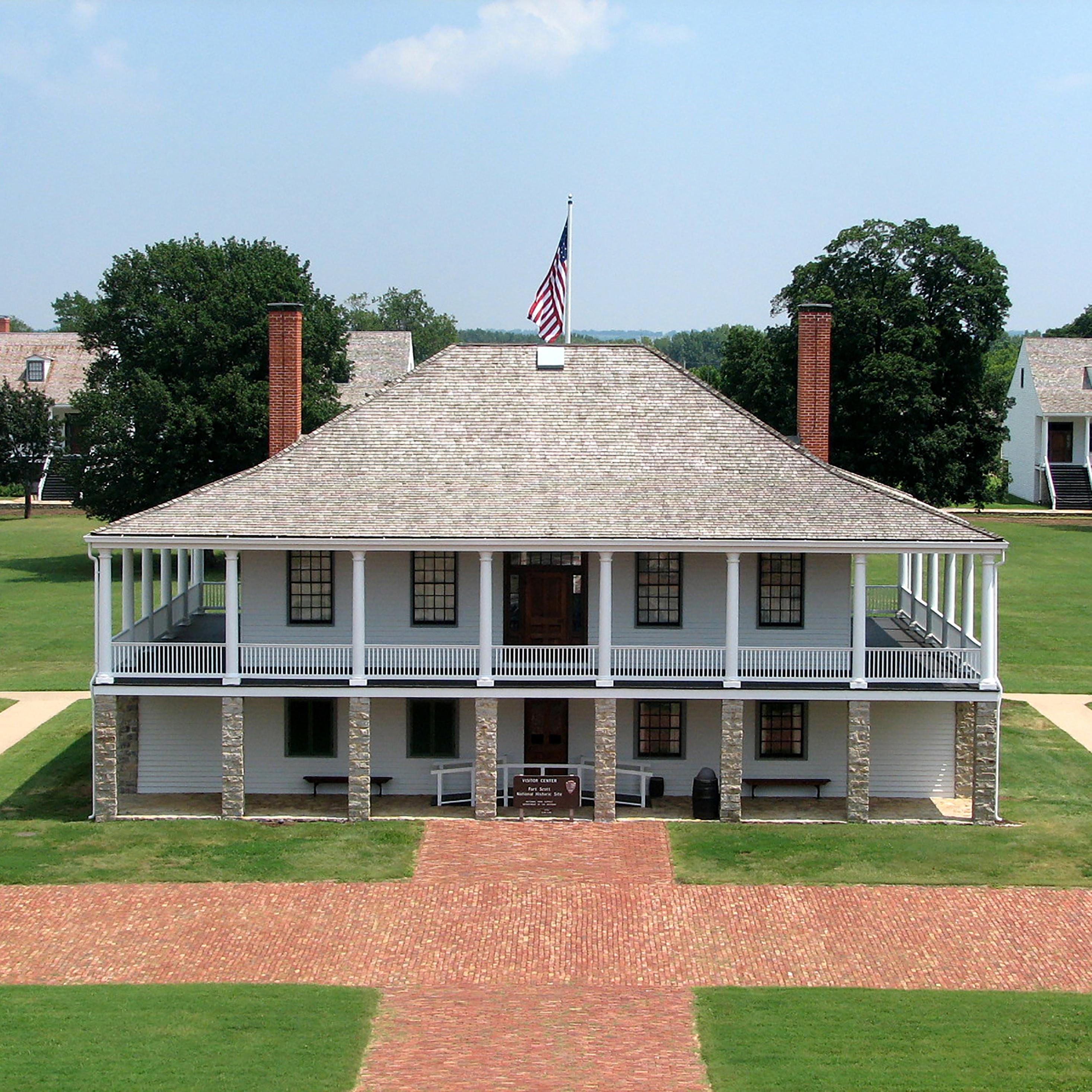
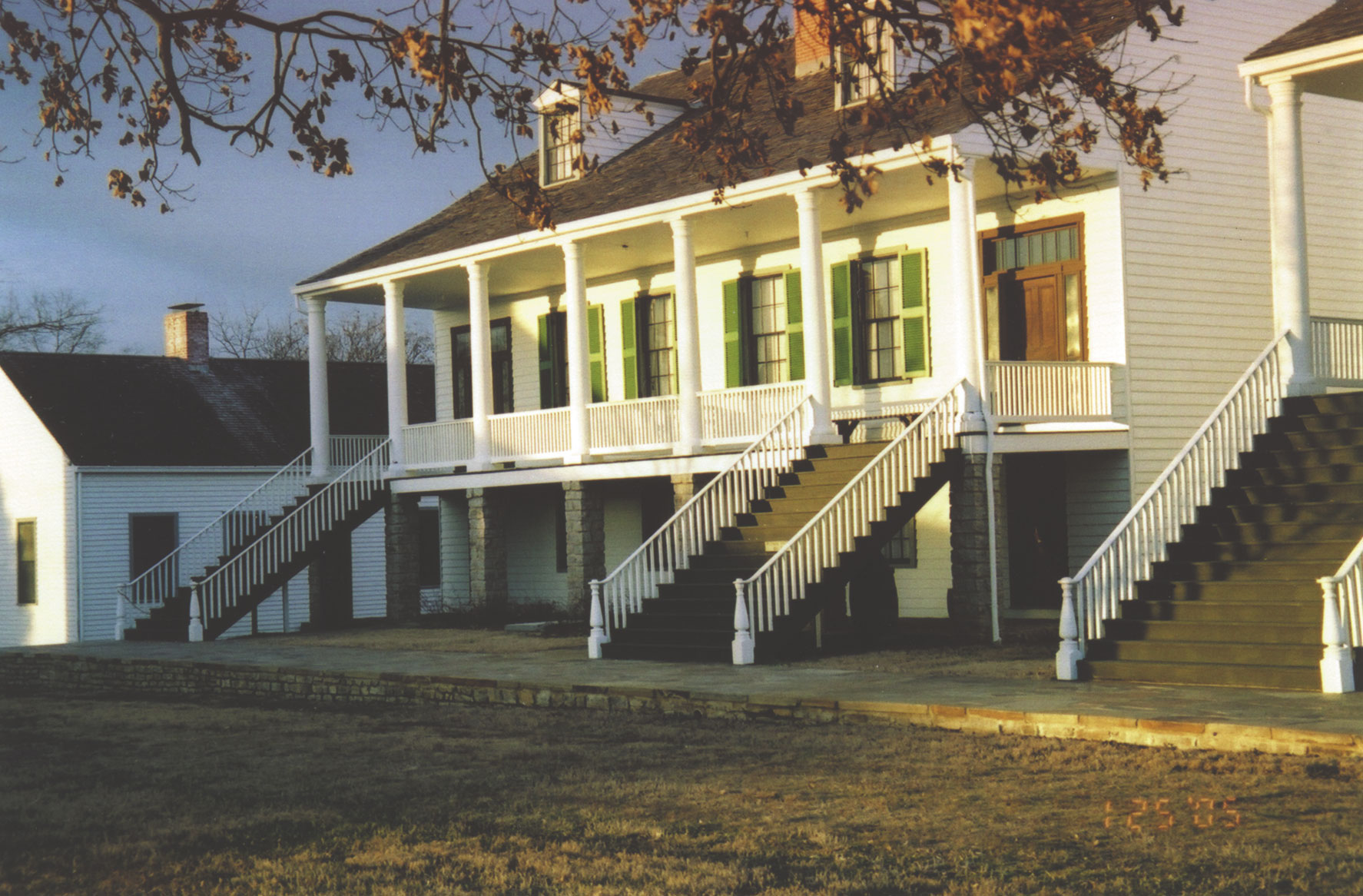
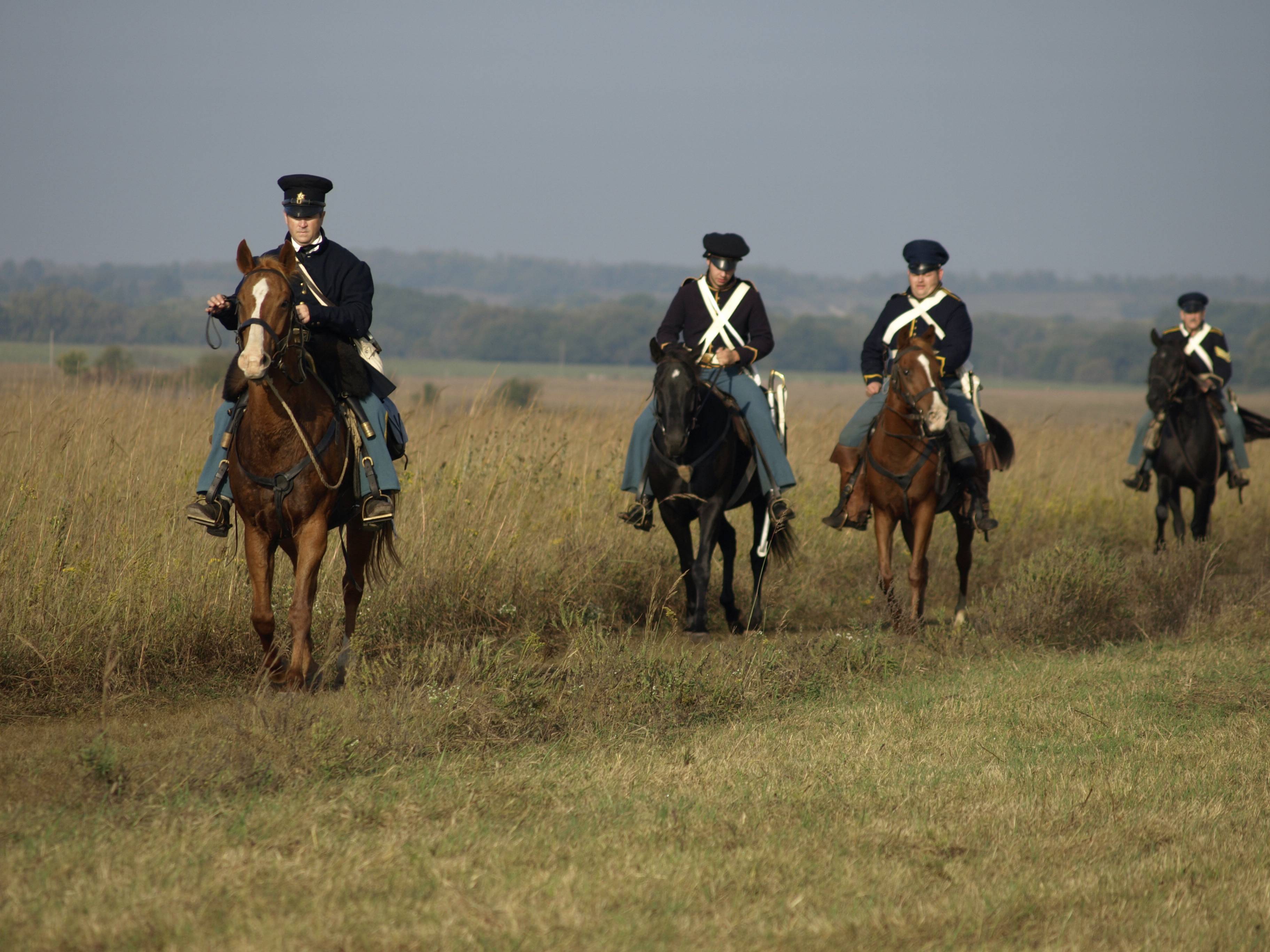
A field of sunflowers next to a stone building. Wood frame structures in background.Picture of the post hospital with the parade ground and trees in the background.Wood frame structures with stairs next to a stone walkway. Structures reflect afternoon sunlight.Four soldiers on horseback in a line riding through prairie grass.
National Historic SiteKS

Fort Scott National Historic Site

NPS / NPS Pnoto
59/ 100GOOD RANGE
parkverdict Experience ScoreIndependent, not sponsored

59 of 100. Our independent breadth-and-access index. How we score

Our verdict

Should you visit Fort Scott National Historic Site?

Fort Scott National Historic Site sits on a corner of Fort Scott, Kansas, holding onto a stretch of frontier military history that runs from 1842 to 1873.

That span covers the U.S. Army's years on the prairie frontier, the violent "Bleeding Kansas" period leading up to the Civil War, and the service of Black soldiers in the Buffalo Soldier regiments. Twenty original and restored structures ring a central parade ground, giving the site a physical coherence that is rare among places of this kind. This is a history park, not a landscape park. What you get here depends on buildings, guided interpretation, and living history programming, not trails or scenery. Admission is free, and the site sits inside the town itself, so it fits naturally into a wider visit. People who arrive genuinely curious about the history and willing to engage with the programming tend to walk away with something real. If outdoor adventure is the main reason for the trip, this is probably not the right stop.

What makes it worth it

Ranger-led tours and the occasional living history and weapons demonstrations do a better job of telling the fort's complicated story than the museum panels can manage on their own. The restored buildings are all within easy walking distance of each other, officers' quarters, barracks, and a hospital among them, and time spent inside gives you a real sense of what military life on the Kansas prairie looked like between the 1840s and the 1870s. Watch the park film and browse the museum exhibits before heading outside, since that context makes the walk considerably more rewarding. A remnant of tallgrass prairie on the grounds connects the built structures to the landscape that soldiers and settlers would actually have recognized. There is no entrance fee, so the whole visit fits comfortably into a half-day stop, though if you catch a living history event, plan on staying longer.

Who should go

History buffs with a soft spot for the Civil War, Bleeding Kansas, or frontier military history will find plenty to dig into here. Families with school-age kids have good reasons to visit as well, thanks to the Junior Ranger Program and the living history events. If you're mostly here for trails, wildlife, or scenery, though, this one probably isn't worth the detour.

When to go

Spring and early fall give you the best walking weather by far. Summer works too, but come prepared for heat and humidity, plus the occasional severe thunderstorm that can shut down outdoor programming without much warning. Check the park schedule before you go, especially for living history events and weapons demonstrations. Those are worth building your trip around.

Highlights

  • Guided tours of the 20 original and restored 19th-century military structures
  • Living history demonstrations that interpret frontier Army life from the 1840s through 1870s
  • Historic weapons demonstrations tied to the site's military history
  • Museum exhibits and an orientation film covering Bleeding Kansas and the Buffalo Soldiers
  • The tallgrass prairie remnant framing the historic parade ground
  • Free Junior Ranger Program for families with children

Plan ahead

Admission is free, which removes just about any excuse not to stop. The visitor center and historic buildings run on different hours than the grounds themselves, so check the NPS site before you plan an early morning or evening walk. The park sits inside the city of Fort Scott, making it easy to pair with a meal or a night in town without any backcountry logistics to worry about.

Editor's tipBefore you go, check the park calendar or call ahead to find out if a living history event or weapons demonstration is on the schedule. Those events are what turn a forgettable self-guided walk past old buildings into something worth the trip.

How we scored it

Behind the 59

The number is not a mood. It is a few things we can actually check in public records, added up and capped so no single one runs away with the total. It tracks how much a place has going on and how easy it is to reach, and nothing about scenery or crowds. Here is what added up to 59:

  • Activity breadth8 documented activities
  • Topic breadth22 topics
  • Official imagery6 public-domain images
  • Camping on sitenone recorded
  • Entry costfree

No number is hand-adjusted and no unit pays for placement. The full weights, the floor at 18 and a worked example are on how we score.

The honest limits

What the number leaves out

Worth saying plainly: this number only knows what the data shows, which is breadth and access. It has no idea whether the scenery is jaw-dropping, whether the lot is a zoo in July, what shape the trails are in, or how good the guided walks are. So do not read a lower score as a worse day out. A focused little site can beat a big all-rounder for the right person. Compare the numbers for what is on offer, then read the verdict for who each place actually suits.

Overview

About Fort Scott National Historic Site

The stories rooted in this ground run from 1842 to 1873, and none of them are simple. Promises made and broken. Arguments over who deserves freedom. Settlers colliding with soldiers. A country tearing itself to pieces before it could be put back together. The buildings still standing here, the parade ground, and the tallgrass prairie all carry traces of those decades when the United States grew from a young republic into something that stretched, finally, coast to coast.

On documented breadth and access, Fort Scott National Historic Site ranks 10th of 11 park and public-land units we score in Kansas.

Climate note

Spring and fall are the sweet spots, with mild days and comfortable nights. Summers get hot and humid, winters bring genuine cold plus the occasional snow or ice storm, and thunderstorms are a regular part of spring and summer life. Some of those storms turn severe fast. If the sky starts looking ugly, get inside, because lightning is a real concern in this area. Check the forecast before you go anywhere.

Things to do

What it offers

Guided ToursLiving HistoryHistoric Weapons DemonstrationJunior Ranger ProgramPark FilmMuseum ExhibitsShoppingBookstore and Park Store
Common questions

Fort Scott National Historic Site: quick answers

Is Fort Scott National Historic Site worth visiting?

Fort Scott National Historic Site sits on a corner of Fort Scott, Kansas, holding onto a stretch of frontier military history that runs from 1842 to 1873.

Is Fort Scott National Historic Site free to visit?

No charge at the gate.

What is Fort Scott National Historic Site best for?

It leans hardest toward good with kids, guided tours, history & culture, going by the 8 activities it actually documents.

When is the best time to visit Fort Scott National Historic Site?

Spring and early fall give you the best walking weather by far.

How is the Experience Score for Fort Scott National Historic Site calculated?

The 59 comes straight from public data on how much the place documents and how easy it is to reach, things like activities, topics, photos, camping and whether entry is free. It says nothing about scenery or how busy it gets.