parkverdict
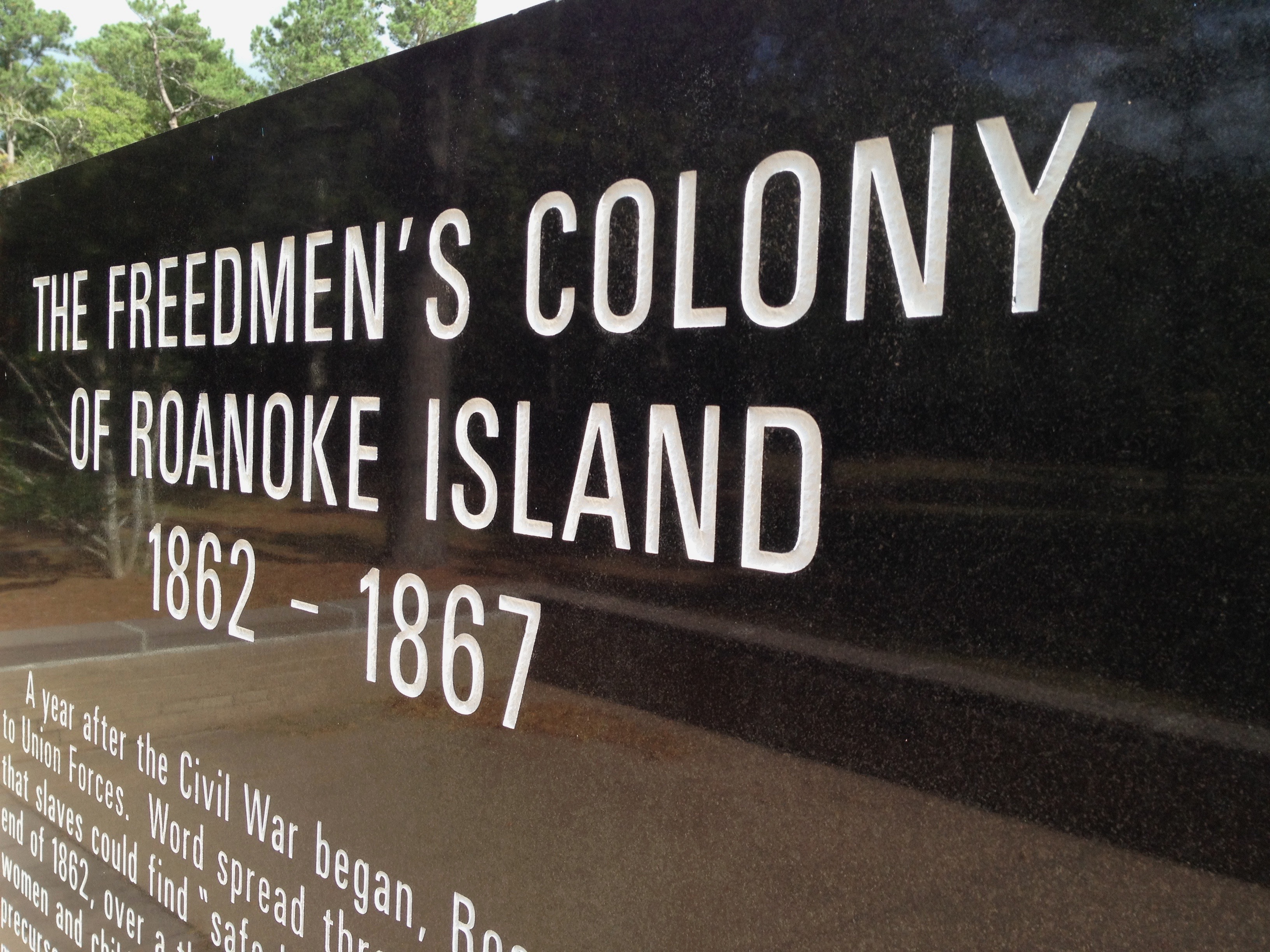
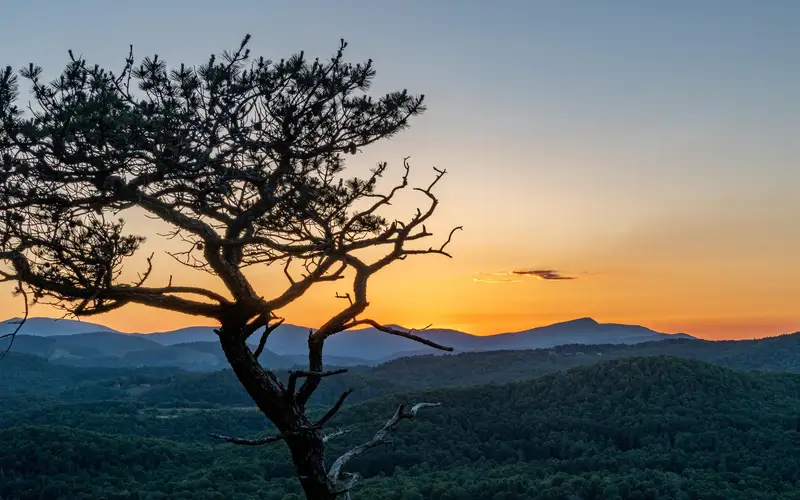
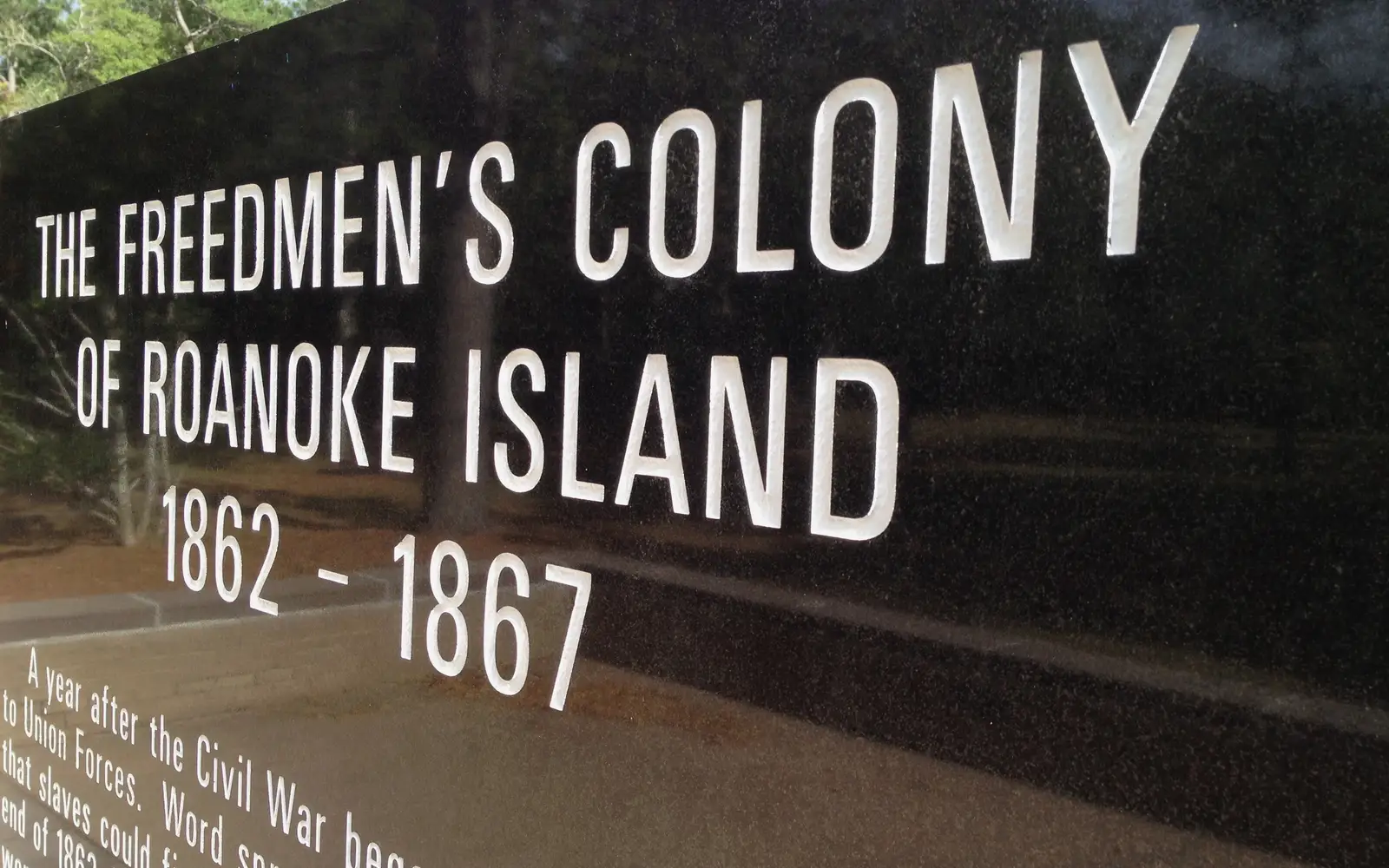
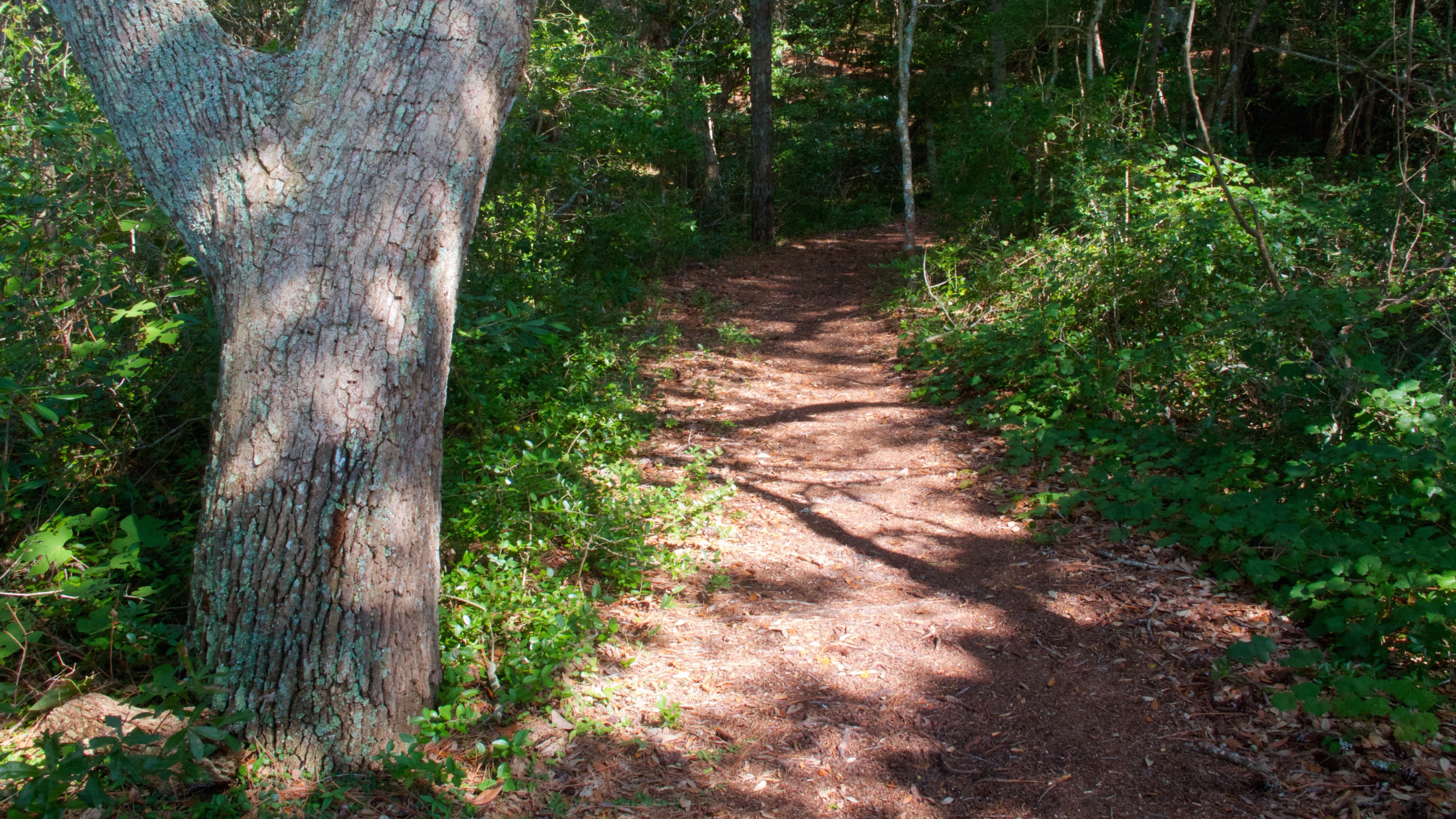
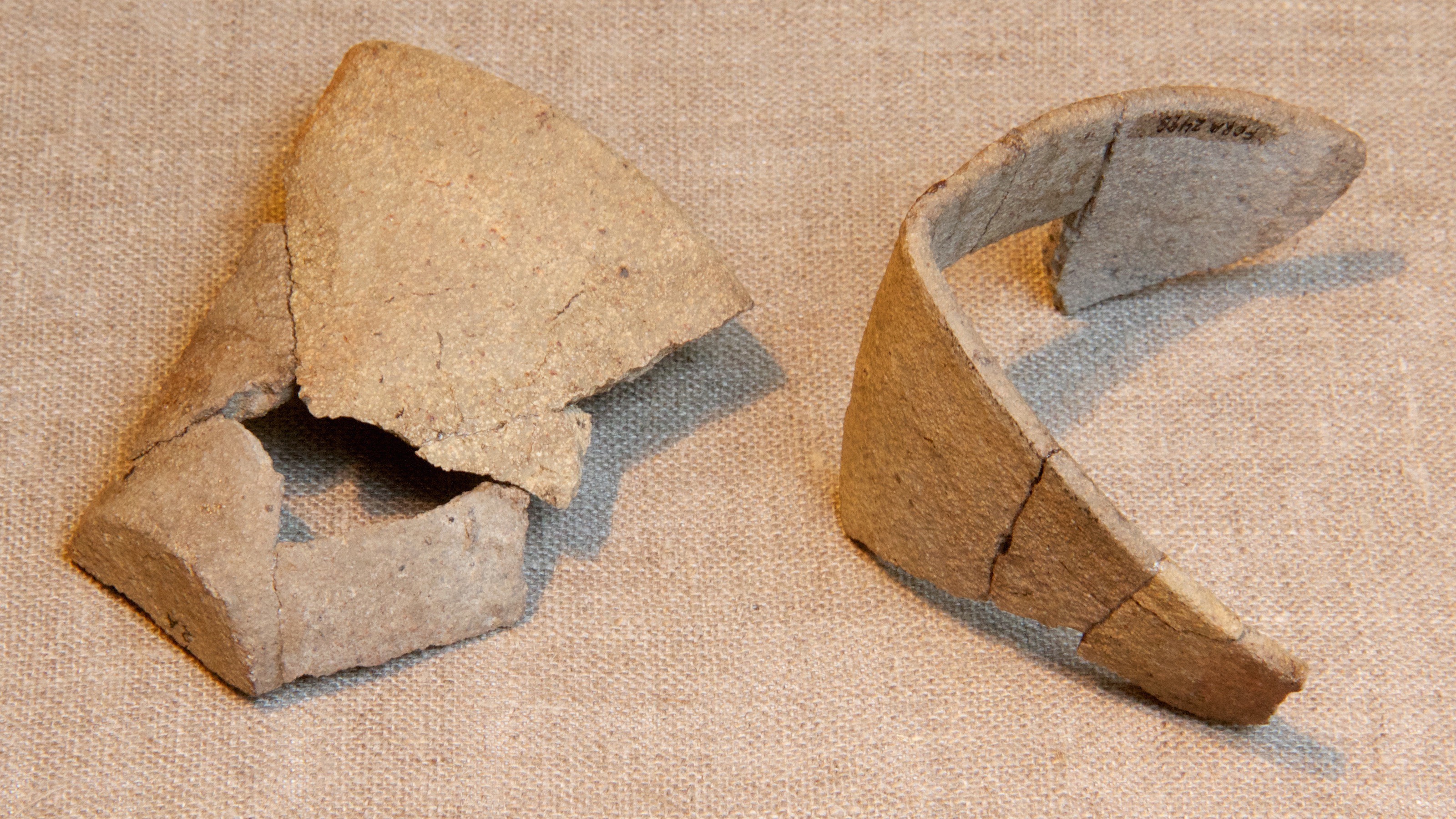
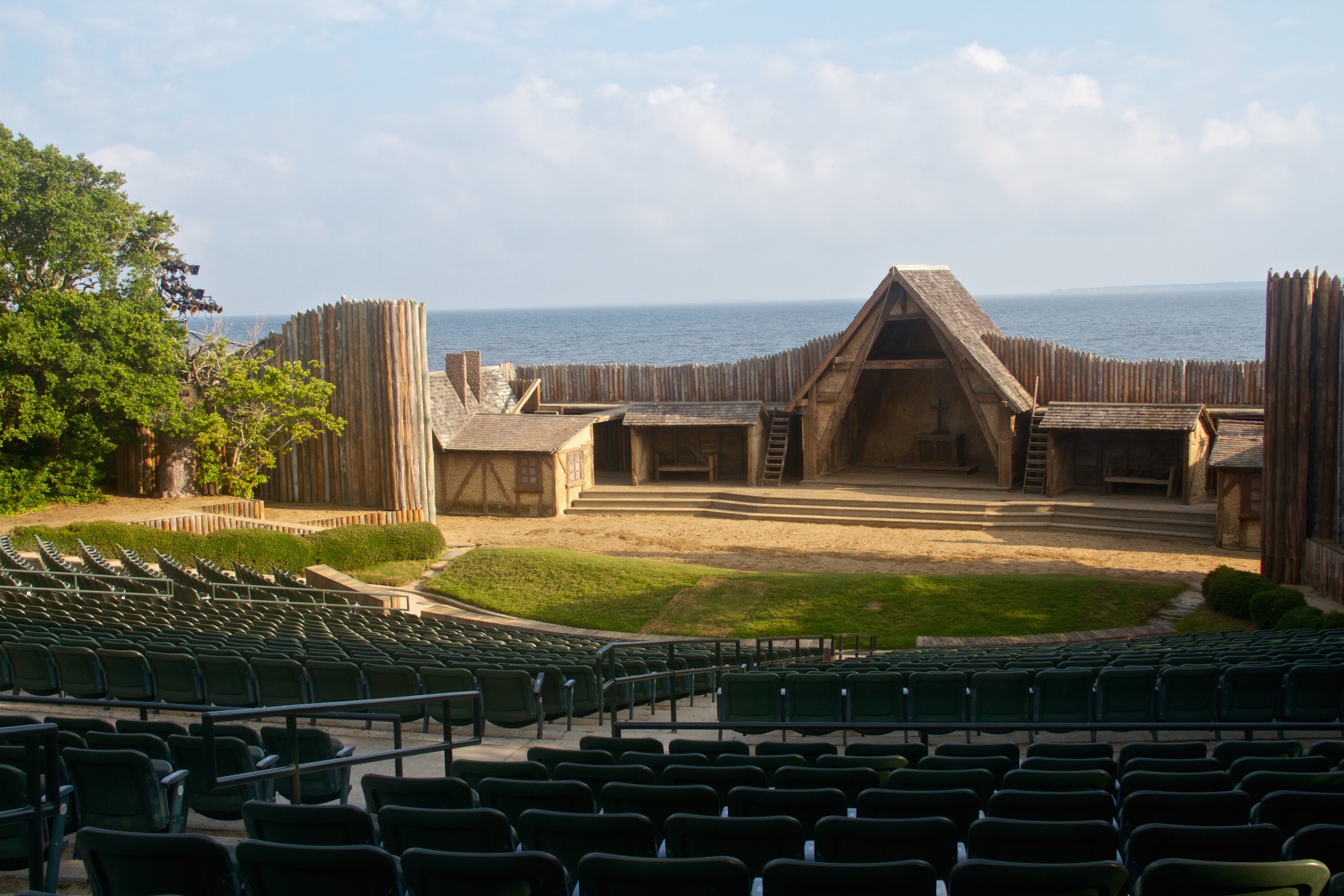
Back of the monument commemorating the Roanoke Island Freedmen's ColonyTree standing next to the maritime forest path of the Thomas Hariot TrailPieces of a crucible left behind by the 1585 English expeditionStage of the Waterside Theatre with a view of the Roanoke Sound in the background
National Historic SiteNC

Fort Raleigh National Historic Site

NPS / NPS Photo
54/ 100FOCUSED
parkverdict Experience ScoreIndependent, not sponsored

54 of 100. Our independent breadth-and-access index. How we score

The bottom line

Fort Raleigh National Historic Site: our verdict

Fort Raleigh National Historic Site sits on Roanoke Island in the Outer Banks, and its whole reason for existing is one of American history's most stubbornly unanswered questions: what happened to the Lost Colony of 1587, the first English settlement attempt in North America.

That mystery draws most visitors, but the site covers more than one story. It also looks at the Algonquian peoples who lived on this island long before English ships appeared, a Freedmen's Colony that took shape here during the Civil War, and early radio experiments that have their own odd footnote in the record. The grounds are free and open at all hours. The main things to see are the museum exhibits, a park film, and an outdoor theater that has been staging the long-running Lost Colony drama for decades. This is a compact, historically layered place, not somewhere you go looking for trails or open wilderness. The Experience Score of 54 reflects that honestly. The offerings are focused and tilt toward indoor experiences, but within that narrower scope they hold up well.

Why visit

Start your day with the park film and museum exhibits, which walk through the island's layered history without fixating on the Lost Colony mystery alone. The outdoor theater deserves its own spot on the itinerary: The Lost Colony drama has run continuously since 1937, making it one of the oldest outdoor symphonic dramas in the country and worth planning a trip around. Kids can work through the Junior Ranger Program, a structured way for younger visitors to actually engage with the history rather than just observe it. The grounds are free and open 24 hours, so an early morning or evening walk around the earthwork site gets you the atmosphere without the crowds. Pair this stop with the broader Outer Banks and you have a half-day anchor with genuine historical weight.

Who it suits

History buffs, families with kids in school, and anyone curious about colonial American mysteries will get the most out of this place. If you are already on the Outer Banks for a beach trip, it makes for a good half-day side trip. Hikers, wildlife watchers, and people looking for outdoor adventure will find better options somewhere else on the Outer Banks.

Timing your visit

Summer pulls in the most visitors, largely because The Lost Colony outdoor drama runs from late spring through late summer. The weather varies quite a bit depending on your timing: summer is hot and humid, late summer and fall carry hurricane risk, and spring and winter are cooler with noticeably thinner crowds. Come in spring or fall and you will have fewer people competing for space while the exhibits stay fully open.

What stands out

  • Museum exhibits tracing multiple layers of history: Algonquian peoples, English colonists, a Civil War-era Freedmen's Colony, and early radio technology
  • The Lost Colony outdoor drama, one of the longest-running outdoor symphonic dramas in the United States
  • A park film that efficiently frames the full historical arc of the site
  • Free admission and 24-hour grounds access, allowing flexible visit timing
  • Junior Ranger Program structured to engage kids directly with the colonial history
  • A bookstore and park store well-stocked for those who want to dig deeper into the Lost Colony or Outer Banks history

Good to know

Getting in is free. The outdoor drama runs on its own schedule, usually summer evenings, and needs a separate ticket, so look up current dates before you build your trip around it. The visitor center, which has exhibits and a film, keeps set hours that are different from the grounds themselves, and those stay open around the clock.

Insider tipBuy tickets for The Lost Colony before you arrive, because walk-up seats dry up fast during peak summer weeks. A good way to get more out of a single trip to the island is to spend the late afternoon in the museum exhibits, then head straight into the evening performance.

How we scored it

Behind the 54

The number is not a mood. It is a few things we can actually check in public records, added up and capped so no single one runs away with the total. It tracks how much a place has going on and how easy it is to reach, and nothing about scenery or crowds. Here is what added up to 54:

  • Activity breadth7 documented activities
  • Topic breadth20 topics
  • Official imagery4 public-domain images
  • Camping on sitenone recorded
  • Entry costfree

No number is hand-adjusted and no unit pays for placement. The full weights, the floor at 18 and a worked example are on how we score.

The honest limits

Where the score goes quiet

One limit to keep in mind. Everything here comes from public records on what a unit documents and how reachable it is, so the score cannot judge beauty, crowds, trail conditions, weather, or how good any single program is. That is exactly why a small, specific place can score below a sprawling park and still be your better trip. Take the number as a like-for-like look at what is on paper, and lean on the verdict for the human read.

Things to do

What it offers

Arts and CultureTheaterJunior Ranger ProgramPark FilmMuseum ExhibitsShoppingBookstore and Park Store
Overview

About Fort Raleigh National Historic Site

The shallow blue waters off North Carolina's Outer Banks frame a stretch of Roanoke Island where Fort Raleigh sits, and the place has drawn people toward new beginnings for centuries. Algonquian-speaking communities were there first. Then came the early English colonists, then formerly enslaved people rebuilding their lives after the Civil War, and later an inventor testing early radio technology.

On documented breadth and access, Fort Raleigh National Historic Site ranks 12th of 13 park and public-land units we score in North Carolina.

Climate note

Outer Banks weather shifts season to season and sometimes hour to hour. For current forecasts, check the National Weather Service at http://www.weather.gov/mhx/.

Common questions

Fort Raleigh National Historic Site: quick answers

Is Fort Raleigh National Historic Site worth visiting?

Fort Raleigh National Historic Site sits on Roanoke Island in the Outer Banks, and its whole reason for existing is one of American history's most stubbornly unanswered questions: what happened to the Lost Colony of 1587, the first English settlement attempt in North America.

Is Fort Raleigh National Historic Site free to visit?

No charge at the gate.

What is Fort Raleigh National Historic Site best for?

It leans hardest toward good with kids, history & culture, going by the 7 activities it actually documents.

When is the best time to visit Fort Raleigh National Historic Site?

Summer pulls in the most visitors, largely because The Lost Colony outdoor drama runs from late spring through late summer.

How is the Experience Score for Fort Raleigh National Historic Site calculated?

The 54 comes straight from public data on how much the place documents and how easy it is to reach, things like activities, topics, photos, camping and whether entry is free. It says nothing about scenery or how busy it gets.