Is Fort Pulaski National Monument worth it?
Fort Pulaski offers a tangible link to a pivotal moment in military history.
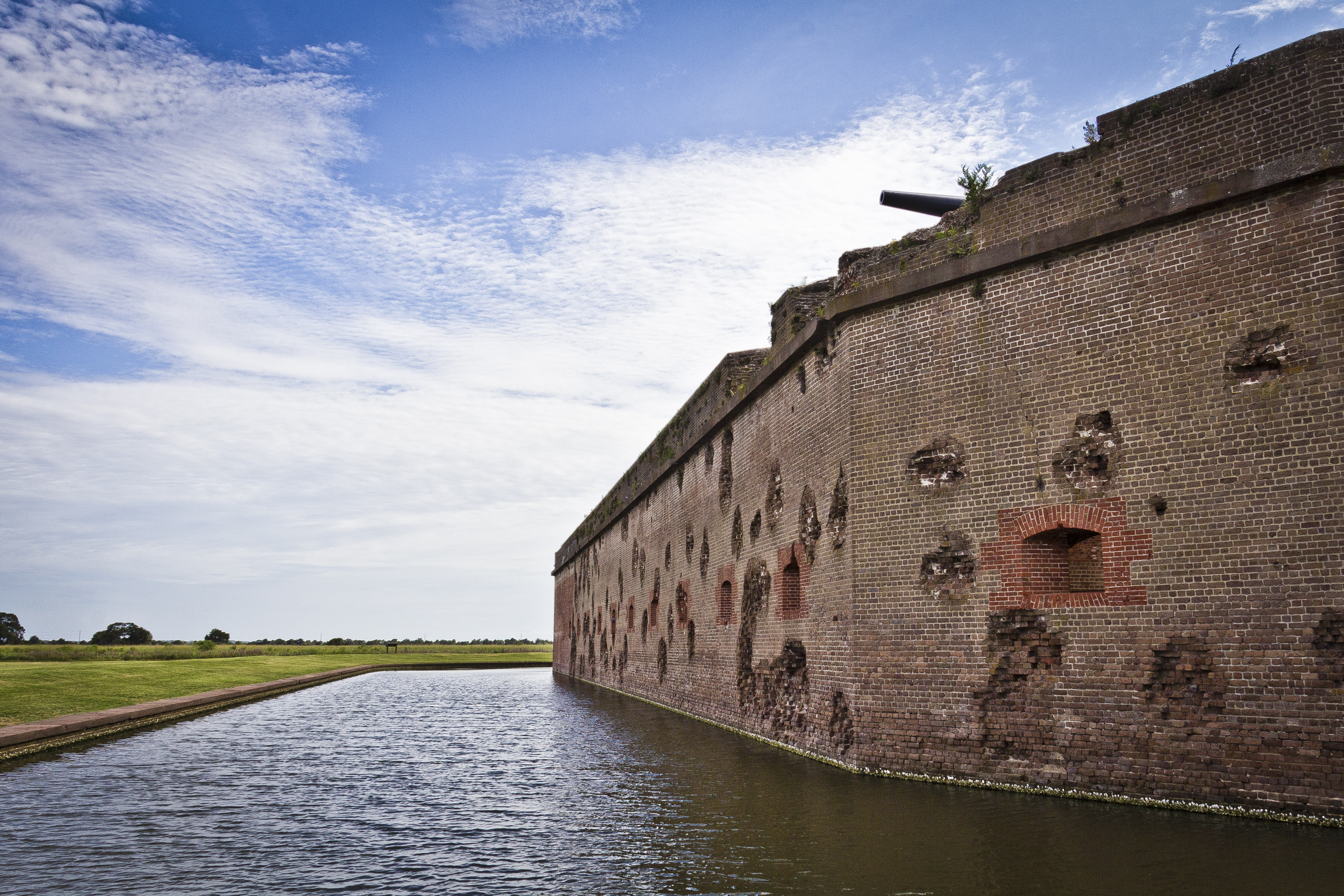
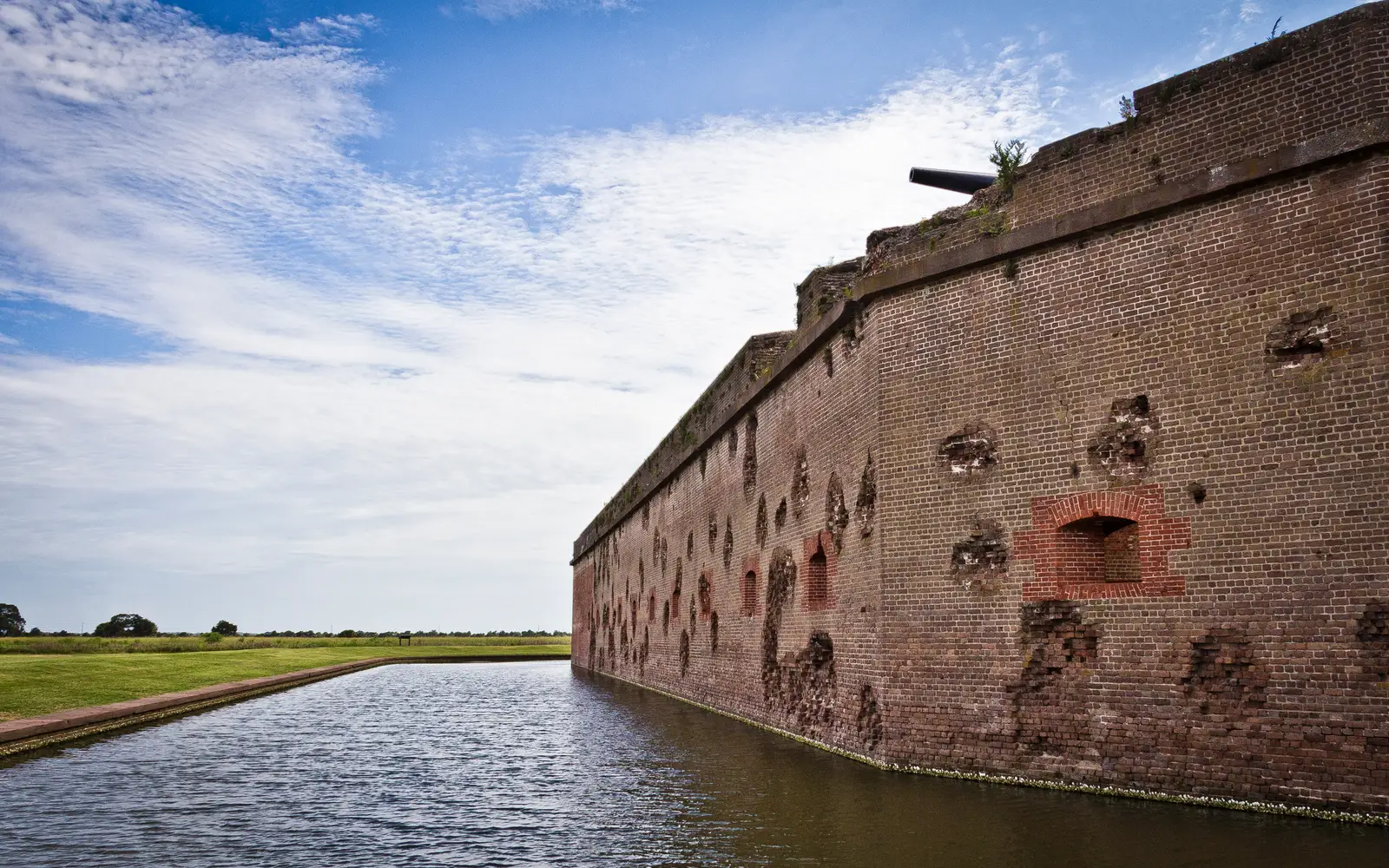
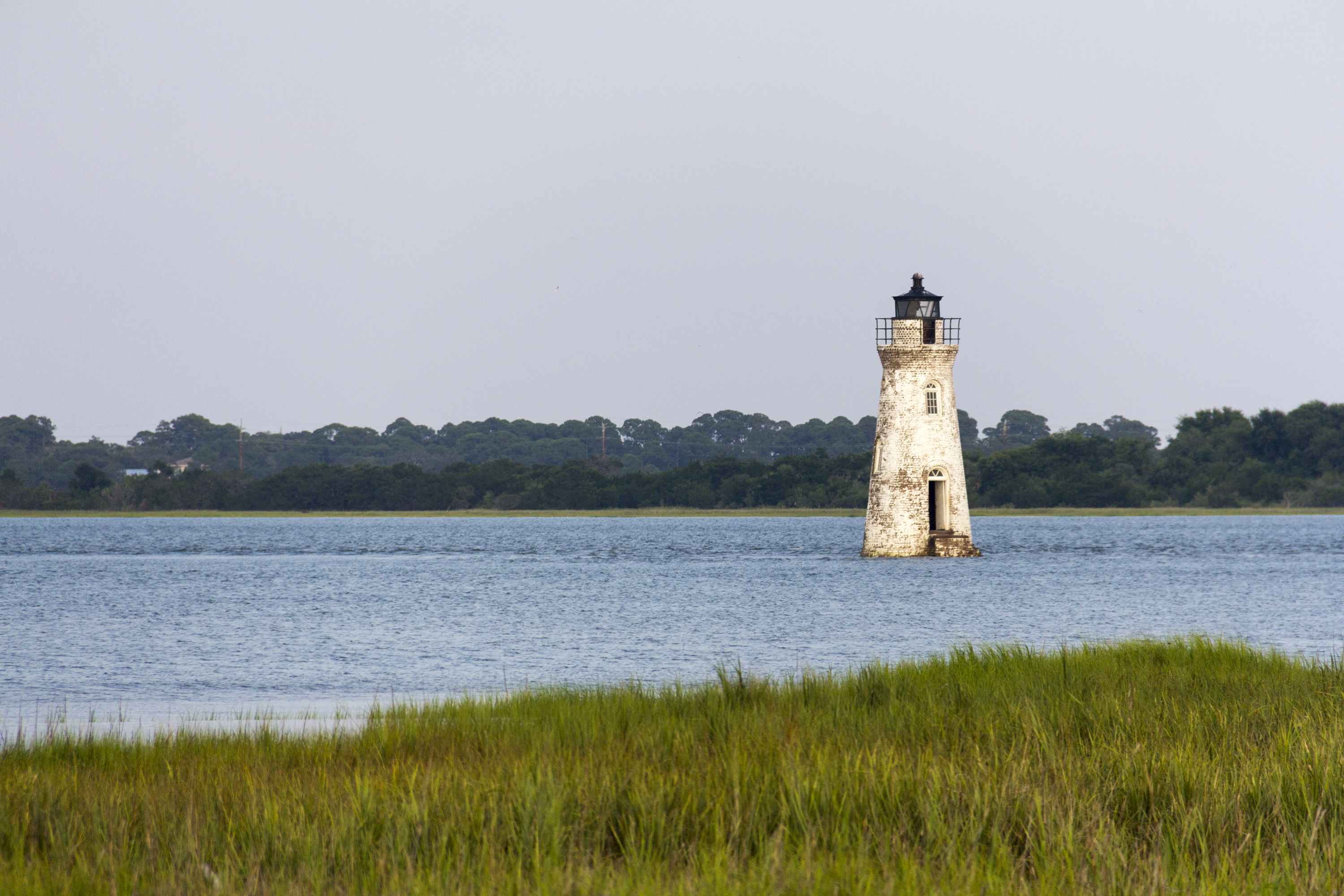
The 1862 Union rifled cannon siege, which effectively ended the era of brick fortifications, is documented directly on the fort's walls through visible cannon damage, not restoration. Beyond its historical significance, the Cockspur Island location provides substantial outdoor opportunities. The surrounding marsh and tidal landscape supports serious birdwatching, paddling, and fishing. At $10 per person, it presents strong value among National Park Service units in the Southeast. Plan for a half-day to full-day visit, depending on engagement with the outdoor activities. This unit pairs best with a trip to Savannah, rather than as a standalone destination.
The case for it
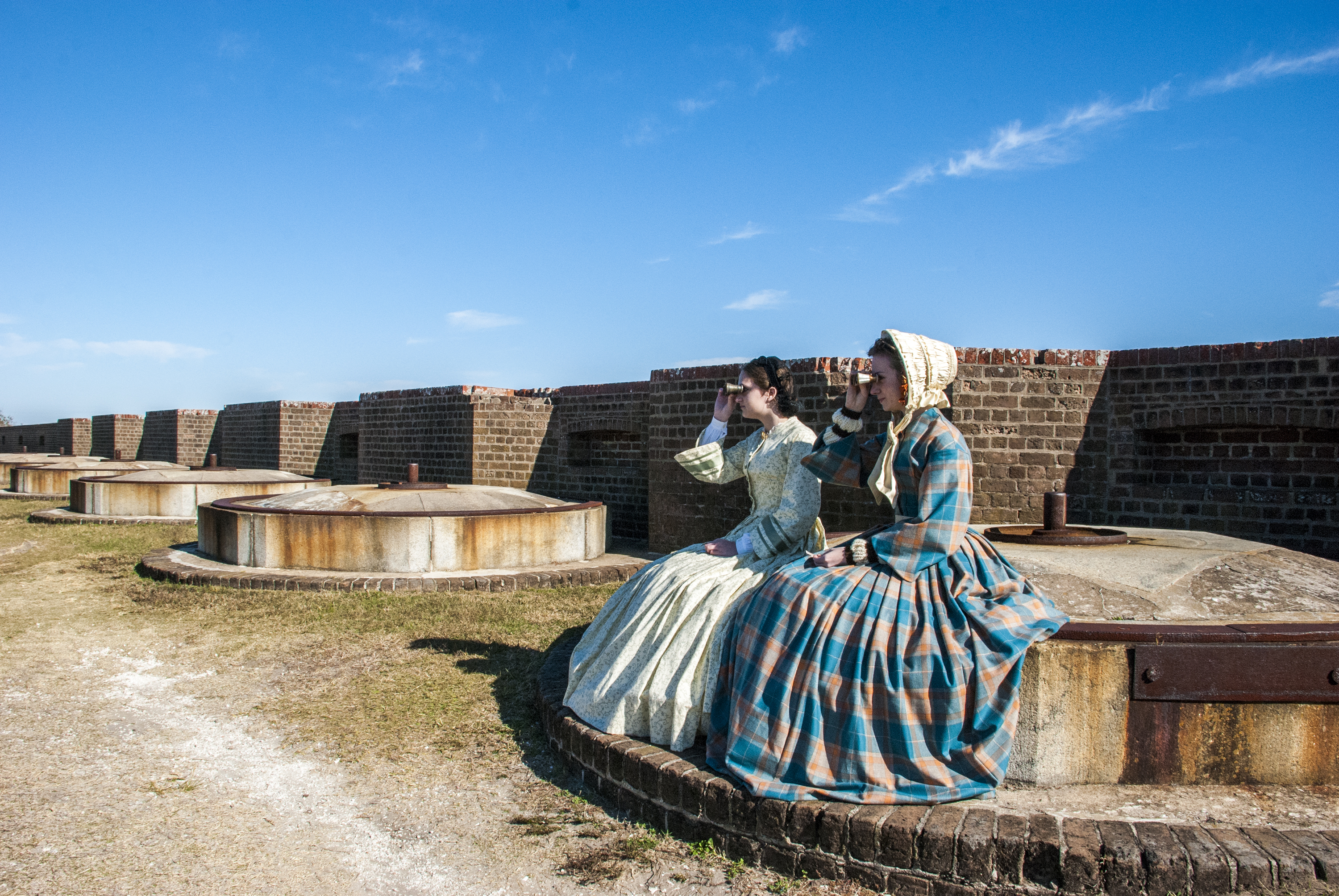
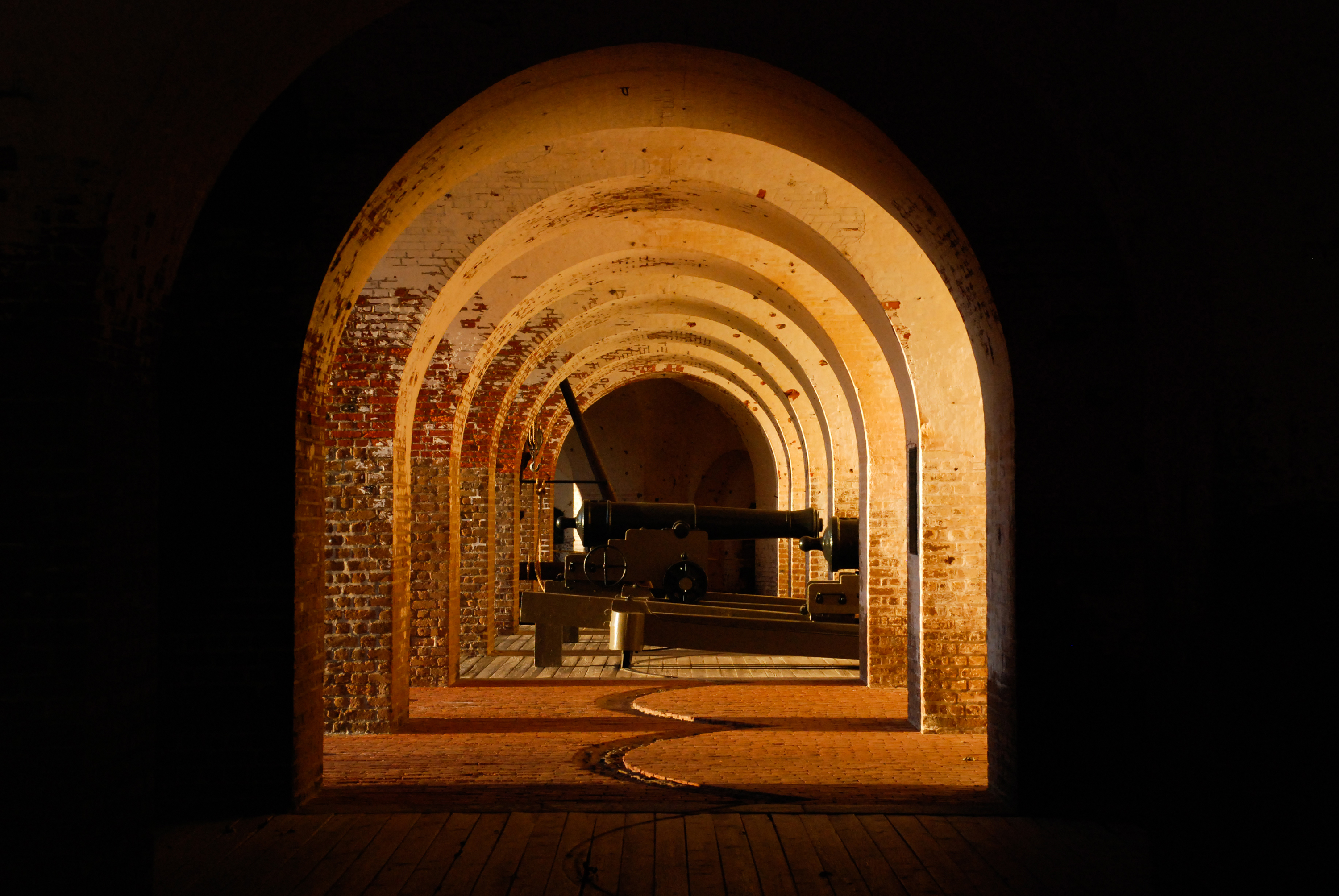
This site delivers two distinct experiences. The well-preserved 1862 fort and its siege history anchor a visit. The cannon-breached wall section impresses. Living history programs and weapons demonstrations provide visceral context to military history. The visitor center's film and museum exhibits efficiently detail the fort's story. Beyond the fortifications, a saltwater marsh offers a contrasting natural environment. Kayaking or canoeing tidal creeks, fishing for saltwater species, or biking park roads are prime activities here. This habitat attracts wading birds, shorebirds, and raptors. The Junior Ranger program integrates smoothly for families. For documented breadth and access, this park offers significant value, both historical and ecological.
Who it is for
This park offers a compelling experience for Civil War history enthusiasts, standing as one of the National Park Service's most visually engaging forts. For those visiting Savannah seeking a half-day outing, the site provides opportunities for paddling, birding, or fishing, integrated with significant historical context. The documented breadth and access make a strong case for its inclusion in a broader Savannah itinerary. However, those looking for backcountry hiking or a solitary wilderness experience should consider alternatives. This is a compact, managed site.
Best time to visit
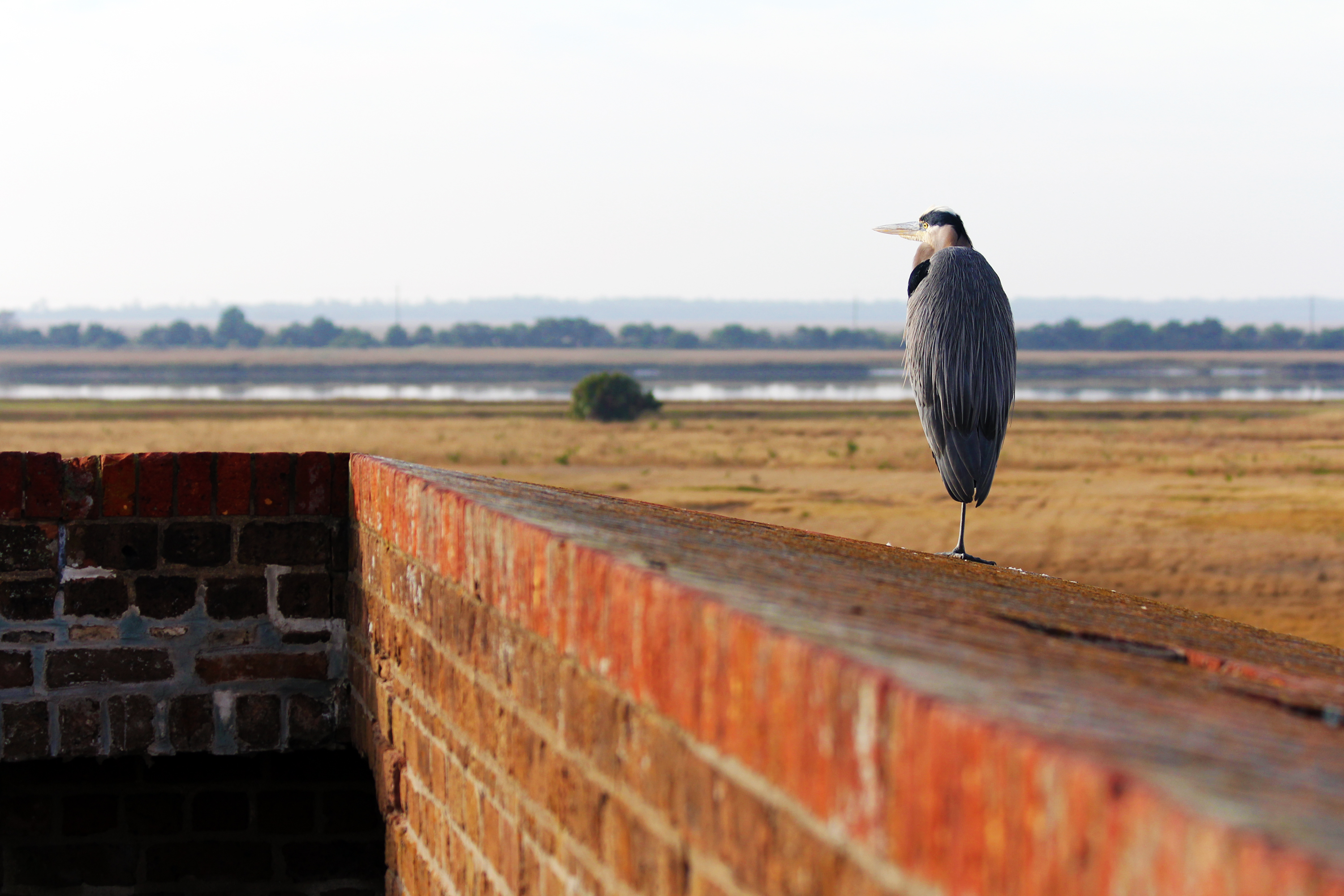
This park is a birder's paradise, especially during the spring and fall migrations. Comfortable temperatures in the 50s to low 70s make marsh activities pleasant. Summer brings full programming and living history events. However, high heat and humidity above 90 degrees, plus afternoon thunderstorms, limit outdoor activity. Winter is mild and uncrowded, offering good birding opportunities. The park excels for wildlife observation and historical immersion.
Worth seeing
- Original Civil War cannon breach in the fort walls, visible and unrestored
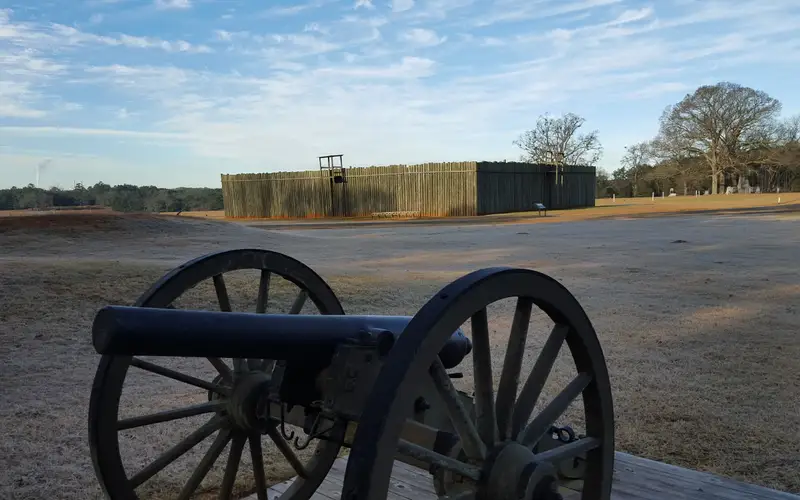
- Living history and historic weapons demonstrations tied to the 1862 siege
- Kayaking and canoeing through tidal marsh creeks surrounding Cockspur Island
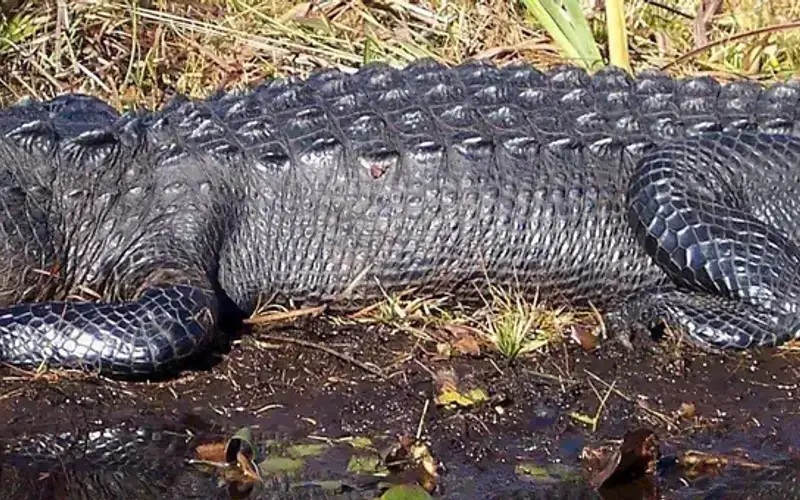
- Birdwatching in a productive coastal Georgia marsh and estuary environment
- Saltwater fishing accessible directly from the park
- Well-organized museum exhibits explaining the military science turning point of rifled artillery
Before you visit
Admission is $10 per person. Operating hours are 9 a.m. to 5 p.m. daily, with last entry at 4:30 p.m.; the fort itself closes at 4:30 p.m. The park observes closures on New Year's Day, Thanksgiving, and Christmas. This destination caters to those prepared with their own watercraft, as no rentals are available on-site. Located approximately 15 miles east of downtown Savannah via US Highway 80, access requires a vehicle.
Our tipFor visitors seeking a direct engagement with history, the scheduled weapons demonstration is paramount. The sound and smoke of period artillery, fired on the original 1862 parade ground, offers an experience exhibit panels cannot replicate. Check the visitor center for the daily schedule immediately upon arrival.