Fort Monroe National Monument: our verdict
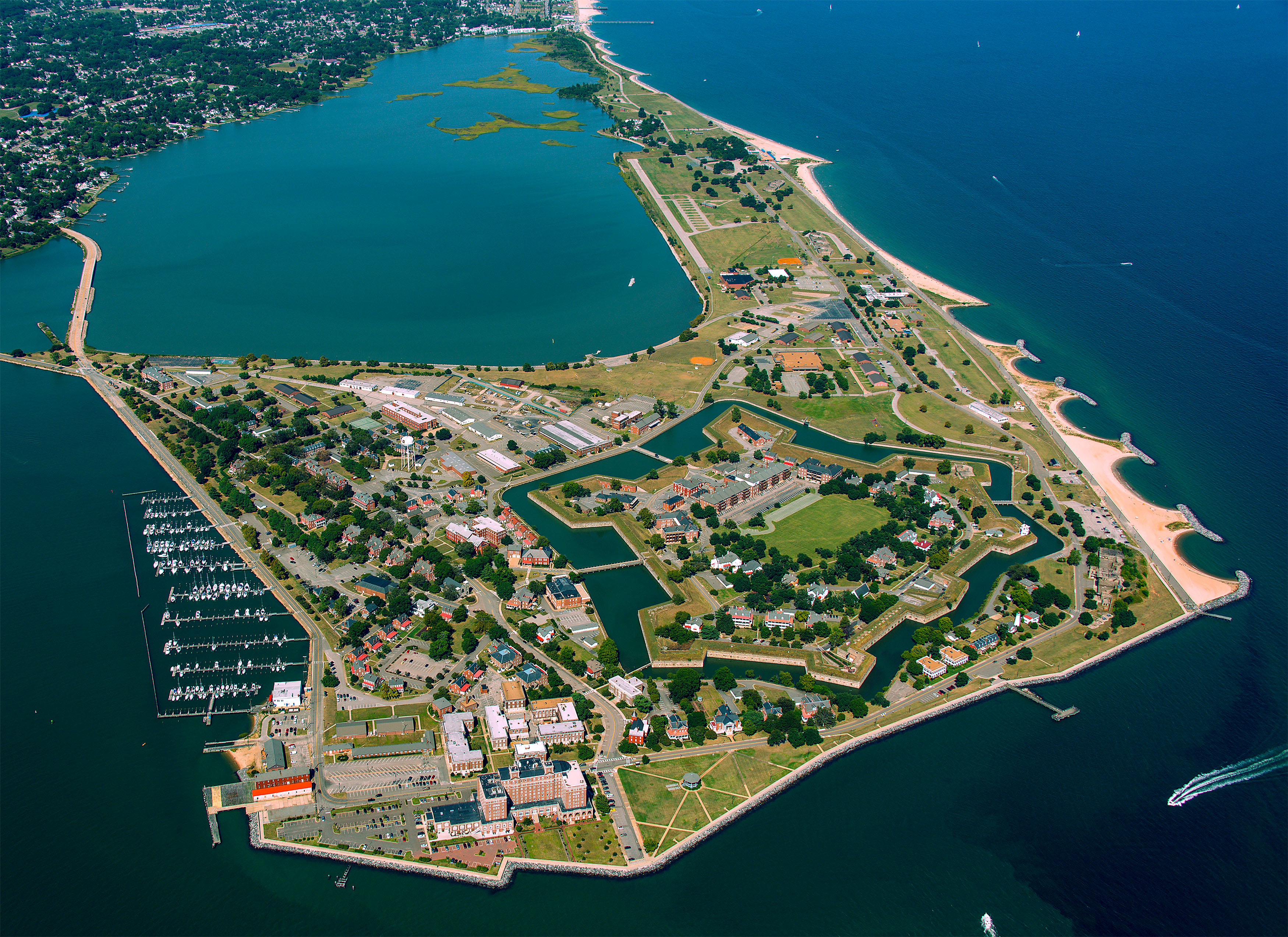
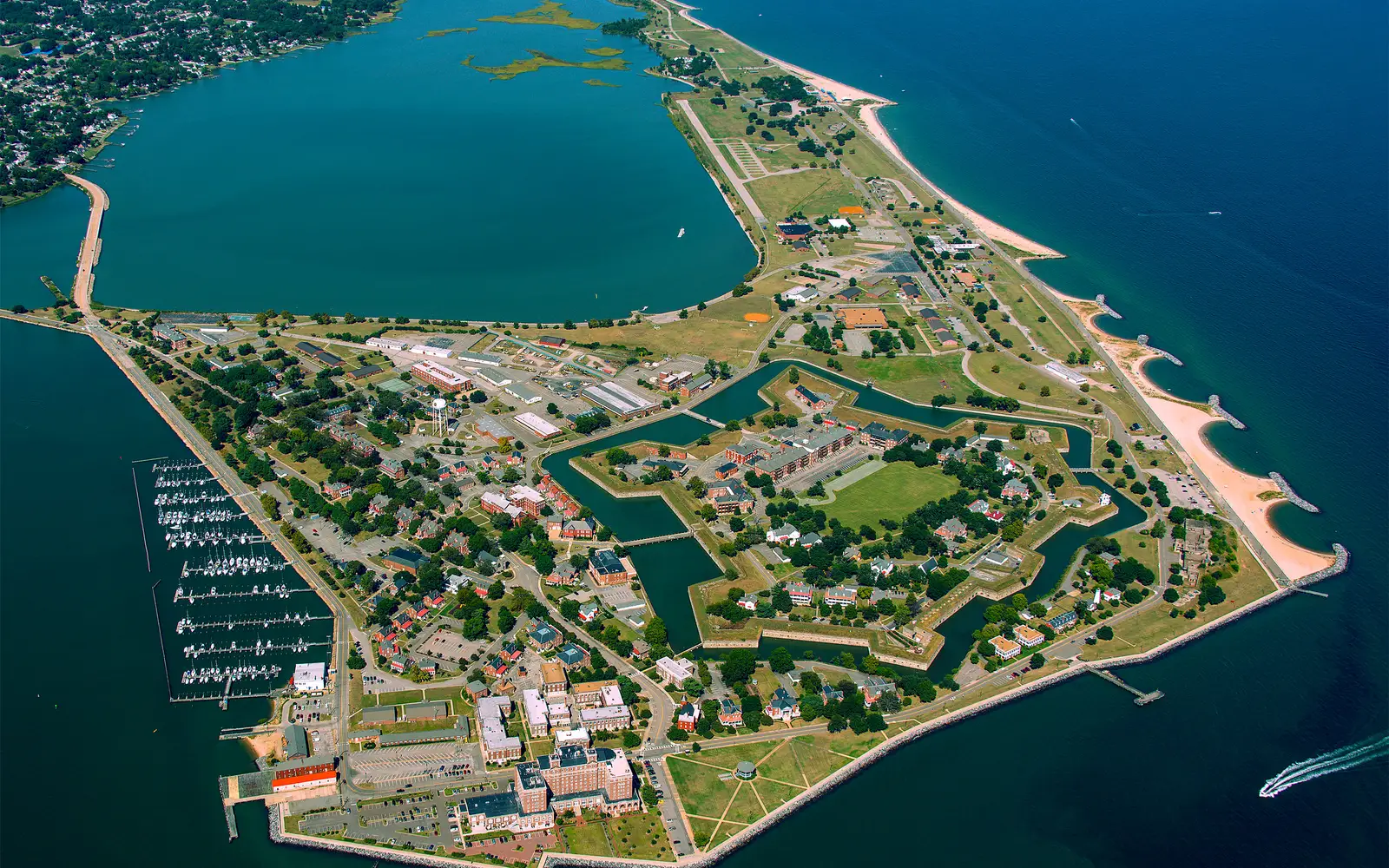
Fort Monroe offers a rich, layered experience on a peninsula at the mouth of the Chesapeake Bay in Hampton, Virginia.
This site, unlike many historical forts, spans centuries of significance. It encompasses Indigenous history, the 1619 arrival of the first enslaved Africans in English colonial America, the stories of Civil War freedom seekers, and continuous military use into the 21st century. The grounds are accessible year-round and free of charge. Its unique atmosphere stems from residents still living within the historic walls; it is simultaneously a national park and a functional neighborhood. The Experience Score of 81 reflects a broad array of activities. Biking, birdwatching, living history programs, museum exhibits, and guided tours are all available
Why visit
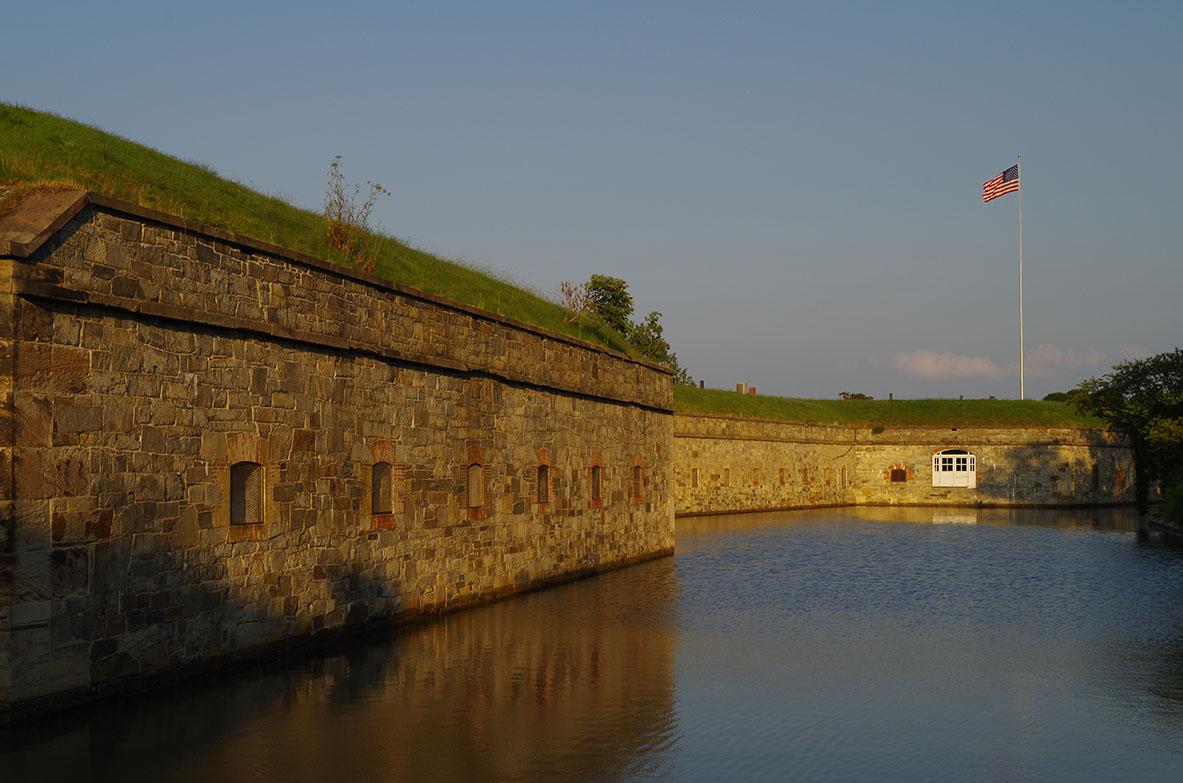
Fort Monroe offers a surprisingly rich historical experience, best explored actively. Its massive stone walls, the largest ever built in the United States, invite exploration by foot or bike along the moat. The site distinguishes itself with documented living history programs, reenactments, and historic weapons demonstrations, bringing its military and Civil War past to life beyond static displays. Crucially, the Contraband Decision of 1861, a pivotal moment in Civil War history, occurred here, cementing its status as one of the nation's most significant Civil War sites. Beyond its human history, the fort's waterfront location on a major Atlantic flyway makes it a notable destination for birdwatchers. Museum exhibits and a well-stocked park store further enrich understanding. Though compact enough for a single day's visit, its depth warrants multiple explorations.
Who it suits
Fort Monroe makes a compelling case for visitors with specific interests. Its documented history as a critical site during the eras of slavery, Reconstruction, and the Civil War renders it essential for American history enthusiasts. Families will find value in the programming, which includes hands-on activities and living history demonstrations. The waterfront location offers genuine appeal for cyclists and birdwatchers. However, those pursuing dramatic wilderness or extensive backcountry trail systems will not find it here.
Timing your visit
The mid-Atlantic coastal climate dictates visit timing. Optimal conditions prevail in spring and fall, with temperatures ranging from 40 to 70 degrees and fewer visitors. Spring also delivers migratory bird activity along the Chesapeake flyway. Summer temperatures can reach 100 degrees, necessitating early morning visits and diligent hydration. Travelers planning visits between August and October should monitor hurricane forecasts, given the location's coastal Virginia exposure.
What stands out
- Walking or biking the perimeter of the massive historic moat and stone fortifications
- Living history programs, reenactments, and historic weapons demonstrations tied to the fort's military eras
- The Contraband Decision site - one of the most significant Civil War freedom moments in the country
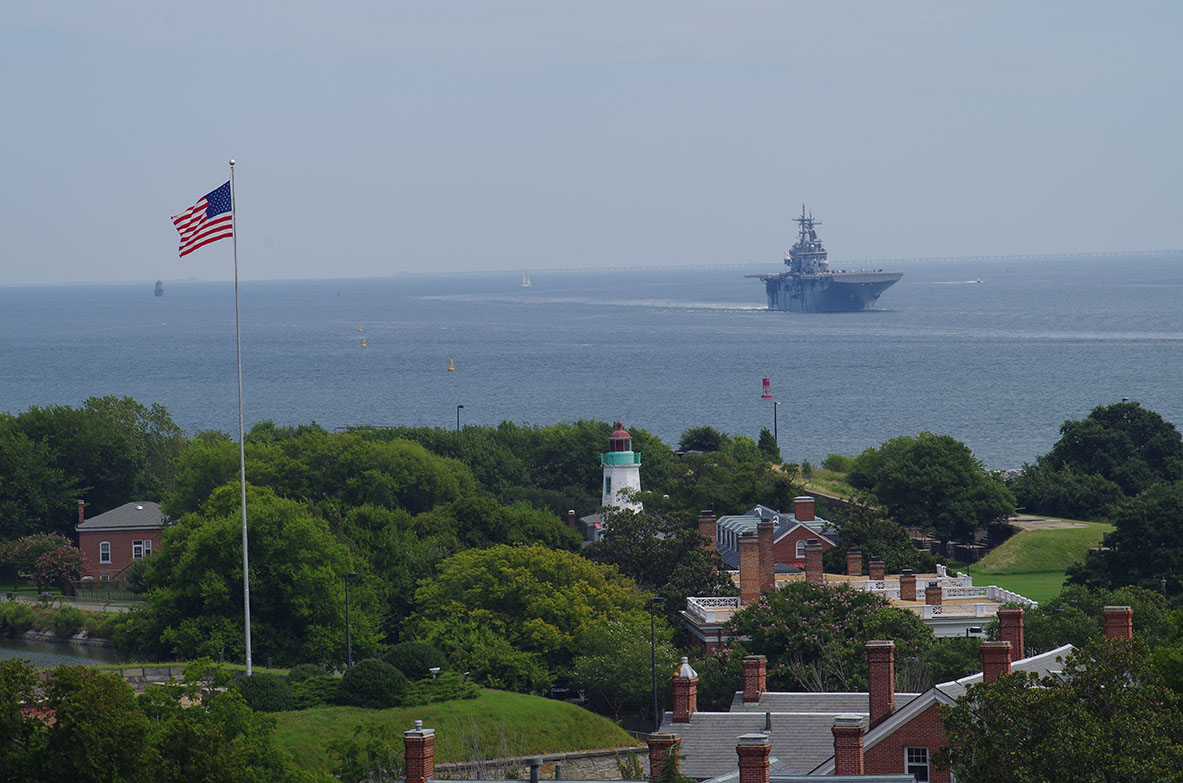
- Birdwatching along the Chesapeake Bay waterfront on a major Atlantic flyway
- Museum exhibits spanning Indigenous occupation through 20th-century military use
- Free guided and self-guided tours of grounds that are open year-round
Good to know
This park is free to enter, with outdoor spaces open every day of the year. Parking is onsite. Its unique character derives from active residents inhabiting the fort's historic buildings; therefore, visitors must remain on public paths. Respect for private spaces is paramount. Do not peer into windows or open gates. Programming, including living history events and guided tours, varies seasonally; consult the NPS website for current schedules.
Insider tipA visit to this park benefits greatly from advance preparation. Read up on General Butler's 1861 ruling regarding "contraband" before arriving. The Contraband Decision exhibit and its interpretations are central to understanding the site. The park's significance comes into sharper focus with this context.