Should you visit Fort Matanzas National Monument?
Fort Matanzas offers a focused historical experience.
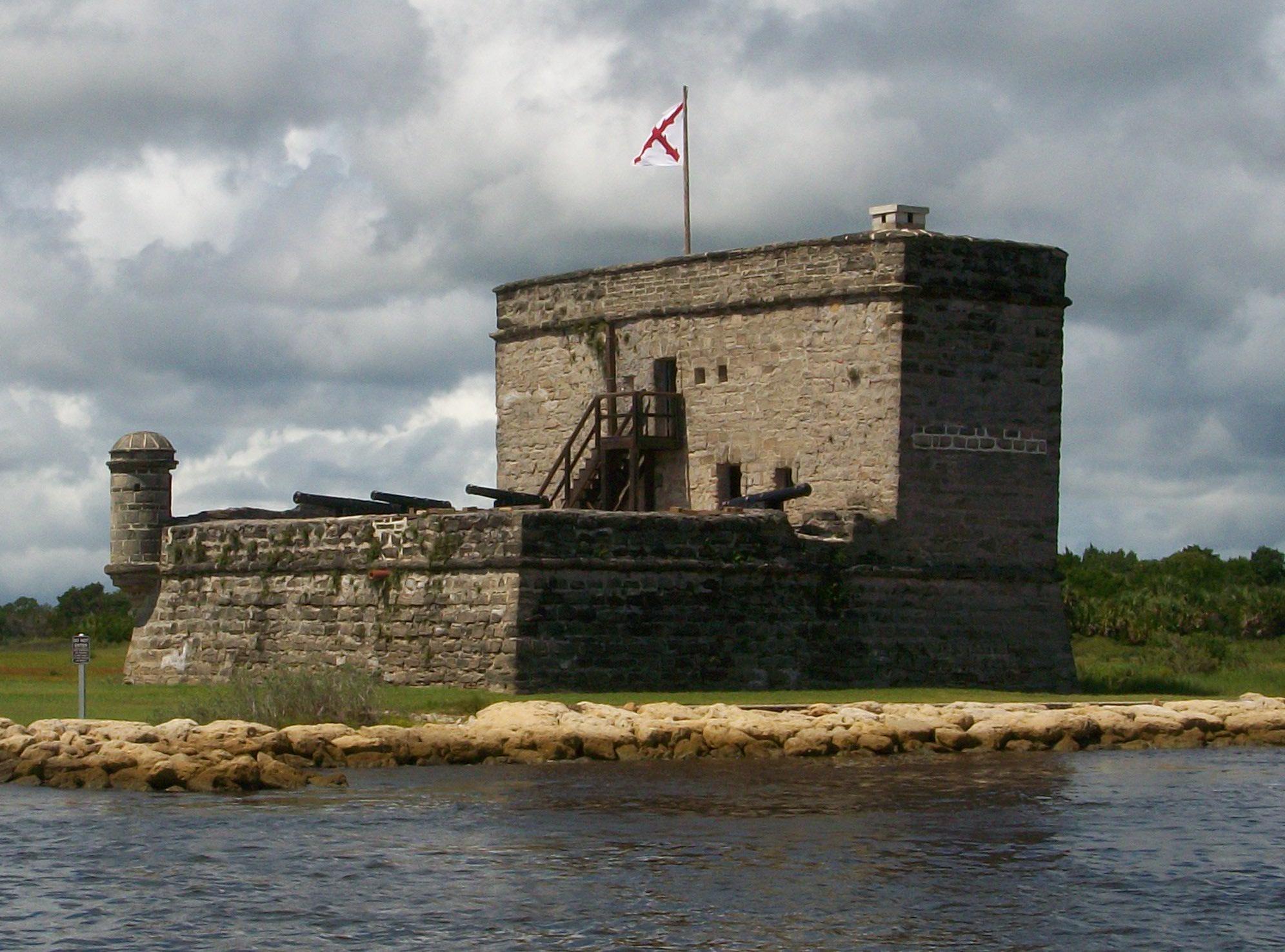
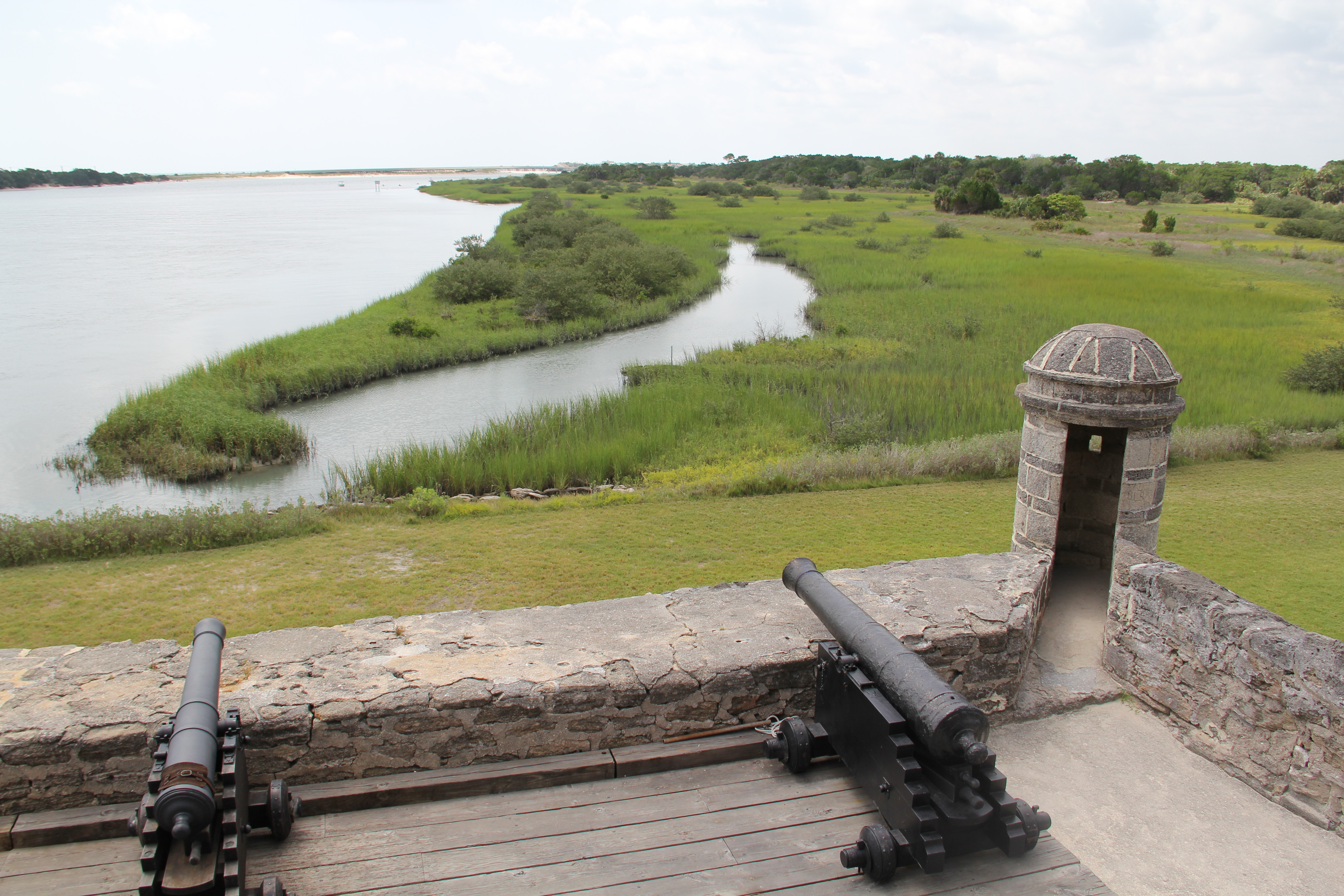
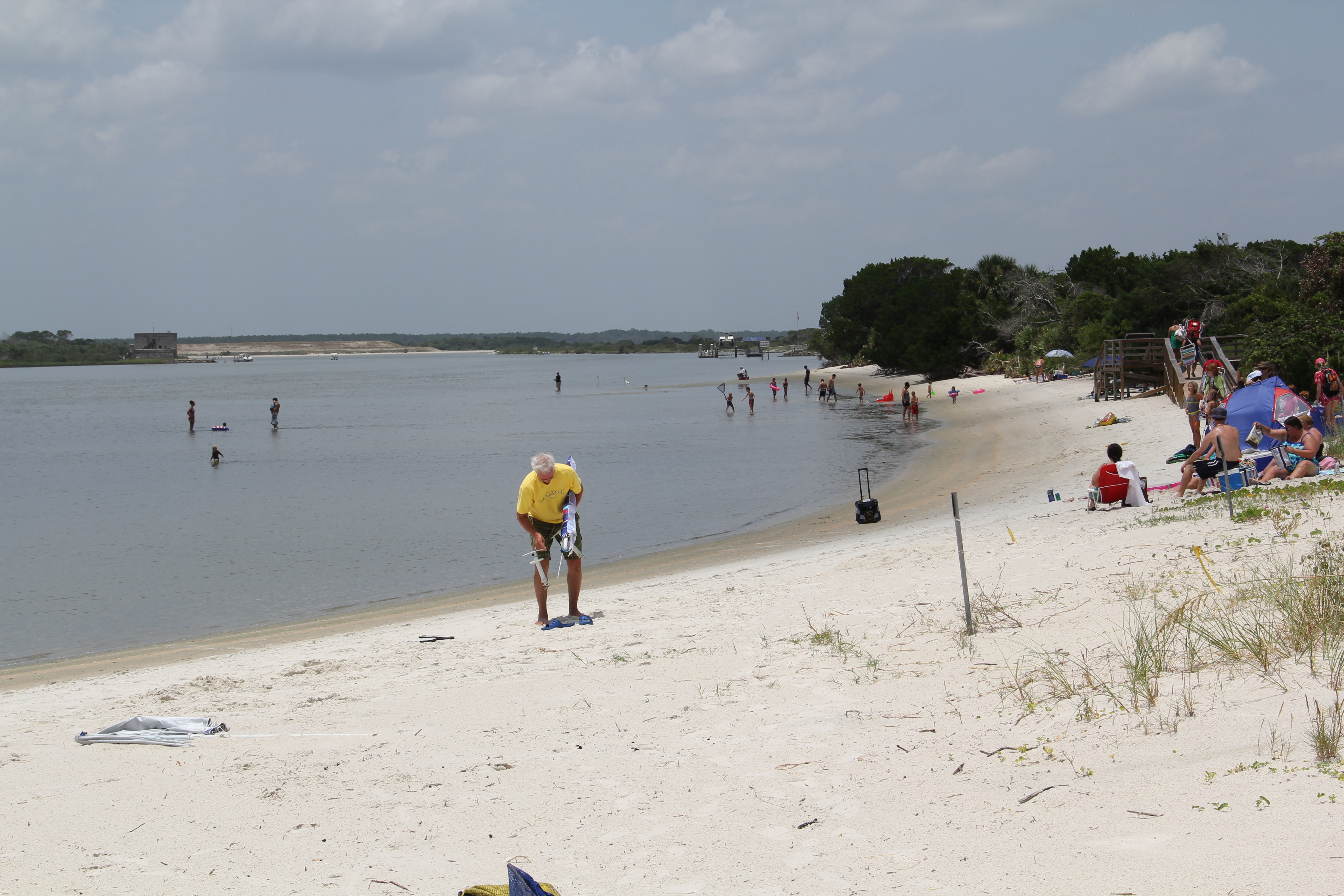
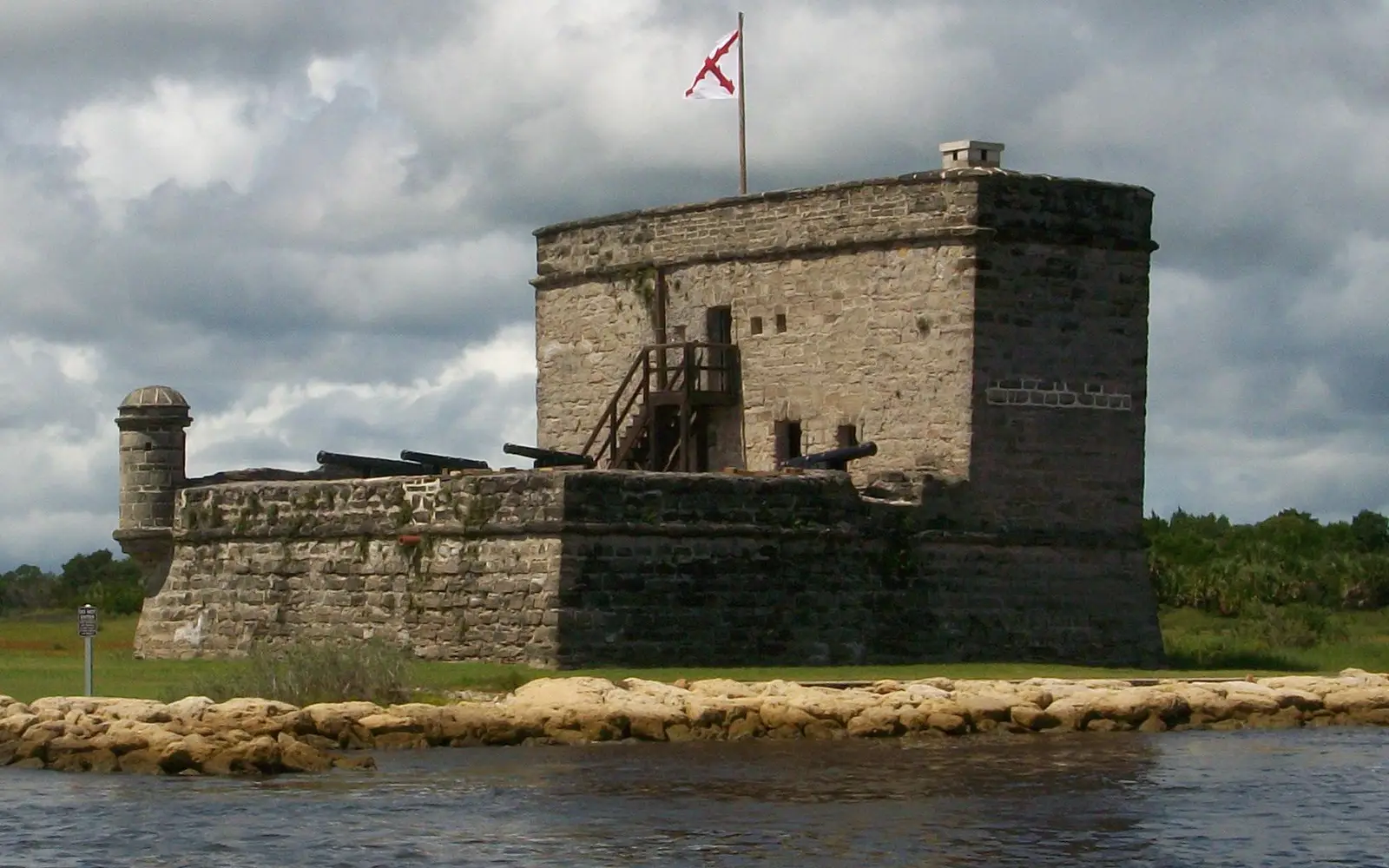
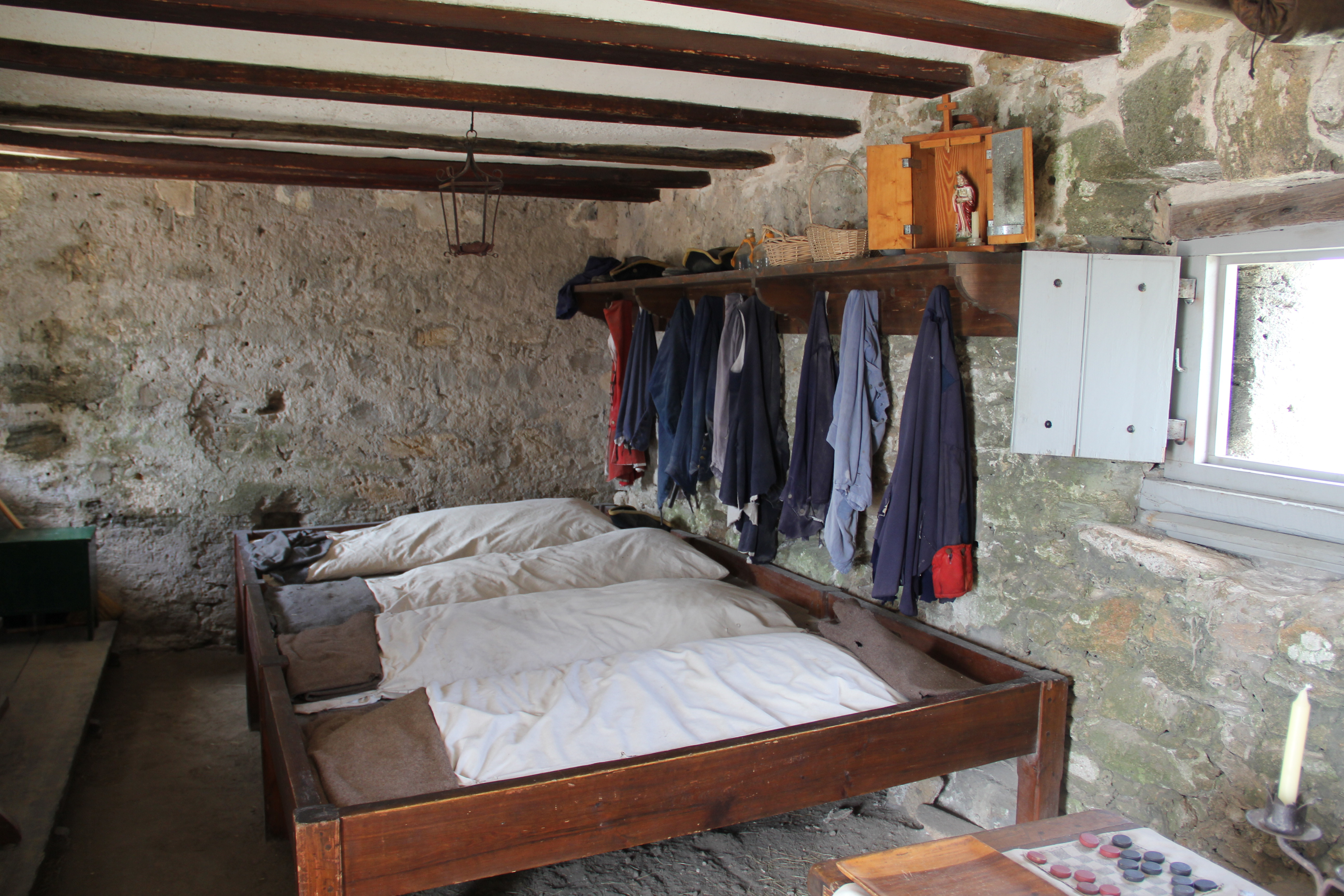
Its 1742 Spanish coquina watchtower, guarding St. Augustine's southern approach, is the centerpiece. Access to the fort requires a free ferry ride across Matanzas Inlet. Living history programs and historic weapons demonstrations illuminate the Spanish colonial period. Beyond the fort, 300 acres of coastal Florida environments, encompassing dunes, salt marsh, and maritime forest, provide ecological interest. The Experience Score of 57 accurately reflects the site's scale. This is not an all-day park. History enthusiasts and families, however, will find it punches above its weight. Free admission, interactive programs, and the short ferry make it a strong complement to a St. Augustine itinerary.
What makes it worth it
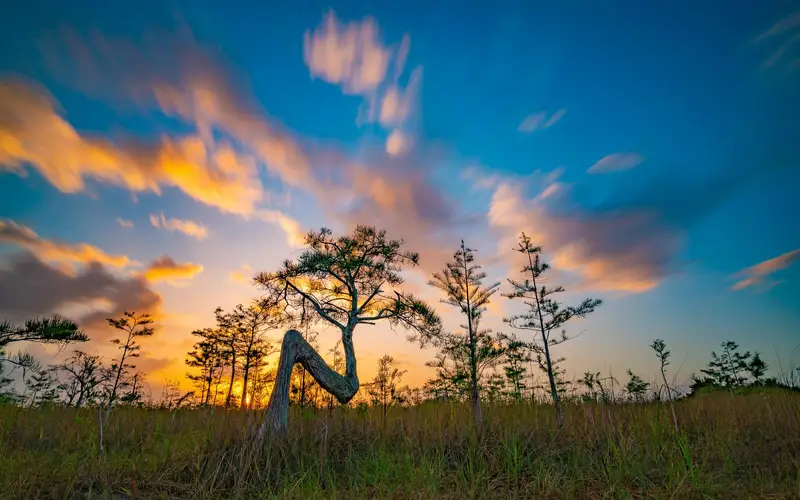
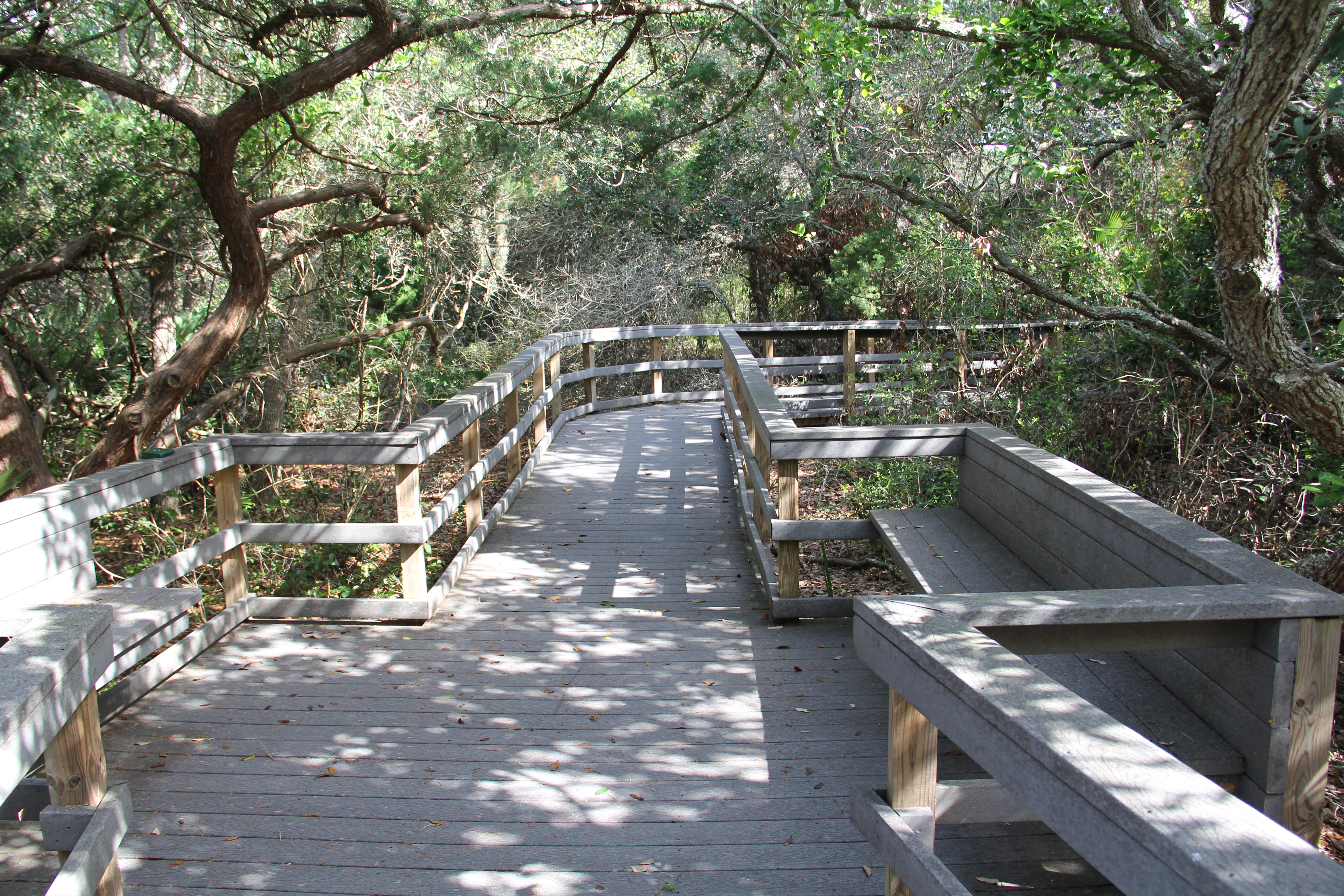
This unit offers a compelling blend of history and coastal nature. Its historical focus centers on Spanish colonial defense, detailed through museum exhibits and brought to life by interpreters and weapons demonstrations across the inlet. The free ferry crossing is integral to the experience. Beyond the fort, undeveloped Florida coastline awaits. Nature trails traverse dunes, maritime forest, and marshland. Saltwater fishing is available in the inlet. The Junior Ranger Program is a plus for families. This destination suits those seeking a varied experience, combining historical immersion with accessible natural environments.
Who should go
This park primarily serves a niche interest. For those seeking Spanish colonial Florida history, the fort offers a focused experience. Families with young children will find value in the free admission, the novelty of the ferry ride, and available Junior Ranger activities. Casual visitors anticipating a full-day wilderness excursion or extensive hiking will likely be disappointed.
When to go
Optimal visitation occurs in fall and spring, offering temperatures from 70 to 80 degrees Fahrenheit and comfortable humidity. Summer brings oppressive heat and frequent afternoon thunderstorms, often disrupting outdoor activities. Winter, while generally pleasant, can present sharp north winds from the water. Regardless of season, confirm ferry schedules; the service is unavailable on Tuesdays and Wednesdays.
Highlights
- Free ferry crossing to the 1742 Spanish coquina watchtower, a rare surviving example of colonial-era coastal defense architecture
- Living history programs and historic weapons demonstrations that contextualize the fort's military role
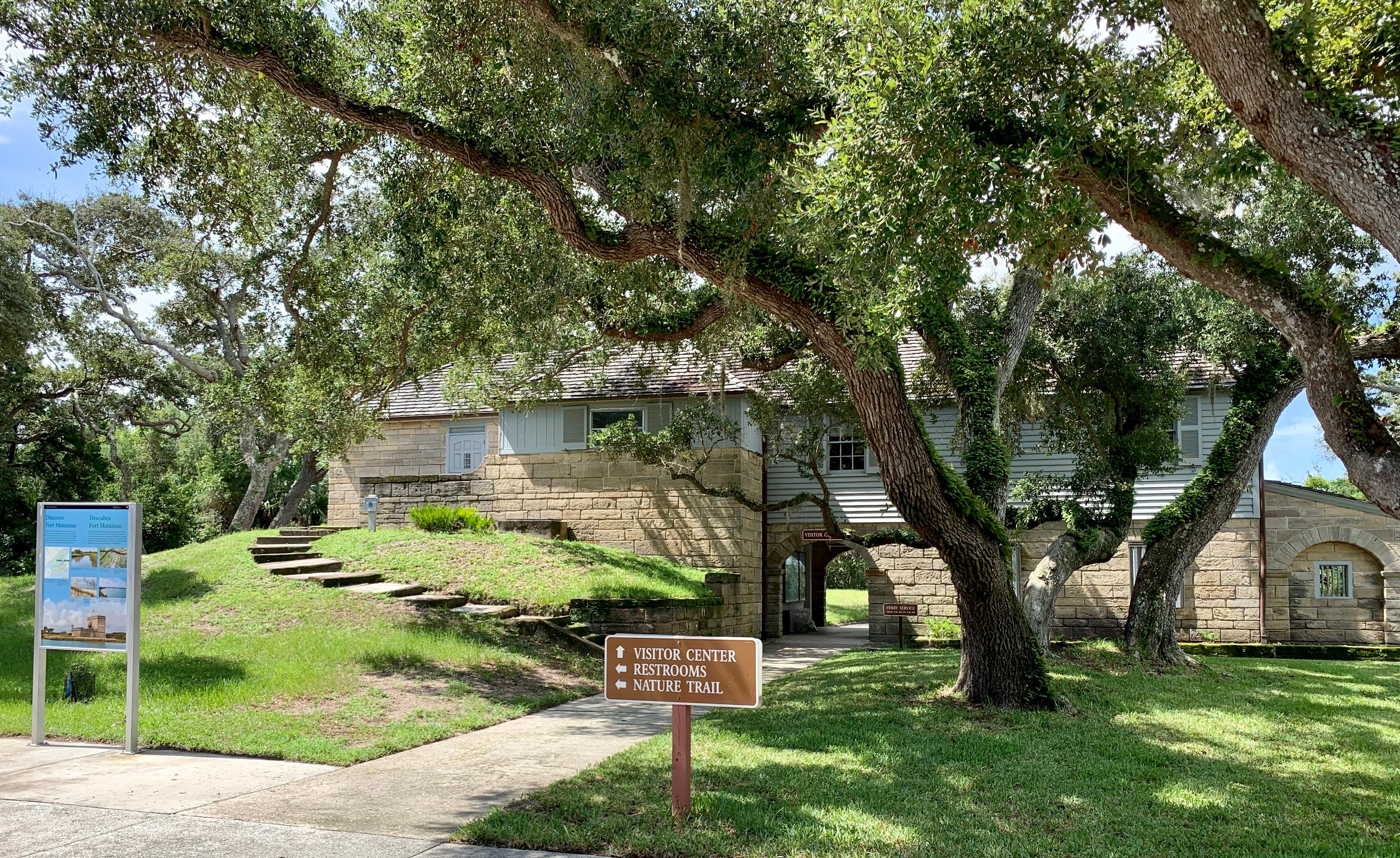
- Museum exhibits at the visitor center covering the site's Spanish colonial history
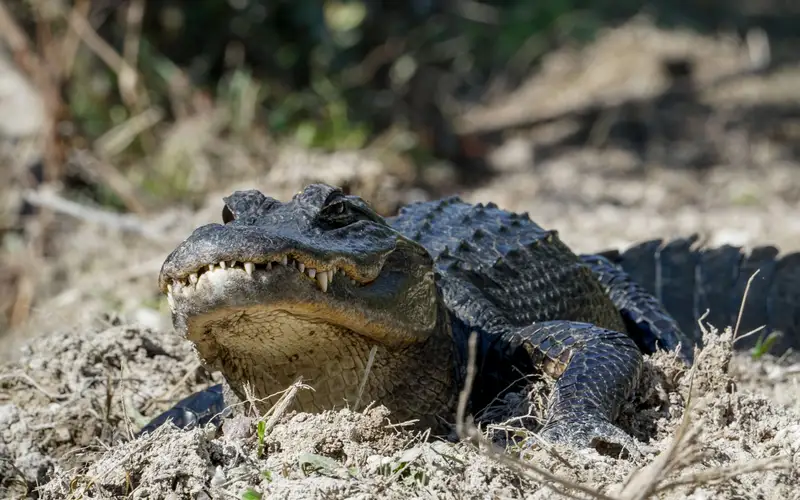
- Nature trails through dunes, salt marsh, and maritime forest protecting threatened and endangered coastal species
- Saltwater fishing access along Matanzas Inlet
- Junior Ranger Program providing structured engagement for younger visitors
Plan ahead
Free admission simplifies planning, but the ferry schedule dictates access; it does not operate on Tuesdays or Wednesdays. Living history programs are also not guaranteed daily. The outdoor visitor center opens at 9 a.m. Sunscreen and water are year-round necessities. Summer visitors must be prepared for abrupt departures due to afternoon thunderstorms. This destination suits flexible schedules and those who prioritize historical interpretation.
Editor's tipProspective visitors should confirm living history or weapons demonstration schedules in advance. These programs are essential; they transform a brief survey of historic architecture into a substantive experience. Without them, the fort's modest scale offers less to engage the casual visitor.