
Is Fort Frederica National Monument worth your trip?
Fort Frederica National Monument, on St.
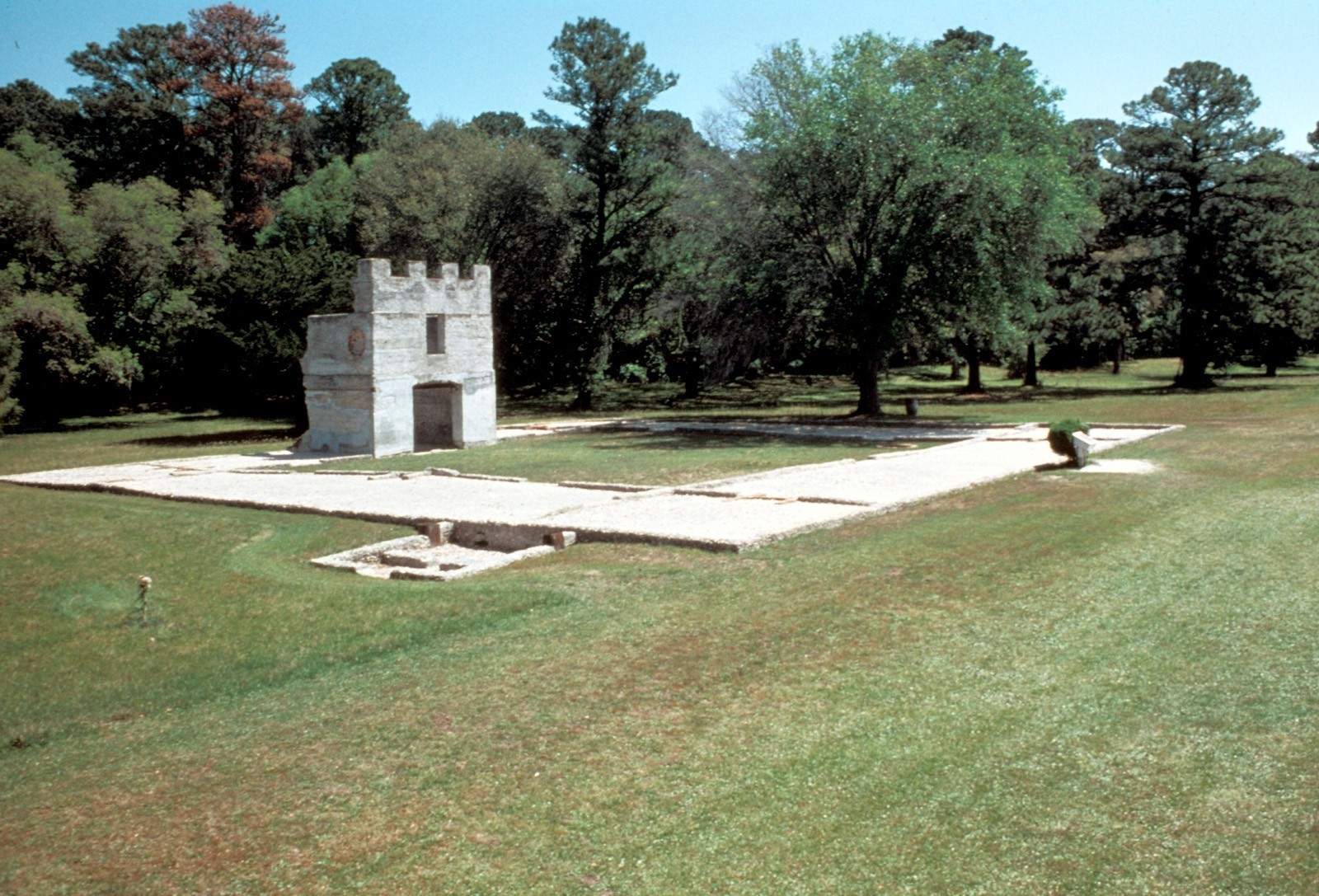
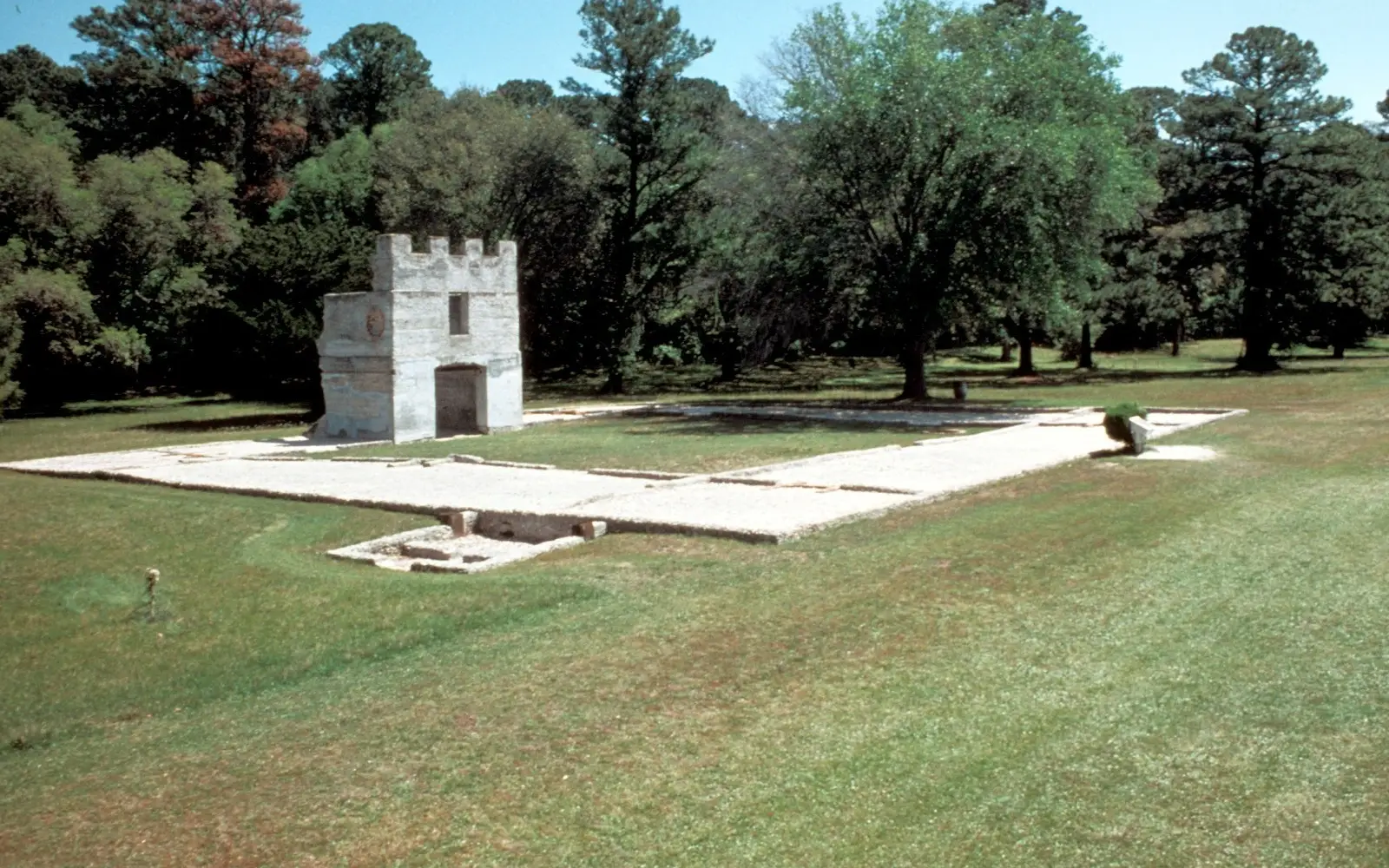
Simons Island, Georgia, preserves the mid-18th-century remnants of a British colonial town and fort. Established by James Oglethorpe, its strategic purpose was to check Spanish expansion from Florida. Visitors will find foundations, tabby ruins, and earthworks, all carefully interpreted by archaeological efforts. The focus is distinctly historical, centering on the War of Jenkins' Ear, a conflict many may find unfamiliar. Museum exhibits, a park film, and guided tours elaborate on this period. Admission is free. The grounds accommodate pleasant strolls and short bike rides. Living history programs enhance the experience when available. While the scale dictates a visit measured in hours, not days, it provides significant historical depth. This is a niche but rewarding destination, especially for history enthusiasts and families seeking substantive engagement without extensive logistical demands. Casual sightseers may find its scope limited.
Why go
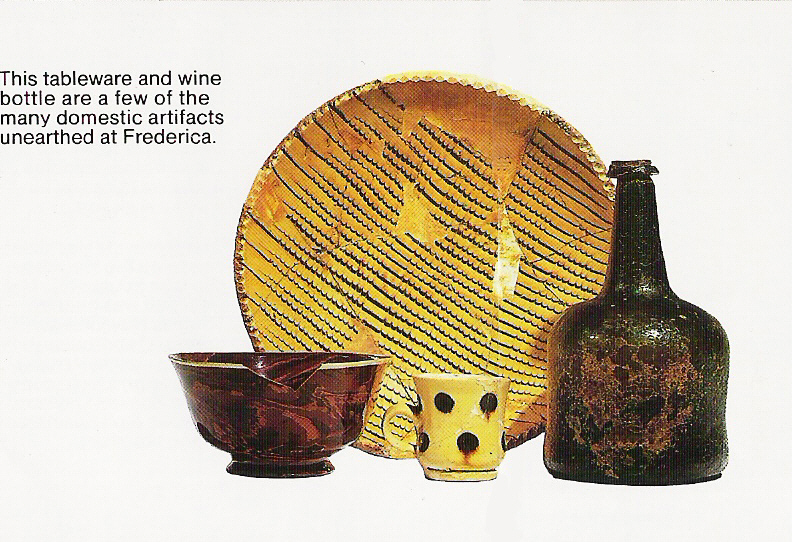
This unit excels as a compact educational experience. A visit of two to three hours is ideal. Begin with the park film, which establishes the significant history of British-Spanish conflict in colonial Georgia. The museum exhibits effectively interpret archaeological discoveries, illustrating the lives of the 1,000 soldiers and civilians within the fort town. Explore the grounds by walking or biking to observe the ruins firsthand. Scheduled living history programs elevate the site from passive observation to active engagement. The Junior Ranger program provides a structured learning opportunity for younger visitors. The St. Simons Island setting is appealing. Mild weather from fall through late spring enhances the outdoor experience. Free admission makes a brief visit entirely justifiable. This site serves
Best for
The site primarily caters to history enthusiasts, particularly those interested in colonial-era conflict and archaeological pursuits. Its educational offerings, including a Junior Ranger program and guided tours, are well-suited for families. However, visitors seeking dramatic scenery or extensive outdoor recreation should adjust their expectations. This is fundamentally a historical monument. Its modest scale suggests combining a visit with other St. Simons attractions to maximize the experience.
Best season
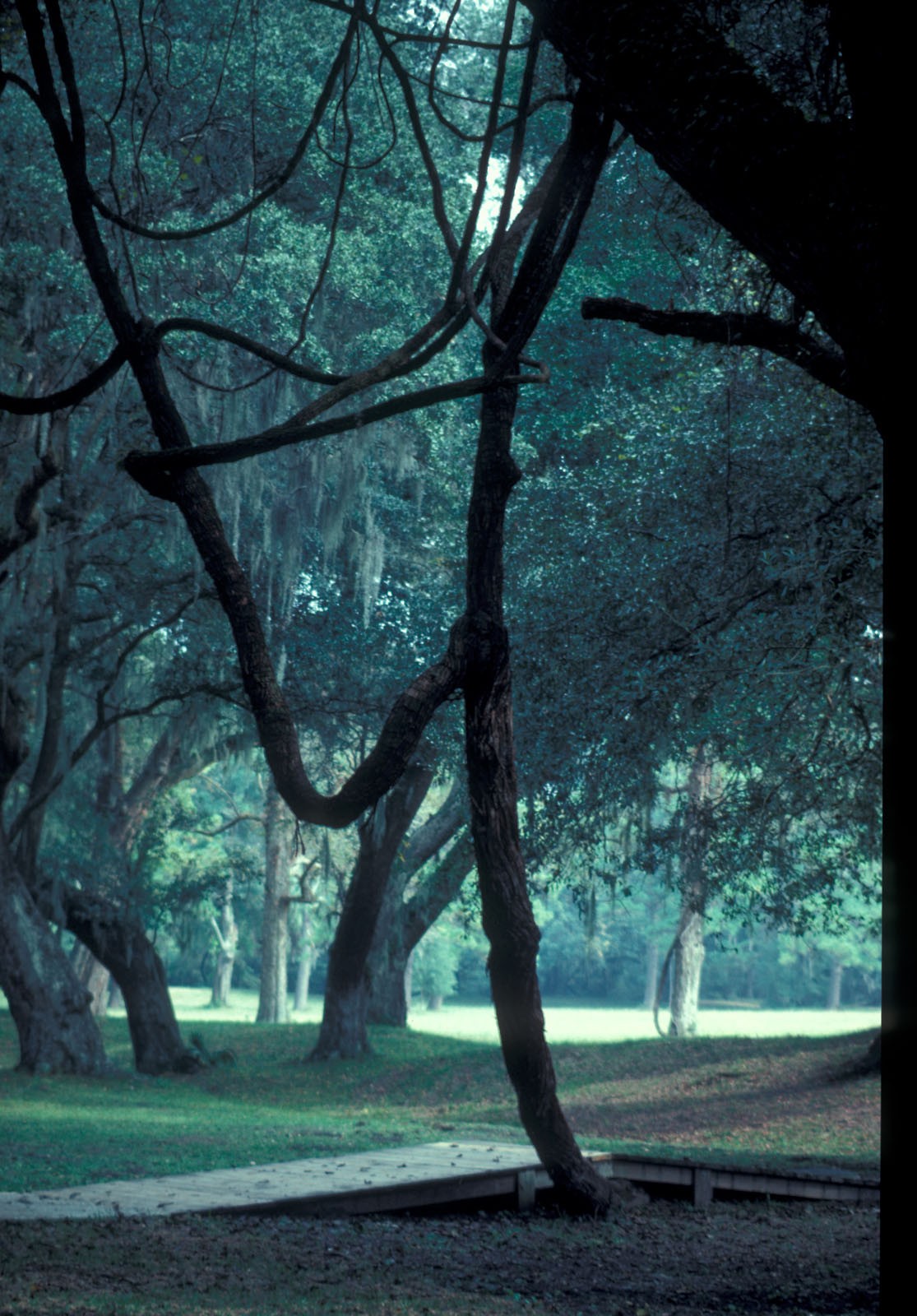
Optimal conditions for visiting occur from fall through early summer. During these months, mild temperatures facilitate comfortable outdoor exploration of the ruins and grounds. The site's wooded setting is particularly pleasant then. Georgia's characteristic hot, humid summer conditions make extended time outdoors less enjoyable. Note the park's closures on Thanksgiving, Christmas Day, and New Year's Day. Check holiday calendars before planning a trip.
The high points
- Tabby and earthwork ruins of the original fort town, interpreted through on-site archaeology
- Museum exhibits translating excavated artifacts into the daily lives of 1,000 colonial residents
- Park film introducing the little-known War of Jenkins' Ear and its colonial American stakes
- Guided tours that add interpretive depth beyond what signage alone provides
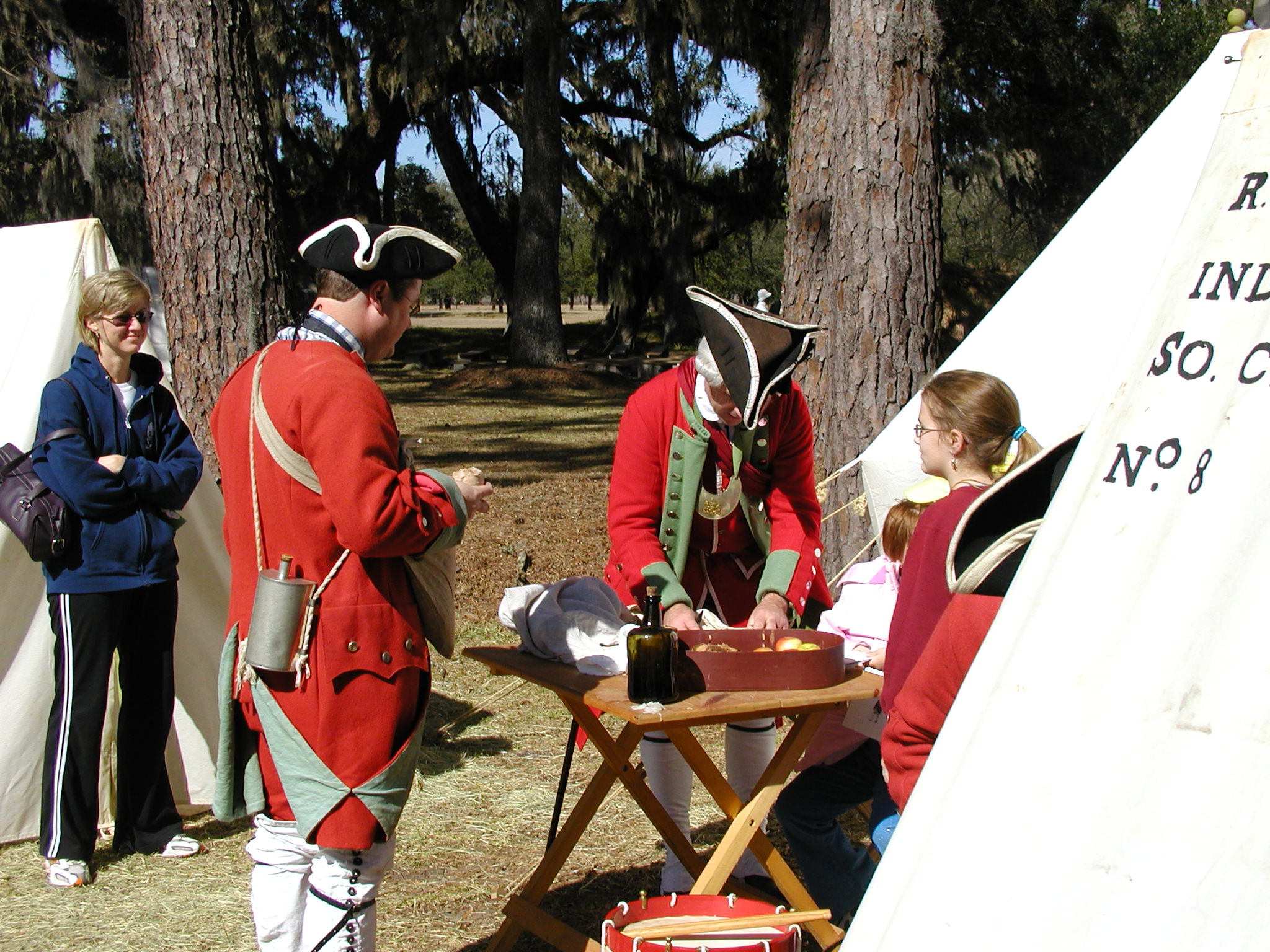
- Living history programming that brings the 18th-century military settlement to life
- Junior Ranger program giving children a concrete, interactive way to engage with the site
Know before you go
Admission to this monument is free, a factor that makes a shorter visit easy to justify. Located on St. Simons Island, its accessibility is via causeway from Brunswick, Georgia. A thorough visit requires two to three hours. Note that living history programs and guided tours operate on a variable schedule; consult the NPS site for availability.
One more thingTo fully appreciate this site, consult the NPS website for living history event dates. The ruins themselves offer a compelling narrative, but interpretive depth increases significantly with scheduled programs or costumed rangers. These events are not consistently scheduled.