

Is Fort Dupont Park worth it?
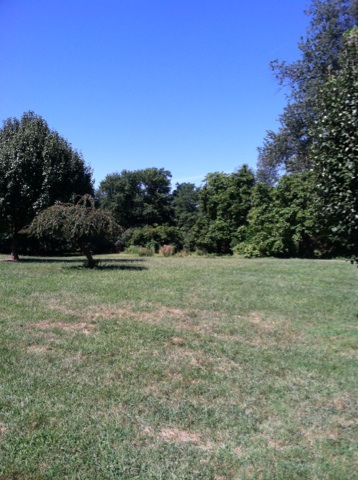
Fort Dupont Park encompasses 361 acres within Washington D.C., preserving Civil War earthworks that once defended the capital.
These historical fortifications anchor the park, which now serves primarily as a community green space and outdoor activity hub. The experience is pleasant but modest. It offers forested trails, picnic areas, and opportunities for wildlife viewing within an urban environment. A seasonal live music and arts program provides a cultural dimension often absent in city parks. With an Experience Score of 57, Fort Dupont Park presents real but limited breadth. This is not a bucket-list destination. Out-of-town visitors traveling solely for this unit may find themselves underwhelmed. However, for D.C. residents or those already in the city with a free afternoon, it performs admirably as an accessible, genuinely green urban escape.
The case for it
Fort Dupont offers a rare blend of amenities for a free, urban park. Cyclists can explore both recreational and mountain biking trails. Expansive wooded grounds invite picnicking. The park supports urban wildlife viewing, feeling genuinely separate from the city. Civil War earthworks provide a tangible link to history. When scheduled, live music and arts programming elevate a casual visit. The Junior Ranger Program adds a structured educational layer for families. For its combination of biking, picnicking, live music, and history in one accessible, free location, Fort Dupont presents a compelling destination.
Who it is for
This park serves specific audiences well. Families, cyclists, and city residents seeking green space will find genuine value. Civil War history enthusiasts will appreciate the earthworks. However, visitors traveling for a dedicated national park experience should look elsewhere. For a single day in DC, the Mall units offer a more representative national park experience.
Best time to visit
This park’s daily 6 AM to 10 PM access, year-round and in all weather, offers genuine flexibility. Late spring through early fall presents the peak experience. During this period, live music and outdoor programming are most active. Picnicking is comfortable, and the tree canopy is full. Winter visits offer a quieter experience, with most programming absent, but remain accessible for biking and walking.
Worth seeing
- Civil War earthworks preserved on-site, offering a tangible connection to DC's defensive ring during the war
- Mountain biking and recreational cycling trails through 361 acres of urban woodland
- Seasonal live music and arts programming that elevates it beyond a standard city park
- Wildlife watching in a forested corridor, unusual for a park this close to a dense urban core
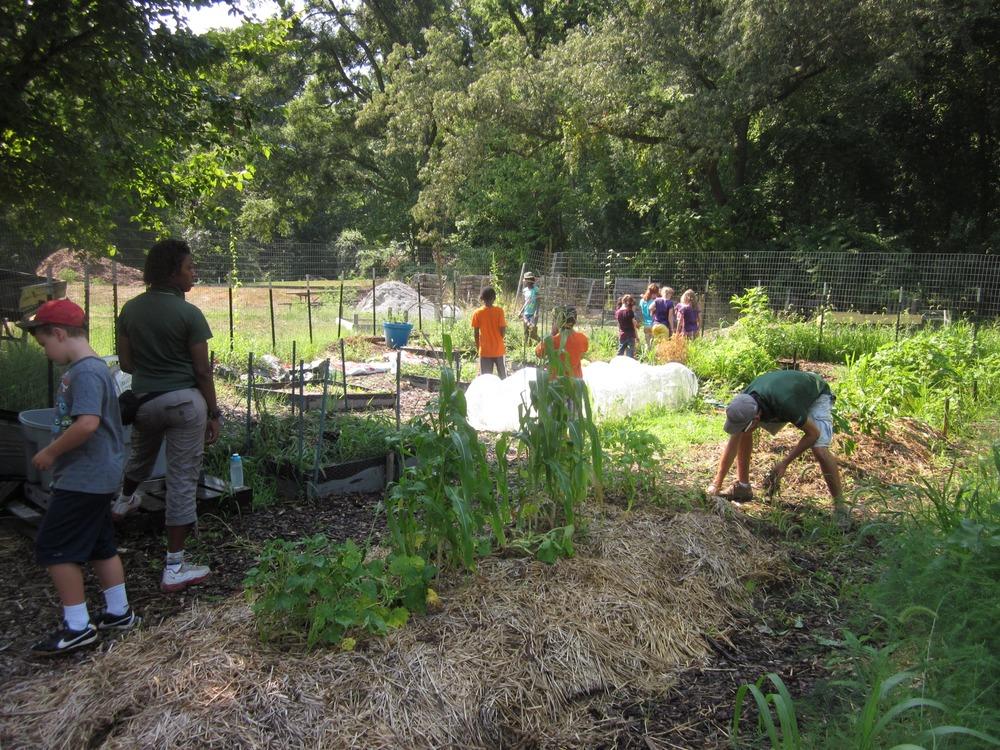
- Junior Ranger Program providing structured, ranger-led engagement for visiting families
- Free admission with daily access from early morning to late evening
Before you visit
Admission is free; no reservation is required. The park maintains consistent hours, open daily from 6 a.m. to 10 p.m. Prospective visitors should consult the NPS alerts page before arrival for potential unannounced facility closures or program changes. For live music or ranger programs, direct confirmation with the park is essential, as seasonal schedules vary.
Our tipFort Dupont's documented live music series sets it apart from similar urban parks. Consult the NPS schedule; timing a visit to coincide with a performance is advisable. This feature elevates a standard park experience to a memorable event.