
Fort Donelson National Battlefield: our verdict
Fort Donelson National Battlefield commemorates a pivotal early Union victory in February 1862.
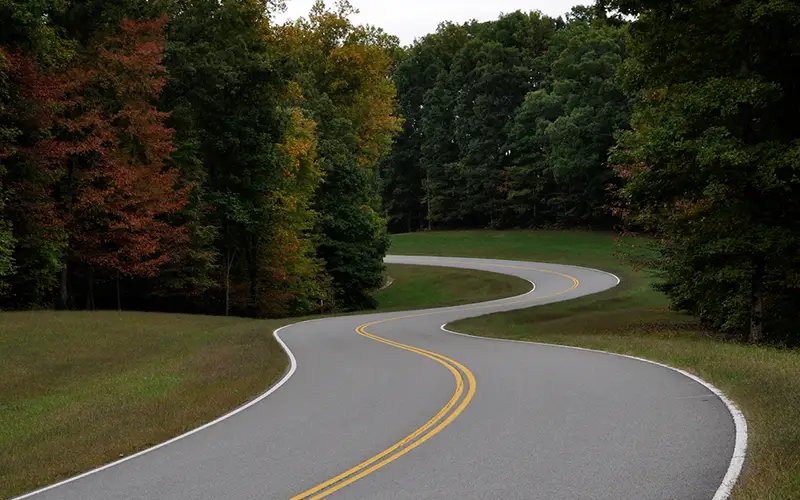
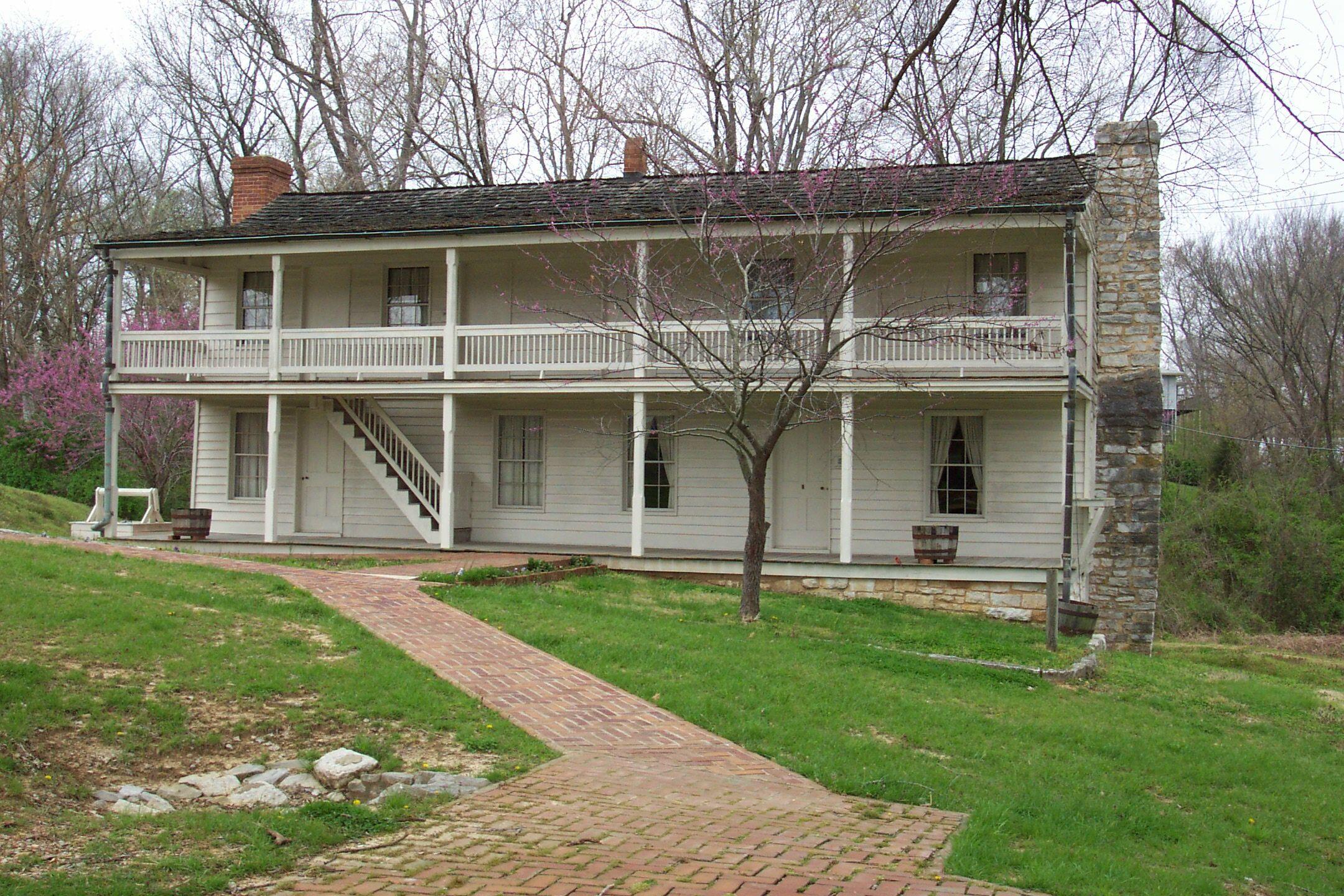
The driving tour navigates earthworks and river batteries; short trails connect to preserved fortifications. The visitor center museum and the historic Dover Hotel, site of the surrender negotiations, serve as key anchors. Free admission eliminates financial barriers, suitable for an addition to a Tennessee or western Kentucky itinerary. This is a focused, well-interpreted historic site. It rewards those with an interest in the Civil War's western theater. Casual sightseers expecting expansive scenery or extensive recreation will find the offerings modest.
Why visit
This unit prioritizes historical education. The visitor center, with its park film and museum exhibits, effectively establishes the strategic context of the battlefield. A self-guided auto tour links critical terrain features, including Confederate earthworks and Cumberland River batteries, clarifying the tactical significance of the site. Short hiking trails offer direct access to fortification lines. Ranger-guided tours enrich the tactical narrative. The Dover Hotel, a surviving surrender site, warrants a brief visit. For families, the Junior Ranger program provides a structured activity. This park is best suited for visitors primarily interested in military history and battleground interpretation.
Who it suits
This unit offers a concentrated historical experience, particularly for those interested in Grant's campaigns or the Western Theater of the Civil War. A half-day visit suffices for families traveling through Tennessee or Kentucky. Do not expect extensive hiking, wildlife viewing, or dramatic natural scenery. The park's appeal is almost exclusively historical.
Timing your visit
Spring and fall present the most comfortable conditions for exploring this unit. Mild temperatures during these seasons are ideal for walking the tour route and trails. Summer highs average 90 degrees; midday visits on foot will be uncomfortable. Arrive early if visiting in July or August. Winter offers mild conditions for visitation, though single-digit lows are possible. Operations change seasonally. Confirm the tour route is open before any winter visit.
What stands out
- The Dover Hotel, the actual building where Confederate forces surrendered to Grant in February 1862
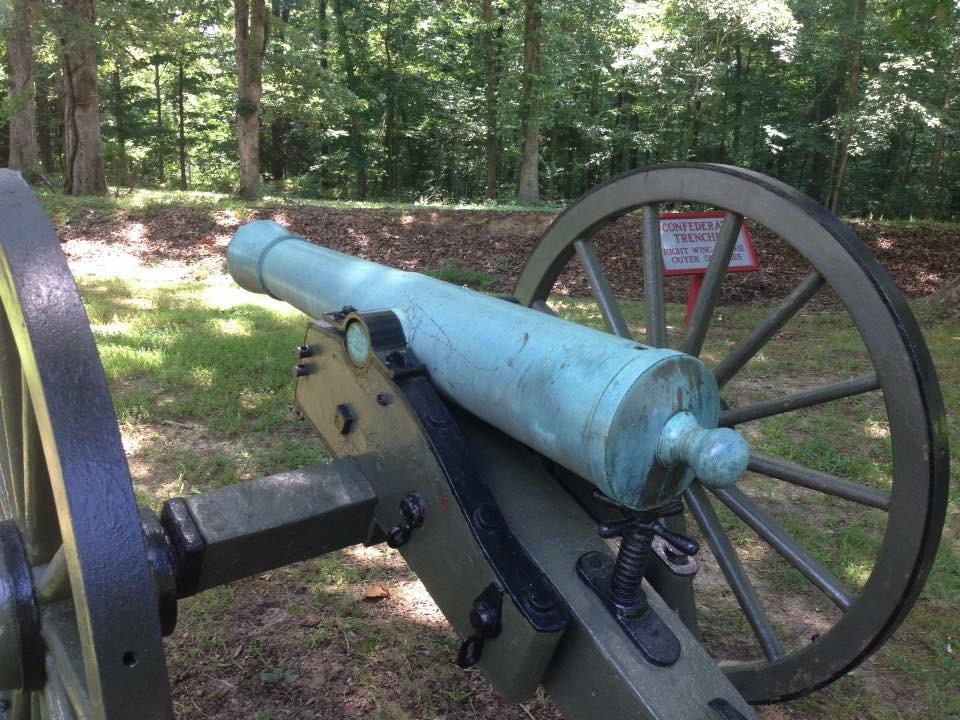
- Self-guided auto tour connecting preserved earthworks and fortification positions
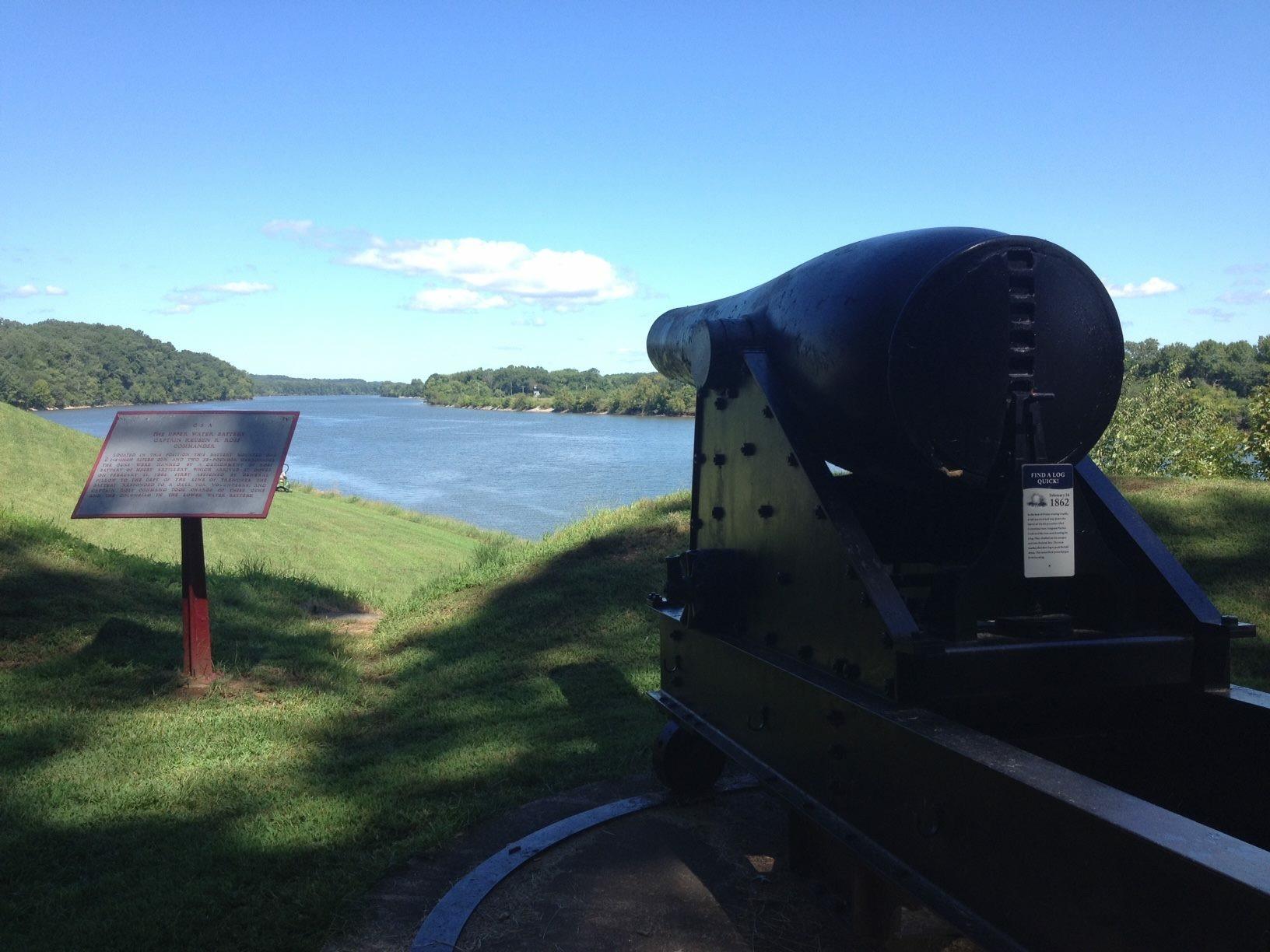
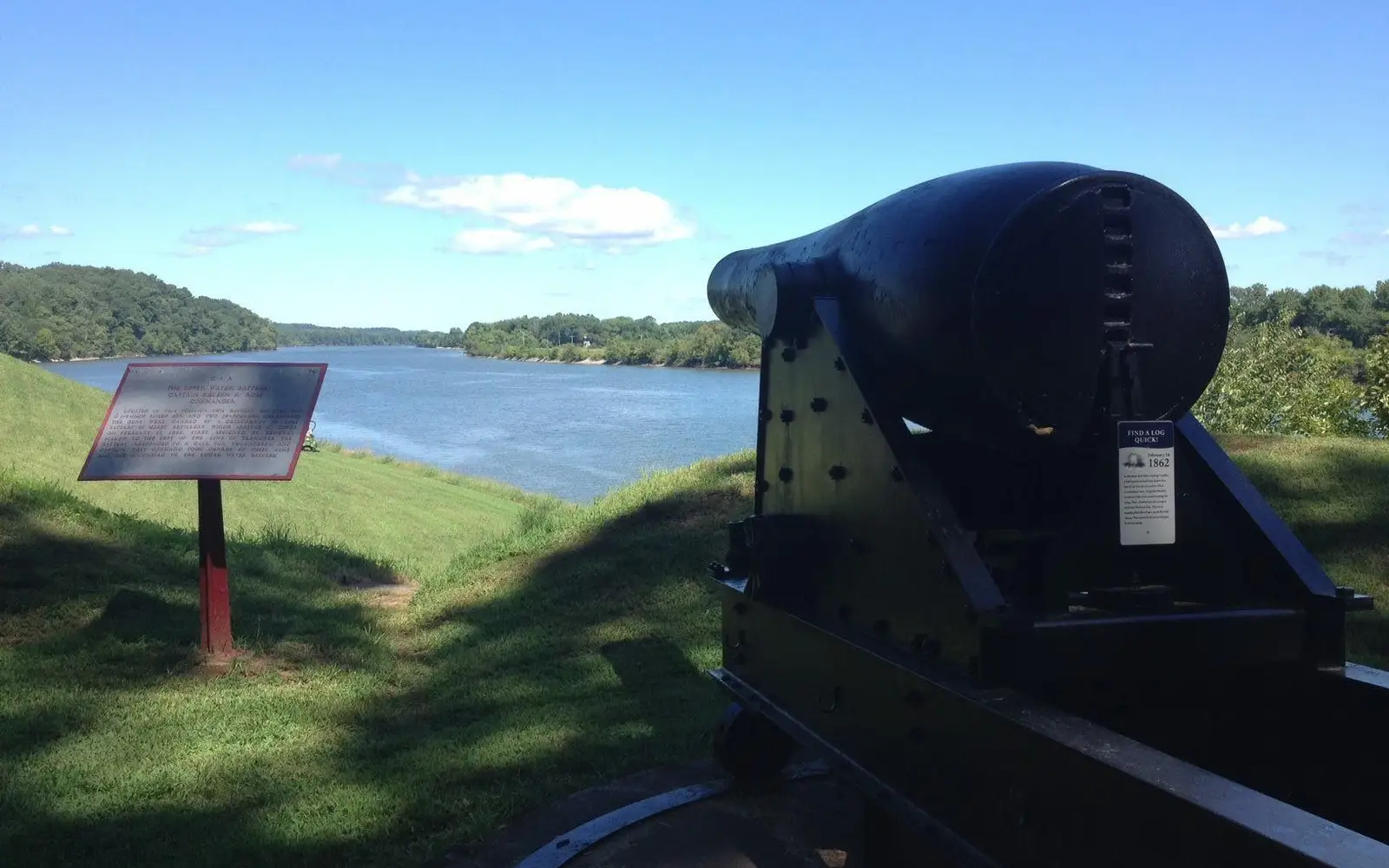
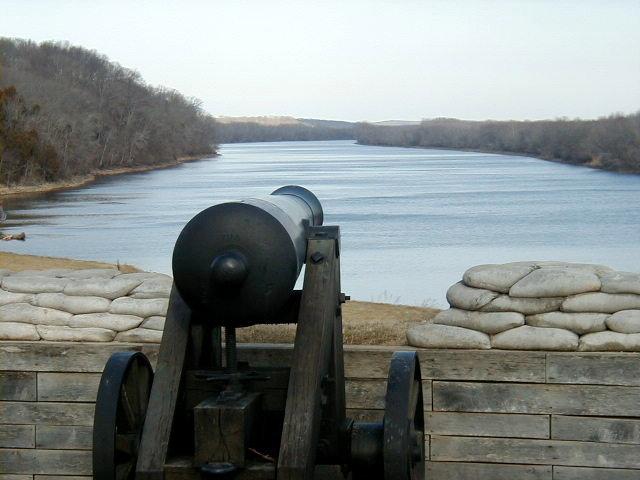
- River battery overlooks showing the Cumberland River terrain that shaped the battle
- Visitor center museum and park film providing clear context on the battle's national significance
- Walkable fortification trails that put you directly on the historic ground
- Junior Ranger program adding structured engagement for younger visitors
Good to know
Admission is free. The visitor center and Dover Hotel operate daily from 8:30 a.m. to 4:00 p.m. CST, closing only for Thanksgiving, Christmas, and New Year's Day. The park's auto tour route is seasonal; consult the NPS website for winter accessibility. Located near Dover, Tennessee, the battlefield lies approximately 70 miles northwest of Nashville.
Insider tipThe park film at the visitor center efficiently establishes context for the auto tour; without it, the earthworks present as anonymous mounds. With the film, the same landscape conveys a coherent tactical narrative. Prioritize ranger-guided tours over self-guided options when available; they offer similar interpretive depth.