parkverdict
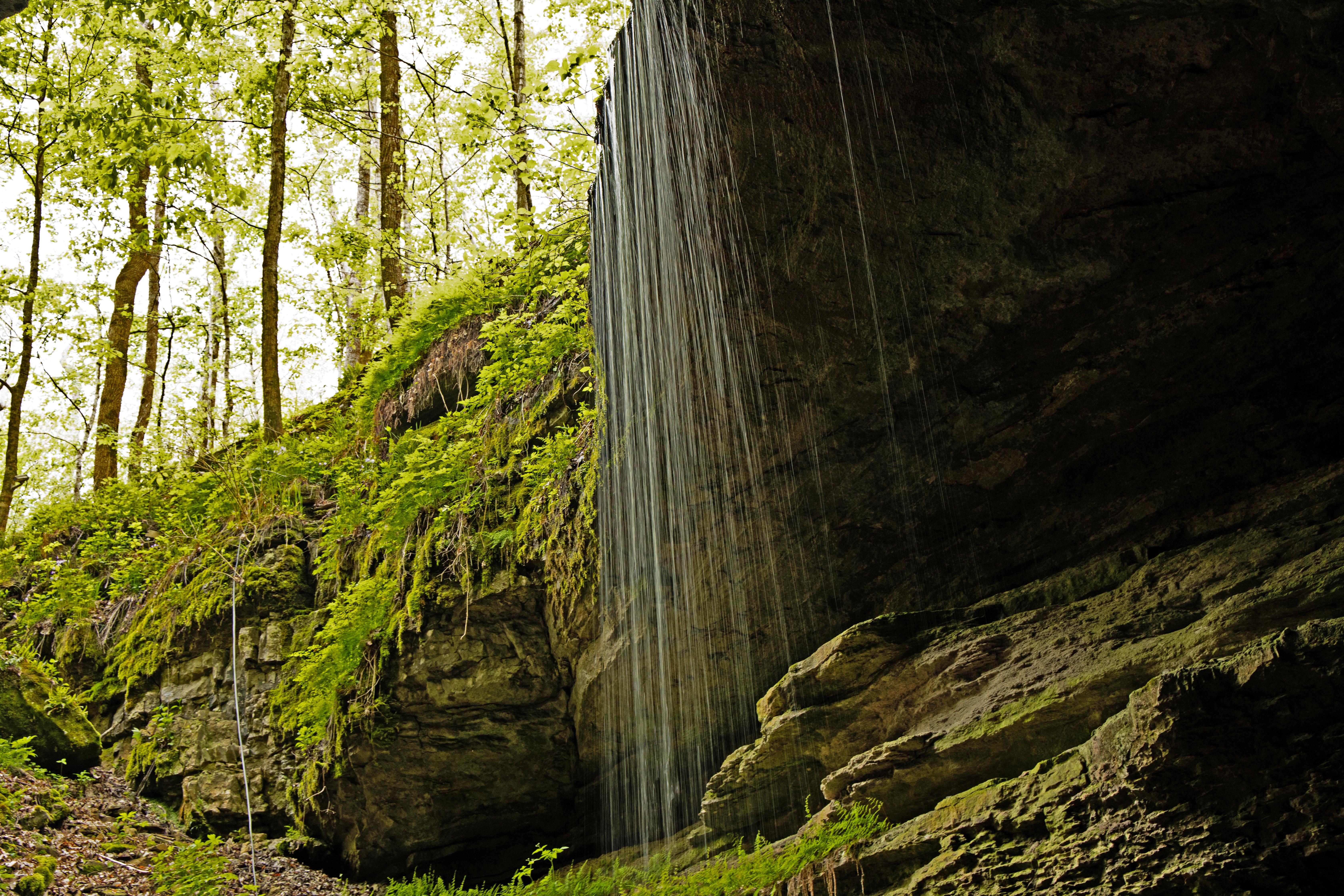
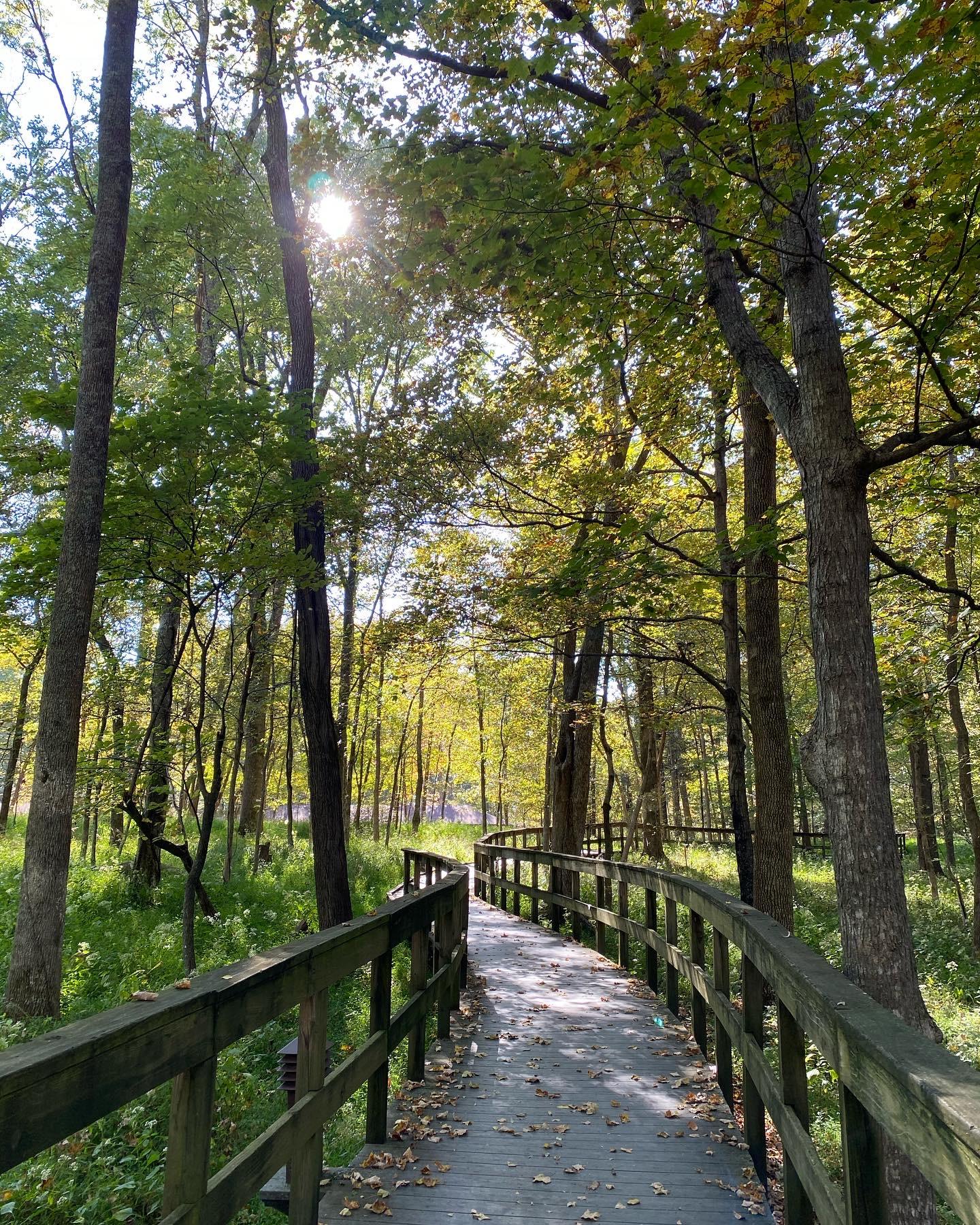
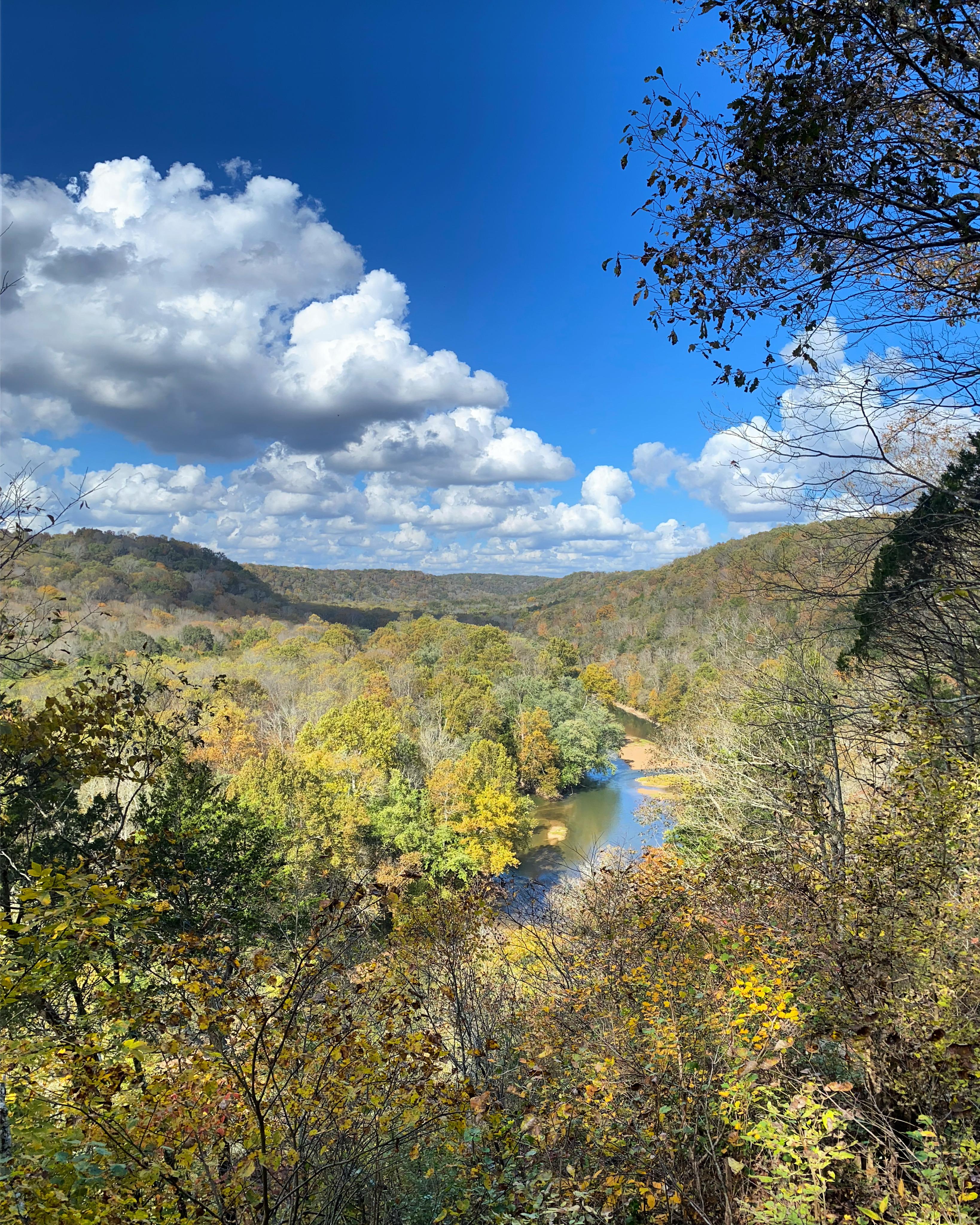
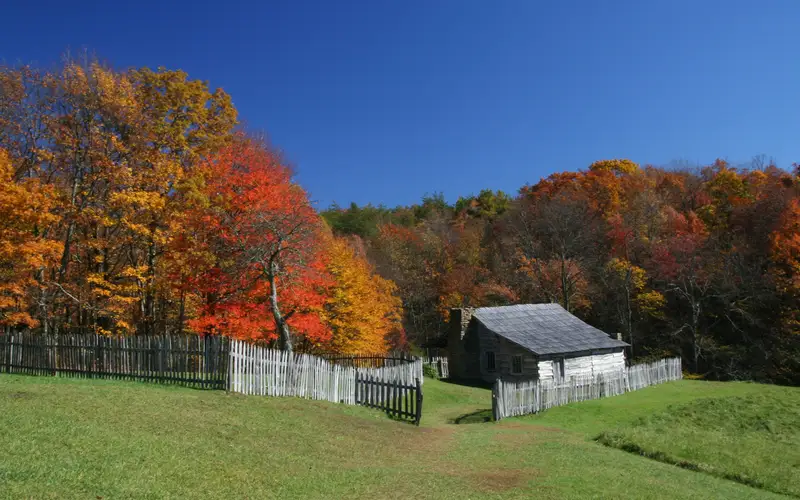
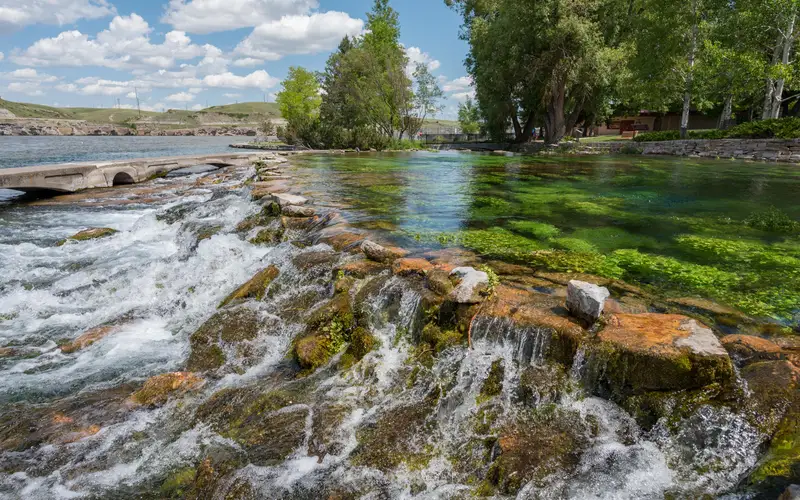
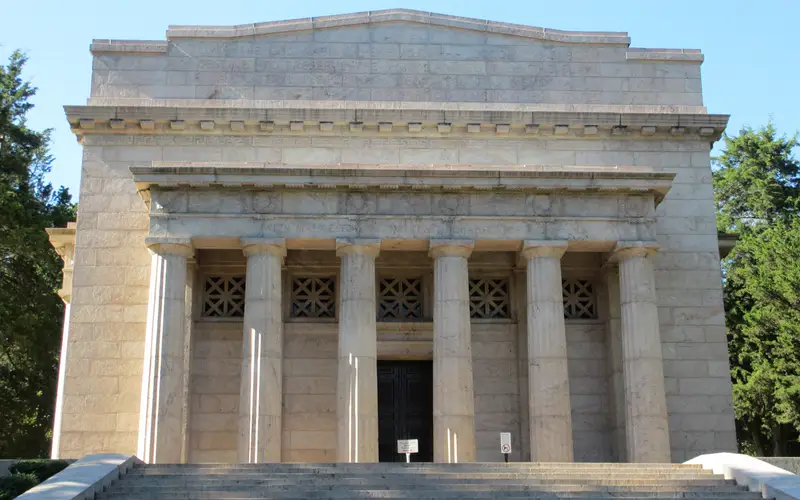
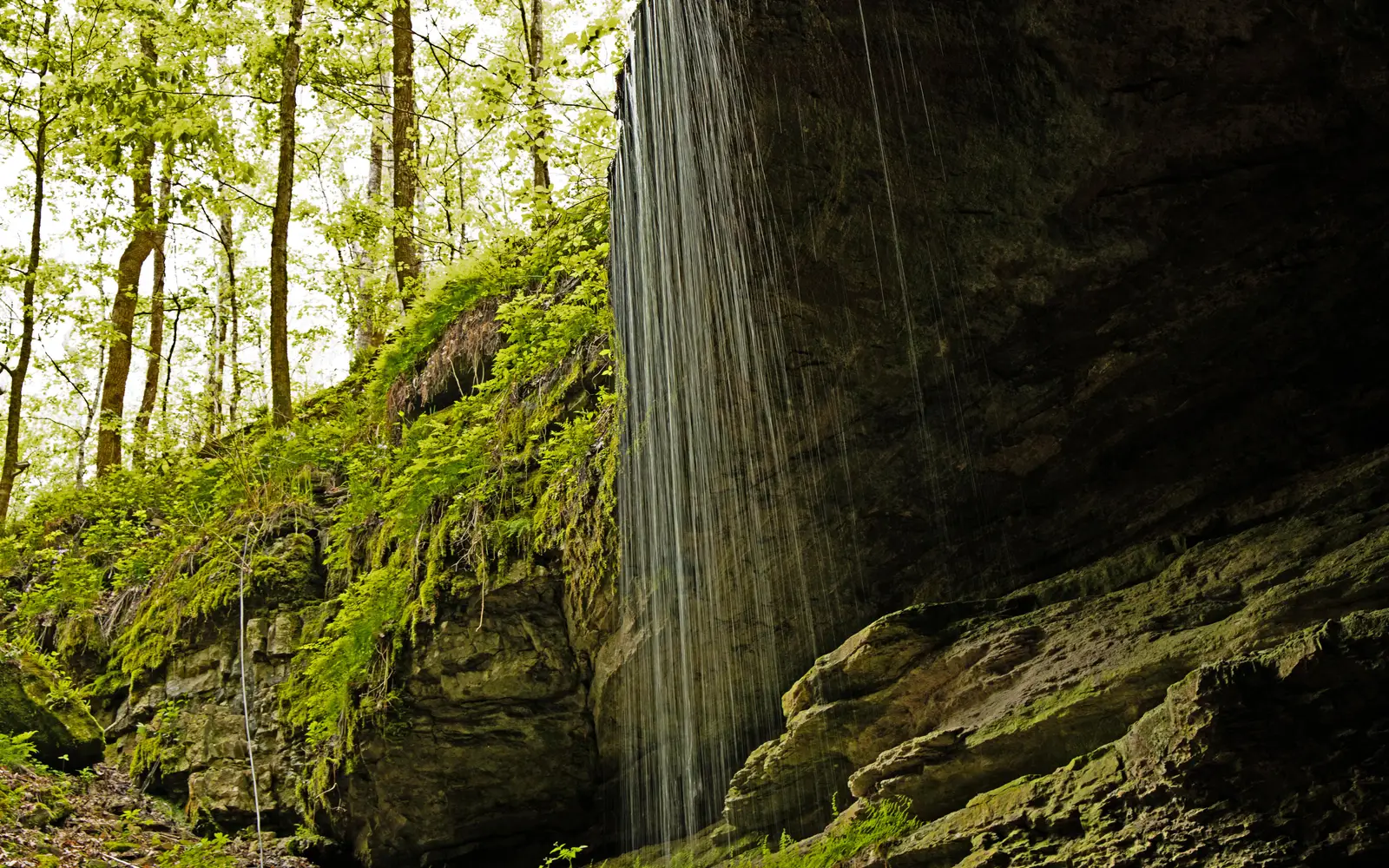
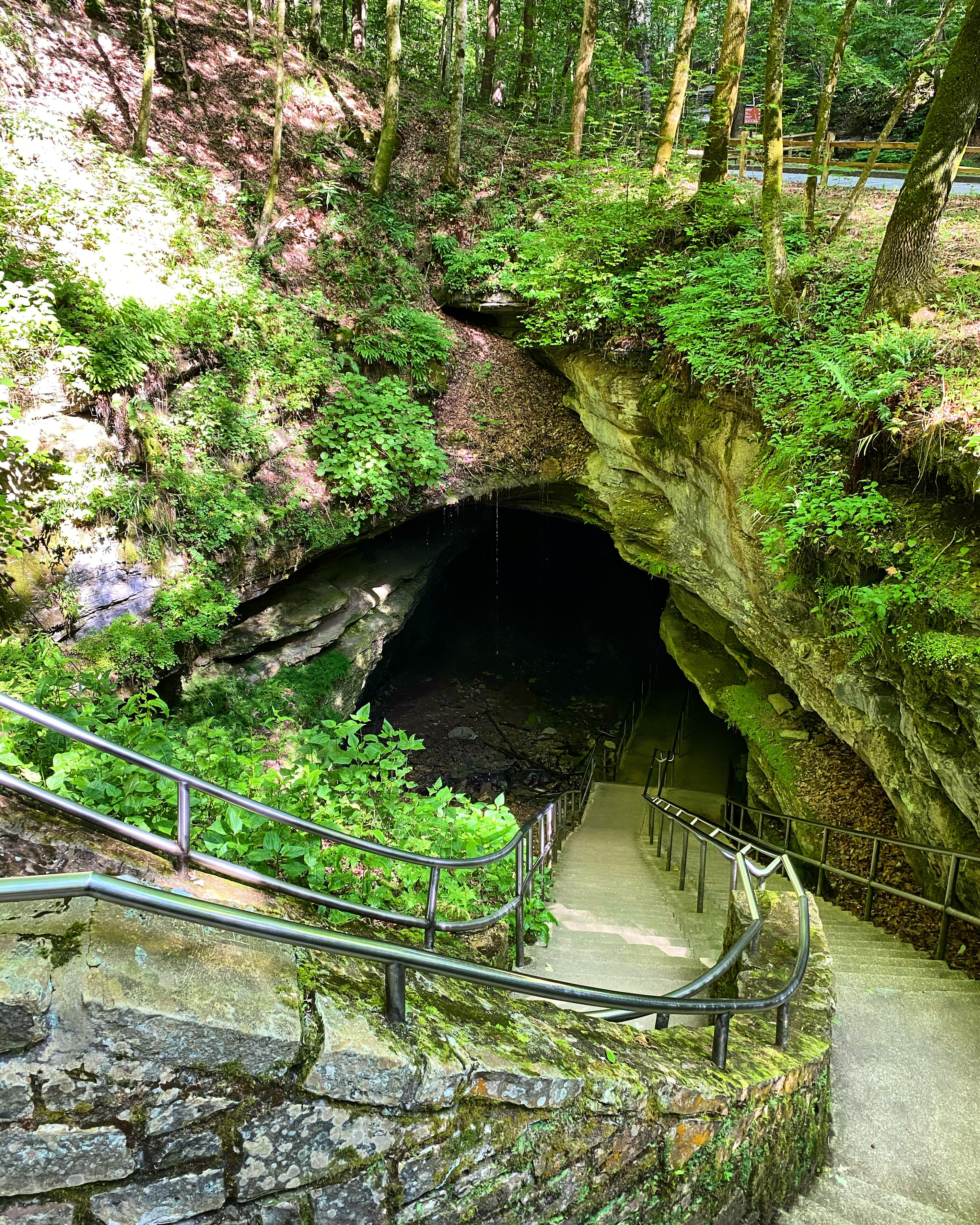
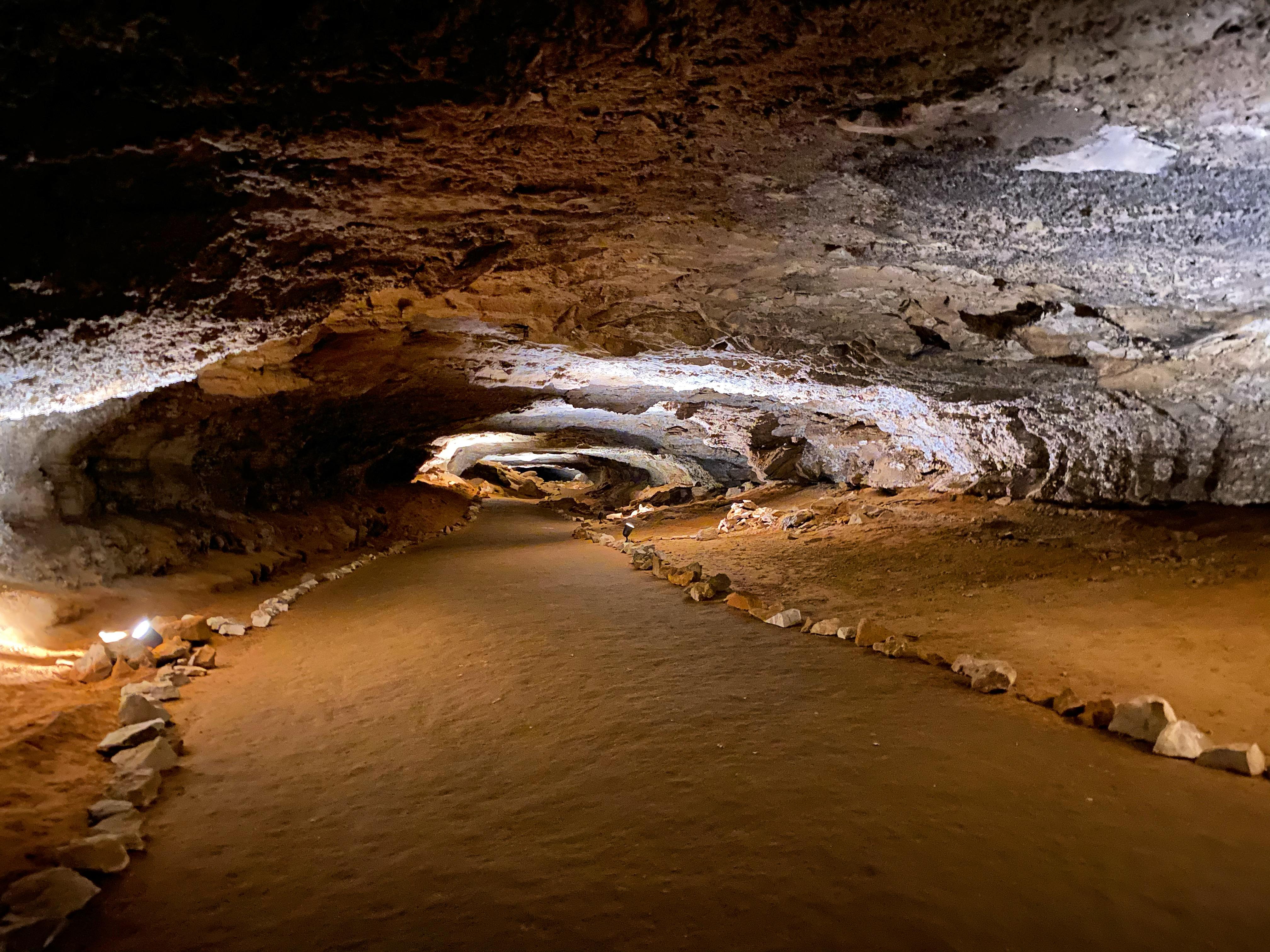
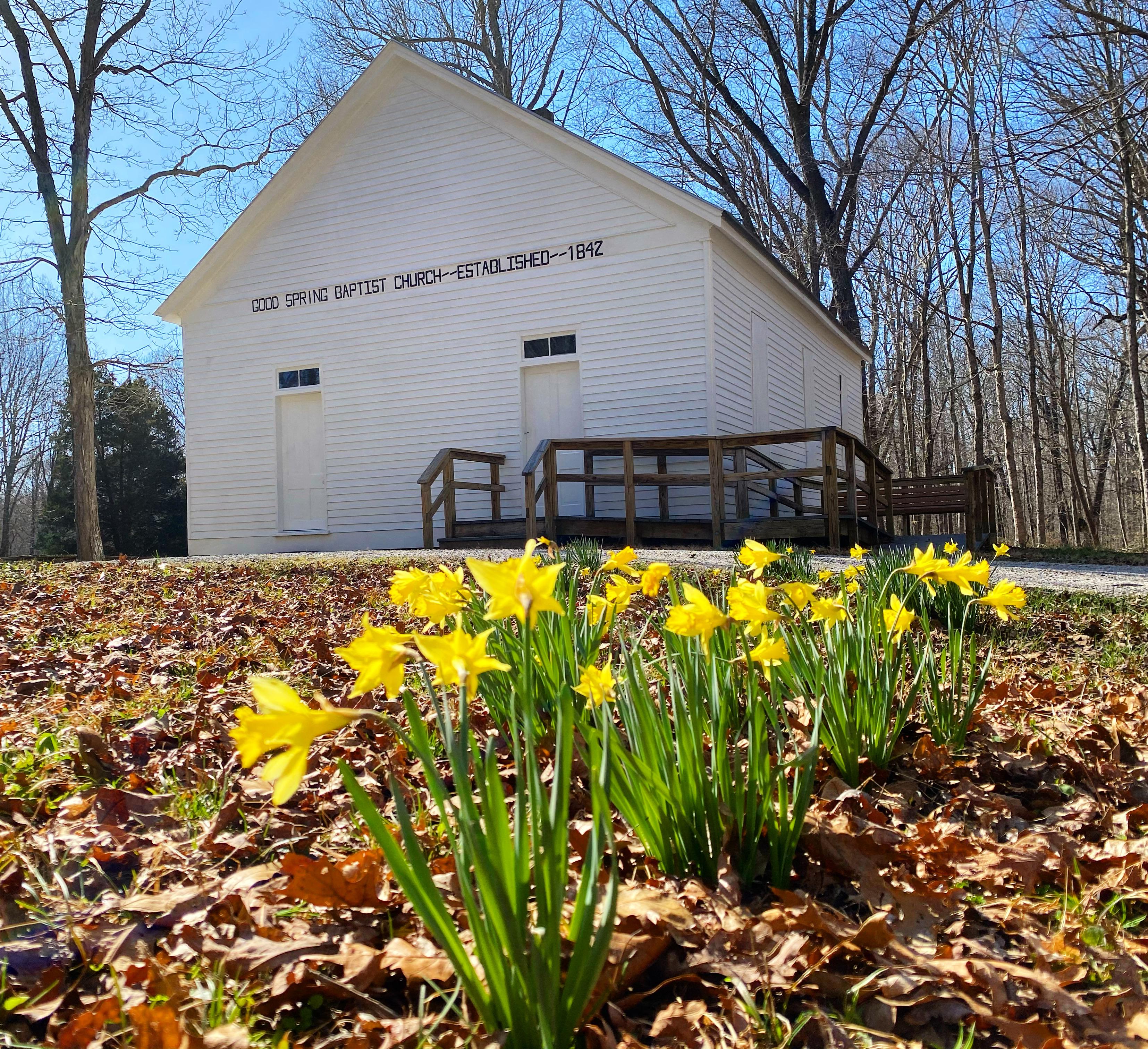
A cascade of water pours over a rock ledge. Green foliage is in the background.A long staircase travels down a slope into the dark cave opening.A long cave passage with an oval shape.A small white church building with yellow flowers in the foreground.
National ParkKY

Mammoth Cave National Park

NPS / NPS Photo/ Deb Spillman
100/ 100DOES IT ALL
parkverdict Experience ScoreIndependent, not sponsored

100 of 100. Our independent breadth-and-access index. How we score

Worth it?

Is Mammoth Cave National Park worth it?

Mammoth Cave earns its reputation on hard facts.

It holds the world's longest known cave system, carries a UNESCO World Heritage Site designation, and sits within an International Biosphere Region, all in the same place. The cave is the obvious draw, with guided tours that range from easy walking routes to physically demanding wild cave experiences. Above ground, the park holds its own: serious backcountry hiking, river paddling, equestrian trails, and dark skies that genuinely reward a telescope. One day will not cover this park. Families, solo adventurers, paddlers, and serious cavers all have a real reason to show up. Free admission makes it one of the better values in the entire NPS network.

The case for it

Start underground. The cave tour is the only way into most of Mammoth Cave, and it makes sense to do it first. Rangers offer tours for different fitness levels, from lantern-lit historical walks to off-trail crawls that require helmets and headlamps. Back on the surface, the Green River and Nolin River wind through forested valleys and work well for canoes and kayaks, with riverside camping available if you want to turn the trip into an overnight. The trail network covers short front-country walks and multi-day backcountry loops. After dark, the rolling Kentucky hills are far enough from city glow that the stargazing stands on its own. Horse campers and mountain bikers each have dedicated infrastructure. Not many NPS units pack this many genuinely different experiences into one visit.

Who it is for

Book cave tours before you arrive and plan on at least two days - that's the baseline for getting real value here. Families with kids will find the Junior Ranger program and accessible cave tours genuinely worth their time. Paddlers, backpackers, and equestrians each have dedicated infrastructure set up for them. If you come just for a scenic drive or a lazy afternoon, the above-ground terrain will probably leave you underwhelmed. Commit to a tour or a trail, though, and the place opens up considerably.

Best time to visit

Late spring and fall are the best times to hike above ground. Summer humidity routinely hits the high 80s, and April and May bring the heaviest rain, which makes outdoor activity genuinely unpleasant. The cave stays around 54 degrees Fahrenheit no matter the season, so underground tours work any time of year. Summer crowds are heavy and cave tour slots fill up quickly, so book ahead if that is when you are going. Winter is much quieter, cave tours still run, but expect some above-ground services to be limited.

Worth seeing

  • Guided cave tours ranging from accessible walking routes to demanding wild caving expeditions
  • World's longest known cave system, a genuine geological superlative
  • Canoeing and kayaking on the Green and Nolin Rivers with overnight paddling camping options
  • Backcountry hiking and camping across rolling forested terrain above the cave
  • Dark-sky stargazing well away from major urban light pollution
  • Equestrian trails and horse camping for visitors bringing their own stock

Before you visit

Getting into the park costs nothing, but the cave tours are a different story. They require separate tickets, and in summer those sell out weeks ahead of time, so book through recreation.gov as early as you can. There is no entrance gate and the park runs 24 hours, though the visitor center and tours operate on limited schedules. Whatever the weather is doing outside, pack a layer for the cave itself. It stays at 54 degrees in there year-round.

Our tipIf you can only do one cave tour, skip the shortest route and pick something longer and harder. The scale and character of Mammoth Cave only reveal themselves over distance, and the wilder tours are where the place actually hits you.

How we scored it

Why Mammoth Cave National Park scores 100

We keep the math boring on purpose. The same handful of public-data inputs, capped so none of them dominates, decide every score. What they measure is breadth and access, not beauty and not crowd levels. For Mammoth Cave National Park, they shook out like this:

  • Activity breadth35 documented activities
  • Topic breadth44 topics
  • Official imagery6 public-domain images
  • Camping on sitedocumented
  • Entry costfree

No number is hand-adjusted and no unit pays for placement. The full weights, the floor at 18 and a worked example are on how we score.

The honest limits

What the score cannot tell you

A quick honest note. The score tracks how much a place has going on and how easy it is to reach, both pulled from public records. What it cannot see is the stuff that often makes or breaks a day: whether the views stop you cold, how packed it gets in season, what the trails are like after rain, or whether you catch a great ranger talk. A small, single-focus site can land below a sprawling park here and still be the better call for your trip. Use the number to compare what places offer on paper, and the verdict up top to tell if it is your kind of place.

Background

The short version

Rolling hills, deep river valleys, and the world's longest known cave system make Mammoth Cave National Park unlike anywhere else. Thousands of years of human history run through this landscape, alongside a remarkable diversity of plant and animal life. That combination is why the park holds both UNESCO World Heritage Site and International Biosphere Region status.

On documented breadth and access, Mammoth Cave National Park ranks 1st of 7 park and public-land units we score in Kentucky.

What the seasons are like

Kentucky runs warm and humid for most of the year. Summer temperatures typically climb into the high 80s, and winters sit around the low 40s. Southern Kentucky, where Mammoth Cave is located, gets the most rain in the state, roughly 50 inches a year, with spring carrying the heaviest share. Winters bring mild to moderate snow and ice. Tornadoes and flooding in low-lying areas are genuine hazards, and storms can show up in any season.

What you can do

Activities

AstronomyStargazingBikingBoatingCampingBackcountry CampingCanoe or Kayak CampingCar or Front Country CampingHorse Camping (see also Horse/Stock Use)Group CampingRV CampingCavingFishingFreshwater FishingFoodDiningPicnickingGuided Tours
Common questions

Mammoth Cave National Park: quick answers

Is Mammoth Cave National Park worth visiting?

Mammoth Cave earns its reputation on hard facts.

Is Mammoth Cave National Park free to visit?

It is free to get in.

What is Mammoth Cave National Park best for?

It leans hardest toward stargazing, hiking, camping, good with kids, going by the 35 activities it actually documents.

When is the best time to visit Mammoth Cave National Park?

Late spring and fall are the best times to hike above ground.

How is the Experience Score for Mammoth Cave National Park calculated?

The 100 comes straight from public data on how much the place documents and how easy it is to reach, things like activities, topics, photos, camping and whether entry is free. It says nothing about scenery or how busy it gets.