parkverdict
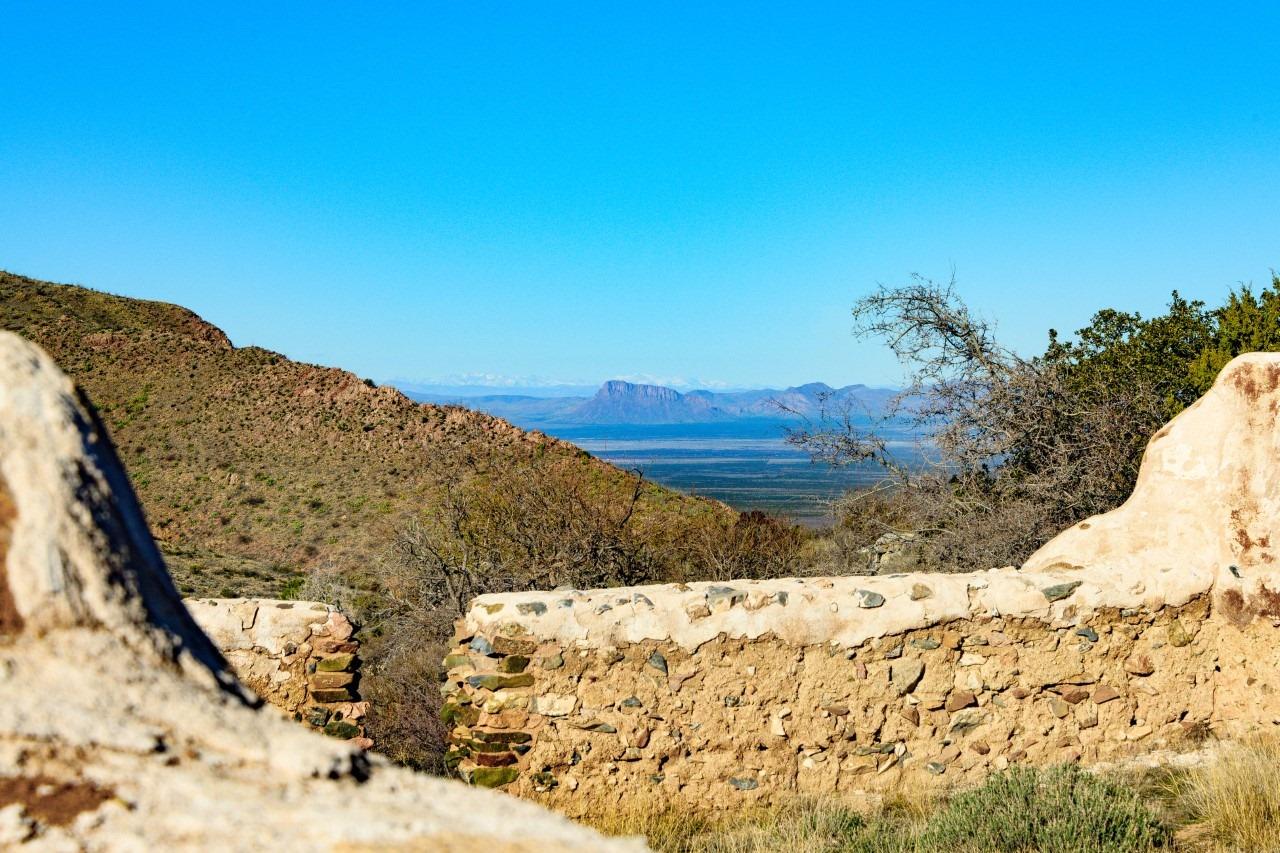
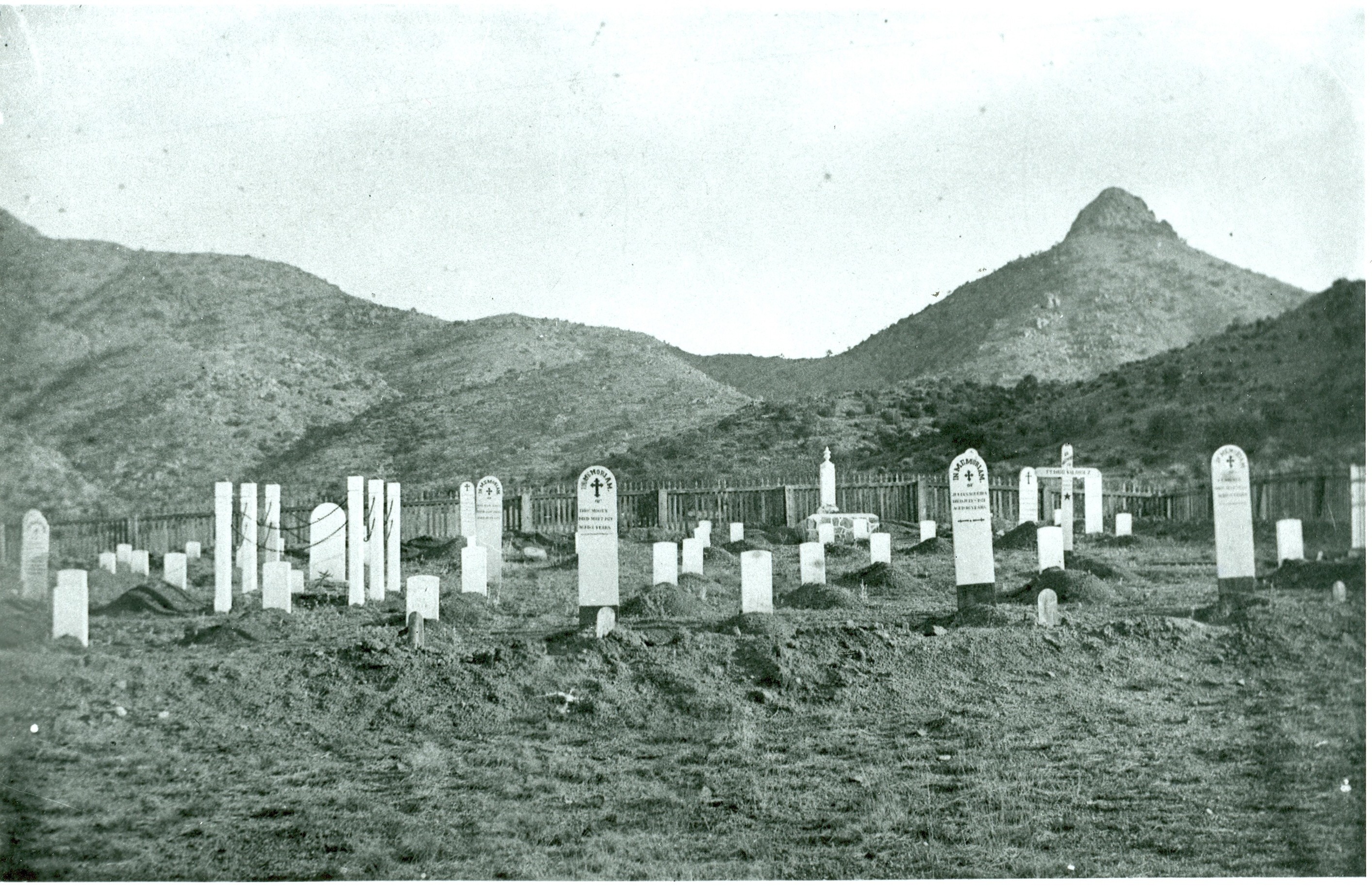
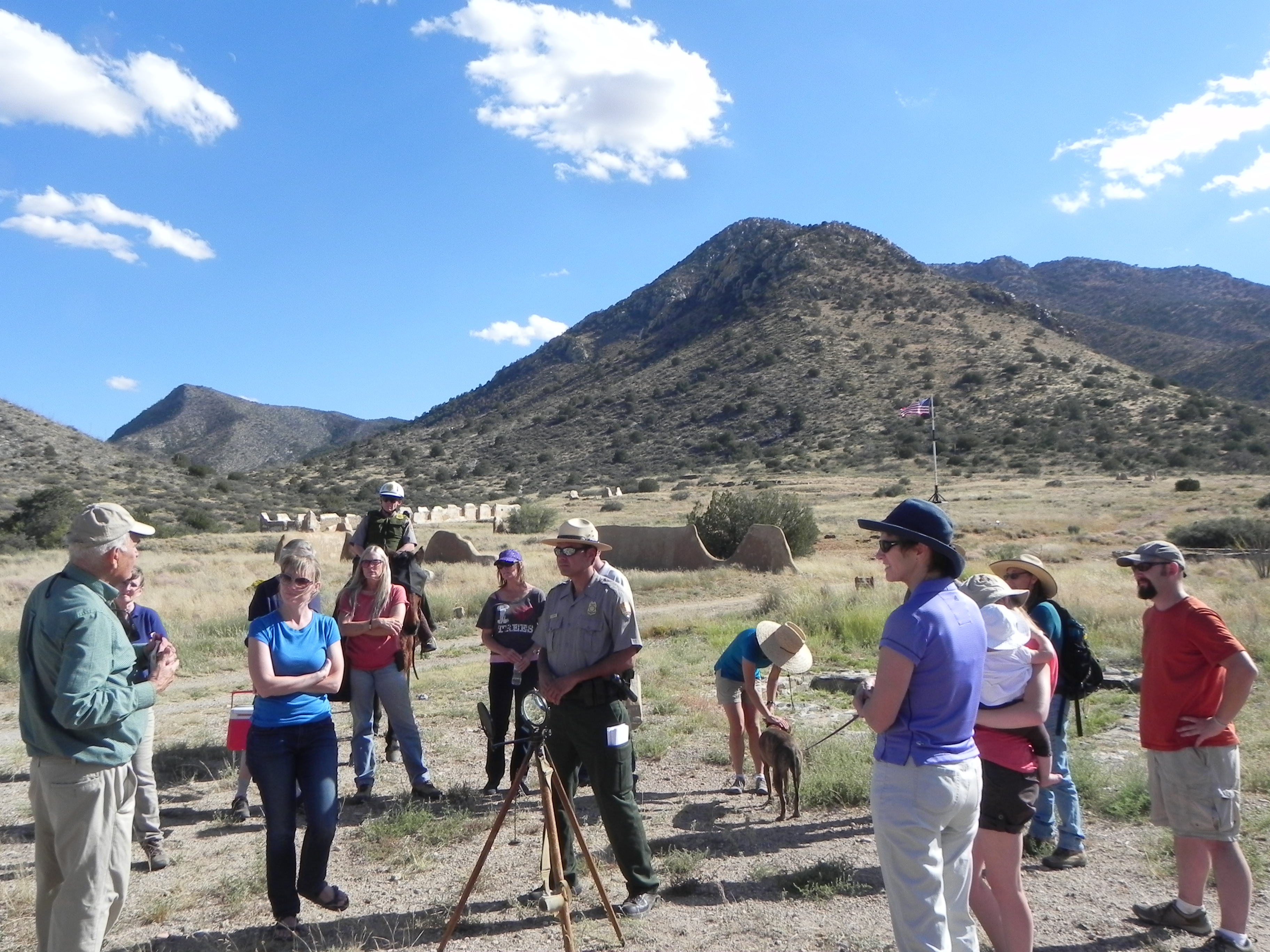
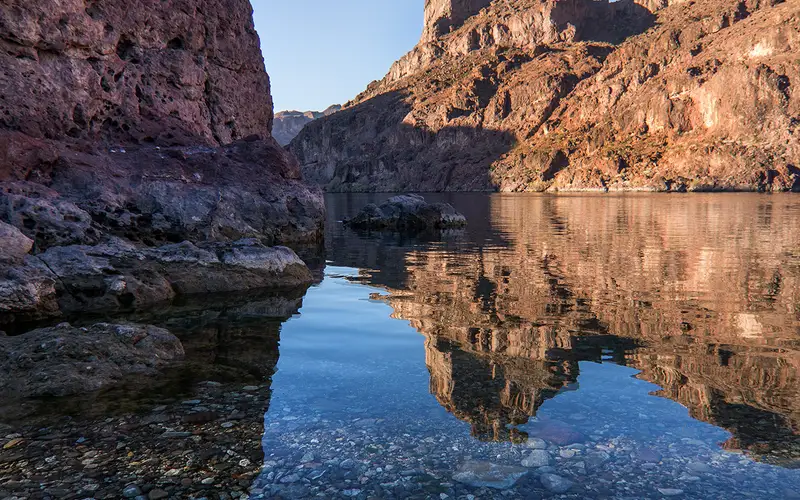
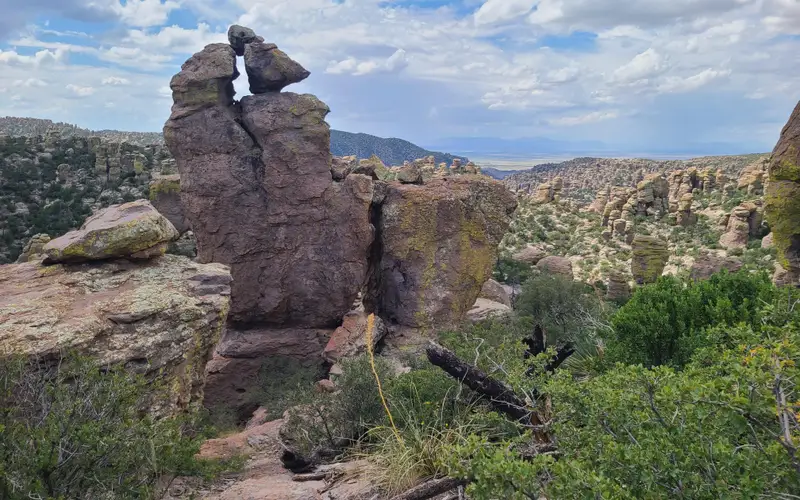
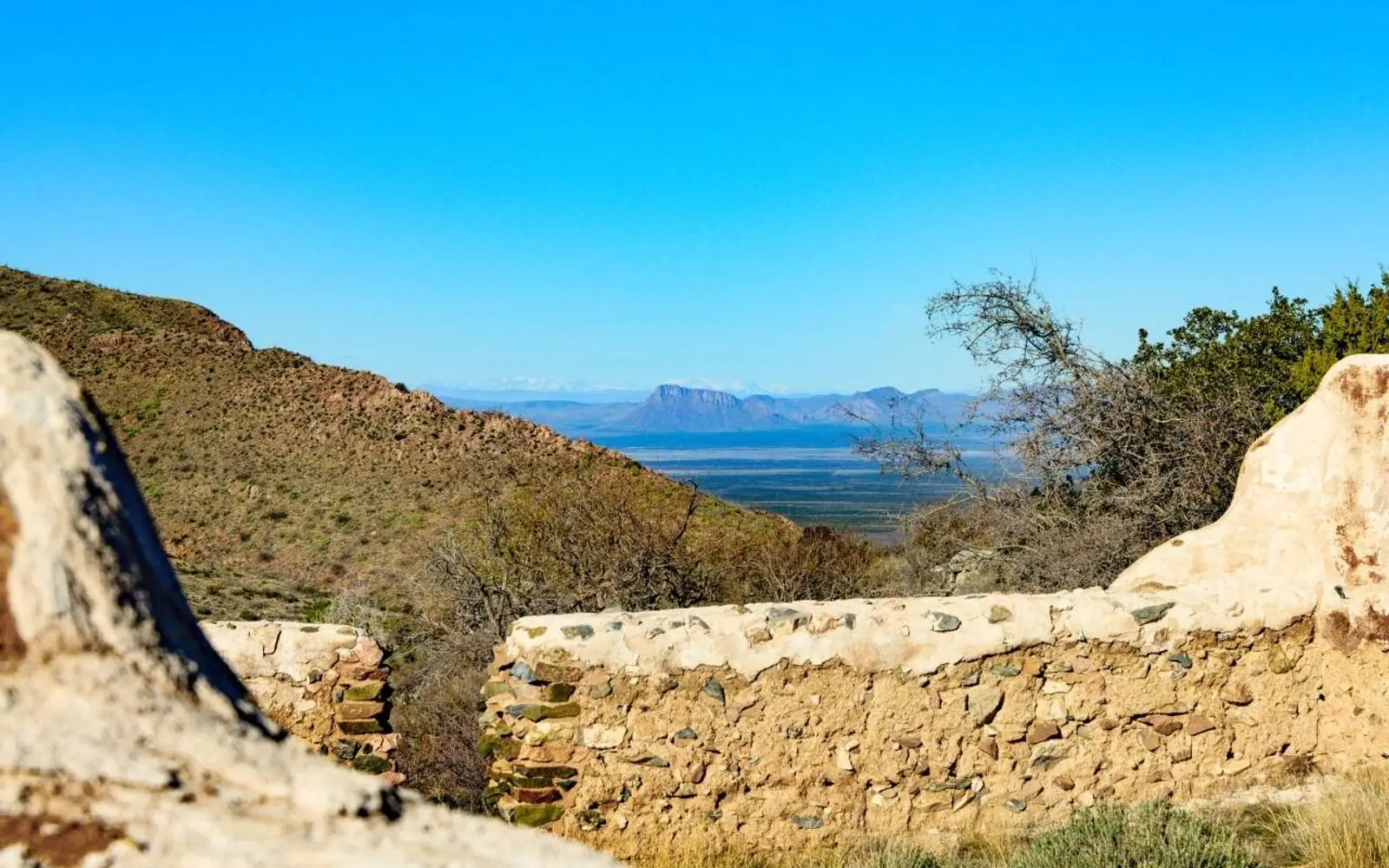
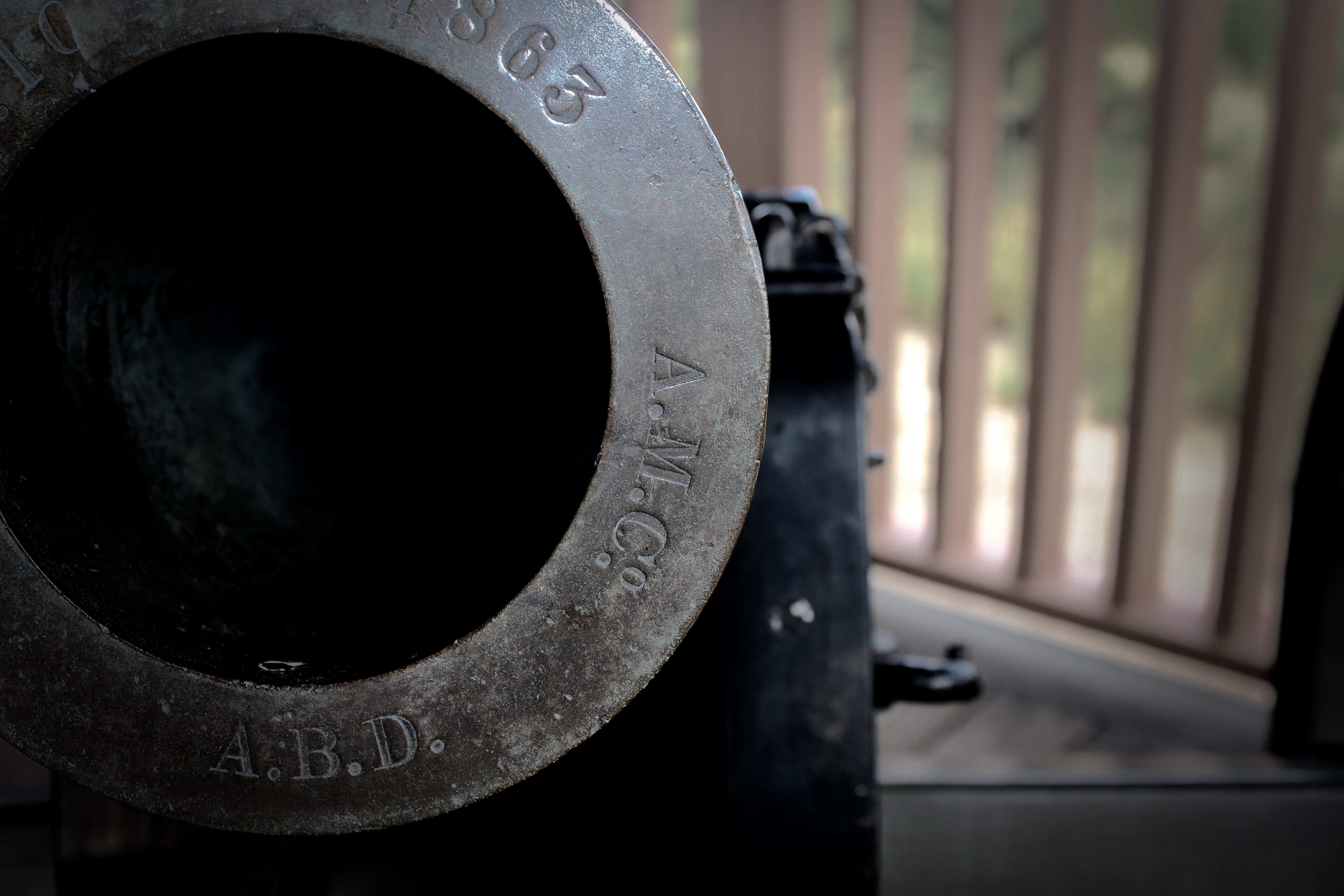
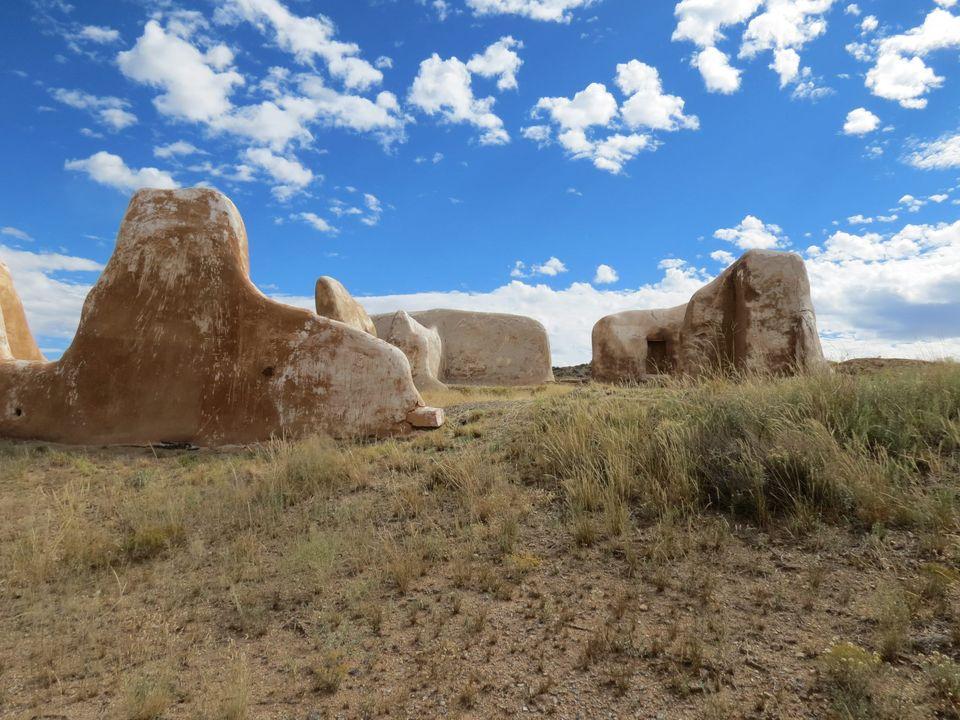
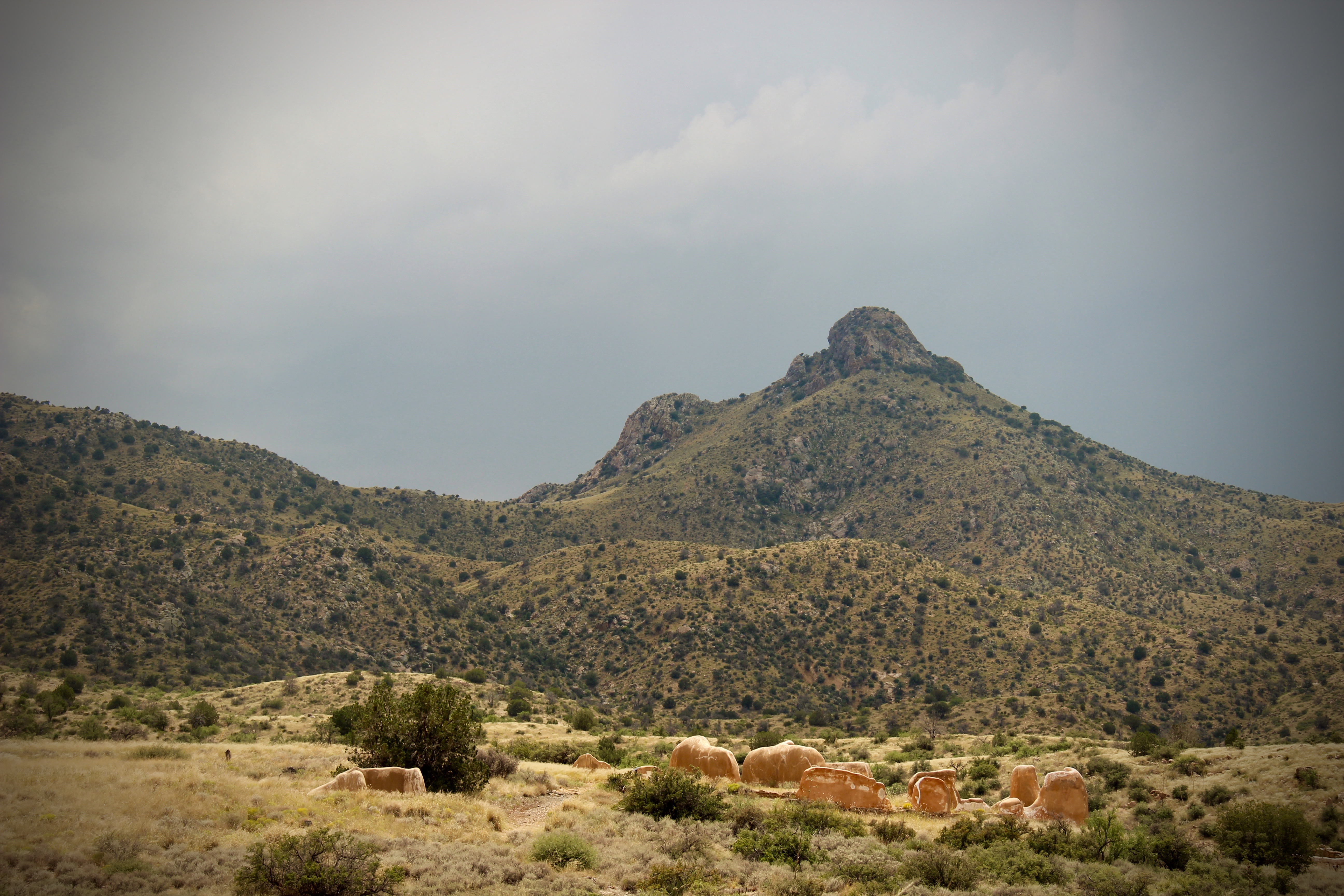
Ruins of the fort with mountains and valley in the background.Close up of a canon barrelRuins of adobe building under a blue sky with white clouds.Ruined walls of the old buildings and mountains in the background
National Historic SiteAZ

Fort Bowie National Historic Site

NPS / NPS Photo/ Ron Stewart
60/ 100GOOD RANGE
parkverdict Experience ScoreIndependent, not sponsored

60 of 100. Our independent breadth-and-access index. How we score

Worth it?

Is Fort Bowie National Historic Site worth it?

Fort Bowie offers no parking lot at the ruins, no road, and no shortcuts.

Getting there means hiking a roughly 3-mile round-trip trail through the Dos Cabezas foothills, past Apache Spring and the crumbling adobe walls where U.S. Army soldiers were stationed during the long fight with the Chiricahua Apache. That walk is not a warm-up. It is the visit. The history carries real weight. Nearly 25 years of warfare, the forced displacement of Geronimo's people, and a spring that made this particular canyon too valuable for either side to abandon. The site itself is small and focused, with a modest visitor center on the grounds, no campground, and no lodging close by. If you want those 3 miles to mean something, Fort Bowie punches well above its size. If you are traveling with family and counting on facilities or a quick drive-through stop, you will find it sparse.

The case for it

Fort Bowie is unlike most National Park Service sites because the required hike actually changes how you understand what happened there. You come at the ruins the same way soldiers and Apache scouts once moved through this canyon, passing Apache Spring along the way, which was the whole reason people fought over this ground in the first place. The Chiricahua region is one of Arizona's top birding corridors, so wildlife watching on the trail adds a layer beyond the history. Horseback riding is allowed and feels right given what the place was. Kids can work toward the Junior Ranger program, and the small bookstore carries focused regional history titles. The interpretive signs along the route and the ruins themselves turn the walk into an outdoor museum where the path itself is part of what you're learning.

Who it is for

History buffs with an interest in Apache history and the Indian Wars era will find plenty to dig into here. Birders and wildlife watchers tend to love the canyon setting. Families with older, trail-ready kids should feel right at home. If you want a drive-up monument or a wider range of recreational amenities, Chiricahua National Monument is nearby and worth the trip instead.

Best time to visit

Southern Arizona summers are brutal on exposed trails, plain and simple. Most hikers go out in spring, March through May, or fall, September through November, when temperatures stay manageable. Winters are mild and the trails tend to be quiet. Both shoulder seasons also happen to coincide with bird migration through the Chiricahua corridor, which makes the wildlife watching considerably better.

Worth seeing

  • A required 3-mile round-trip hike that puts you on historically significant ground rather than delivering you by car
  • Apache Spring, the water source at the center of the conflict between the U.S. Army and Chiricahua Apache
  • Adobe ruins of the actual fort, interpreted in place along the trail
  • Horseback riding permitted on the trail, offering a historically fitting way to experience the site
  • Strong birdwatching potential within one of Arizona's most celebrated birding regions
  • Free admission with a small on-site bookstore focused on regional and Apache history

Before you visit

The trailhead has no entry fee, but it sits at the end of a dirt road that may need a high-clearance vehicle depending on conditions, so call ahead before making the trip. There are no food services on site, and the trail has almost no shade, so bring water no matter the season. The visitor center and museum keep different hours than the trail itself, so if you want to see the indoor exhibits, check their schedule separately.

Our tipLeave before sunrise if you can manage it, even on mild days. That early light catches the adobe ruins and canyon walls at a low angle you simply won't find by midday, and the first hour after sunrise is when wildlife tends to cluster around Apache Spring.

How we scored it

How Fort Bowie National Historic Site earned its 60

Where does a 60 come from? One formula, run the same on every place we cover, built only from public data on what a unit offers and how reachable it is. It says nothing about how pretty a spot is or how busy it gets. This is what fed it:

  • Activity breadth9 documented activities
  • Topic breadth11 topics
  • Official imagery6 public-domain images
  • Camping on sitenone recorded
  • Entry costfree

No number is hand-adjusted and no unit pays for placement. The full weights, the floor at 18 and a worked example are on how we score.

The honest limits

What the score cannot tell you

A quick honest note. The score tracks how much a place has going on and how easy it is to reach, both pulled from public records. What it cannot see is the stuff that often makes or breaks a day: whether the views stop you cold, how packed it gets in season, what the trails are like after rain, or whether you catch a great ranger talk. A small, single-focus site can land below a sprawling park here and still be the better call for your trip. Use the number to compare what places offer on paper, and the verdict up top to tell if it is your kind of place.

The basics

Fort Bowie National Historic Site at a glance

Fort Bowie sat for nearly 25 years at the point where two worlds collided head-on: the Chiricahua Apache defending their ancestral homeland and the U.S. Army pushing steadily westward. Today, visitors walk a 3-mile loop trail across the same ground where that conflict played out, a confrontation that changed the lives of the Apache and the Americans who came after them.

On documented breadth and access, Fort Bowie National Historic Site ranks 21st of 29 park and public-land units we score in Arizona.

On offer

Documented activities

HikingFront-Country HikingHorse TrekkingHorseback RidingJunior Ranger ProgramWildlife WatchingBirdwatchingShoppingBookstore and Park Store
Common questions

Fort Bowie National Historic Site: quick answers

Is Fort Bowie National Historic Site worth visiting?

Fort Bowie offers no parking lot at the ruins, no road, and no shortcuts.

Is Fort Bowie National Historic Site free to visit?

Yes, there is no entrance fee.

What is Fort Bowie National Historic Site best for?

It leans hardest toward hiking, good with kids, wildlife watching, history & culture, going by the 9 activities it actually documents.

When is the best time to visit Fort Bowie National Historic Site?

Southern Arizona summers are brutal on exposed trails, plain and simple.

How is the Experience Score for Fort Bowie National Historic Site calculated?

The 60 comes straight from public data on how much the place documents and how easy it is to reach, things like activities, topics, photos, camping and whether entry is free. It says nothing about scenery or how busy it gets.