Should you visit Florissant Fossil Beds National Monument?
Florissant Fossil Beds National Monument, at 8,400 feet in a central Colorado valley, offers a distinct experience.
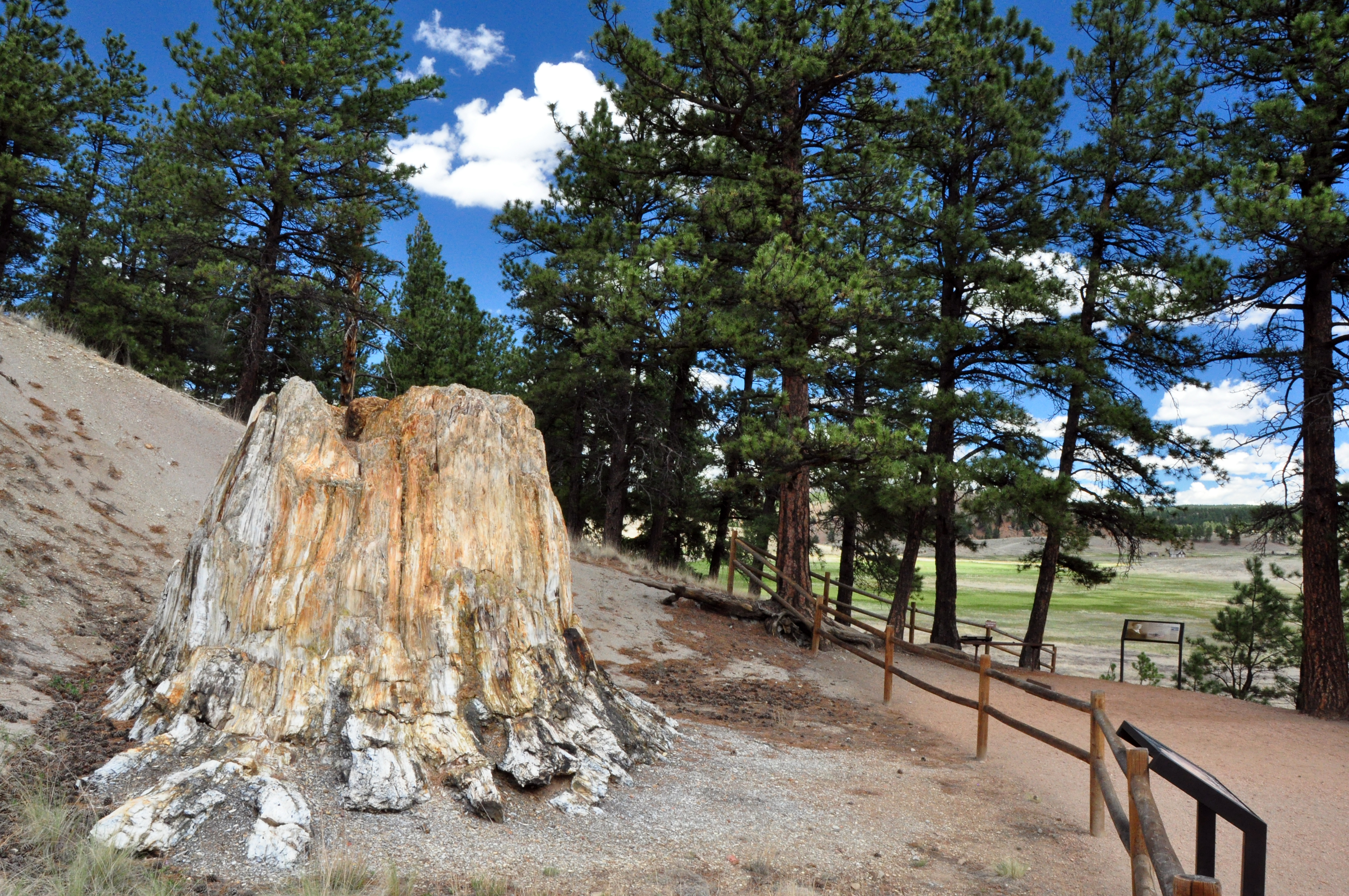
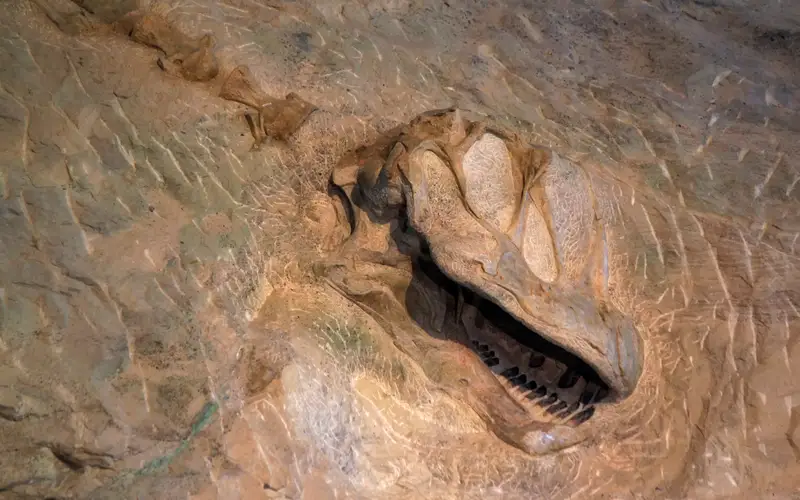
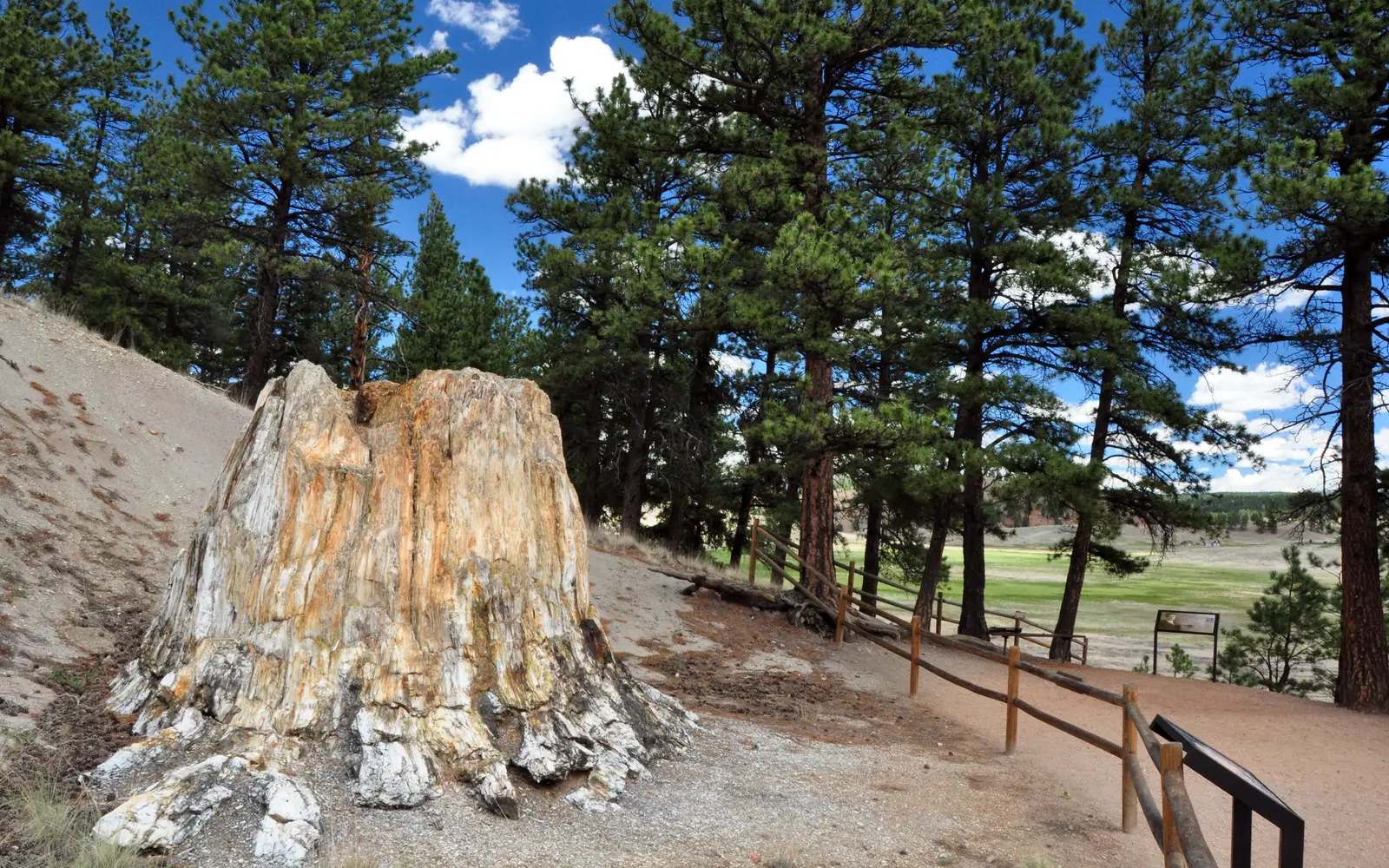
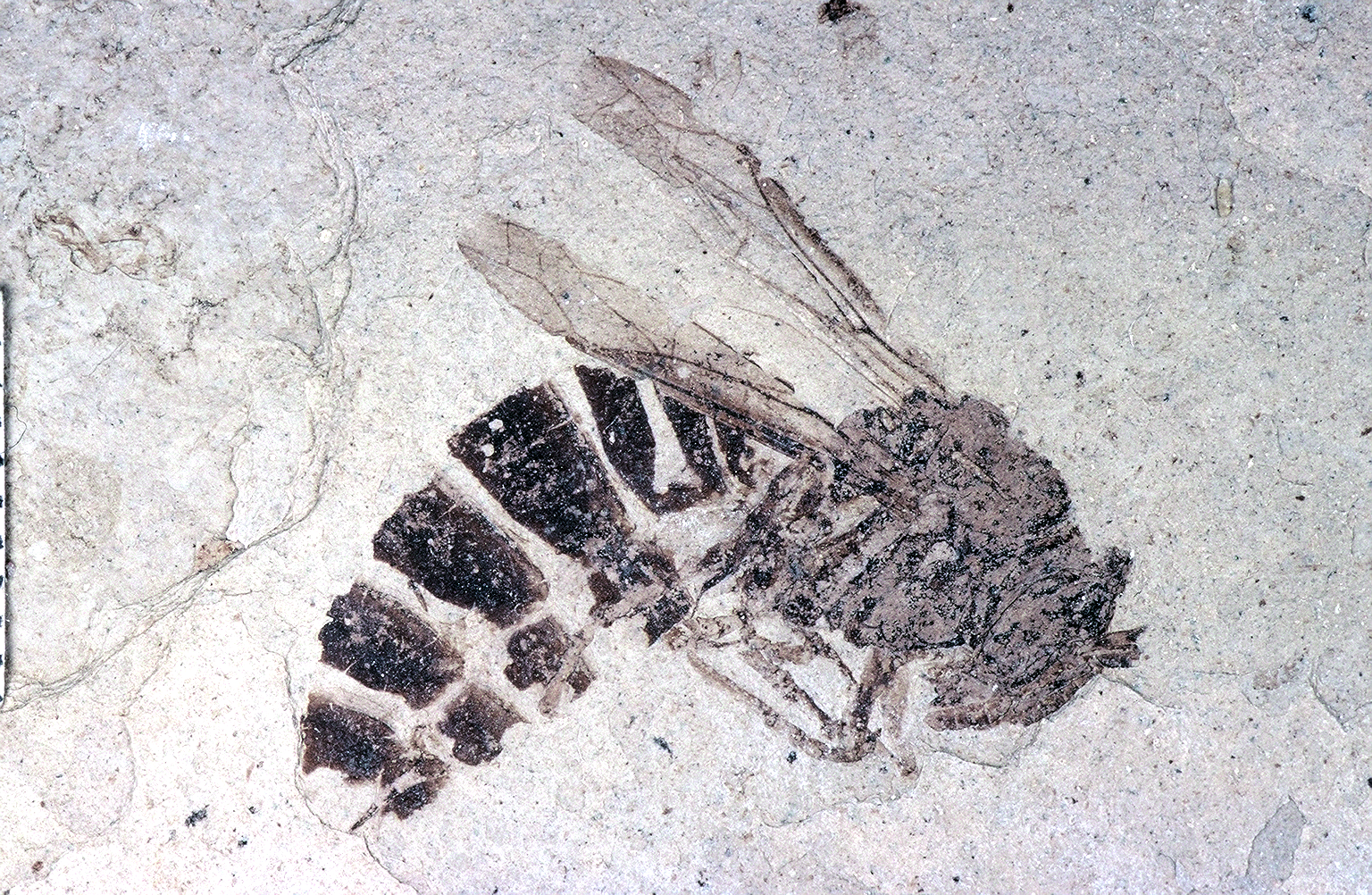
The primary draw is specific: 34-million-year-old petrified redwood stumps, some up to 14 feet wide. Thousands of insect and plant fossils further document a prehistoric subtropical ecosystem. This location is not about dramatic canyons or summit hikes. It demands a slower pace, inviting careful observation of the landscape. The visitor center museum provides essential scientific context. As a secondary attraction, stargazing is notable, with the Hornbek Homestead lot designated for dark skies. Entry costs $10. For geology and paleontology enthusiasts, or families with curious children, this monument warrants a deliberate stop. Casual sightseers may find its offerings too niche.
What makes it worth it
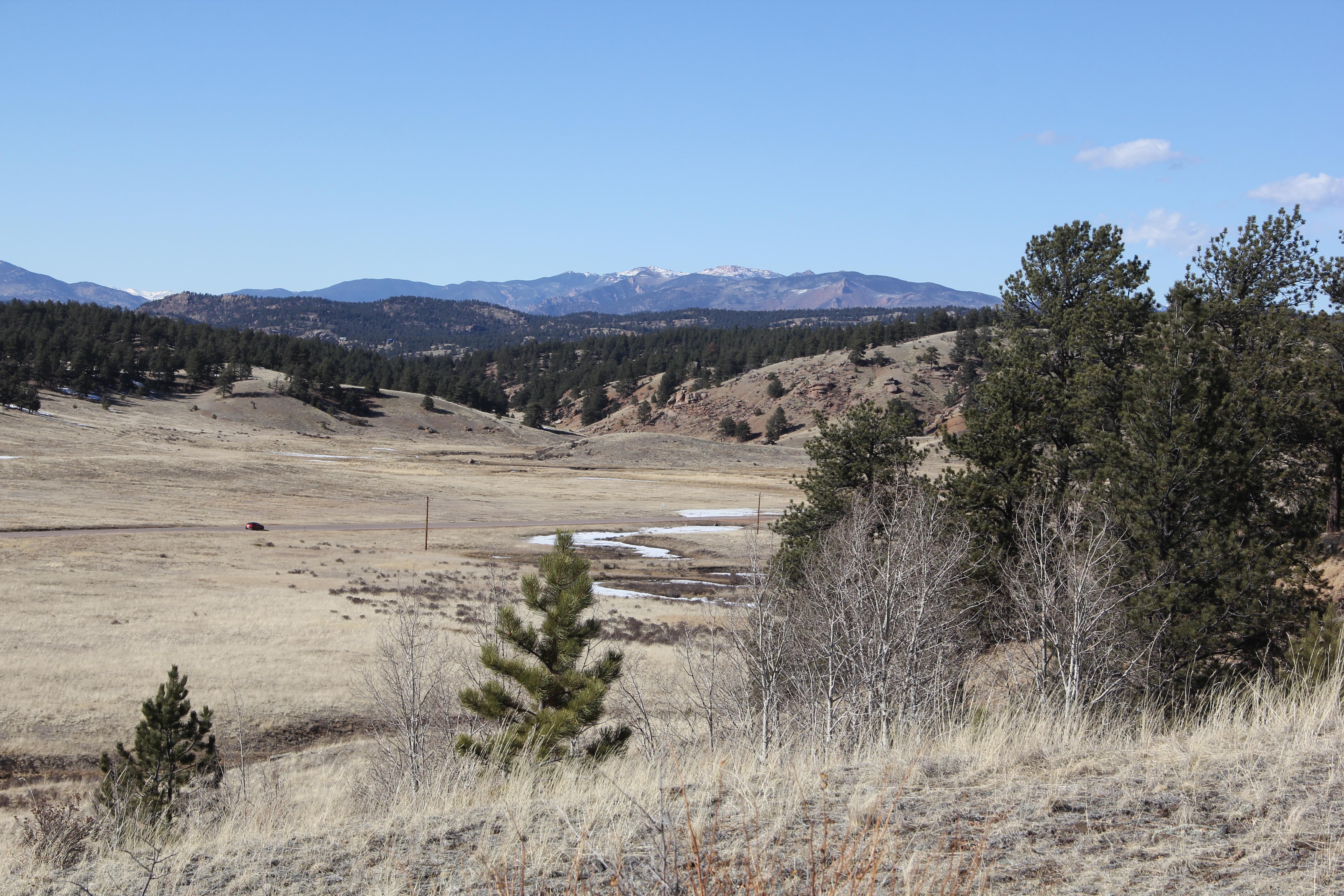
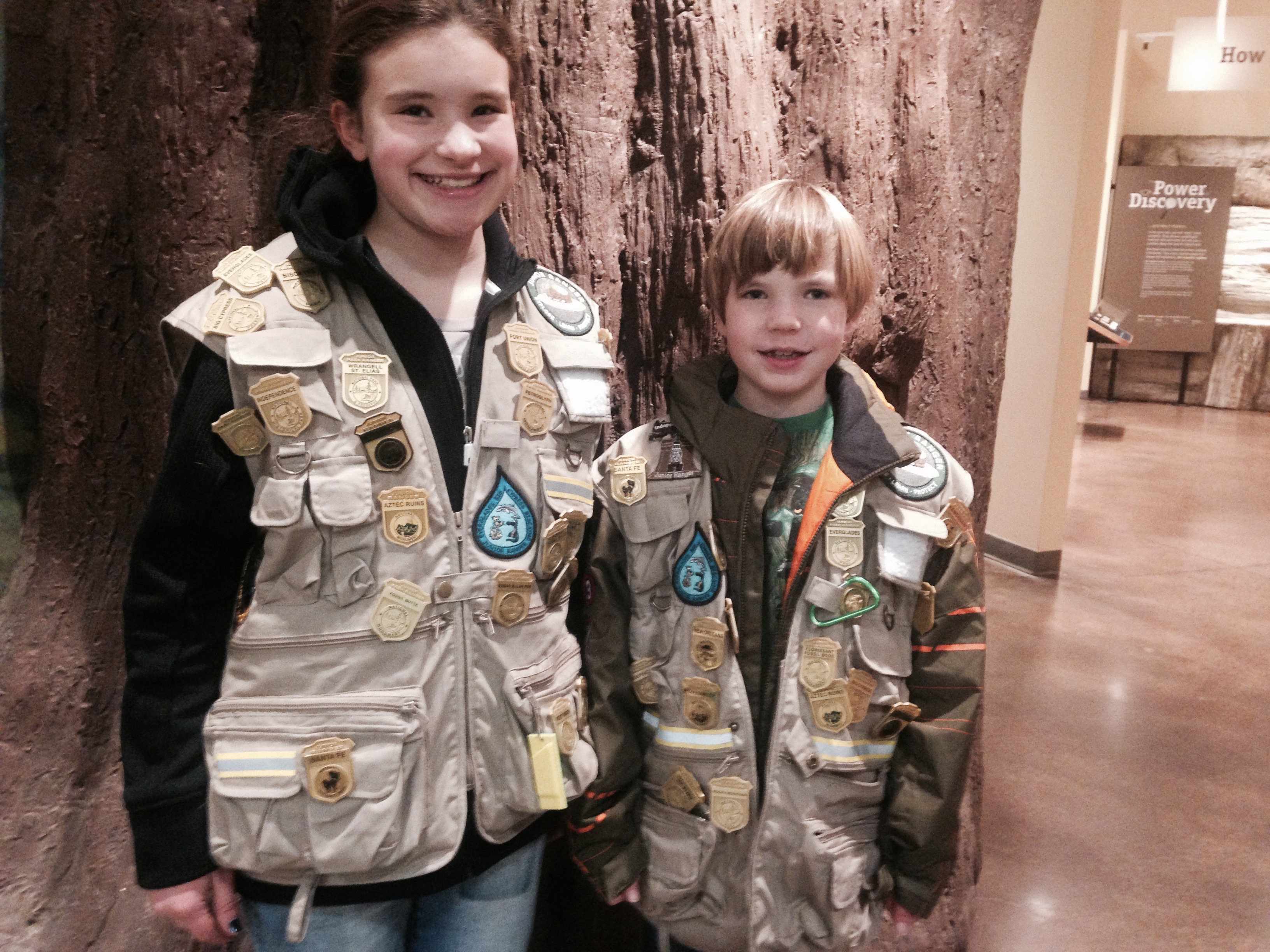
A good day at Florissant starts at the visitor center, where museum exhibits frame the fossil story before you head outside. Front-country walking trails bring you directly to the standing petrified stumps, which are larger and more otherworldly in person than any photograph suggests. The monument also offers backcountry hiking through open meadows and ponderosa terrain, horseback riding access, and winter snowshoeing on the same trail network. Guided tours add interpretive depth that the geology genuinely rewards. If you stay into the evening, the Hornbek Homestead parking lot is open around the clock as a dark sky stargazing site, making a sunset-to-stars combo entirely feasible. The Junior Ranger program gives kids a structured reason to engage with the science rather than just walk past it.
Who should go
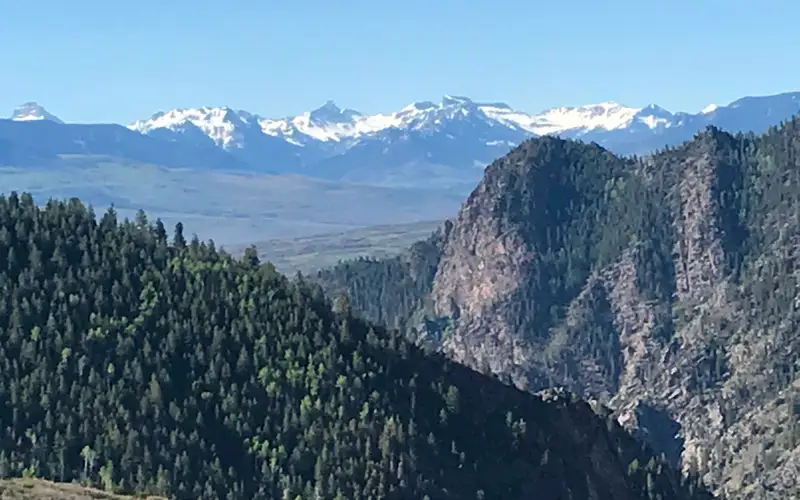
Florissant caters to specific interests: paleontology, geology, and engaged family exploration. Hikers and equestrians seeking a quieter Colorado mountain experience will find it here. However, those expecting dramatic alpine views, extended summit climbs, or high-adrenaline activities should adjust their expectations; the landscape features rolling terrain and offers a more intimate scale.
When to go
This park is best enjoyed from late spring to early fall. Hikers will find summer highs around 75 degrees comfortable, with cool nights following. The early summer wildflower bloom adds significant visual appeal to the meadows. Fall promises clear skies and fewer visitors, enhancing the stargazing experience. Winter recreation is limited. While snowshoeing is possible, overnight temperatures can plunge to single digits, and the visitor center parking lot closes promptly at 4:30 PM. Casual sightseers should look elsewhere. This is a seasonal destination.
Highlights
- Petrified redwood stumps up to 14 feet wide, visible directly from walking trails
- Museum exhibits displaying thousands of preserved insect and plant fossils in scientific detail
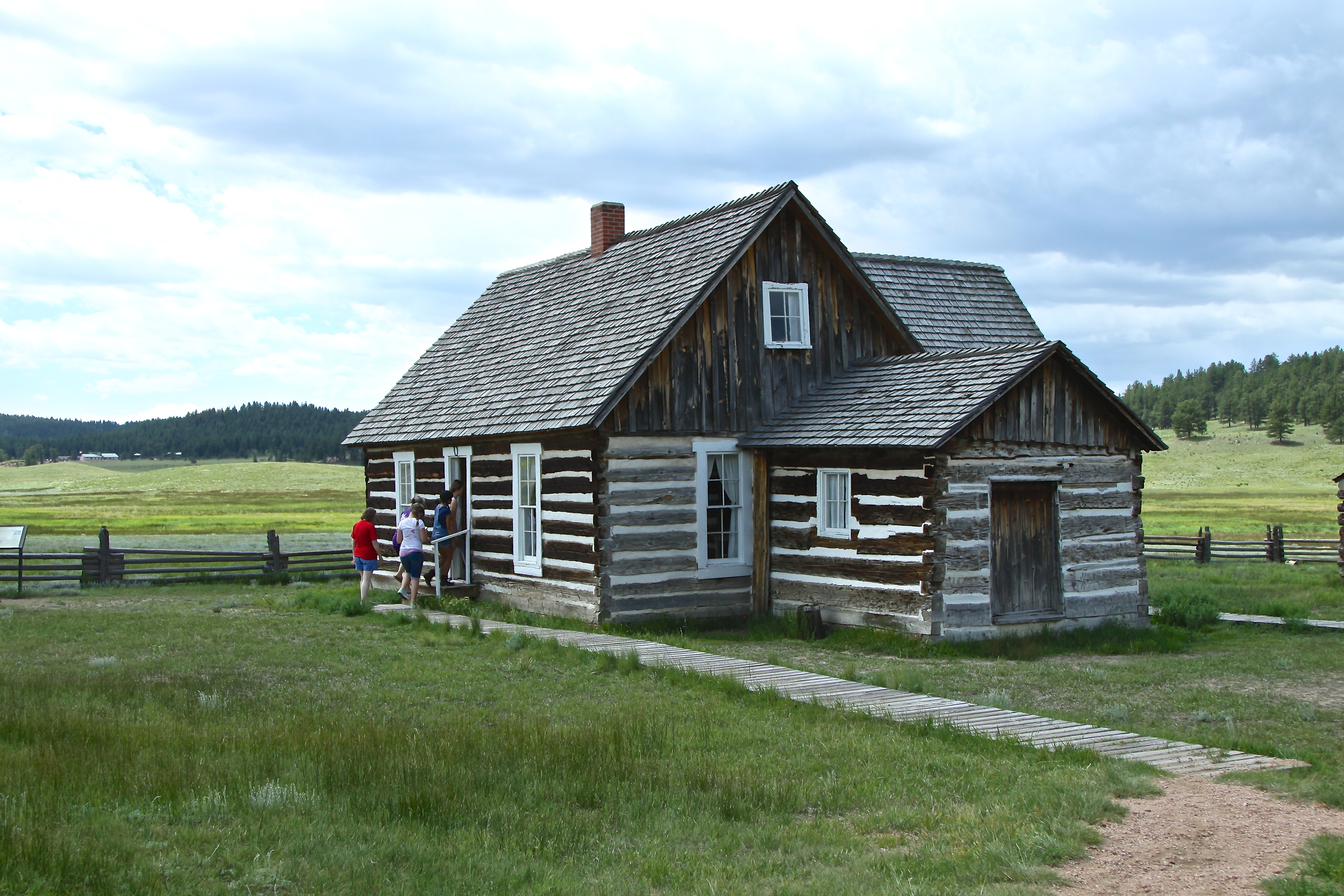
- Designated dark sky stargazing site at the Hornbek Homestead lot, open 24 hours
- Backcountry and front-country hiking through open high-elevation meadows and forest
- Horseback riding access on trail networks through the monument
- Winter snowshoeing on the same trail system with a dramatically different, crowd-free atmosphere
Plan ahead
Entrance is $10 per person. The visitor center parking lot gate locks at 4:30 PM every day without exception. If your hike or stargazing session might run late, park at the Hornbek Homestead lot instead, which stays open around the clock. The monument sits above 8,000 feet, so altitude and afternoon thunderstorms in summer are real planning factors.
Editor's tipThe 4:30 PM parking lot closure presents an important logistical consideration. Visitors intending to stargaze must plan accordingly. Driving directly to the Hornbek Homestead lot upon arrival is advisable. This location serves a dual purpose, offering an optimal vantage point for sunset viewing before