Is Florida Keys National Marine Sanctuary worth your trip?
The Florida Keys National Marine Sanctuary is not a terrestrial park experience; its essence lies entirely on and under the water.
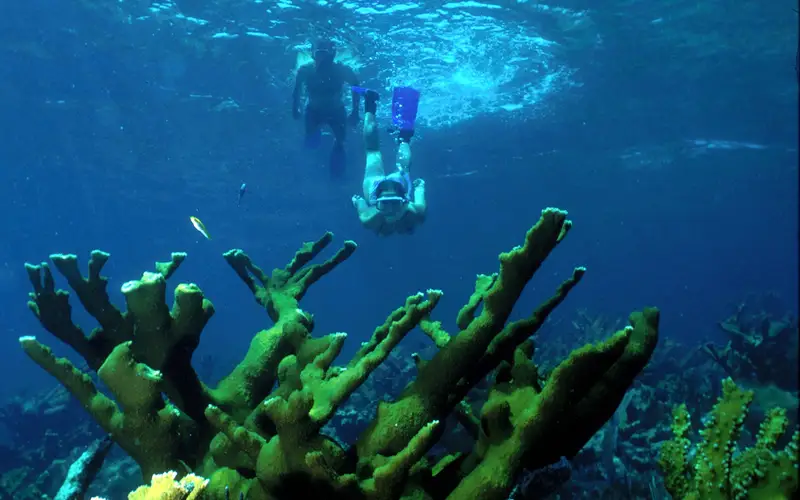
Protecting the sole coral barrier reef in North America, this sanctuary extends along the entire Florida Keys island chain. It encompasses seagrass beds, mangrove islands, and a documented 6,000-plus marine species. The scale is the draw here. Access is free, yet a meaningful visit requires an investment in equipment, a vessel, or a guided tour. For snorkelers and divers, this stands as a premier destination within the continental United States. Casual sightseers or those preferring land-based activities will find limited direct engagement. The sanctuary's remarkable shipwrecks and reef structures are submerged. Accessing them demands either proficient personal skill or the engagement of a local operator.
Why go
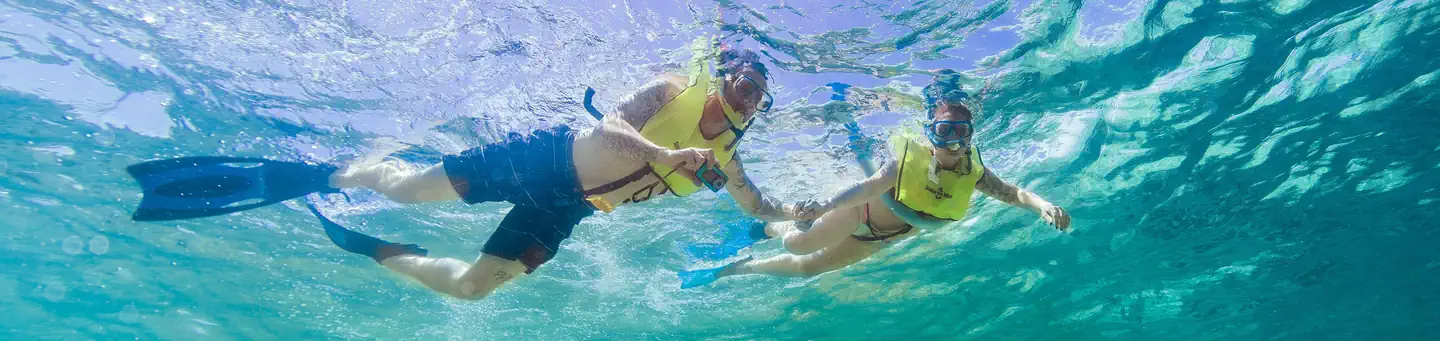
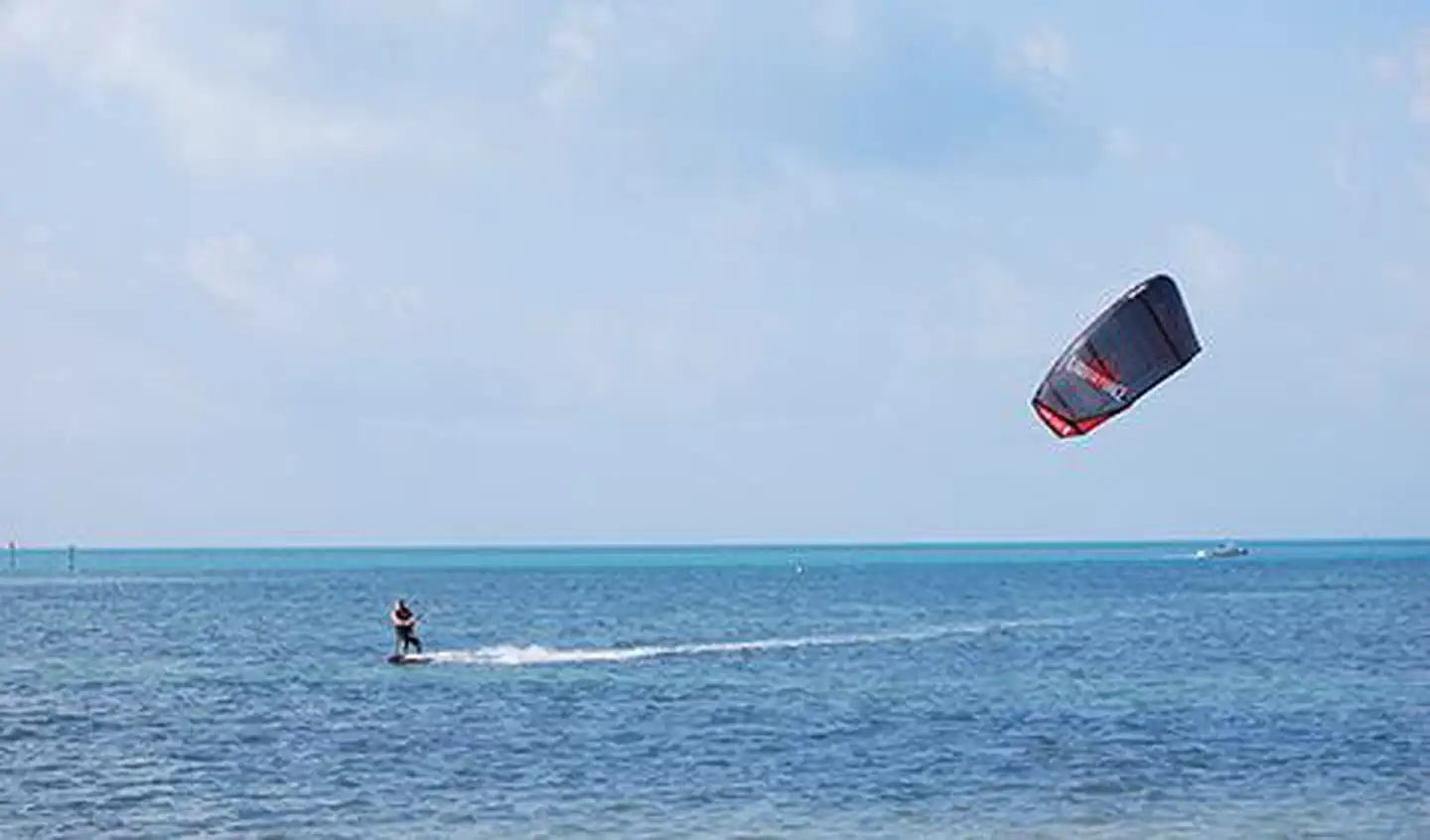
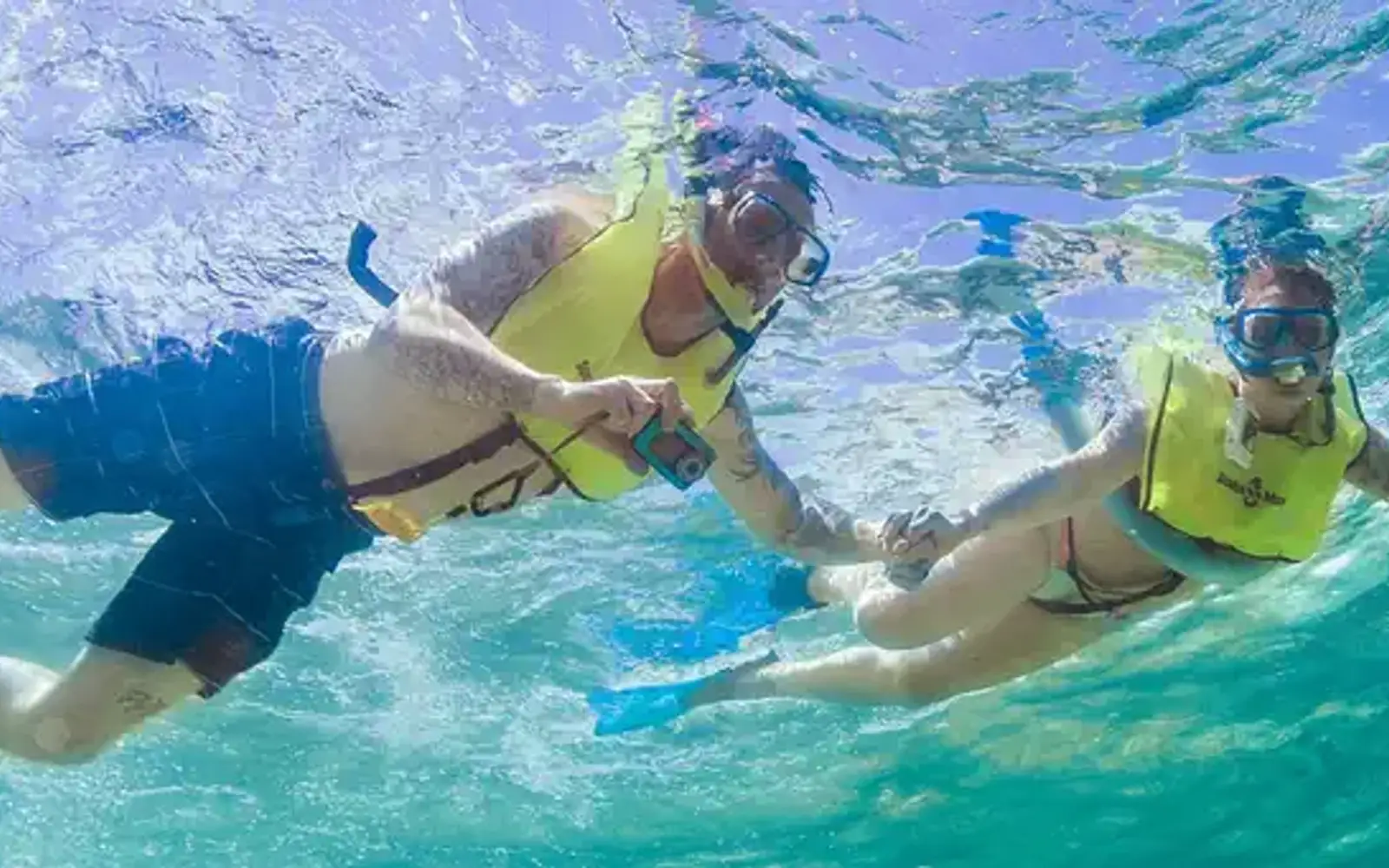
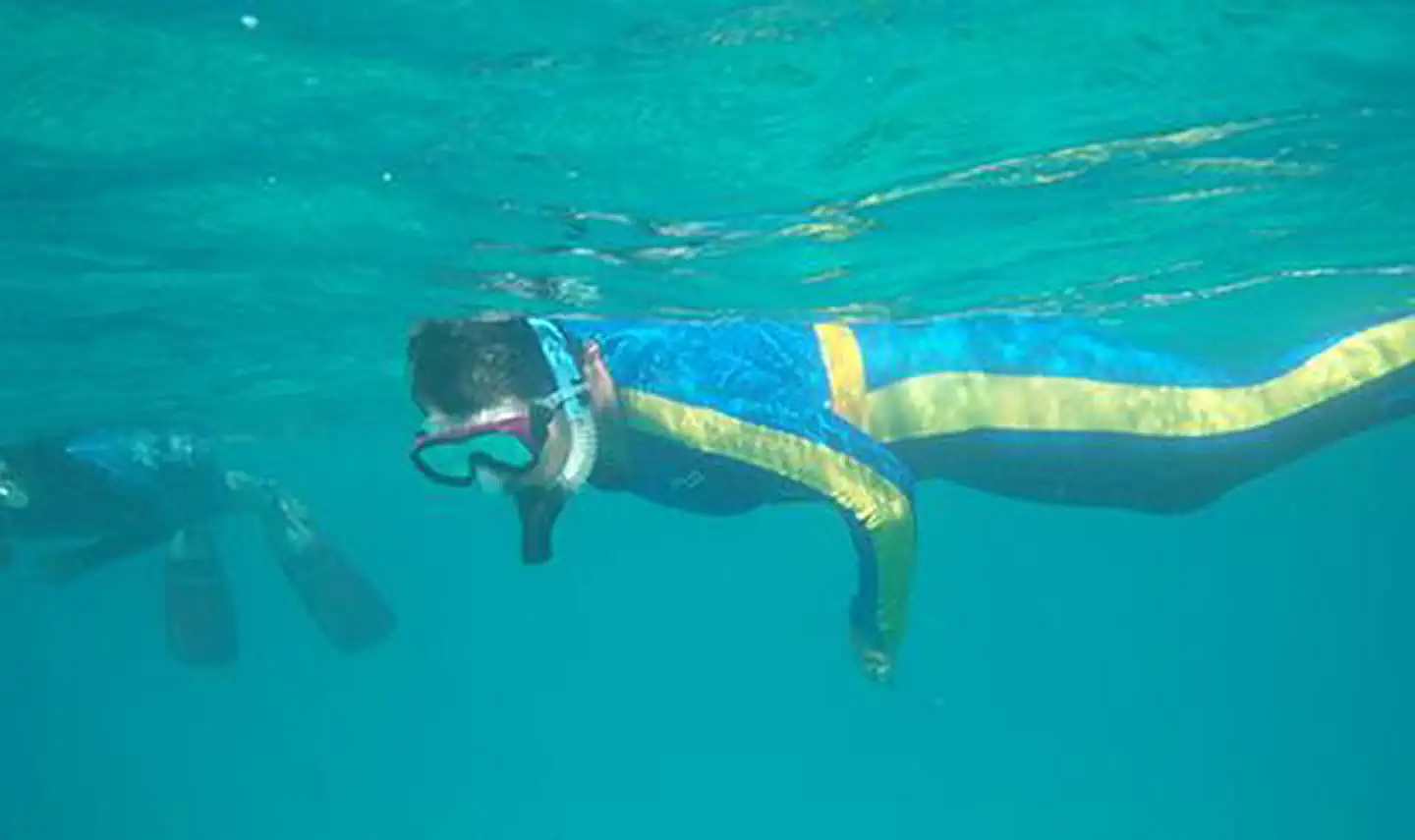
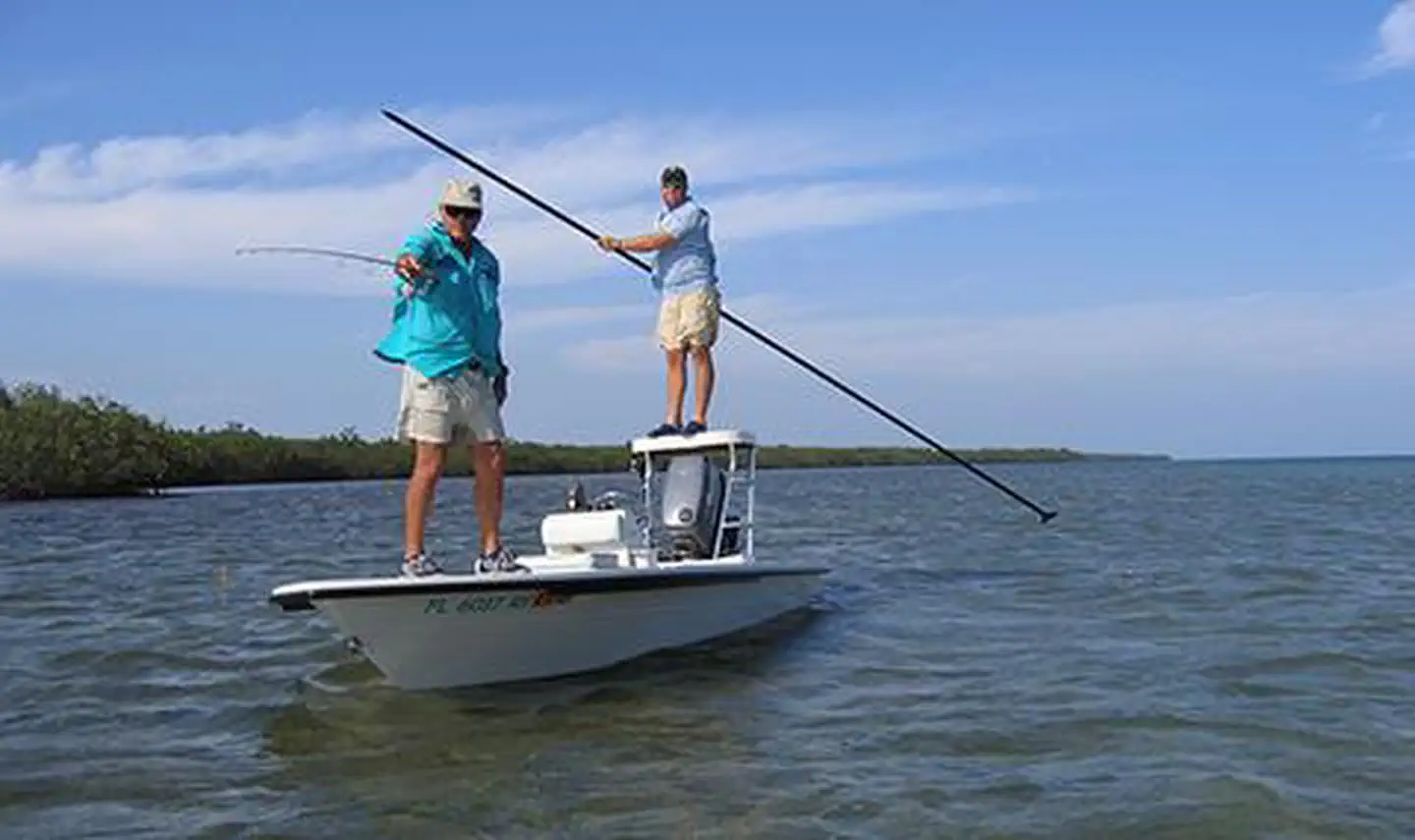
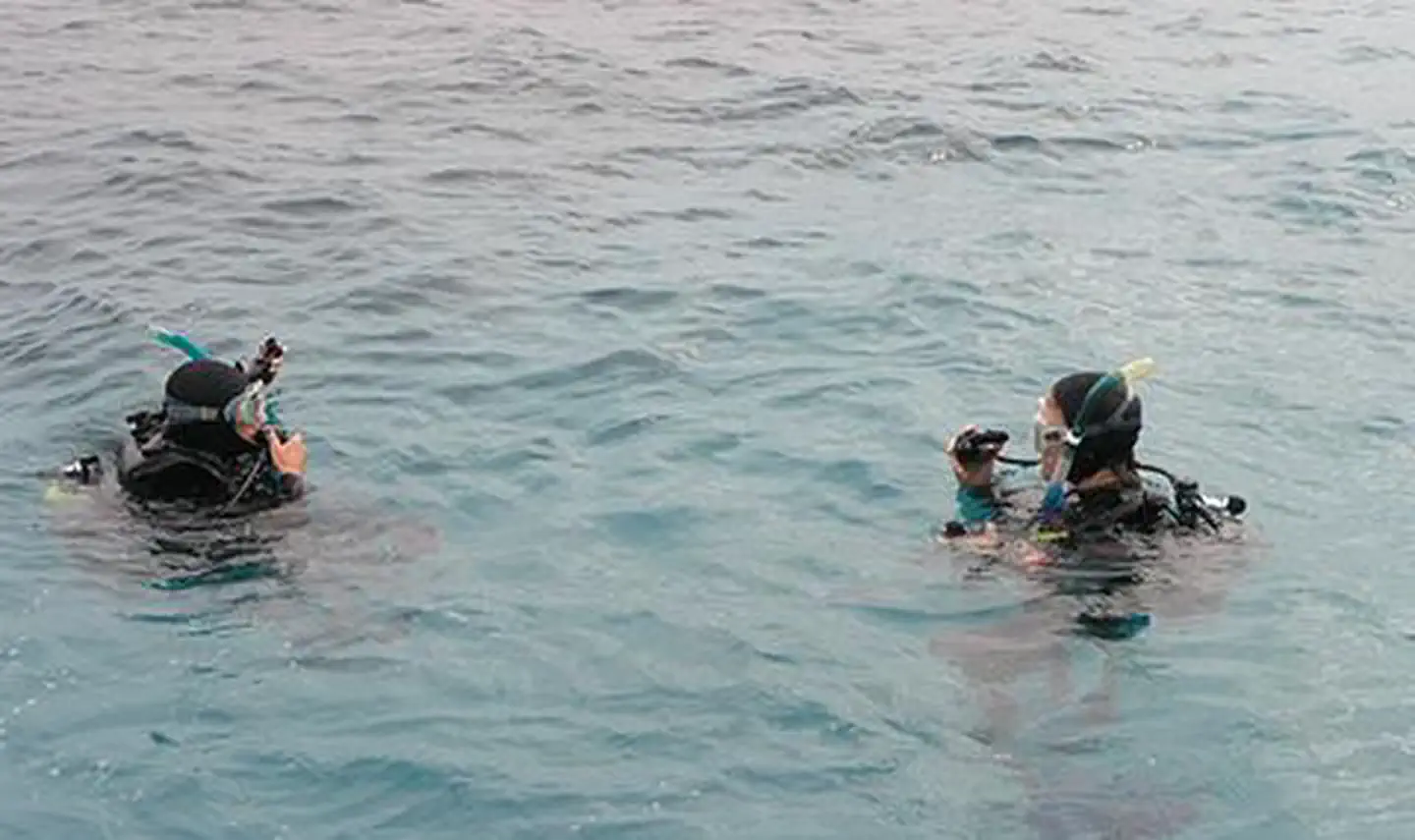
This destination caters to the water enthusiast. Snorkelers and divers gain direct access to living coral reef ecosystems, unique in the continental United States. Guided dive trips from Key Largo to Key West regularly visit shipwrecks and marine-rich reef formations. Paddlers and kayakers can independently explore mangrove channels. Anglers will find world-class fishing. Boating offers genuinely productive wildlife viewing: sea turtles, rays, and reef fish are common sightings. The visitor center provides essential orientation for responsible exploration. This is an aquatic park; its scale dictates water-based activities.
Best for
This destination ranks among the nation's premier reef access points for divers and snorkelers. Kayakers, boaters, anglers, and wildlife photographers will find compelling reasons to visit. Its defining features are exclusively aquatic. Therefore, those not engaging with the water should choose another destination.
Best season
For optimal water clarity and conditions suited to extended aquatic activity, the period from November through April stands out. Summer sees warmer water, but with accompanying humidity, daily thunderstorms, and peak visitation. Hurricane season spans June through November, requiring close forecast monitoring for any late summer or fall plans.
The high points
- Snorkeling and diving the only coral barrier reef in North America
- Exploring historic shipwrecks accessible to recreational divers
- Kayaking and paddling through mangrove-fringed island passages
- Wildlife viewing on the water - sea turtles, rays, and reef fish
- Guided interpretive programs and a visitor center to orient first-timers
- Fishing across diverse marine environments within a protected sanctuary
Know before you go
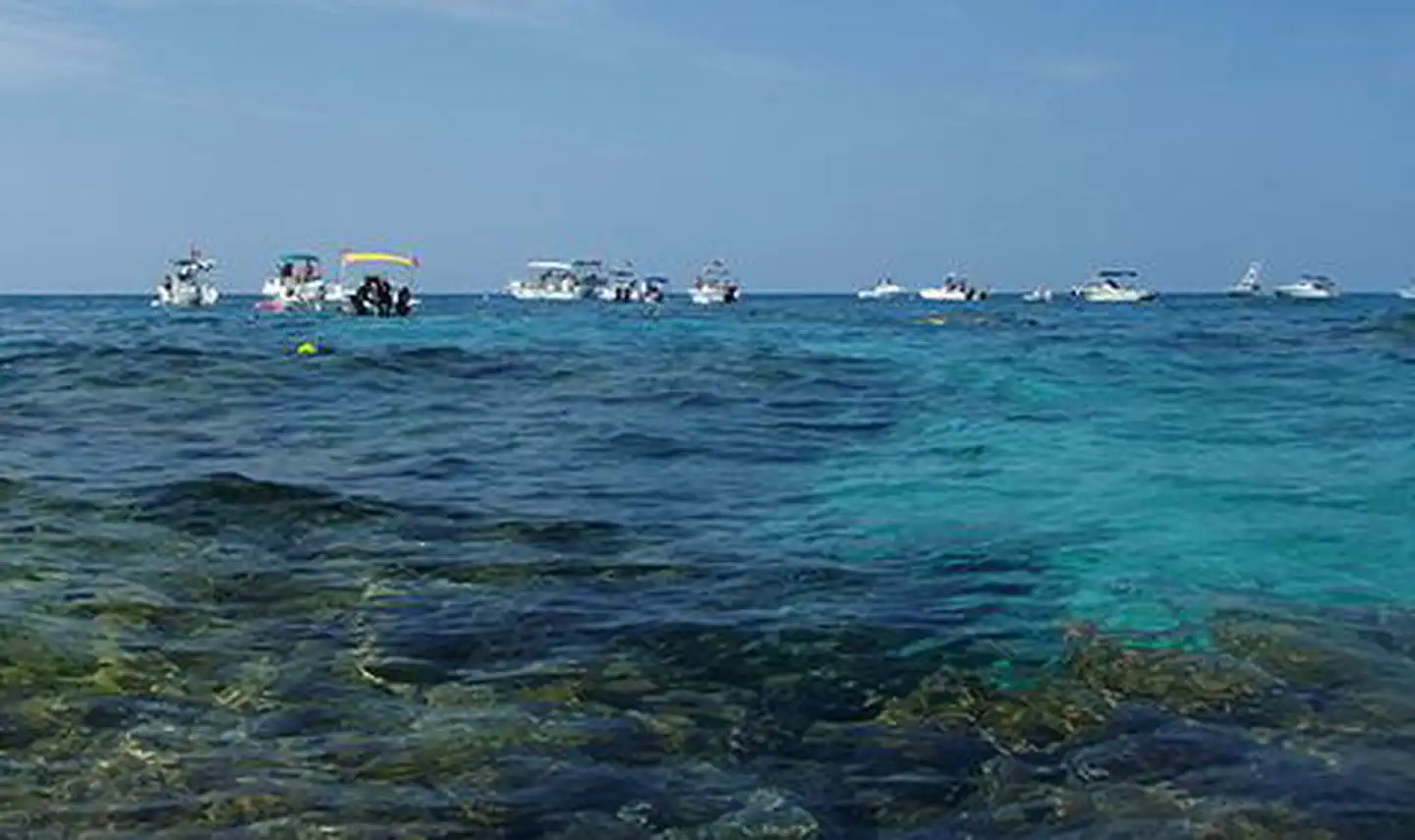
This sanctuary presents a curious dichotomy. While entry is free, nearly every substantive experience demands either personal equipment, a rental, or a hired guide. For those without their own vessel, dive and snorkel operators, readily available across the Keys, offer the most practical access. Mooring buoys are present at numerous reef sites, an essential measure to prevent anchor damage; their use is frequently mandatory. This is a destination for committed aquatic explorers. Casual sightseers should look elsewhere.
One more thingFor optimal dive conditions, prioritize Key Largo or Islamorada operators. Northern reef sites experience reduced weekday morning boat traffic. Visibility also tends to be clearer before afternoon winds arrive. Skip Key West for better diving.