589 units scored Refreshed on a schedule Independent, no sponsored rankings
National Wildlife RefugeKS
Flint Hills National Wildlife Refuge
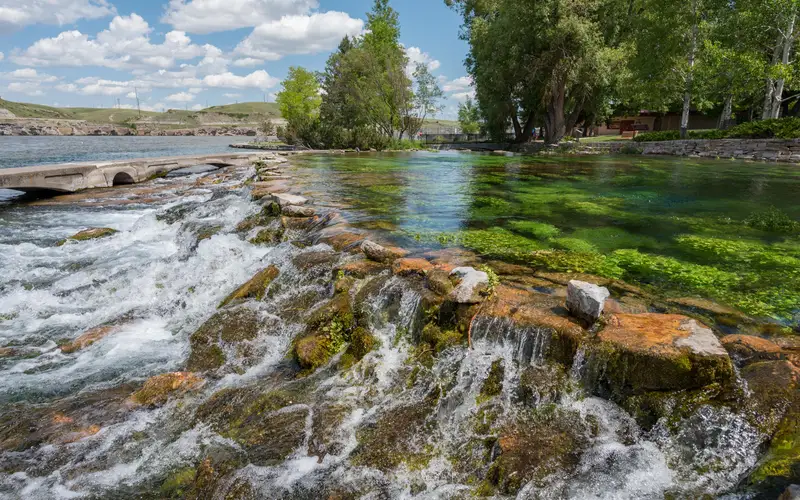
NPS / Share the Experience, John Kenkel
60/ 100GOOD RANGE
parkverdict Experience ScoreIndependent, not sponsored
60 of 100. Our independent breadth-and-access index. How we score
Worth it?
Is Flint Hills National Wildlife Refuge worth it?
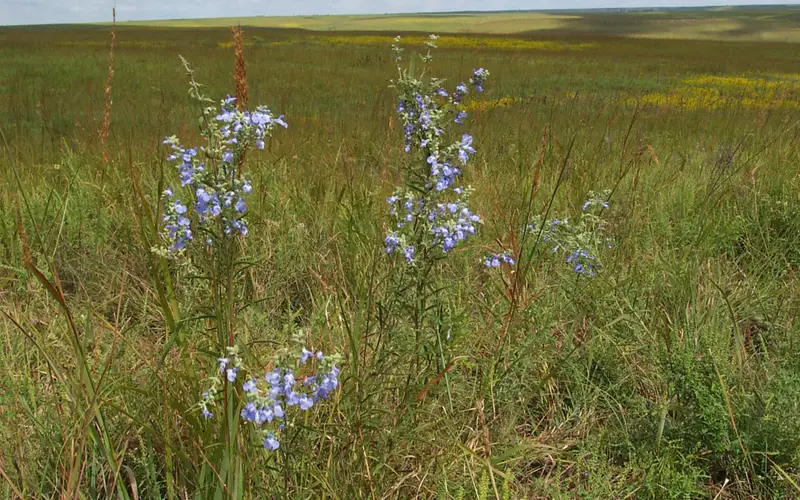
Flint Hills National Wildlife Refuge offers a quiet immersion into the Kansas tallgrass prairie.
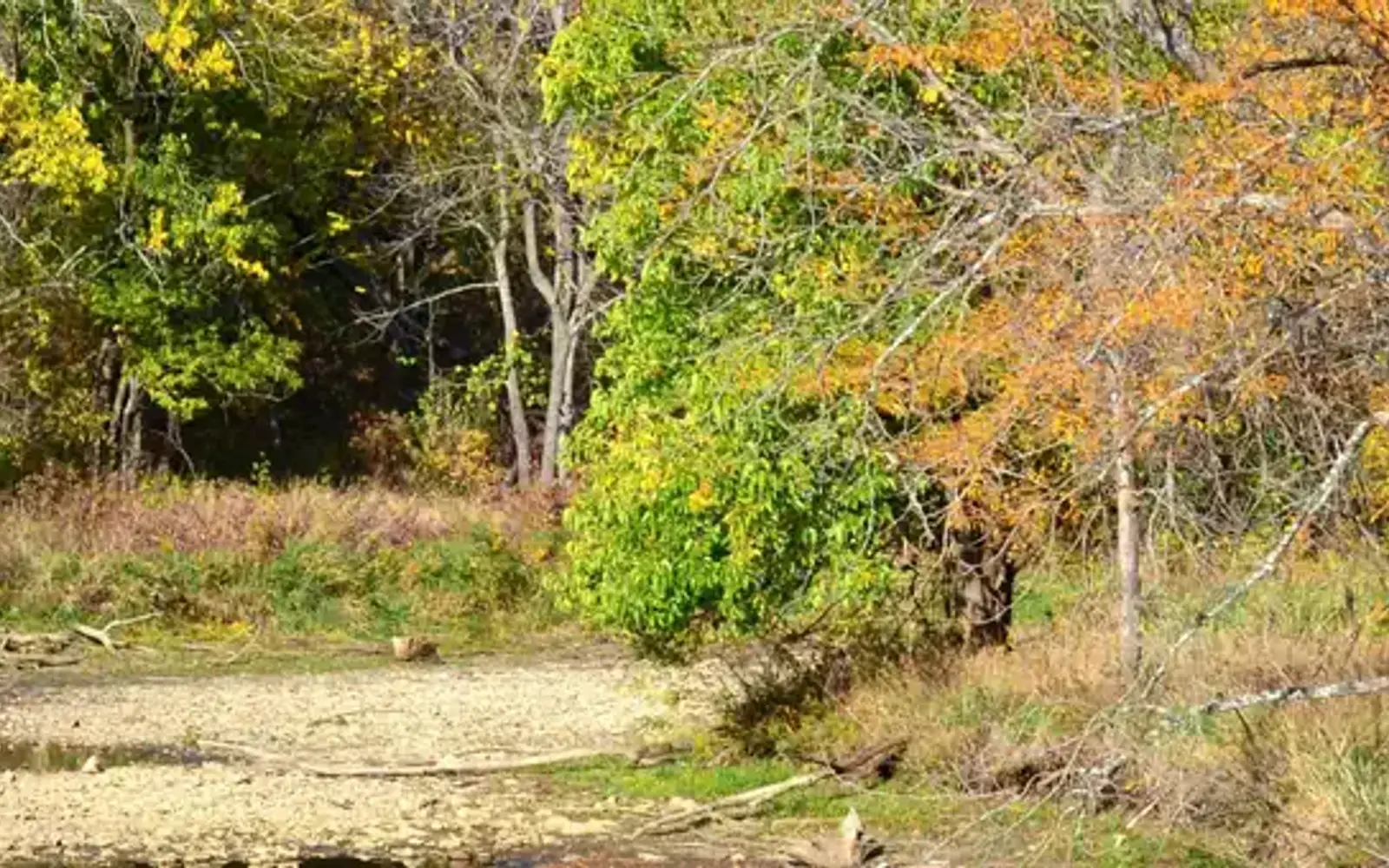
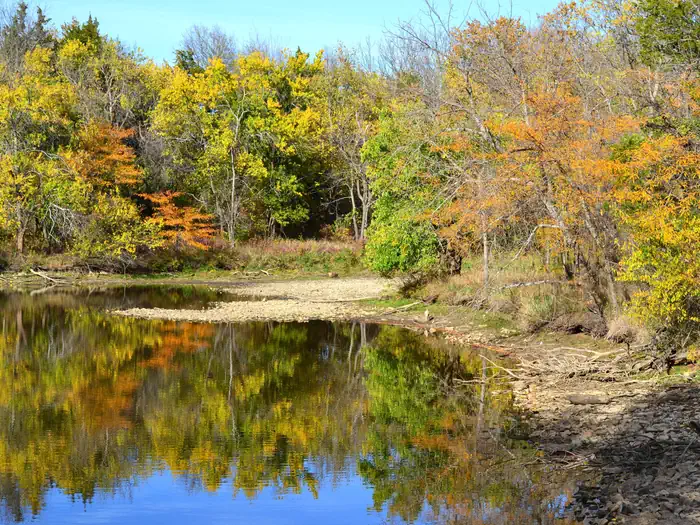
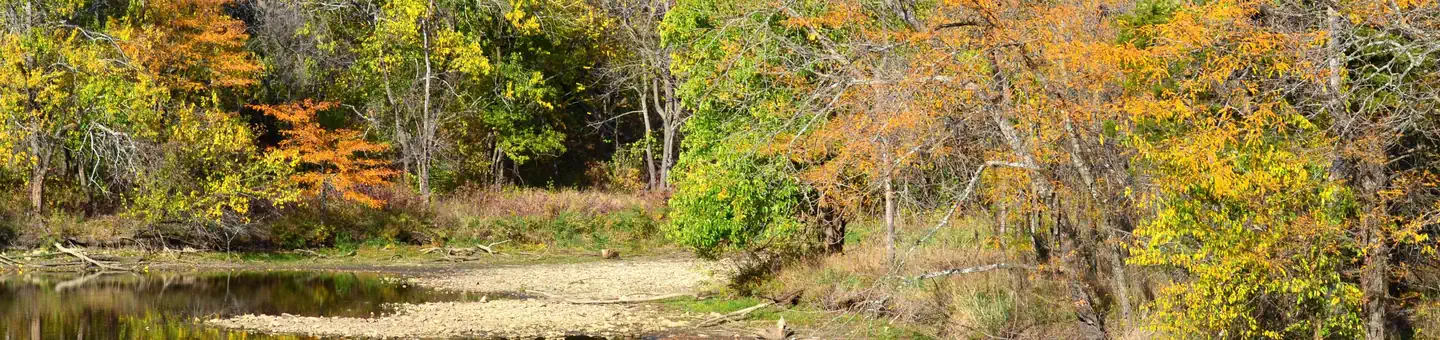
Situated at the convergence of the Neosho and Cottonwood Rivers, this wetland refuge is built around a Corps of Engineers reservoir. Its mosaic of wetlands, bottomland forest, and grassland promises rewarding birding and wildlife viewing for the patient visitor. With free admission and a solid auto tour route, it presents an accessible detour. However, the limited infrastructure means its true potential is best realized by those not seeking extensive amenities. For visitors already in east-central Kansas with an interest in birds or waterfowl hunting, this refuge is a worthwhile stop.
Who it is for
This refuge best serves birders, waterfowl hunters, and anglers. Families seeking an accessible wildlife outing will enjoy the auto tour and visitor center. Those prioritizing extensive hiking or dramatic scenery should consider other destinations.
Worth seeing
Auto tour route covering diverse habitat from wetlands to bottomland hardwood forest
Birding across a convergence of prairie, riparian, and wetland ecosystems in one compact refuge
Fishing and boating access on the reservoir fed by the Neosho and Cottonwood Rivers
Seasonal hunting opportunities managed specifically for waterfowl and other game
Our tipPeak bird activity centers on spring and fall migration, a critical window for wetland viewing. Before setting out, consult the visitor center. Water levels on the reservoir fluctuate, and this directly impacts which auto tour sections and boat ramps remain accessible.
How we scored it
How Flint Hills National Wildlife Refuge earned its 60
Where does a 60 come from? One formula, run the same on every place we cover, built only from public data on what a unit offers and how reachable it is. It says nothing about how pretty a spot is or how busy it gets. This is what fed it:
Activity breadth10 documented activities
Topic breadth0 topics
Official imagery2 public-domain images
Camping on sitenone recorded
Entry costfree
No number is hand-adjusted and no unit pays for placement. The full weights, the floor at 18 and a worked example are on how we score.
The honest limits
What the score cannot tell you
A quick honest note. The score tracks how much a place has going on and how easy it is to reach, both pulled from public records. What it cannot see is the stuff that often makes or breaks a day: whether the views stop you cold, how packed it gets in season, what the trails are like after rain, or whether you catch a great ranger talk. A small, single-focus site can land below a sprawling park here and still be the better call for your trip. Use the number to compare what places offer on paper, and the verdict up top to tell if it is your kind of place.
Flint Hills National Wildlife Refuge, established in 1966, occupies 18,463 acres in east central Kansas. It began as an "overlay project" on a U.S. Corps of Engineers flood control reservoir. The refuge contains various habitats: wetlands, bottomland hardwood forests, grasslands, river riparian areas, and agricultural lands.
The refuge is situated in the broad, flat Neosho River Valley, within the tallgrass prairie region. It's named for the gently rolling, fossil-studded hills west of the refuge. These hills formed 250 million years ago when seas covered the area.
The Neosho and Cottonwood Rivers supply most of the water for the refuge, located at the upstream end of John Redmond Reservoir. Historically, the Neosho River floodplain held hundreds of shallow wetlands each spring. These wetlands would dry by summer, allowing "moist soil" plants to grow. Rain refilled them, providing food and shelter for migrating waterfowl.
Most of these natural wetlands in the river floodplain have been lost due to agriculture and other developments. To replicate natural wet and dry cycles, staff actively manage over 2,000 acres of restored wetland habitat. They use pumps, levees, and water control structures.
On documented breadth and access, Flint Hills National Wildlife Refuge ranks 9th of 11 park and public-land units we score in Kansas.
On offer
Documented activities
Auto TouringBoatingInterpretive ProgramsFishingHuntingVisitor CenterWildlife ViewingEnvironmental EducationPhotographyBirding
Flint Hills National Wildlife Refuge: quick answers
Is Flint Hills National Wildlife Refuge worth visiting?
Flint Hills National Wildlife Refuge offers a quiet immersion into the Kansas tallgrass prairie.
Is Flint Hills National Wildlife Refuge free to visit?
Yes, there is no entrance fee.
What is Flint Hills National Wildlife Refuge best for?
It leans hardest toward water activities, wildlife watching, scenic drives, guided tours, going by the 10 activities it actually documents.
How is the Experience Score for Flint Hills National Wildlife Refuge calculated?
The 60 comes straight from public data on how much the place documents and how easy it is to reach, things like activities, topics, photos, camping and whether entry is free. It says nothing about scenery or how busy it gets.
Reviewed by Irene A. Taranina, founding editor/Checked against official public data/Published /Updated /Independent, no sponsored rankings
parkverdict is an independent digital publication. Not affiliated with the National Park Service.