Is Flight 93 National Memorial worth your trip?
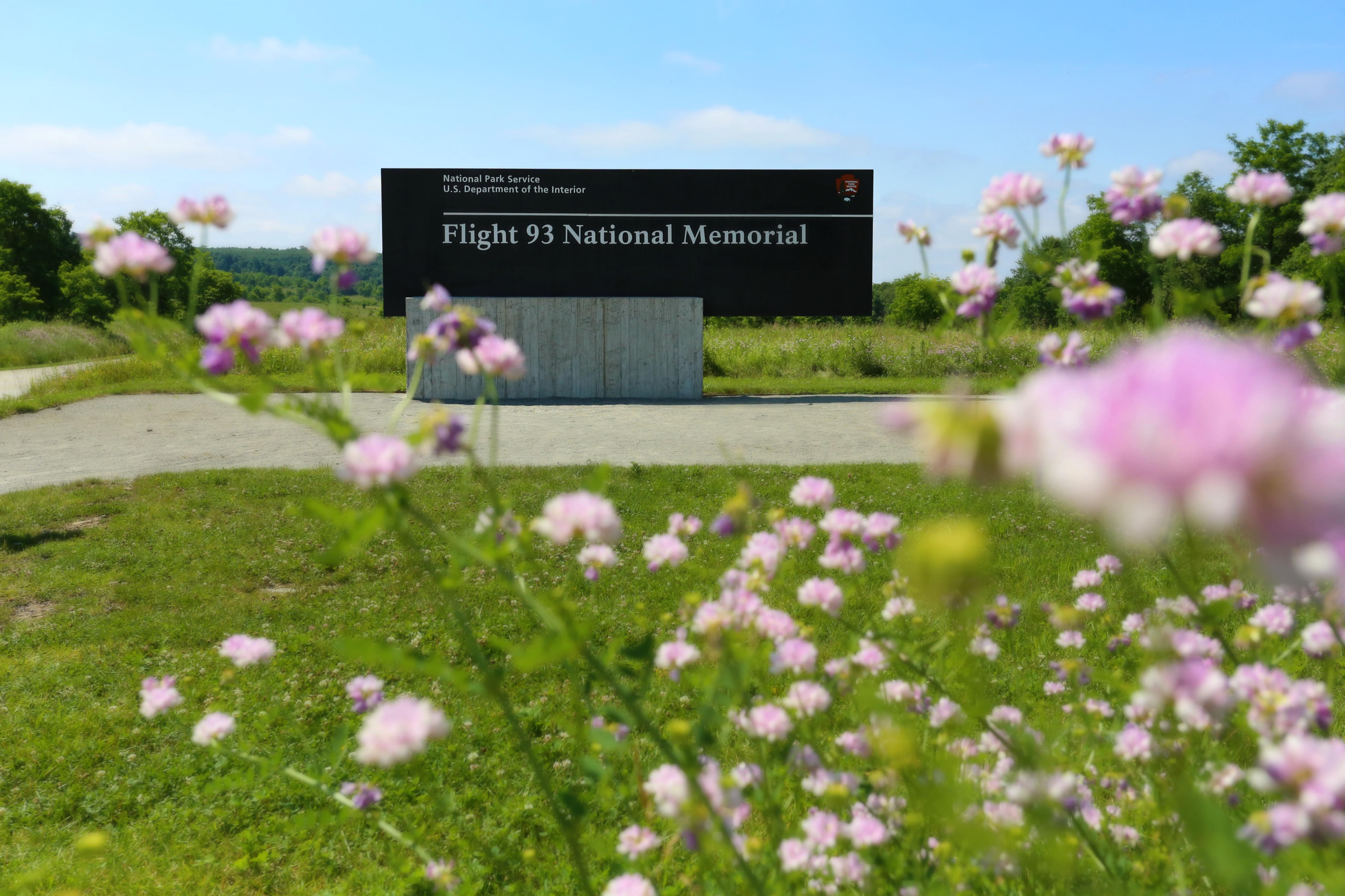
Flight 93 National Memorial is a site of remembrance and profound moral weight.
It commemorates the 40 passengers and crew of United Airlines Flight 93, who, on September 11, 2001, prevented the aircraft from reaching the U.S. Capitol by forcing it into a Pennsylvania field. The experience score of 46 accurately reflects a narrow activity range. This site offers more than recreation; it invites contemplation. Visitors come to stand where an extraordinary event occurred, to traverse the memorial trail, and to reflect on the choices made by those 40 individuals. The grounds are thoughtfully designed and deeply moving. This is not a casual stop. To treat it as such would diminish both the visitor's experience and the site's significance. Allocate ample time and approach with intention. For those who do, this becomes one of the most impactful places within the National Park System.
Why go
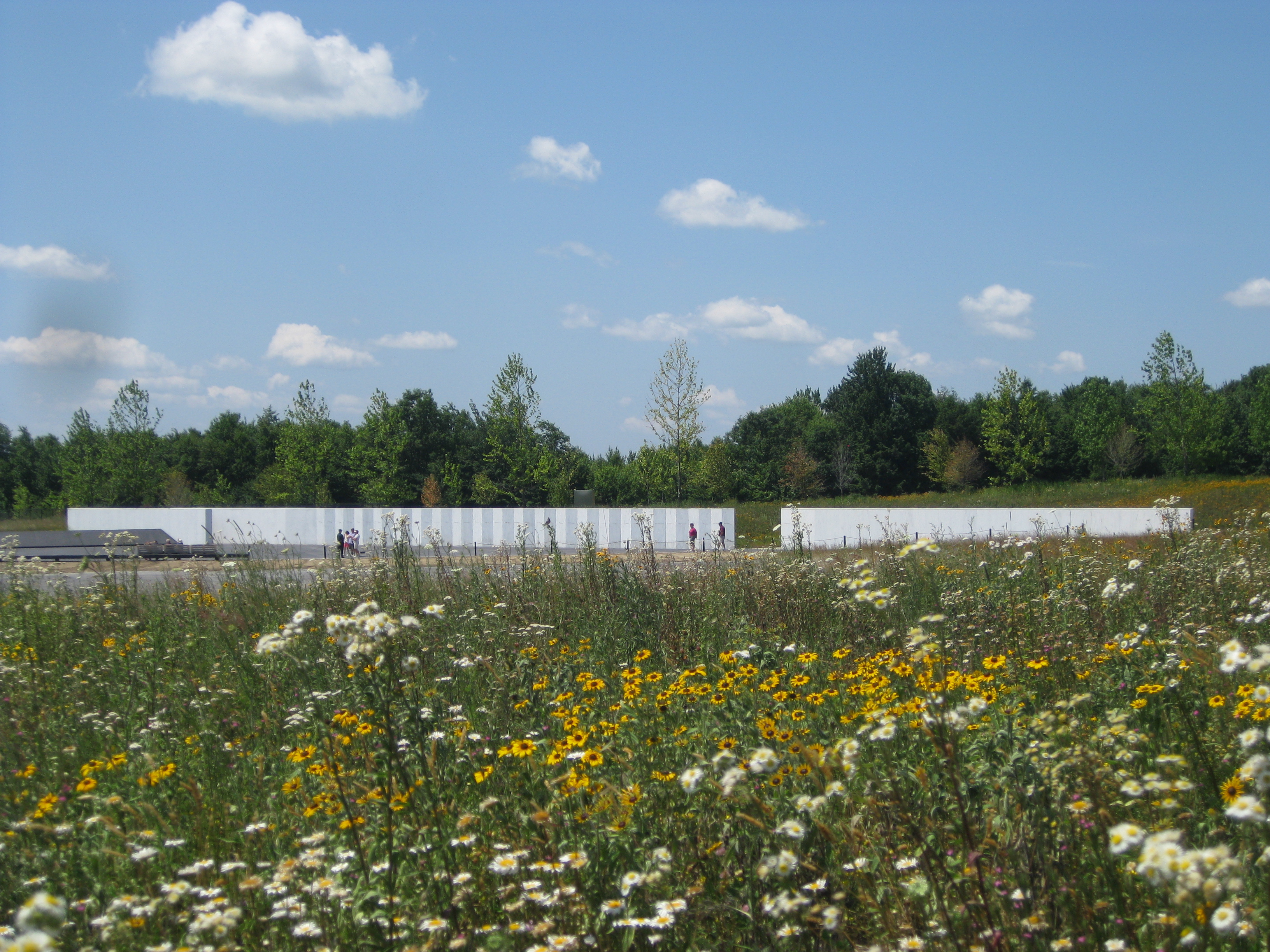
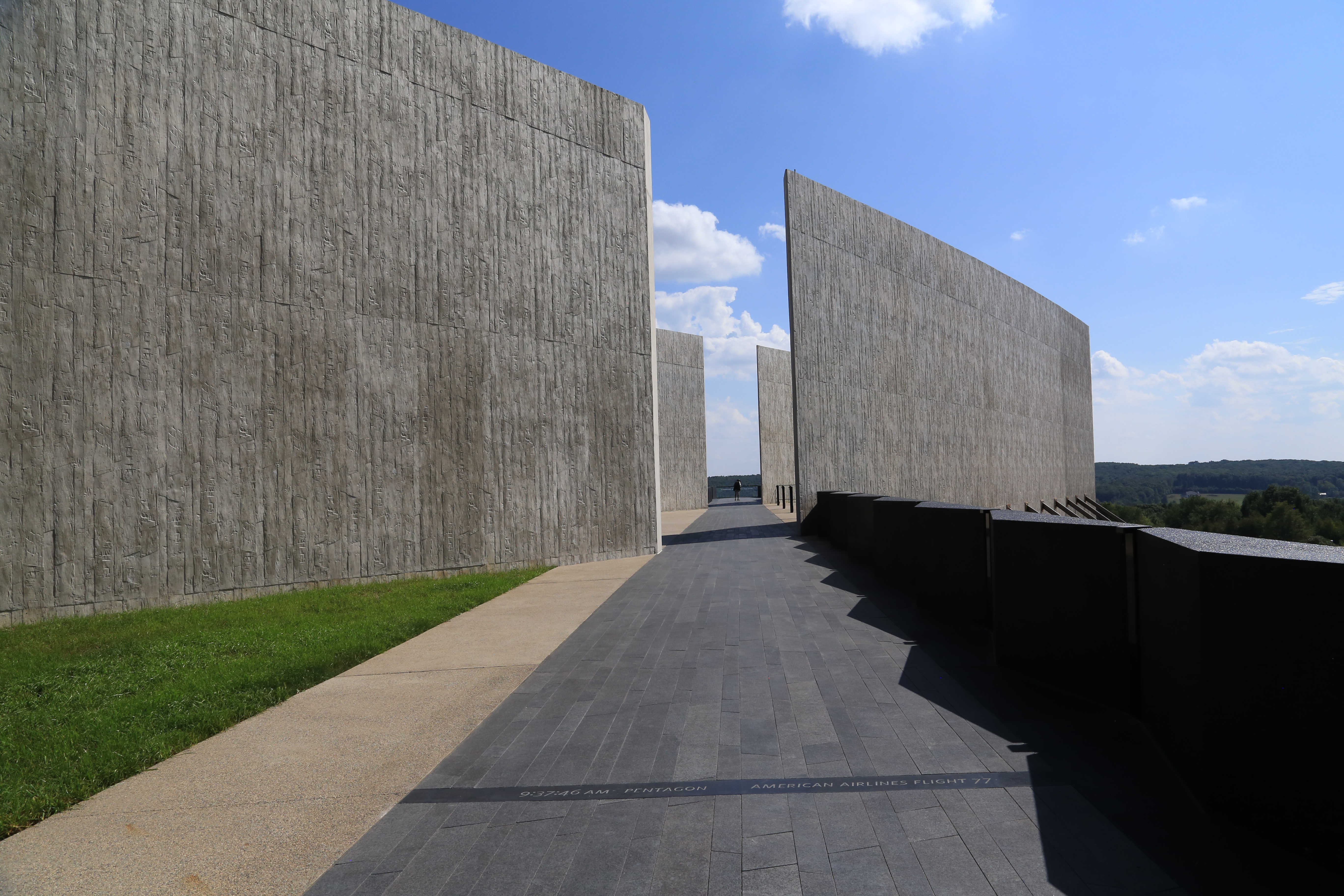
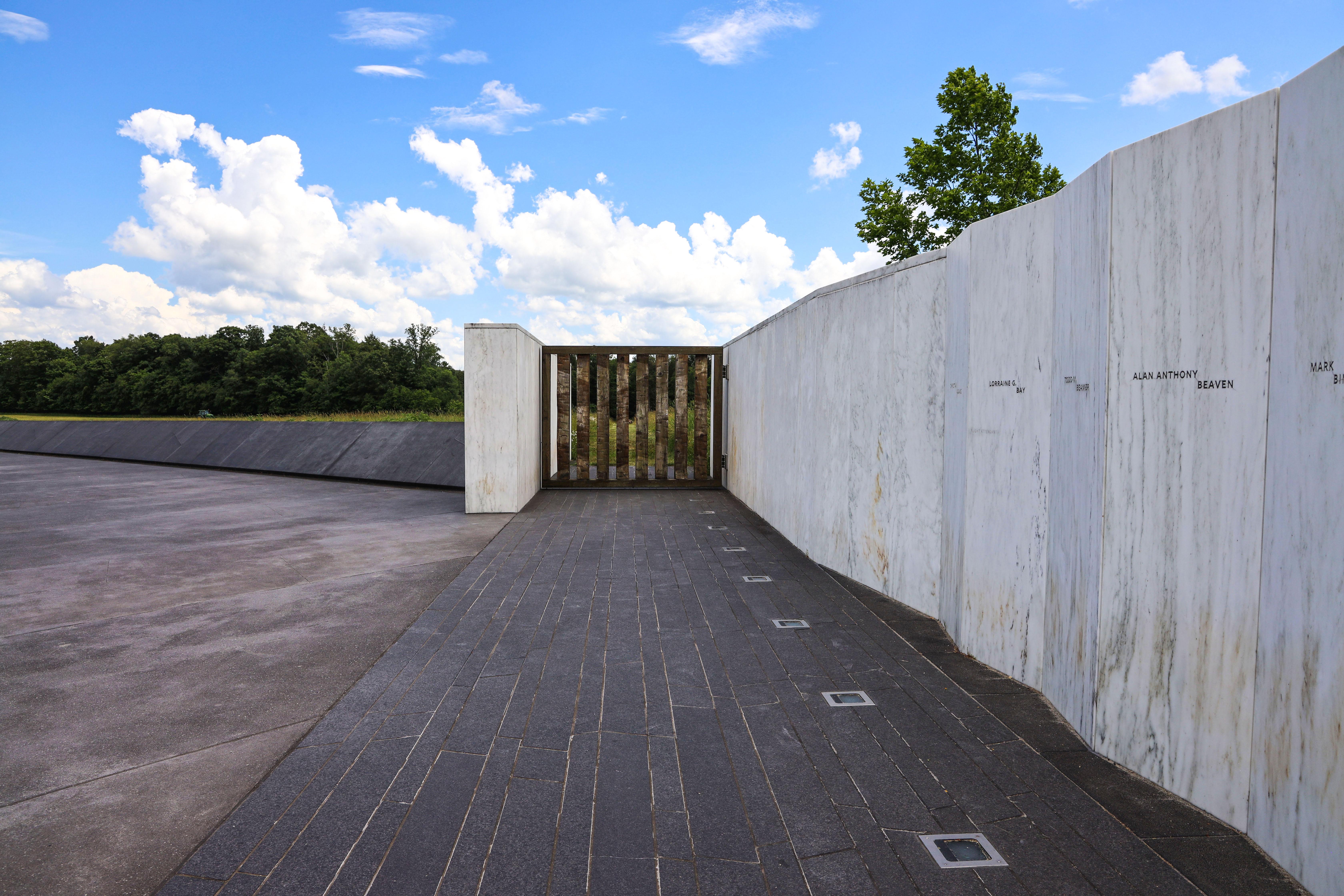
This unit demands more than a cursory stop. A self-guided walking trail offers passage through the landscape to the Wall of Names, where 40 victims receive individual honors. Guided tours further enhance the experience, linking the physical site to the documented timeline of the flight. The scenic approach drive establishes a deliberate tone. Families with children benefit from the Junior Ranger Program, framing history in age-appropriate terms. The documented combination of landscape, structured interpretation, and the crash site itself ensures an emotionally substantial and historically grounded visit.
Best for
This memorial suits visitors with a serious interest in modern American history, those wishing to honor the passengers and crew directly, and families introducing children to September 11 in a structured, respectful setting. The scale is the draw here. It does not accommodate visitors seeking outdoor adventure or diverse recreational activities. Casual sightseers should look elsewhere. For hiking or scenery, the surrounding Pennsylvania countryside offers more.
Best season
Access is seasonal. While the grounds are open year-round from sunrise to sunset, clear access is primarily a late spring through early fall proposition. Mild temperatures prevail then. The memorial notes that harsh winter weather, arriving as early as mid-October in Pennsylvania, prompts delayed openings or gate closures. A September visit, for obvious reasons, carries specific resonance for many.
The high points
- Walking the memorial trail to the Wall of Names, where each of the 40 victims is individually inscribed
- Ranger-led guided tours that place the site within the documented sequence of events on September 11
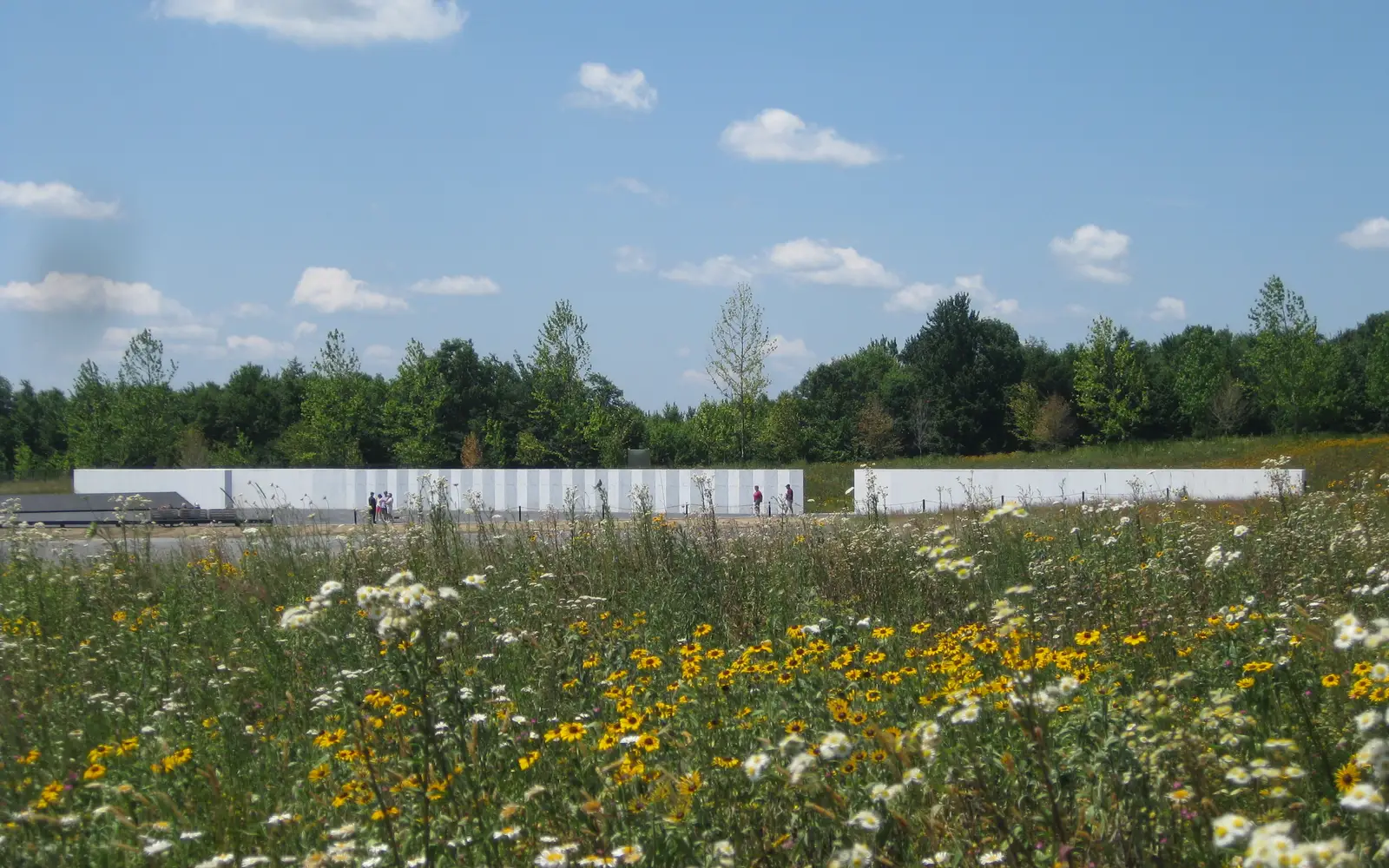
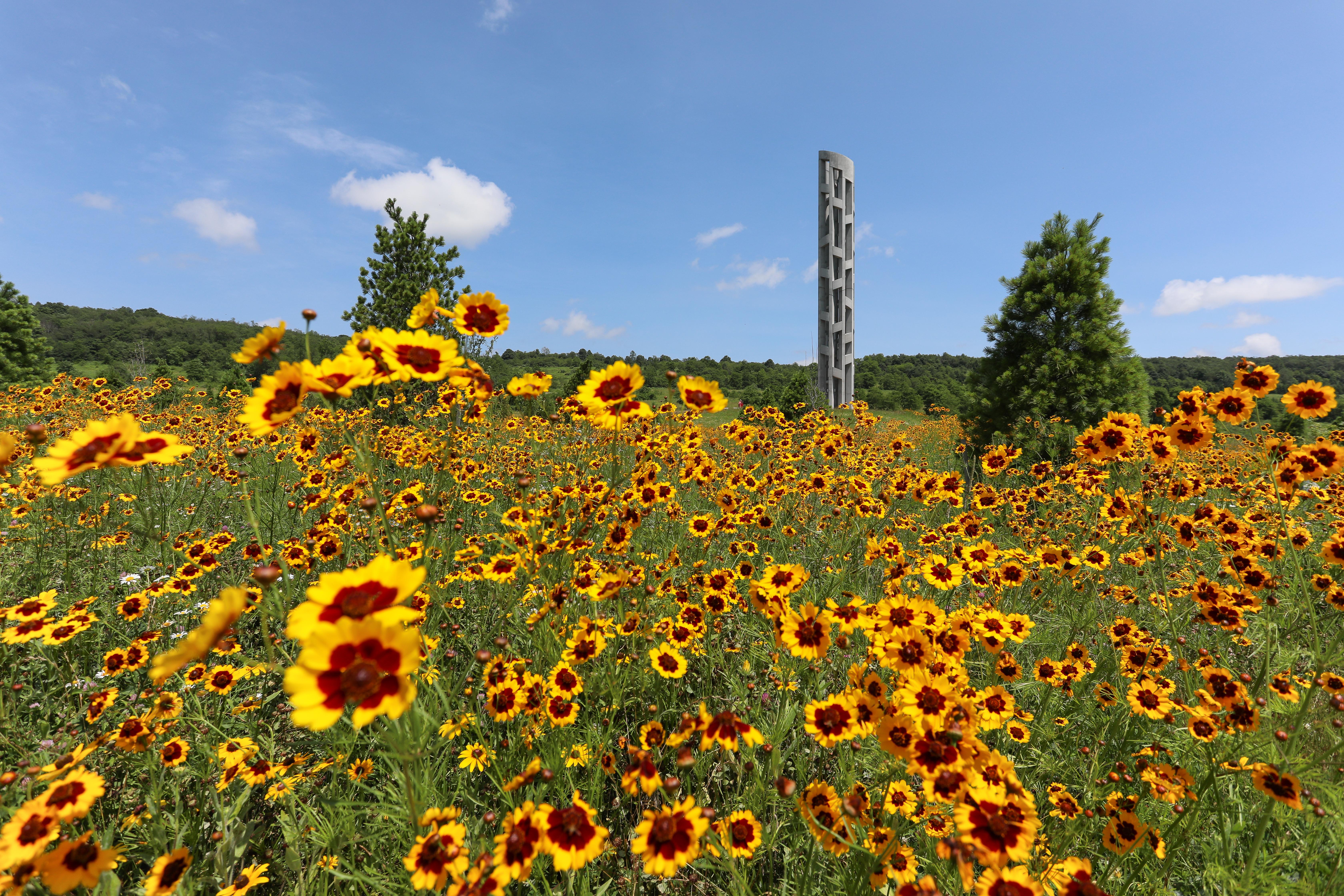
- The deliberate landscape design that frames the crash site itself as part of the memorial experience
- Junior Ranger Program offering a structured, age-appropriate framework for families with children
- Scenic drive approach to the grounds that transitions visitors into the tone of the site
- Free admission, making the memorial accessible without any financial barrier
Know before you go
This site presents a notable accessibility paradox: while entrance is free and no reservation is required, its rural Somerset County, Pennsylvania location demands forethought for fuel and food. The grounds are open daily from sunrise to sunset. However, winter weather, from mid-October to late March, frequently prompts closures, often with minimal advance notice. Consult NPS alerts for current conditions before traveling in cold or stormy periods. This is not a casual, spur-of-the-moment destination.
One more thingThe quiet power of the landscape rewards a guided tour. Ranger interpretation transforms the geography into a story. This makes the difference. While the physical landscape itself is spare, its historical context is not. The interpretive programs elevate the experience. Casual sightseers may miss the depth without a guide.