Should you visit Fishtrap Recreation Area?
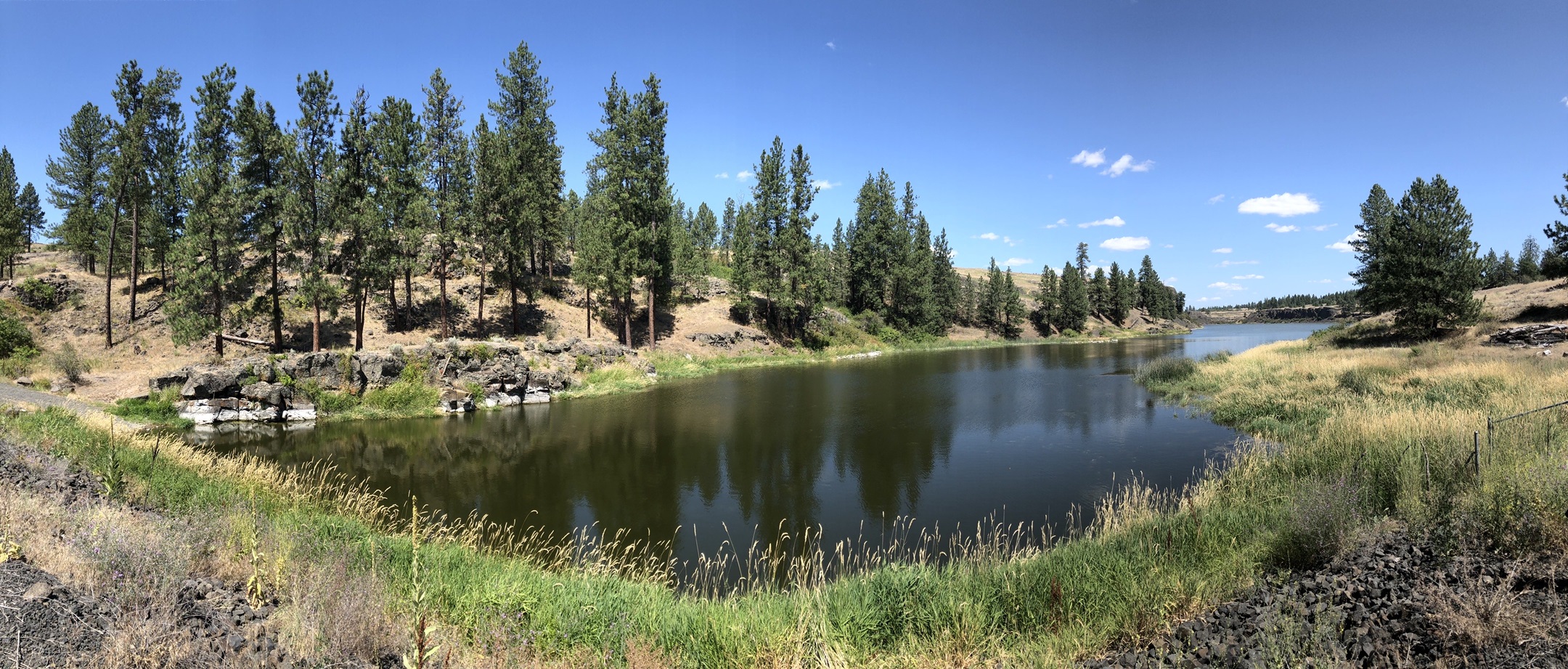
Fishtrap Recreation Area, a 9,000-acre Bureau of Land Management unit in eastern Washington, presents a diverse and compelling offering.
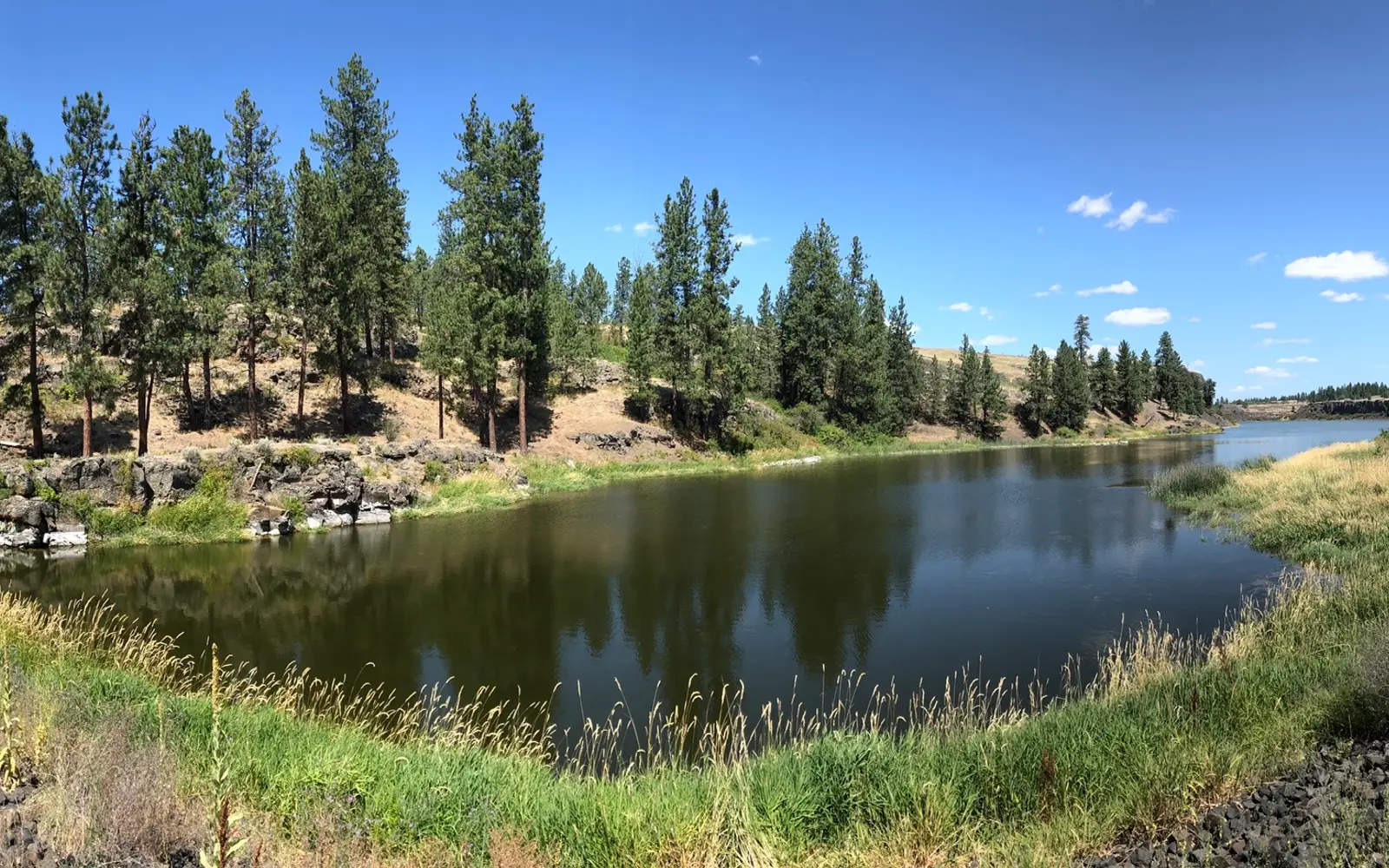
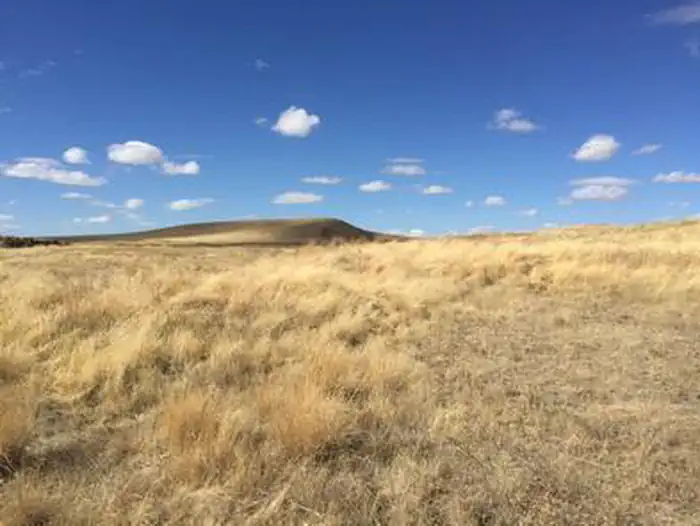
Its free access and undeveloped character distinguish it. Two fishing lakes provide aquatic recreation. The landscape encompasses shrub-steppe, grassland, and wetland habitats. A historic farmstead, Folsom Farm, adds a cultural dimension to the natural environment. Infrastructure is minimal, with no developed campgrounds. This deliberate rusticity prioritizes space and quiet. For those seeking varied outdoor activities in the Inland Northwest without fees or reservations, Fishtrap offers significant breadth. Casual sightseers should look elsewhere. This area suits visitors prioritizing self-sufficiency and open terrain.
What makes it worth it
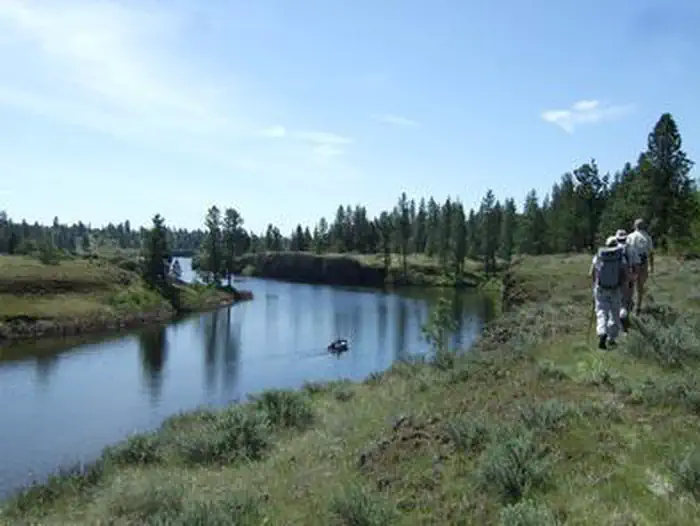
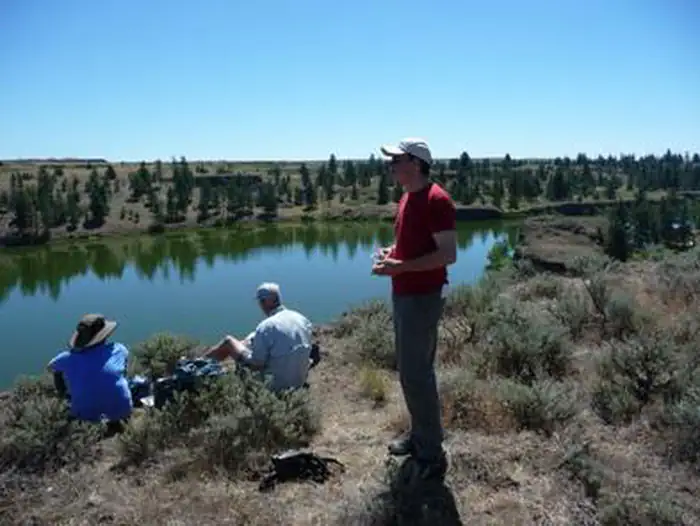
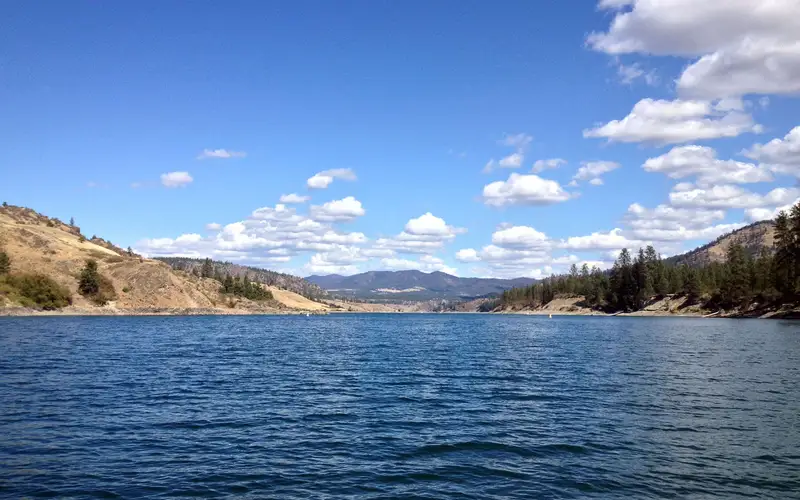
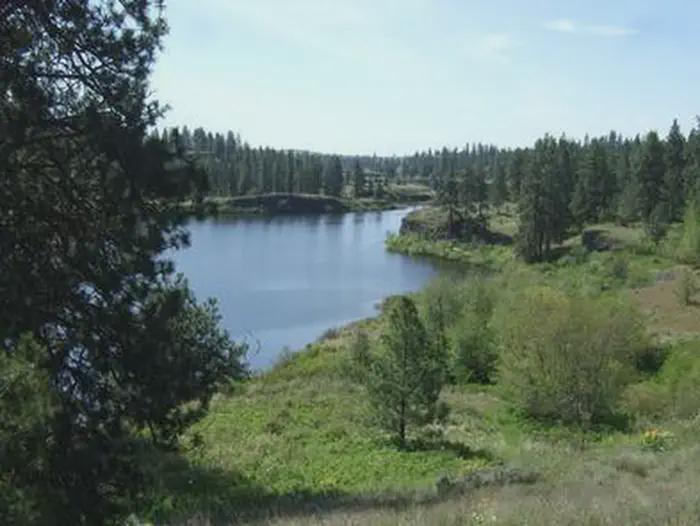
A good day at Fishtrap starts at one of the two lakes - Fishtrap Lake for warm-season rainbow trout fishing, or Hog Canyon Lake in winter - then branches out into hiking or mountain biking across terrain that shifts from ponderosa forest into open shrub-steppe and wetland edges. Wildlife viewing is genuinely productive here because the habitat mosaic attracts a wide range of bird species and other animals. The Folsom Farm historic site gives mid-day context, showing how this landscape was homesteaded in the late 1800s. Horseback riders can use the same open land that mountain bikers and hikers explore. Dispersed camping means you can claim your own spot, wake up to the landscape without a neighbor ten feet away, and organize a full weekend around fishing, swimming, and exploring.
Who should go
Fishtrap offers a compelling destination for the self-sufficient. Anglers, mountain bikers, dispersed campers, birders, and horseback riders will find abundant open space. The Folsom Farm provides historical context. Families prepared for primitive camping will discover varied opportunities. Travelers seeking developed facilities, hookups, or a visitor center will be disappointed.
When to go
Fishtrap Lake offers distinct seasonal draws. Spring and early summer present optimal conditions for mild temperatures, active wildlife, and trout fishing. Summer is best for swimming and boating. Winter provides solitude and ice fishing opportunities at Hog Canyon Lake; however, visitors must prepare for cold eastern Washington winters and potential road impacts. Fall brings quieter conditions and increased wildlife activity. This is a destination for those who appreciate seasonal shifts and varied outdoor pursuits.
Highlights
- Free dispersed camping across 9,000 acres with no reservation required
- Rainbow trout fishing at Fishtrap Lake and seasonal fishing at Hog Canyon Lake
- Mountain biking and hiking through shrub-steppe, grassland, and forest habitat
- Historic Folsom Farm site documenting late 1800s homesteading in the Inland Northwest
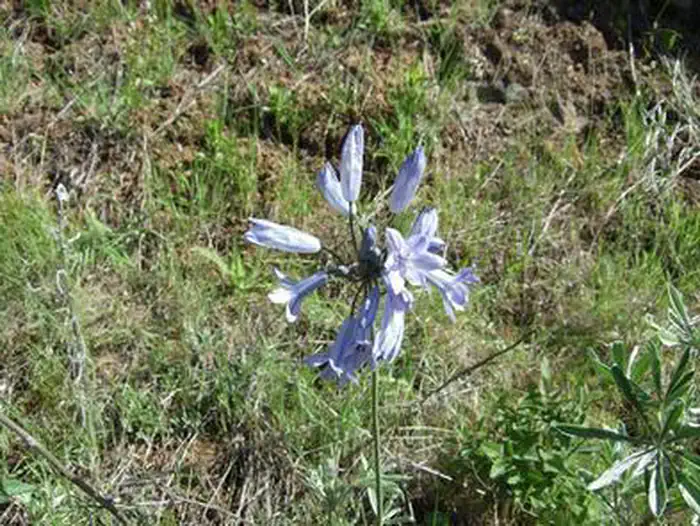
- Wildlife viewing across a genuine habitat mosaic including wetlands and open steppe
- Horseback riding and motorboating with accessible swimming access
Plan ahead
This unit requires self-sufficiency. Free to enter, it offers dispersed tent camping, but expect no amenities: no hookups, no dump stations, and no reservable sites exist. Overnight parking and camping are prohibited at specific, signed locations. Cell service is unreliable; download all necessary maps prior to arrival. Casual sightseers should look elsewhere. This is for the prepared.
Editor's tipHog Canyon Lake is the clear choice for winter fishing. Between November and March, this lake offers the best angling opportunities. Fishtrap Lake, a more common default, does not share Hog Canyon's seasonal appeal. Experienced visitors understand this distinction. For cold-weather angling, Hog Canyon Lake is the destination.