Should you visit Fire Island National Seashore?
Fire Island National Seashore garners a 95 Experience Score, reflecting its substantial offerings.
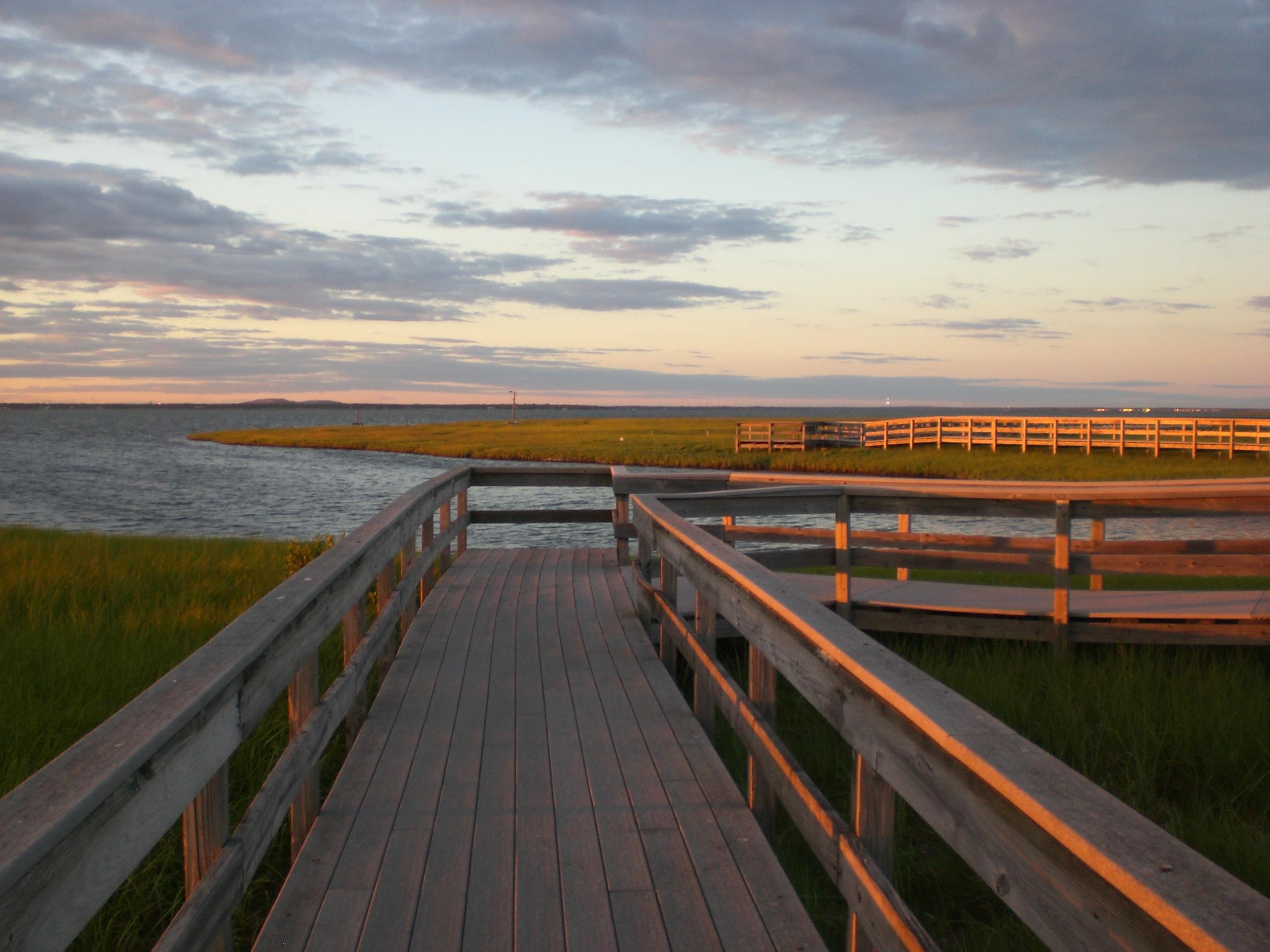
This barrier island unit, off Long Island's south shore, presents a unique blend of car-free beaches, a functioning lighthouse, and a designated federal wilderness. It supports significant birding and wildlife, offers dark-sky stargazing, and provides overnight camping options. The entire park is readily accessible from New York City. This is not a remote destination for deep wilderness immersion. Day-trippers can
What makes it worth it
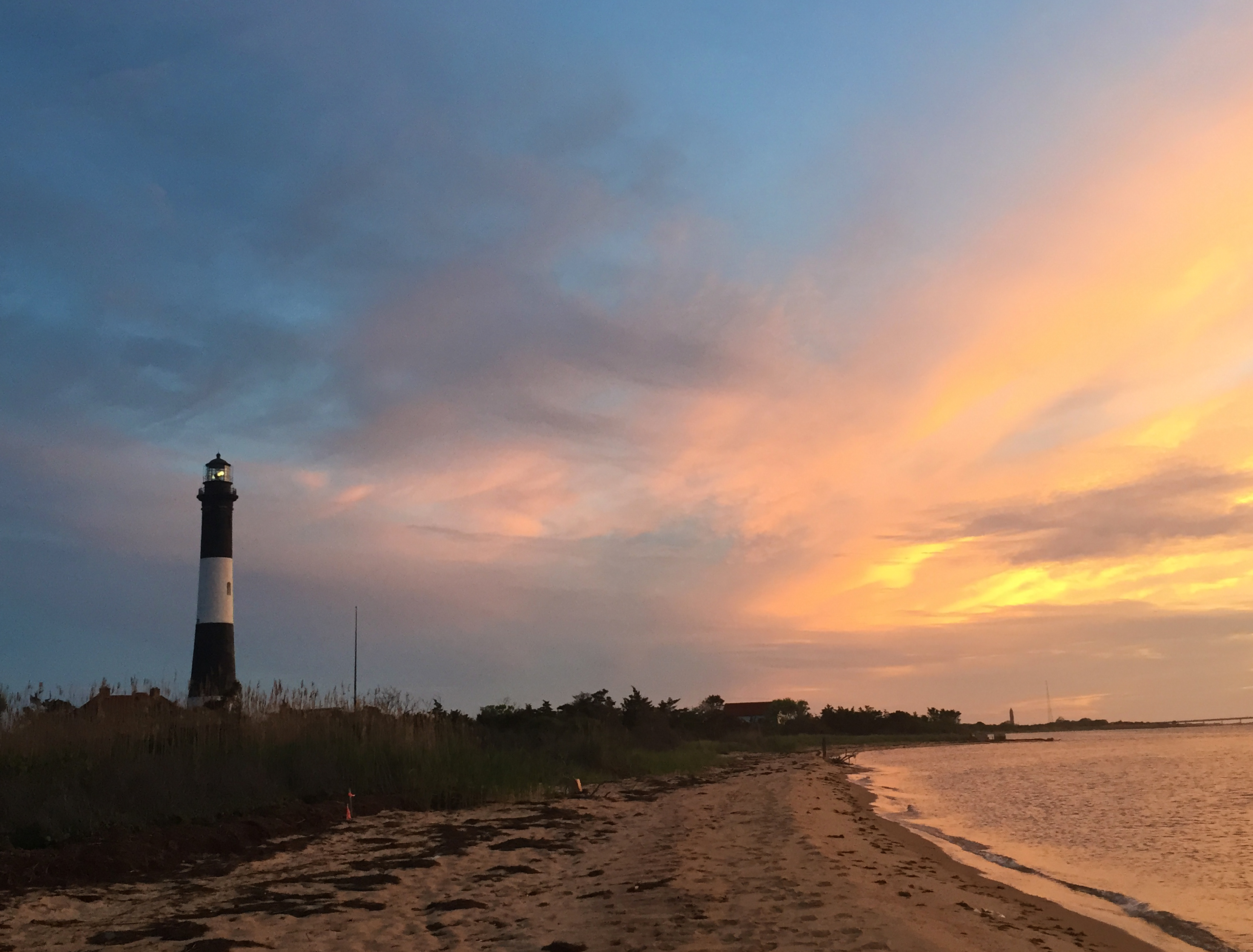
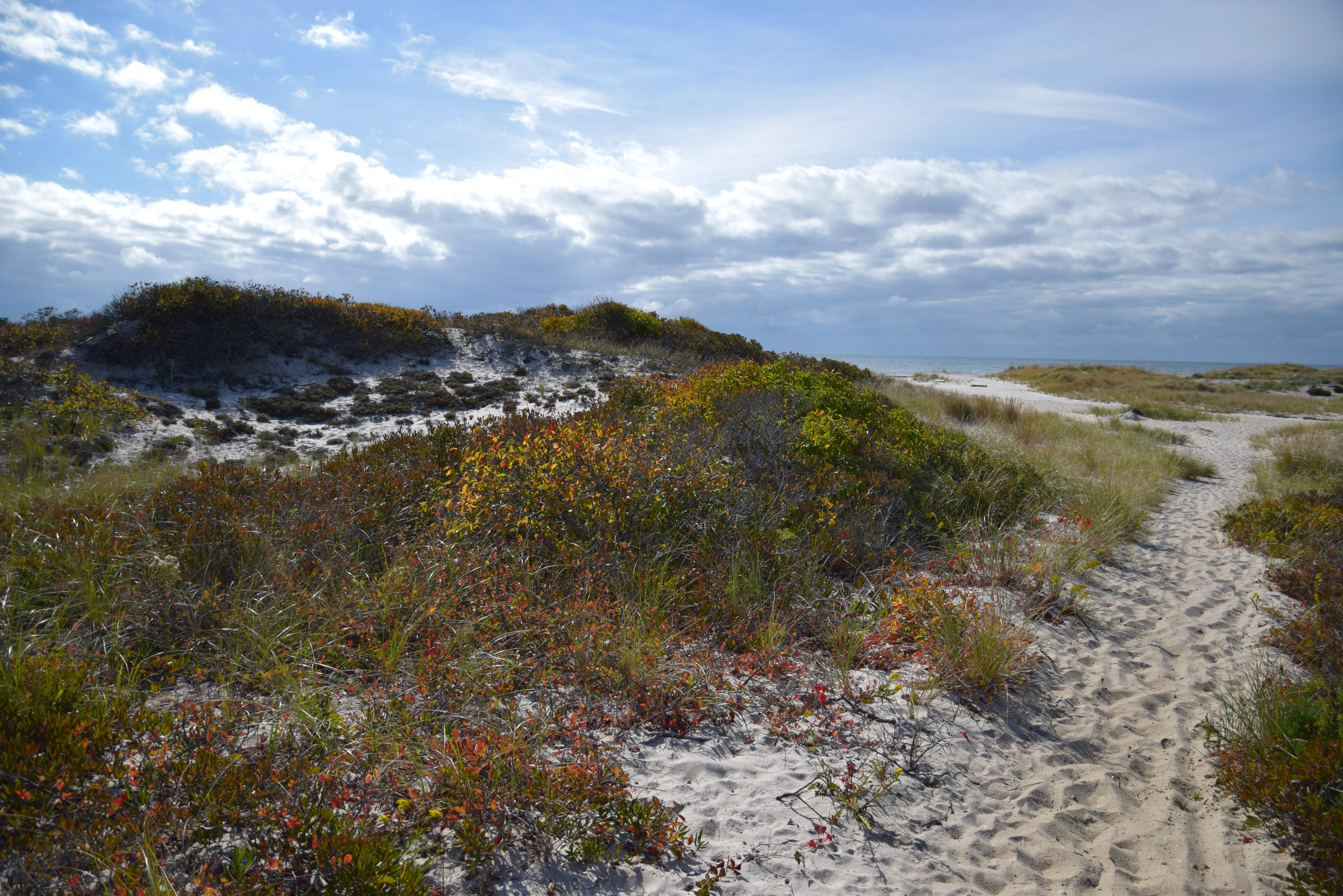
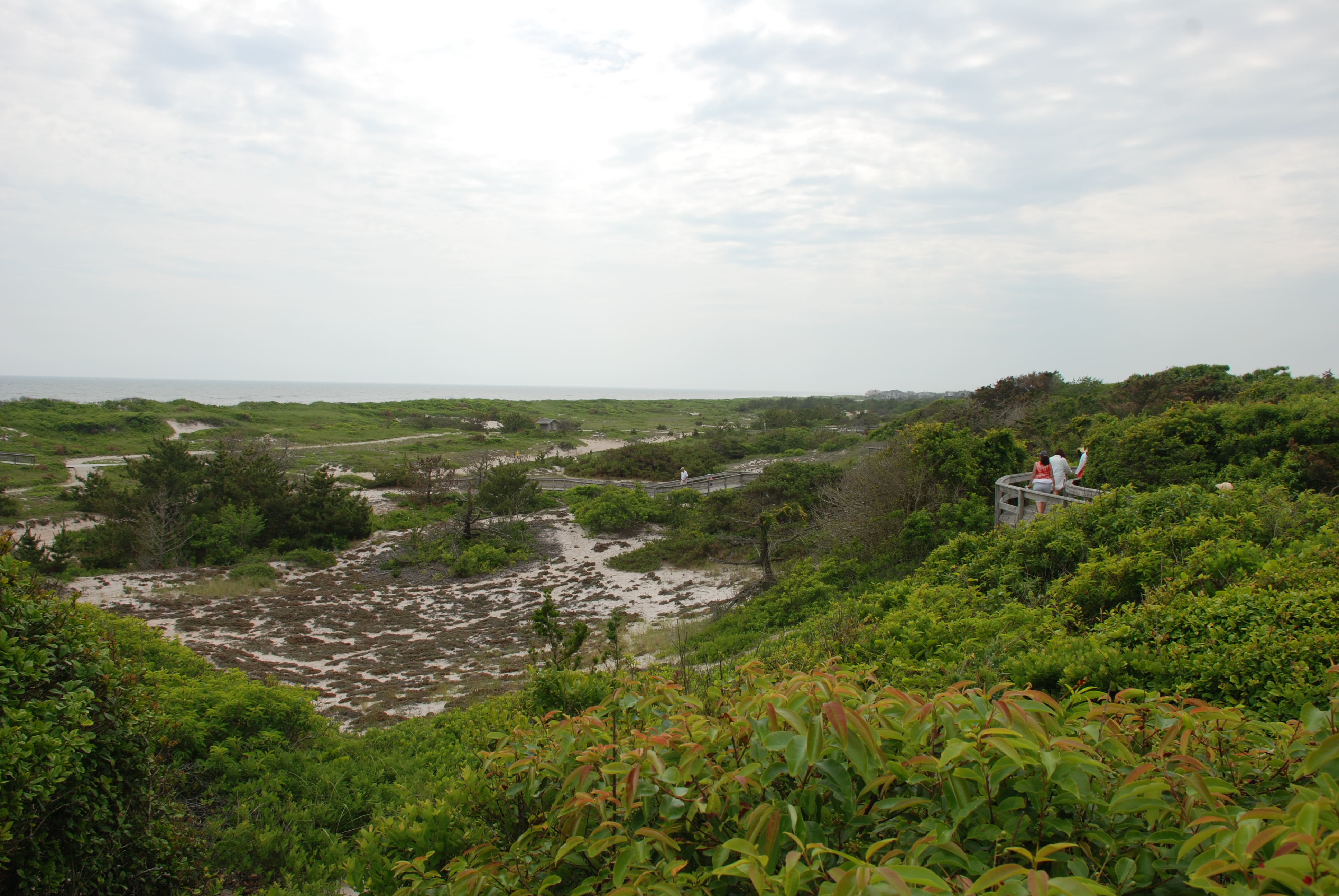
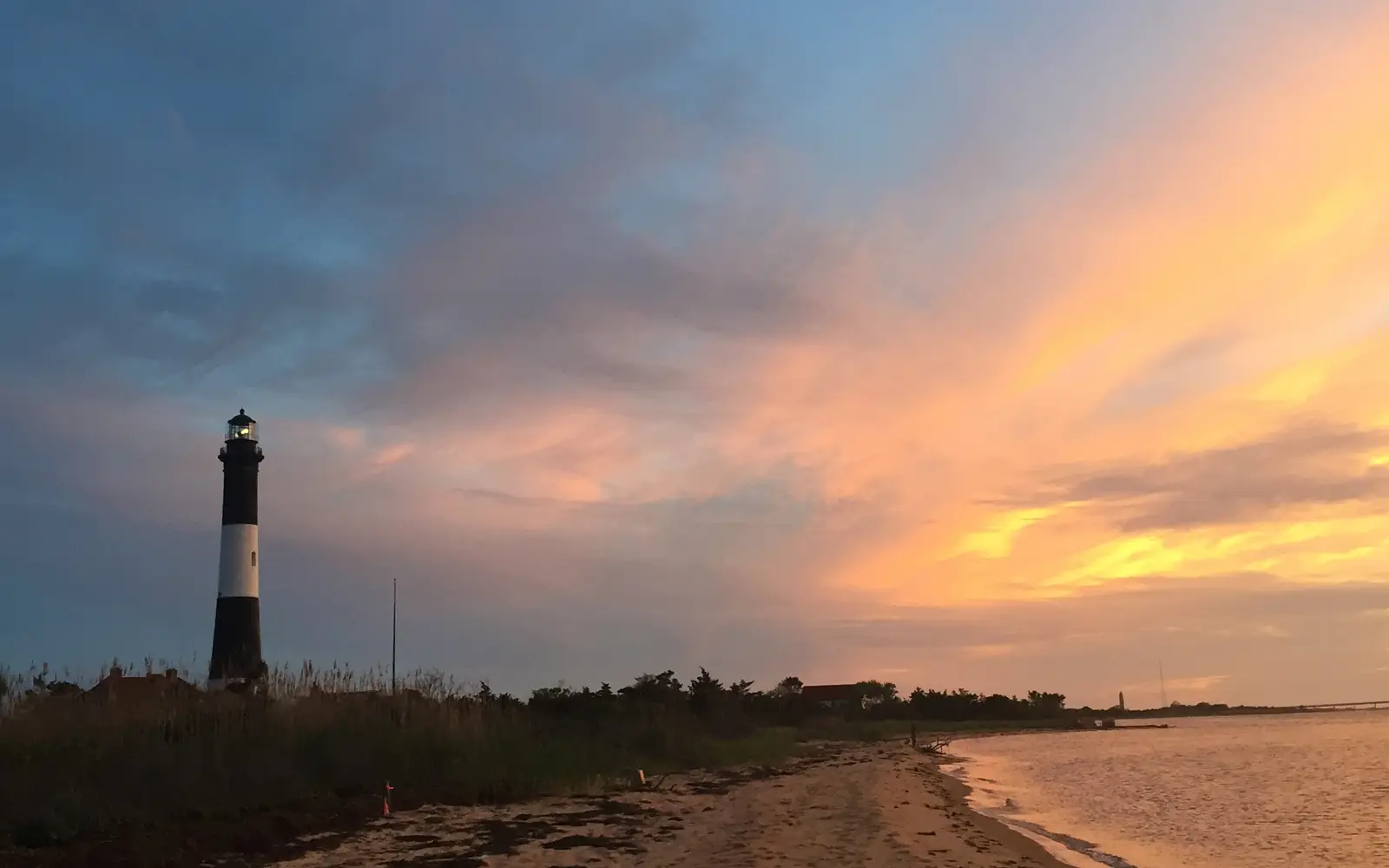
Fire Island National Park requires a ferry from the mainland; this immediately sets a different pace than most park experiences. This unit offers access to Atlantic surf, the Otis Pike Fire Island High Dunes Wilderness, and significant birdwatching opportunities. It is the only federally designated wilderness in New York State. The Fire Island Lighthouse provides a notable landmark. For evening visitors, the lack of light pollution makes stargazing a real possibility. Anglers can access both surf and bay for fishing. Backcountry camping is available. For what it offers in beach, wilderness, history, wildlife, and astronomy, Fire Island presents a compelling, free, ferry-accessed option in the Northeast.
Who should go
Fire Island suits beach hikers, birders, and campers seeking a structured, adventurous day trip near New York City. Stargazers willing to stay overnight will find it rewarding. Skip Fire Island if you seek remote, crowd-free wilderness in peak season. Those averse to ferry logistics and car-free access should also consider other options.
When to go
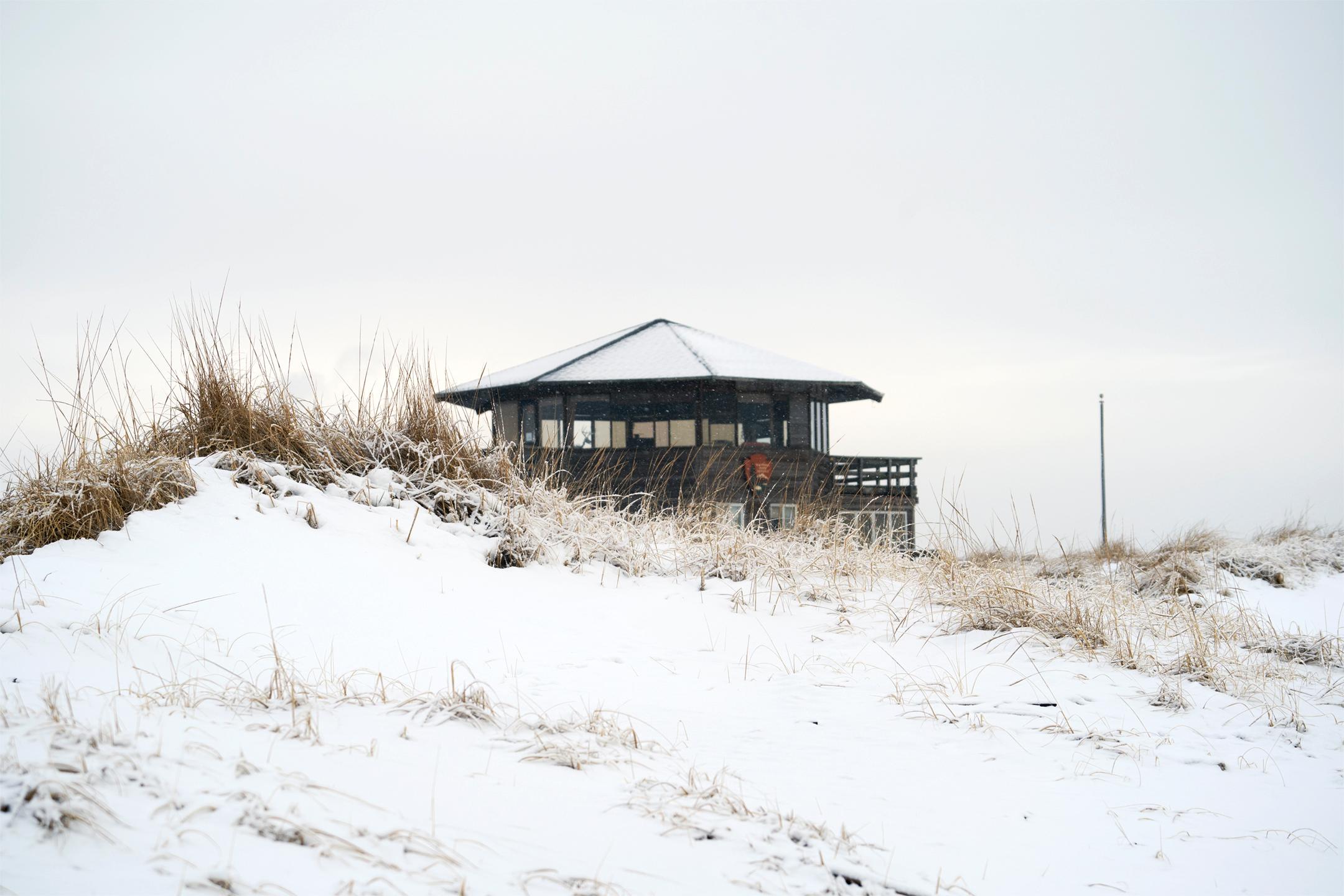
The window for a visit here is narrow, with late May through early June offering optimal conditions for swimming and bird migration before the largest crowds arrive. Fall, specifically September and October, presents cooler temperatures, excellent migratory birding, and notably fewer visitors. While summer sees the most activity, it is also the most crowded. Winter provides quiet and stark landscapes, but reduced ferry schedules significantly limit access.
Highlights
- The Fire Island Lighthouse, a functioning historic structure with guided tours available
- Otis Pike Fire Island High Dunes Wilderness, the only federally designated wilderness in New York State
- Backcountry and designated camping for overnight stays on the island
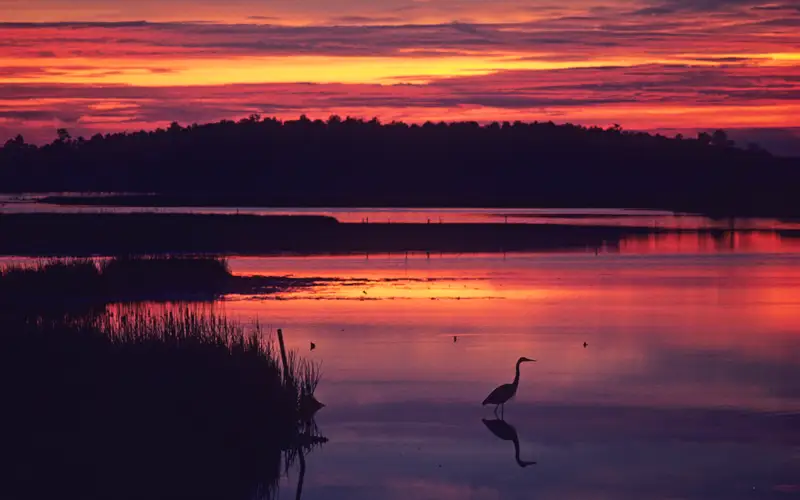
- Strong migratory birding and wildlife watching along the Atlantic flyway
- Car-free beach access with Atlantic surf swimming
- Genuine dark-sky stargazing after the day visitors leave on the evening ferry
Plan ahead
Entry to the national seashore is free. However, ferry service from the mainland, operated independently of the NPS, incurs a separate fee. Most of Fire Island itself prohibits private vehicles. Backcountry camping requires a permit. Consult ferry schedules meticulously before any visit; last boats to the mainland have strict departure times, and missing one presents a significant logistical challenge.
Editor's tipFor stargazers, a new moon visit is essential. Plan to stay past the last ferry. With early evening departures, the island sheds most of its crowds. The open ocean horizon combined with minimal light pollution allows for impressive night sky viewing, particularly for a location within the New York metropolitan area.