parkverdict
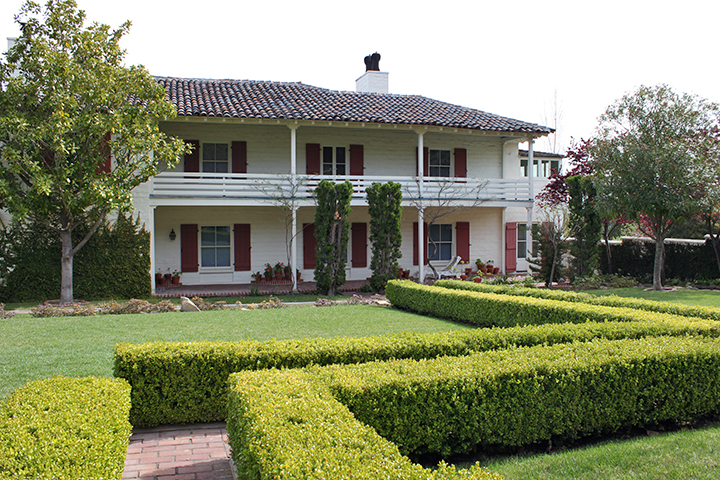
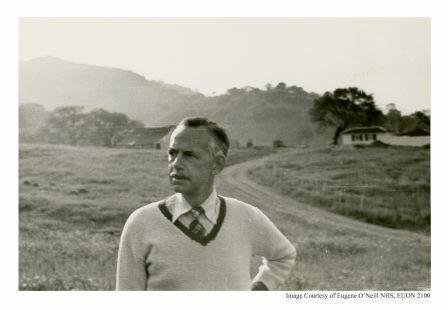
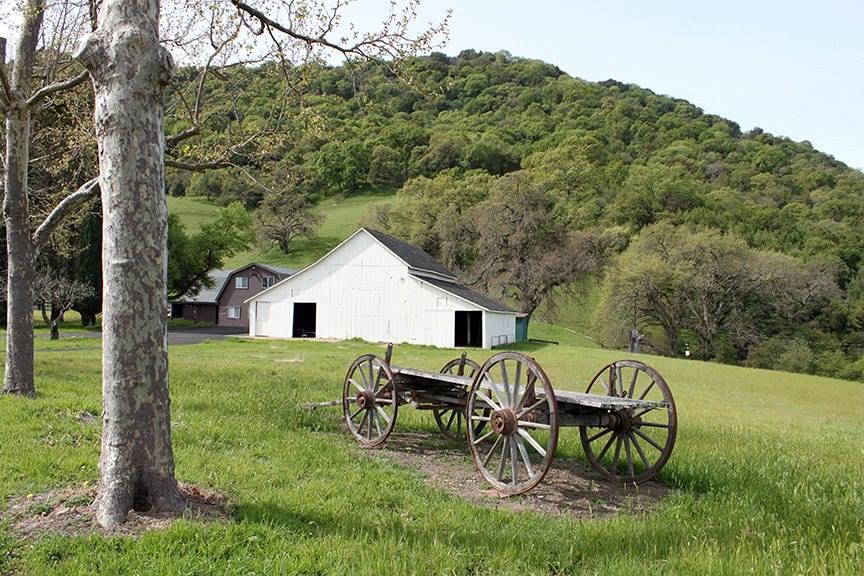
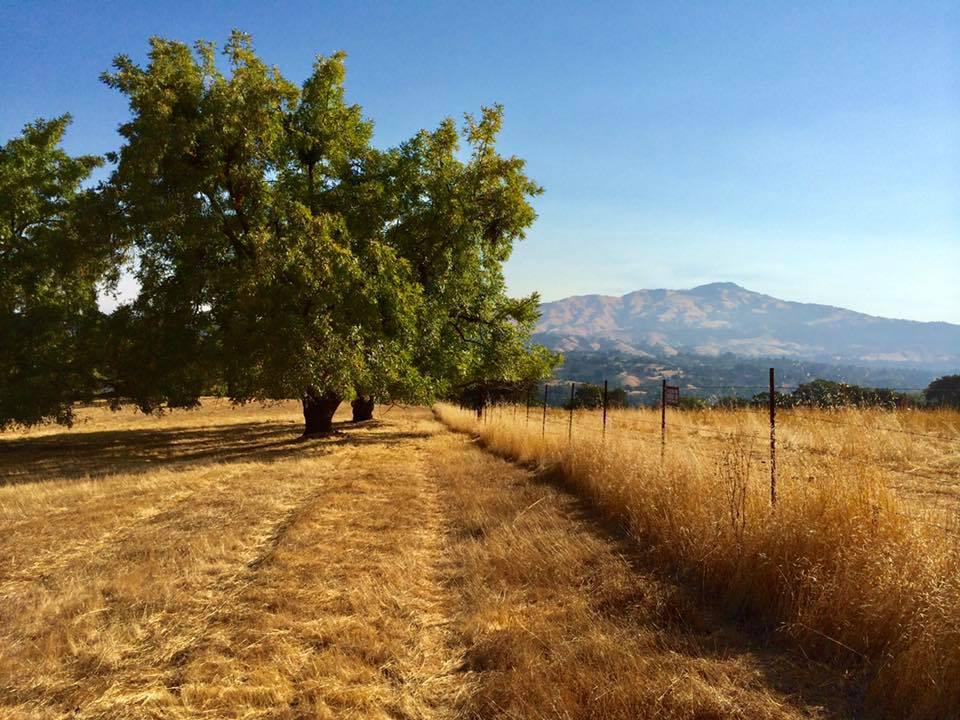
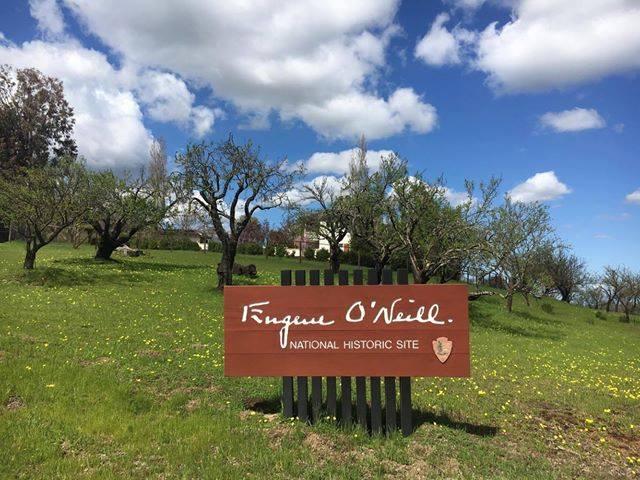
Eugene O'Neill Home in Danville, CaliforniaAn old barn and an historic wheeled wagon sit in front of a tree-lined hill.A tree is seen sitting against a small mountain background. A fence runs along the right side.A sign with the park name is sitting in a field of trees.
National Historic SiteCA

Eugene O'Neill National Historic Site

NPS / NPS Photo/Luther Bailey
45/ 100FOCUSED
parkverdict Experience ScoreIndependent, not sponsored

45 of 100. Our independent breadth-and-access index. How we score

Our verdict

Should you visit Eugene O'Neill National Historic Site?

Eugene O'Neill wrote Long Day's Journey Into Night and The Iceman Cometh at Tao House, and both plays pulled from his own life more directly than anything he had written before.

They also helped lock in the reputation that won him the Nobel Prize. A visit here is a literary experience, not a scenic one. A guide takes you through the restored house in Danville, California, walks you through O'Neill's creative and personal struggles, and leaves you with a real sense of how American theater got to where it is. The site is small and quiet on purpose. You do not wander freely or fill half a day with activities. Getting there requires advance reservations and a drive down a gated private road, which sets the tone before you ever step inside. If O'Neill or American literary history means something to you, that unhurried, focused atmosphere is the whole point. If it does not, the narrow scope will feel like exactly that.

What makes it worth it

The guided tour of Tao House is the heart of any visit, walking you through the actual rooms where O'Neill wrote during the peak of his career. Museum exhibits fill in the biographical and theatrical background, and the bookstore and park store carry texts of the plays along with related materials. Bring children and you can work in the Junior Ranger Program, which gives younger visitors a structured way to engage with the history. Very few Americans have ever stood inside the study where a working Nobel laureate actually wrote, and that alone makes the place worth the trip. Access is controlled and group sizes stay small, so the tour moves without feeling crowded or rushed. That unhurried pace changes how the storytelling lands, in a way you notice if you have ever tried to absorb anything meaningful at a busier historic site.

Who should go

Anyone with a genuine interest in O'Neill, American theater, or the way a writer's life seeps into the work will find the trip worth making. Teachers and serious students of 20th-century drama should put it near the top of their list. Families with older, curious kids can get real value from a visit. If hiking, scenery, or open-ended wandering is the main draw, though, the Bay Area has better options for that.

When to go

Spring and fall are the most comfortable times to visit, with temperatures that usually stay between 55 and 80 degrees, well below the summer heat that can push Danville close to 100 degrees. Summer visits are still perfectly manageable, but dress for it. Winter tends to be cooler and rainier, though since most of the experience happens indoors, it holds up as a reasonable time to go. One thing stays constant no matter when you visit: reservations are required.

Highlights

  • Guided tour of the restored Tao House where O'Neill wrote his final masterpieces
  • Museum exhibits connecting O'Neill's biography to his landmark late plays
  • Bookstore stocked with O'Neill texts and related American theater history titles
  • Junior Ranger Program for younger visitors engaging with literary history
  • Intimate small-group access that keeps the tour atmosphere personal and unhurried
  • Free admission to a site directly tied to a Nobel Prize in Literature

Plan ahead

Admission is free, but you need a reservation before you go. The site is behind a private gated road, so showing up without one will get you turned away. Double-check your reservation details before you leave, because access here is stricter than at most NPS units. Tour times and schedules shift by season, so look at the NPS website before you lock anything in.

Editor's tipSkim a summary of Long Day's Journey Into Night before you go. Understanding what O'Neill was personally wrestling with when he wrote in those rooms makes the guided tour land much harder, and the docents will not spend time recapping the play for you.

How we scored it

Behind the 45

The number is not a mood. It is a few things we can actually check in public records, added up and capped so no single one runs away with the total. It tracks how much a place has going on and how easy it is to reach, and nothing about scenery or crowds. Here is what added up to 45:

  • Activity breadth8 documented activities
  • Topic breadth1 topic
  • Official imagery5 public-domain images
  • Camping on sitenone recorded
  • Entry costfree

No number is hand-adjusted and no unit pays for placement. The full weights, the floor at 18 and a worked example are on how we score.

The honest limits

What the number leaves out

Worth saying plainly: this number only knows what the data shows, which is breadth and access. It has no idea whether the scenery is jaw-dropping, whether the lot is a zoo in July, what shape the trails are in, or how good the guided walks are. So do not read a lower score as a worse day out. A focused little site can beat a big all-rounder for the right person. Compare the numbers for what is on offer, then read the verdict for who each place actually suits.

Overview

About Eugene O'Neill National Historic Site

Eugene O'Neill, America's only Nobel Prize-winning playwright, walked away from the spotlight at the height of his career and retreated to Northern California. Working in near-seclusion at Tao House, he produced the late plays that cemented his legacy: The Iceman Cometh, Long Day's Journey Into Night, and A Moon for the Misbegotten.

On documented breadth and access, Eugene O'Neill National Historic Site ranks 44th of 45 park and public-land units we score in California.

Climate note

Danville has a Mediterranean climate, which means summers are hot and dry, with temperatures swinging from around 60 F up to near 100 F. Winters bring rain and cooler air, with lows near 45 F and highs near 75 F. Spring and fall are the easy seasons, mild and occasionally rainy, with temperatures generally sitting between 55 and 80 F.

Things to do

What it offers

Arts and CultureTheaterGuided ToursJunior Ranger ProgramMuseum ExhibitsShoppingBookstore and Park StoreGift Shop and Souvenirs
Common questions

Eugene O'Neill National Historic Site: quick answers

Is Eugene O'Neill National Historic Site worth visiting?

Eugene O'Neill wrote Long Day's Journey Into Night and The Iceman Cometh at Tao House, and both plays pulled from his own life more directly than anything he had written before.

Is Eugene O'Neill National Historic Site free to visit?

No charge at the gate.

What is Eugene O'Neill National Historic Site best for?

It leans hardest toward good with kids, guided tours, history & culture, going by the 8 activities it actually documents.

When is the best time to visit Eugene O'Neill National Historic Site?

Spring and fall are the most comfortable times to visit, with temperatures that usually stay between 55 and 80 degrees, well below the summer heat that can push Danville close to 100 degrees.

How is the Experience Score for Eugene O'Neill National Historic Site calculated?

The 45 comes straight from public data on how much the place documents and how easy it is to reach, things like activities, topics, photos, camping and whether entry is free. It says nothing about scenery or how busy it gets.