Is Ellis Island Part of Statue of Liberty National Monument worth your trip?
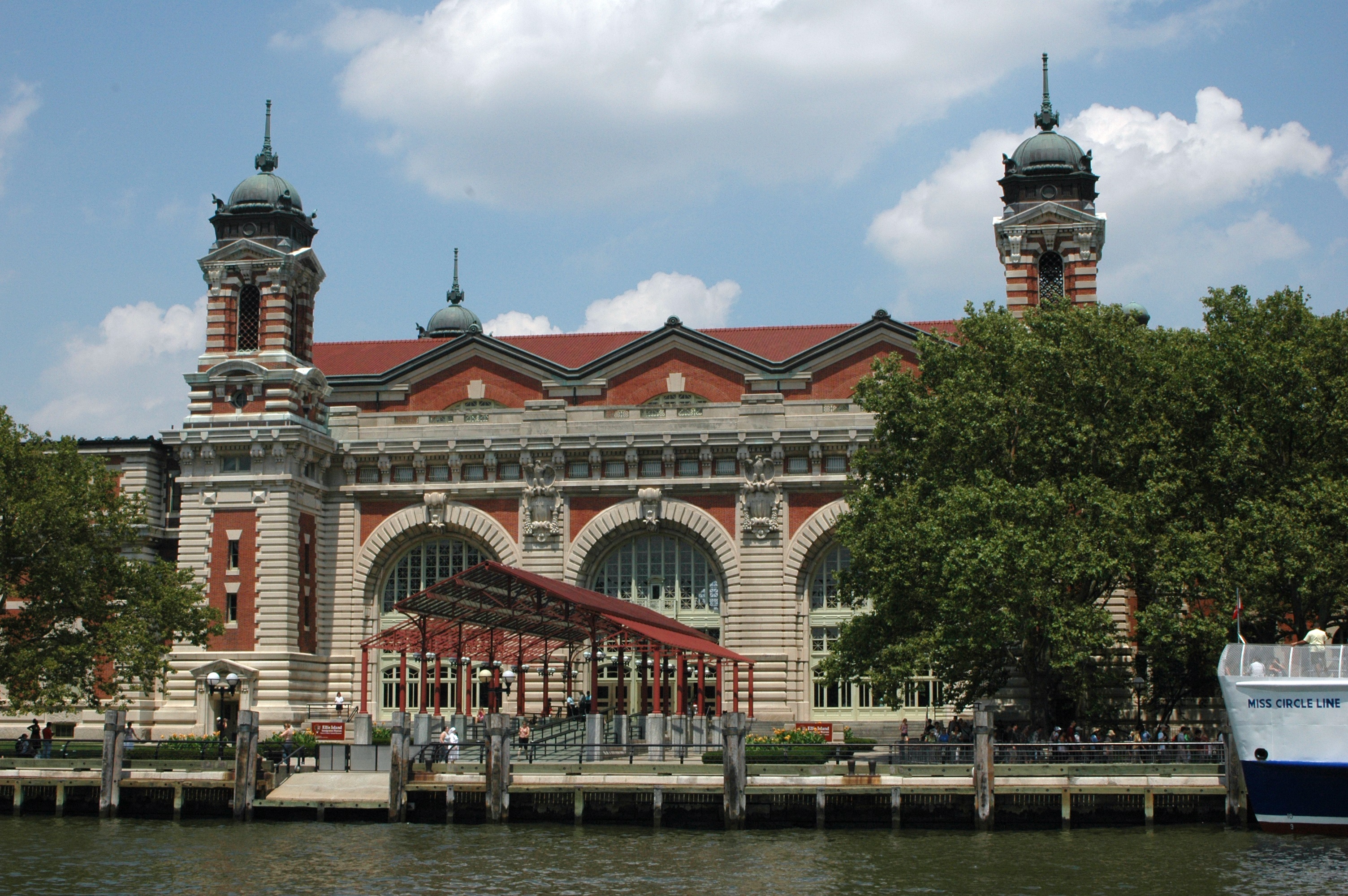
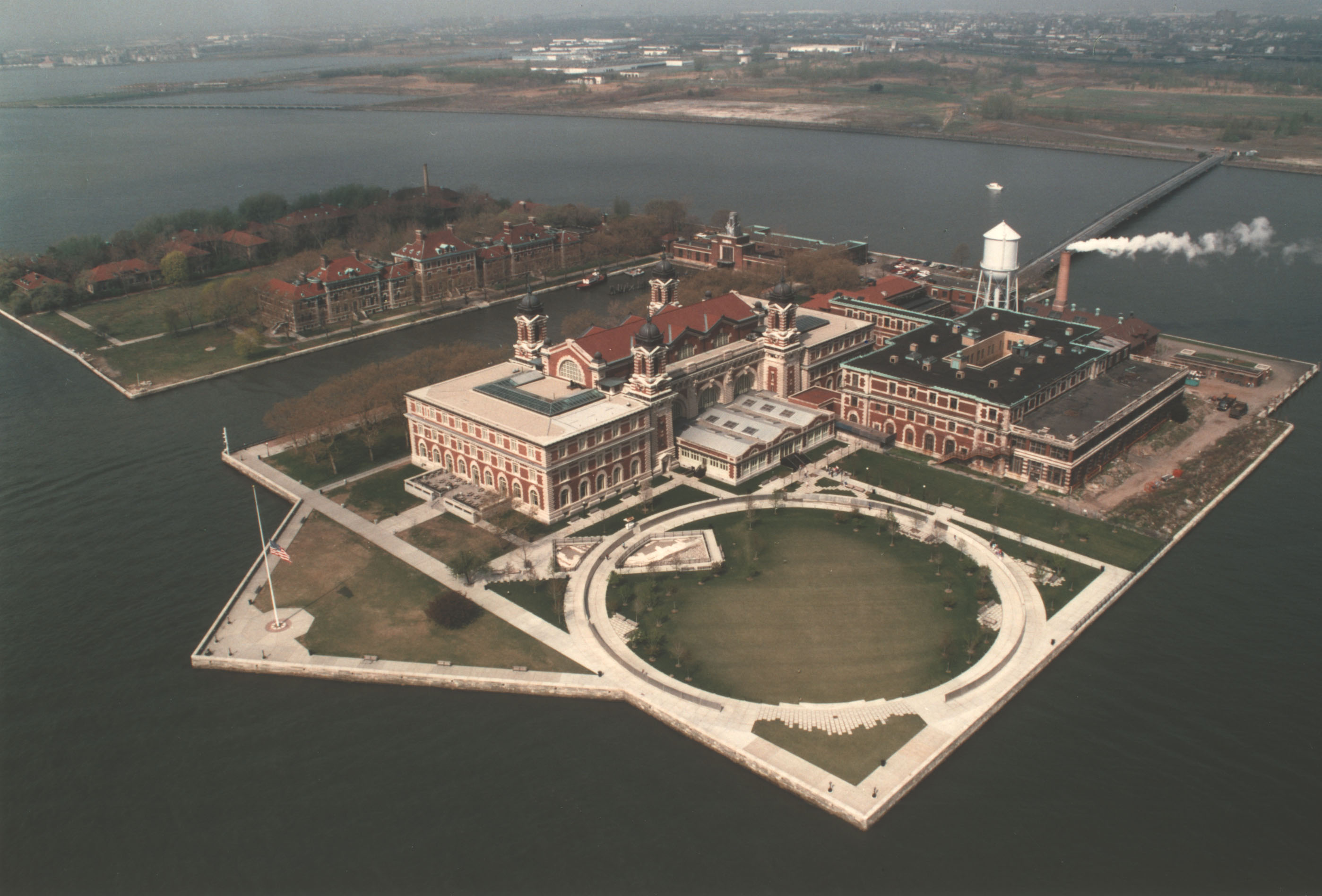
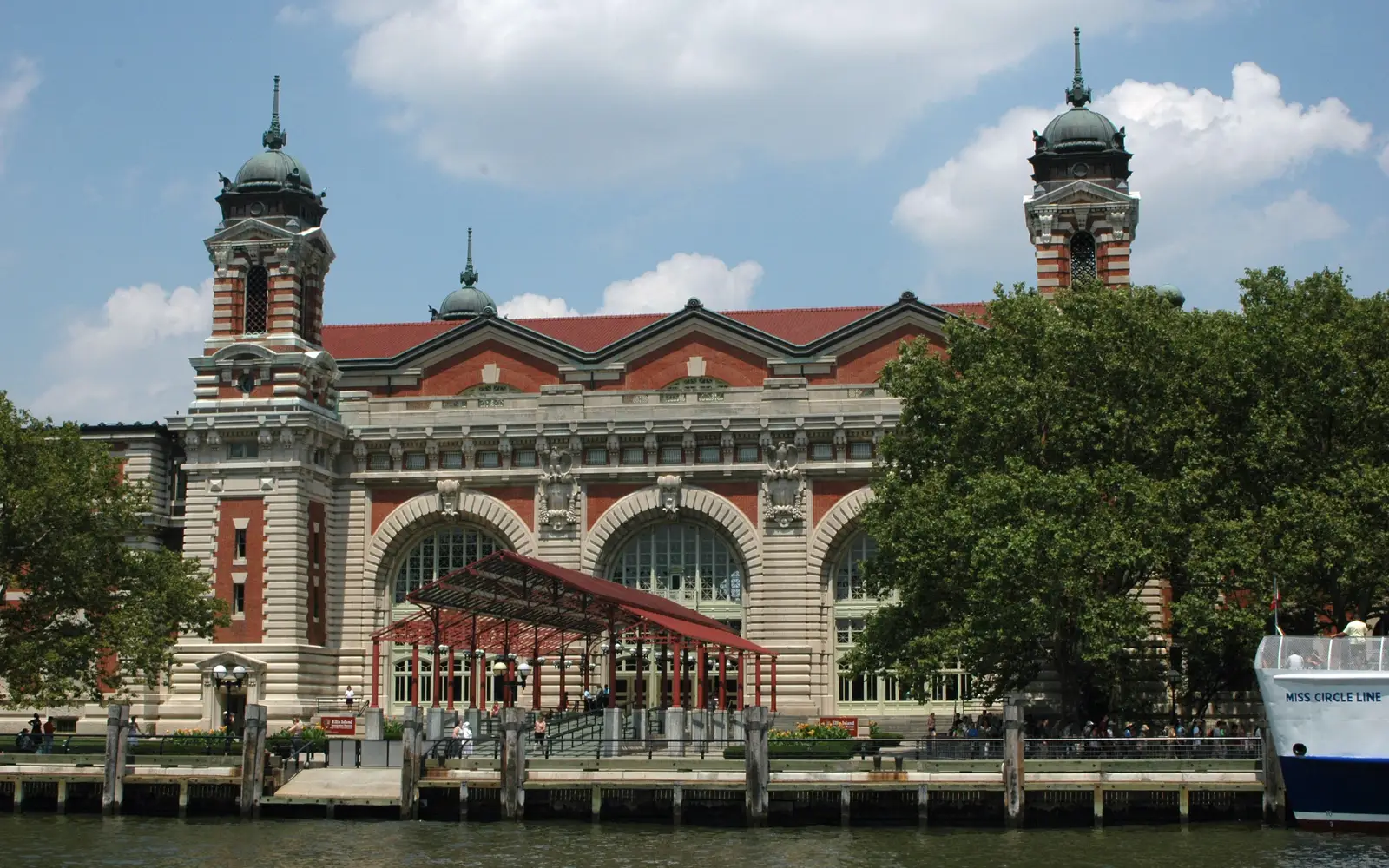
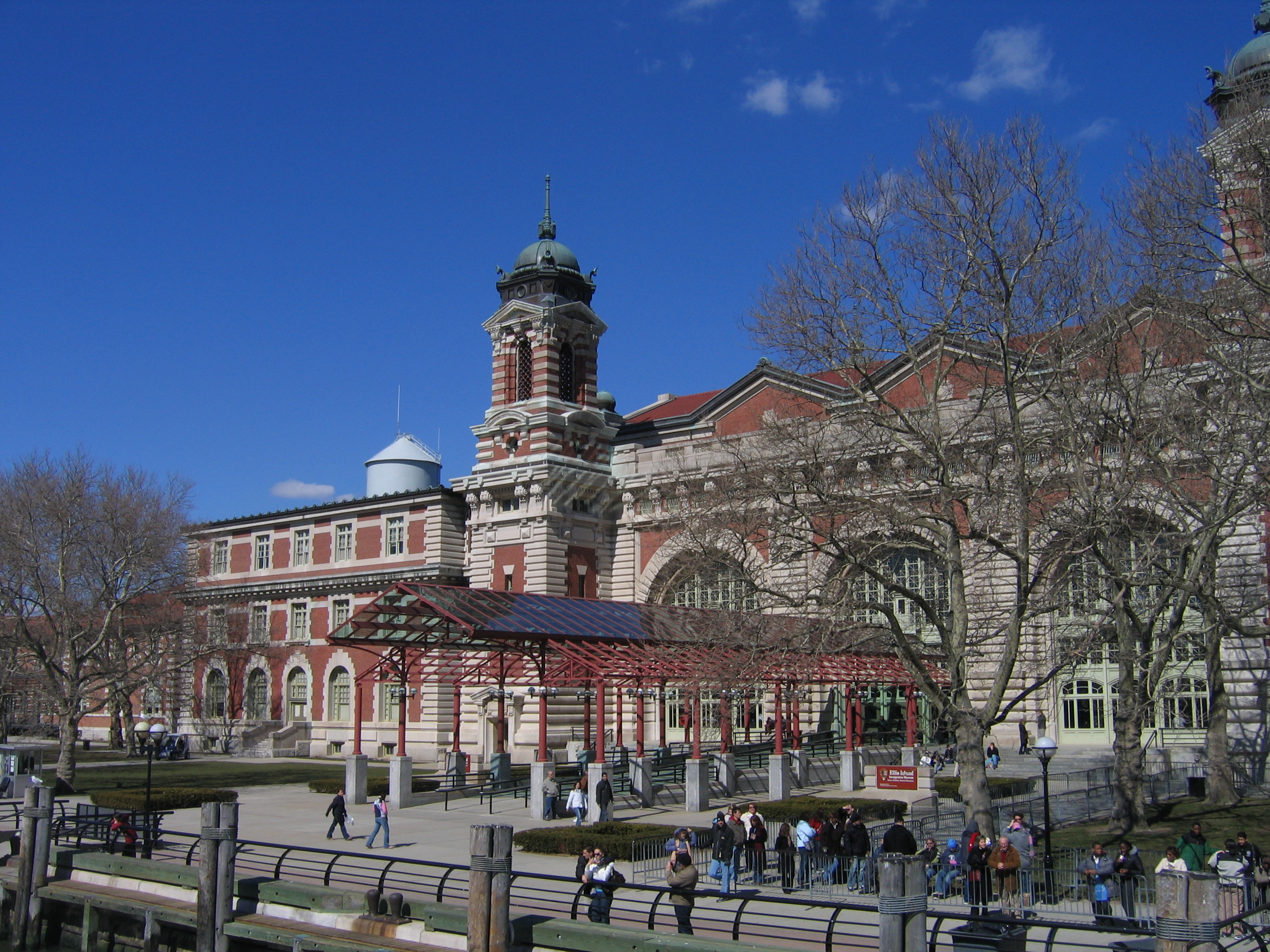
Ellis Island functions primarily as a museum, centered on the Main Immigration Building.
This facility processed approximately 12 million immigrants entering the United States between 1892 and 1954. The exhibits offer a moving experience, particularly for those with personal family connections or a deep interest in American immigration history. The island is compact. Once the museum is explored and the park film viewed, the core offerings are complete. Ferry-only access dictates visit length through set departure times; summer months often bring crowds that can diminish gallery engagement. With an Experience Score of 62, this destination does not cater to outdoor recreation or diverse activities. It is a focused, historically significant museum experience. It belongs on any itinerary for serious students of American history.
Why go
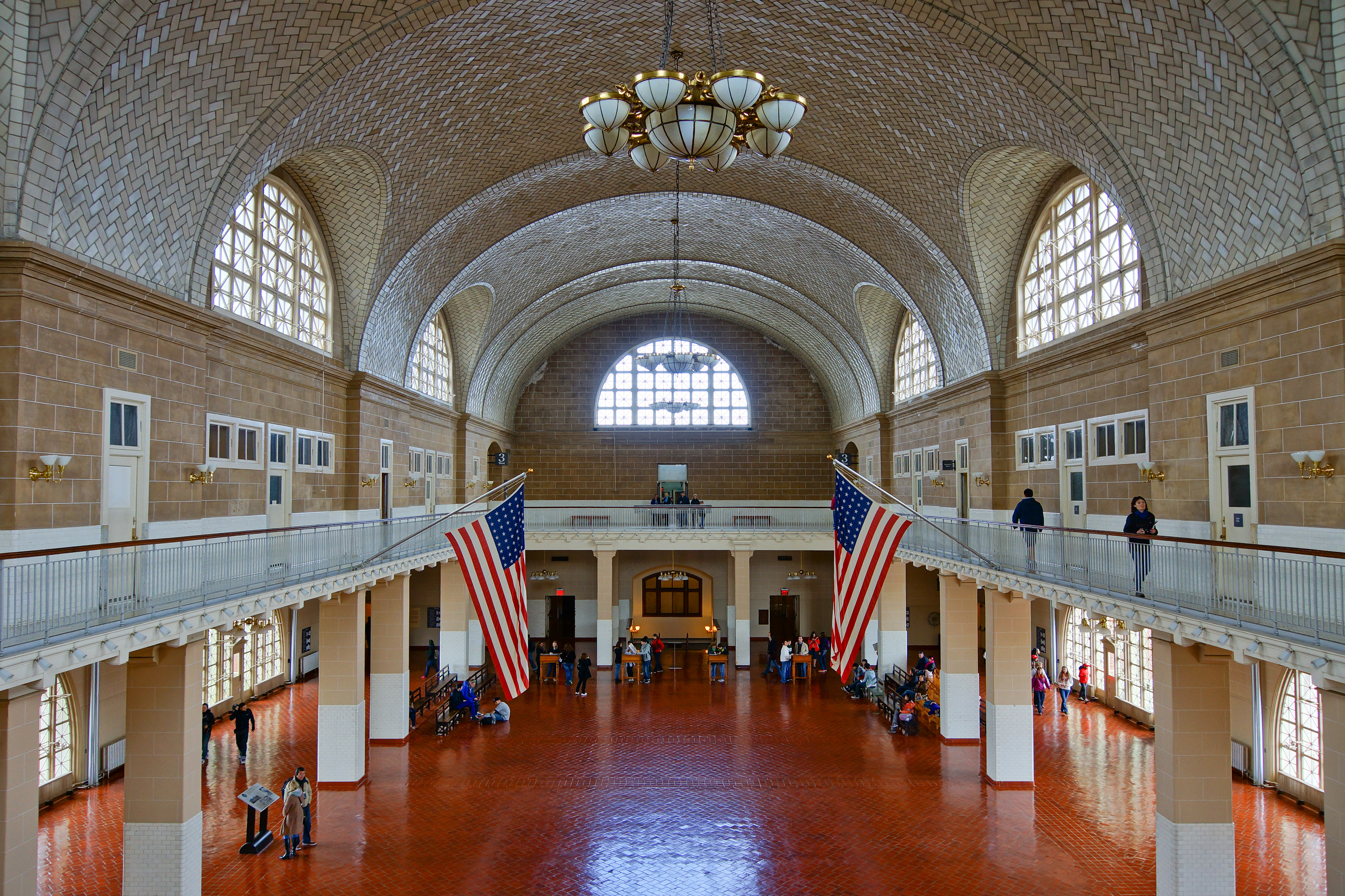
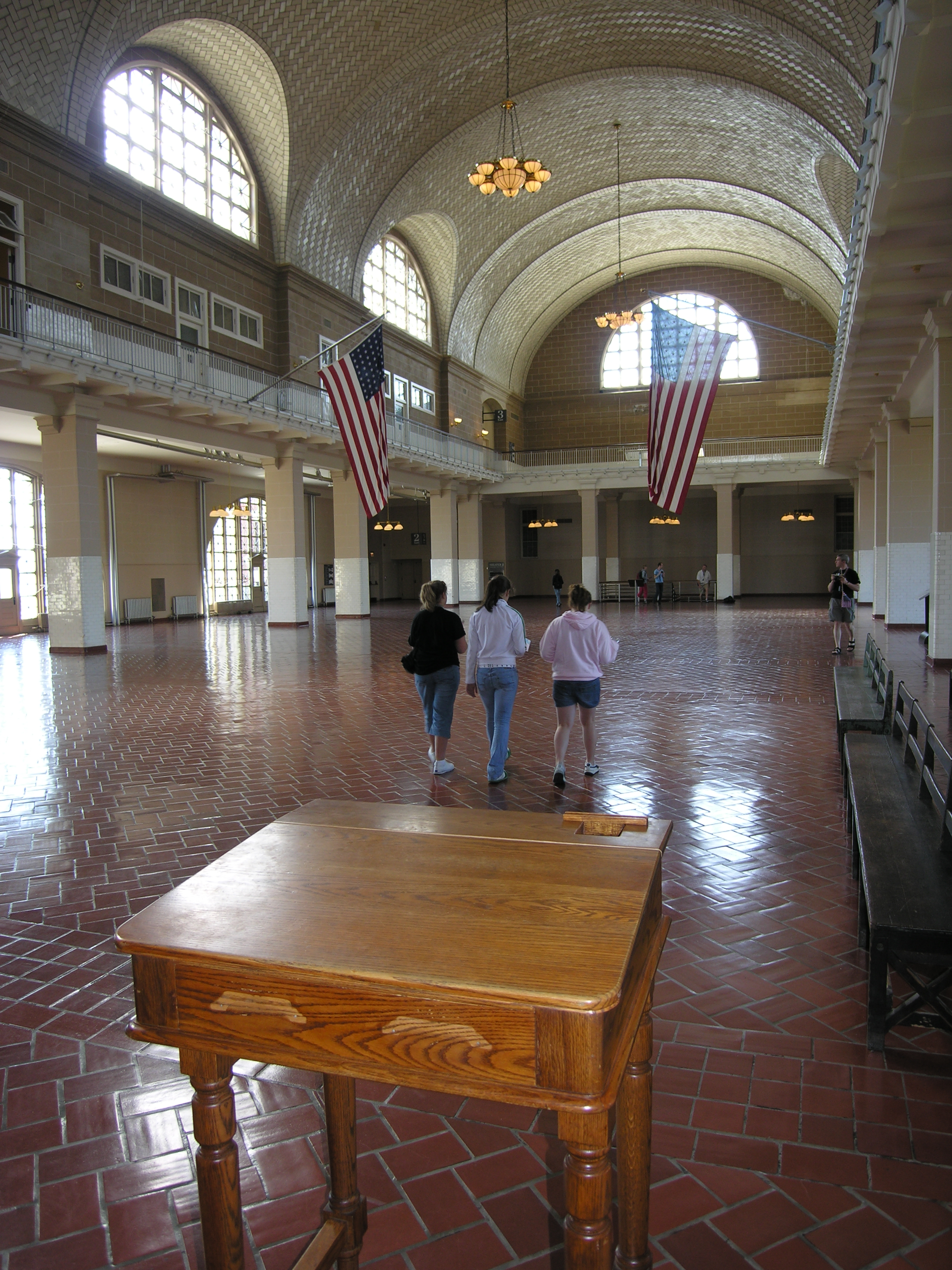
This park unit excels as a focused historical and educational experience. A visit centers on the Main Immigration Building, where museum exhibits detail the immigrant processing experience, from medical inspections to the Registry Room. The park film offers essential context. Onsite research resources provide a unique, personal dimension for those with family surnames in immigration records. The Junior Ranger Program engages younger visitors with history. This site pairs well with a Statue of Liberty visit on the same ferry ticket, creating a substantive day covering two significant American landmarks without redundancy.
Best for
For families with children interested in American history, adults researching immigrant ancestry, and those seeking a substantive, document-rich museum, this unit delivers. History educators and genealogy researchers will find it particularly valuable. First-time visitors to New York with limited time will also benefit. However, those seeking outdoor recreation, hiking, or expansive landscapes will find their time better spent at other regional National Park Service units.
Best season
Optimal conditions for a visit fall in late spring and early autumn. Expect noticeably colder, windier conditions on New York Harbor than in the city proper; even a mild September day ashore can feel brisk on the ferry and island. Summer months bring both the largest crowds and humid heat inside galleries. Winter presents a cold and damp environment, but visitor numbers drop significantly. This allows for a more contemplative, unhurried museum experience.
The high points
- The Main Immigration Building and its Registry Room, the literal center of one of history's largest migrations
- Museum exhibits documenting medical inspections, legal processing, and the daily reality of arrival
- The park film, which provides historical grounding before or after the self-guided walkthrough
- Guided tours that add interpretive depth to the physical spaces of the building
- The Junior Ranger Program, which structures the visit meaningfully for school-age children
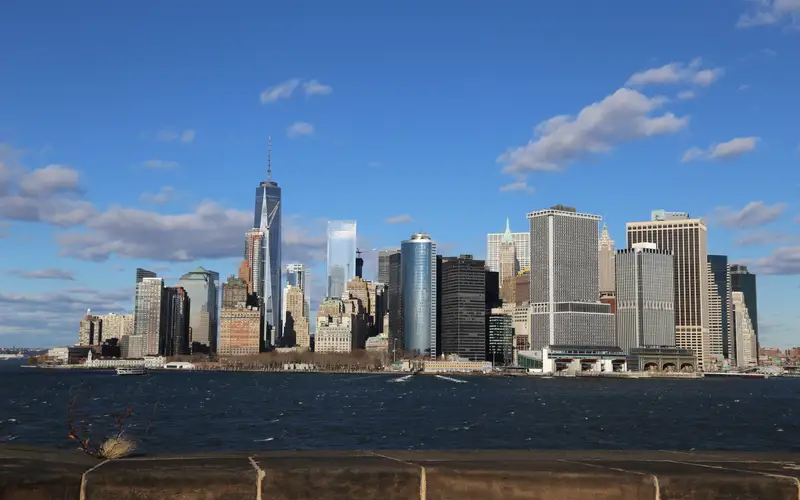
- Ferry access that frames the island in its actual geographic context within New York Harbor
Know before you go
Access to Ellis Island presents a singular challenge. While no entrance fee is levied, Statue City Cruises provides the sole transportation, necessitating a paid ferry ticket. Advance booking is strongly advised, particularly during peak summer months, due to high demand and frequent sell-outs. Visitors should allocate ample time at the ferry terminal for security screening and queues. For those combining visits, note that the Statue of Liberty's final entry is 5 PM, dictating careful itinerary planning.
One more thingFor those with an ancestral connection to American immigration, preparation is key. Reviewing the American Family Immigration History Center records prior to arrival allows visitors to pinpoint specific names and approximate arrival years. This transforms the exhibit from a general historical overview into a deeply personal experience, an effect difficult to achieve without advance planning.