Is Eisenhower National Historic Site worth it?
Eisenhower National Historic Site offers a uniquely intimate look into presidential life.
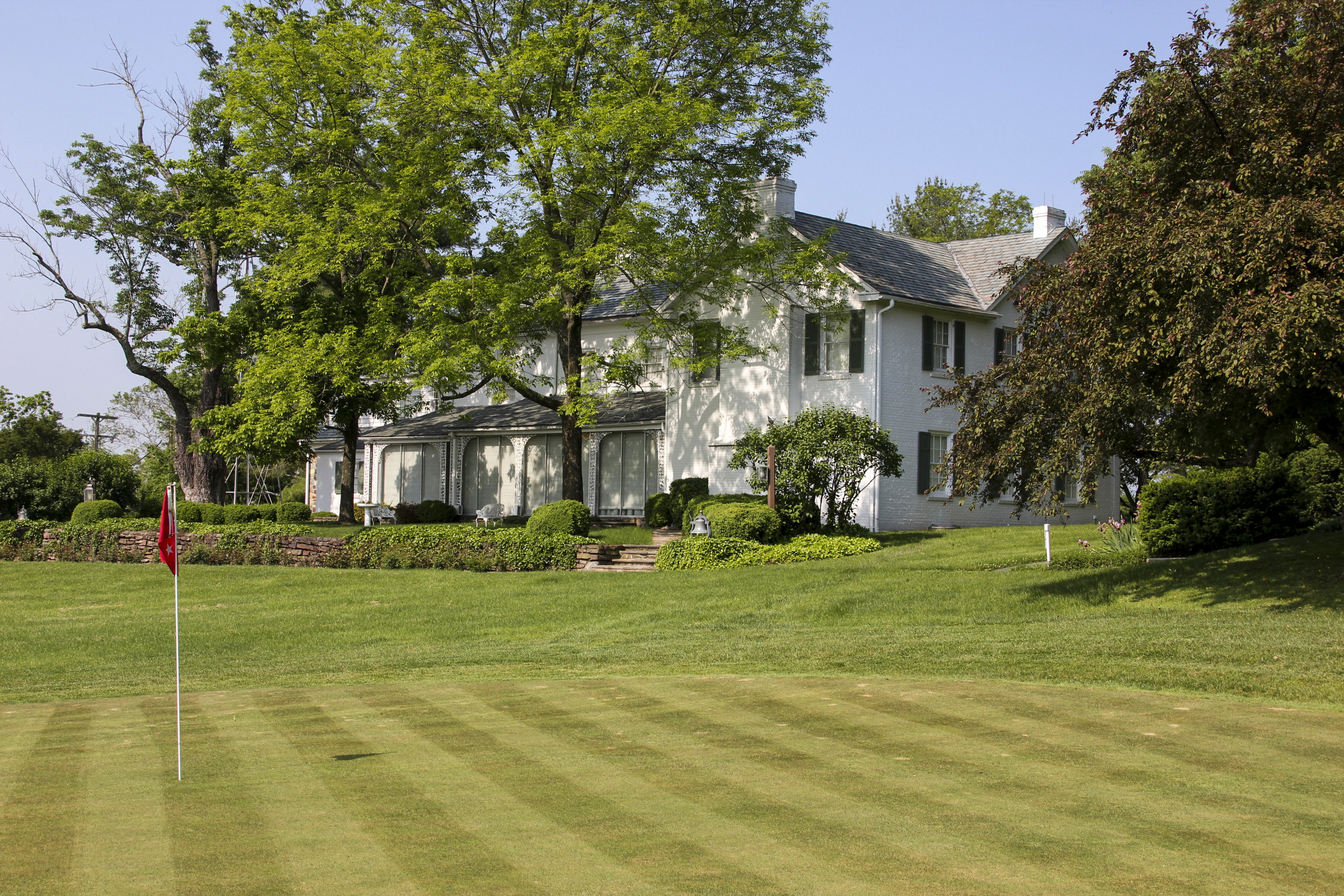
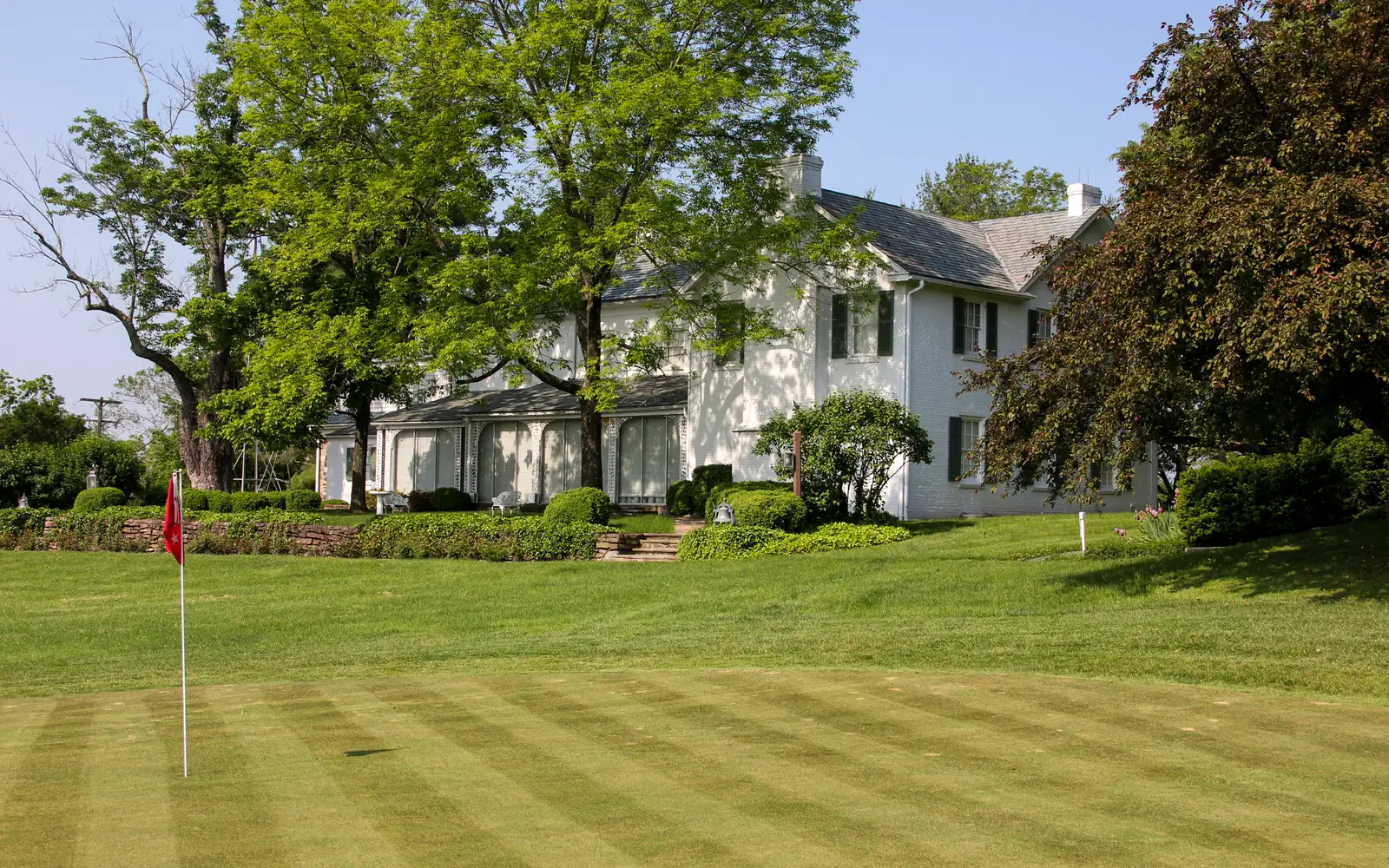
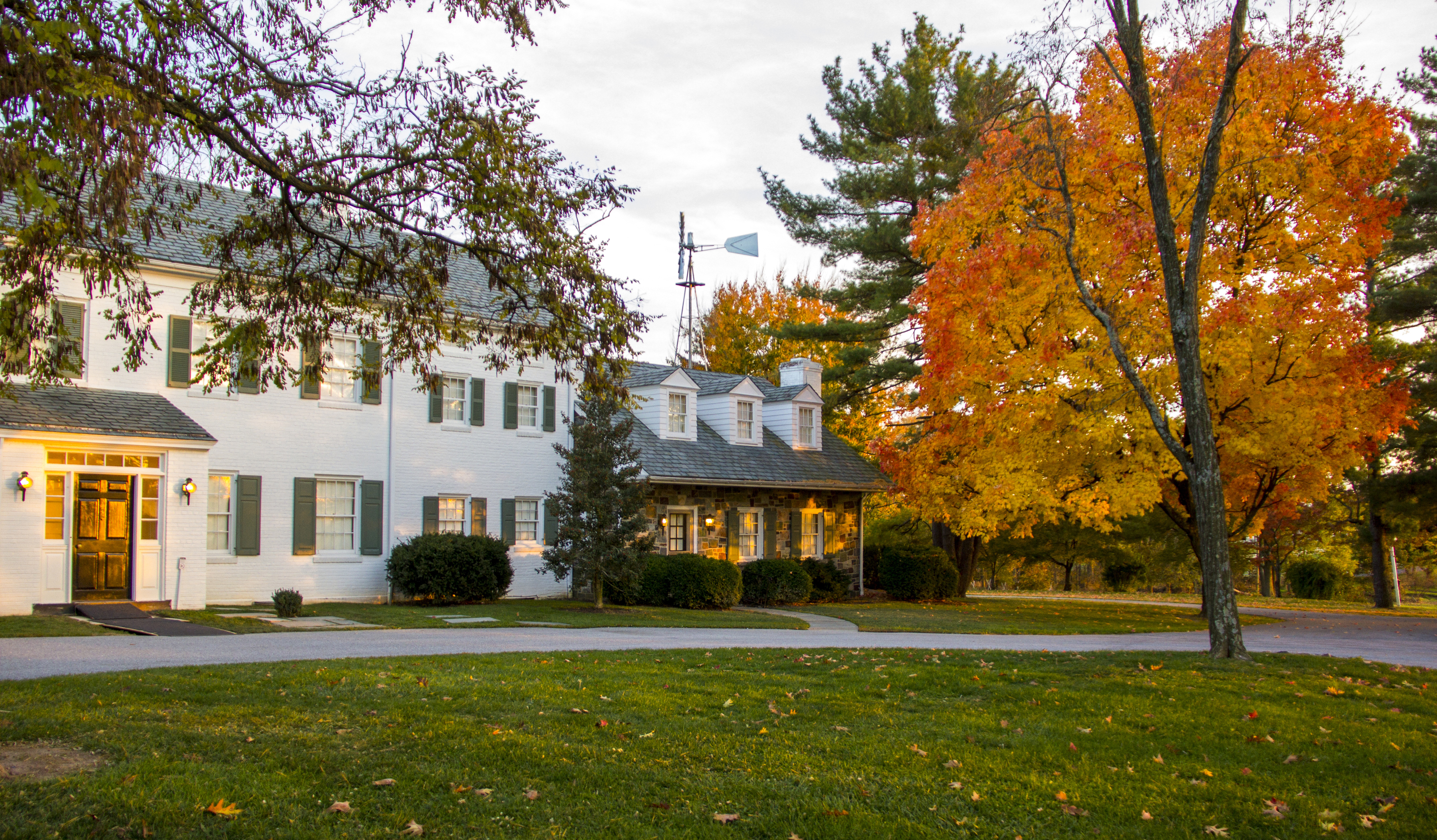
This compact property, adjacent to Gettysburg battlefield, served as both a working farm and a personal retreat for Eisenhower. Its human scale defines the experience. The site’s rooms hosted figures like Khrushchev, de Gaulle, and Churchill, imbuing it with a specific Cold War significance. Your visit will be largely structured by guided tours, tied to the ranger schedule. While not a full-day destination independently, it pairs well with the Gettysburg battlefield for a compelling two-site itinerary. This combination links mid-century American power to a landscape that helped shape it. Free admission makes even a short visit worthwhile.
The case for it
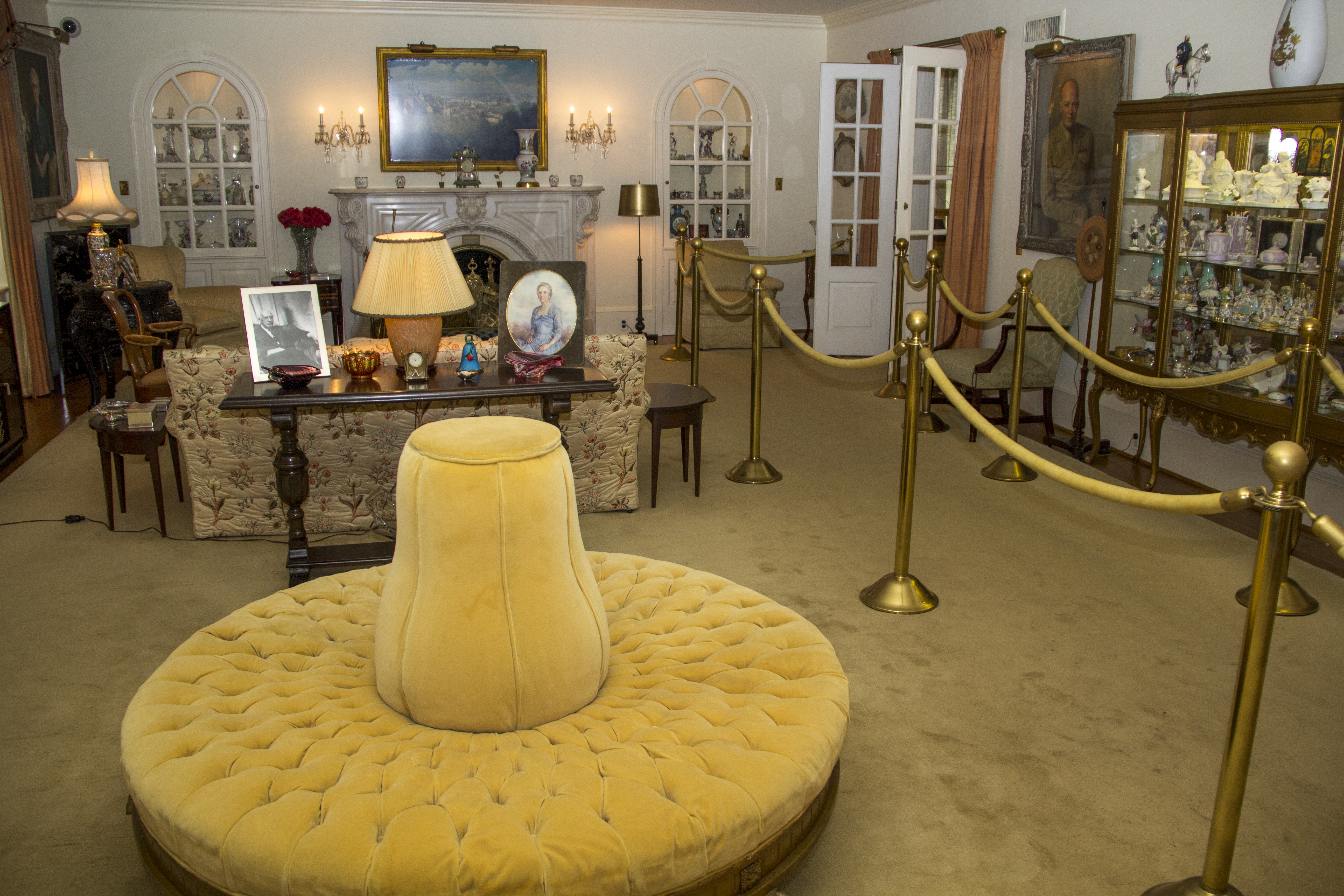
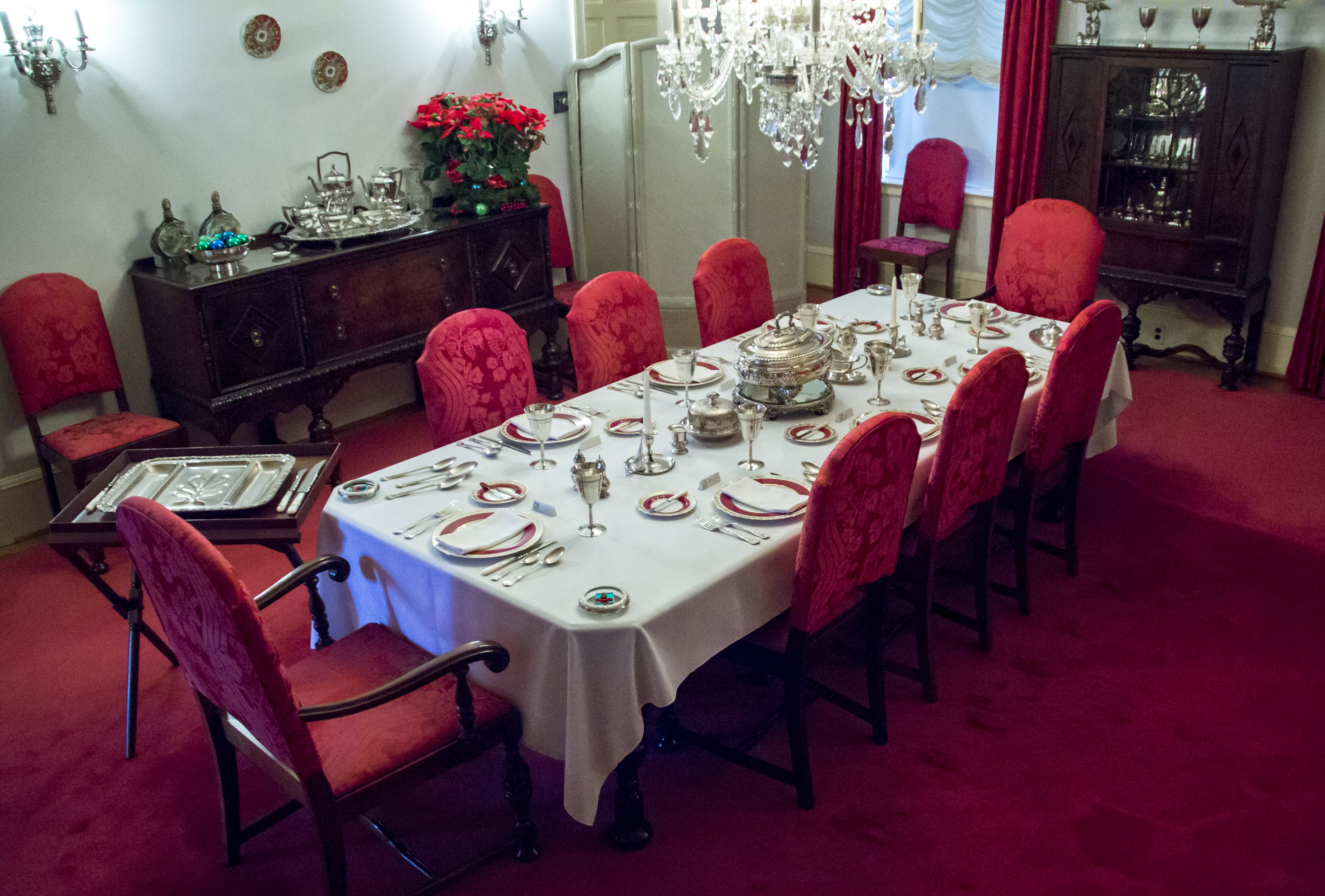
This national historic site offers a focused experience. A guided tour of the Eisenhower home anchors the visit, with rangers providing essential context on the diplomatic history within its walls and Mamie Eisenhower's significant design influence. The surrounding grounds offer self-guided walking opportunities. The farm setting, framed by South Mountain, provides a palpable sense of peace, lending a grounding element to its Cold War narratives. For those arriving by bicycle, documented biking access from Gettysburg presents a viable option. Scheduled living history and historic weapons demonstrations enhance the visitor experience. A Junior Ranger program supports family engagement. The bookstore and park store cater specifically to serious history enthusiasts.
Who it is for
This unit primarily serves a niche audience. Presidential history enthusiasts and Cold War buffs will find the most to appreciate. It functions well as a complementary half-day experience, particularly for families already visiting Gettysburg, adding a 20th-century dimension to a Civil War itinerary. However, those seeking dramatic natural landscapes, extensive trail networks, or a full-day standalone destination will likely be disappointed. Casual sightseers should look elsewhere.
Best time to visit
Optimal visiting conditions are in spring and fall. These seasons provide comfortable temperatures for walking and biking. Summer offers the fullest ranger program, with living history and weapons demonstrations, but also high heat and humidity. Winter hours may limit tour availability. Guided home tours are central to the experience; check the NPS site for current times before visiting.
Worth seeing
- Guided tours of the actual Eisenhower farmhouse, including rooms used for meetings with Cold War-era world leaders
- Living history programming and historic weapons demonstrations on select days
- Self-guided walking of the farm grounds with views toward South Mountain
- Biking access, with the site reachable by road bike from the broader Gettysburg area
- Junior Ranger program structured specifically for the site's presidential and diplomatic themes
- A well-stocked bookstore and park store focused on Eisenhower, the presidency, and mid-century history
Before you visit
Admission is free. Access to the Eisenhower Home itself requires a tour ticket; capacity is limited. Consult the NPS site for current tour schedules, particularly outside peak summer. The grounds open from sunrise to sunset. Located adjacent to Gettysburg National Military Park, this site pairs well with a visit there.
Our tipAssess the NPS calendar for living history and historic weapons demonstration schedules. These programs are not daily occurrences. Their presence significantly transforms a visit from a passive house tour into a dynamic and impactful experience, particularly for younger visitors.