Is Dry Tortugas National Park worth your trip?
Dry Tortugas is one of the most logistically demanding parks in the lower 48, and also one of the most rewarding.
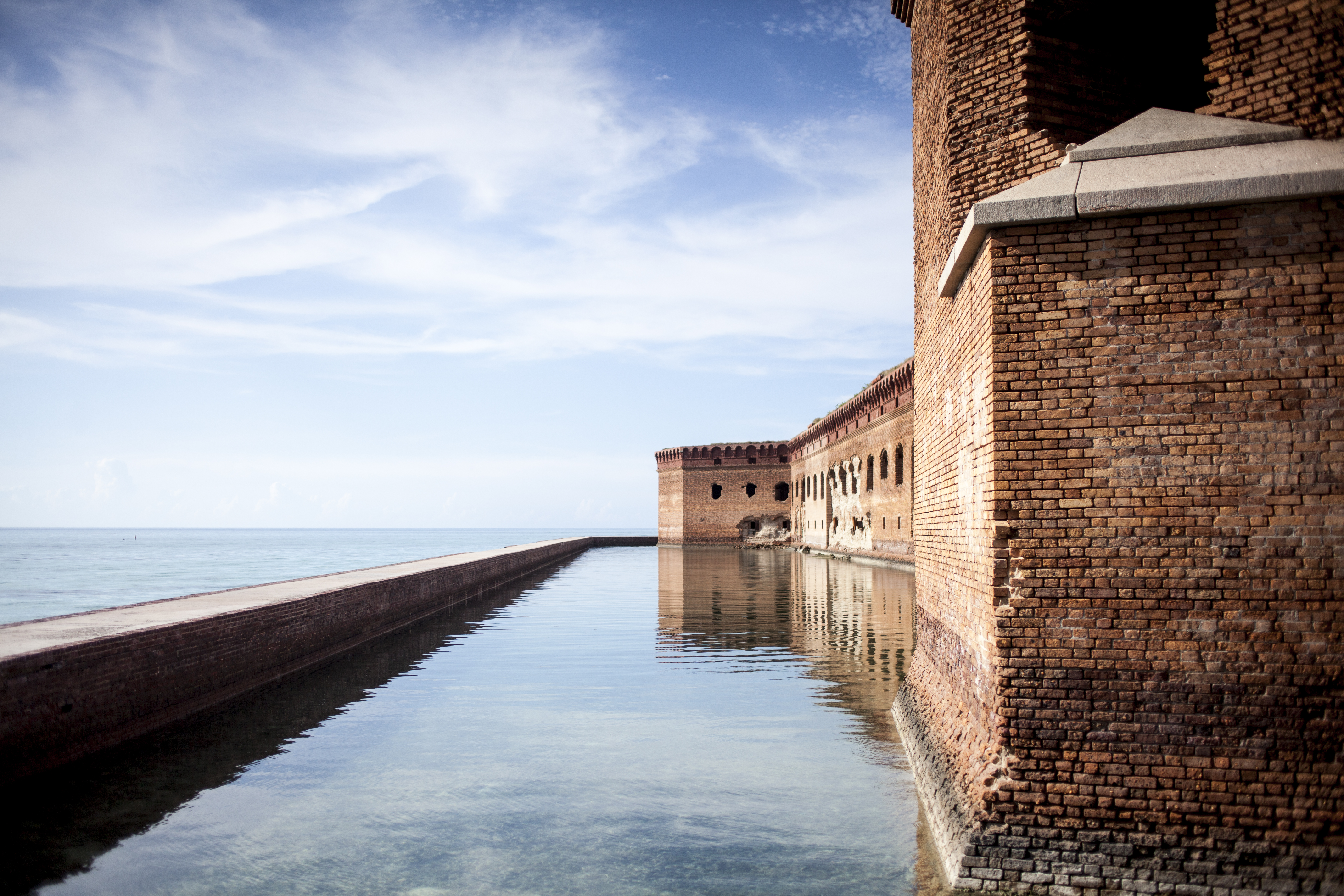
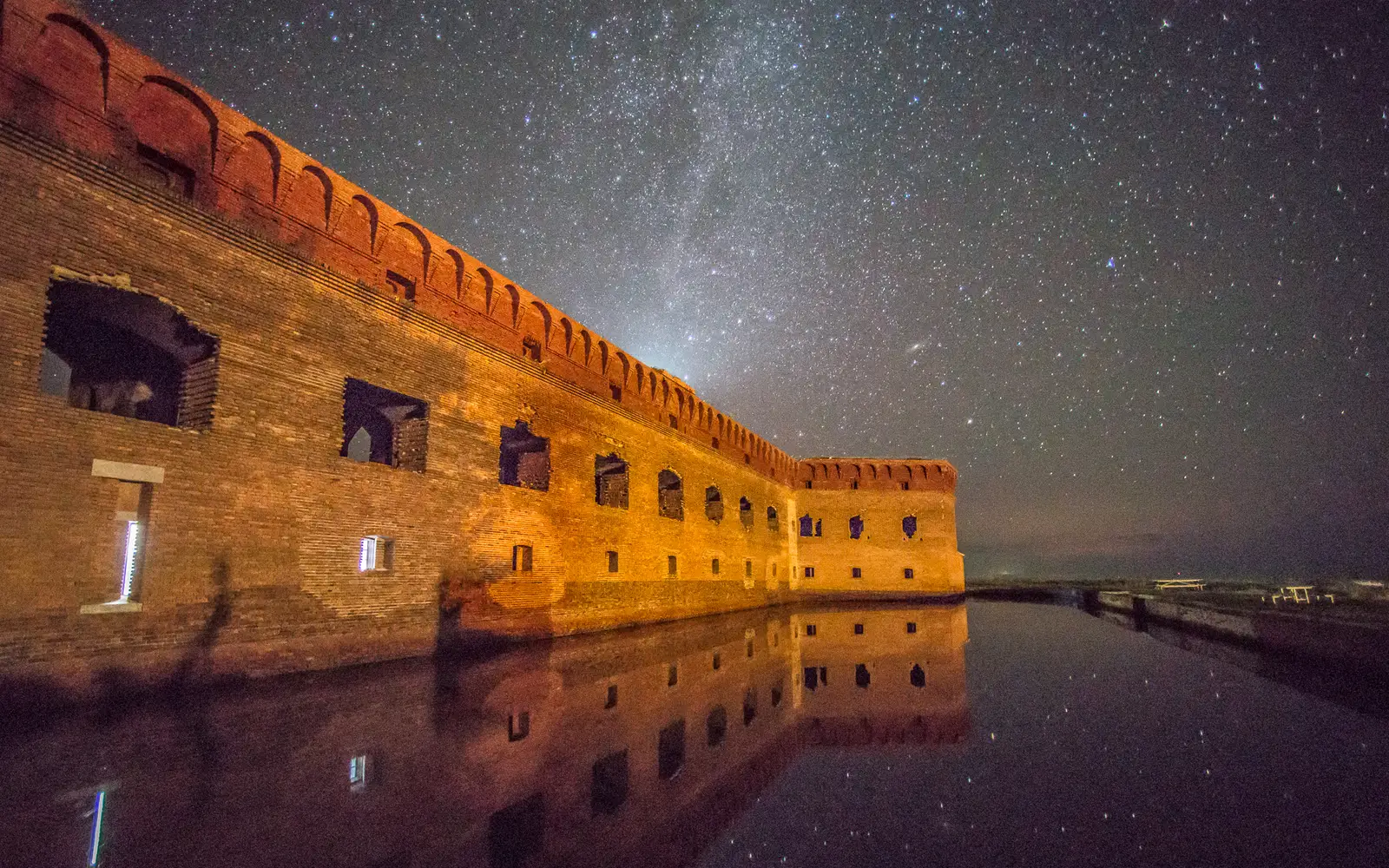
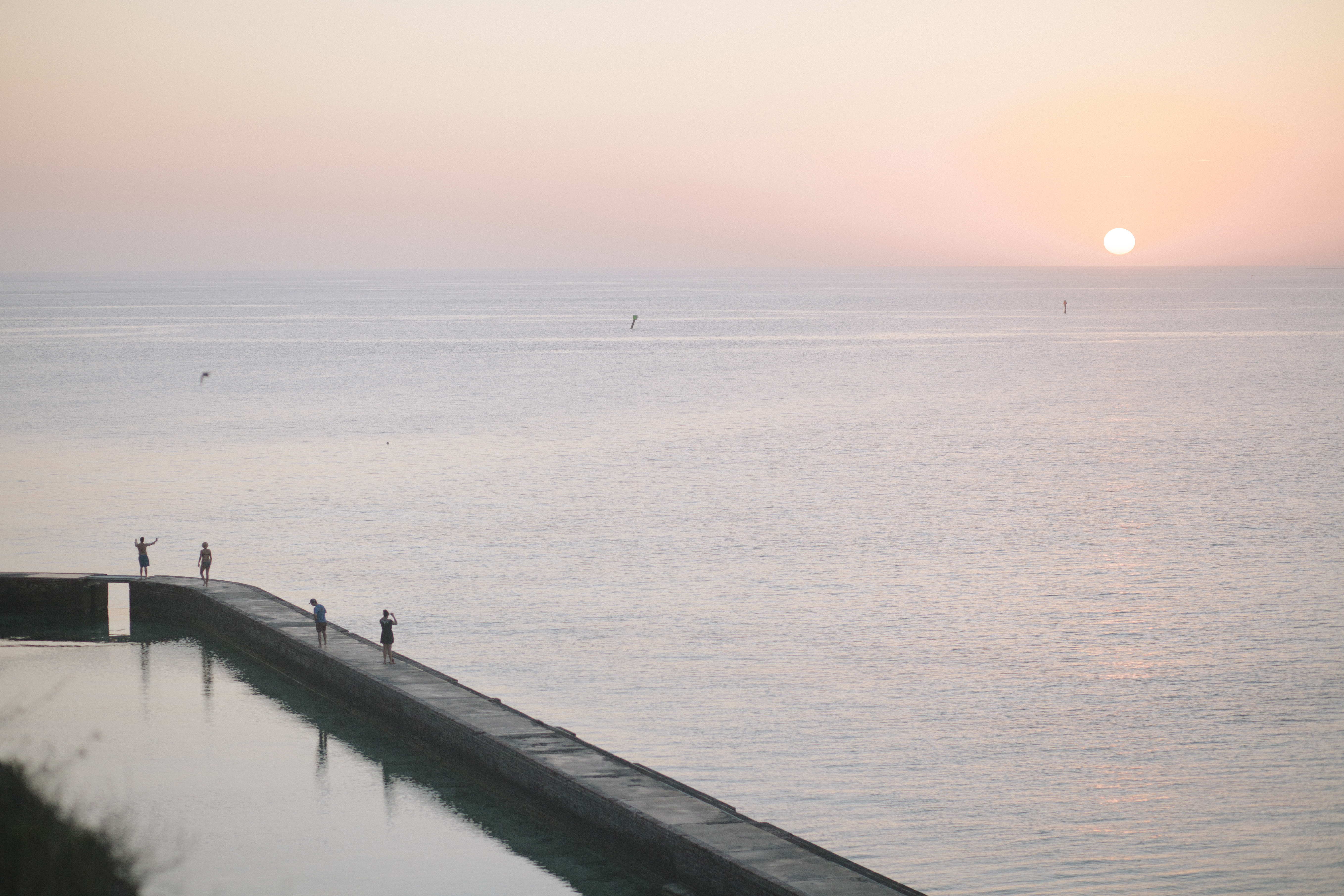
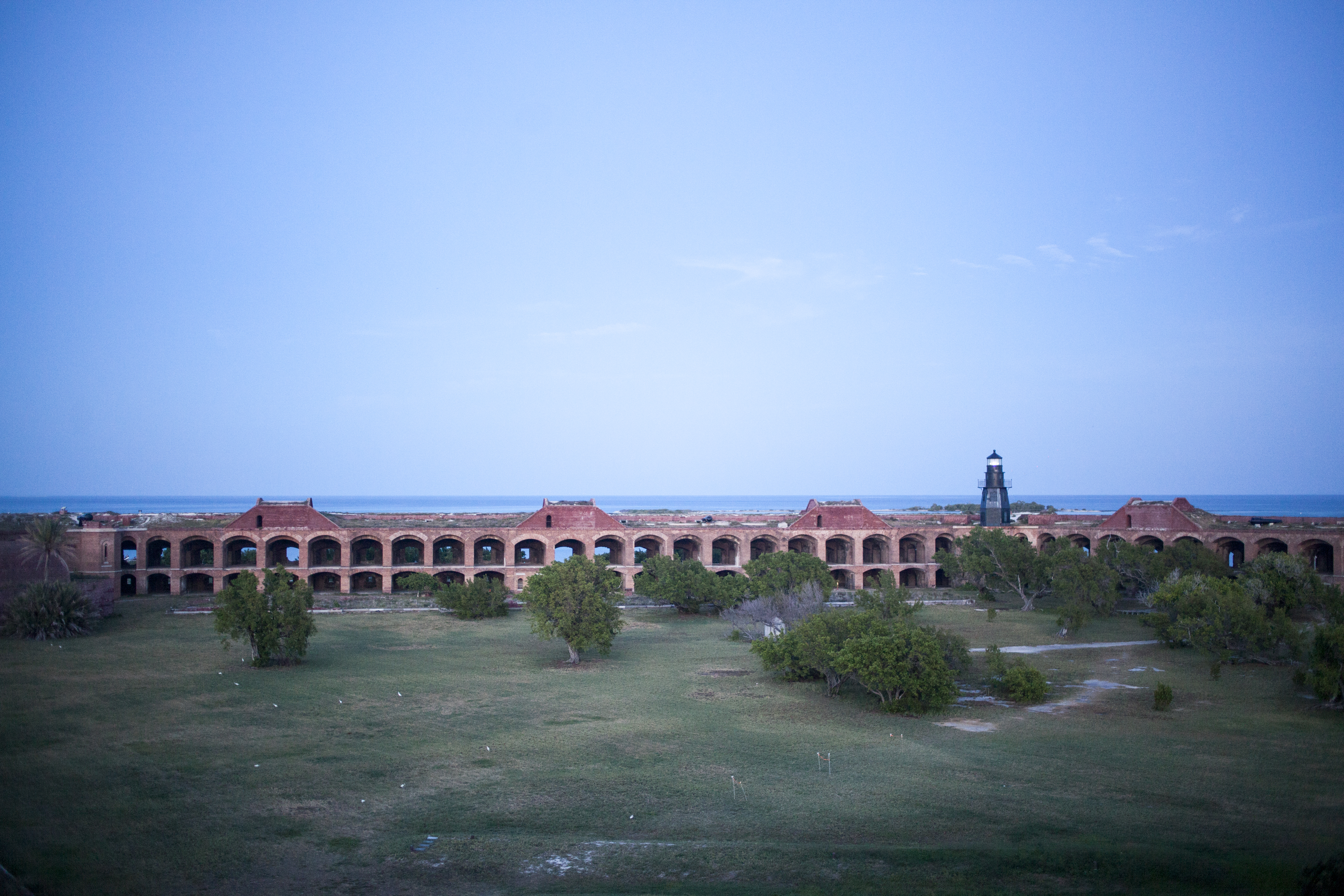
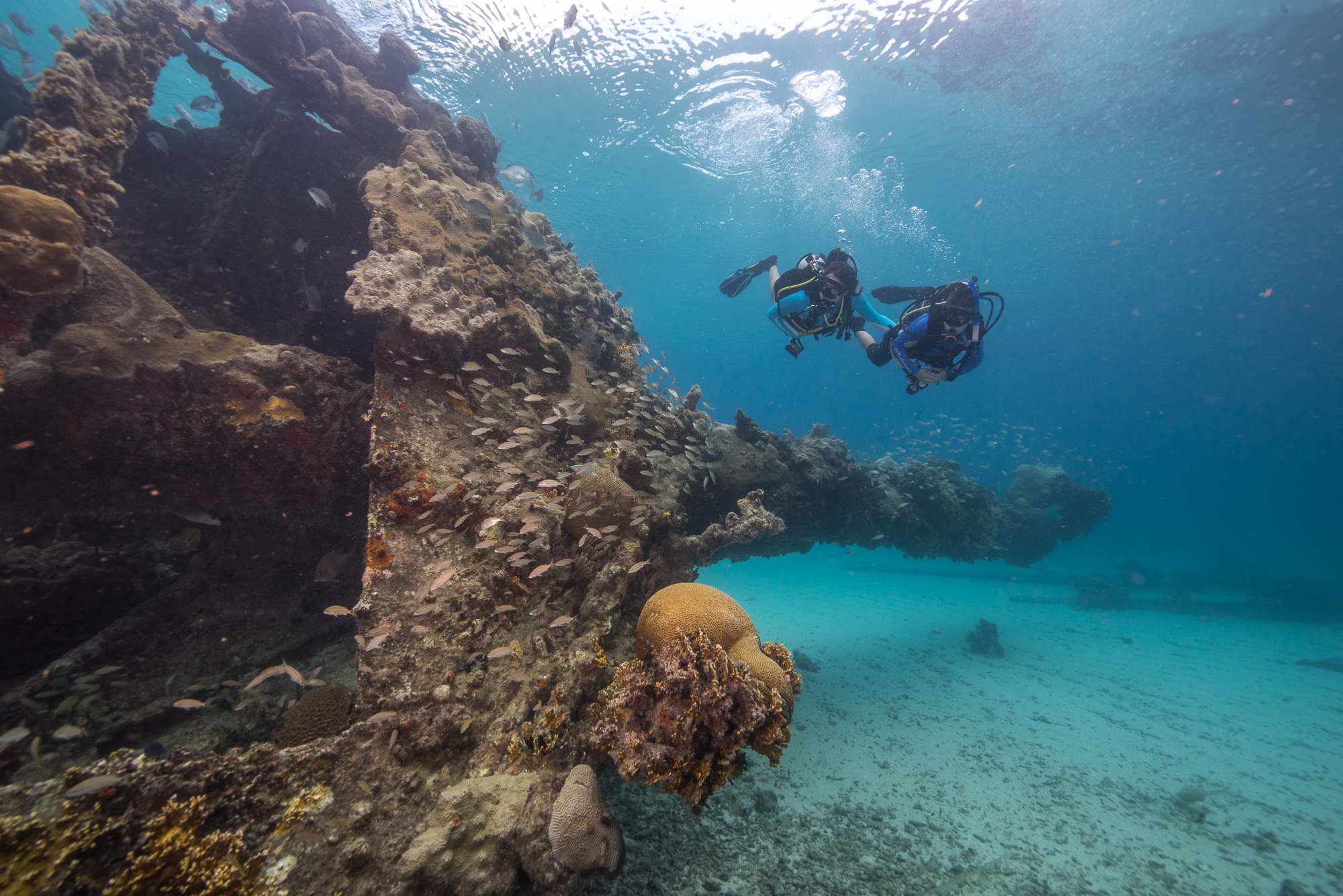
Seventy miles off Key West, accessible only by ferry or seaplane, this 100-square-mile park is almost entirely water wrapped around seven tiny islands. The centerpiece is Fort Jefferson, a massive 19th-century coastal fortress sitting on a coral atoll. But the fort is really just the anchor. The real draw is the combination: snorkeling coral reefs in electric-blue water, camping under some of the darkest skies in Florida, and watching migratory birds funnel through a remote island chain. The $15 entrance fee is almost beside the point given ferry costs, but the experience score of 85 reflects genuine depth. This is not a drive-through park. It rewards people who plan, commit, and stay overnight.
Why go
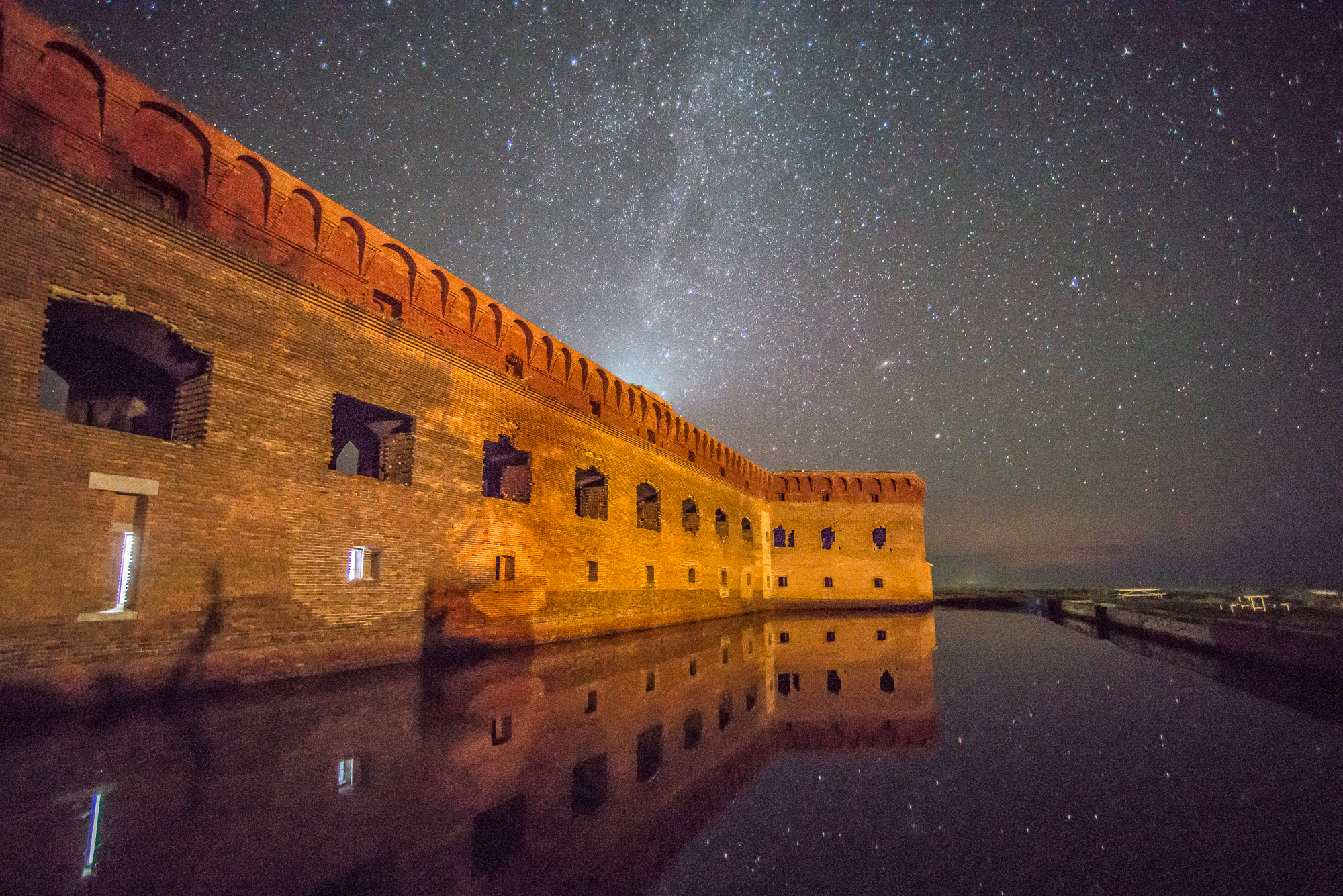
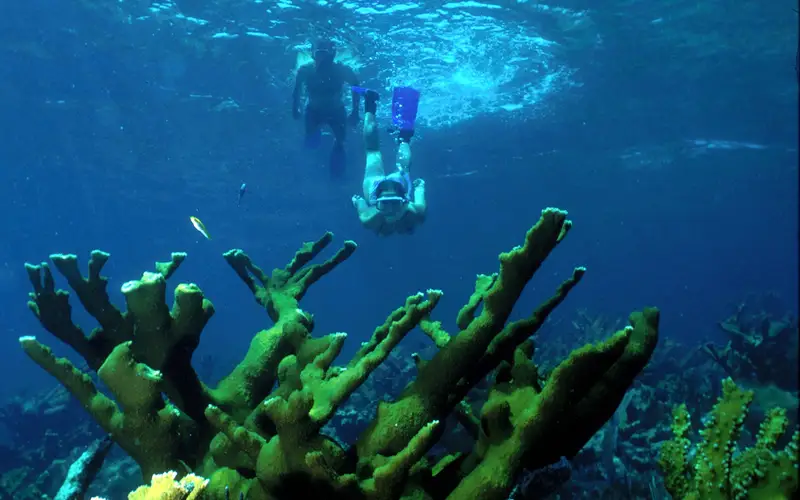
This park is a destination for the dedicated, not a casual drive-through. Access is exclusively by boat or seaplane. Fort Jefferson anchors the experience, offering a significant historical landmark. Beyond the fort, aquatic activities dominate: snorkeling and SCUBA diving on coral reefs provide exceptional underwater visibility. White sand beaches offer swimming, and the shorelines are notable for migratory bird concentrations. Paddlers can explore the islands. For overnight visitors, the remote location provides excellent stargazing due to zero light pollution and an unobstructed horizon. Guided fort tours add educational value, and a Junior Ranger program engages younger visitors. This park requires planning and commitment; it delivers distinct rewards for those prepared for the journey.
Best for
This park is specifically designed for committed outdoor enthusiasts. Snorkelers, divers, kayakers, and birders will find ample opportunities. Those seeking genuinely remote camping will appreciate the offerings. Families with older, water-confident children can expect an exceptional experience. This destination is unsuitable for individuals averse to boats or those sensitive to heat and humidity. Casual day hikers should seek other options. Traditional trails are absent.
Best season
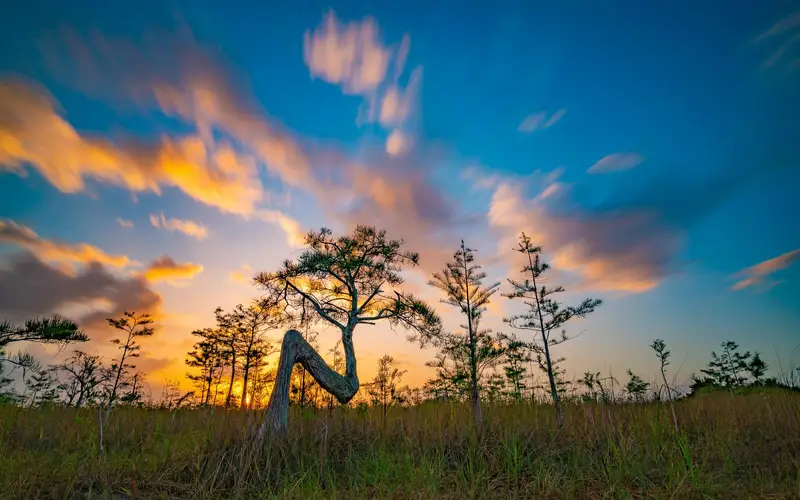
April through May presents ideal visiting conditions. Winter brings wind and rough seas, often disrupting ferry service. Summer and fall risk tropical storms, along with intense heat and humidity. Spring also offers peak migratory bird activity, a significant draw for birders. Summer visitors should aim for early in the season, before hurricane activity peaks.
The high points
- Snorkeling and SCUBA diving on coral reefs in clear subtropical water
- Fort Jefferson, one of the largest masonry structures in the Western Hemisphere
- Overnight camping on a remote island with genuine dark-sky stargazing
- Birdwatching during spring migration, when the islands concentrate species from across the hemisphere
- Paddling and kayaking around the seven-island chain at your own pace
- Guided tours that place the fort and its history in full context
Know before you go
The $15 entrance fee is a minor fraction of the total cost; ferry or seaplane expenses are significant. Booking transportation far ahead is essential, particularly for spring visits. The park is open 24 hours daily, all year, but individual access remains subject to transport schedules. Campers face strict regulations: all provisions, including freshwater, must be brought in, and all waste packed out. Casual sightseers should look elsewhere.
One more thingThis park caters to campers. Day visitors experience a fraction of what is on offer. The true experience of the fort, unobstructed stargazing over open water, and morning light on the reef are reserved for those who stay overnight.