Devils Tower National Monument: our verdict
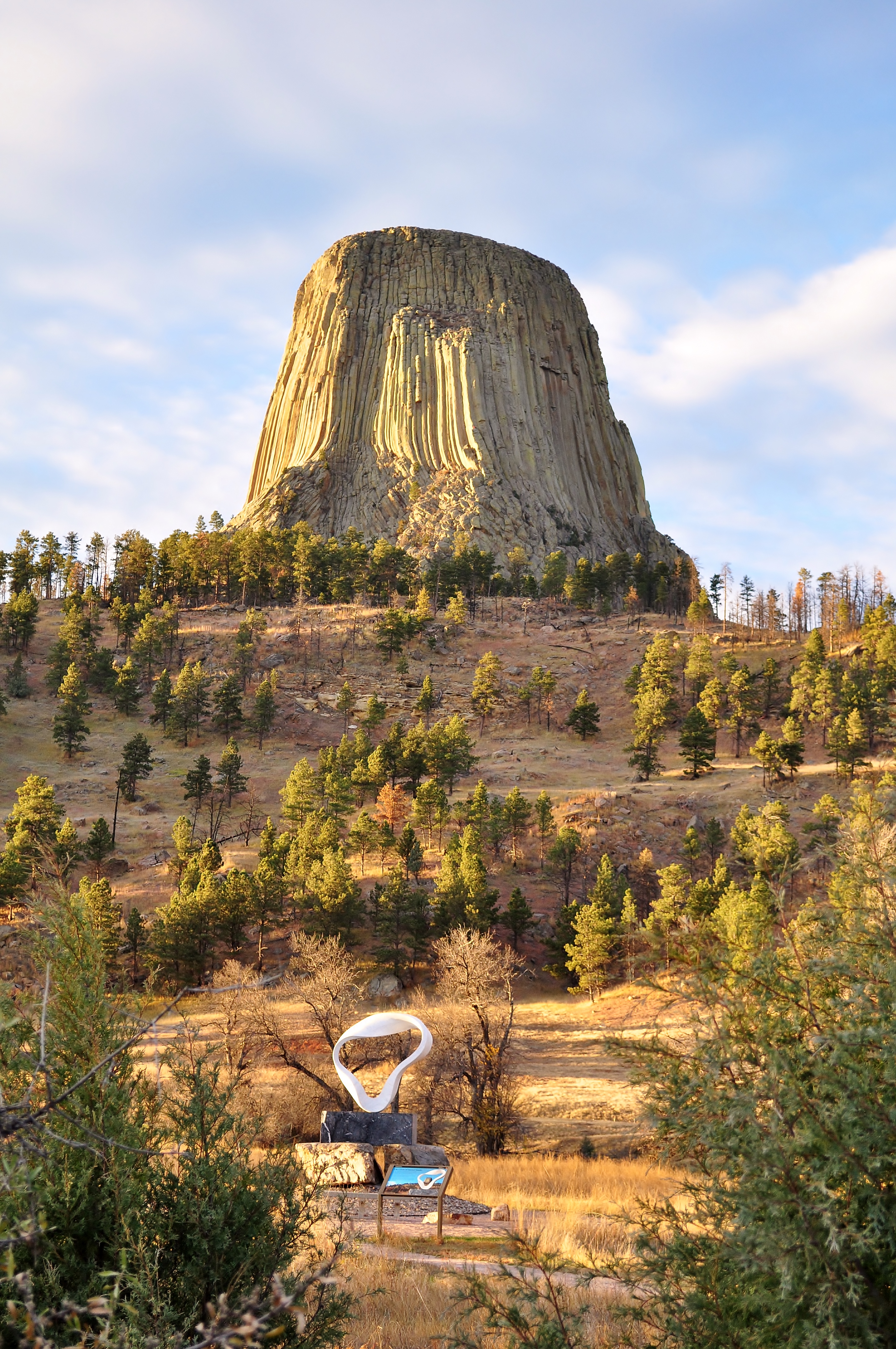
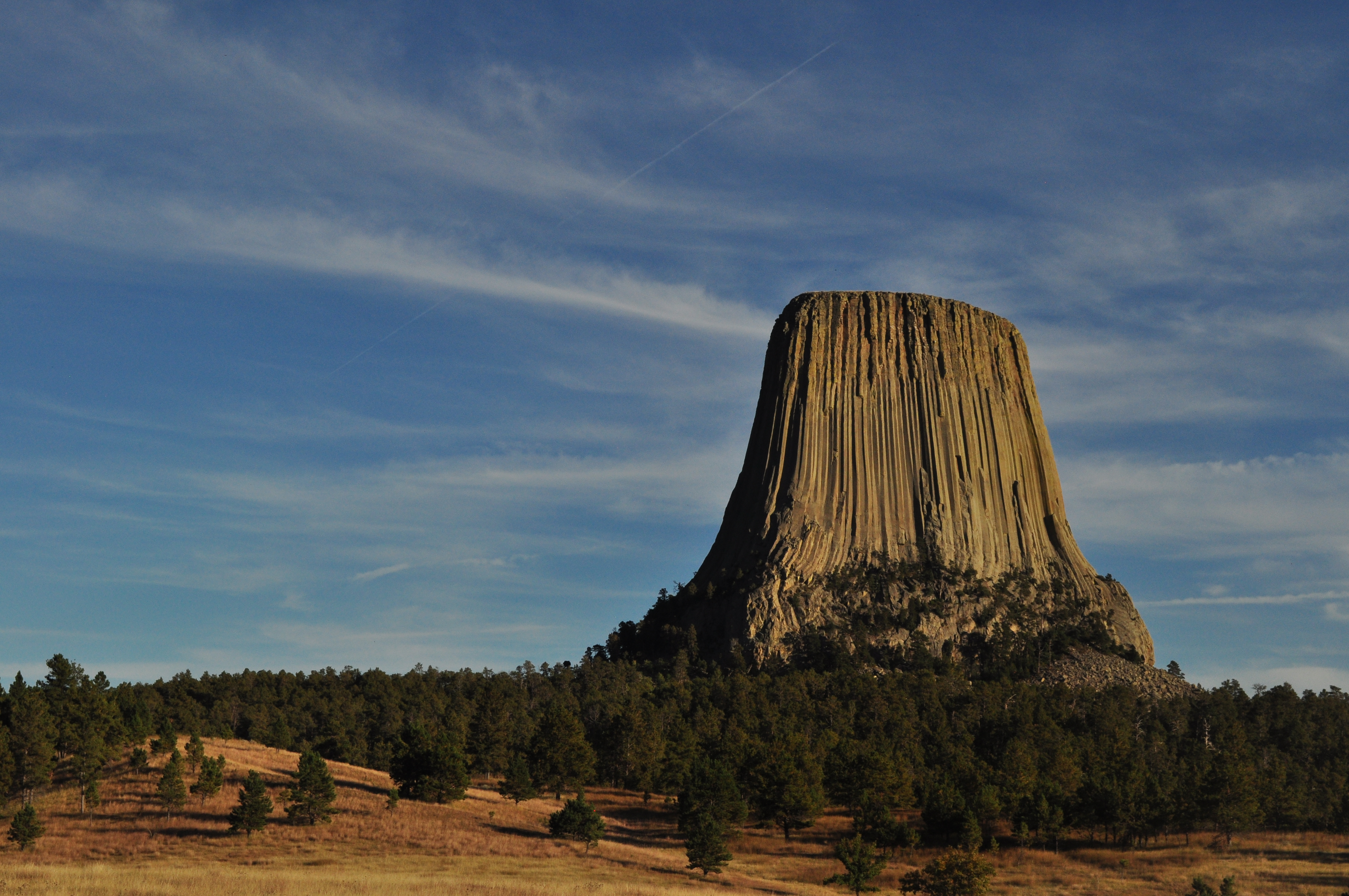
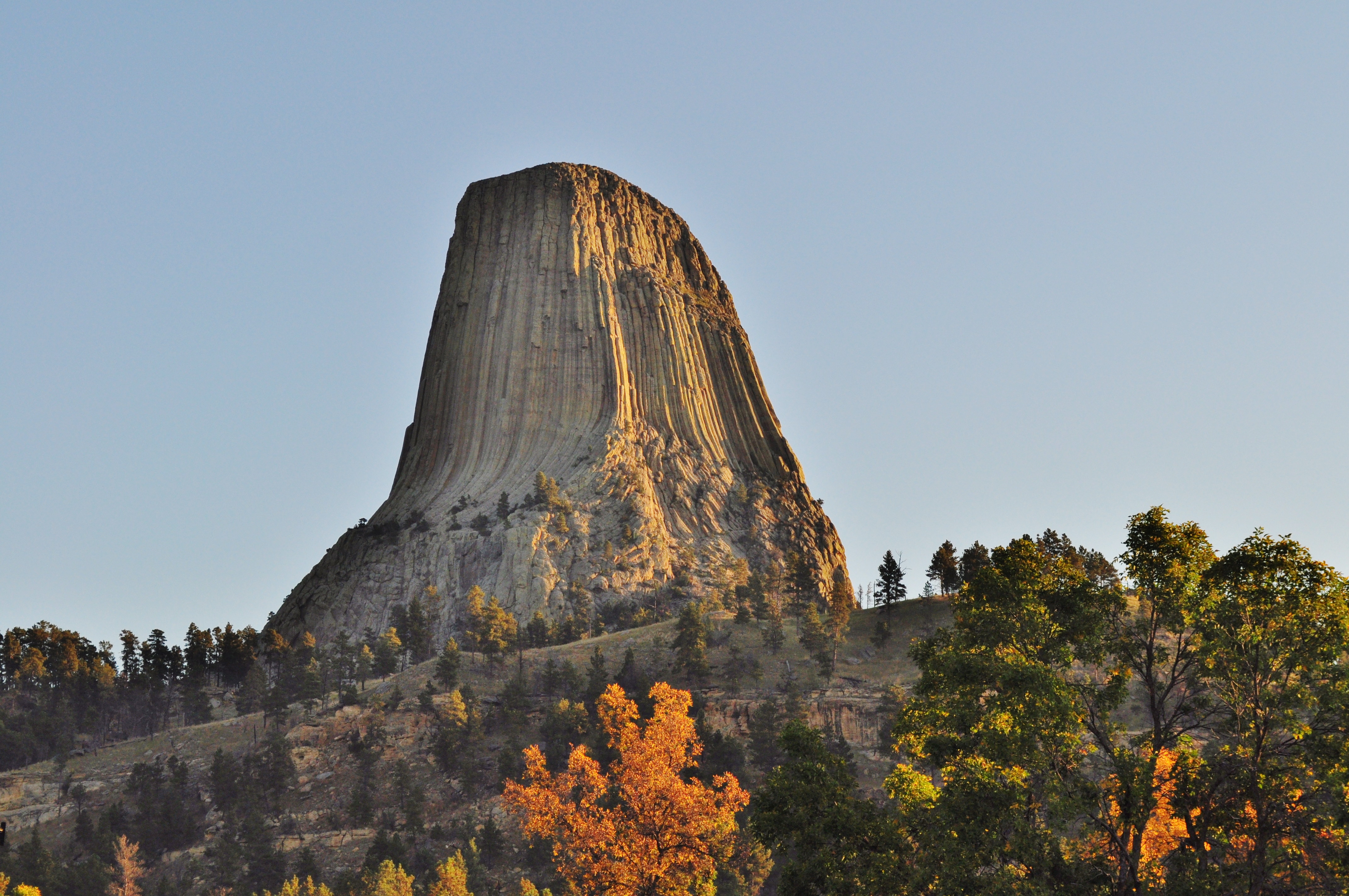
Devils Tower presents an 867-foot igneous monolith, a stark geological feature on the Wyoming prairie.
The experience offers distinct layers of engagement. Casual visitors can complete a loop hike around the base, observing the columnar basalt formations closely. Climbers find world-class crack routes here. Overnight stays reveal a dark-sky environment, valuable for stargazing. The monument is compact. A thorough visit can be accomplished in half a day, though camping extends the visit. Its sacred significance to Northern Plains tribes provides a critical cultural dimension. With an Experience Score of 73, its impact exceeds its modest footprint. This is not a destination for an extended wilderness sojourn, but it warrants a dedicated visit.
Why visit
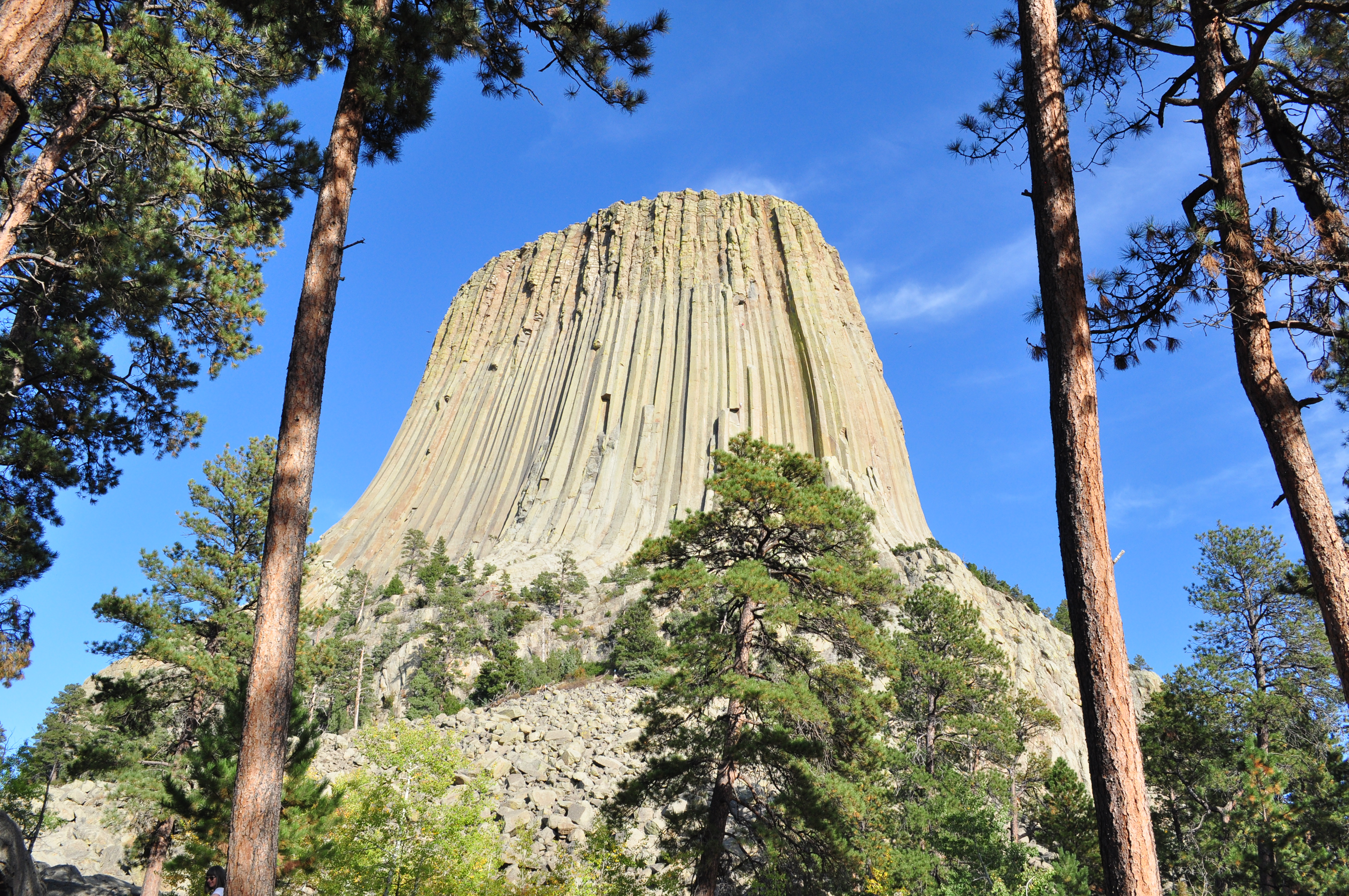
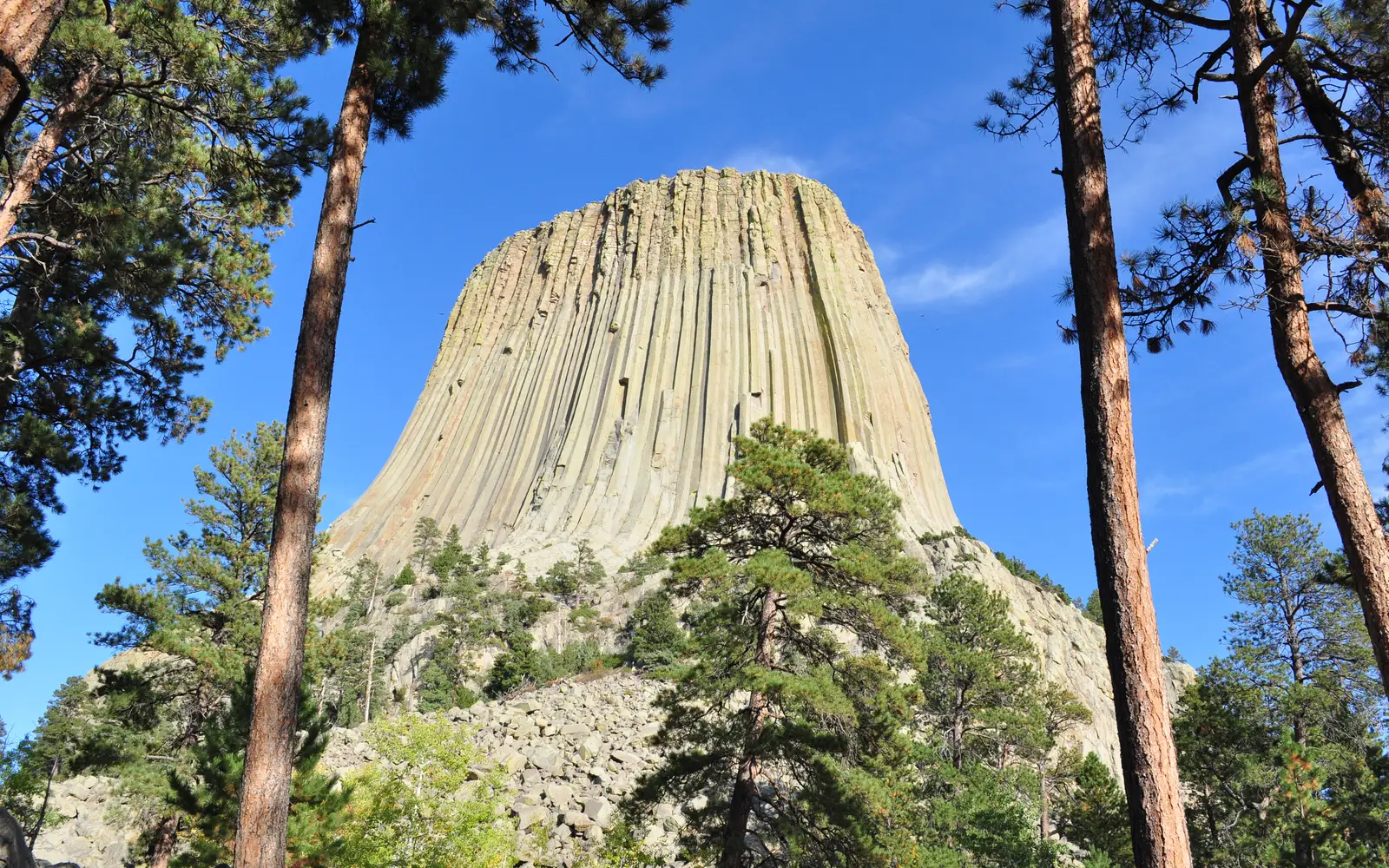
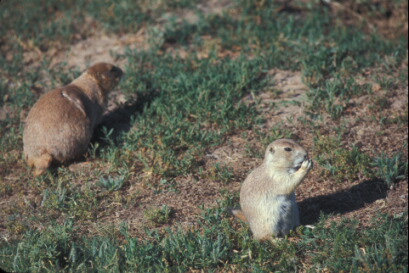
Devils Tower delivers a concentrated experience. Its front-country trails provide intimate views of the Tower's columnar jointing, showcasing the parallel vertical crack systems that define its unique geology. Wildlife viewing is common; expect prairie dogs, deer, and various raptors. For climbers, the crack routes are a documented highlight, considered among North America's finest. The campground offers exceptional stargazing due to low light pollution. The monument offers formal astronomy and stargazing programs. The Junior Ranger Program is available for families. This compact site integrates distinctive geology, premier climbing, hiking, wildlife observation, and dark skies into a compelling destination.
Who it suits
Devils Tower presents a compelling destination for specific visitor profiles. Rock climbers, particularly those dedicated to crack climbing, will find it a premier, aspirational site. For hikers and families, the Tower offers a strong visual payoff, making it suitable for a half-day or full-day visit. Stargazers willing to camp overnight are afforded a unique experience. However, those seeking extensive multi-day backcountry exploration or diverse trail options will find the offerings limited. The documented trail system does not support expansive, varied trekking.
Timing your visit
Primary season runs from late spring through early fall. The campground operates from mid-May to mid-October. While summer offers peak programming and prime climbing, it also presents the highest temperatures and the risk of sudden afternoon thunderstorms, rendering the Tower hazardous for all visitors. September and early October present a more appealing experience: cooler temperatures, fewer crowds, and exceptional stargazing opportunities once summer haziness dissipates.
What stands out
- Hiking the base loop for close-up views of the Tower's massive columnar crack systems
- World-class crack climbing on hundreds of documented parallel routes
- Exceptional dark-sky stargazing and formal astronomy programming
- Wildlife watching including prairie dog colonies and raptors near the base
- Overnight camping at Belle Fourche River Campground for the full day-to-night experience
- Junior Ranger Program providing structured engagement for younger visitors
Good to know
Entry is $15 per vehicle. The campground operates seasonally, from mid-May to mid-October, and reservation is essential for summer weekends. The visitor center bookstore maintains limited hours; do not rely on it for spontaneous trip planning. Carry ample water, particularly during summer heat. Monitor weather closely; thunderstorms develop rapidly.
Insider tipJune presents a climbing closure, honoring the Tower's sacred significance to Native tribes. Those interested in climbing must plan accordingly. For non-climbers, June may offer a more serene experience at the base trail.