Devils Postpile National Monument: our verdict
Devils Postpile National Monument presents a compelling case for a focused visit.
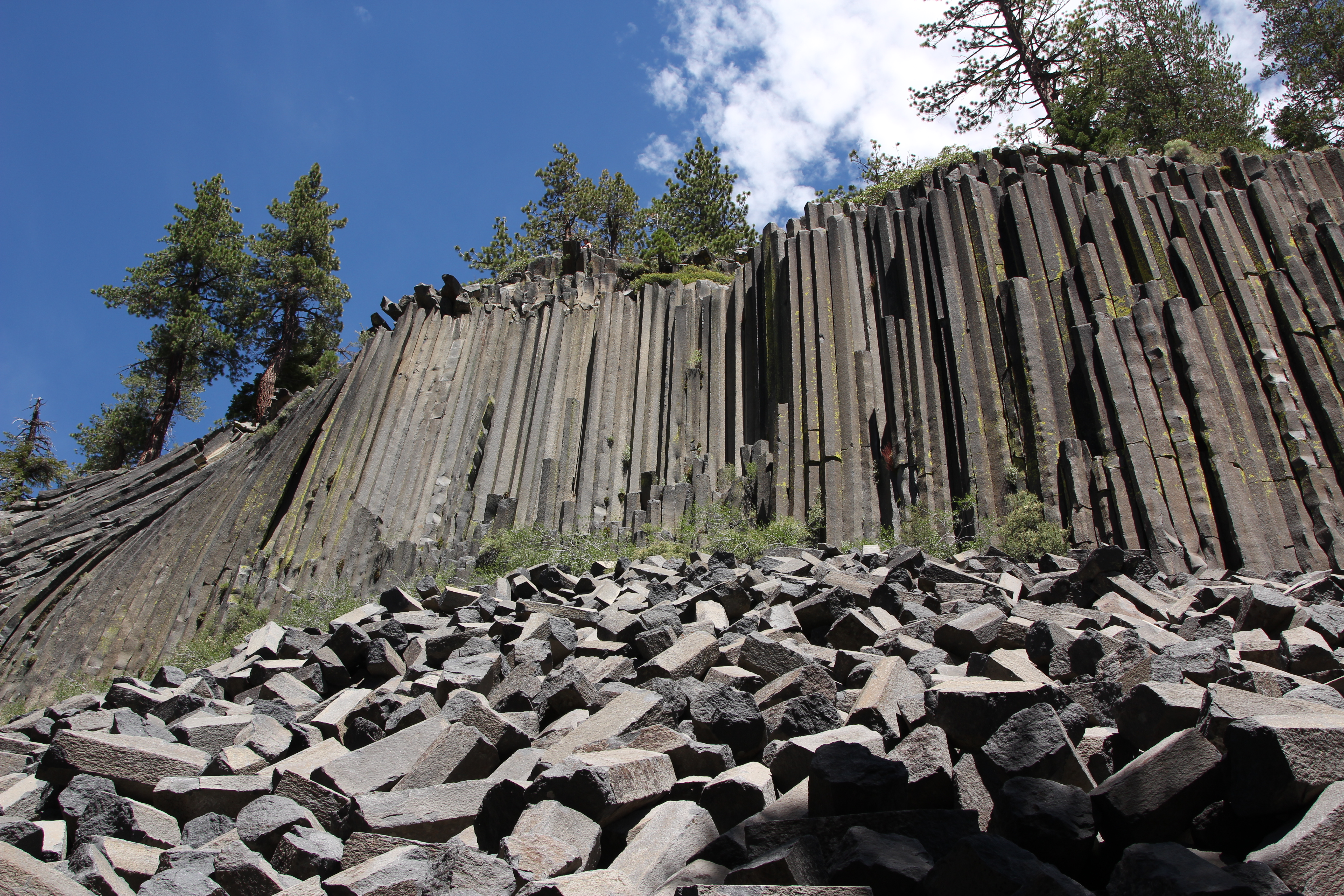
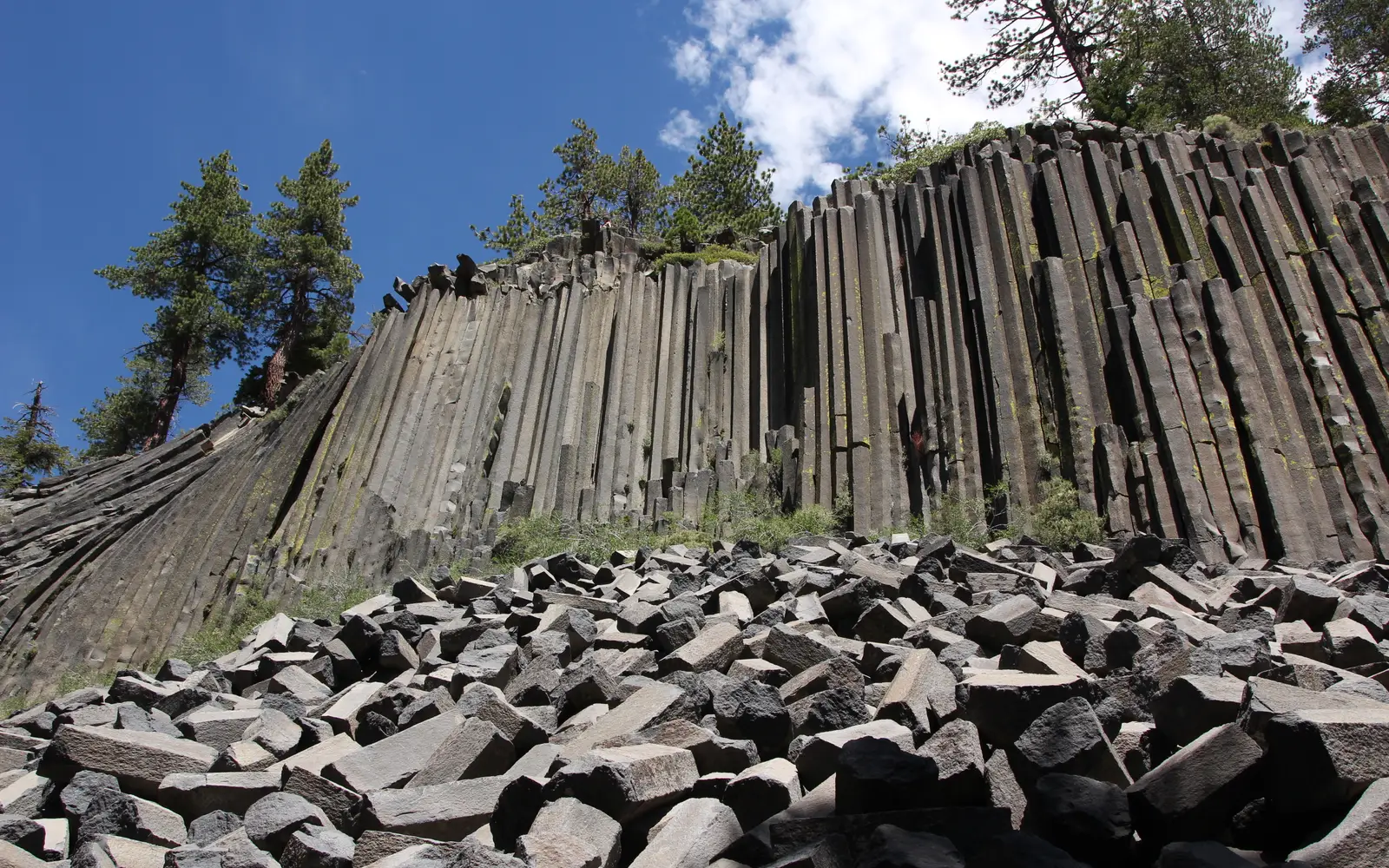
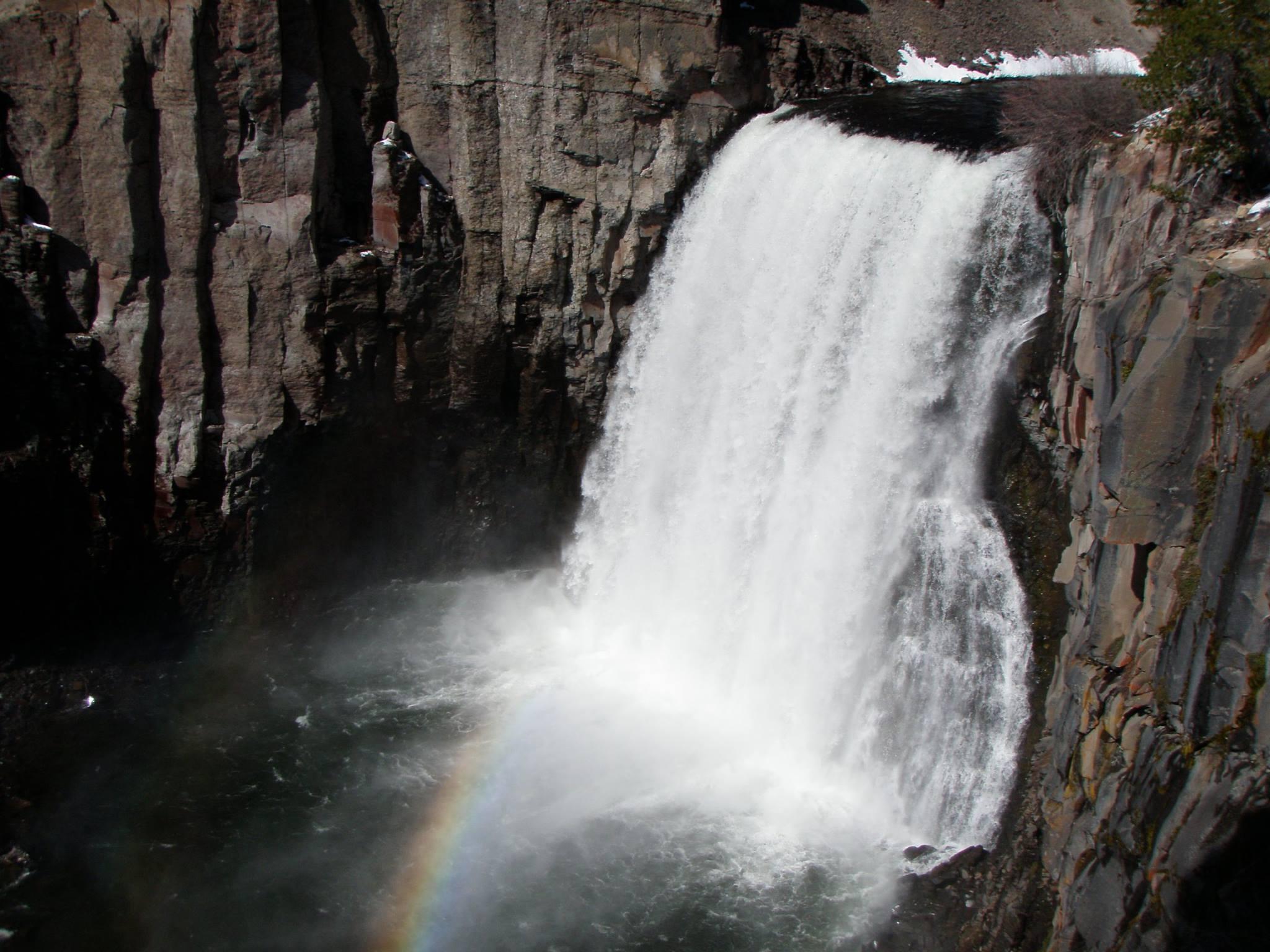
Its primary attraction is a rare geological formation: a wall of columnar basalt, with some columns standing 60 feet tall. This formation resulted from lava cooling with exceptional uniformity. Complementing this is Rainbow Falls, a 101-foot waterfall, readily accessible by foot. This is not a vast park demanding extensive exploration. Most visitors will experience its core features within a half-day. However, its 7,560-foot elevation in the Sierra Nevada, coupled with free admission, dark skies, and opportunities for fishing and camping, elevates it beyond a mere roadside stop. The monument rewards those who linger into the evening and use it as a base for exploring the surrounding High Sierra. Geology enthusiasts, families, and campers seeking a Sierra Nevada experience will find this destination particularly suitable.
Why visit
This unit offers a compelling experience for those prioritizing natural phenomena and tranquil, high-elevation nights. The columnar basalt formation presents a striking geological feature. A front-country hike provides access to Rainbow Falls, a 101-foot cascade, particularly impressive in morning light. The San Joaquin River corridor supports angling pursuits. Wildlife observation is fruitful in the meadows and forest edges. At over 7,500 feet, with free admission and no light pollution, the stargazing is exceptional. Overnight stays reveal the full scope of the monument, from summer afternoon thunderstorms to profoundly dark, quiet nights. Horse access on trails is a notable and uncommon amenity within California monuments.
Who it suits
This park delivers for specific visitor profiles. Geology enthusiasts, Sierra Nevada campers, and stargazers will find compelling reasons to visit. Families seeking a dramatic but manageable hike are well-served. Anglers also have clear opportunities. However, those desiring multi-day backcountry adventures or extensive developed amenities will find this unit lacking. Furthermore, a mandatory shuttle system means casual scenic drivers must plan beyond a simple roadside stop.
Timing your visit
The operational season for this monument runs from mid-June to mid-to-late October. This fixed window dictates terms for any visit. July and August present the warmest conditions, but afternoon thunderstorms are a consistent factor; early starts for hiking are therefore essential. September emerges as the prime month. Crowds diminish then. Storm activity lessens. Daytime temperatures stay comfortable in the 70s. Nights cool significantly and offer clearer skies, making stargazing a distinct advantage for those who time their visit.
What stands out
- Columnar basalt formation: one of the finest examples in the world, with columns up to 60 feet tall
- Rainbow Falls: a 101-foot waterfall accessible by front-country hiking trail
- Exceptional high-altitude stargazing at 7,560 feet with free access and low light pollution
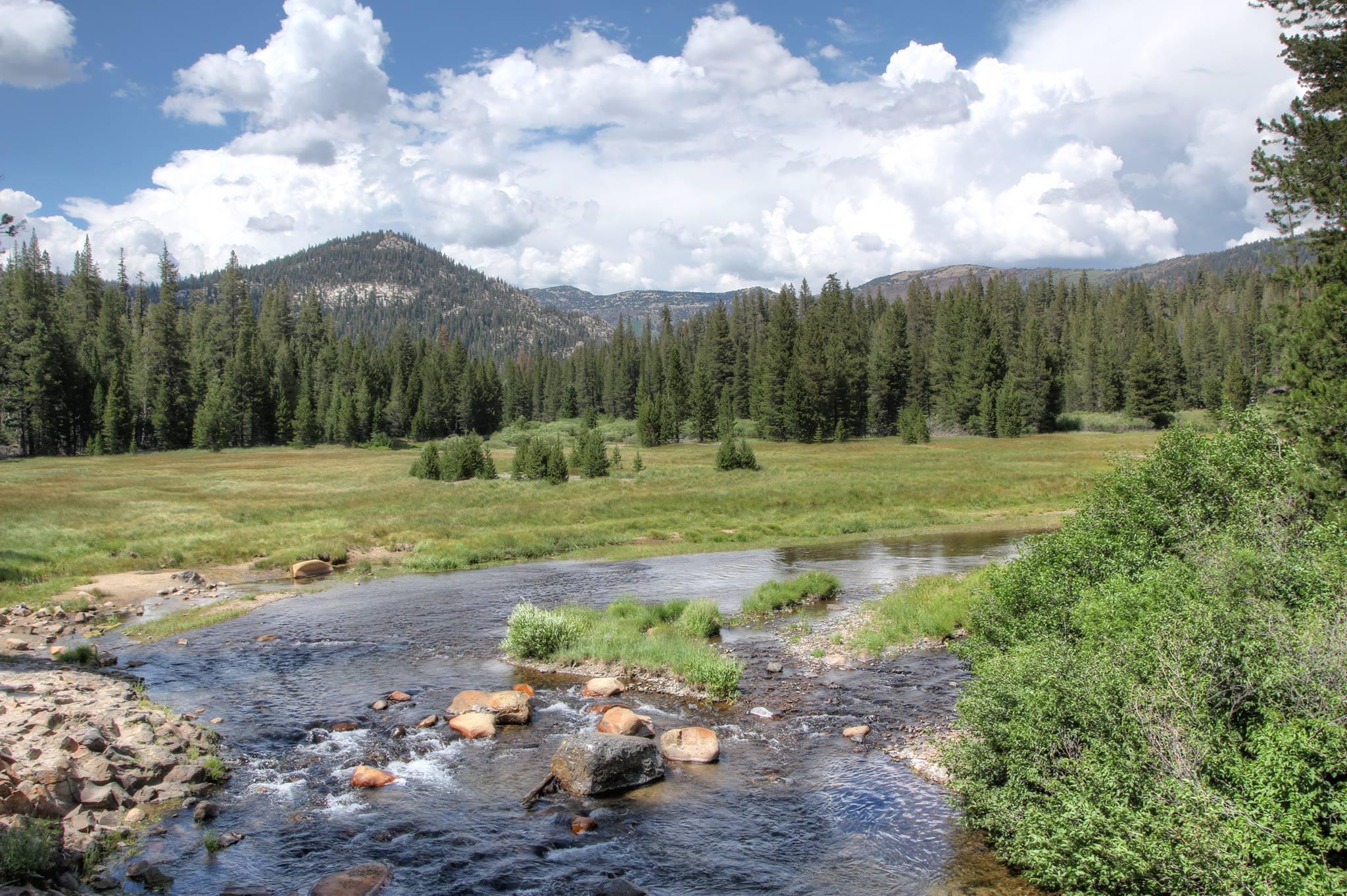
- Fishing along the San Joaquin River corridor within the monument
- Horse trekking permitted on trails, a genuine differentiator for equestrian visitors
- Junior Ranger Program making the geological story accessible for kids
Good to know
Access during peak season mandates a shuttle from the Mammoth Mountain area; personal vehicles cannot reach the formation during operating hours. Admission is free. The monument sits at 7,560 feet. Altitude adjustment is a serious consideration, particularly for families with young children or visitors arriving from sea level. Confirm the shuttle schedule before any visit.
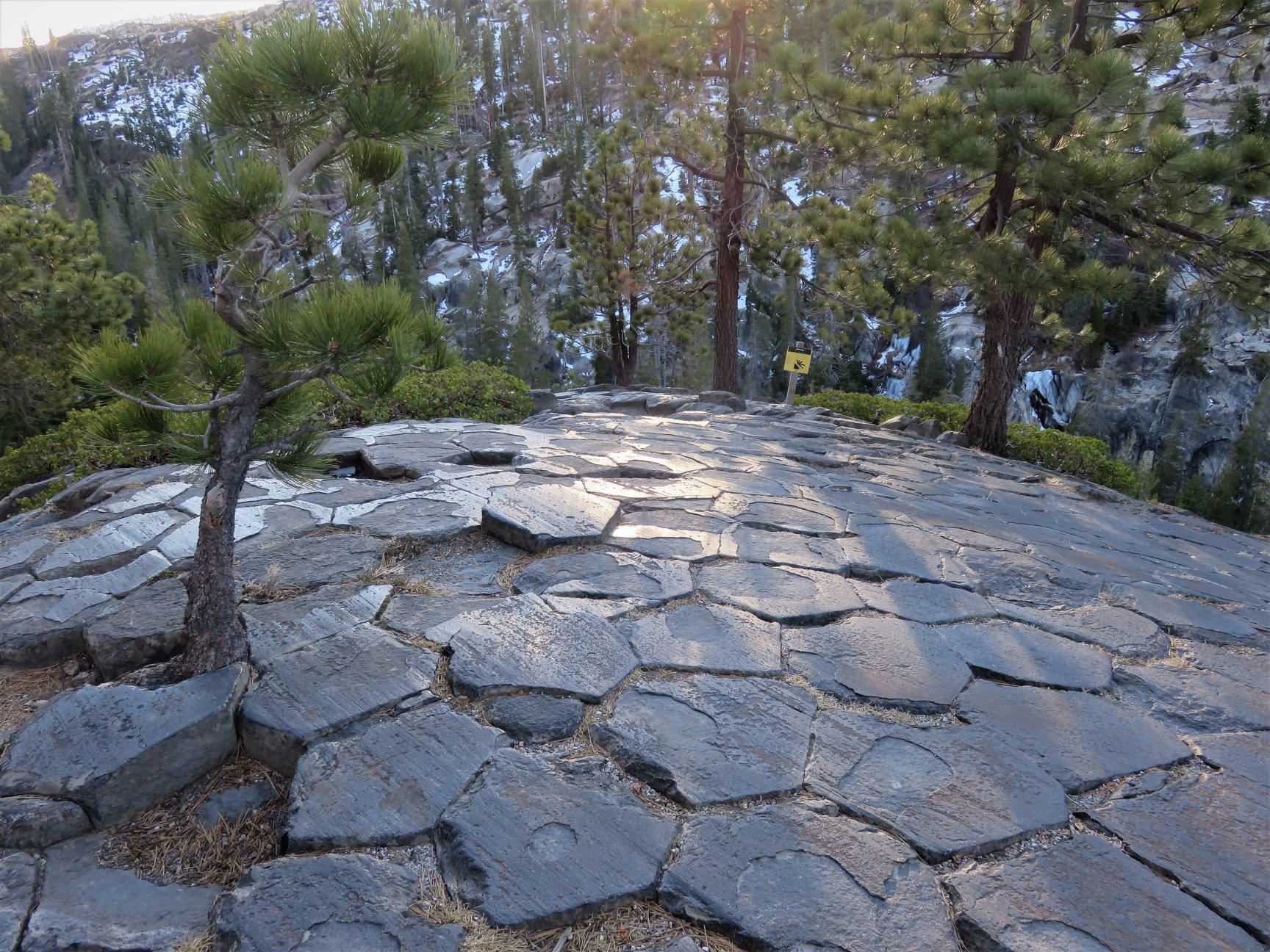
Insider tipThe upper viewpoint reveals the true scale. This vantage, with its exposed hexagonal column tops like a tiled floor, reframes the entire formation. Visitors who bypass this trail segment miss the most striking aspect. The base wall alone does not convey the full geologic narrative. Prioritize the climb; the perspective shift justifies the effort.