Denali National Park & Preserve: our verdict
Denali National Park delivers a transformative experience defined by its immense scale and untamed character.
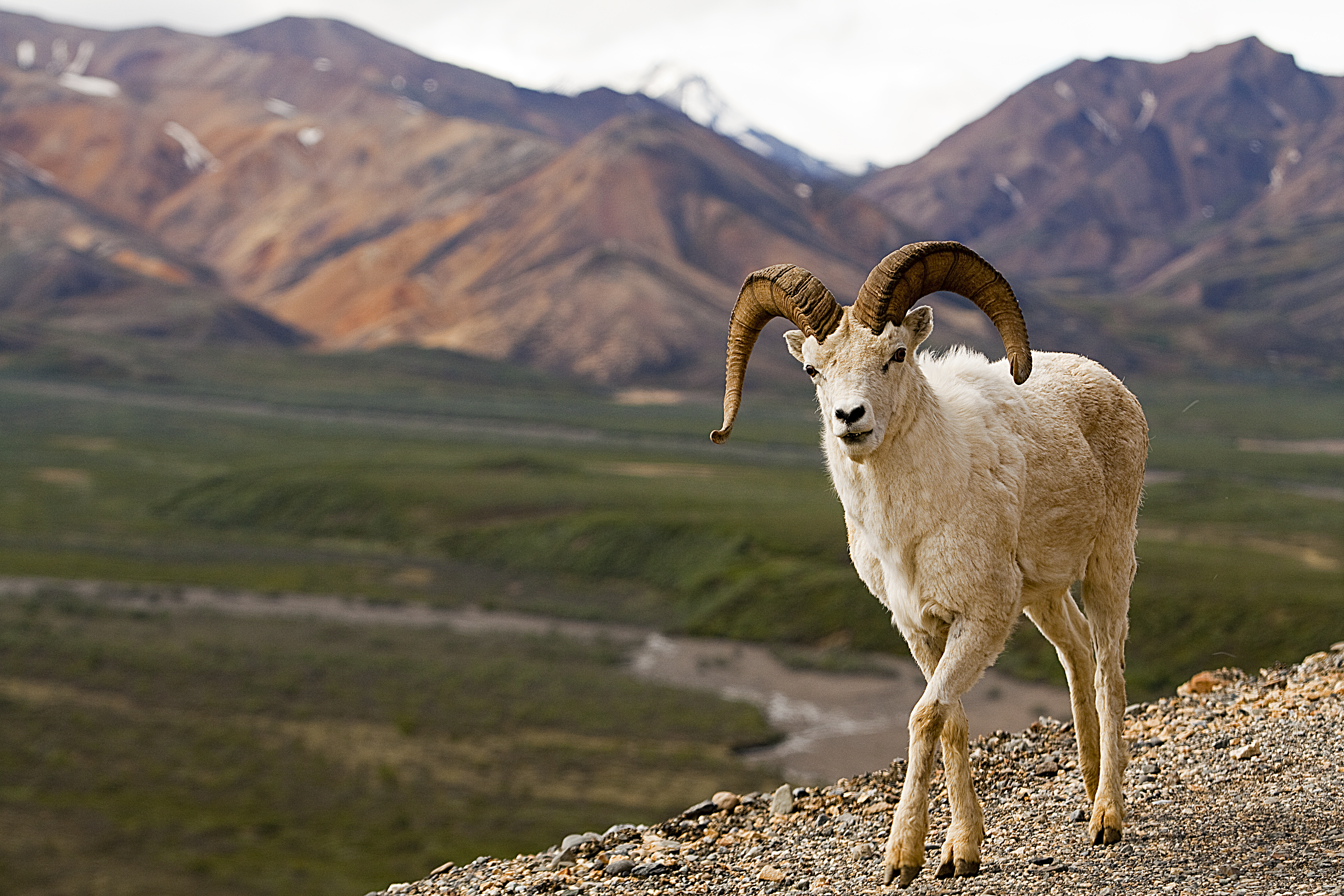
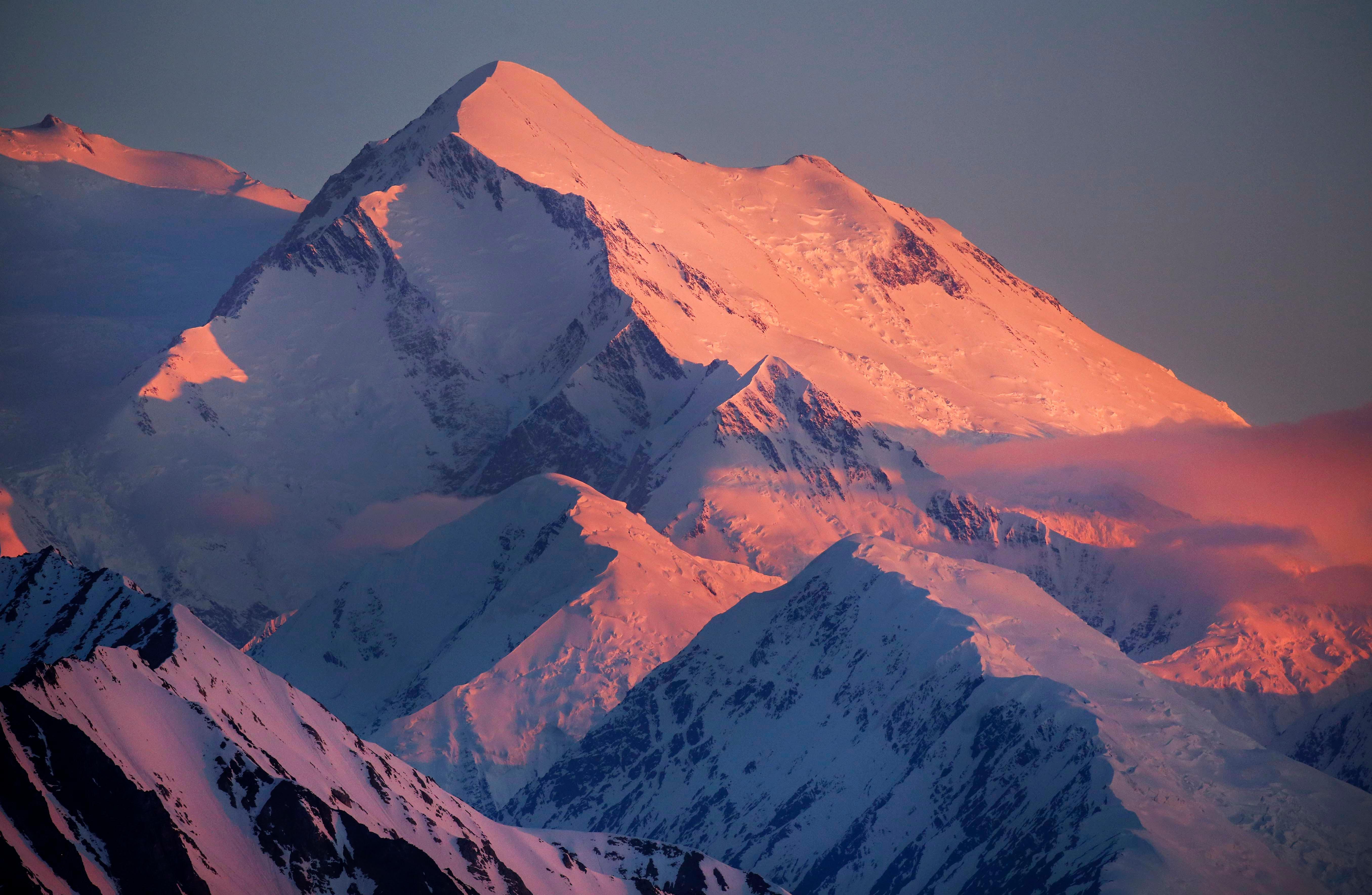
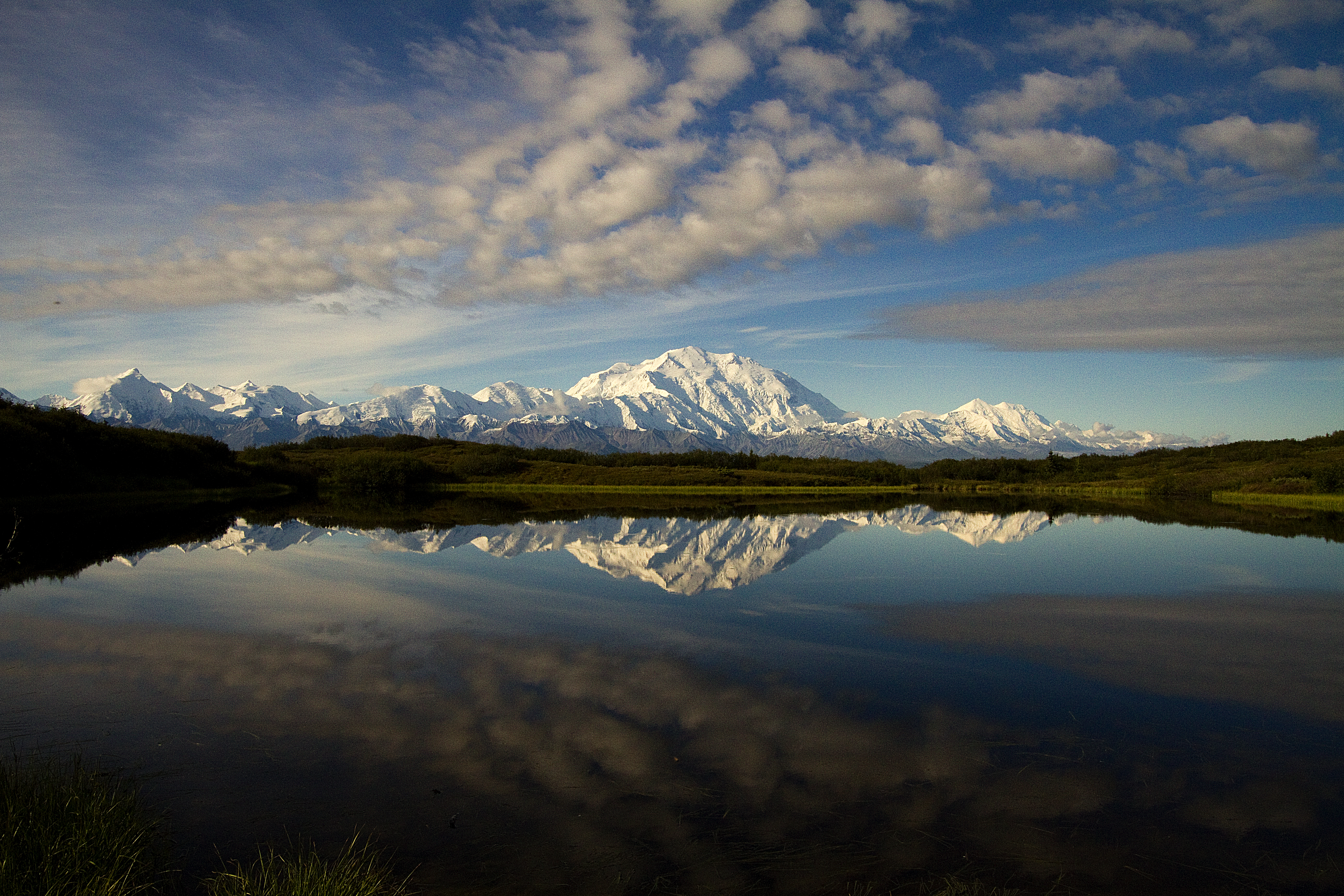
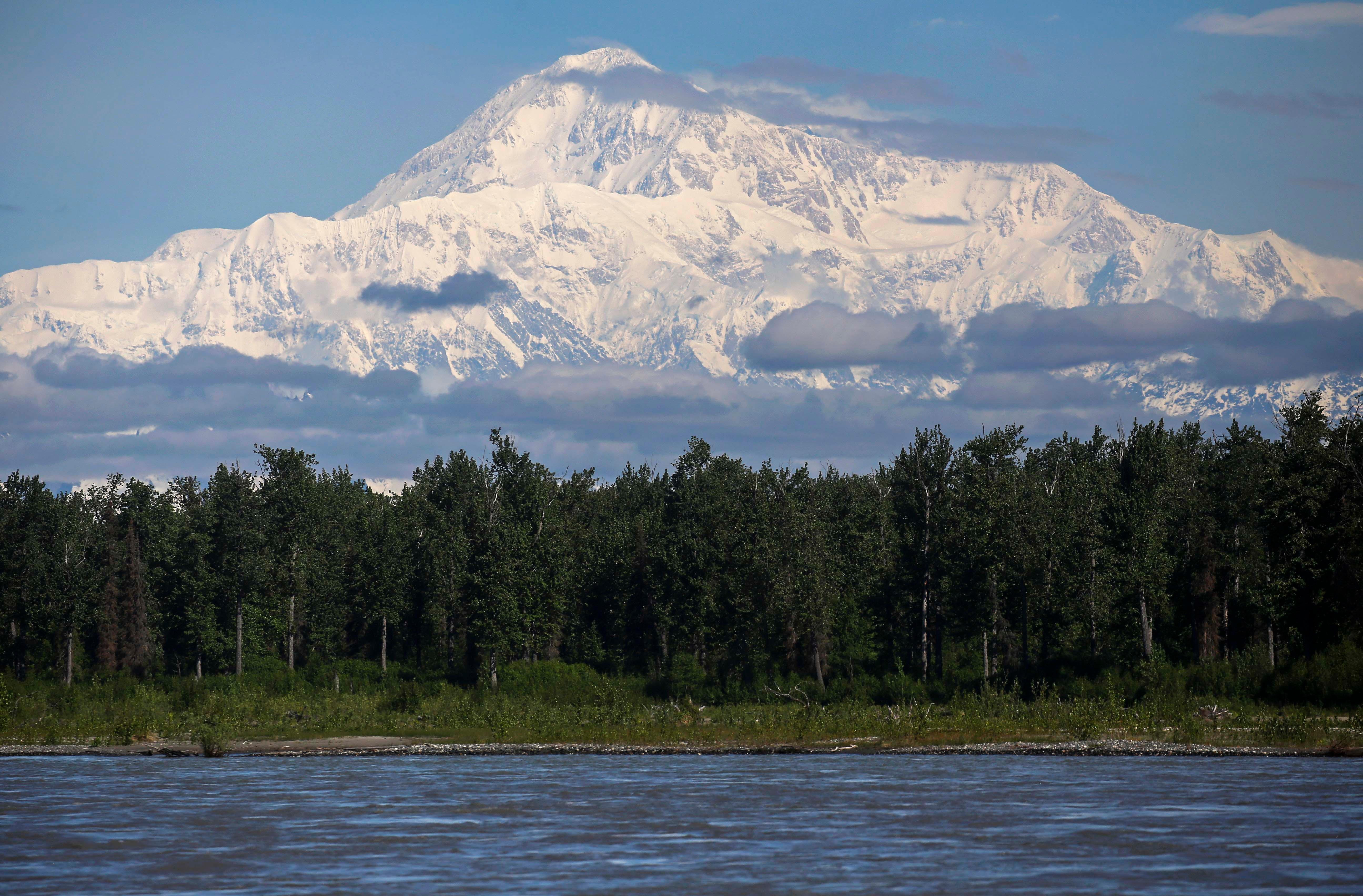
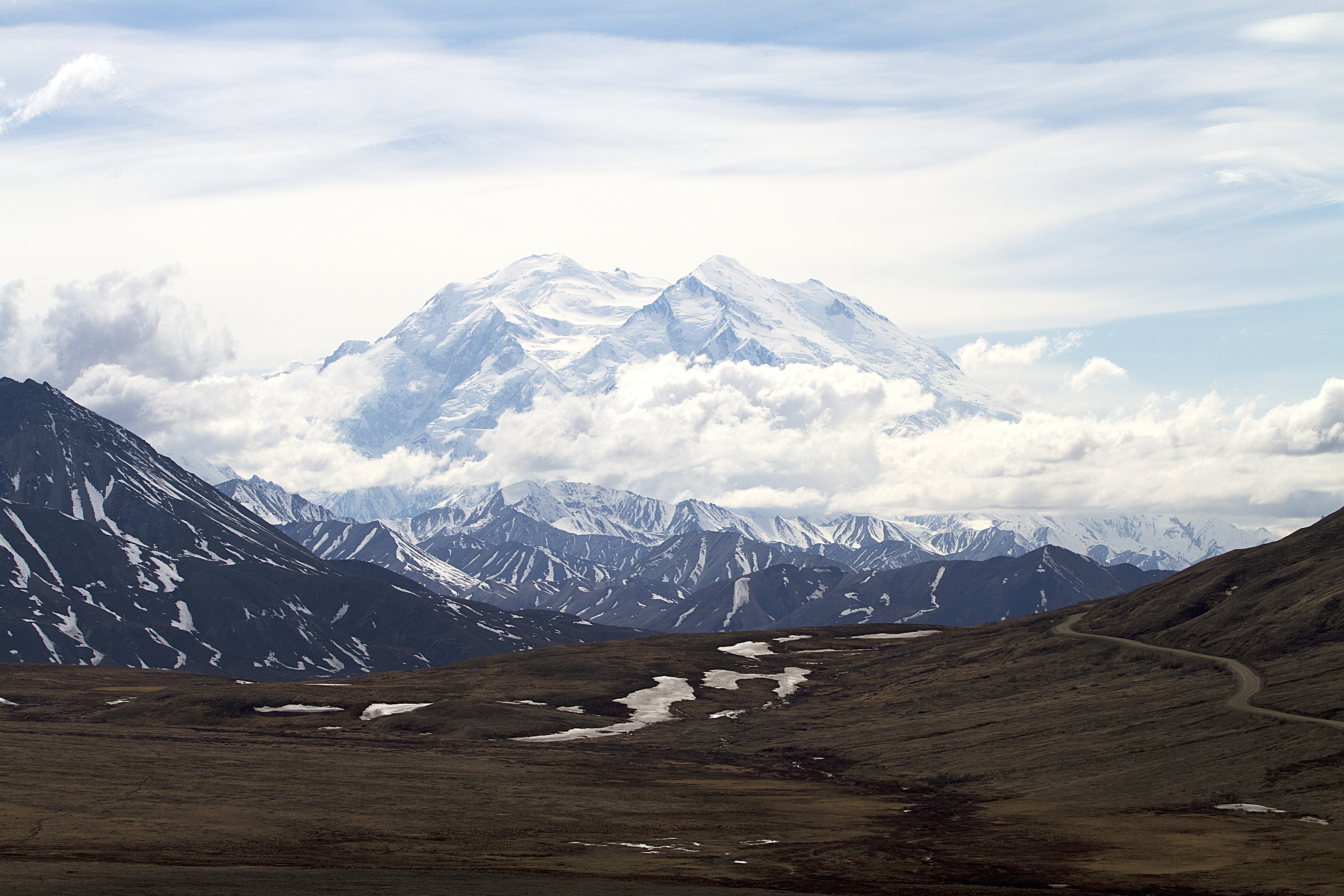
Covering six million acres, the park is predominantly roadless backcountry, shaping its entire visitor experience. The park's centerpiece is North America's tallest peak at 20,310 feet. While few visitors approach the summit, all encounter a vast, open landscape of taiga forest and alpine tundra. Here, grizzly bears, wolves, moose, and caribou roam freely. The $15 entrance fee offers exceptional value given the park's scope. This is not a destination for a quick visit. Denali rewards those prepared for unpredictable weather and a pace dictated by the wilderness. Casual sightseers should look elsewhere.
Why visit
Denali National Park presents a formidable, expansive wilderness. A park bus trip into the road corridor is essential for wildlife viewing, offering the necessary pace to spot animals across tundra ridgelines. Front-country trails are limited to the entrance area. True exploration demands engaging with the permitted off-trail system for backcountry access. Camping options range from designated campgrounds to permitted wilderness backcountry sites. Winter transforms the park, providing opportunities for cross-country skiing, snowshoeing, and snowmobiling. The chance to observe working dog sled teams is a unique, historically resonant activity. Stargazing is exceptional in the dark skies. This park offers an unusually broad spectrum of documented activities, but casual sightseers should note the limitations of trail access.
Who it suits
Denali National Park presents an experience supported by substantial infrastructure. It is ideal for experienced wilderness travelers, wildlife observers, and mountaineers. Families with patient, outdoors-oriented children will find the junior ranger program and bus tours accessible. However, those expecting paved loop roads, ubiquitous easy trailheads, or consistently warm weather should adjust expectations. This is not a casual drive-through park.
Timing your visit
Peak season runs from late May to early September, aligning with full bus tour operations and campground accessibility. August offers the added appeal of nascent fall tundra colors under extended daylight. Summer temperatures remain cool, necessitating layers. Winter transforms the park into a quiet, snow-centric destination, but services are significantly curtailed.
What stands out
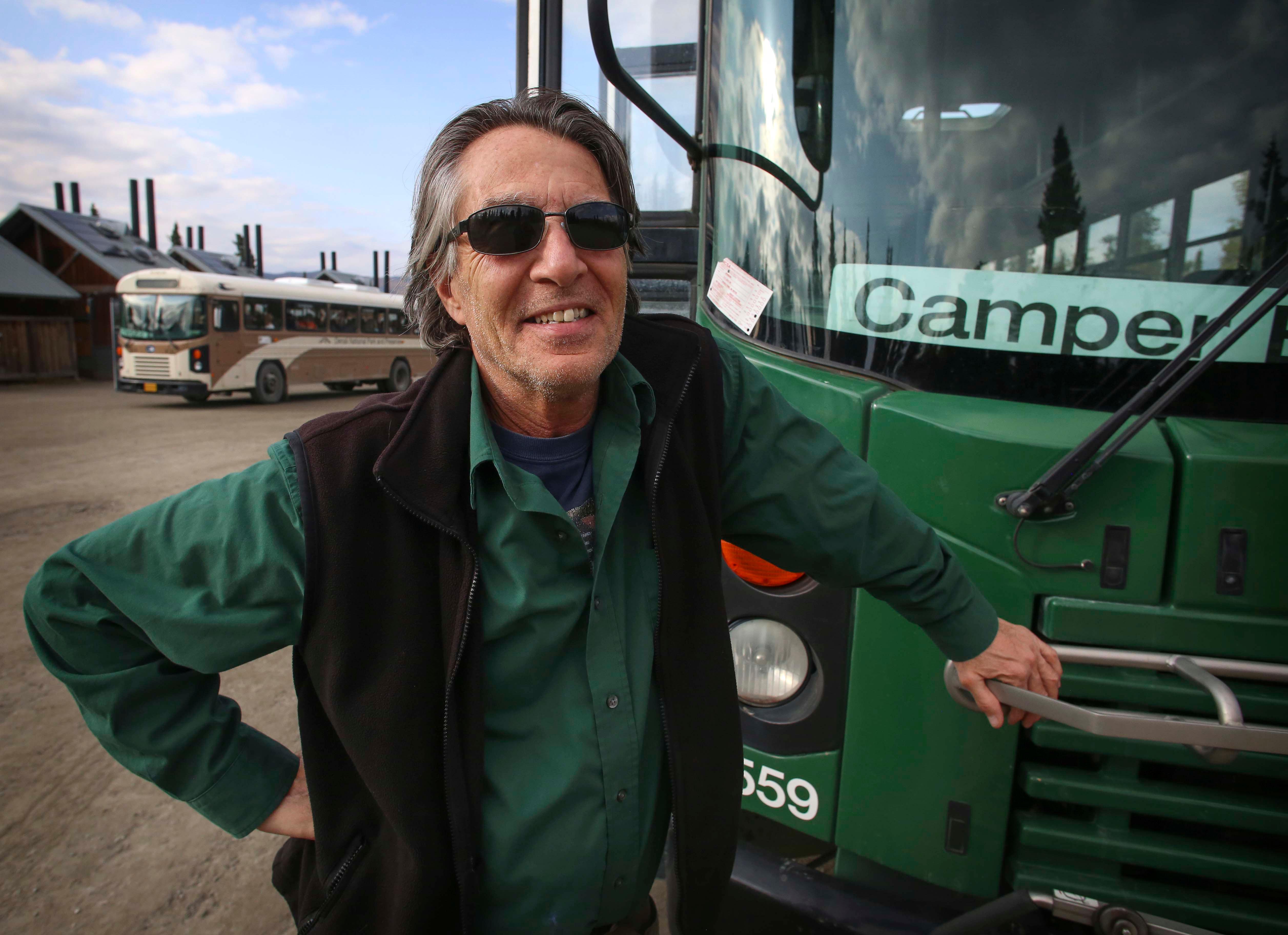
- Bus and shuttle tours along the single park road, the primary way most visitors access deep wildlife habitat
- Off-trail permitted hiking across open tundra, one of the few major parks where this is formally allowed and genuinely encouraged
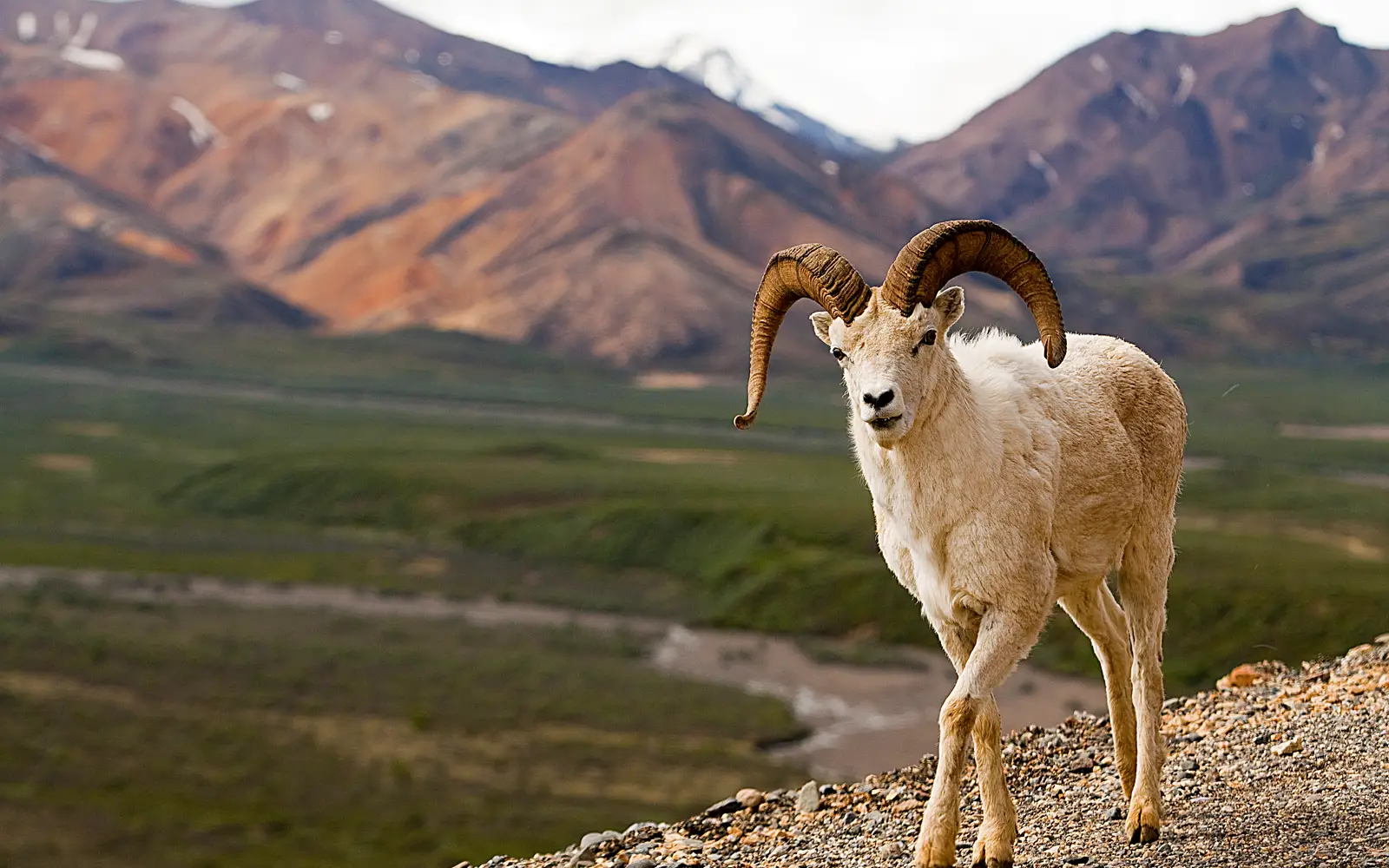
- Wildlife watching for grizzly bear, caribou, moose, and wolf in unfenced, roam-free terrain
- Mountaineering routes on Denali, North America's highest peak at 20,310 feet, for expedition-level climbers
- Dog sledding demonstrations and winter snow activities including cross-country skiing and snowshoeing
- Dark-sky stargazing in interior Alaska, with minimal light pollution and long winter nights
Good to know
The $15 per-person entrance fee grants access, though no gate controls initial entry. The critical restriction is vehicular access: beyond 15 miles, only park buses proceed. Private vehicles are thus significantly limited. Prospective visitors must secure bus reservations and campground sites far in advance; summer bookings, in particular, are often full months ahead. While the park maintains 24-hour access, services diminish notably outside of peak operating hours. This is a park demanding foresight and planning.
Insider tipFor those with flexibility, the park’s off-trail system offers a distinct advantage. Requesting a mid-route drop-off from the bus tour allows for a self-paced cross-country return. This freedom to choose a ridgeline and hike back unpacks the true scale of the landscape, transforming it from mere passing scenery into a palpable, physical experience.