Should you visit Delaware National Estuarine Research Reserve?
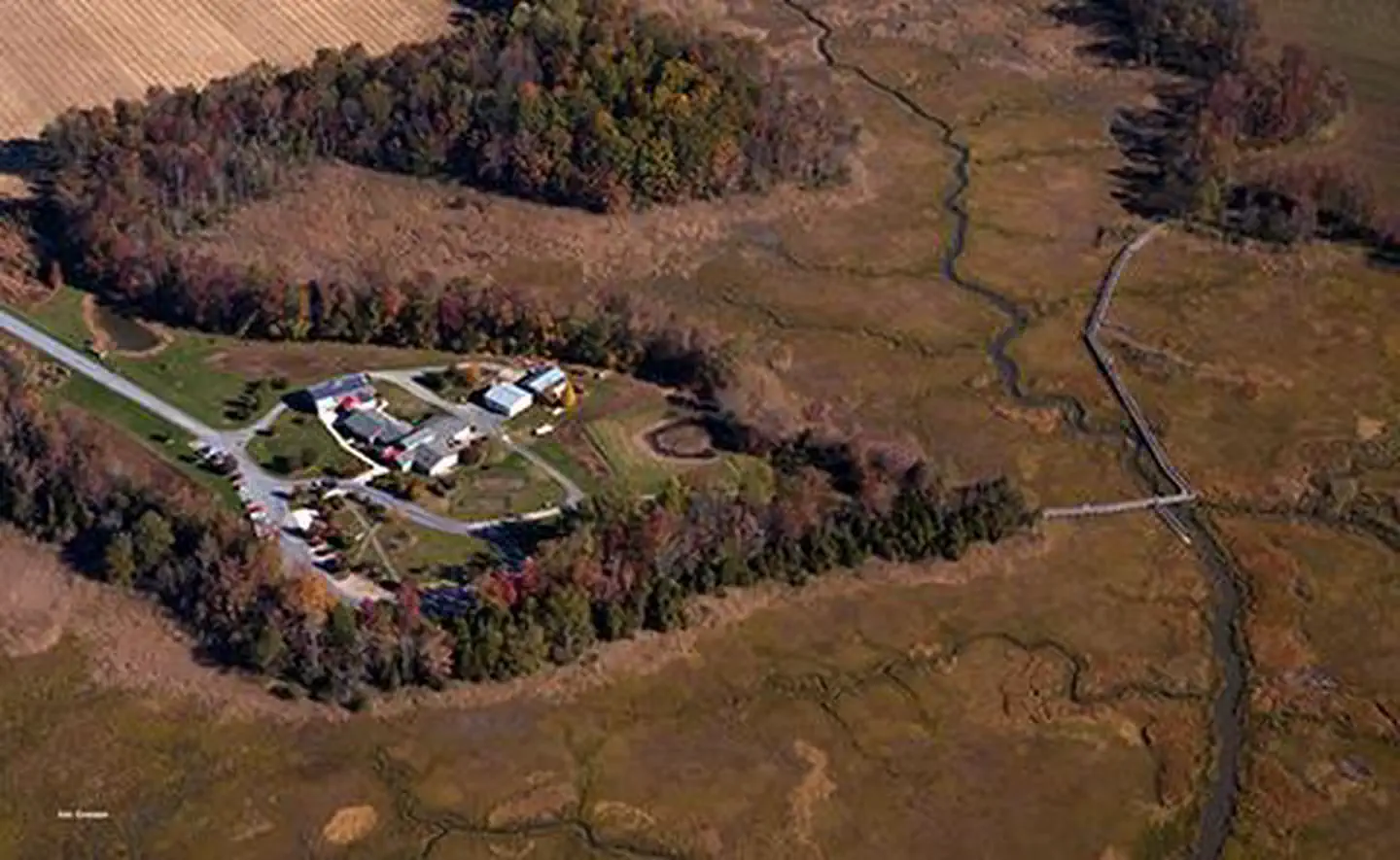
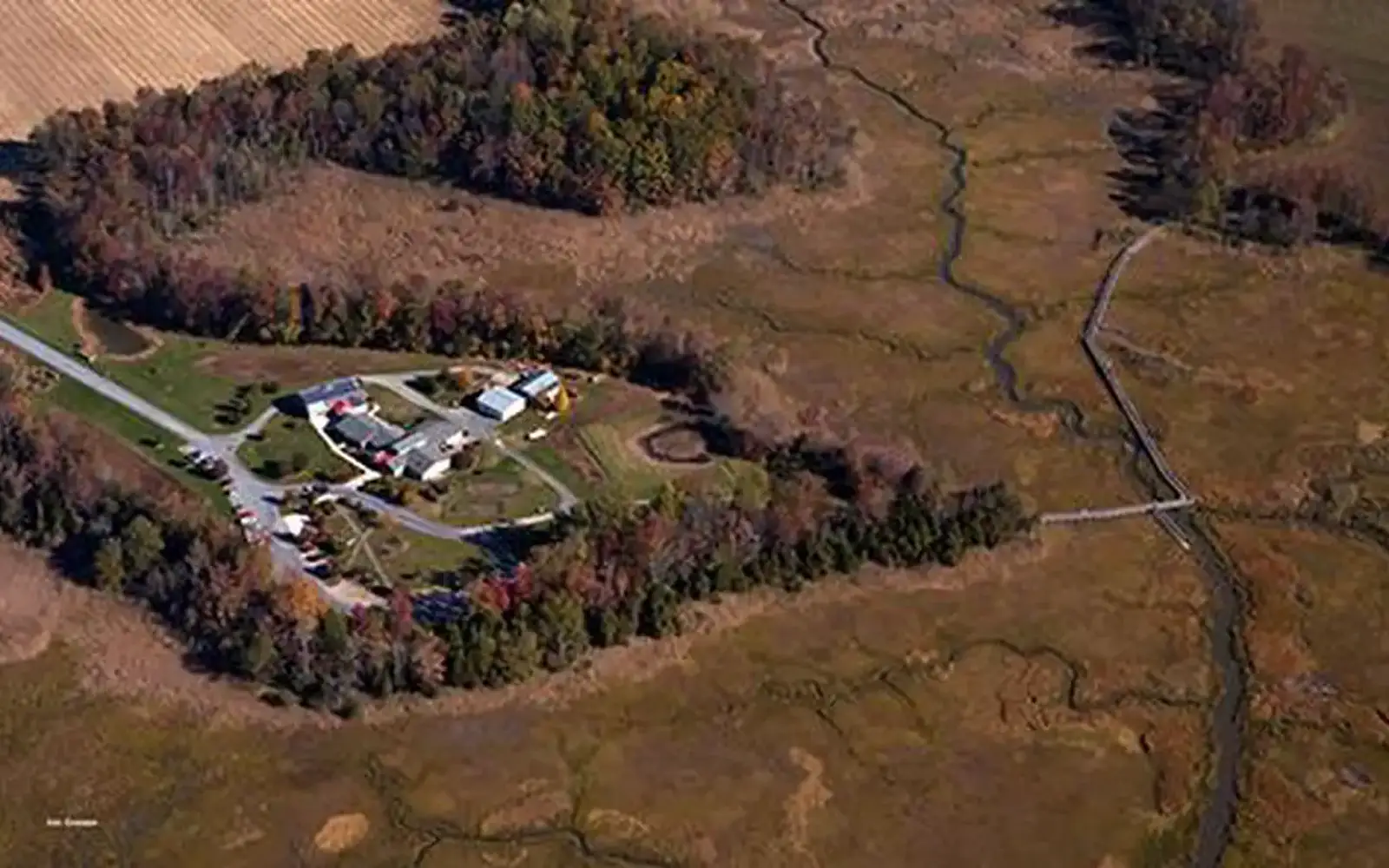
The Delaware National Estuarine Research Reserve, an ecological heavyweight, presents two distinct units: the freshwater wetlands of Blackbird Creek and the tidal marsh of St.
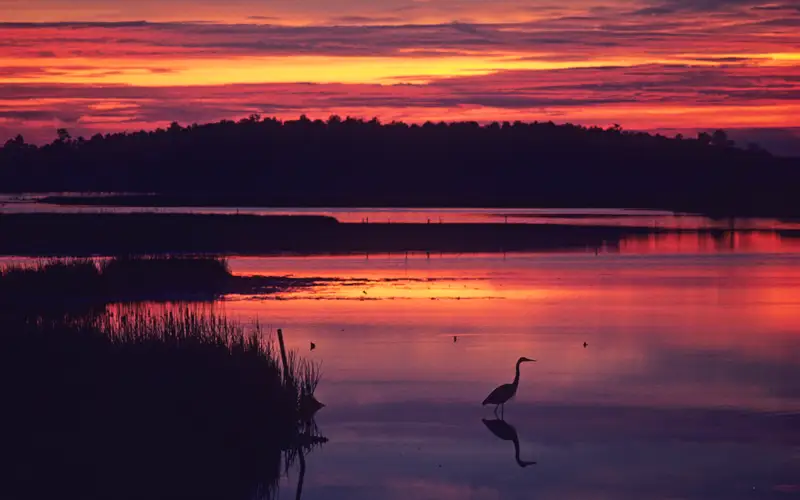
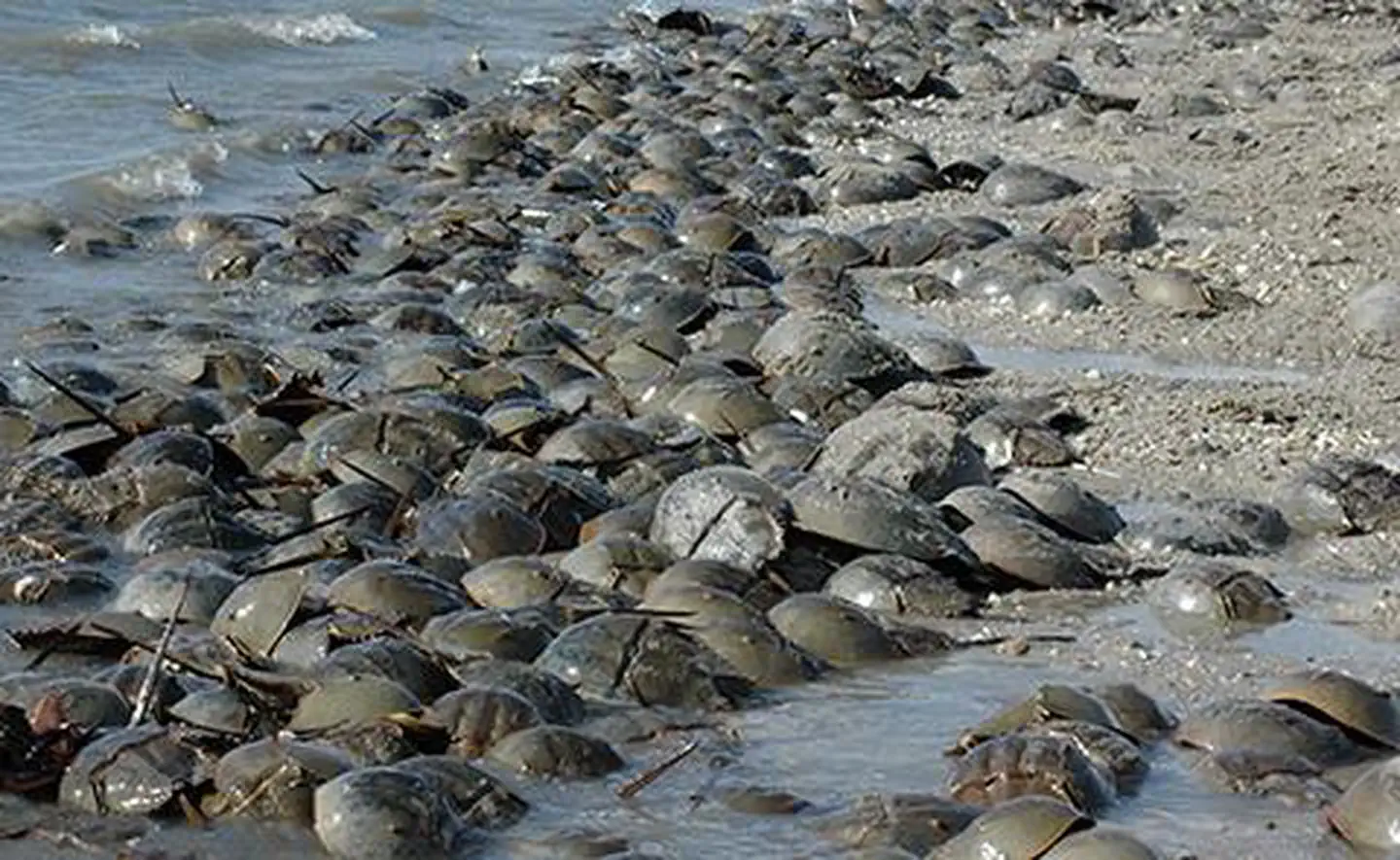
Jones Reserve. This is a place where genuine science and staggering wildlife converge. The Delaware Bay supports the planet's largest spawning horseshoe crab population. It also hosts the second largest concentration of migrating shorebirds in the entire Western Hemisphere. These are documented biological facts, not promotional claims. For a free, largely undiscovered NPS unit, the breadth of documented activities is impressive. Options include hiking, paddling, fishing, hunting, biking, swimming, and structured interpretive programs. This is not a landscape of dramatic cliffs or sweeping vistas. It is flat, marshy, and tidal. For the visitor seeking such an environment, the scale and activity here are the draws.
What makes it worth it
This preserve prioritizes aquatic engagement. Paddlers gain access to tidal creeks through salt marsh corridors otherwise unreachable. Terrestrial visitors can hike or bike the wetland and forested edges of Blackbird Creek, traversing diverse habitats in a single trip. The visitor center and interpretive programs offer scientific context, elevating the experience beyond casual observation. Anglers and hunters have documented access. Wildlife photographers will find unparalleled opportunities for shorebirds during spring migration and horseshoe crabs during their late May spawning runs; conditions here are unique on the East Coast for their scale. The fish viewing site provides an additional draw for families.
Who should go
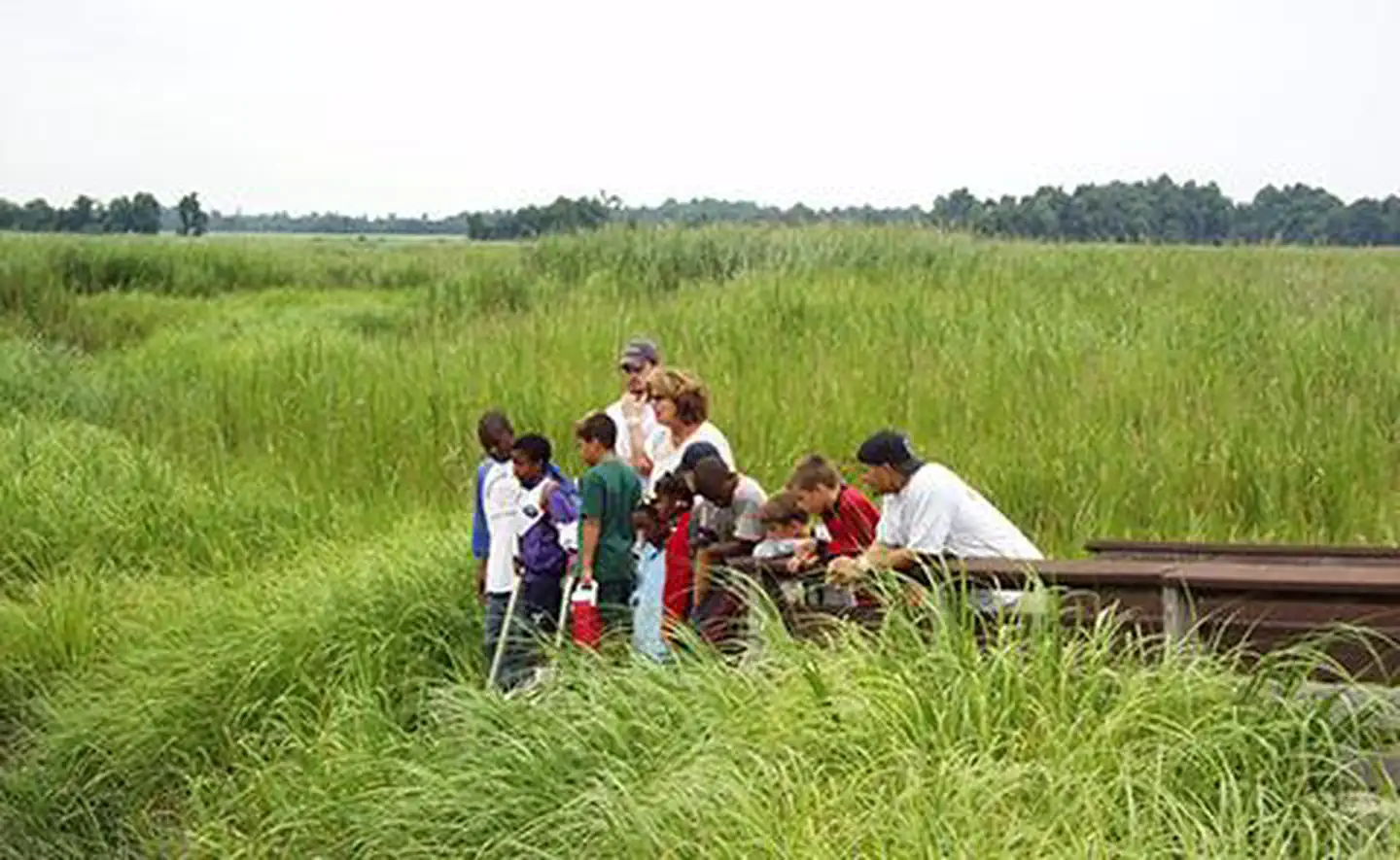
This reserve caters to a specific visitor. Birders, paddlers, and wildlife photographers will find it especially rewarding during spring migration. Interpretive programs and the visitor center offer educational value for families. Anglers and hunters also have compelling reasons to visit. However, those seeking dramatic scenery, significant elevation, or a traditional hiking experience should consider other mid-Atlantic destinations.
When to go
The unit's seasonal offerings present clear distinctions. Late May provides a unique spectacle, with horseshoe crabs spawning on Delaware Bay beaches, attracting tens of thousands of migrating shorebirds to feed. This spring migration period, encompassing April through early June, is optimal for wildlife observation. Summer facilitates paddling and fishing. Winter is best suited for dedicated naturalists seeking quiet contemplation.
Highlights
- Largest horseshoe crab spawning population in the world, concentrated along Delaware Bay shoreline in late May
- Second largest shorebird migration concentration in the Western Hemisphere during spring stopover
- Paddling tidal creeks through salt marsh habitat at the St. Jones Reserve
- Two distinct ecosystems in one reserve - freshwater forest and wetlands at Blackbird Creek versus coastal salt marsh and mudflats at St. Jones
- Free interpretive programs and a visitor center grounding the experience in real estuarine science
- Multi-use access including hiking, biking, fishing, hunting, and swimming across 6,000-plus acres
Plan ahead
Entry is free. Two distinct units, Blackbird Creek and St. Jones, comprise the reserve. Visitors should prioritize which habitat and activities they prefer. Paddlers must confirm launch access and tidal conditions prior to arrival. Interpretive program schedules fluctuate seasonally. Verify in advance if programs are central to your visit.
Editor's tipThis particular unit presents a unique, globally rare ecological event. For the serious wildlife observer, the horseshoe crab spawning peak in late May offers unparalleled viewing. Optimal viewing times are at high tide, either after dark or at dawn. This timing maximizes observation of both crab activity and the concentrated shorebird feeding frenzy. This is a destination for a specific kind of visitor. Casual sightseers should look elsewhere.