Should you visit Deer Flat National Wildlife Refuge?
Deer Flat National Wildlife Refuge is one of the oldest units in the entire National Wildlife Refuge System, established in 1909 around Lake Lowell, an irrigation reservoir that became a genuine wildlife magnet in the arid Treasure Valley of southwest Idaho.
It operates as two distinct units: the sprawling Lake Lowell unit near Nampa, covering over 10,500 acres, and the Snake River Islands unit, a chain of 104 islands scattered across 113 river miles into Oregon. Free to enter and sitting on the edge of the Boise metro area, this is an urban oasis that punches well above its weight for birders, paddlers, and anglers. It is not a wilderness destination and it is not trying to be. What it offers is exceptional year-round wildlife access, a genuinely broad activity menu, and a historically significant landscape that most visitors outside Idaho have never heard of.
What makes it worth it
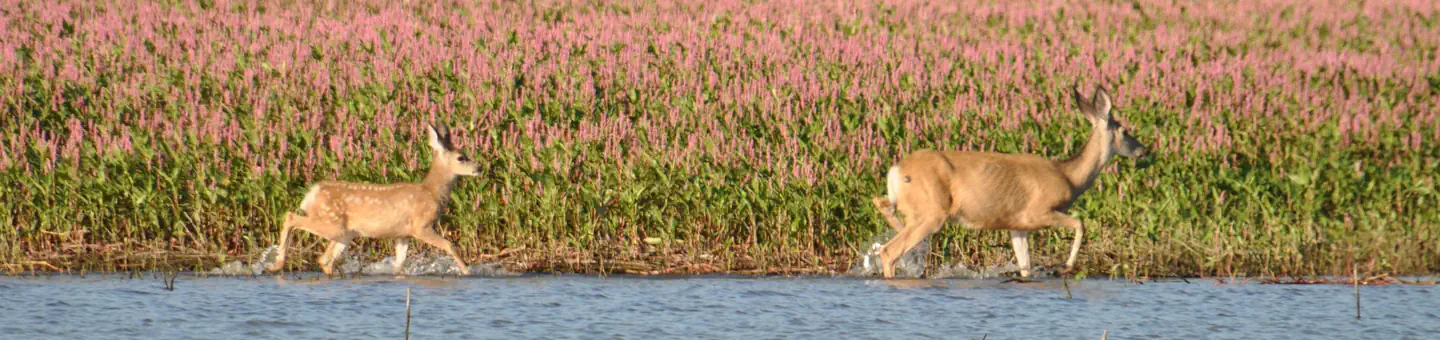
Lake Lowell defines this refuge. Migratory waterfowl and shorebirds gather in impressive numbers during spring and fall, offering consistent, close wildlife encounters. The auto tour route provides excellent viewing, but the water itself brings the best access. Boaters and anglers can launch directly onto the lake. Paddlers can explore quieter coves by kayak or canoe. Winter transforms the landscape for cross-country skiing, snowshoeing, and ice fishing, making this a multi-season destination. For those with a boat, the remote Snake River Islands unit offers 104 islands of nesting habitat, a wilder dimension rarely seen by casual visitors. The visitor center grounds the experience with interpretive programs.
Who should go
Birders, wildlife photographers, anglers, and paddlers will find genuine reward across multiple seasons. Families seeking a free, accessible outdoor day near the Boise-Nampa corridor will also find it worthwhile. Hikers seeking dramatic scenery or solitude should look elsewhere. This is a flat, working-landscape refuge, not a postcard wilderness.
When to go
Lake Lowell's appeal shifts distinctly with the seasons. Autumn, from September to November, is its definitive highlight, marked by peak waterfowl migration. Spring sees an increase in shorebird populations and nesting. Summer supports fishing, boating, and swimming, though temperatures in this high desert environment can be extreme. Winter presents underrated opportunities for cross-country skiing, snowshoeing, and ice fishing, with the benefit of significantly reduced visitor traffic.
Highlights
- One of the oldest refuges in the National Wildlife Refuge System, with over a century of documented wildlife history
- Lake Lowell unit: nearly 9,000 acres of open water for boating, fishing, swimming, and wildlife viewing
- Snake River Islands unit: 104 islands across 113 river miles, accessible by motorized or non-motorized boat
- Year-round activity menu spanning birding, hiking, biking, horseback riding, cross-country skiing, and ice fishing
- Free auto touring route providing accessible wildlife viewing without leaving your vehicle
- On-site visitor center offering interpretive and educational programs tied to the refuge's history and ecology
Plan ahead
This refuge offers free admission, a significant advantage. The Lake Lowell unit, near Nampa, Idaho, and approximately 25 miles west of Boise, serves as the main access point. Seasonal closures are in effect for some areas during nesting season; consulting the current refuge schedule is essential for any backcountry or island exploration. Accessing the Snake River Islands unit specifically requires a boat.
Editor's tipThe Snake River Islands offer an experience that rewards preparation and specific interests. For those prioritizing accessibility, the western end of the island chain, near the Canyon-Ada County line, features a denser cluster of islands. This area optimizes