Should you visit De Soto National Memorial?
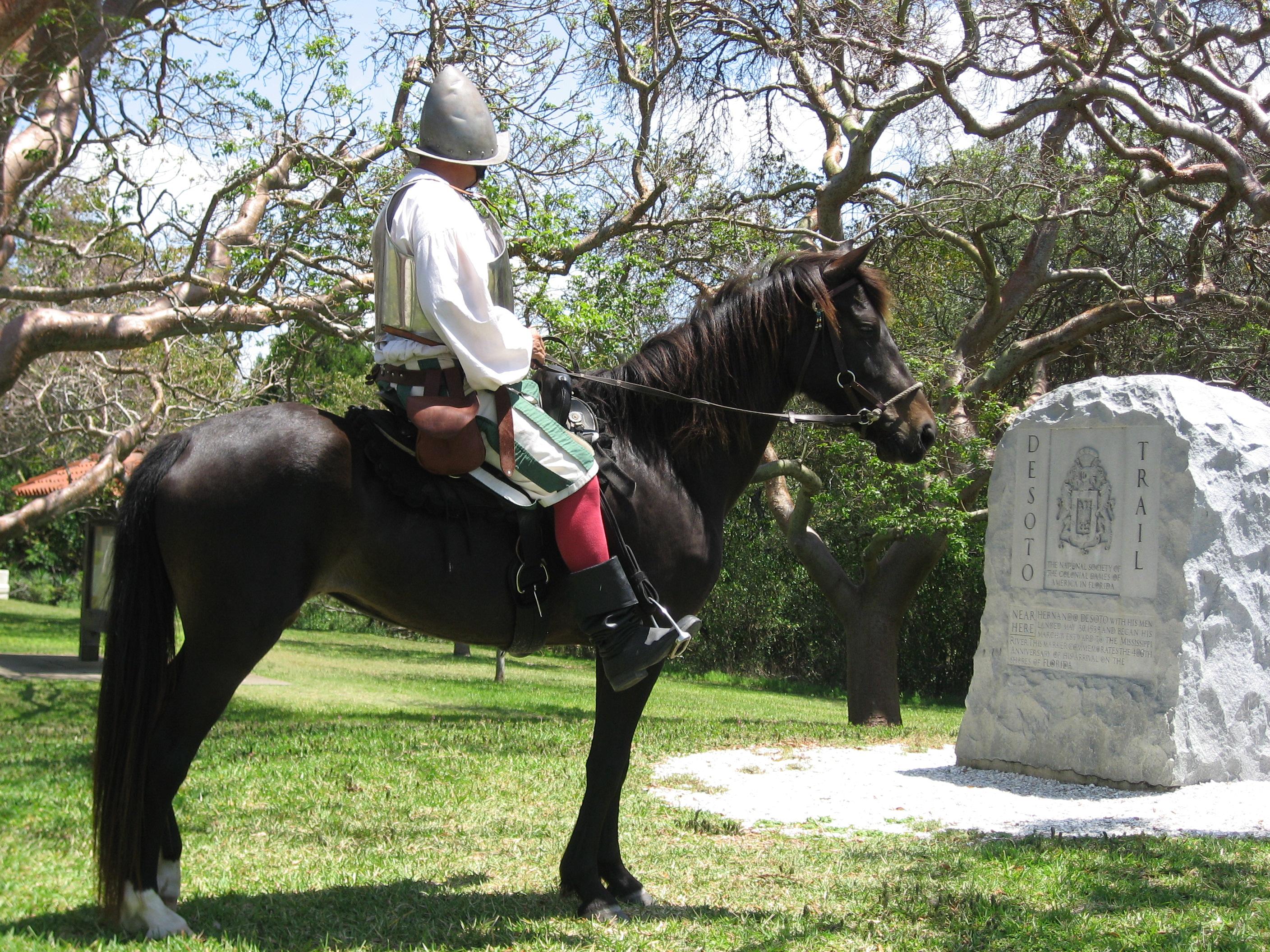
De Soto National Memorial interprets a pivotal and brutal chapter in the collision between Spanish conquistadors and indigenous peoples of the Southeast, commemorating the 1539 landing of Hernando de Soto and his army of roughly 600.
The site is currently curtailed by hurricane damage. The visitor center remains closed; the interpretive film is unavailable. Trails are only partially accessible. What remains is a contact tent, some waterfront access, and the open water itself. Seasonal living history programming and weapons demonstrations offer a deeper engagement. For the casual tourist seeking a full interpretive experience, the current limitations are significant. History buffs, paddlers, or anglers may still find genuine value here, particularly if timing a visit with scheduled living history events. Free admission lowers the stakes considerably for what is currently a limited offering.
What makes it worth it
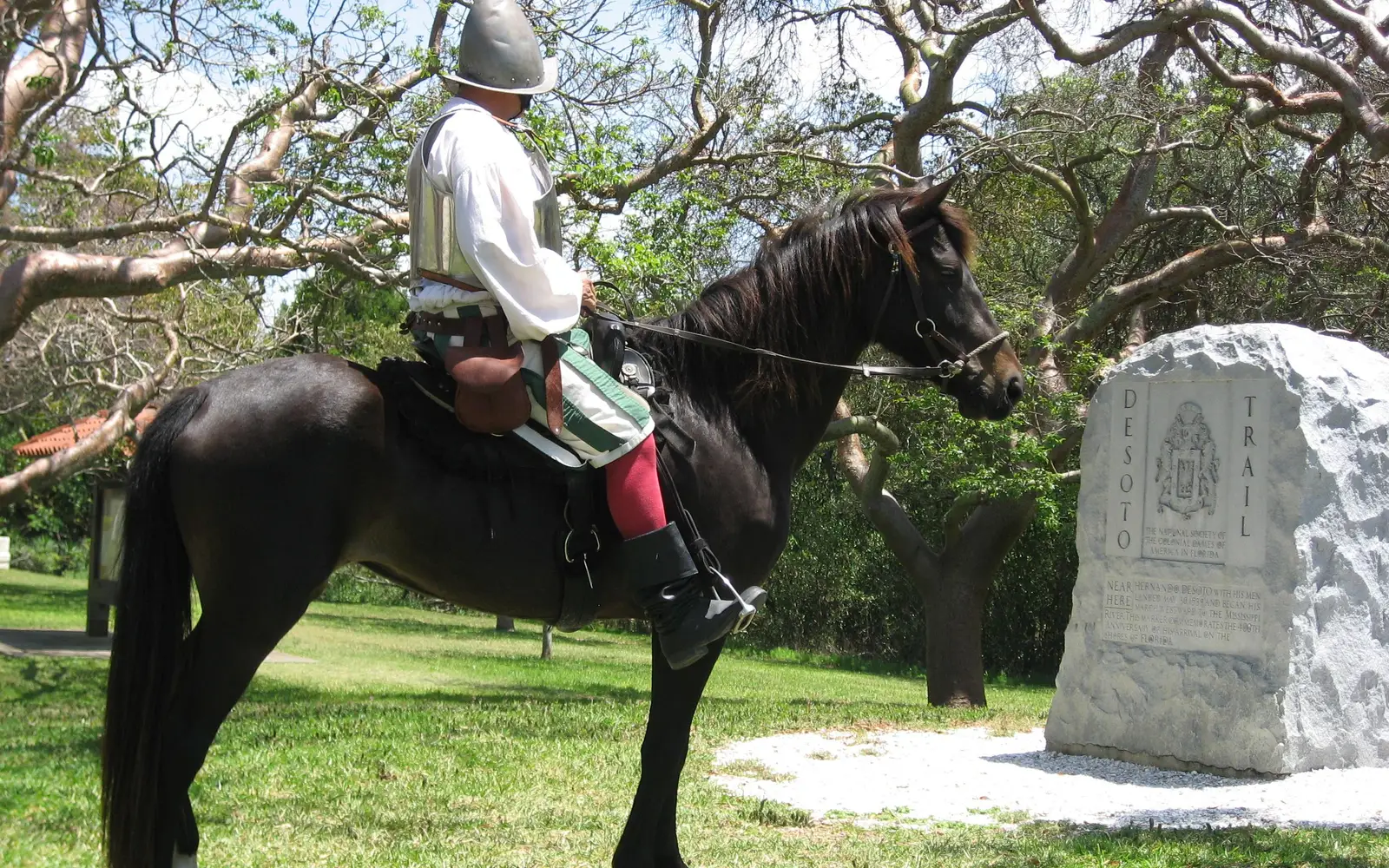
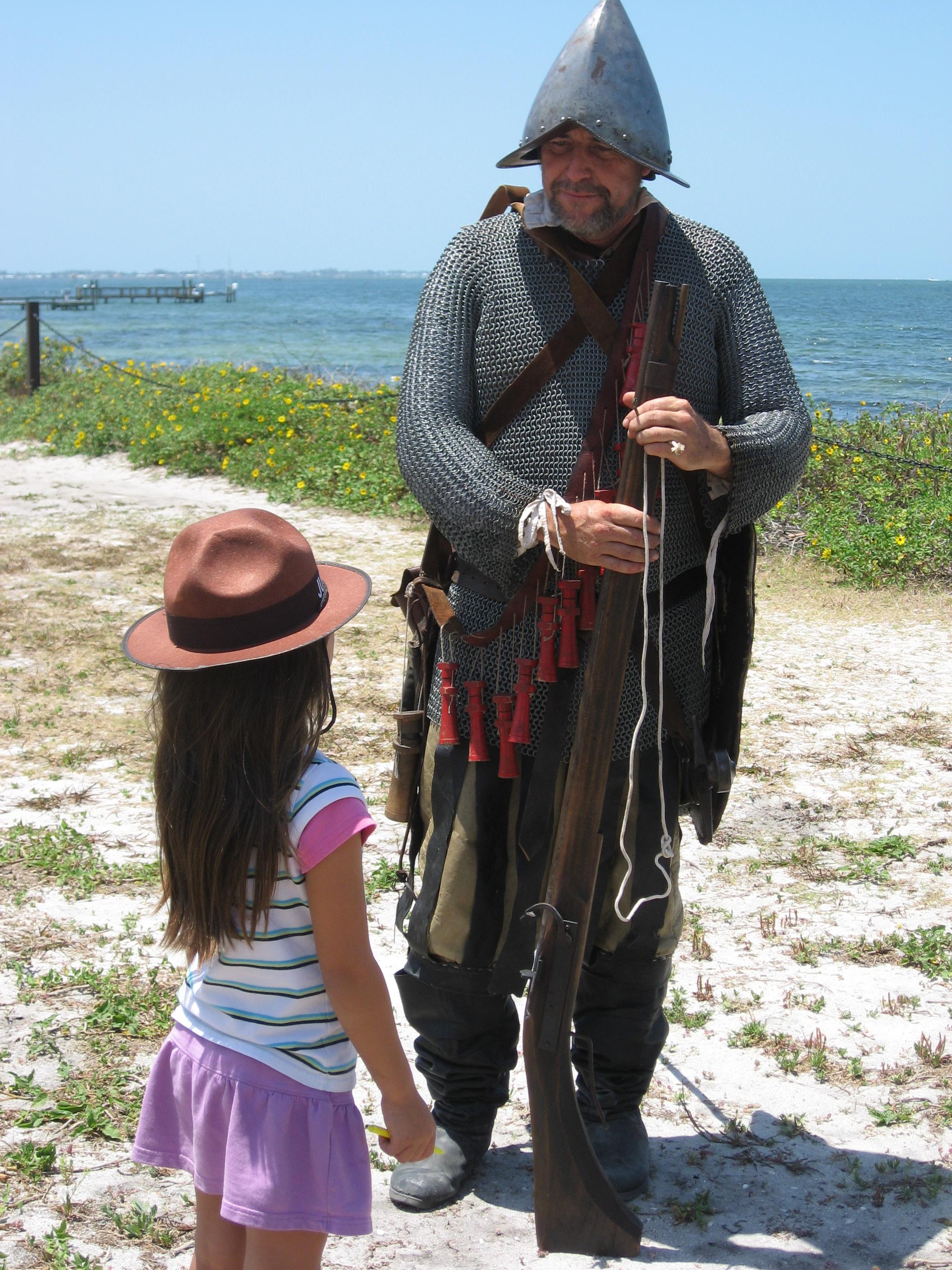
This park excels at blending historical interpretation with practical outdoor access. Living history programs and historic weapons demonstrations provide a tangible connection to 16th-century Spanish military life. For those seeking active recreation, the Tampa Bay access for saltwater fishing and kayaking is a significant draw. Paddling here offers a direct, contextual link to de Soto's 1539 expedition. The park store and bookstore offer resources for further study of the journey. For what it offers, the waterfront setting remains genuinely evocative.
Who should go
This unit caters to specific interests. History enthusiasts will appreciate its focus on the Spanish colonial period and indigenous resistance. Paddlers gain a historically resonant launch point for Tampa Bay. Anglers benefit from free saltwater access. However, visitors seeking a full museum experience will be disappointed; the visitor center is currently closed. Families with young children should only plan a visit if a living history event is scheduled.
When to go
Winter, from November through March, offers the optimal visitor experience. Mild temperatures, typically in the 60s and low 70s, coupled with low humidity, facilitate comfortable waterfront activities such as fishing and paddling. Summer, by contrast, presents a formidable challenge. Highs consistently reach 90 degrees, often paired with 80 to 90 percent humidity. Near-daily afternoon thunderstorms further restrict outdoor pursuits. Any extended summer activity here will be punishing. Consult event schedules for living history programs, regardless of your chosen season.
Highlights
- Living history reenactments recreating the 1539 Spanish landing on Tampa Bay
- Historic weapons demonstrations featuring 16th-century Spanish military equipment
- Saltwater fishing access directly on Tampa Bay at no cost
- Kayaking and paddling on the same bay waters de Soto's fleet entered in 1539
- Bookstore and park store with resources on the de Soto expedition and indigenous history
- Free admission with a waterfront setting that stands on its own as a quiet stop
Plan ahead
Admission is free. The visitor center remains closed due to hurricane damage; consequently, no film is available, and trail access is currently limited. Do not expect a full indoor interpretive experience. The living history and demonstration dates, which form the core draw here, should be confirmed on the NPS website before planning a visit.
Editor's tipFor a truly memorable experience, consult the NPS calendar for late winter and spring living history encampment events. These scheduled programs elevate a modest stop into a primary destination.