parkverdict
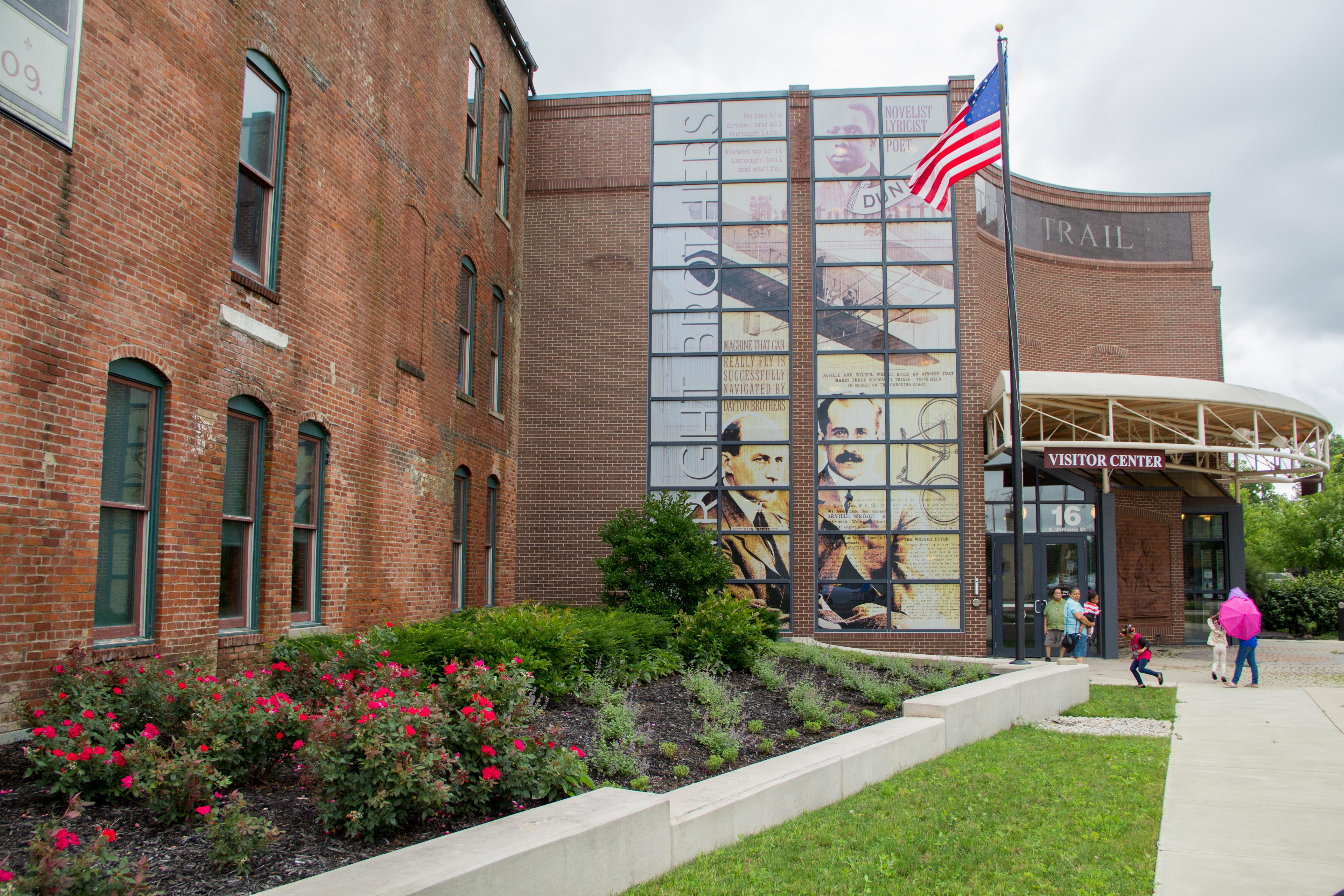
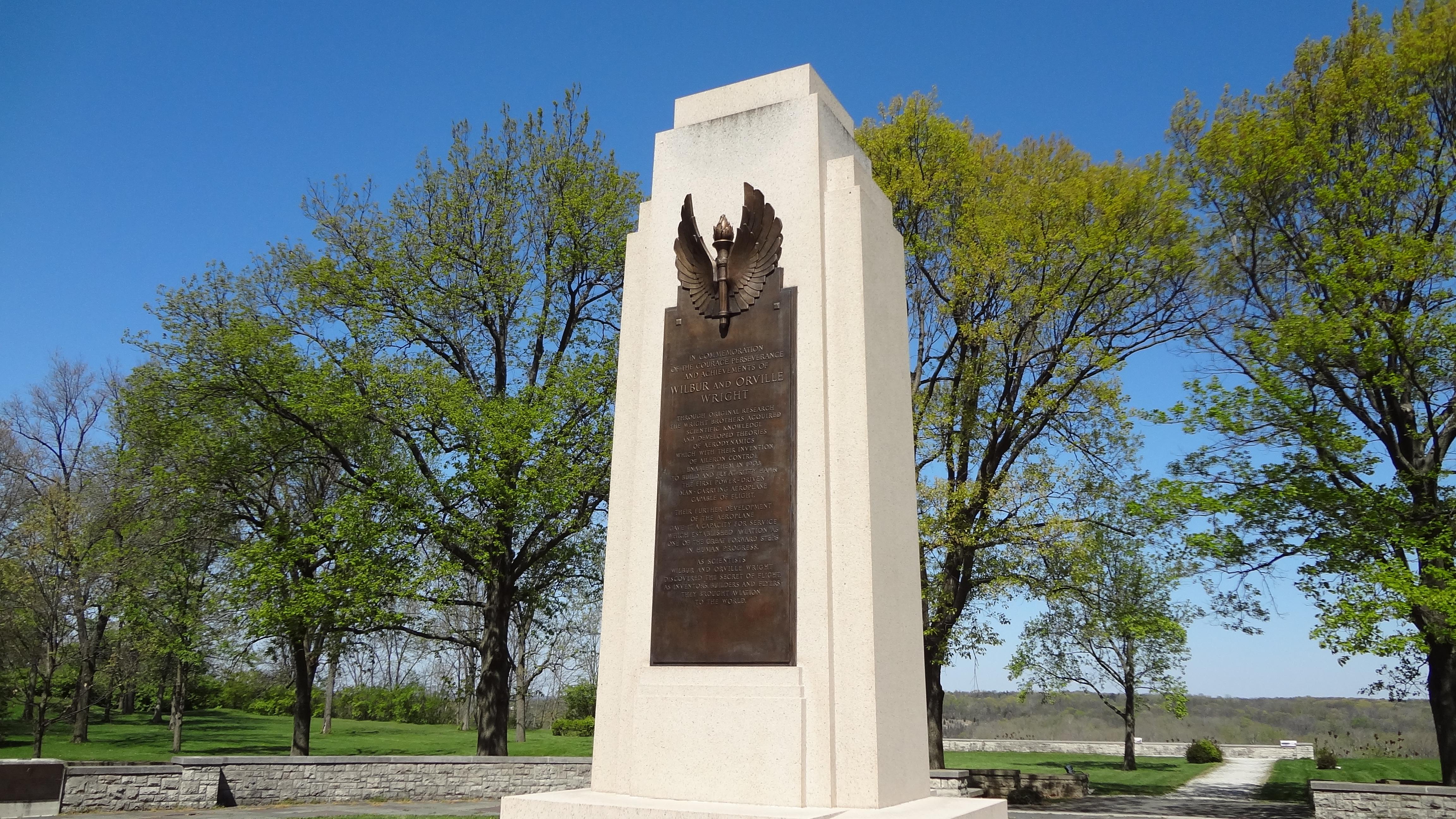
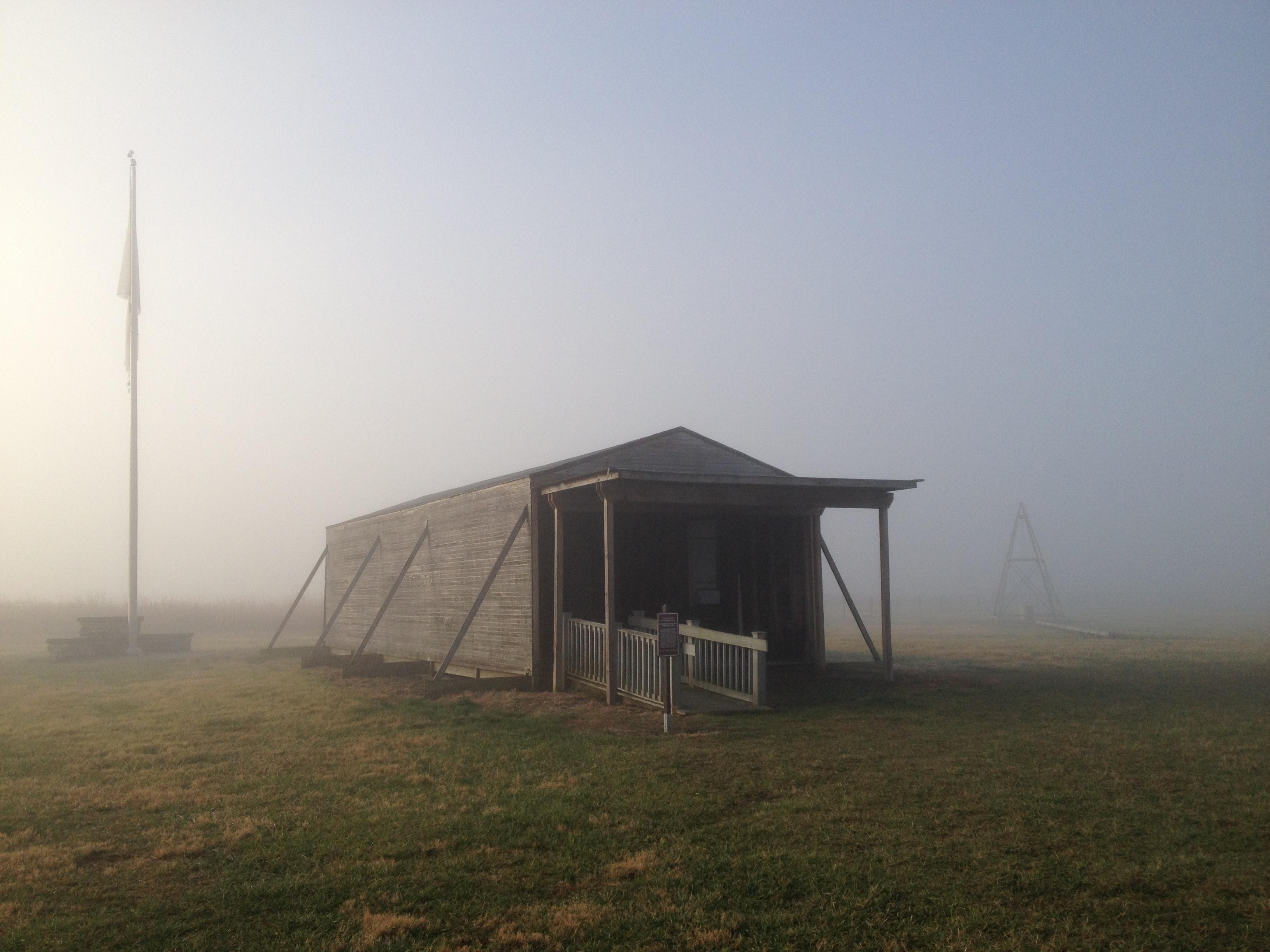
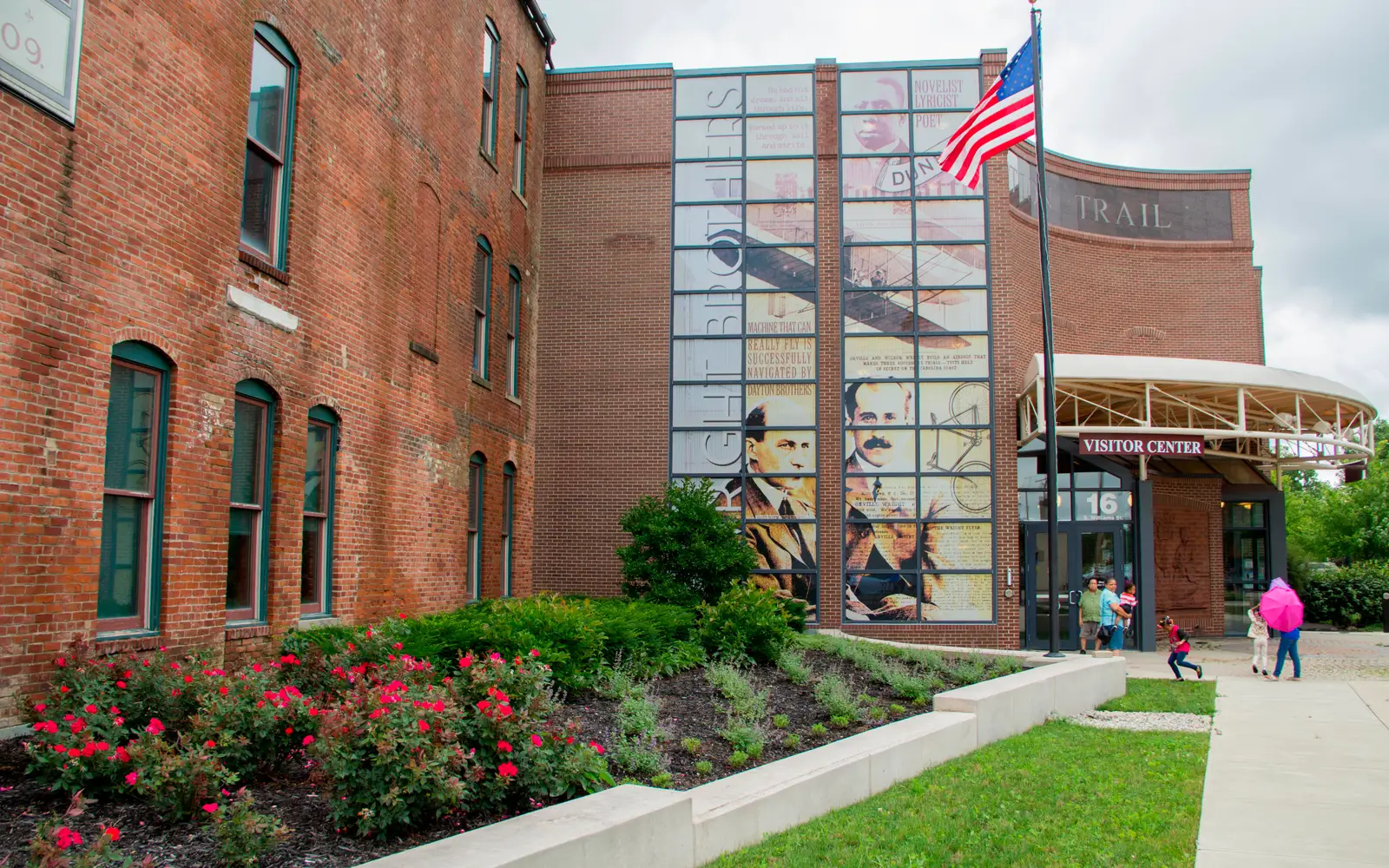
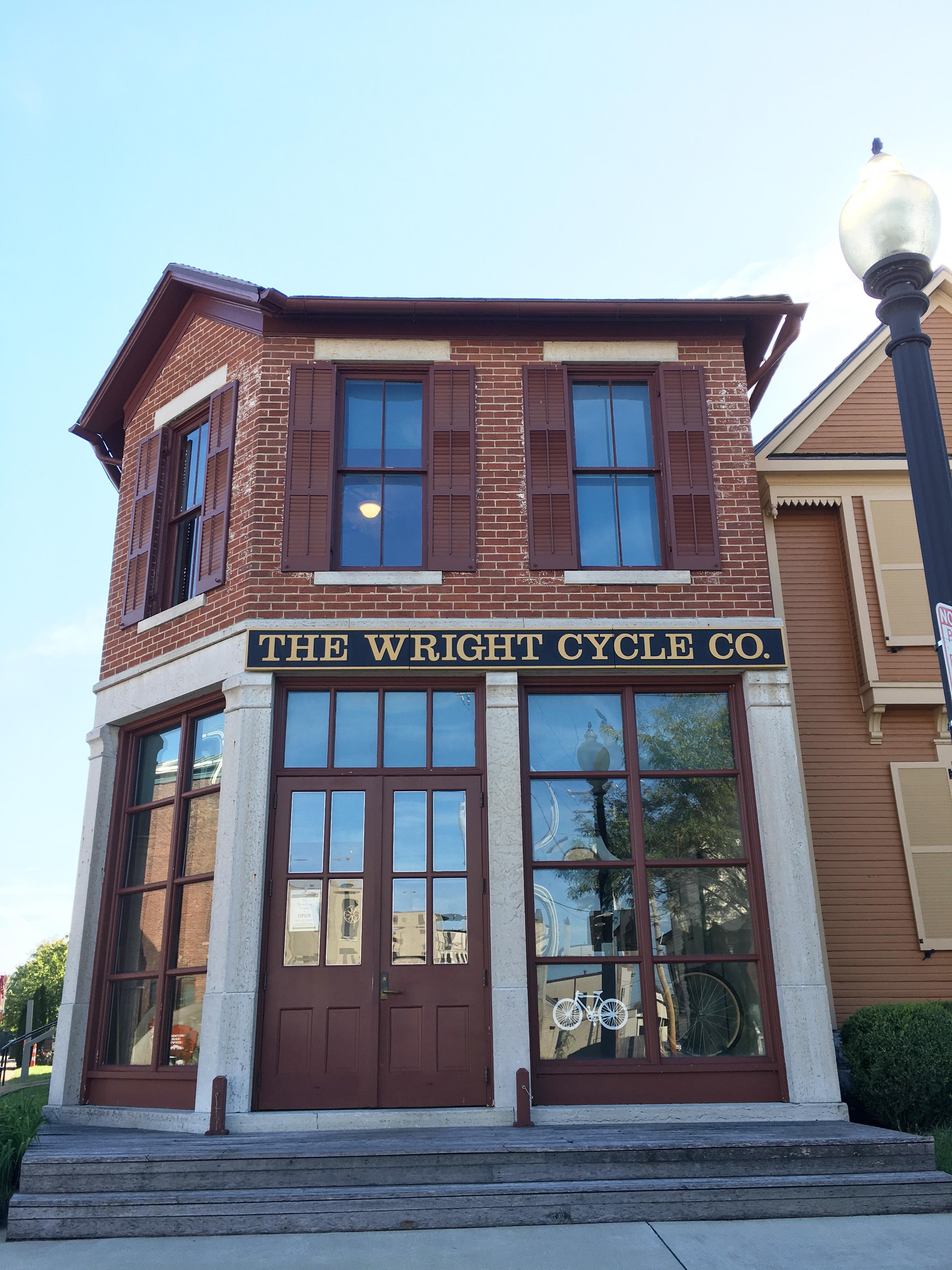
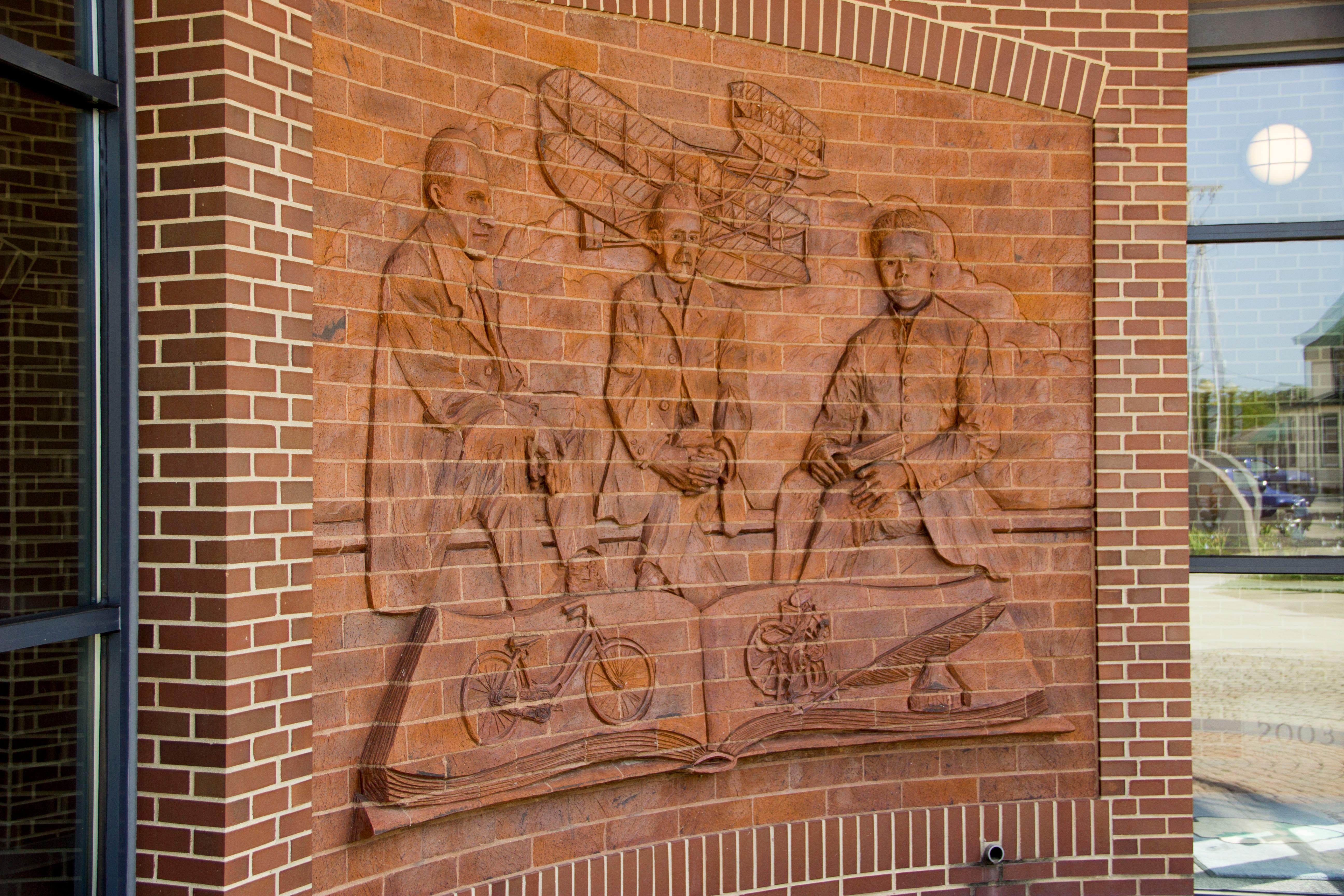
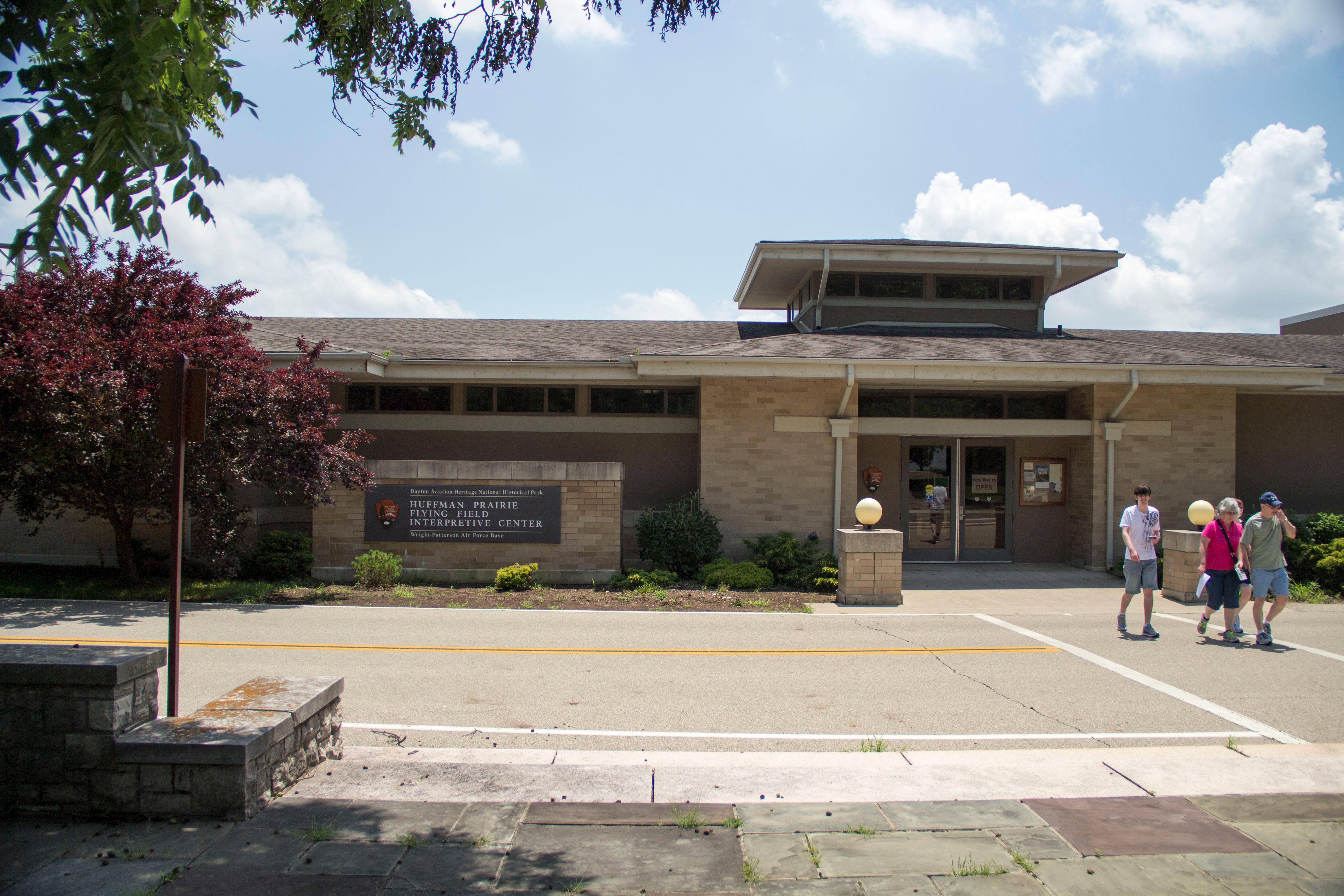
A three-story brick building with tall green windows and a tall photo mural on the glass wallA two-story brick building with tall windows and shutters on them with sign "The Wright Cycle Co."A brick wall with artwork of three men and an airplane etched out of the brick.A one story stone building with a small tower jutting out of the middle and three people walking out
National Historical ParkOH

Dayton Aviation Heritage National Historical Park

NPS / NPS / Tom Engberg
51/ 100FOCUSED
parkverdict Experience ScoreIndependent, not sponsored

51 of 100. Our independent breadth-and-access index. How we score

The bottom line

Dayton Aviation Heritage National Historical Park: our verdict

Dayton Aviation Heritage National Historical Park is a free, urban history park spread across multiple sites in Dayton, Ohio, dedicated to two genuinely remarkable stories: the Wright Brothers' methodical path from bicycle shop to powered flight, and the literary legacy of Paul Laurence Dunbar, one of the first nationally acclaimed Black poets in America.

The experience is primarily indoor and exhibit-driven, anchored by the Wright-Dunbar Interpretive Center near downtown. This is not a landscape park. There are no trails through wilderness, no dramatic overlooks. What it offers is a well-curated dive into two parallel lives of invention and perseverance rooted in the same Dayton neighborhood. For history enthusiasts, it punches above its modest footprint. For visitors expecting a traditional national park experience, it will feel more like a focused museum visit than a day outdoors.

Why visit

Begin at the Wright-Dunbar Interpretive Center, where an introductory film and hands-on exhibits walk you through both the Wright Brothers' aviation work and Paul Laurence Dunbar's literary career. Admission is free, so it drops into any Dayton itinerary without straining your budget or your schedule. The ranger-guided tours are worth joining because they draw out connections between the two stories that the exhibits only hint at, and that kind of context is genuinely hard to reconstruct on your own just by reading the panels. The surrounding Wright-Dunbar Village corridor is bikeable, and the neighborhood is worth lingering in if you have wheels. Kids can work through the Junior Ranger Program while adults wander at their own pace. A focused half-day gets you through the essentials without feeling like you rushed anything. If aviation history or African-American literature is your thing, give the bookstore a few minutes before you head out.

Who it suits

History buffs, aviation fans, and readers drawn to Paul Laurence Dunbar's work will all find something worth their time here. Families with school-age kids have solid reasons to show up too, given the Junior Ranger Program and the hands-on exhibits. If you're hoping for hiking, wildlife, or scenic nature, Ohio has better options for that. It fits naturally into an urban Dayton visit, but probably won't justify a long drive on its own.

Timing your visit

Spring and fall bring the most comfortable weather, with mild temperatures that suit the bike rides between sites. Summer turns hot and humid, but most of the park's attractions are indoors, so the heat rarely gets in the way. Winter is manageable given the light snowfall and the largely indoor experience, though checking individual site hours before you go is a good idea.

What stands out

  • Free admission across all park sites, making it one of the most accessible NPS units in the Midwest
  • Guided tours that connect the Wright Brothers' aviation story and Paul Laurence Dunbar's literary legacy in their shared Dayton context
  • Interactive exhibits and an introductory film at the Wright-Dunbar Interpretive Center that efficiently orient first-time visitors
  • Junior Ranger Program designed to engage children with both aviation history and American literary history
  • Biking the Wright-Dunbar Village corridor to move between sites and experience the neighborhood's historic character
  • A bookstore and park store with focused inventory on aviation history and African-American literature

Good to know

Getting in costs nothing at any of the sites. The park is spread across Dayton rather than clustered in one spot, so it's worth mapping out your route ahead of time. A good place to begin is the Wright-Dunbar Interpretive Center on South Williams Street, which gives you a solid grounding before you head to the other locations. Just check hours for each site on its own, since they vary.

Insider tipBook a guided tour before you go rather than hoping a walk-in spot opens up. The rangers draw a direct line between Dunbar's literary perseverance and the Wrights' engineering determination far more vividly than the exhibits do on their own, and that connection is honestly the most compelling thing the park has to offer.

How we scored it

Behind the 51

The number is not a mood. It is a few things we can actually check in public records, added up and capped so no single one runs away with the total. It tracks how much a place has going on and how easy it is to reach, and nothing about scenery or crowds. Here is what added up to 51:

  • Activity breadth8 documented activities
  • Topic breadth6 topics
  • Official imagery6 public-domain images
  • Camping on sitenone recorded
  • Entry costfree

No number is hand-adjusted and no unit pays for placement. The full weights, the floor at 18 and a worked example are on how we score.

The honest limits

Where the score goes quiet

One limit to keep in mind. Everything here comes from public records on what a unit documents and how reachable it is, so the score cannot judge beauty, crowds, trail conditions, weather, or how good any single program is. That is exactly why a small, specific place can score below a sprawling park and still be your better trip. Take the number as a like-for-like look at what is on paper, and lean on the verdict for the human read.

Things to do

What it offers

BikingRoad BikingGuided ToursJunior Ranger ProgramPark FilmMuseum ExhibitsShoppingBookstore and Park Store
Overview

About Dayton Aviation Heritage National Historical Park

Poet Paul Laurence Dunbar and aviation pioneers Wilbur and Orville Wright all grew up in Dayton, and this park tells their stories across several sites. Three people from the same city, each facing real obstacles, each leaving a permanent mark on American history. Come out to one of our locations and hear it for yourself.

On documented breadth and access, Dayton Aviation Heritage National Historical Park ranks 7th of 10 park and public-land units we score in Ohio.

Climate note

The park sits in a humid continental zone. Winters are mildly cold, with temperatures averaging around 39 degrees F and roughly 25 inches of seasonal snow. Summers get hot and humid, averaging around 74 degrees F. Annual rainfall comes in just over 41 inches.

Common questions

Dayton Aviation Heritage National Historical Park: quick answers

Is Dayton Aviation Heritage National Historical Park worth visiting?

Dayton Aviation Heritage National Historical Park is a free, urban history park spread across multiple sites in Dayton, Ohio, dedicated to two genuinely remarkable stories: the Wright Brothers' methodical path from bicycle shop to powered flight, and the literary legacy of Paul Laurence Dunbar, one of the first nationally acclaimed Black poets in America.

Is Dayton Aviation Heritage National Historical Park free to visit?

No charge at the gate.

What is Dayton Aviation Heritage National Historical Park best for?

It leans hardest toward good with kids, biking, guided tours, history & culture, going by the 8 activities it actually documents.

When is the best time to visit Dayton Aviation Heritage National Historical Park?

Spring and fall bring the most comfortable weather, with mild temperatures that suit the bike rides between sites.

How is the Experience Score for Dayton Aviation Heritage National Historical Park calculated?

The 51 comes straight from public data on how much the place documents and how easy it is to reach, things like activities, topics, photos, camping and whether entry is free. It says nothing about scenery or how busy it gets.