
Cumberland Gap National Historical Park: our verdict
Cumberland Gap National Historical Park offers a substantial experience, exceeding typical historical park offerings.
Spanning Kentucky, Tennessee, and Virginia, it encompasses 85 miles of trails and 14,000 acres of backcountry. This unit integrates American history directly into its landscape. The Gap itself is a geographic feature that shaped continental history. You can stand inside it, hike above it, and camp within it. The restored Hensley Settlement provides a distinct cultural element. Guided cave access further diversifies the attractions. Free admission enhances its value. The park rewards visitors who dedicate two or more days. Those seeking polished infrastructure over rugged terrain may find it underwhelming.
Why visit
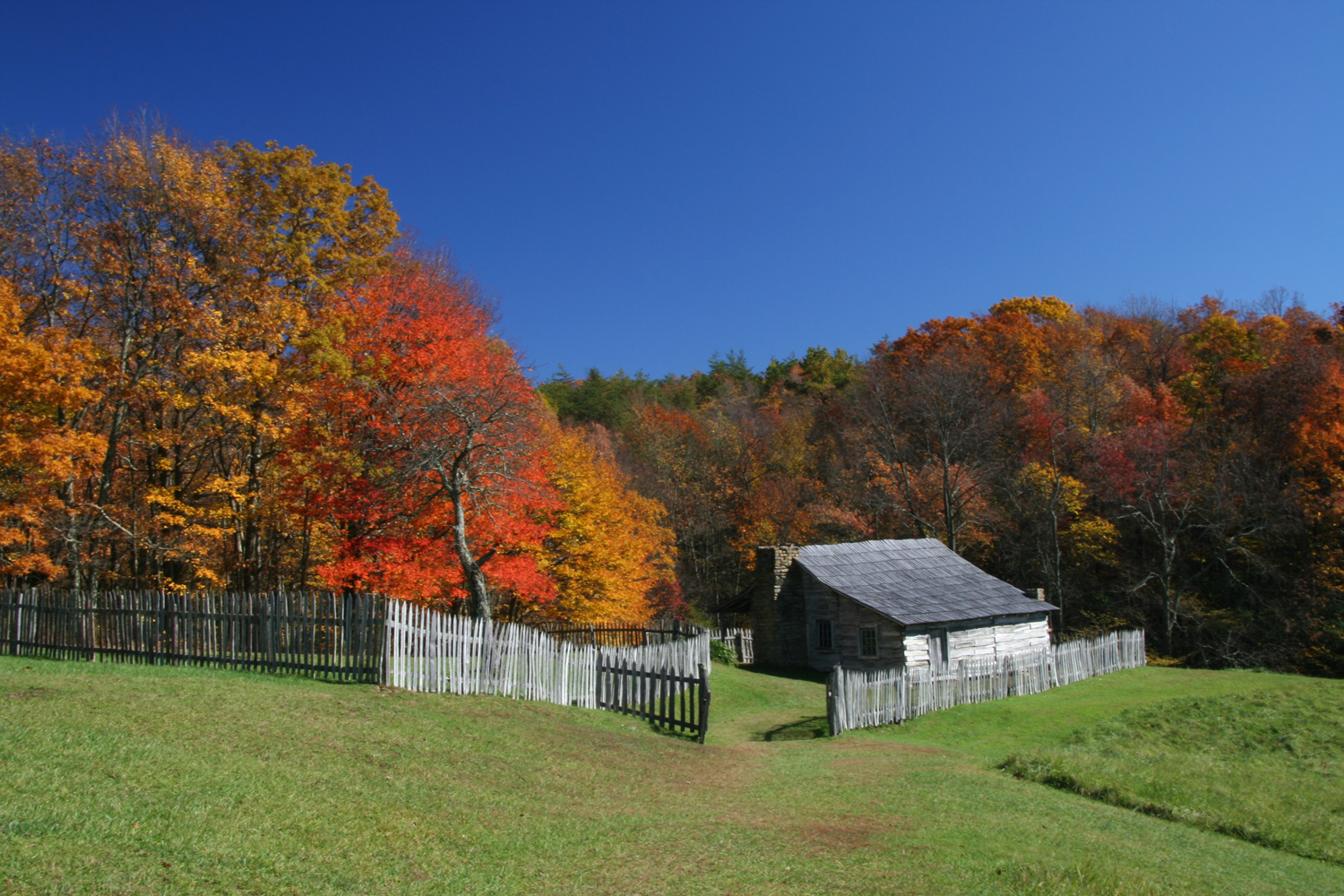
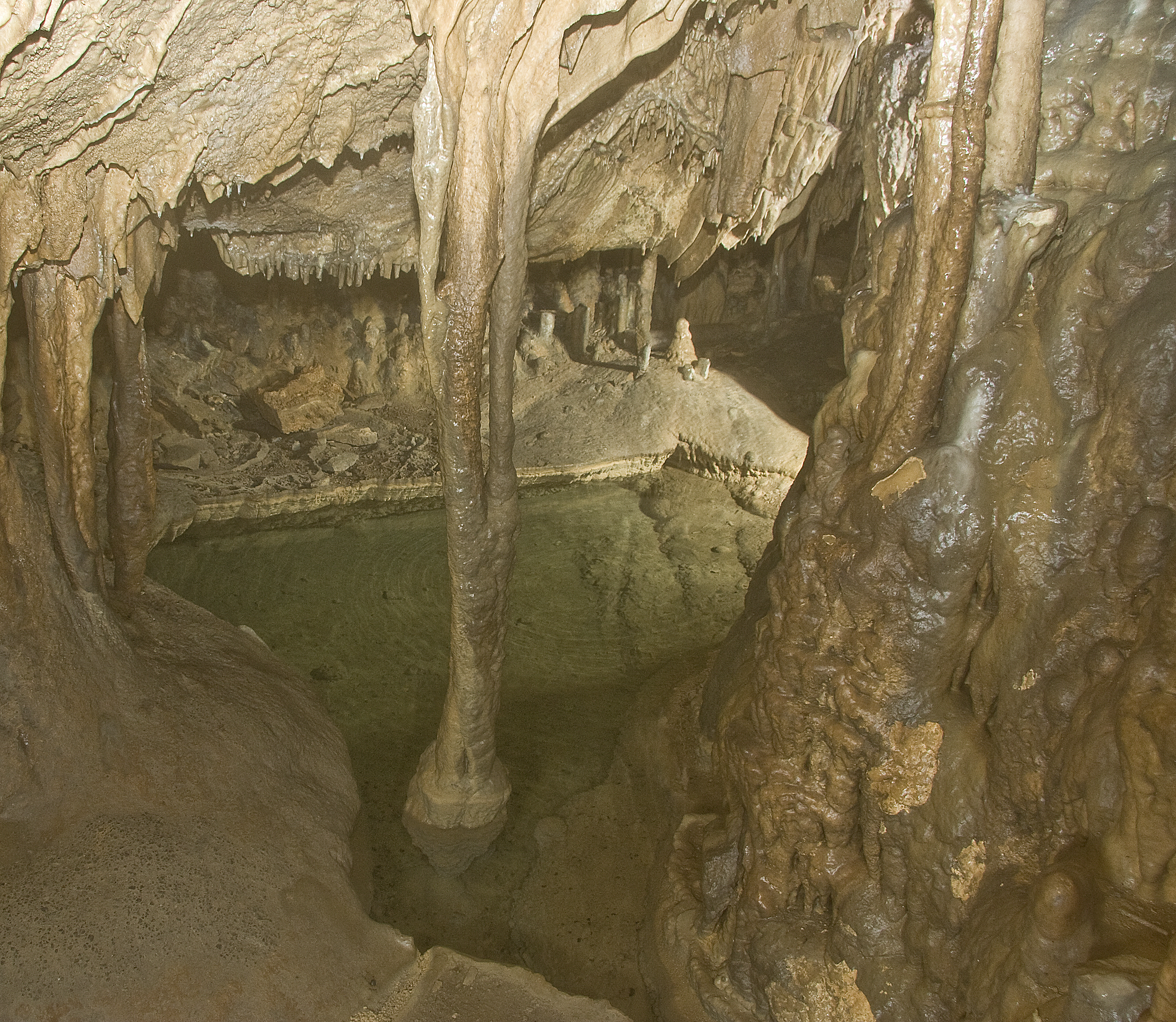
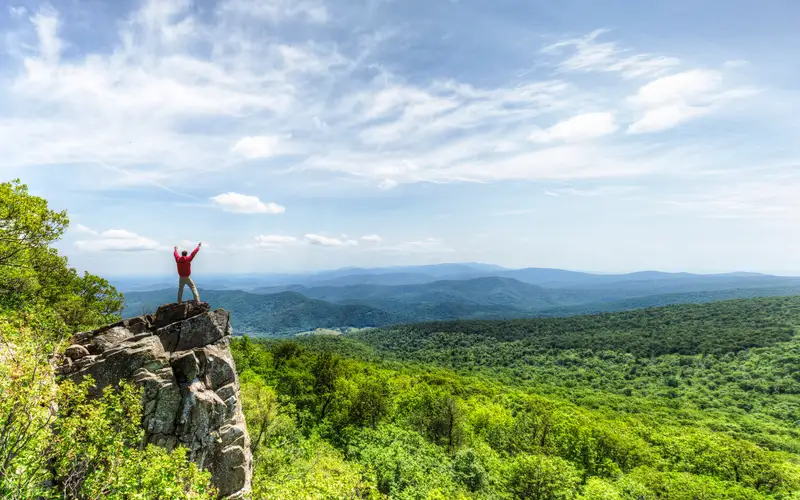
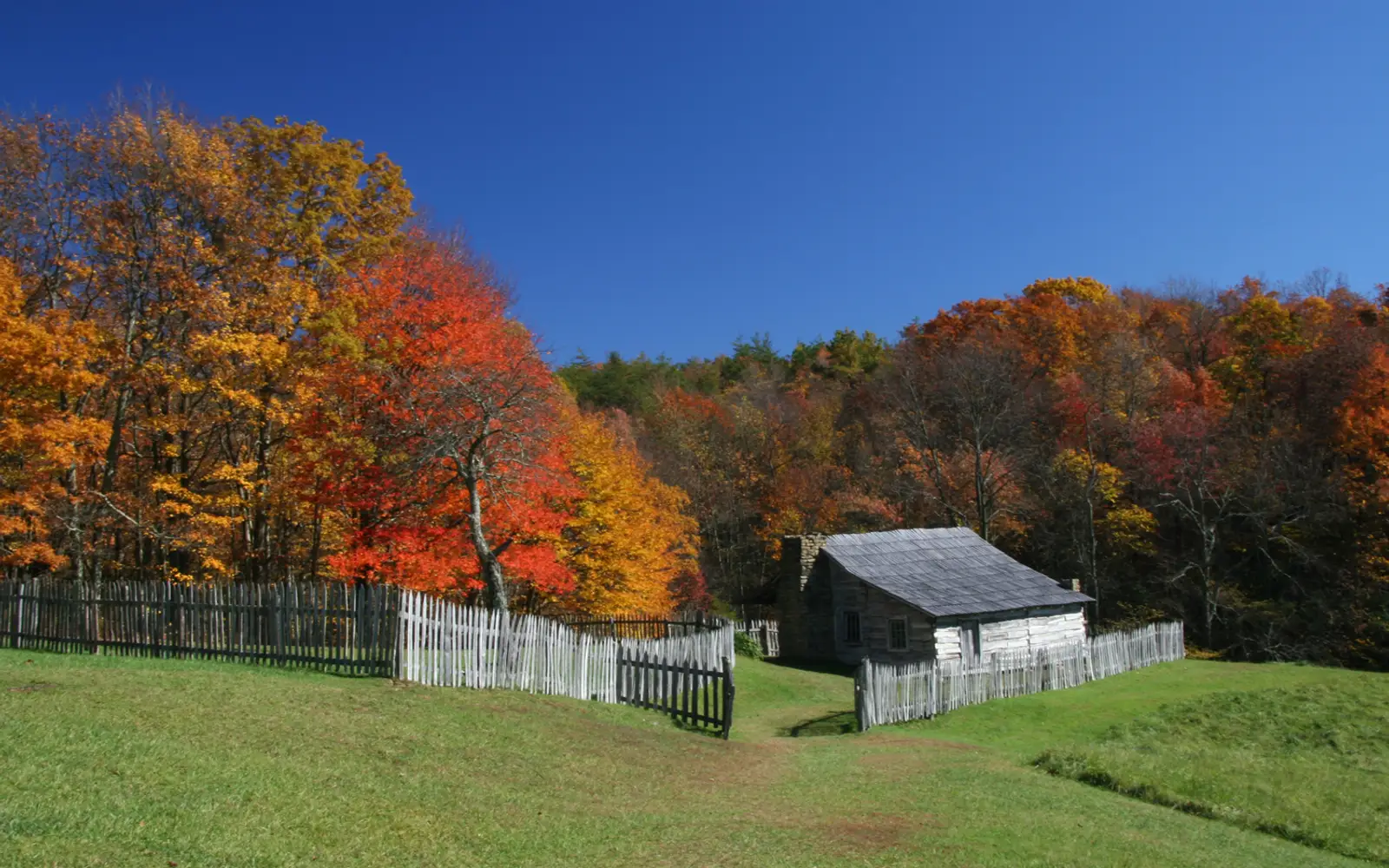
This park offers a remarkable breadth of experience across a two-day visit. Day one provides classic park activities: a hike to the gap overlook, an informative film at the visitor center, and a guided cave tour. Day two shifts focus to the backcountry, with trails offering ridge walks and forest descents across three states. Documented access for cyclists expands recreational options. The Hensley Settlement presents a quietly remarkable living history site, a restored early twentieth century mountaintop community accessible by guided tour. Wildlife watching is consistent throughout the forested ridges. With both traditional and backcountry camping available, visitors can plan an immersive overnight stay. The scale is the draw here. This park suits those seeking diverse activities and an unhurried, multi-day exploration. Casual sightseers may find its depth requires too much commitment.
Who it suits
Cumberland Gap is best suited for history-minded hikers and families ready for moderate trails. Its appeal extends to campers, cyclists, and those drawn to the Appalachian backcountry. Casual sightseers expecting a quick roadside stop may find the required investment too high. This is not a destination for passive tourism. Those seeking beach or desert landscapes will be disappointed.
Timing your visit
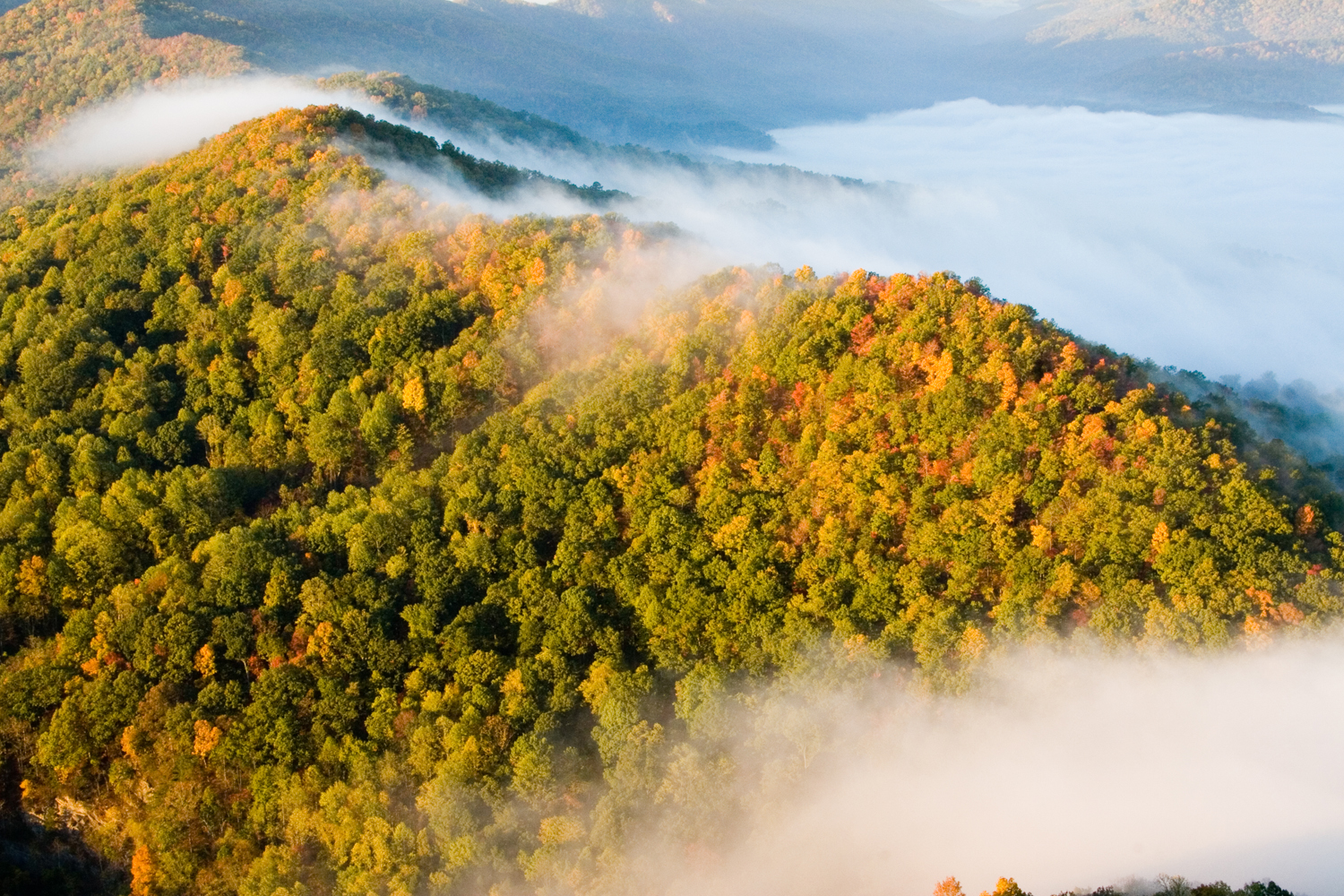
Spring and fall emerge as optimal seasons for a visit. Spring offers milder temperatures, preceding the onset of summer's humidity. Autumn presents excellent fall foliage across the ridgelines. Peak summer, with common temperatures in the mid to upper 90s, should be avoided by those sensitive to heat and humidity. Winters remain generally mild. However, snow is possible from January through March, especially at higher elevations, where trail conditions can change rapidly.
What stands out
- Standing at the historic gap itself, the same passage used by an estimated 300,000 westward-bound settlers
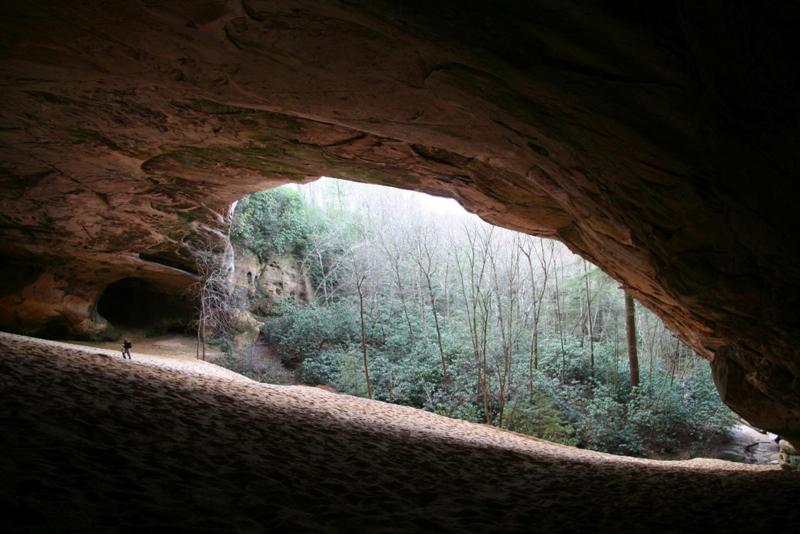
- Guided cave tour, a rare and concrete activity that distinguishes this park from most historical units
- Hensley Settlement guided tour, a restored mountaintop community that functions as genuine living history
- 85 miles of trails ranging from day hikes to multi-day backcountry routes across three states
- Free entrance with 24-hour pedestrian and cyclist access to the park
- Wildlife watching opportunities across 14,000 acres of Appalachian forested wilderness
Good to know
This park offers free access for hikers and cyclists. However, those interested in the visitor center, cave tours, or Hensley Settlement tours must consult specific operating hours; plan accordingly. Backcountry camping requires a permit. Weather on higher elevation trails is often unpredictable, even when conditions are clear in the valley.
Insider tipTo visit the Hensley Settlement, reserve a tour through the visitor center well in advance. Weekend tours, especially, are often fully booked. Confirm availability before traveling.