Craters of the Moon National Monument: our verdict
Craters of the Moon offers a genuinely alien landscape.
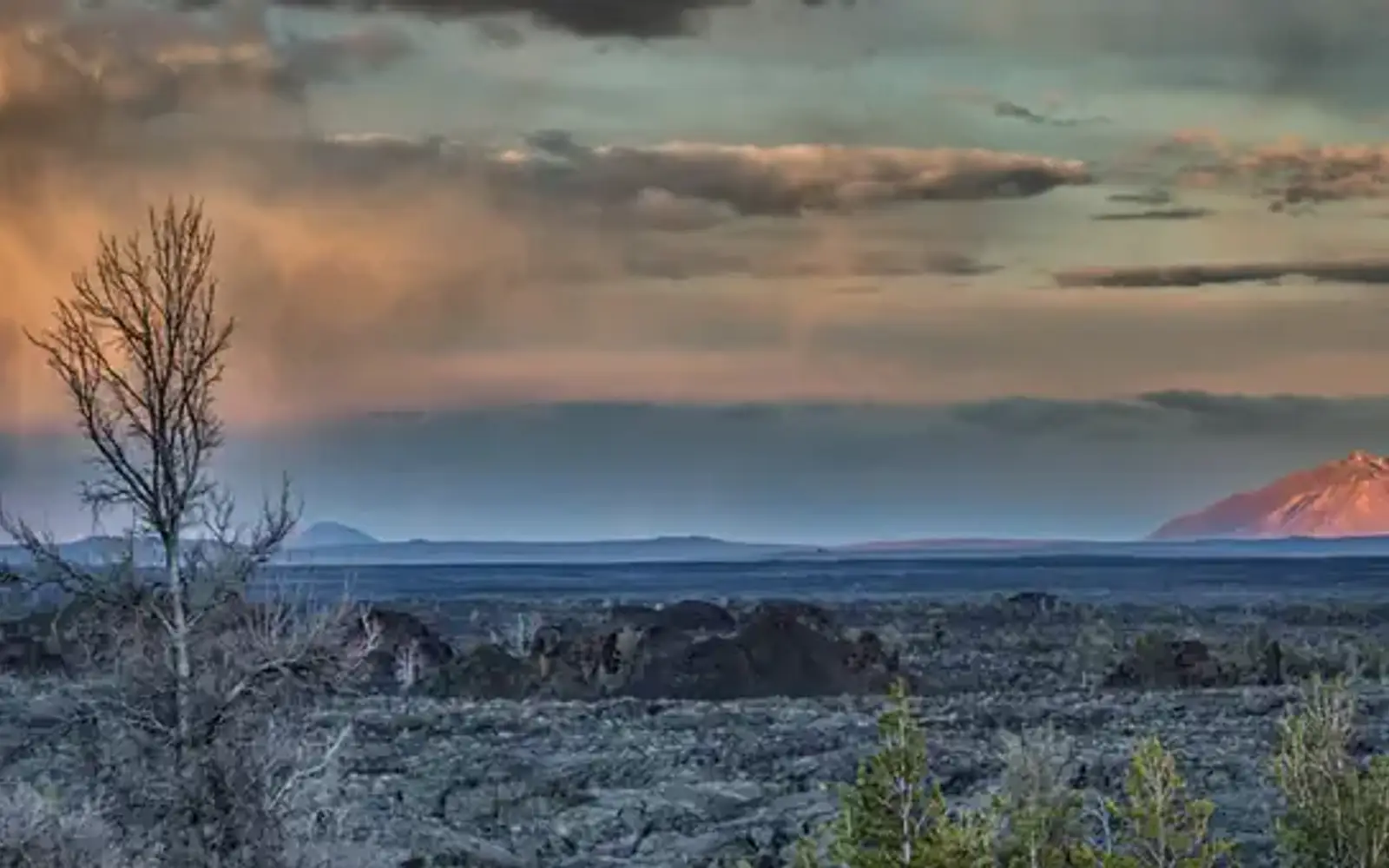
This 750,000-acre volcanic field, jointly managed by NPS and BLM, presents a stark, dark, and otherworldly terrain across central Idaho. The Great Rift, a 52-mile crack, anchors the park, with eruptions as recent as 2,100 years ago shaping the lava tubes, cinder cones, and fractured basalt flows. The park's experience score of 79 reflects its breadth. Visitors can hike, camp, bike, stargaze, explore lava tubes, ride horses, and ski in winter. Free entrance enhances its value. This is not a gentle scenic drive. Casual sightseers should look elsewhere. Craters of the Moon rewards active exploration, appealing most to geology enthusiasts, photographers, and those seeking a truly unique landscape.
Why visit
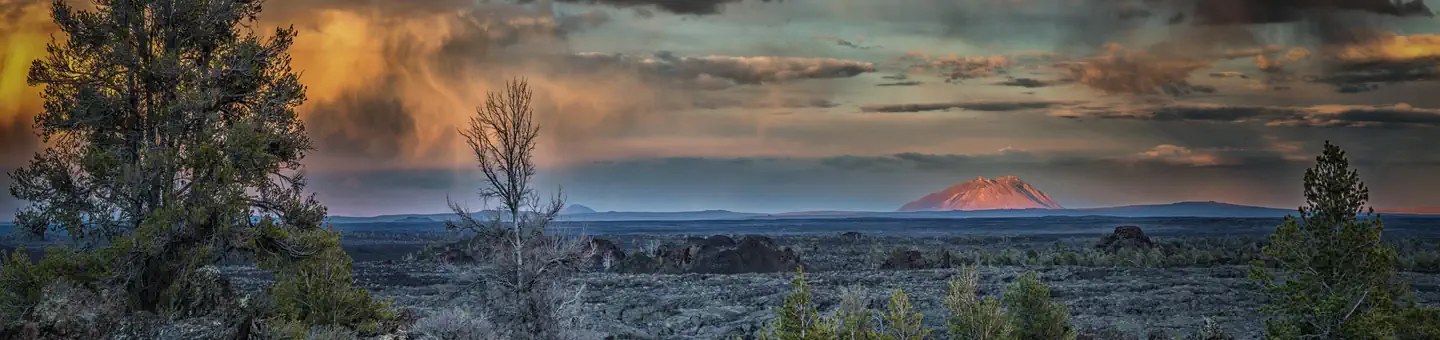
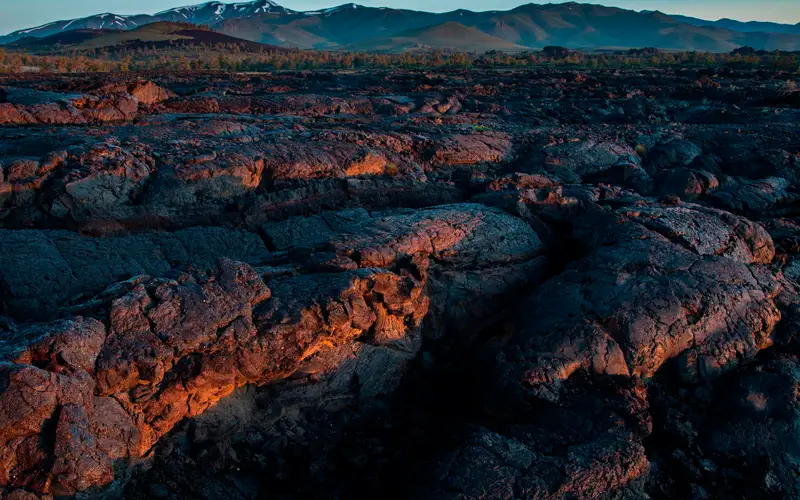
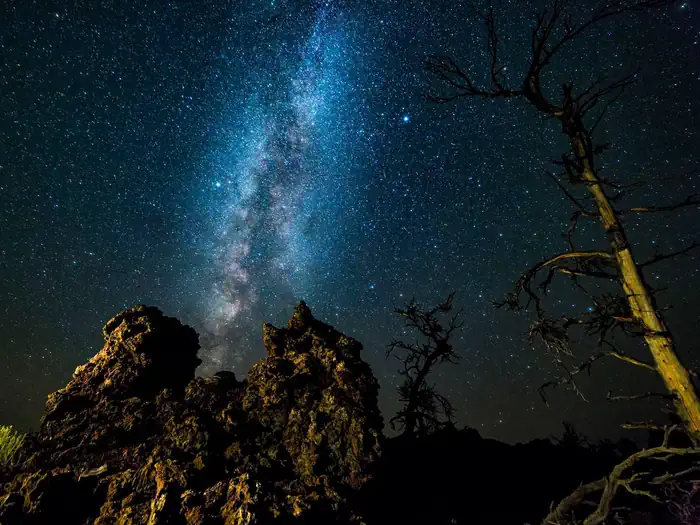
This unit offers an intimate, rigorous experience of a volcanic landscape. Visitors traverse hardened lava fields and descend into lava tubes, engaging directly with geological formations. The visual contrast of black basalt against sagebrush provides abundant photographic opportunities, particularly when the low light of golden hour defines the terrain. Overnighters gain access to exceptionally dark skies, making stargazing a primary draw. Interpretive programs enhance understanding of the volcanic features. In winter, snow transforms the lava into a stark, monochrome environment, best explored via skis or snowshoes. This is a destination for those seeking active, immersive exploration.
Who it suits
This park caters to geology enthusiasts and those seeking dramatic, unusual terrain over alpine scenery. Dark-sky chasers and photographers will find ample opportunities. Adventurous campers are well-suited to the environment. Families with curious children who can manage uneven ground will have a memorable visit. Those expecting lush trails, wildlife-rich meadows, or classic Western scenery should consider other Idaho destinations.
Timing your visit
The season for a visit depends on your priorities. Spring through early fall provides the most activities. Summer offers the fullest interpretive program. Be aware that midsummer days on the exposed lava can be very hot; plan early morning starts. Fall brings cooler temperatures and fewer crowds. Winter, with its stark visuals of snow on lava and opportunities for cross-country skiing, is genuinely worth considering, though some facilities do close seasonally.
What stands out
- Exploring lava tubes, walking underground through passages formed by flowing volcanic rock
- Stargazing from camp in one of Idaho's darkest night-sky corridors
- Hiking across the Great Rift lava fields, a 52-mile volcanic fracture zone
- Winter skiing and snowshoeing across the black and white landscape
- Photography of cinder cones, craters, and basalt textures at sunrise and sunset
- Ranger-led interpretive programs that unpack the active volcanic geology underfoot
Good to know
This unit offers free entry, a notable exception for a preserve of its scope. However, its remote central Idaho location means visitors must plan ahead: fuel up and gather provisions, as local services are sparse. Essential gear includes ample water for the exposed, heat-radiating lava fields, which offer little shade. For lava tube exploration, a flashlight or headlamp is the minimum required equipment.
Insider tipThe data makes a strong case for overnight stays. While day-tripping for the dark sky is possible, rural Idaho roads compromise the experience. For genuine dark-sky immersion, camping at the monument is essential. The remoteness ensures a spectacular overhead view, an advantage a parking lot visit cannot replicate.