parkverdict
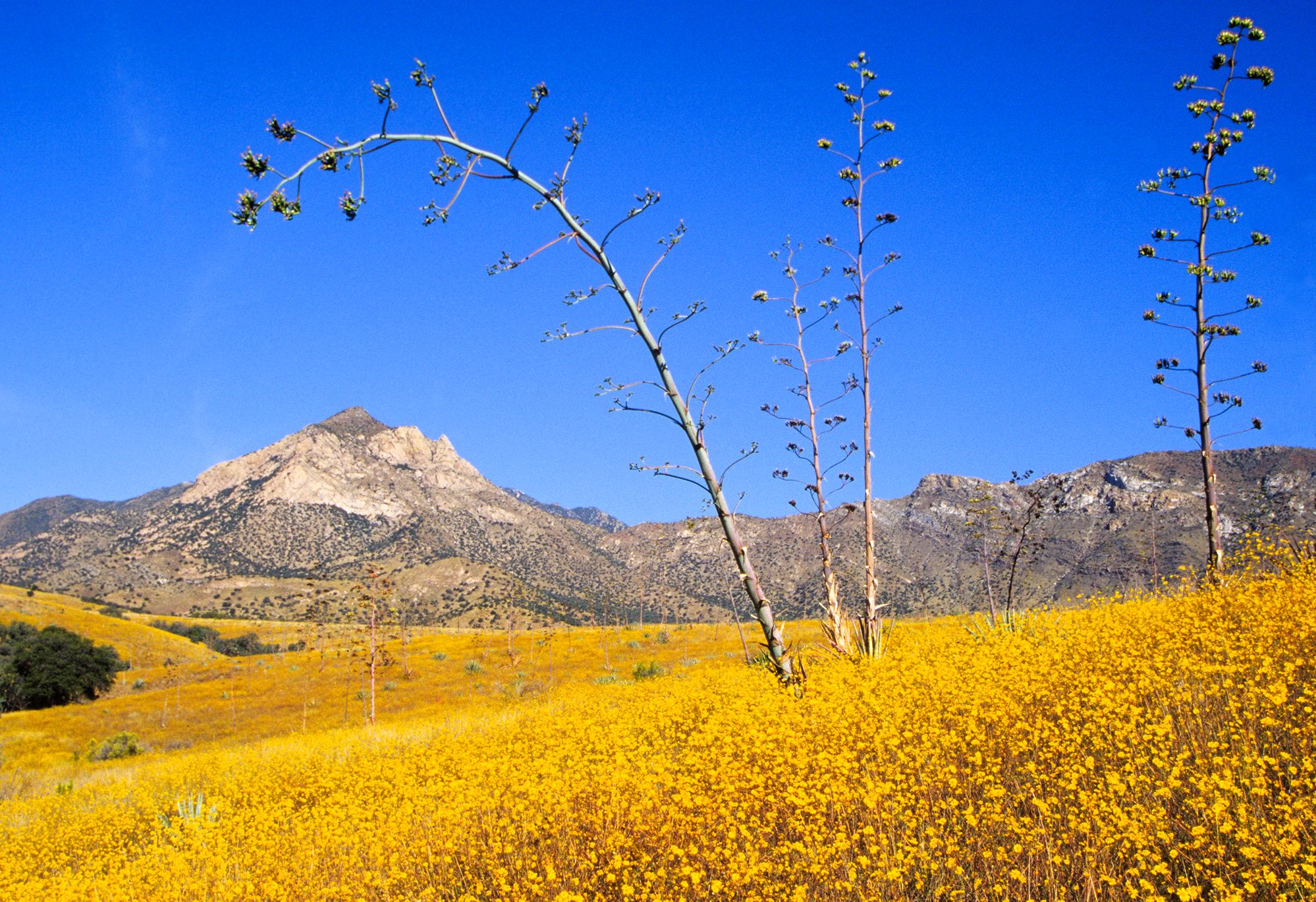
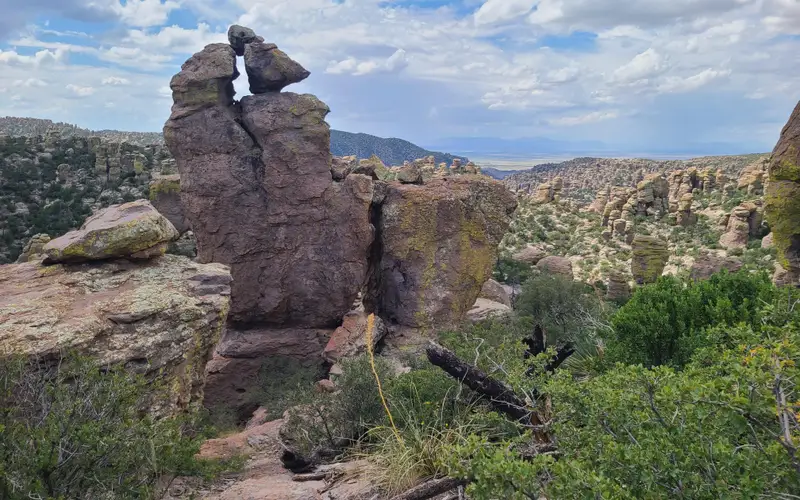
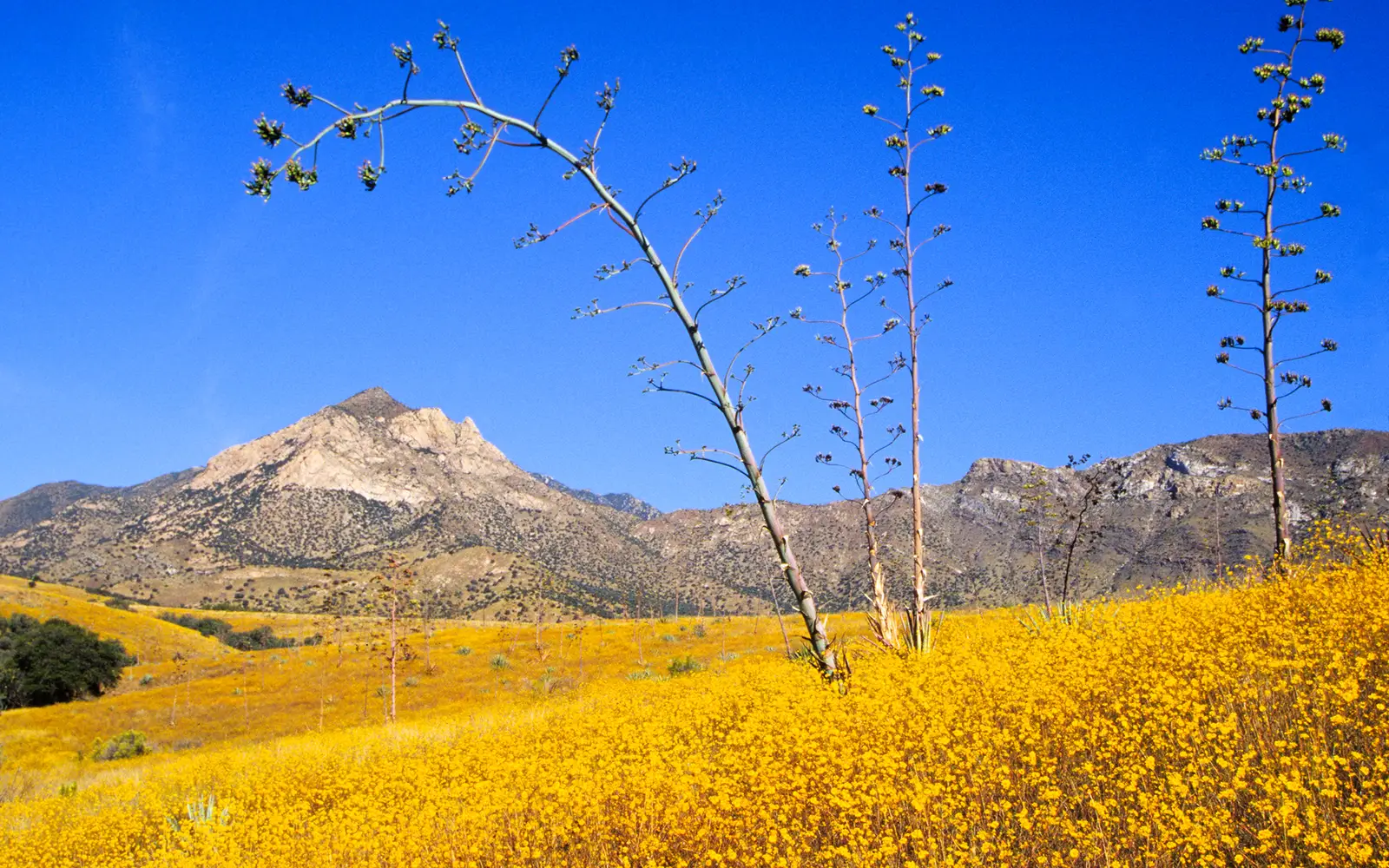
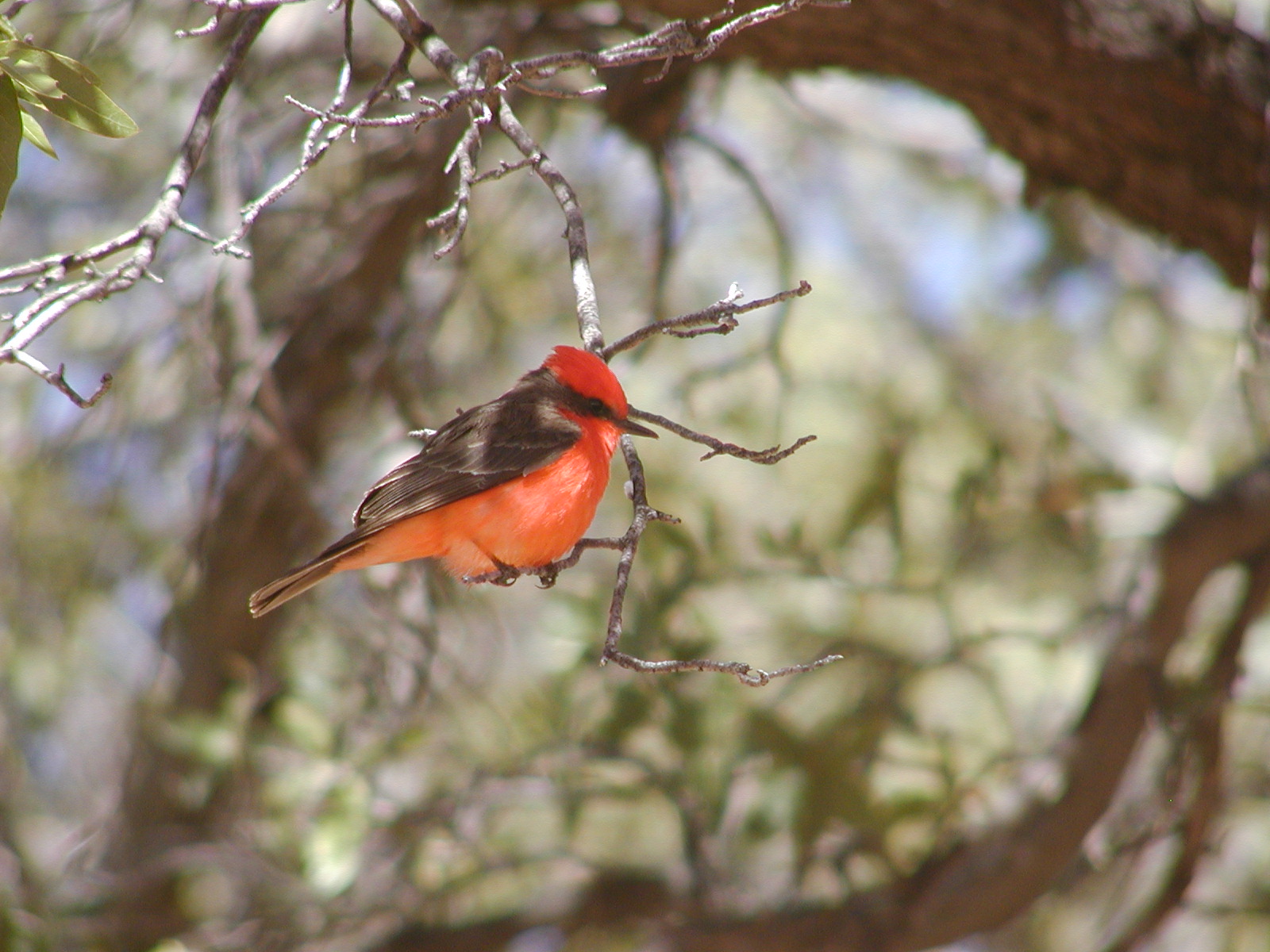
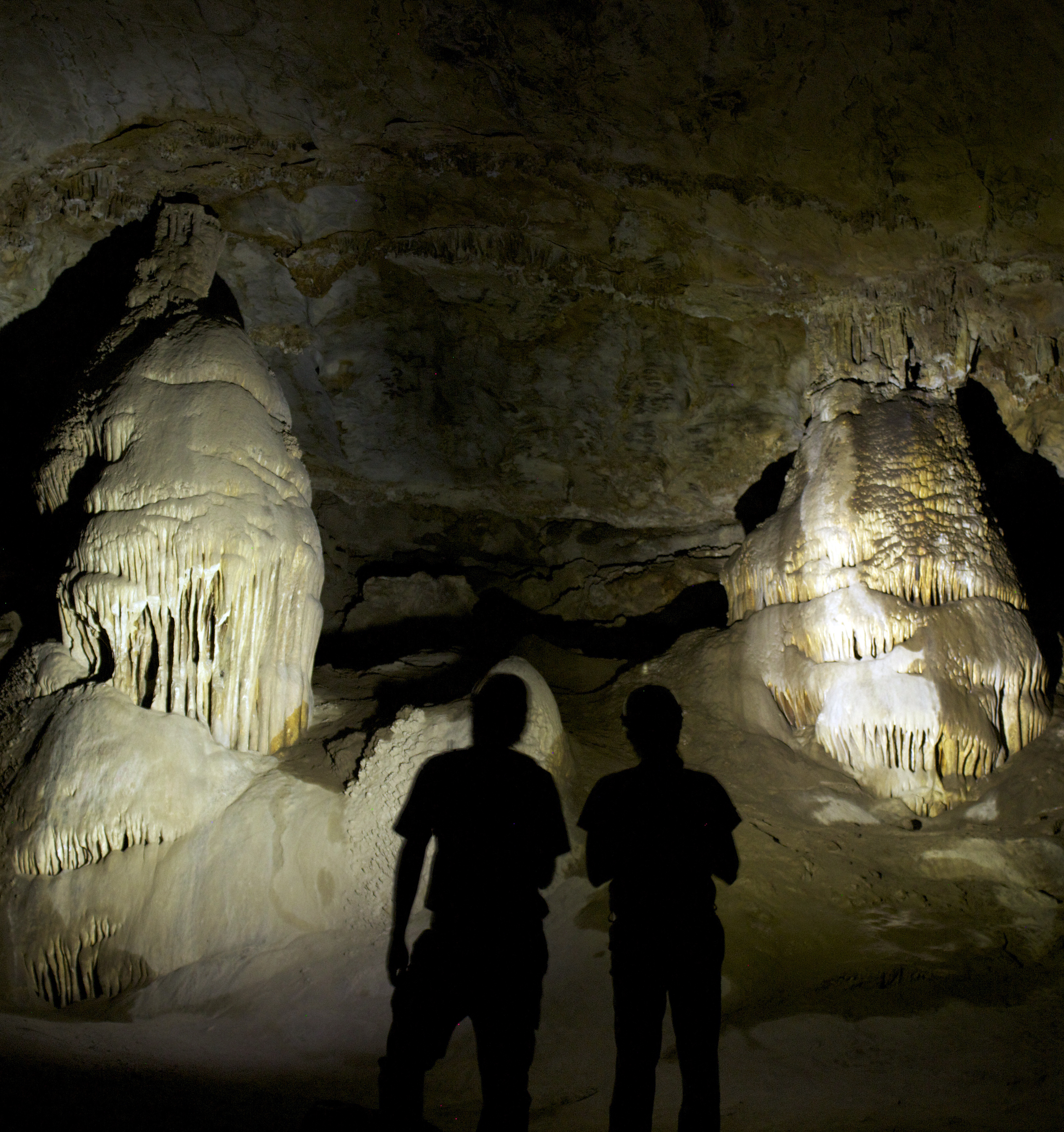
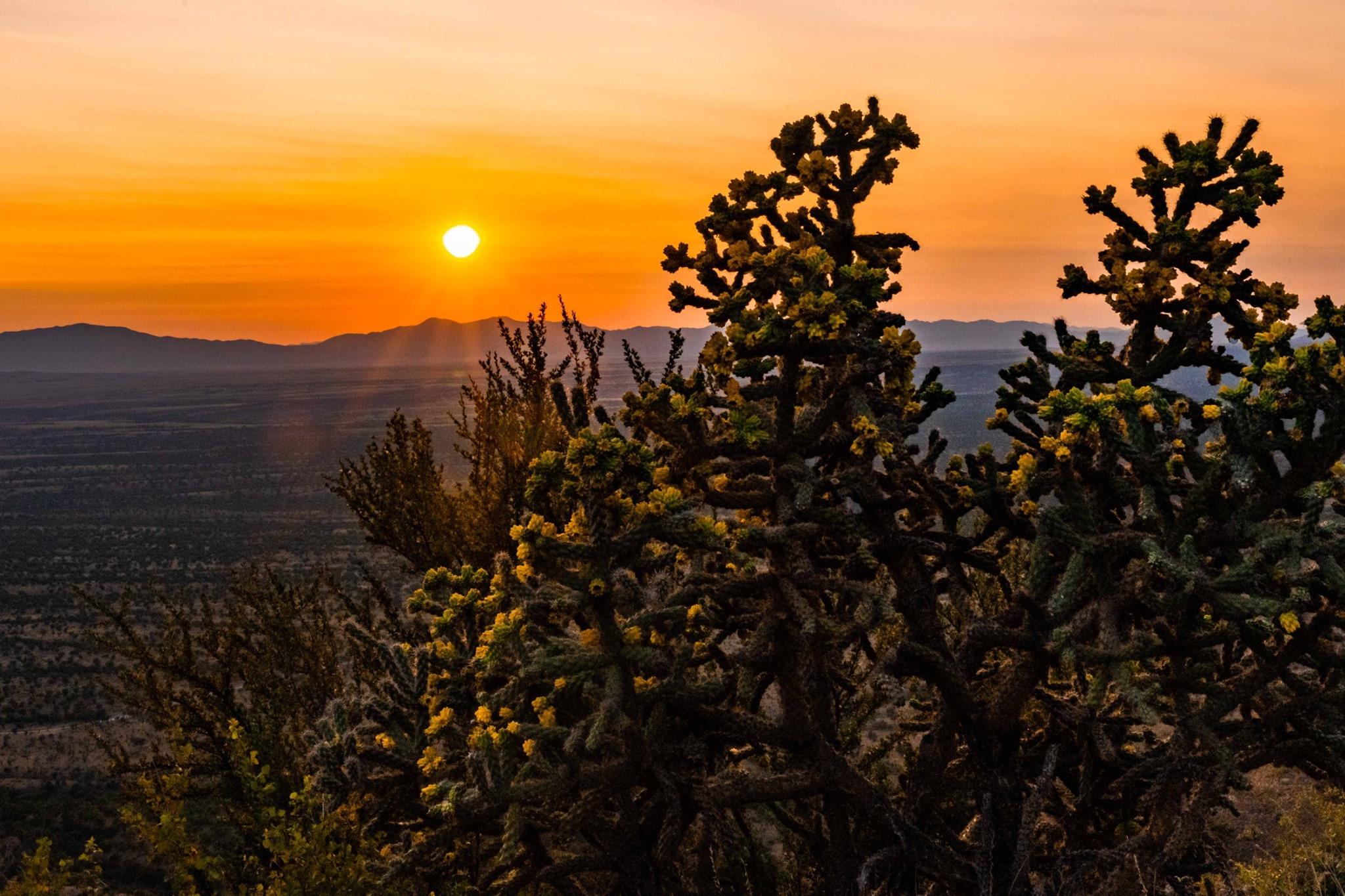
Agave stalks and wildflowers with mountains in the distanceA brilliant red bird in a treeTwo cavers inspect a series of calcite cave formationsSun setting over the San Rafael Valley with a cane cholla in the foreground.
National MemorialAZ

Coronado National Memorial

NPS / NPS Photo / D. Bly
68/ 100GOOD RANGE
parkverdict Experience ScoreIndependent, not sponsored

68 of 100. Our independent breadth-and-access index. How we score

Our verdict

Should you visit Coronado National Memorial?

Coronado National Memorial sits on the U.S.-Mexico border in the Huachuca Mountains of southern Arizona.

It commemorates the 1540 Coronado expedition, one of the earliest European pushes into what is now the American Southwest. Come expecting real mountain terrain, not flat desert, and you will be surprised in the best way. The birdwatching is genuinely excellent, the hiking is accessible, and the cave sets it apart from most comparable memorials. The memorial scores a 68 on our breadth scale, which reflects an honest but limited range of things to do. Most visitors will not stay longer than a day. Even so, it punches above its weight, especially as a half-day or full-day stop if you are already passing through the southeastern Arizona sky islands region. The historical story is one most people only half-know, which makes it worth the detour on its own.

What makes it worth it

Start the morning with the drive up to Montezuma Pass. The road winds steadily upward and hands you wide views of the border region and the San Pedro Valley before you've set foot on a single trail. From the pass, the hiking pushes into genuine mountain terrain, with real elevation gain and views that make the effort worth it. Coronado Cave is a legitimate draw, accessed by a short but steep hike, and ranger-guided tours make it a reasonable stop for families. The birdwatching along this sky island corridor is some of the best in North America, with species you simply won't find reliably anywhere else in the United States. Picnic facilities make it easy to stretch a midday break out comfortably. The park store and bookstore give you solid grounding in the history, whether you browse before heading out or after coming back. Admission is free, so if you're anywhere near the area, there's no real reason to pass it by.

Who should go

Birders will feel most at home here, along with hikers who prefer quieter mountain terrain, families with curious kids, and anyone drawn to early colonial contact history in the Americas. Road cyclists and scenic-drive enthusiasts will get their money's worth too. That said, if you need several days of activity or you are not already passing through southeastern Arizona, it probably does not justify a special trip.

When to go

April through early June offers warm, manageable temperatures and solid birding as migratory species move through the sky island corridor. Monsoon rains roll in around July or August, which cools things down but can make afternoon trails genuinely dangerous. Winter sometimes brings snow at this elevation, giving the area a different feel while cutting off some activities.

Highlights

  • Scenic drive to Montezuma Pass with sweeping views of the U.S.-Mexico border region
  • Coronado Cave, accessible by a steep short hike and open for guided exploration
  • Birdwatching in one of the most species-rich sky island corridors in North America
  • Hiking on mountain trails with genuine elevation gain and desert-mountain transition ecosystems
  • Junior Ranger Program and ranger-guided tours that unpack the complex Coronado expedition history
  • Free admission with a functioning picnic area, making it an easy full half-day stop

Plan ahead

Admission is free, and the park is day use only, open from half an hour before sunrise to half an hour after sunset. Bring a flashlight and sturdy shoes if you want to explore the cave. The road to Montezuma Pass is paved but narrow and winding, so if you're driving a large RV, check current access conditions before heading up.

Editor's tipBring binoculars and get there early if birding is any part of your plan. The Huachuca Mountains sky island habitat pulls in rare species that serious birders drive hours to see, and this park puts you right in the middle of that corridor without the crowds you would deal with at better-known Arizona spots.

How we scored it

Why Coronado National Memorial scores 68

We keep the math boring on purpose. The same handful of public-data inputs, capped so none of them dominates, decide every score. What they measure is breadth and access, not beauty and not crowd levels. For Coronado National Memorial, they shook out like this:

  • Activity breadth14 documented activities
  • Topic breadth8 topics
  • Official imagery5 public-domain images
  • Camping on sitenone recorded
  • Entry costfree

No number is hand-adjusted and no unit pays for placement. The full weights, the floor at 18 and a worked example are on how we score.

The honest limits

What the number leaves out

Worth saying plainly: this number only knows what the data shows, which is breadth and access. It has no idea whether the scenery is jaw-dropping, whether the lot is a zoo in July, what shape the trails are in, or how good the guided walks are. So do not read a lower score as a worse day out. A focused little site can beat a big all-rounder for the right person. Compare the numbers for what is on offer, then read the verdict for who each place actually suits.

Background

The short version

Tales of vast cities of gold drove 339 European soldiers and over a thousand Aztec allies into arid deserts and jagged mountains. They found rich traditions; they brought new technologies. The conquest was also a brutal one, and the collision of those cultures still shapes the world today.

On documented breadth and access, Coronado National Memorial ranks 18th of 29 park and public-land units we score in Arizona.

What the seasons are like

The park sits right on the Mexican border, but its elevation and mountain terrain keep Coronado National Memorial cooler than you might expect in summer, and snow shows up in winter. Daytime temperatures climb into the 90s F (32-37 C) through May, June, and July, with low humidity making the heat more bearable.

What you can do

Activities

Auto and ATVScenic DrivingBikingRoad BikingCavingFoodPicnickingGuided ToursHikingJunior Ranger ProgramWildlife WatchingBirdwatchingShoppingBookstore and Park Store
Common questions

Coronado National Memorial: quick answers

Is Coronado National Memorial worth visiting?

Coronado National Memorial sits on the U.S.-Mexico border in the Huachuca Mountains of southern Arizona.

Is Coronado National Memorial free to visit?

It is free to get in.

What is Coronado National Memorial best for?

It leans hardest toward hiking, good with kids, wildlife watching, climbing & caving, going by the 14 activities it actually documents.

When is the best time to visit Coronado National Memorial?

April through early June offers warm, manageable temperatures and solid birding as migratory species move through the sky island corridor.

How is the Experience Score for Coronado National Memorial calculated?

The 68 comes straight from public data on how much the place documents and how easy it is to reach, things like activities, topics, photos, camping and whether entry is free. It says nothing about scenery or how busy it gets.