Is Colonial National Historical Park worth your trip?
Colonial National Historical Park encompasses two foundational sites of American history: Jamestown, established in 1607 as the first permanent English settlement, and Yorktown, the decisive 1781 Revolutionary War battlefield.
The Colonial Parkway seamlessly connects these locations across the Virginia Peninsula, creating a unified experience rather than two disparate visits. While the historical significance is immense, the physical presentation is largely understated. Jamestown offers extensive open-air archaeological sites and interpretive panels, with few standing historical structures. This park is not a living history theme park. Its Experience Score of 48 accurately reflects a specialized historical unit, not a broad recreational park. Casual sightseers expecting dramatic visual spectacle may find it underwhelming. However, visitors with a genuine interest in early American and Revolutionary War history, who engage with guided tours and self-guided routes, will find a deeply rewarding and contemplative experience.
Why go
Historic Jamestowne offers a significant historical immersion, centered on the original 1607 fort footprint. The site features active archaeological excavations and a reconstructed Glasshouse, where interpreters demonstrate 17th-century glassblowing. A self-guided walking tour further details the location. The $15 entrance fee provides access to both Jamestown and Yorktown. This combined ticket encourages travel along the Colonial Parkway, a scenic, low-traffic route largely closed to commercial vehicles, leading to the Yorktown battlefield. The Junior Ranger Program engages younger visitors. Occasional arts and culture programming expands the interpretive offerings. This location suits history enthusiasts and road cyclists.
Best for
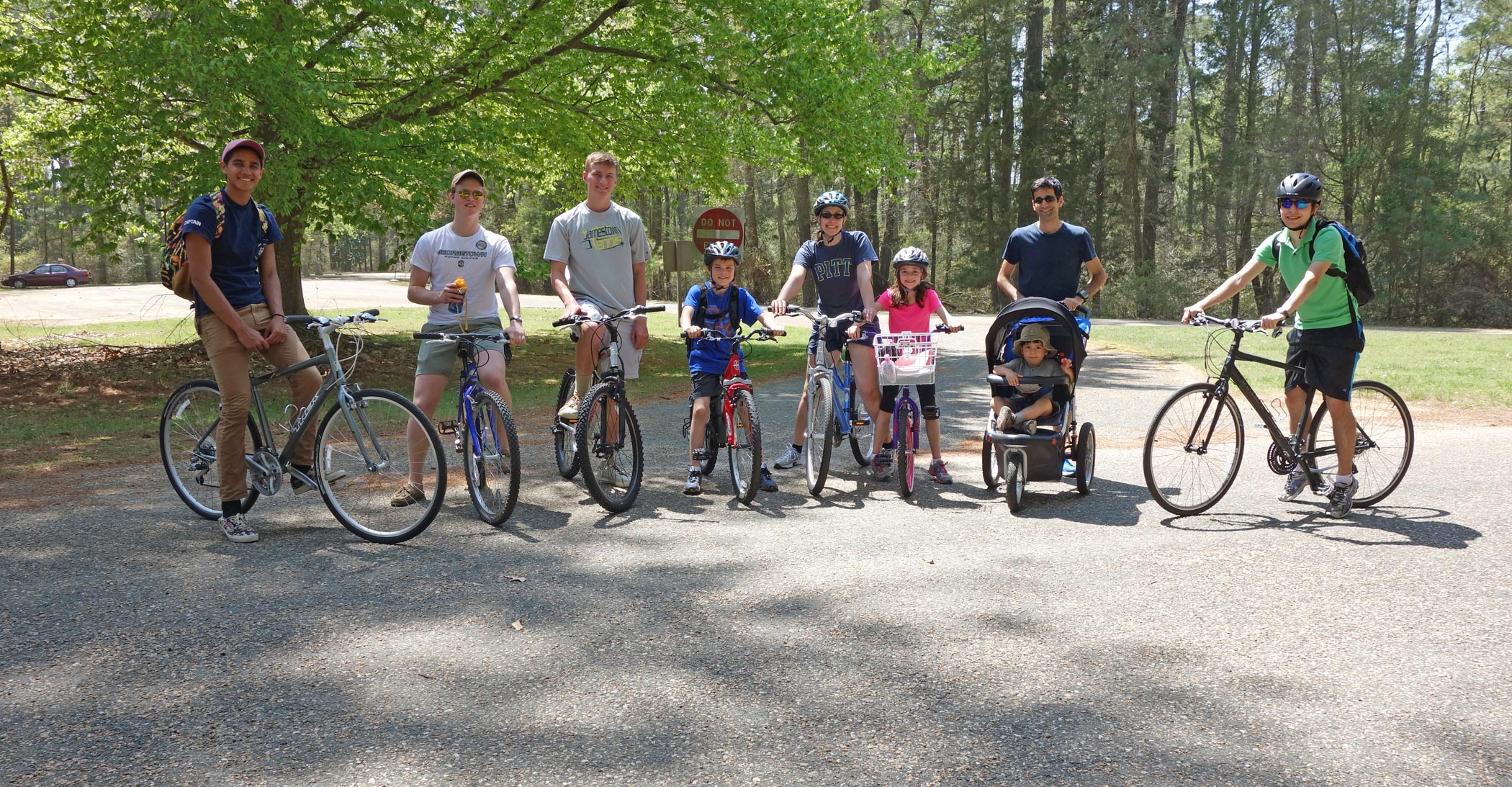
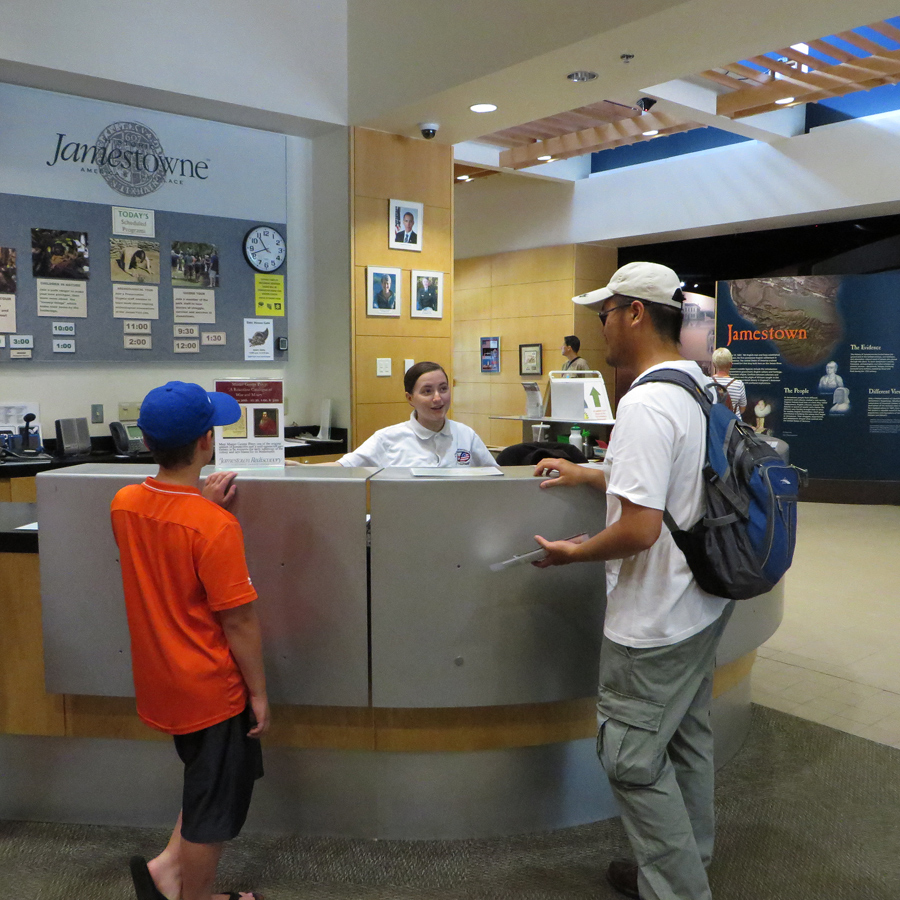
This park primarily serves those with specific historical interests. Colonial period and American Revolution enthusiasts will find it genuinely satisfying. The parkway offers road cyclists a scenic, historically rich route. Families with school-age children will benefit from the Junior Ranger program and interpretive staff. For outdoor adventure, extensive trails, or wildlife viewing, visitors should consider other Virginia destinations.
Best season
Optimal visitation occurs in spring and fall. Summer presents significant heat and humidity challenges; visitors June through August must plan early morning arrivals to mitigate heat exhaustion risks. Winter offers minimal crowds and an altered landscape aesthetic due to the absence of summer foliage, though operating hours are reduced.
The high points
- Walking the open-air archaeological site at Historic Jamestowne, where the 1607 fort outline has been excavated
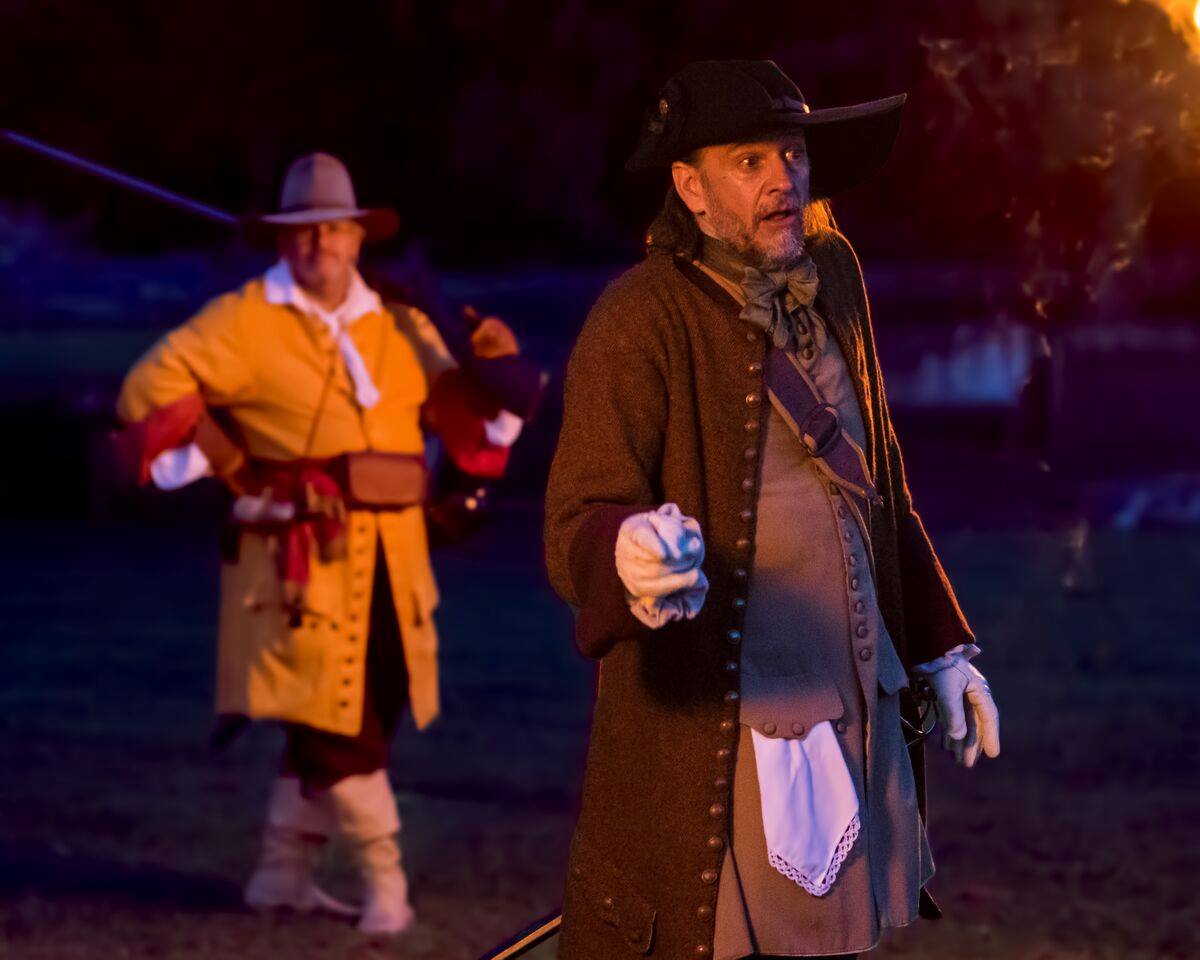
- Watching costumed interpreters demonstrate colonial glassblowing at the reconstructed Glasshouse
- Driving the Colonial Parkway, a scenic, commercial-traffic-free road connecting Jamestown and Yorktown
- Guided and self-guided tours that contextualize the convergence of European, Virginia Indian, and African cultures
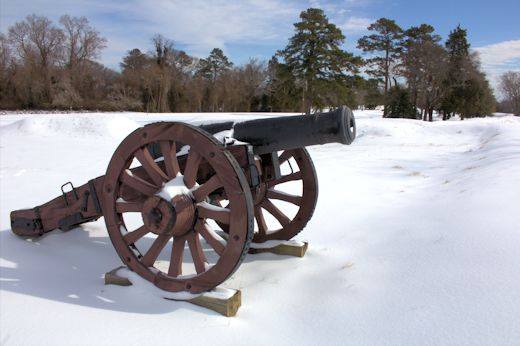
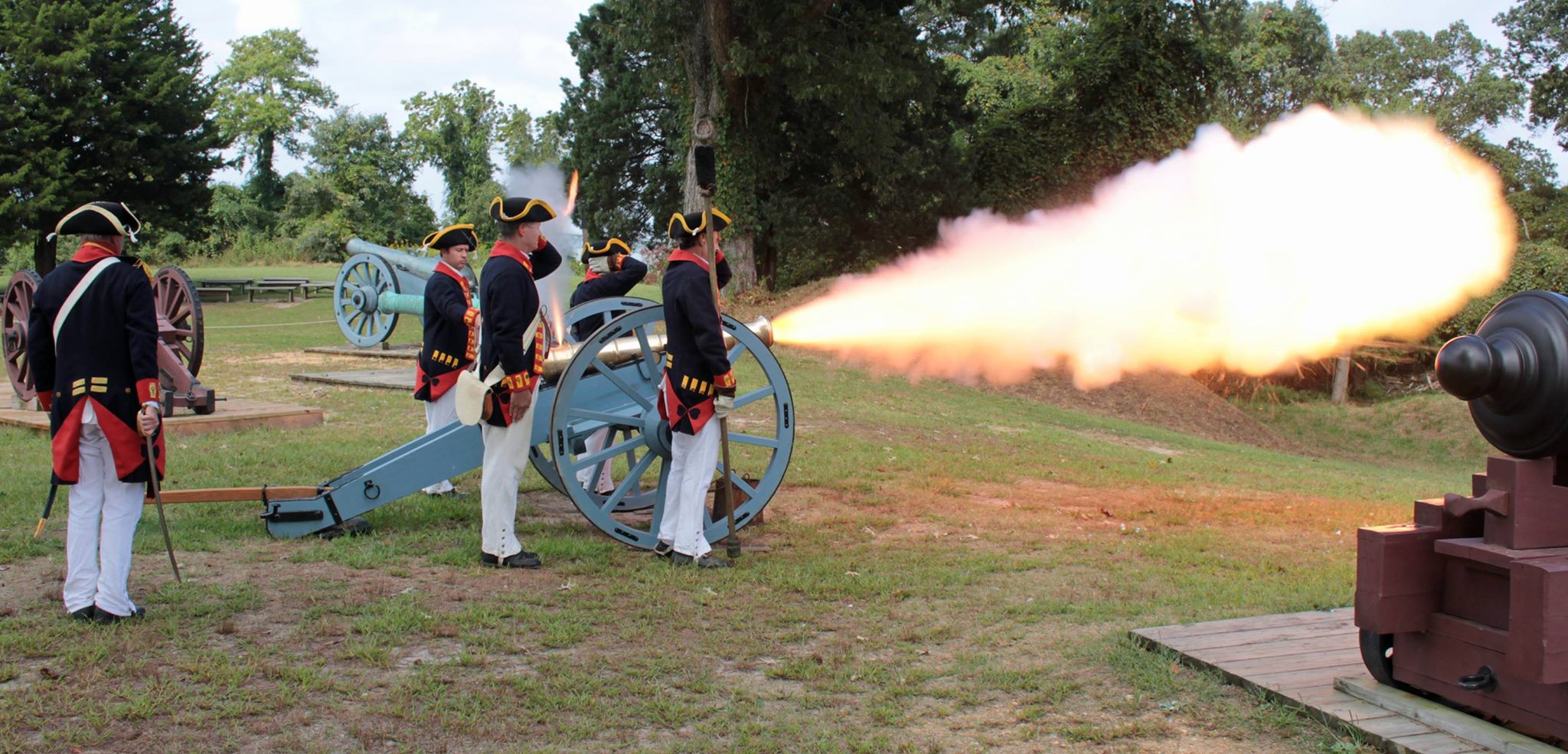
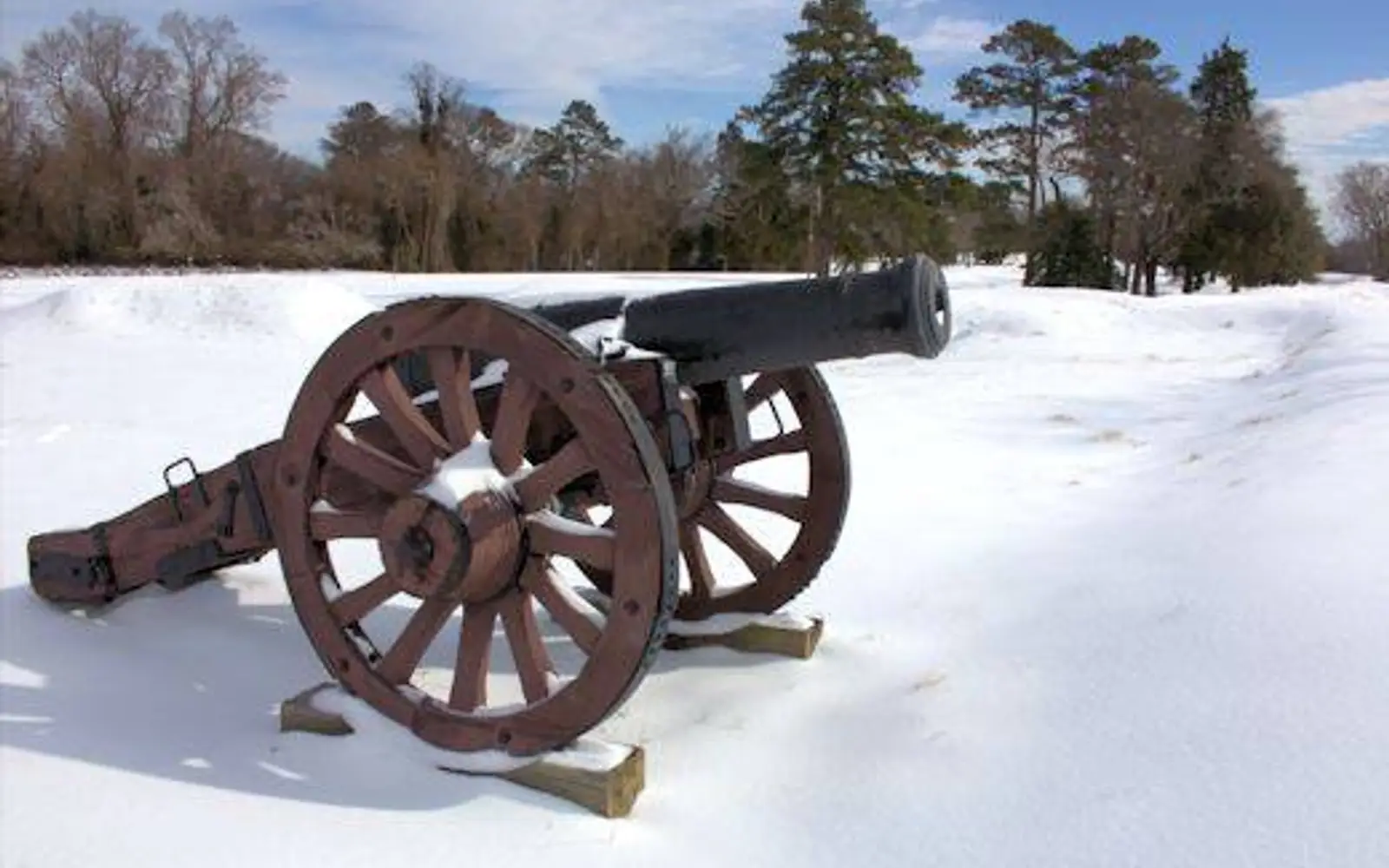
- The Yorktown battlefield, where American and French forces secured the decisive 1781 victory ending the Revolutionary War
- Junior Ranger Program providing structured engagement for children across both sites
Know before you go
The $15 entrance fee for Historic Jamestowne also includes Yorktown, making a full day visit economical. Gates open at 8:45 a.m. and close at 4:30 p.m. daily. Arriving late severely limits time. Most of the Jamestown site is outdoors. Shade is limited. In warmer months, water and sunscreen are essential provisions.
One more thingColonial Parkway offers a scenic and historically rich journey between Jamestown and Yorktown. Arriving at Jamestown at 8:45 AM provides an opportunity to explore the historical site before peak temperatures. The open excavation grounds at Jamestown offer little shade. Later, the Colonial Parkway leads to Yorktown, where the battlefield's tree cover provides a cooler afternoon experience. This sequence allows for optimal comfort while experiencing both significant historical locations.