Is Chopaka Lake and Chopaka Mountain Wilderness Study Area worth it?
Chopaka Lake offers a genuinely remote, high-quality backcountry destination in northern Okanogan County, Washington.
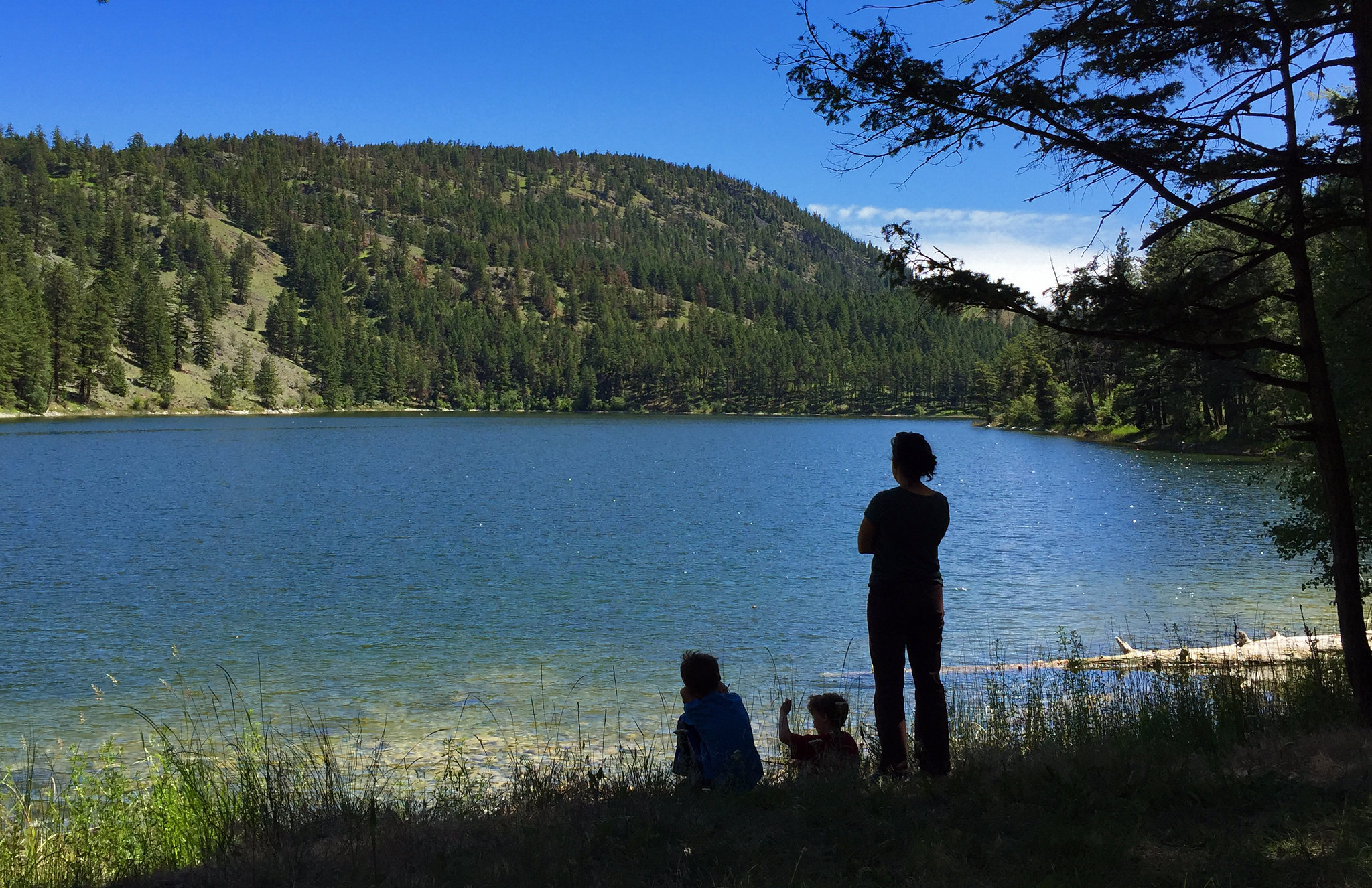
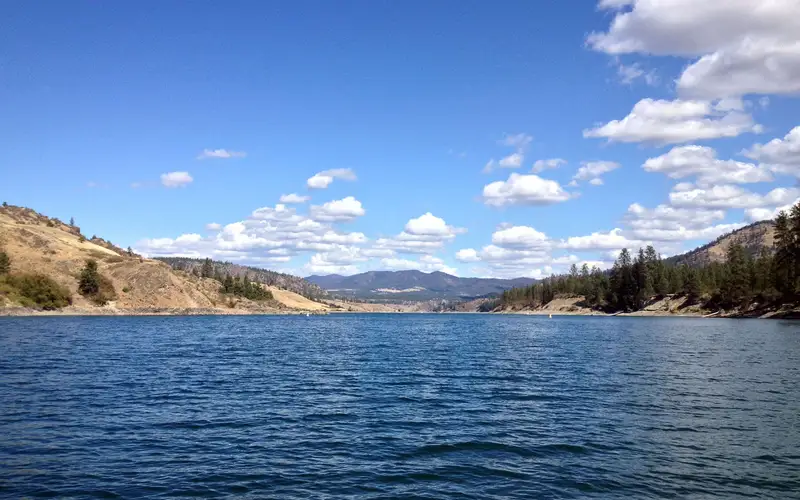
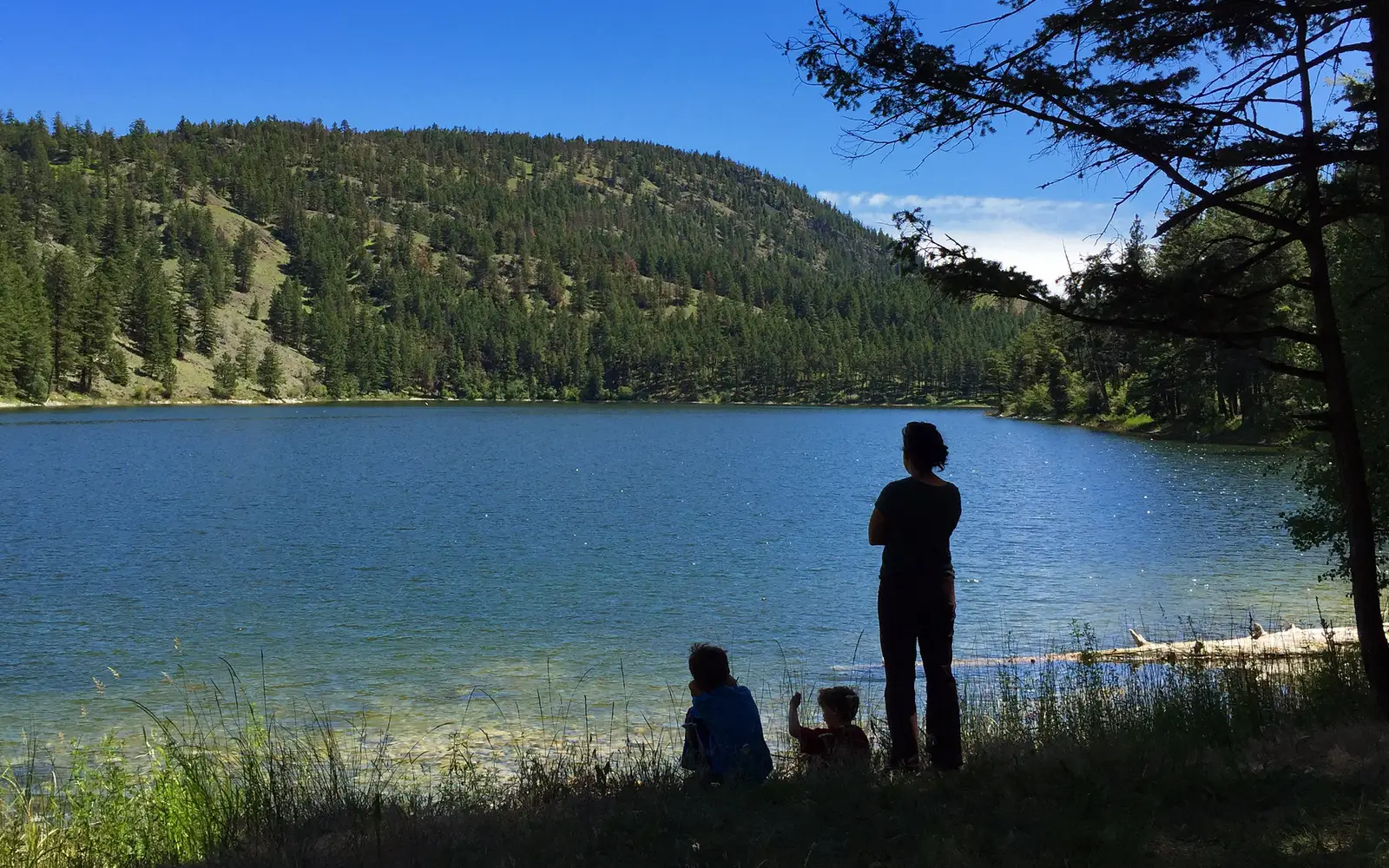
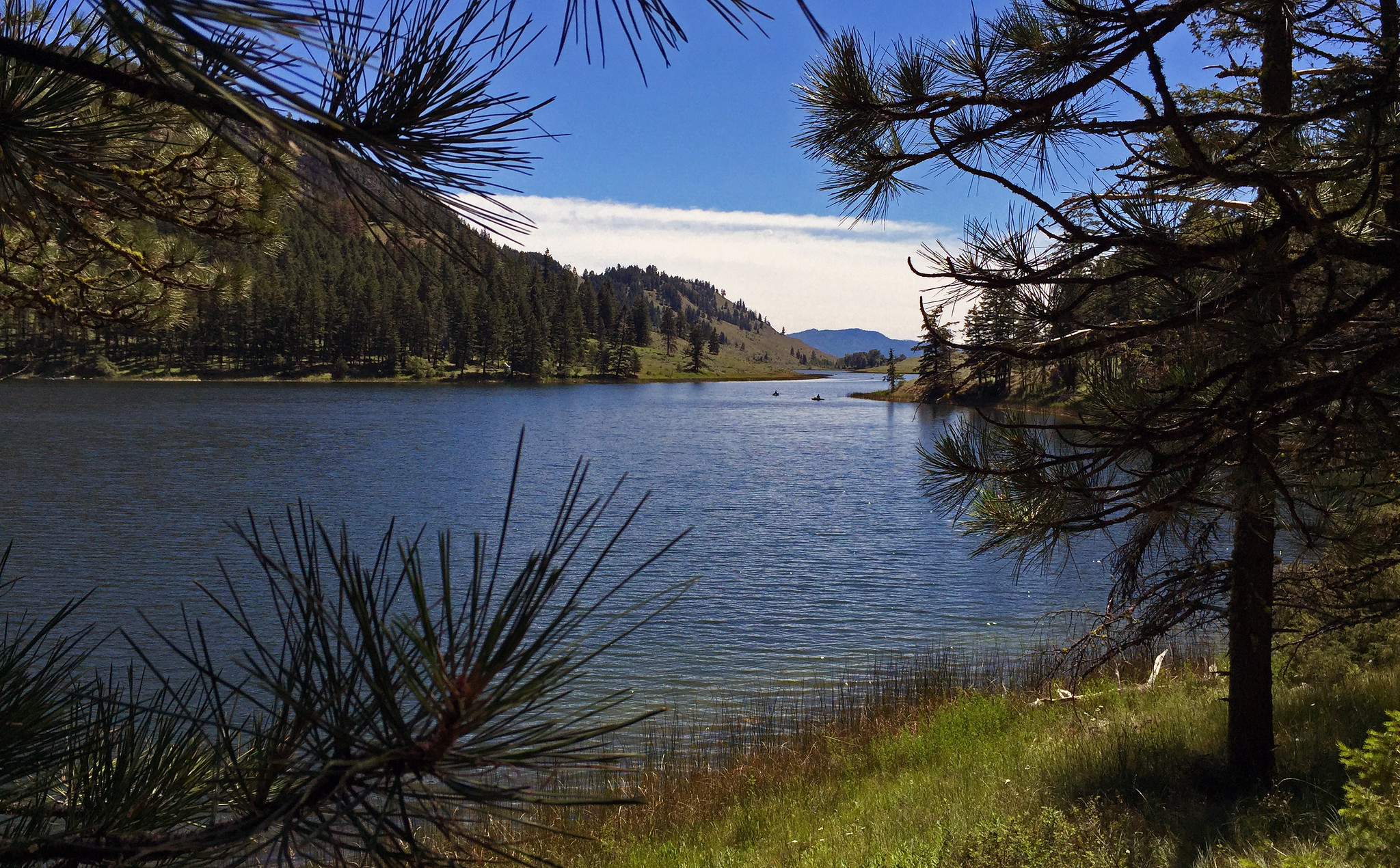
The core attraction is a mountain lake, encircled by aspen groves and sagebrush, with Chopaka Mountain ascendant and mountain goats visible on its slopes. The accompanying 5,518-acre Wilderness Study Area ensures a wild, uncrowded experience; motorized vehicles and bicycles are prohibited. This is not a drive-up scenic overlook, nor a park equipped with a visitor center or paved loops. The reward is true solitude, exceptional fly fishing for trout, and abundant wildlife within an earned setting. Visitors prepared for the extended drive into northern Okanogan County and content with basic campground amenities will discover a mountain lake that fully embodies the term "hidden."
The case for it
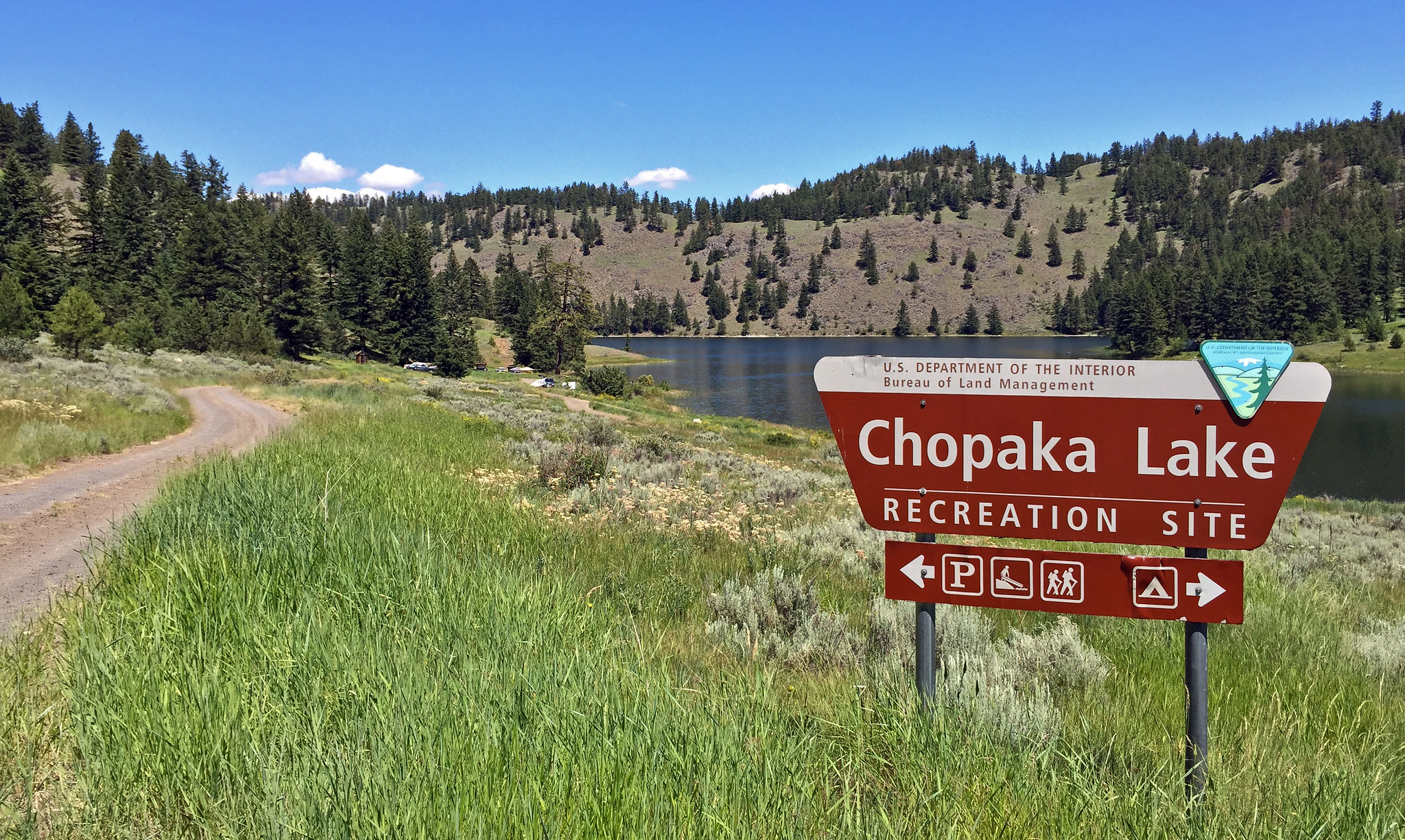
This unit presents a clear focus: a wilderness experience centered on its lake and the challenging terrain beyond. The lakeside campground offers the primary access point into the Wilderness Study Area. Non-motorized trails define ingress for hikers. Anglers will find trout in the lake, best pursued by float tube, canoe, or kayak. Both paddling and swimming are supported activities on the lake. The wildlife viewing is a documented strength, with mountain goats common on the slopes and varied birdlife occupying the aspen and sagebrush. Climbers will find Chopaka Mountain a specific objective. For photographers, the landscape offers a rare confluence of open water, aspen groves, sagebrush flats, and rocky alpine features within a compact zone. Overnight stays are recommended for those seeking solitude, as visitor numbers reportedly diminish significantly after dusk. This destination caters to the self-sufficient outdoor enthusiast.
Who it is for
This remote unit caters to self-sufficient outdoor enthusiasts. Anglers, paddlers, and hikers seeking a true wilderness experience will find it here. Wildlife watchers have a good chance of spotting mountain goats. The area is unsuitable for those expecting developed amenities or easy paved access. E-bikes and motorized watercraft are prohibited within the WSA.
Best time to visit
The park offers reliable drive-in access from mid-April to mid-November. Wildflowers and active wildlife define the late spring. Summer is optimal for swimming and paddling. However, fall is arguably the best season. Aspen groves turn gold, and crowds diminish significantly. Winter access is only for the fully self-sufficient. Casual visitors will find it impractical.
Worth seeing
- Fly fishing for trout on a remote, high-elevation mountain lake
- Paddling and swimming in a scenic alpine lake surrounded by aspen and sagebrush
- Hiking into the 5,518-acre Chopaka Mountain Wilderness Study Area on foot
- Watching mountain goats on the surrounding mountain slopes
- Climbing objectives on Chopaka Mountain itself
- Fall color from aspen groves lining the lake shore
Before you visit
This destination demands careful planning. Access is limited: the main road is reliably open only from mid-April through mid-November. Furthermore, its location in northern Okanogan County necessitates a substantial drive from major population centers. Casual visitors seeking easy access or motorized recreation should look elsewhere. Bicycles, e-bikes, and all motorized vehicles are prohibited within the Wilderness Study Area. Confirm current entrance fees before arrival. This is a place for deliberate engagement, not a spontaneous day trip.
Our tipAnglers focused on fishing will benefit from bringing a float tube or inflatable kayak. The lake rewards those who can cover water. A paddleable watercraft provides access to optimal casting positions and secluded shoreline areas, which bank fishing alone cannot offer.