
Is Chickamauga & Chattanooga National Military Park worth it?
Chickamauga and Chattanooga National Military Park stands as a significant historical preserve.
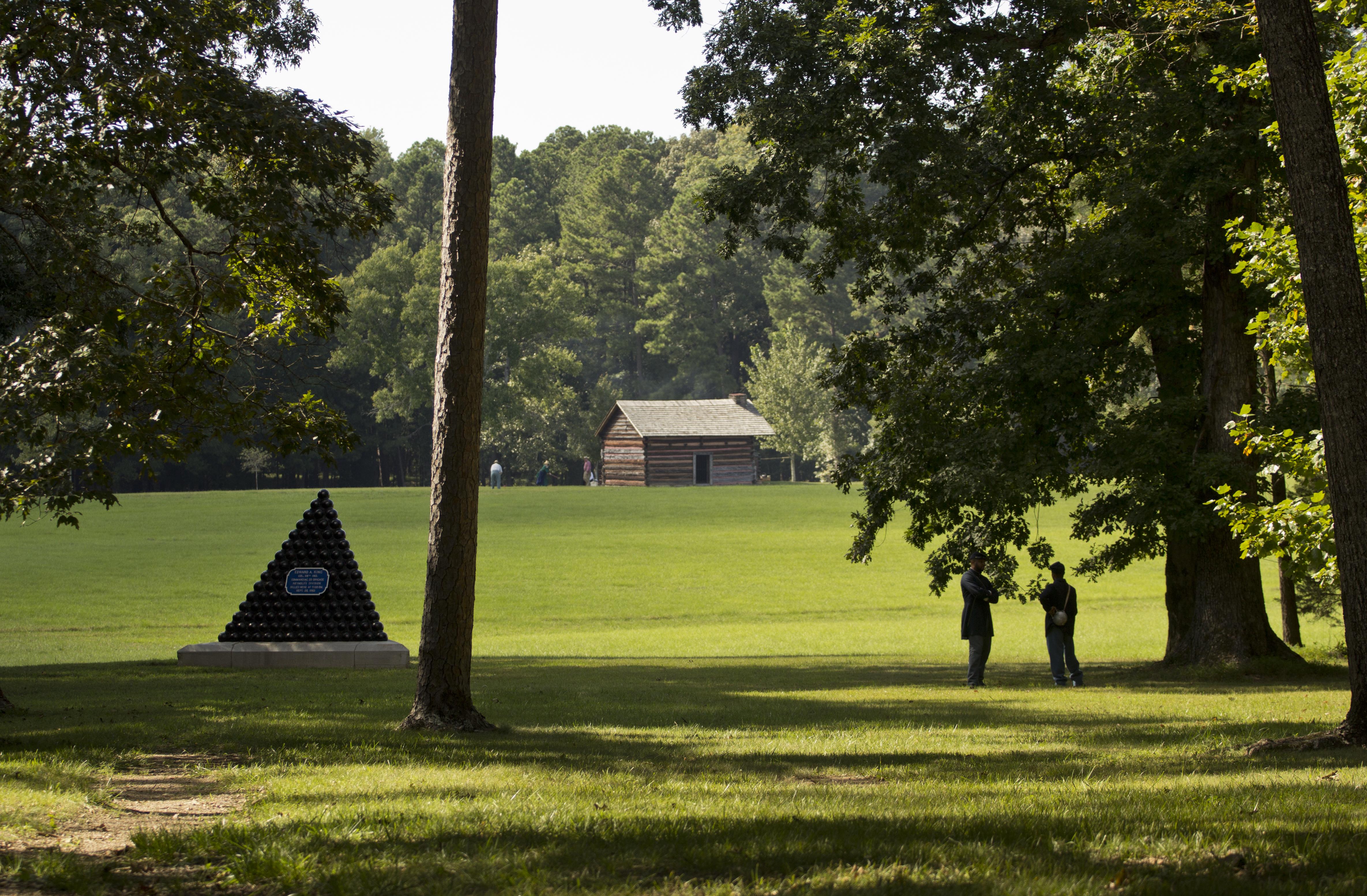
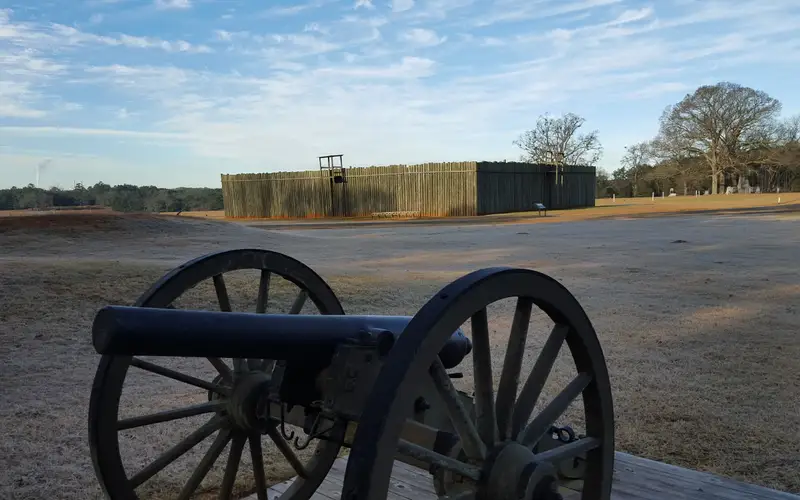
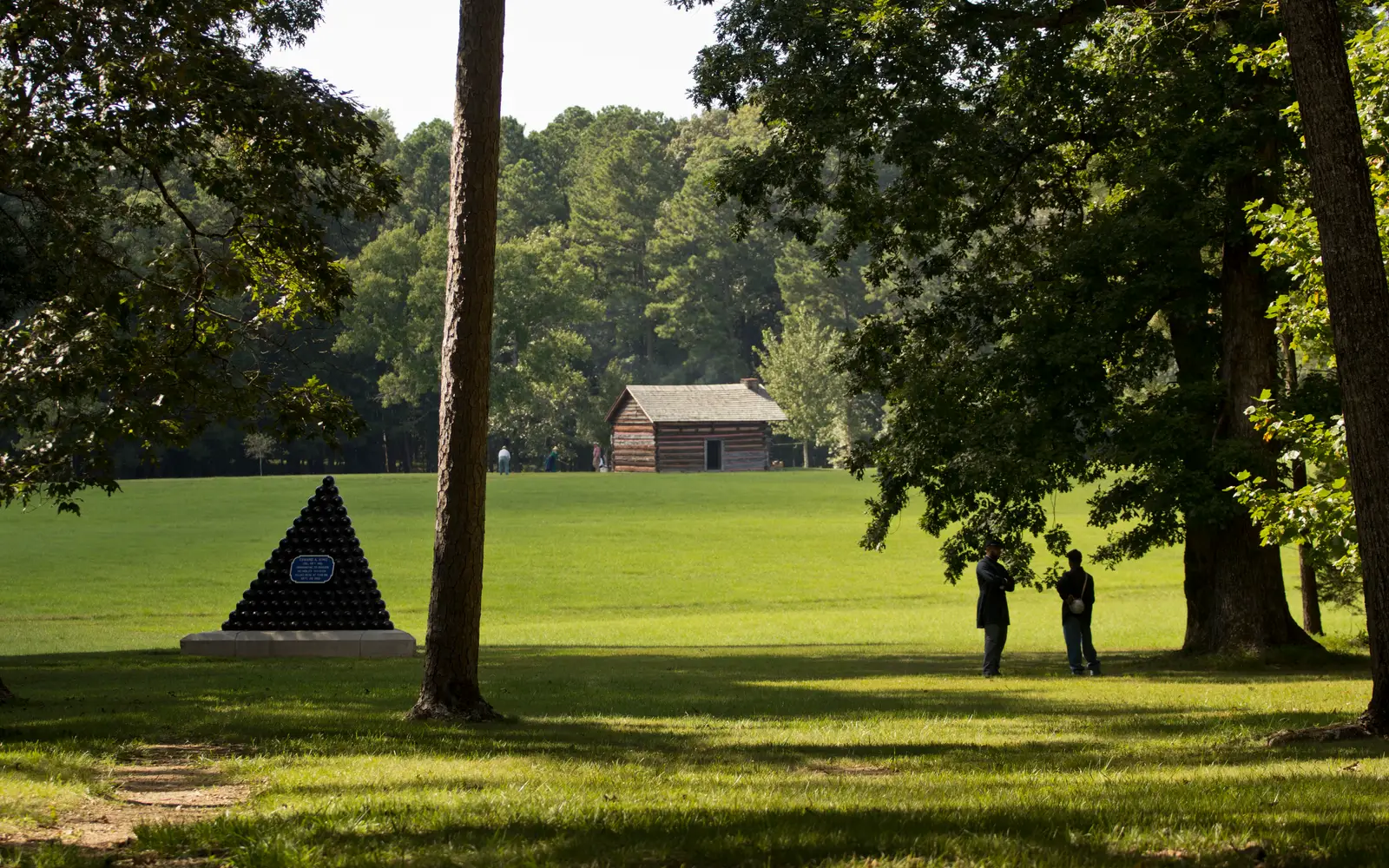
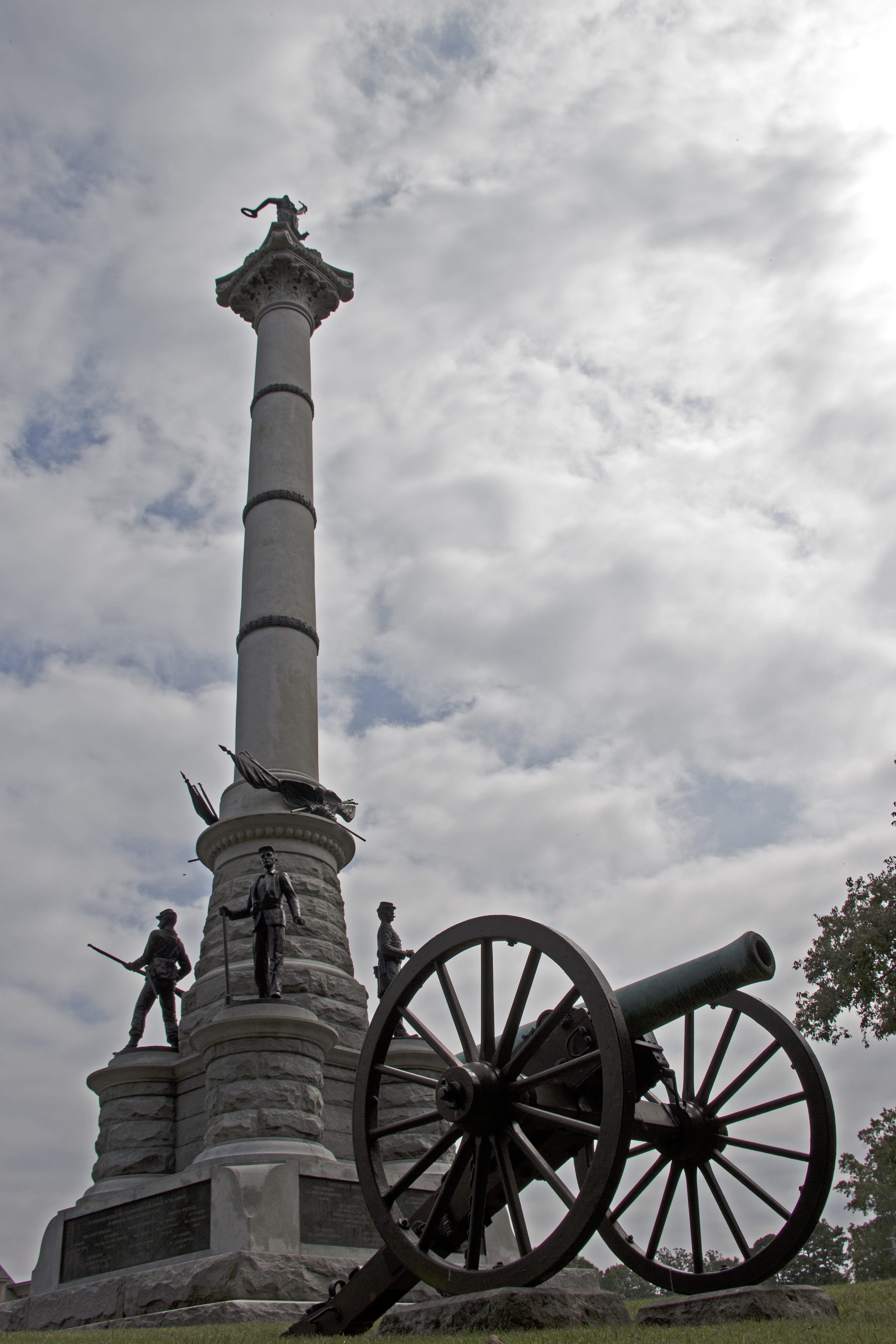
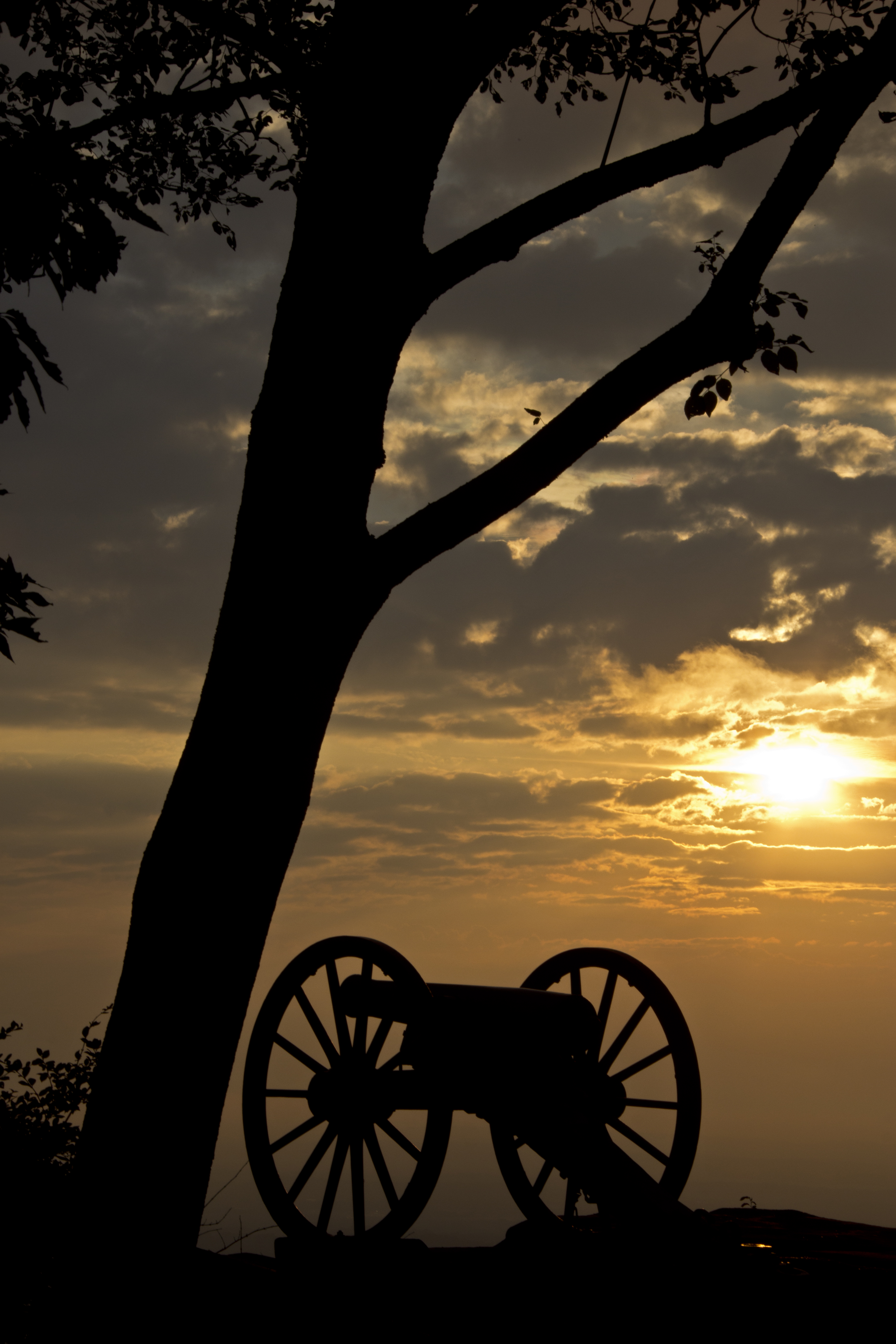
As one of the oldest and largest military parks in the nation, it substantially exceeds the usual scope of a battlefield site. Spanning Georgia and Tennessee, the park commemorates two pivotal 1863 Civil War campaigns. This is not a casual stop. The visitor experience here offers genuine depth. Driving the Chickamauga battlefield provides historical context. Ascending Lookout Mountain offers commanding views. Throughout the park, forested trails lead past cannons and monuments, inviting exploration on foot. Waterways are open for paddling. Living history demonstrations are frequently offered. Those who dedicate a full day or two will find a rewarding visit. Civil War historians and enthusiasts will find the park deeply satisfying. However, its broad range of activities, including rock climbing, biking, horseback riding, and paddling, extends its appeal. Active families will find more engagement here than at many other battlefield parks.
The case for it
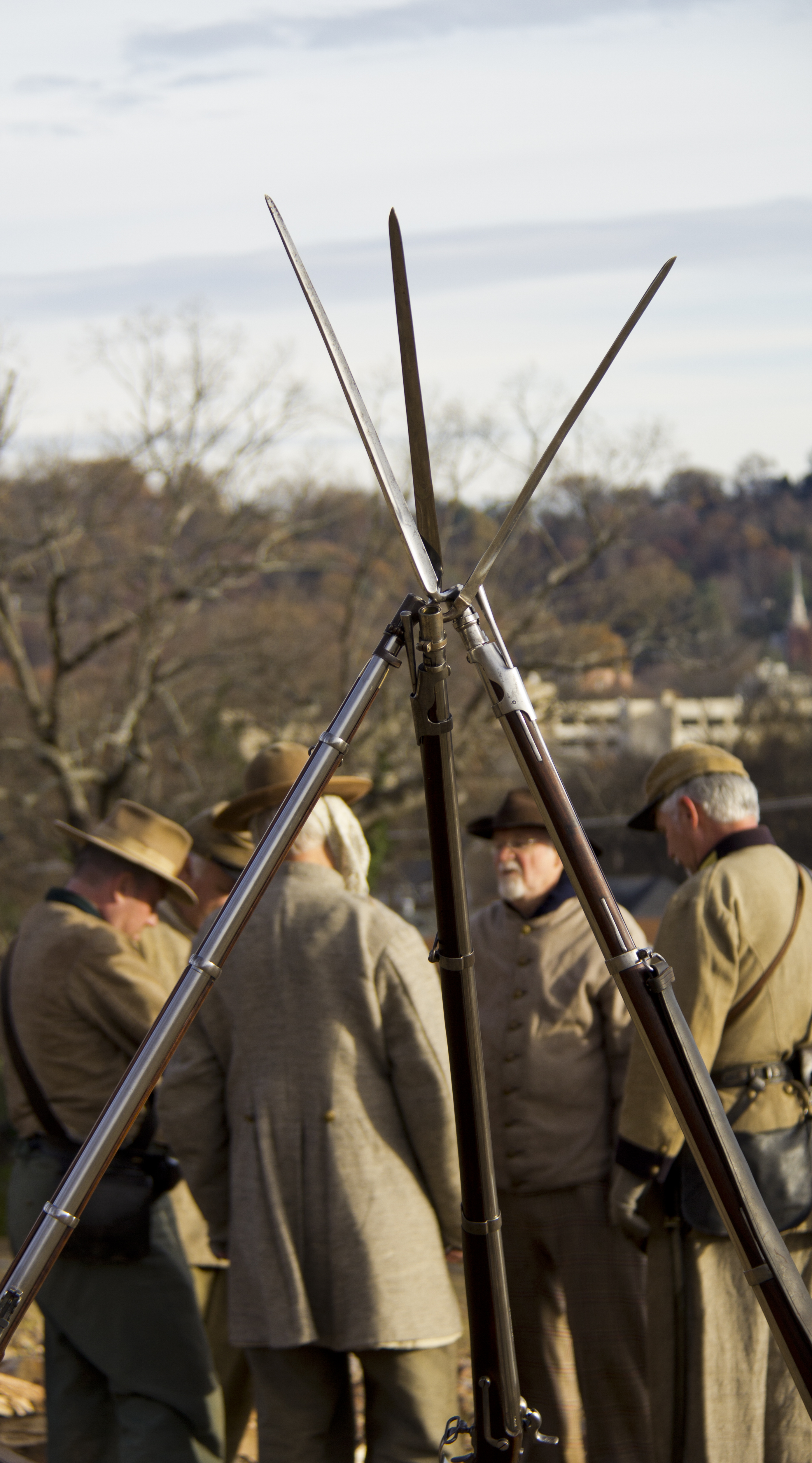
A good day here moves between scales of history and landscape. Start with the park film and museum exhibits at the Chickamauga Battlefield Visitor Center to get the tactical picture, then drive or bike the auto tour route past artillery positions and regimental monuments. Shift to Lookout Mountain in Tennessee for rock climbing and elevated views that explain exactly why Union and Confederate forces fought so hard for this terrain. Families can run the Junior Ranger Program while adults join a guided tour or living history demonstration, including historic weapons demonstrations that make the scale of Civil War combat visceral. Paddlers can explore nearby waterways by canoe or kayak. The variety of documented activities means two people with completely different interests can share the same visit and both leave satisfied.
Who it is for
This park is a clear choice for Civil War history enthusiasts, offering substantial interpretive depth. Active visitors will find a rare combination of hiking, biking, rock climbing, and paddling opportunities within a military park setting. Families with children are well catered for. Casual sightseers, however, may find the park's expansive, two-state footprint overwhelming for a brief visit.
Best time to visit
Northern Georgia's mild spring and fall temperatures render long hikes and bike rides comfortable. The landscape photographs well without the typical summer haze. Summer delivers heat and humidity, which can make physical activity tiring. Winter is short and cool, but visitor center hours become limited. Consult the park schedule in advance if visiting between December and February.
Worth seeing
- Living history demonstrations and historic weapons programs that bring the 1863 campaigns to life
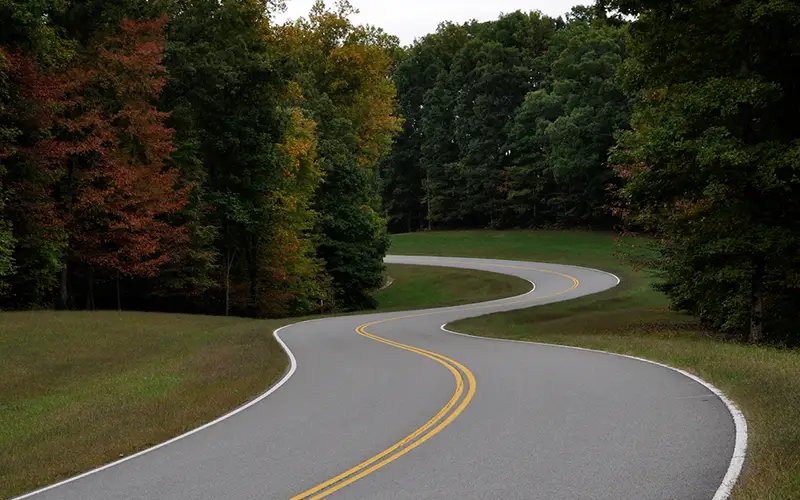
- Scenic auto and bike tour routes through the Chickamauga Battlefield with monuments and artillery in place
- Rock climbing on Lookout Mountain with views that explain the strategic geography of the entire campaign
- Guided and self-guided tour options that let you calibrate depth of engagement to your interest level
- Paddling opportunities by canoe or kayak for a completely different perspective on the landscape
- Junior Ranger Program and park film that make the site accessible and engaging for families with children
Before you visit
At $10 per person, this park offers a split experience across Georgia and Tennessee. Pre-plan your route; units are not all adjacent. Visitor centers at Chickamauga Battlefield and Lookout Mountain Battlefield open at 8:30 AM. Battlefield grounds are open during daylight hours. Tour and living history schedules vary seasonally, so consult the NPS site.
Our tipThe auto tour at Chickamauga is excellent, yet a guided ranger tour elevates the experience. With a ranger, the tactical picture of the battleground clarifies beyond what monuments alone convey. The park's guided programs are substantive. Time your visit to include one.