Channel Islands National Marine Sanctuary: our verdict
Channel Islands National Marine Sanctuary is undeniably a water-first destination.
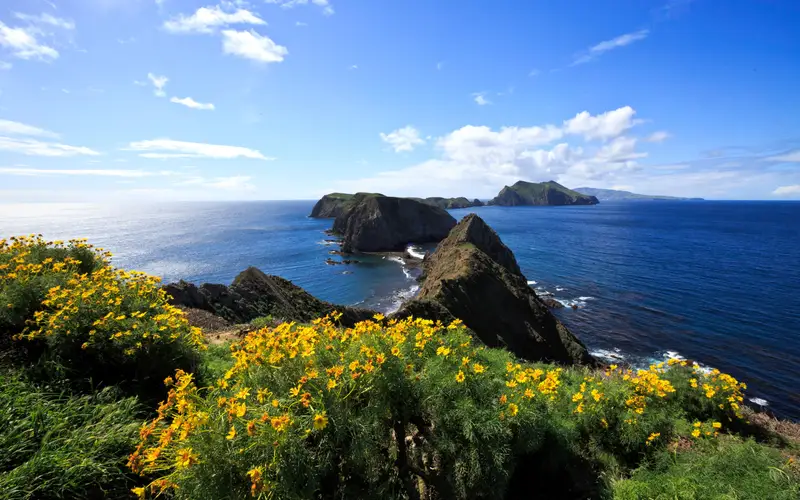
Wrapped around five islands off Southern California, this unit demands engagement with its marine environment. Do not expect a scenic drive. The kelp forests, open-ocean wildlife, and rich intertidal zones are the core attractions. Snorkelers, divers, kayakers, and patient wildlife watchers will find ample reward. Dolphins and whales frequent these waters year-round. Seabirds nest on rocky outcroppings. Pinnipeds haul out regularly. Though entry is free, practical access requires a boat, a guided tour, or at least a kayak. For those prepared to meet these terms, the sanctuary offers a genuinely wild marine ecosystem, remarkably close to a major metropolitan area. Casual, land-based visitors will find their experience significantly constrained.
Why visit
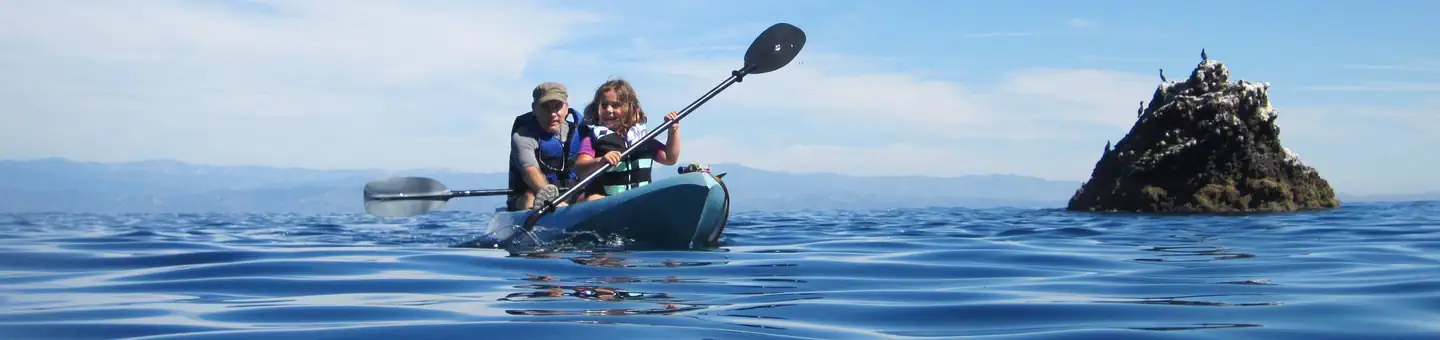
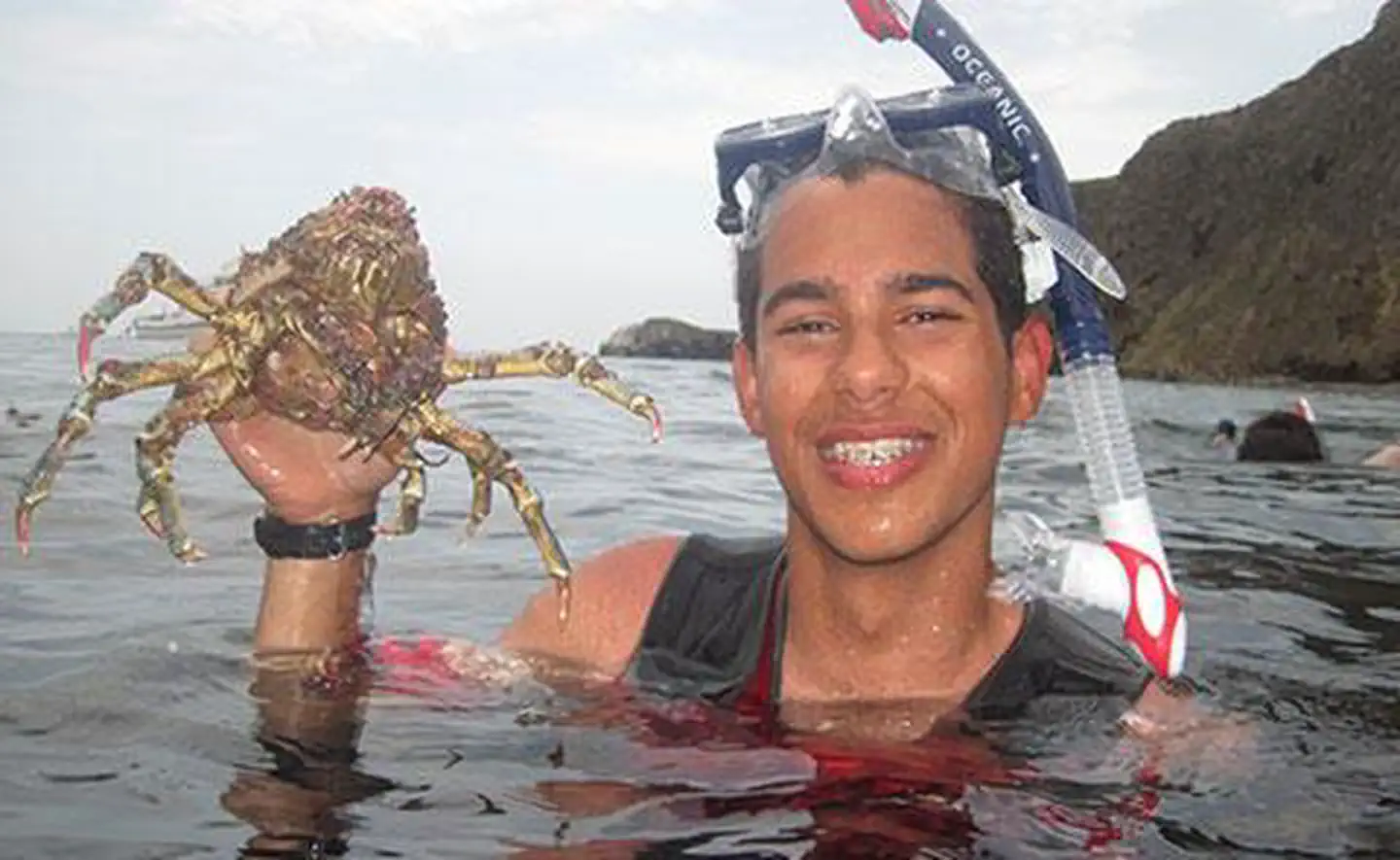
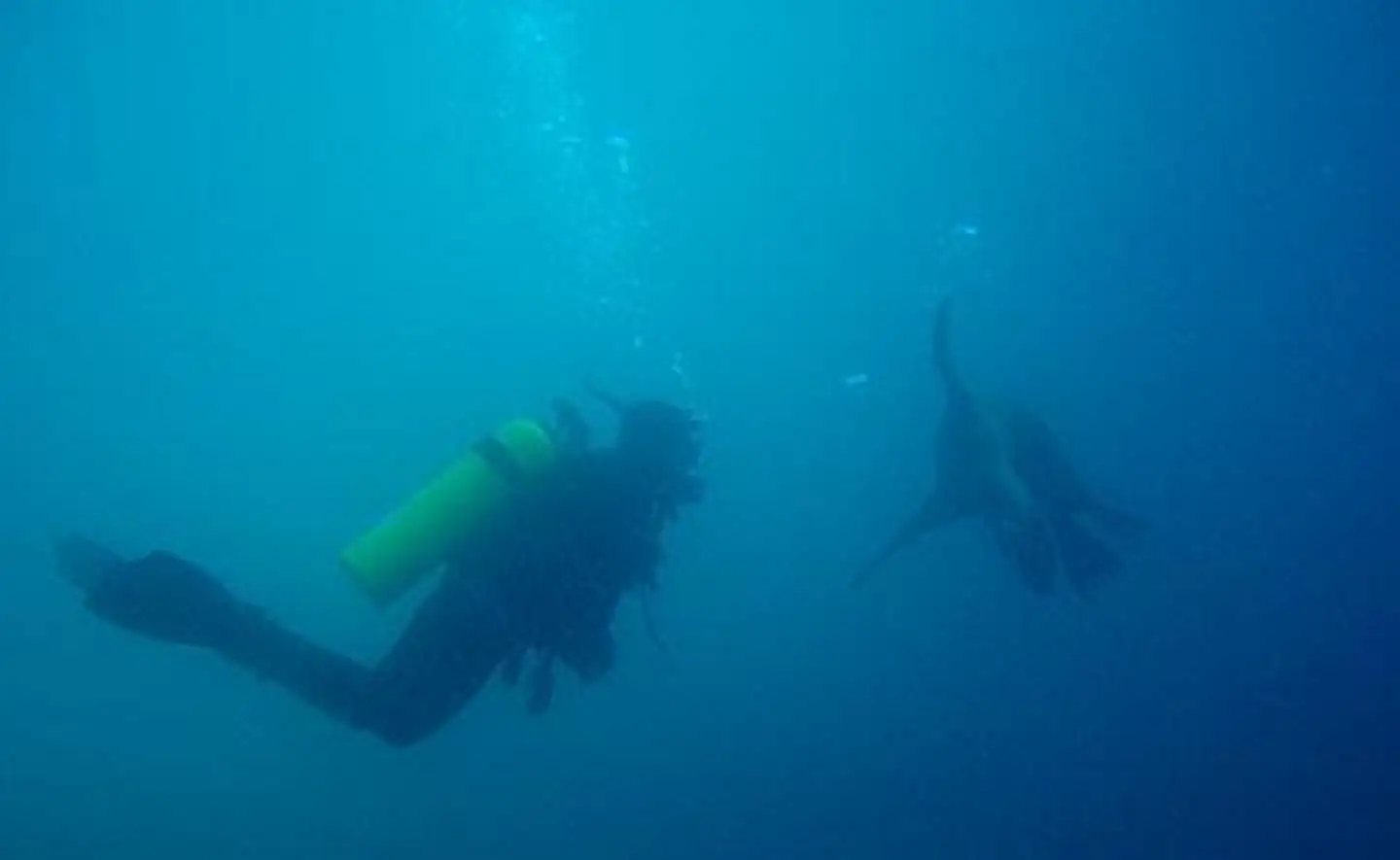
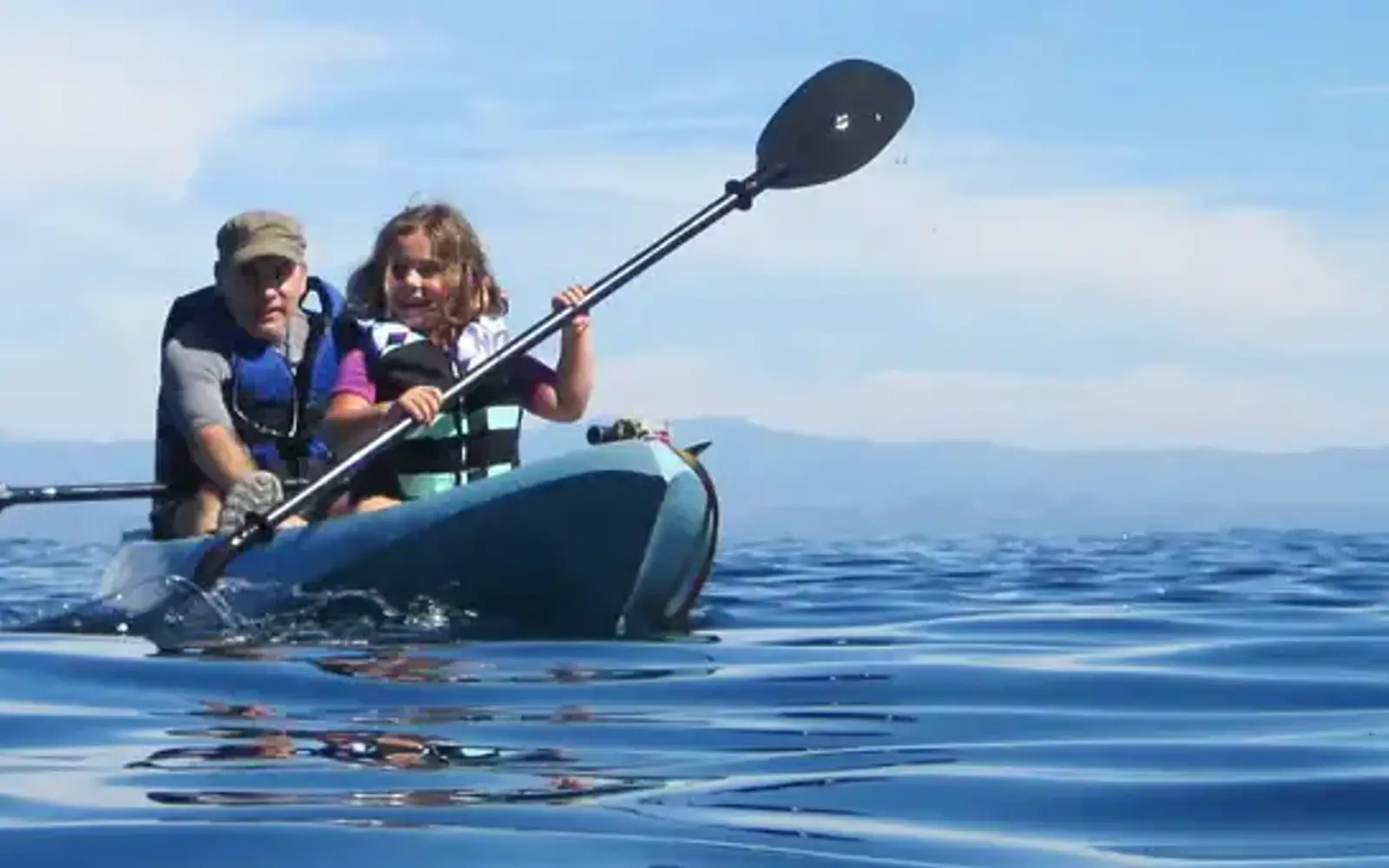
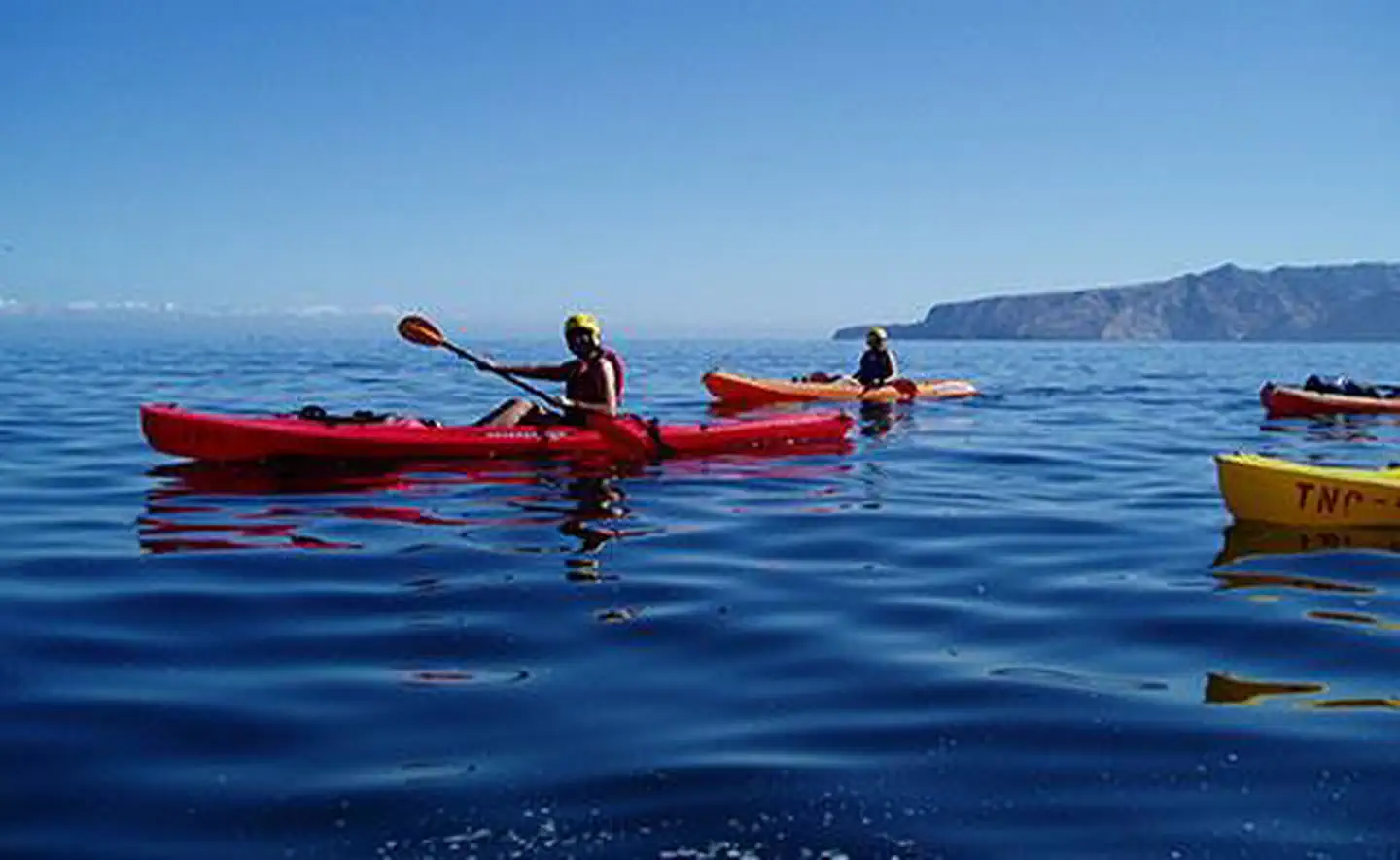
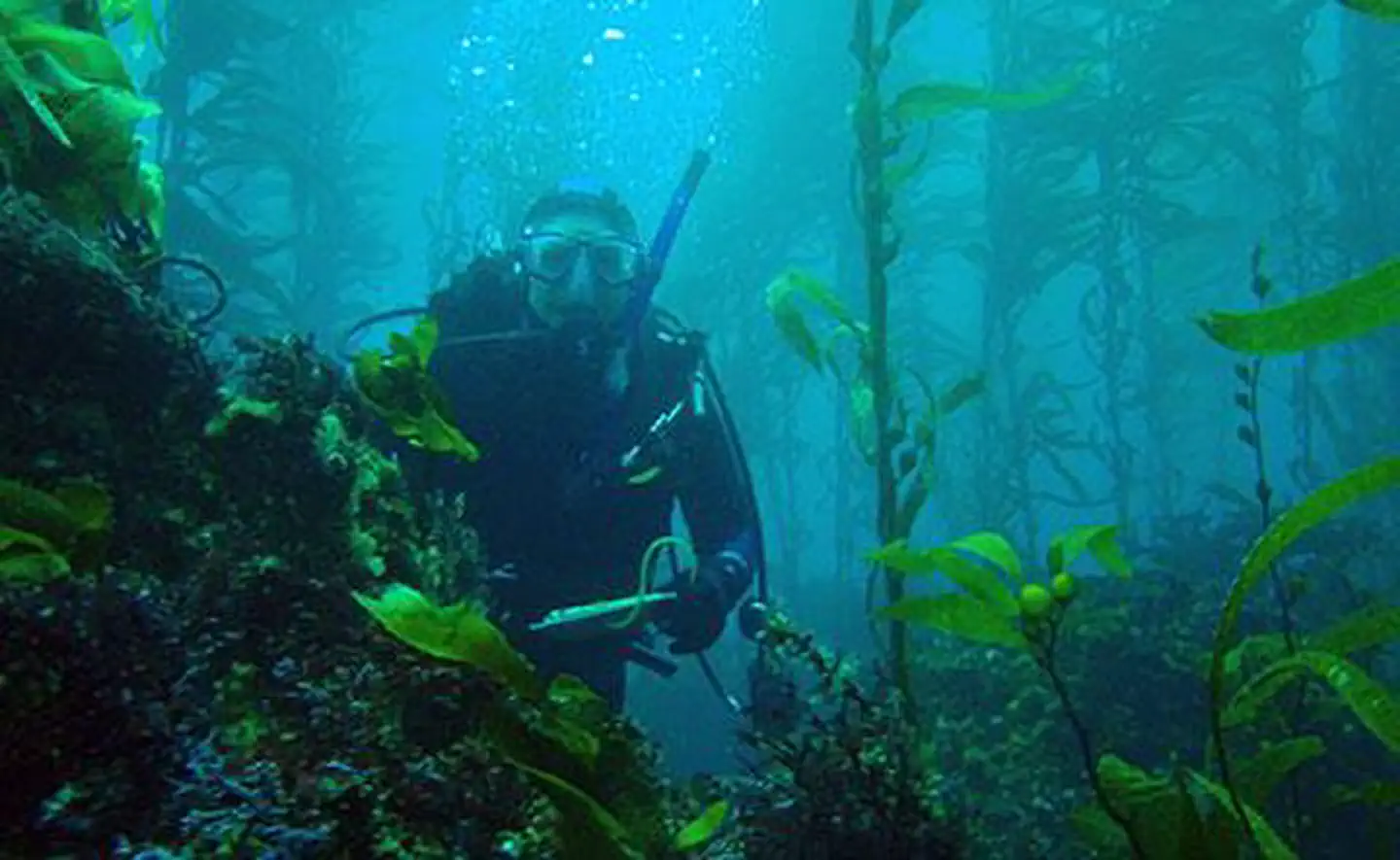
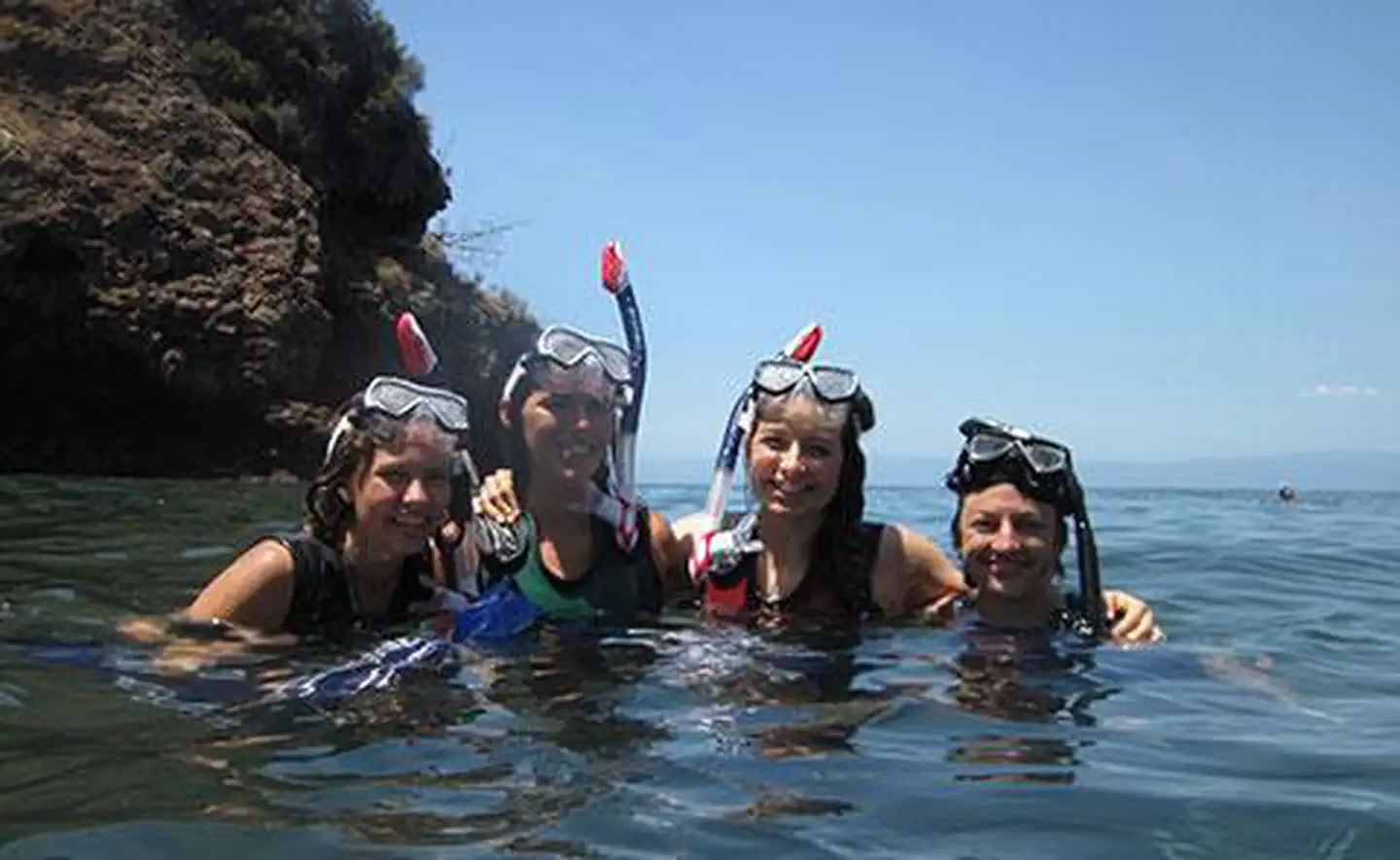
This destination is defined by its water. A thriving cold-water marine ecosystem, one of the West Coast's most productive, awaits those who venture beneath the surface. Snorkeling and diving reveal giant kelp forests, a layered habitat teeming with fish and invertebrates. Kayaking is essential here, offering unique access to sea caves and rocky shorelines otherwise inaccessible. Above the waves, wildlife viewing is exceptional. Dolphin sightings are frequent. Gray and blue whales migrate through. Seabird activity is constant. Interpretive programs enhance understanding of these natural encounters. Fishing and swimming complete the aquatic experience. This is a prime location for those seeking an immersive marine environment.
Who it suits
This unit caters to those seeking aquatic adventure. Divers, snorkelers, and sea kayakers will find ample opportunities. Wildlife photographers focused on marine life will be rewarded. Anglers and boaters with their own vessels enjoy excellent access. Families comfortable with ocean activities will appreciate the swimming and wildlife viewing. Land-bound visitors or those without a boat or guided tour will find access severely limited.
Timing your visit
Late spring through early fall generally offers calmer seas and better underwater visibility, making it the prime window for diving, snorkeling, and kayaking. Winter and early spring bring peak whale migration activity, which is a compelling trade-off despite rougher conditions. Summer crowds are real on the islands themselves. Shoulder seasons in May and September often balance good conditions with fewer people.
What stands out
- Diving and snorkeling inside giant kelp forest ecosystems
- Year-round dolphin and whale wildlife viewing from the water
- Sea kayaking along rugged island coastlines and into sea caves
- Pinniped and seabird observation at close range
- Guided interpretive programs that add ecological depth to the experience
- Fishing in open sanctuary waters with no entrance fee
Good to know
Access to this sanctuary is free. However, reaching its islands necessitates either a commercial boat tour or a private vessel from the mainland, incurring additional cost and planning. Crossings can be challenging; consult sea conditions before departure. For any in-water activity, a wetsuit is essential; Pacific waters remain cold even during summer months.
Insider tipEven experienced divers or kayakers will benefit from a guided interpretive tour. Sanctuary naturalists possess critical local knowledge, pinpointing daily pinniped haul-outs and active kelp patches. This expertise dramatically increases wildlife encounters over independent exploration.