Is Cerbat Foothills Recreation Area (CFRA) worth it?
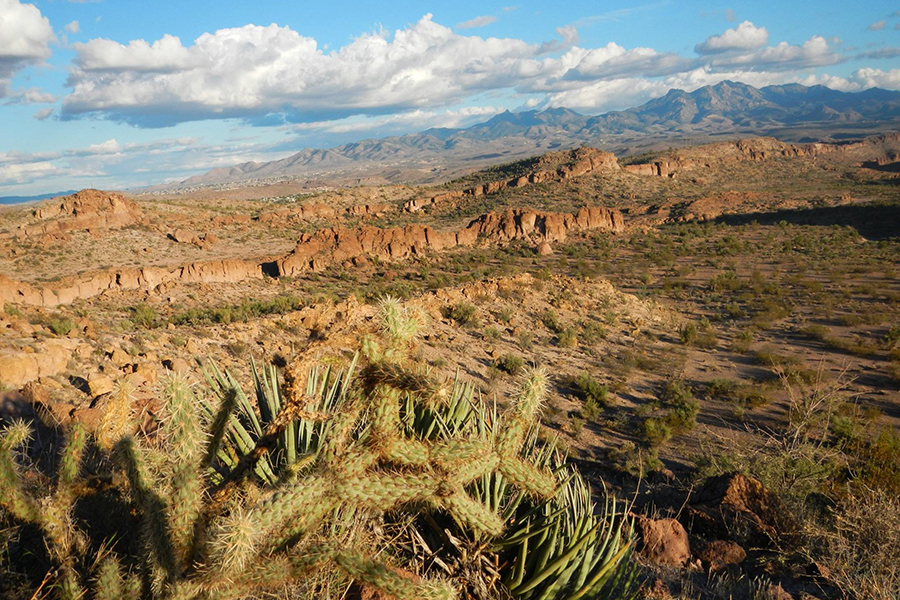
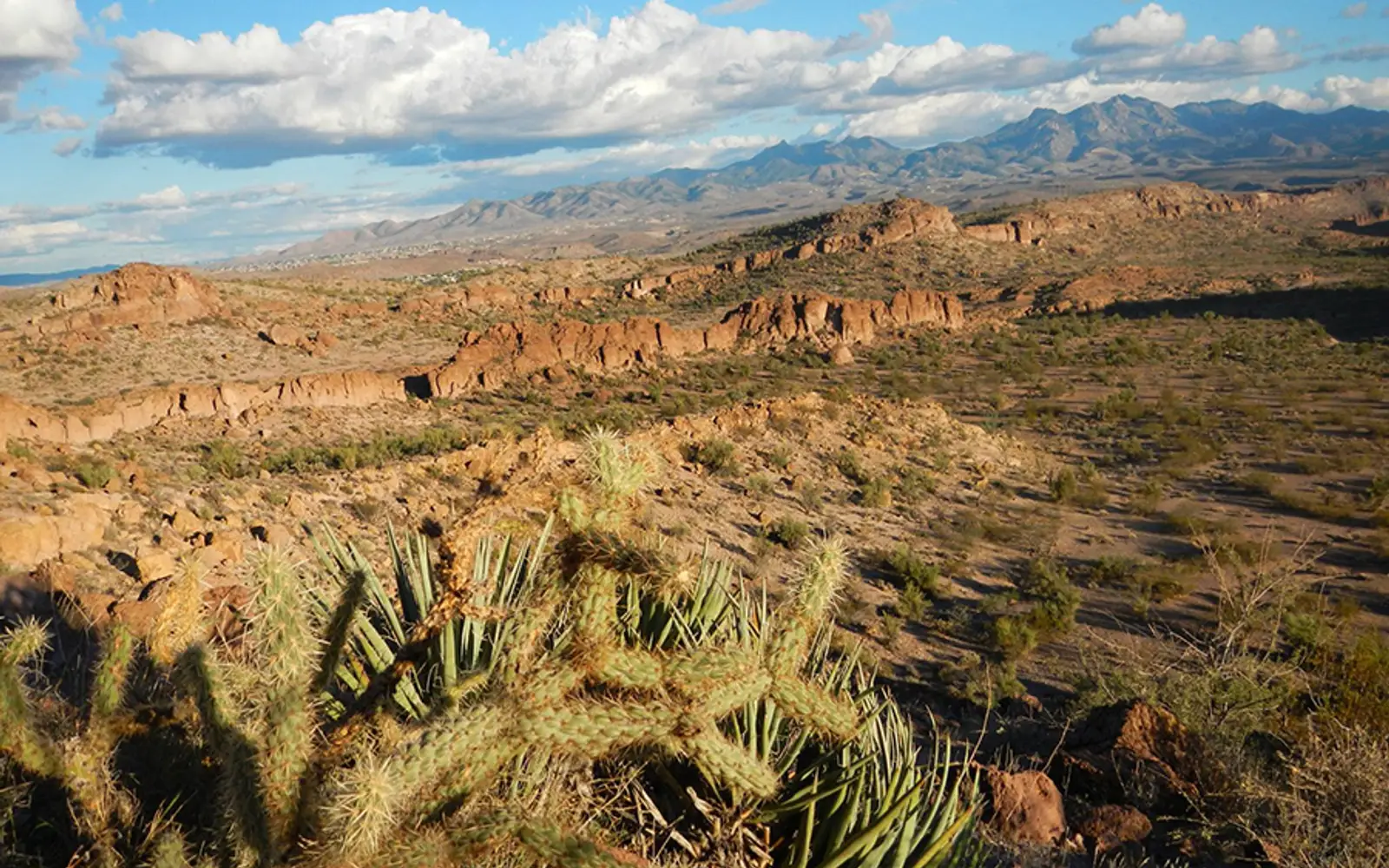
The 11,300-acre Cerbat Foothills Recreation Area, jointly managed by the City of Kingman and the BLM, offers a stark Mohave Desert experience.
Situated on the edge of Kingman, Arizona, its landscape is defined by arid terrain, yucca, creosote, and prickly pear, with the rugged Cerbat mountain foothills dominating the backdrop. This is not a destination for iconic overlooks or ranger programs. Rather, it serves as a functional, free, multi-use area. Hikers, mountain bikers, trail runners, and birders will find genuine rewards here. The documented wildlife list is solid for a desert scrub environment. With a 74 experience score, the area performs above expectations for a city-adjacent BLM unit. This area warrants a detour if passing through Kingman, but it does not justify a dedicated road trip.
The case for it
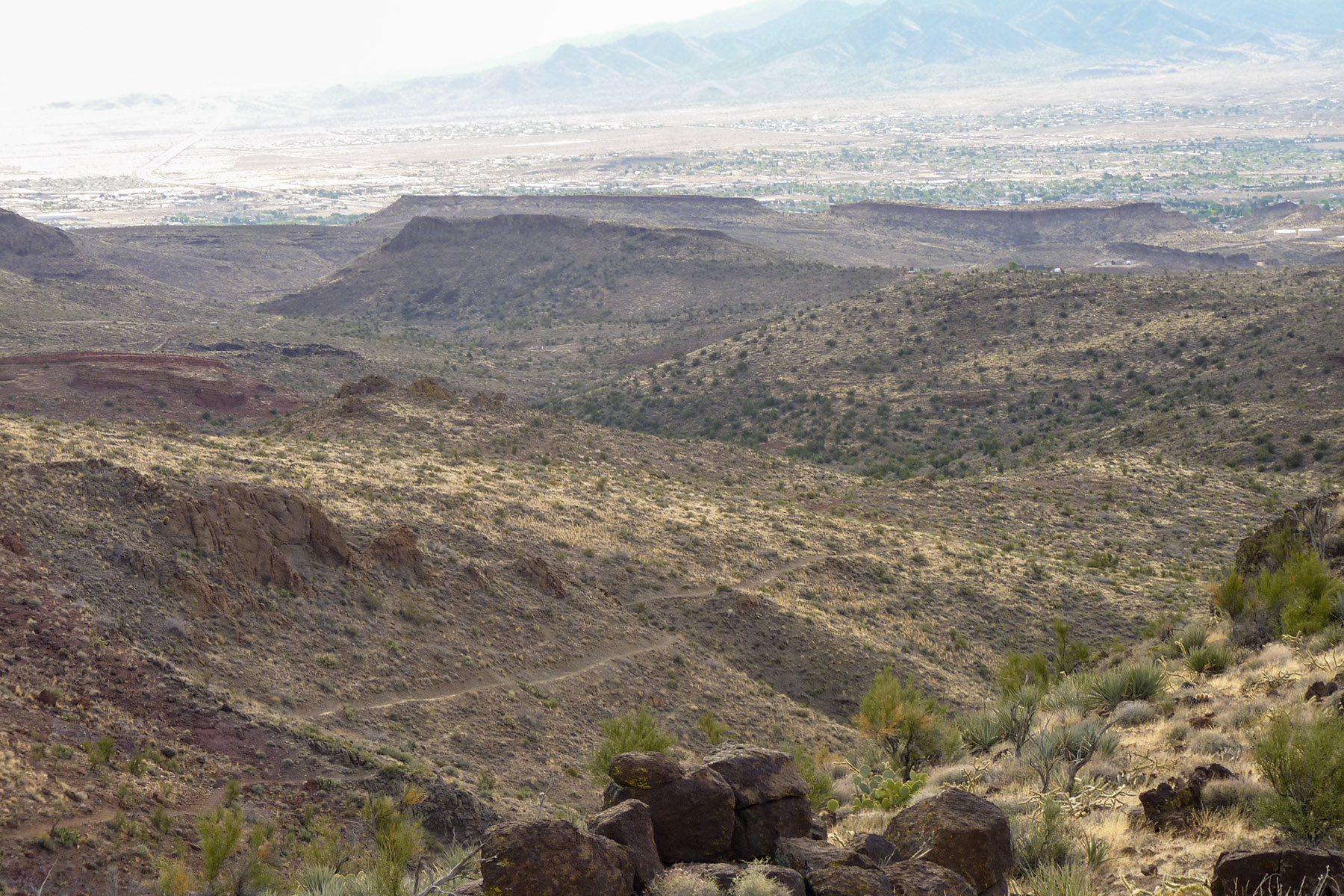
This area’s appeal centers on its trail system within the Cerbat foothills. The terrain offers significant elevation changes and classic desert scenery, a notable departure from flat, arid scrub. Birders will find abundant opportunities, with Gambel's quail a common sight and raptors frequently observed. The multi-use network serves mountain bikers and trail runners well, providing sufficient variety for a rewarding morning workout. Wildlife viewing includes Sonoran Desert tortoise and mule deer. Access is free, and leashed dogs are permitted. Its location near downtown Kingman allows for convenient integration with other local attractions like the Fort Beale area or the Kingman Visitor Center. This makes it a genuinely productive stop for those on a Route 66 or Arizona road trip.
Who it is for
This park unit excels as a destination for active, self-sufficient visitors. Its undeveloped desert terrain draws hikers, mountain bikers, trail runners, and birders. There is no fee for entry, and crowds are not a factor. It presents a strong option for Kingman overnighters seeking an active morning. This is not a unit for dramatic canyon scenery, interpretive programs, or paved access. Casual sightseers should look elsewhere.
Best time to visit
The Mojave Desert's extreme summer heat makes it a seasonal destination. Optimal visitation runs from October through April. Spring offers peak wildflower blooms and bird sightings. Winter provides mild, clear days, ideal for extended hikes or bike rides. Midday summer temperatures regularly surpass 100 degrees Fahrenheit, rendering prolonged outdoor activity genuinely dangerous. Summer visits necessitate a very early start.
Worth seeing
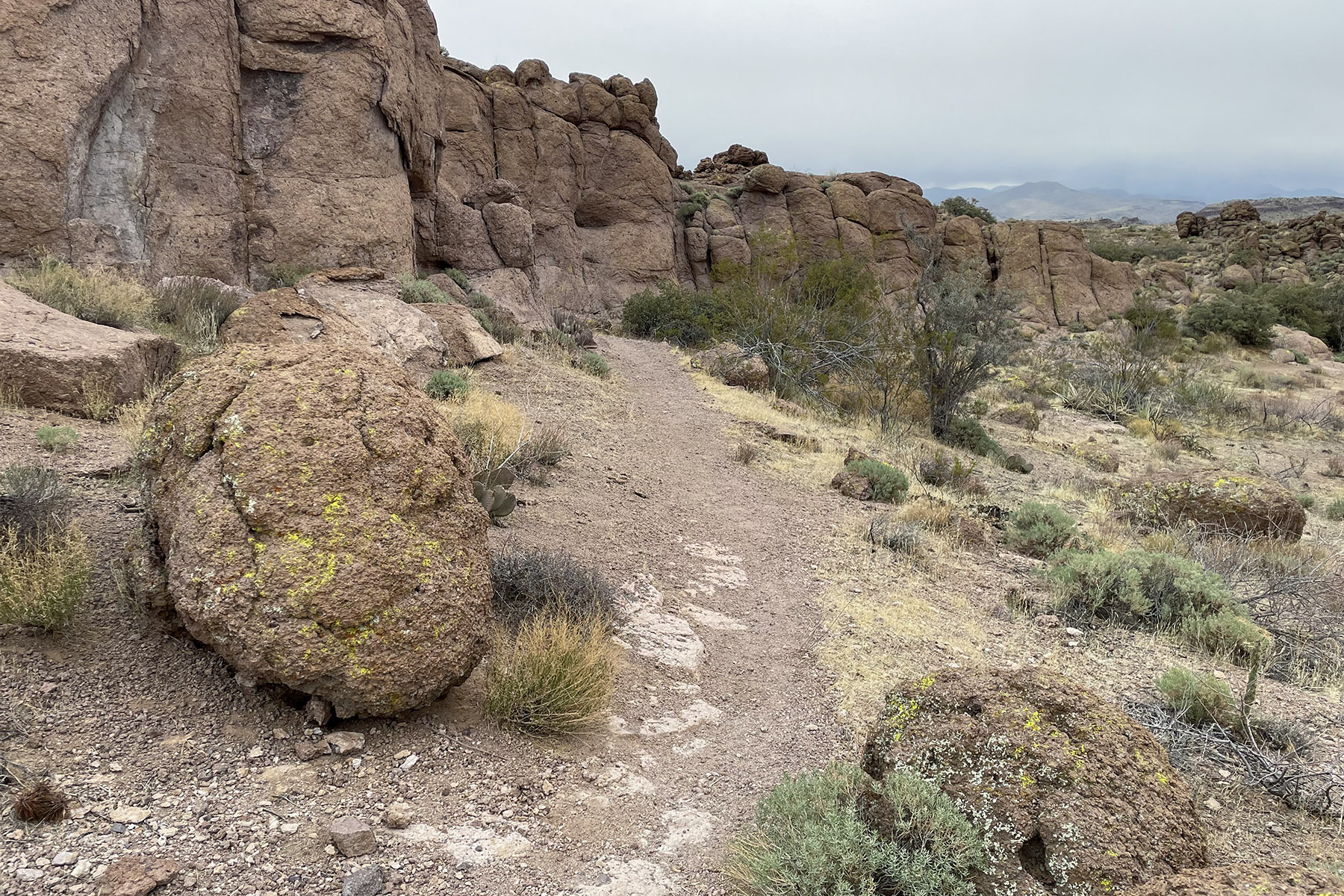
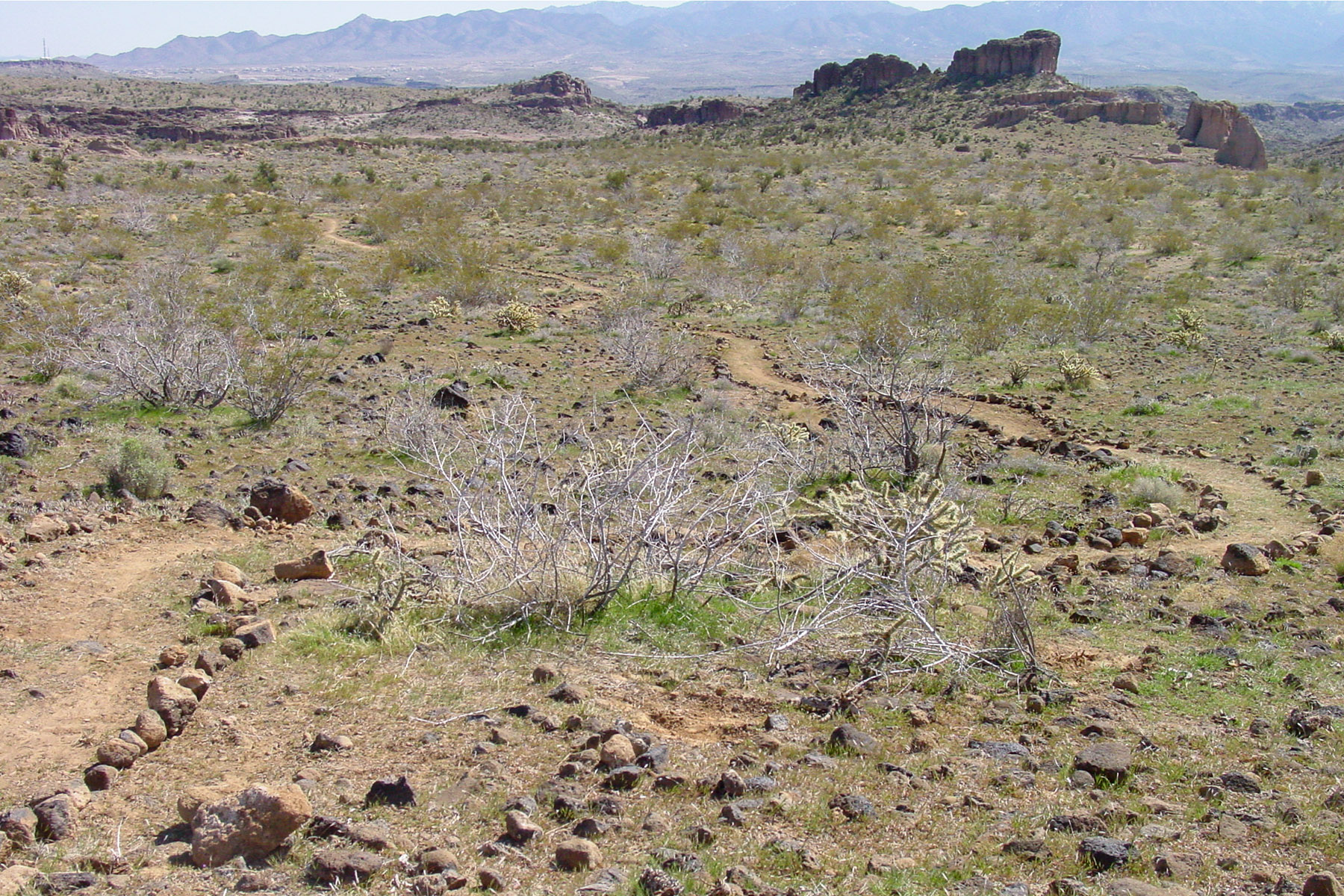
- Multi-use trail system through the Cerbat mountain foothills with real elevation and desert character
- Birding for Gambel's quail, mourning dove, and multiple raptor species in open scrub habitat
- Documented Sonoran Desert tortoise habitat, one of the more compelling wildlife draws in the region
- Free entry with no permit or reservation system, making spontaneous visits easy
- Dog-friendly on leash, with enough trail mileage to give active dogs a real workout
- Convenient staging point for exploring Kingman's historic downtown and Fort Beale nearby
Before you visit
Free admission is always welcome, but the cooperative management structure with the City of Kingman means visitors must consult that entity's parks page for current trail conditions and access points. No water sources exist on the trails. Therefore, carrying ample water is not merely advisable, but essential. For a more extensive outing, consider combining a visit with the nearby White Cliffs Wagon Wheel Trail System.
Our tipArrive at first light. Early mornings offer peak wildlife viewing, with desert tortoises and raptors most active before the day's heat. The low-angle light across the Cerbat foothills also provides excellent photographic opportunities.