
Should you visit Cedar Creek & Belle Grove National Historical Park?
Cedar Creek and Belle Grove functions as a dispersed heritage corridor, not a conventional park.
Its appeal lies in a fragmented experience across multiple sites throughout the Shenandoah Valley. The pivotal October 1864 Battle of Cedar Creek, a Union victory, forms the core historical narrative. Visitors will find no single visitor hub or dramatic natural scenery. This site rewards advance planning, given its numerous properties, parking areas, and self-guided routes. The free admission removes a barrier to entry for those touring the Shenandoah Valley. History enthusiasts who appreciate combining walking trails, auto tours, and museum exhibits to reconstruct a historical event will find value here. Casual sightseers should look elsewhere.
What makes it worth it
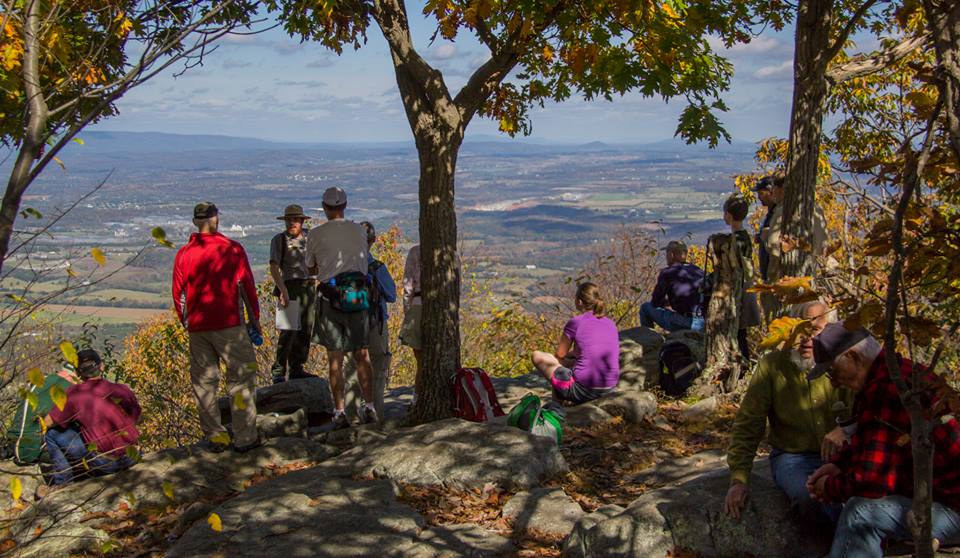
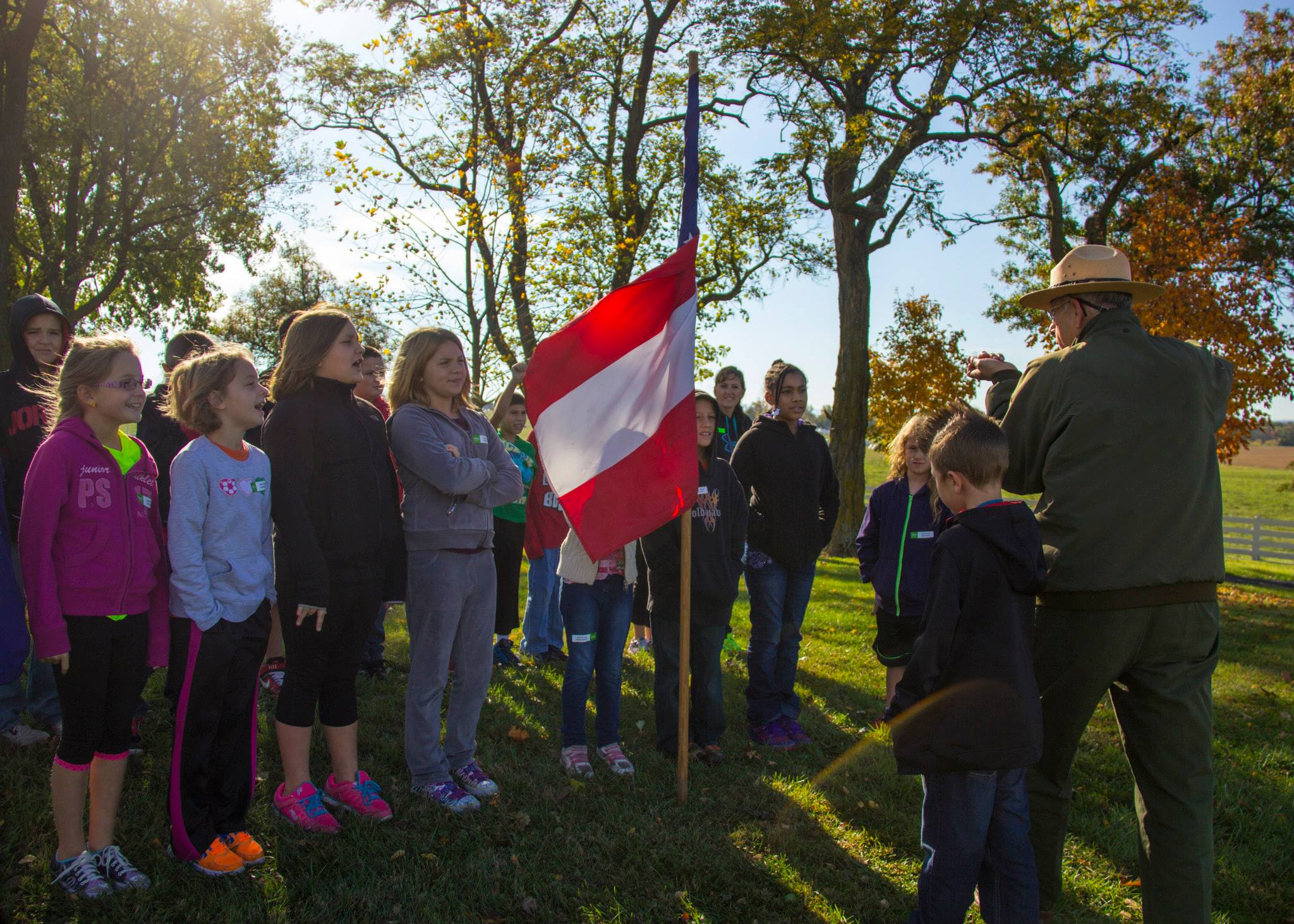
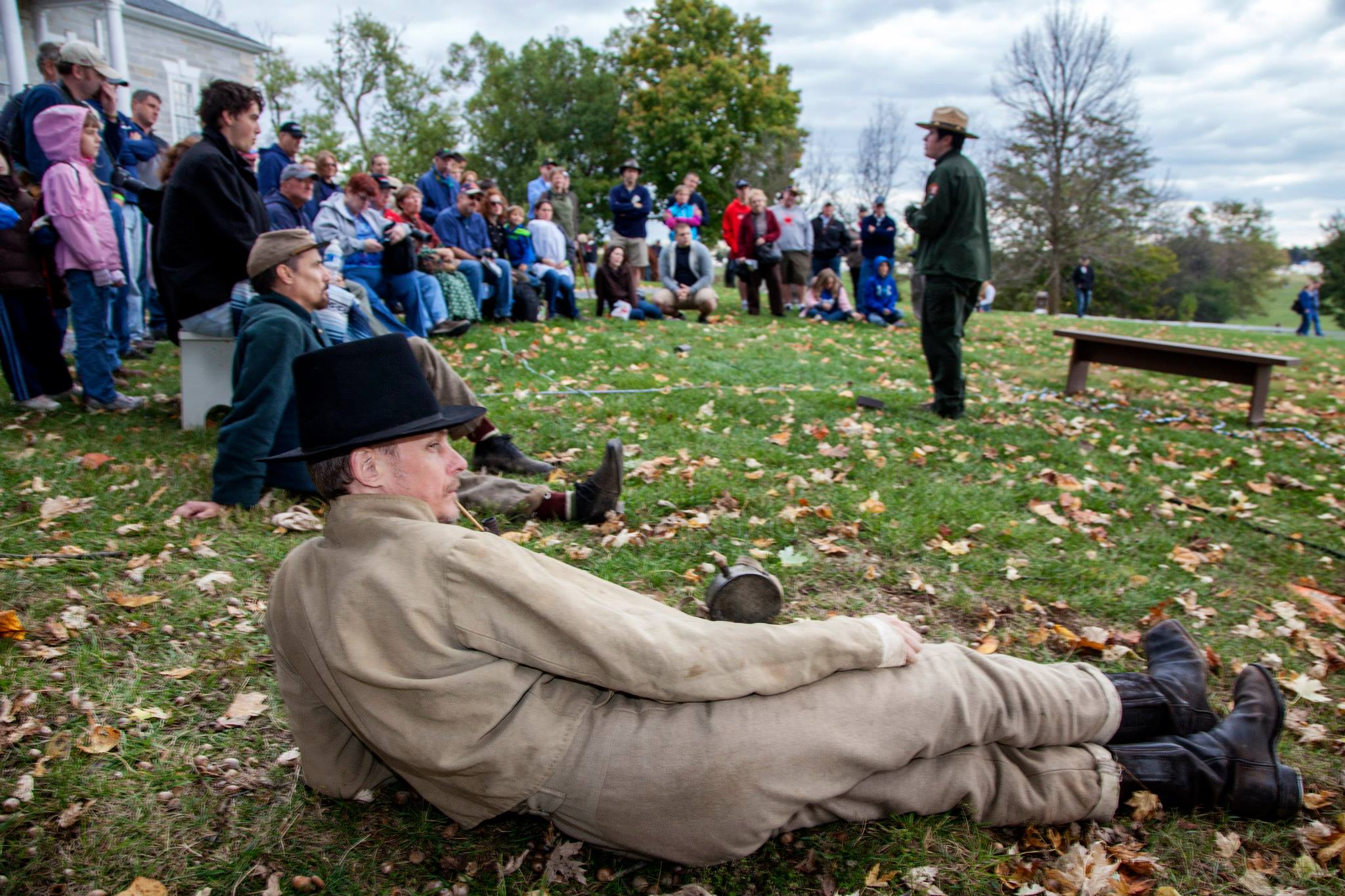
A good day here involves mixing the self-guided walking trails on the Morning Attack Trails corridor with the auto tour that ties together the broader battlefield and Belle Grove Plantation landscape. Museum exhibits add context to what the land itself cannot fully communicate. Guided tours, when available, are the most efficient way to understand the battle's phases and the valley's longer agricultural story rooted in 19th-century wheat farming. The Junior Ranger program gives families a structured reason to engage across the different sites. Because admission is free, there is no pressure to rush, and pairing this with nearby Shenandoah Valley stops makes for a full and historically rich day without overspending.
Who should go
This park serves a specific audience. Civil War enthusiasts and those focused on 19th-century American agricultural and military history will find the most to engage with here. Families with children active in Junior Ranger programs also have a clear path to engagement. However, for visitors prioritizing extensive trails, abundant wildlife, or dramatic natural landscapes, other destinations will prove more suitable. The documented breadth and access indicate its distinct historical focus. Casual sightseers should look elsewhere.
When to go
Spring and fall are clearly the prime visiting seasons. Comfortable temperatures in the valley make trail walking pleasant. Fall, in particular, resonates with the October 1864 battle, enhancing the atmospheric experience. Midsummer is best avoided if heat sensitivity is a concern; Virginia summers consistently bring high heat indexes. While winter visits are feasible, cold and snowy conditions significantly restrict outdoor activity.
Highlights
- Self-guided Morning Attack Trails walking the actual ground of the 1864 Battle of Cedar Creek
- Auto tour connecting dispersed park properties across the Shenandoah Valley landscape
- Museum exhibits providing military and agricultural context for the site
- Guided tours offering the most structured and detailed interpretation of the battle and Belle Grove
- Junior Ranger program giving kids a hands-on framework across multiple park locations
- Free admission making it an easy addition to a broader Shenandoah Valley itinerary
Plan ahead
This park presents a unique access model. Admission is free, but visitors should note its dispersed nature. It is not a single campus, but a collection of properties, each with its own parking at locations like Claven Lane and the Vermont Monument lot. Outdoor areas are accessible from sunrise to sunset. While guided tours and programs may be available, checking the NPS website for current operating schedules is essential. This unit demands planning; spontaneous visits may miss key experiences.
Editor's tipThe auto tour map is essential. Its dispersed layout means skipping even one stop can disrupt the narrative sequence, leaving the battle's morning and afternoon phases feeling disconnected.