Cedar Breaks National Monument: our verdict
Cedar Breaks National Monument offers a distinctive high-elevation geological experience in southern Utah.
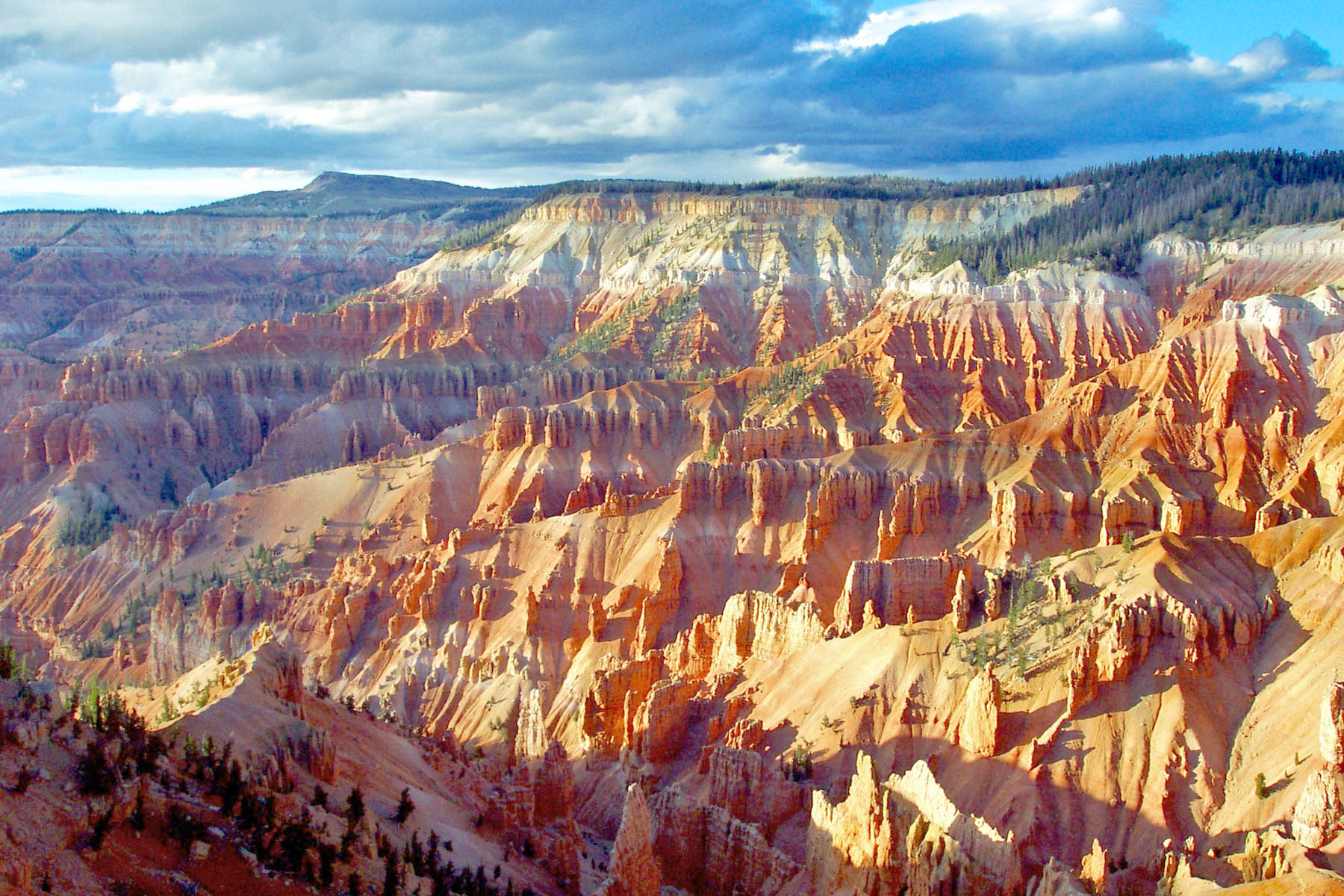
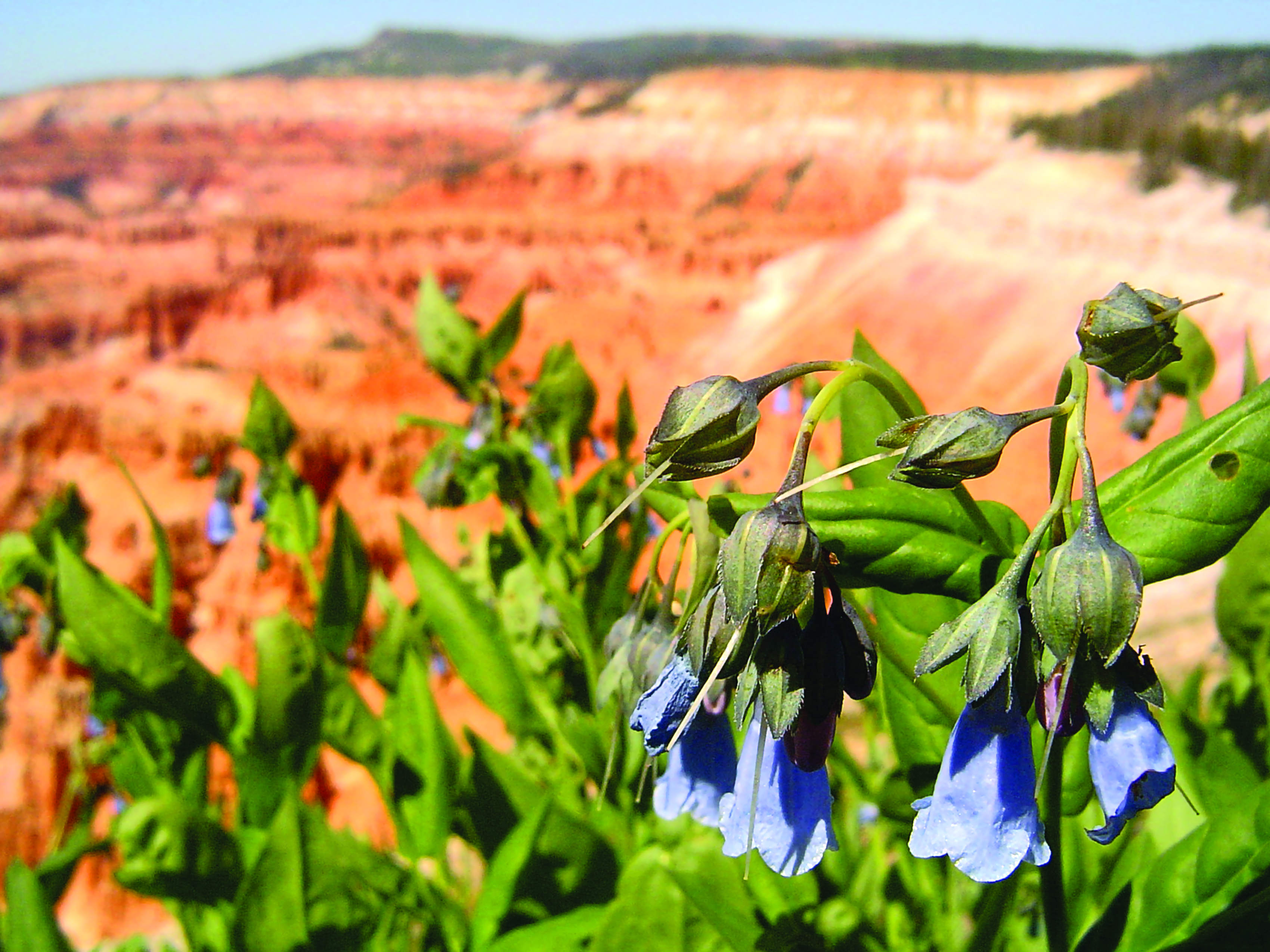
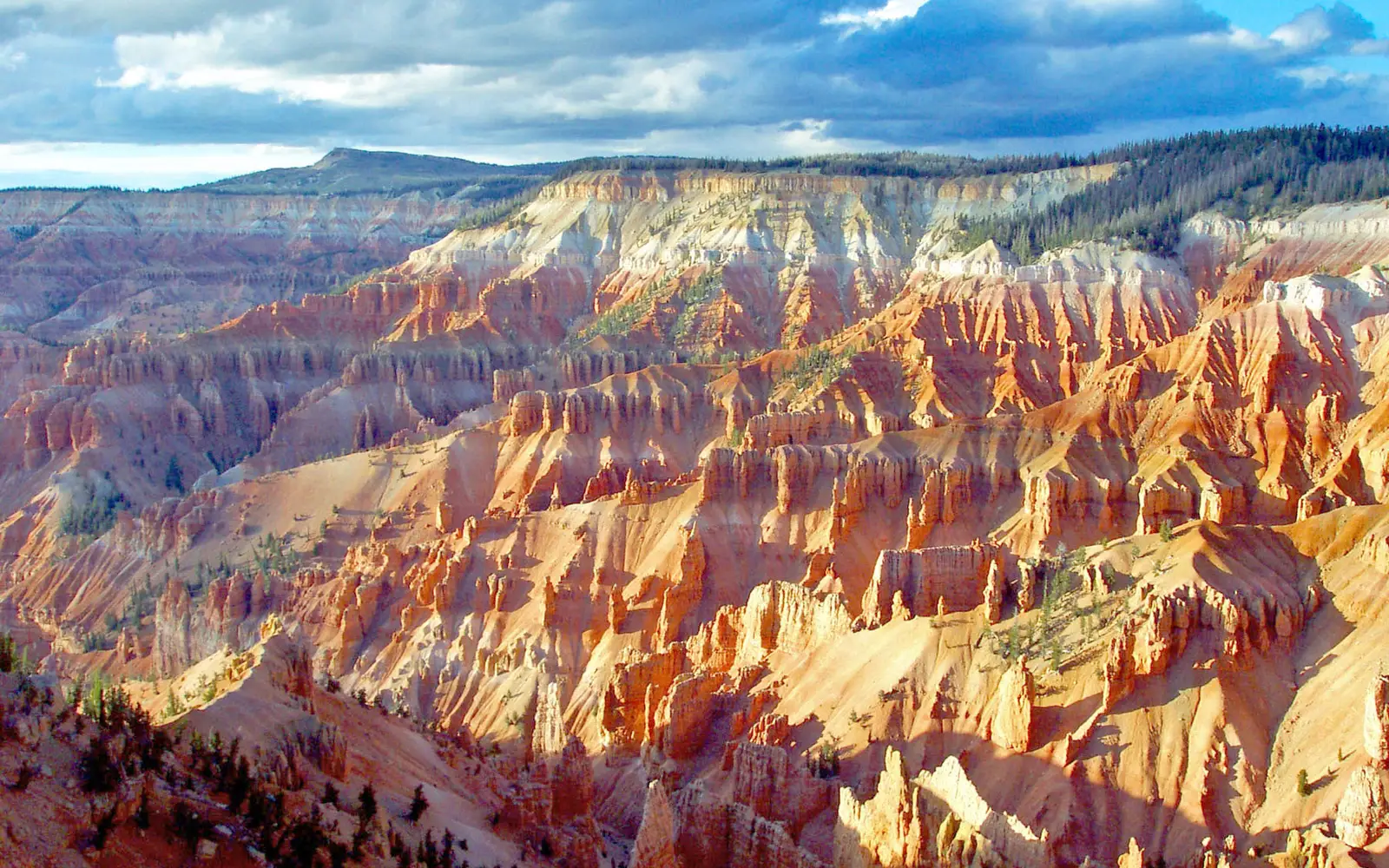
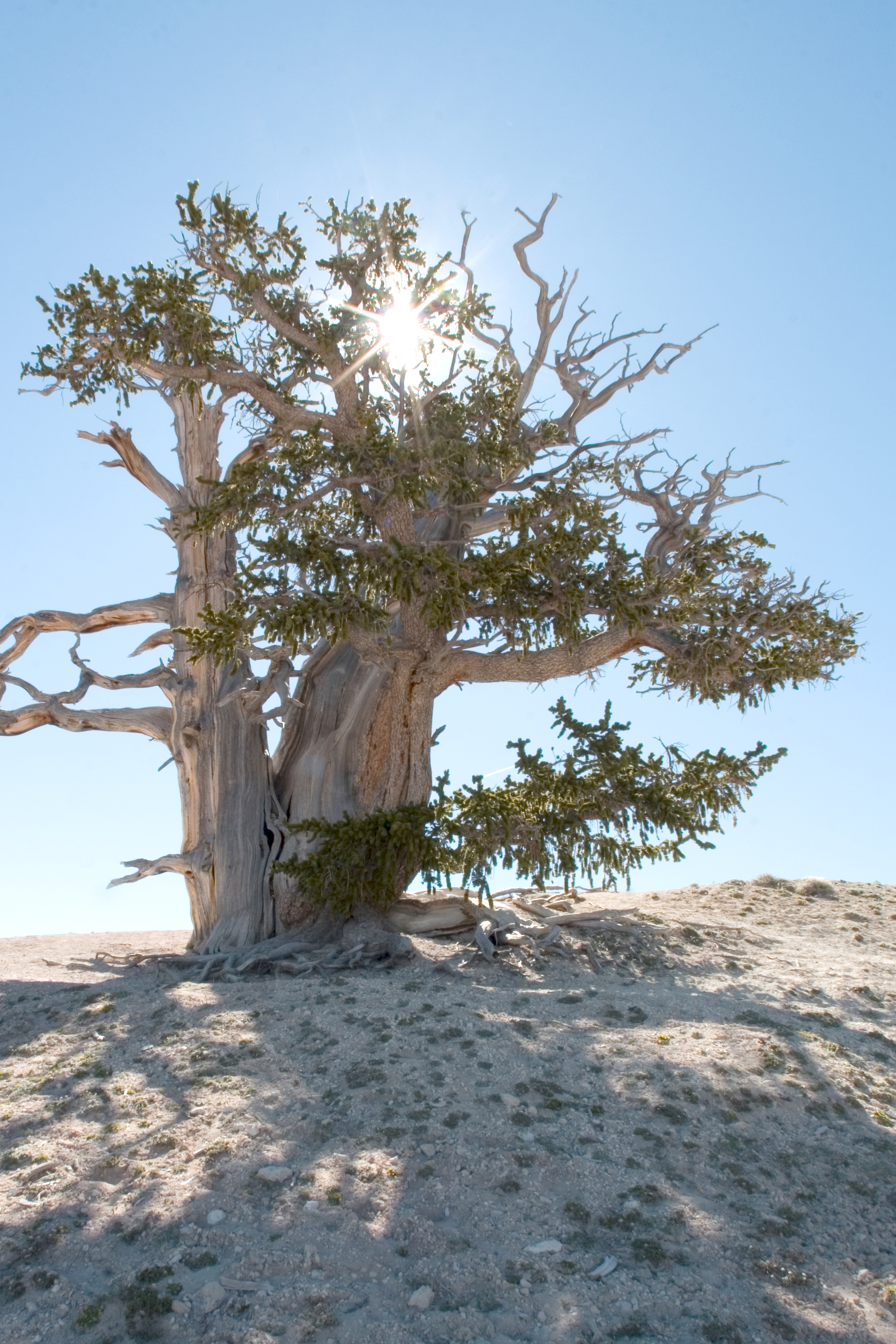
Atop 10,000 feet, the monument centers on a half-mile-deep eroded basin of layered pink, orange, and white limestone. This subalpine environment supports bristlecone pines and wildflower meadows, ensuring cool summer temperatures. The monument's versatility is a key strength, functioning as a legitimate four-season destination. Activities range from summer hiking and stargazing to winter snowshoeing and snowmobiling. A $10 entry fee positions it as a strong value. While its trail network is not as extensive as Bryce Canyon, the offerings are distinct and uncrowded. Plan for a dedicated half-day or an overnight visit.
Why visit
Cedar Breaks offers both solitude and spectacle. Its International Dark Sky designation is well-earned. The high elevation and remote location provide stargazing that transcends typical park offerings. Guided tours add context for geological and astronomical features. For families, the Junior Ranger program is a solid option. The campground provides prime access to dramatic amphitheater sunrises. Winter transforms the park into a quiet, snow-covered retreat. Snowshoeing, cross-country skiing, and snowmobile access are available then. Visitor numbers drop significantly. This is a destination for those who appreciate dramatic landscapes and genuine tranquility, particularly outside the summer peak.
Who it suits
This destination caters to stargazers, geology enthusiasts, wildflower hikers, and families seeking a cooler, less-crowded Utah experience. Winter sports visitors will find legitimate snowshoe and ski options. An extensive trail network is not present. Warm-weather swimming is not an option. Road trippers connecting Zion and Bryce should plan a stop.
Timing your visit
This monument delivers a welcome reprieve from summer heat, with daytime temperatures reliably in the 60s from late June through early September. This period also offers peak wildflower viewing and full visitor services. Afternoon thunderstorms are common; layers are essential. Winter access, once State Route 148 closes, shifts to non-motorized entry or snowmobile, offering uncrowded conditions for snowshoers and skiers. For those seeking cooler temperatures and seasonal beauty, the peak season is ideal. Winter provides a solitary, rugged experience.
What stands out
- Rim overlooks into a half-mile-deep geological amphitheater of layered limestone
- Internationally recognized dark sky site for stargazing and astronomy programs
- Ancient bristlecone pine forest accessible by hiking along the rim
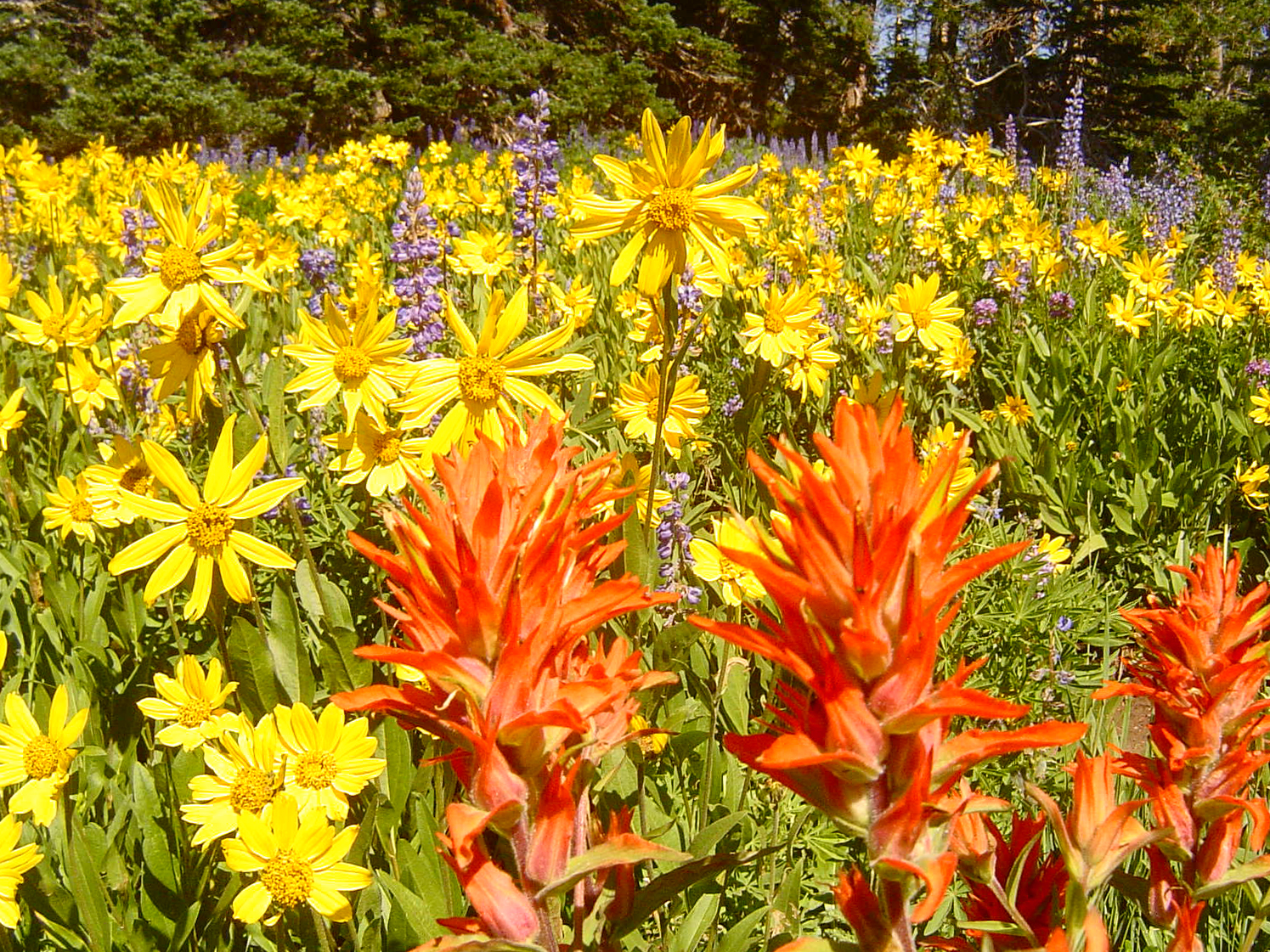
- Summer subalpine wildflower meadows at over 10,000 feet elevation
- Four-season access including snowshoeing, cross-country skiing, and snowmobiling in winter
- Rim-side camping for sunrise views directly over the amphitheater
Good to know
The $10 entrance fee provides access to a distinct high-altitude experience. State Route 148's seasonal closures, typically from late May to mid-October, dictate vehicular access; verify road status in advance. This monument consistently registers temperatures 10 to 20 degrees cooler than surrounding parks. July even brings the possibility of snow or hail. Pack warm layers and rain gear for any visit.
Insider tipCedar Breaks National Park presents a compelling option for visitors already in the region. Its proximity to Bryce Canyon, approximately an hour's drive, offers a higher-elevation perspective on similar geological formations. The unit distinguishes itself with significantly superior dark sky conditions. An overnight stay at the campground is advisable. This allows for observation of the amphitheater's colors at sunset and the exceptional stargazing opportunities available. The scale is the draw here.