parkverdict
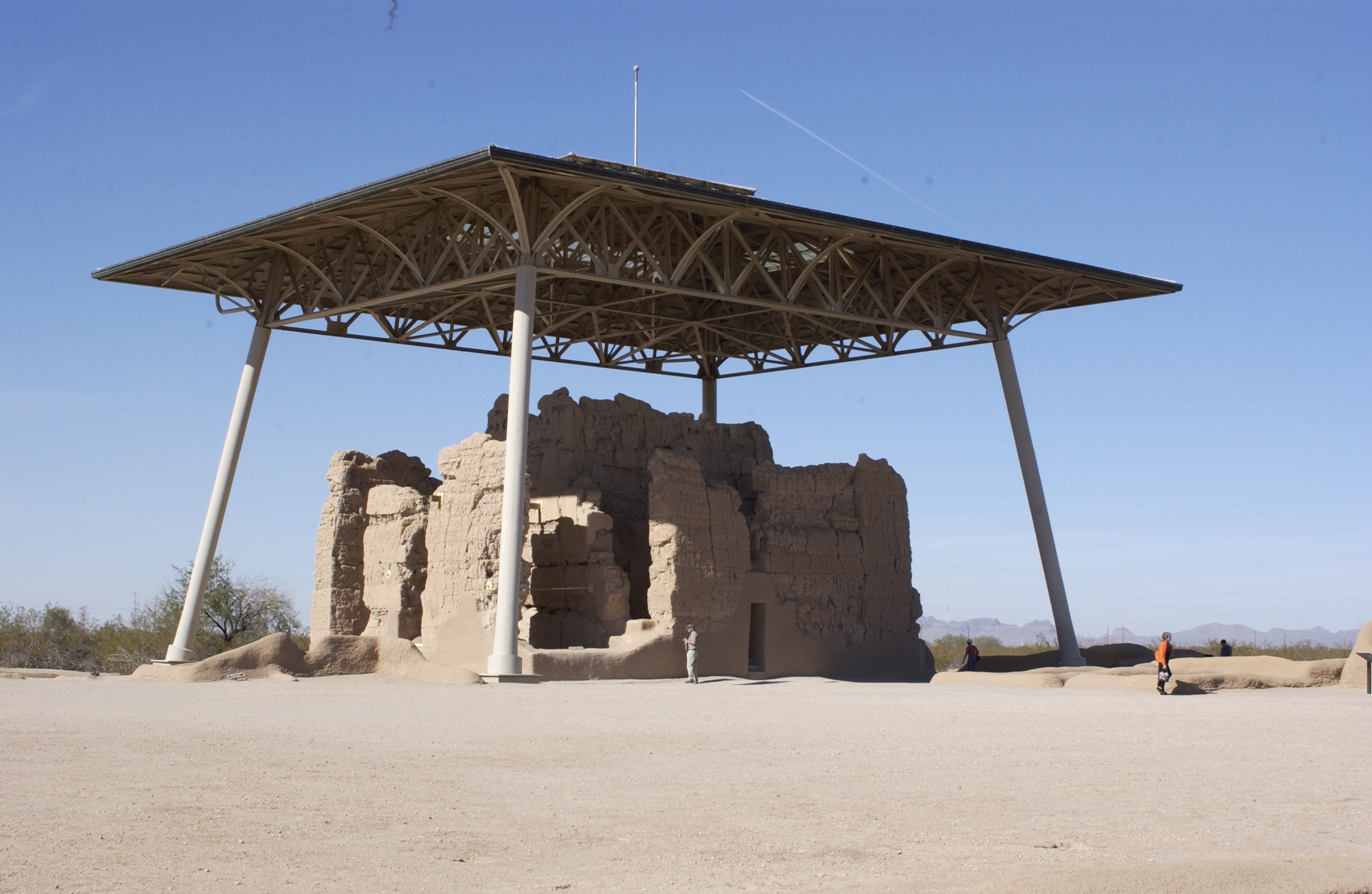
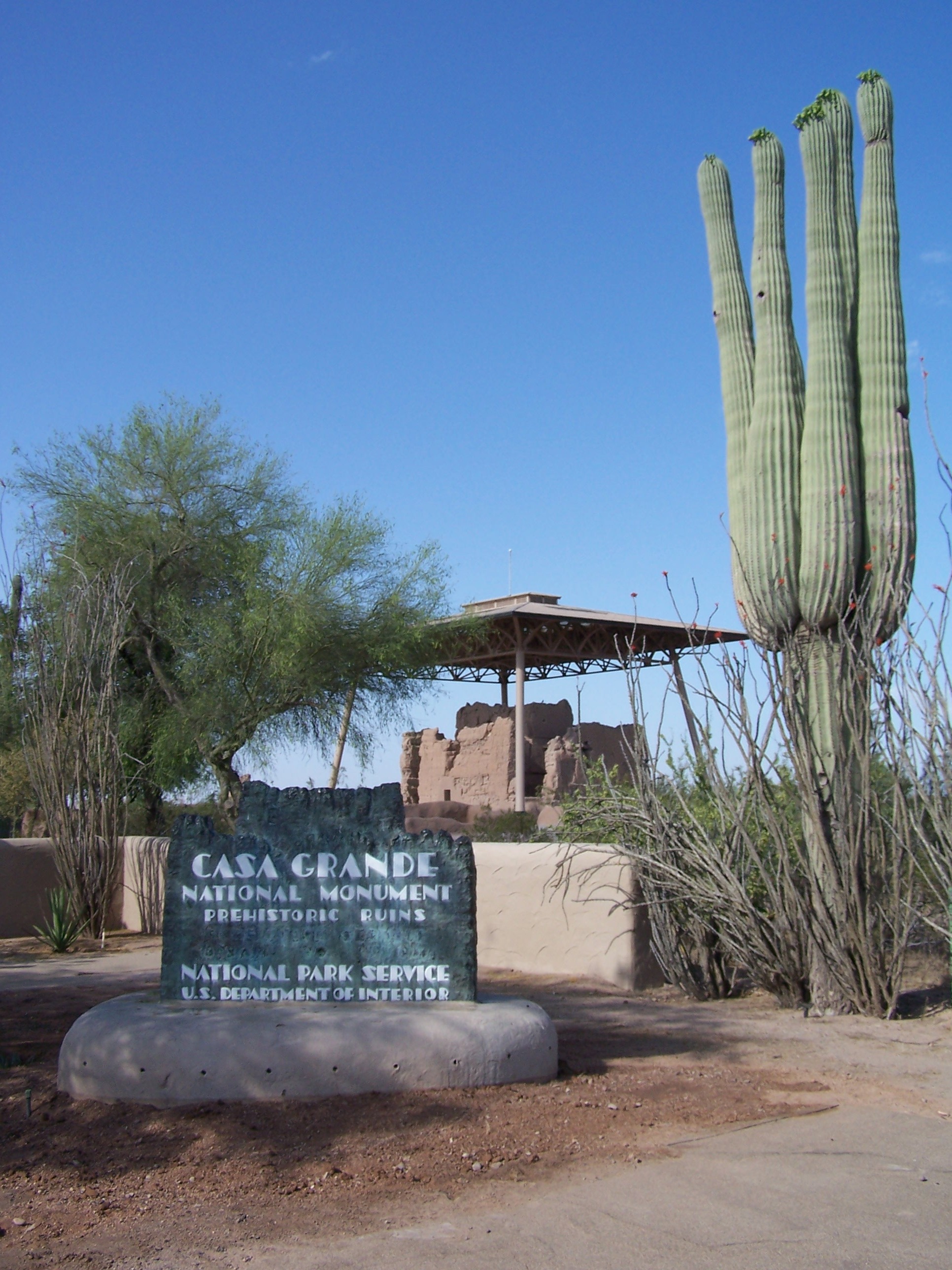
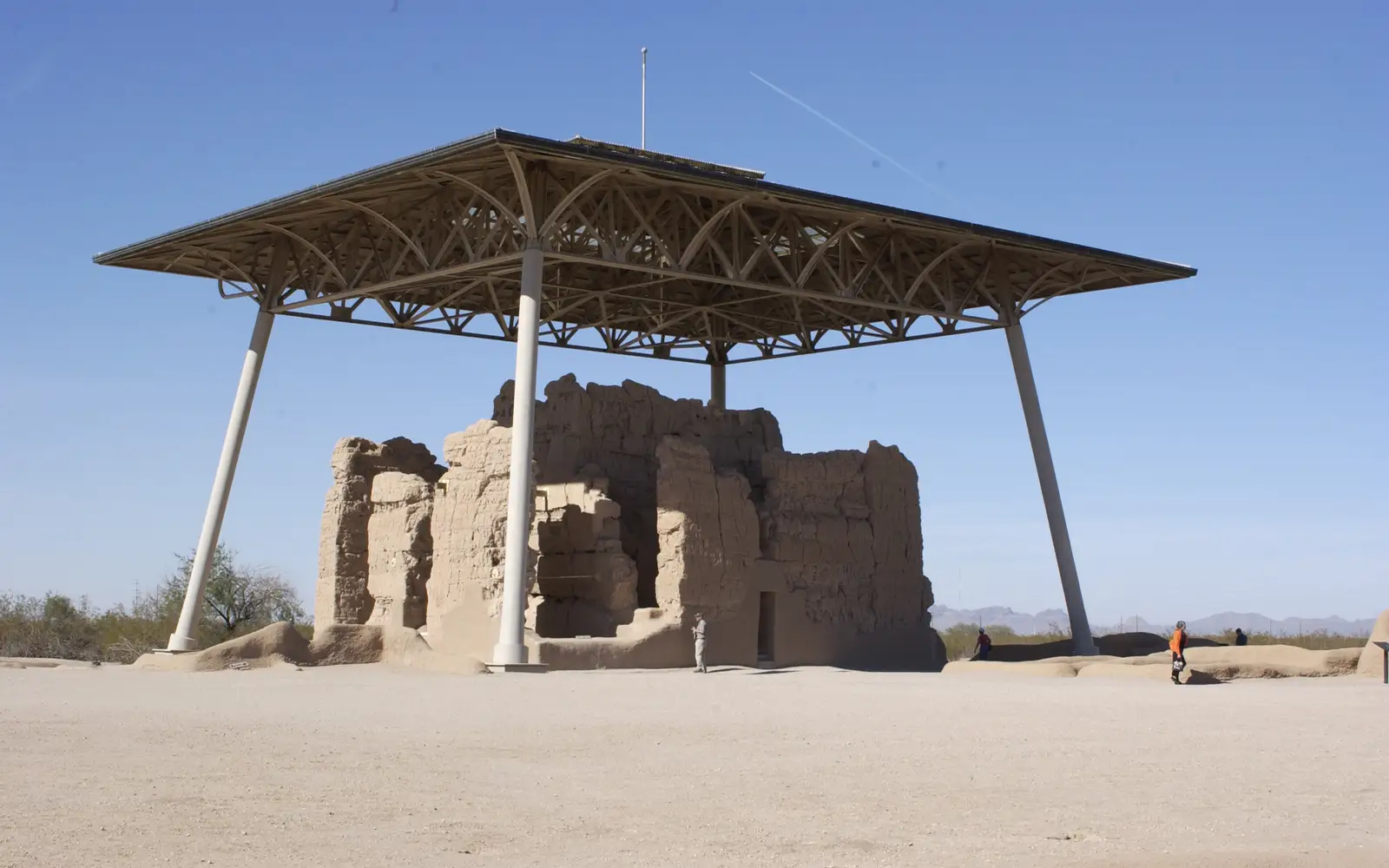
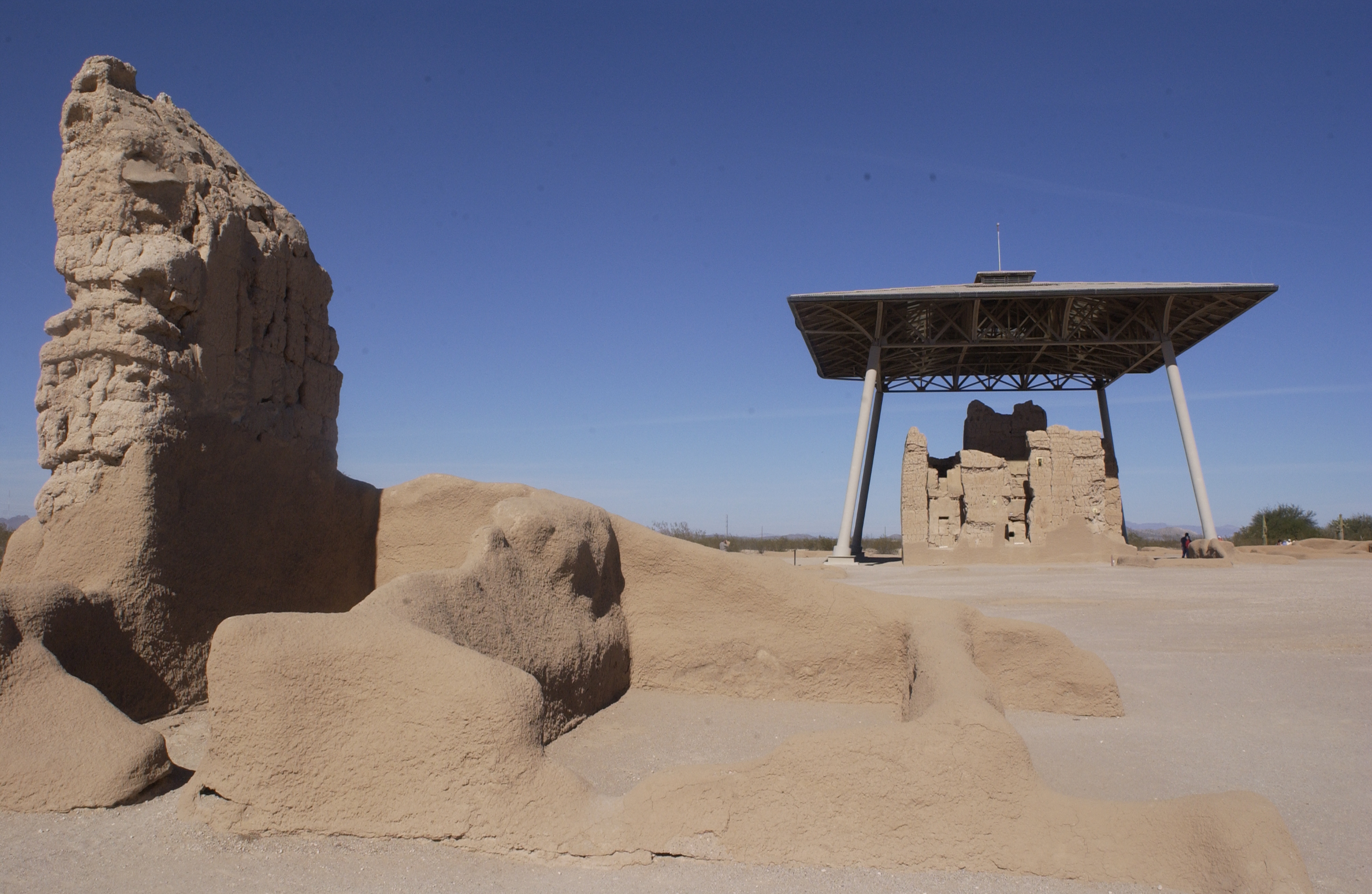
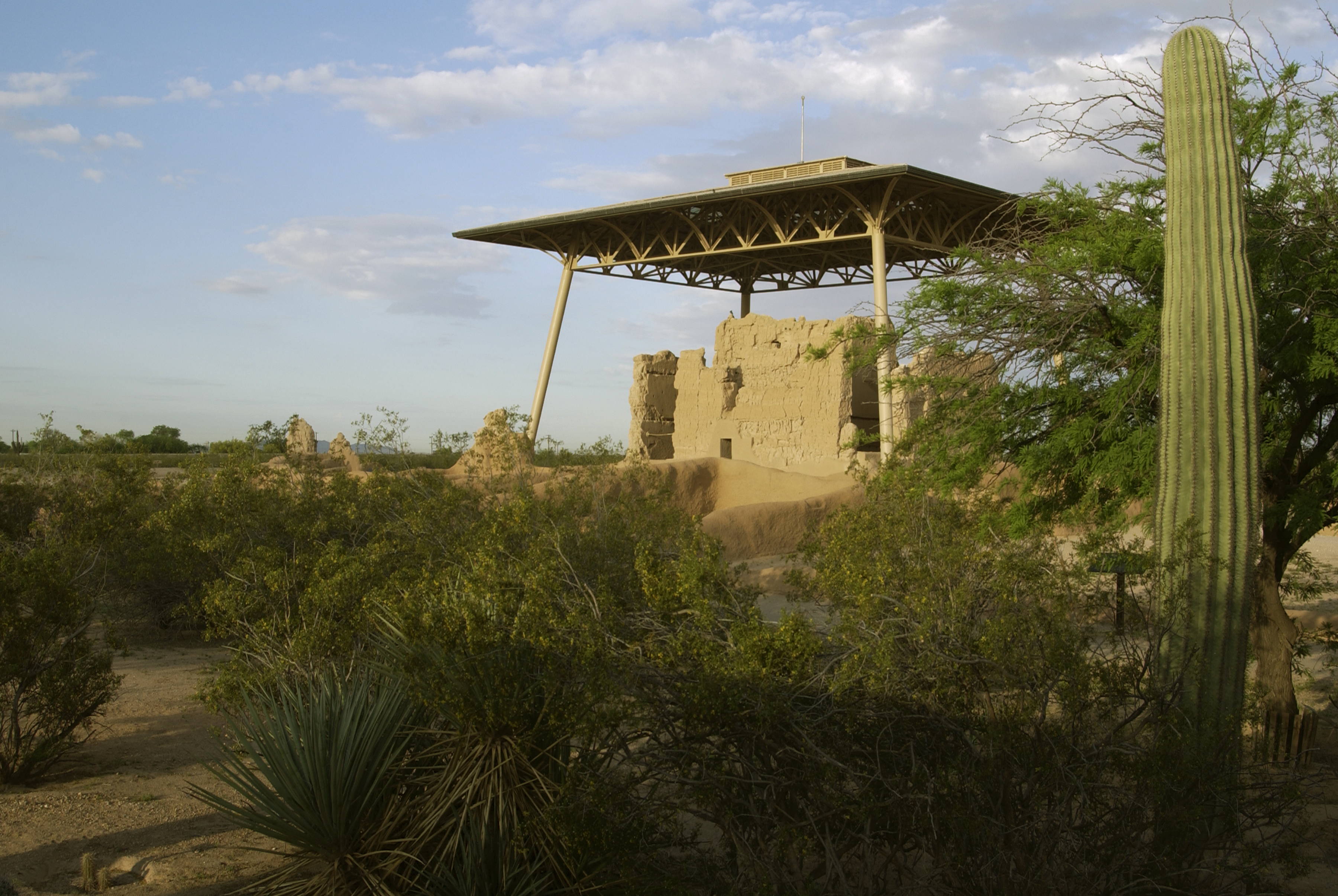
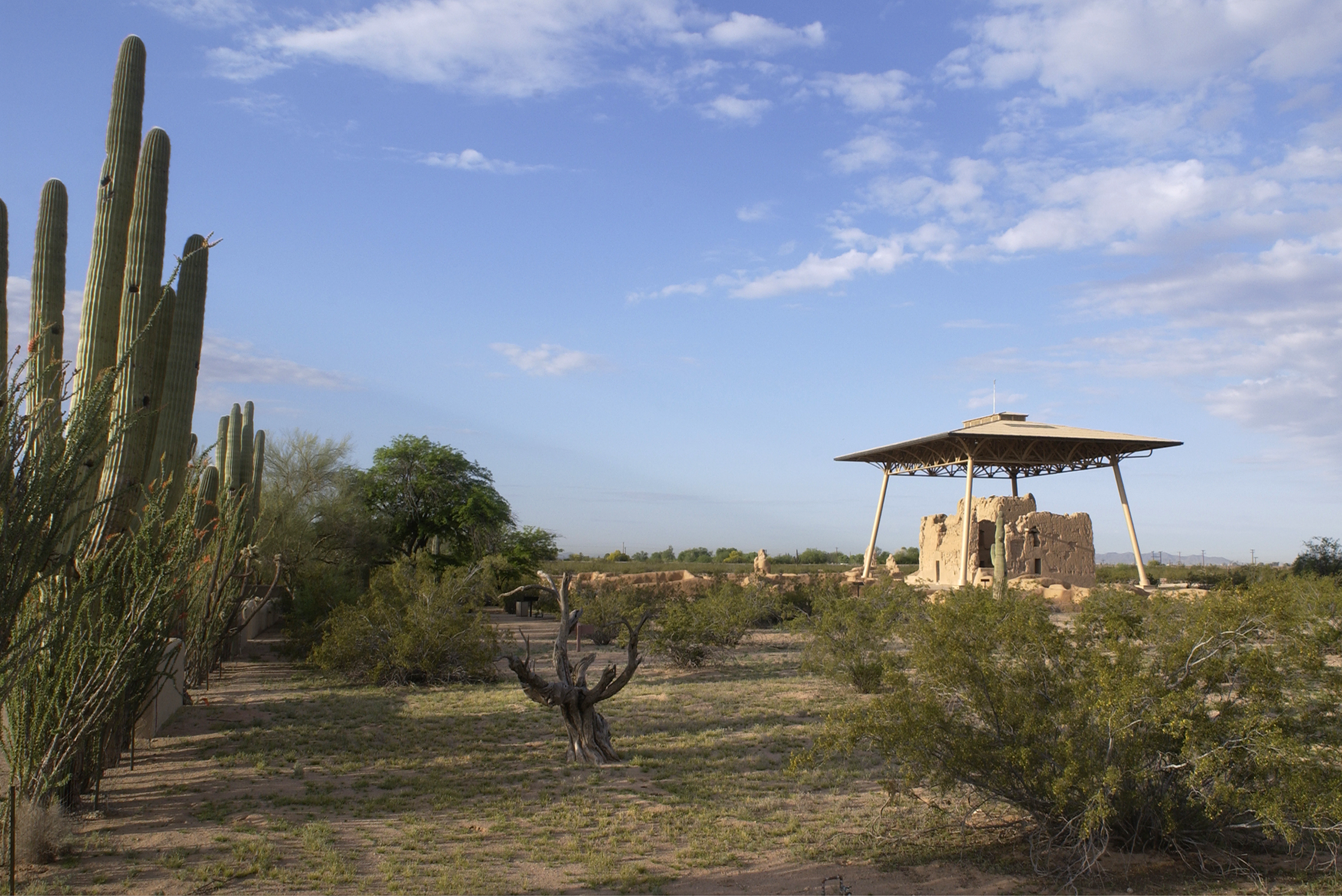
eathern building under modern roof structureearthern ruins including the Great House and other partsearthern Great House with its roof among desert plantsearthern Great House standing out in the Sonoran Desert plants
National MonumentAZ

Casa Grande Ruins National Monument

NPS / NPS Photo
66/ 100GOOD RANGE
parkverdict Experience ScoreIndependent, not sponsored

66 of 100. Our independent breadth-and-access index. How we score

Our take

Is Casa Grande Ruins National Monument worth your trip?

The whole monument is essentially built around one thing: a massive multi-story earthen building that the Ancestral Sonoran Desert People raised roughly 700 years ago, now sitting under a large protective roof that has become as recognizable as the structure itself.

This is not a hiking destination or a scenic overlook. The visit is focused and interpretive, organized around that single remarkable building, a small museum, and the story of a farming and canal-building civilization that was considerably more sophisticated than most people expect. Set aside one to two hours. The Great House holds your attention on its own, and the guided tours layer in enough context that the place feels more substantial than its physical footprint suggests. Travelers who care about history will get genuine value out of it, families working through the Junior Ranger program have a clear purpose for stopping, and anyone driving between Phoenix and Tucson will find it worth the detour for reasons that have nothing to do with finding a gas station.

Why go

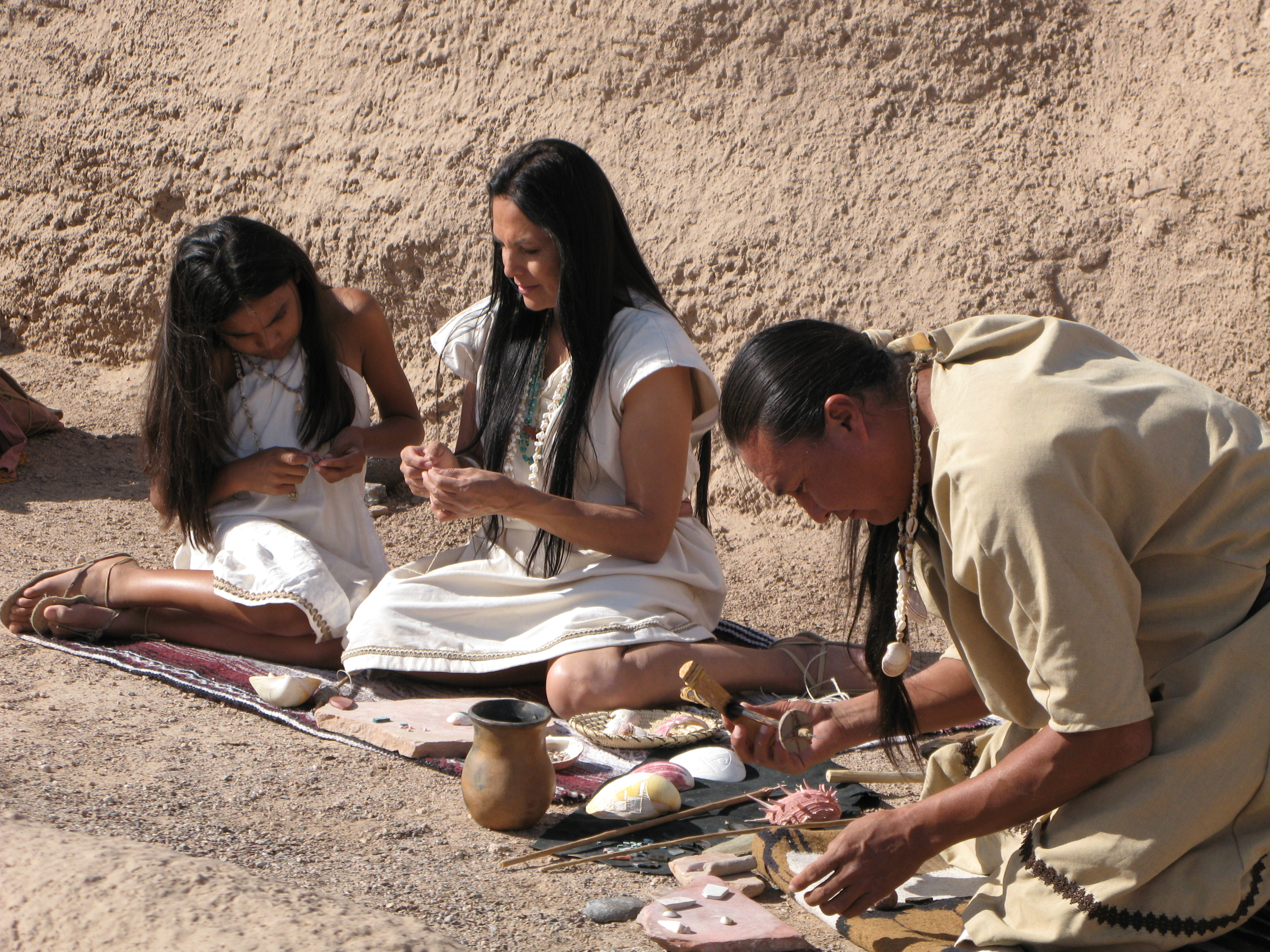
The Great House is the real reason to visit, and nothing else in the Southwest comes close for scale or construction material. Guided tours give you context you simply cannot pick up by wandering past on your own, and the museum fills in the broader picture of canals and surrounding communities that made this place a center of activity rather than a historical footnote. Cultural and craft demonstrations, when they are scheduled, bring that living heritage to life in ways display cases never quite manage. Families with kids get genuine structure from the Junior Ranger program. Admission is free, picnic areas are available, and the park store and bookstore are well stocked for anyone who wants to read deeper into Hohokam and Ancestral Sonoran Desert archaeology.

Best for

Families with school-age kids, history buffs, archaeology fans, and road-trippers passing between Phoenix and Tucson all have good reason to pull over here. That said, if you came hoping for trails, wildlife, or dramatic scenery, you will likely leave disappointed. There is essentially nothing to hike, and anyone who needs to stretch their legs beyond a short walk around the site will start feeling restless fast.

Best season

October through April gives you the most comfortable visit. Winter days typically sit in the 60s to 80s F, which works well for walking an exposed site. Spring and fall run warmer but stay manageable. Summer is a different story: daytime temperatures regularly top 100 degrees F, and the ruins offer almost no shade outside the canopy over the Great House. If summer is your only window, arrive right at opening.

The high points

  • The Great House: a multi-story prehistoric earthen structure sheltered by a 1930s steel canopy, visually unlike anything else in the region
  • Ranger-guided tours that explain the engineering and social context behind the structure and the surrounding canal system
  • Museum exhibits covering the Ancestral Sonoran Desert People's farming economy and trade networks
  • Craft and cultural demonstrations offering a living-heritage perspective on the site
  • Junior Ranger program well-suited to families with children ages 5 to 12
  • Free admission, making it an easy addition to a broader Arizona itinerary without budget pressure

Know before you go

Admission is free, and the monument is open seven days a week. It closes on Juneteenth, Independence Day, Thanksgiving, and Christmas, so check the schedule before you go. Also worth knowing: the gate shuts 15 minutes before the park itself closes. Once you move past the canopy area, shade basically disappears, so bring water and sun protection, especially from May through September.

One more thingLook up the monument's event calendar before you go. Craft demonstrations and cultural programs happen on select days, and if you time your visit to catch one, the self-guided loop becomes a much richer experience.

How we scored it

How Casa Grande Ruins National Monument earned its 66

Where does a 66 come from? One formula, run the same on every place we cover, built only from public data on what a unit offers and how reachable it is. It says nothing about how pretty a spot is or how busy it gets. This is what fed it:

  • Activity breadth12 documented activities
  • Topic breadth10 topics
  • Official imagery6 public-domain images
  • Camping on sitenone recorded
  • Entry costfree

No number is hand-adjusted and no unit pays for placement. The full weights, the floor at 18 and a worked example are on how we score.

The honest limits

The honest blind spots

Read the score for what it is. It counts what a place documents and how reachable it is, and stops there. It will not tell you if a sunset floors you, if the crowds thin out by dusk, whether a washout closed your trail, or how a ranger tells the story. Plenty of quiet, focused spots score modestly and still win the weekend. Let the number rank what is on offer; let the verdict speak to the feel.

On offer

Documented activities

Arts and CultureCraft DemonstrationsCultural DemonstrationsLive MusicFoodPicnickingGuided ToursJunior Ranger ProgramPark FilmMuseum ExhibitsShoppingBookstore and Park Store
The basics

Casa Grande Ruins National Monument at a glance

Farmers and builders of the ancestral Sonoran Desert culture left behind their settlement and a towering "Great House" at Casa Grande Ruins. The structures may have served as a gathering place, a waypoint along trade routes, or a hub within a broader canal network - and likely carried all three roles at once. Visit to trace how an extended community stayed connected across the desert through an intricate system of irrigation canals.

On documented breadth and access, Casa Grande Ruins National Monument ranks 19th of 29 park and public-land units we score in Arizona.

Weather and seasons

Summer daytime temperatures frequently top 100 degrees F. Winters hold in the 60s to 80s F, and spring and fall are warm and dry with highs in the 80s and 90s F. Come in summer and you need to take the heat seriously. Pack protective clothing, a hat, sunscreen, and your own water.

Common questions

Casa Grande Ruins National Monument: quick answers

Is Casa Grande Ruins National Monument worth visiting?

The whole monument is essentially built around one thing: a massive multi-story earthen building that the Ancestral Sonoran Desert People raised roughly 700 years ago, now sitting under a large protective roof that has become as recognizable as the structure itself.

Is Casa Grande Ruins National Monument free to visit?

Yes, there is no entrance fee.

What is Casa Grande Ruins National Monument best for?

It leans hardest toward good with kids, guided tours, going by the 12 activities it actually documents.

When is the best time to visit Casa Grande Ruins National Monument?

October through April gives you the most comfortable visit.

How is the Experience Score for Casa Grande Ruins National Monument calculated?

The 66 comes straight from public data on how much the place documents and how easy it is to reach, things like activities, topics, photos, camping and whether entry is free. It says nothing about scenery or how busy it gets.