
Is Carter G. Woodson Home National Historic Site worth it?
The Carter G.
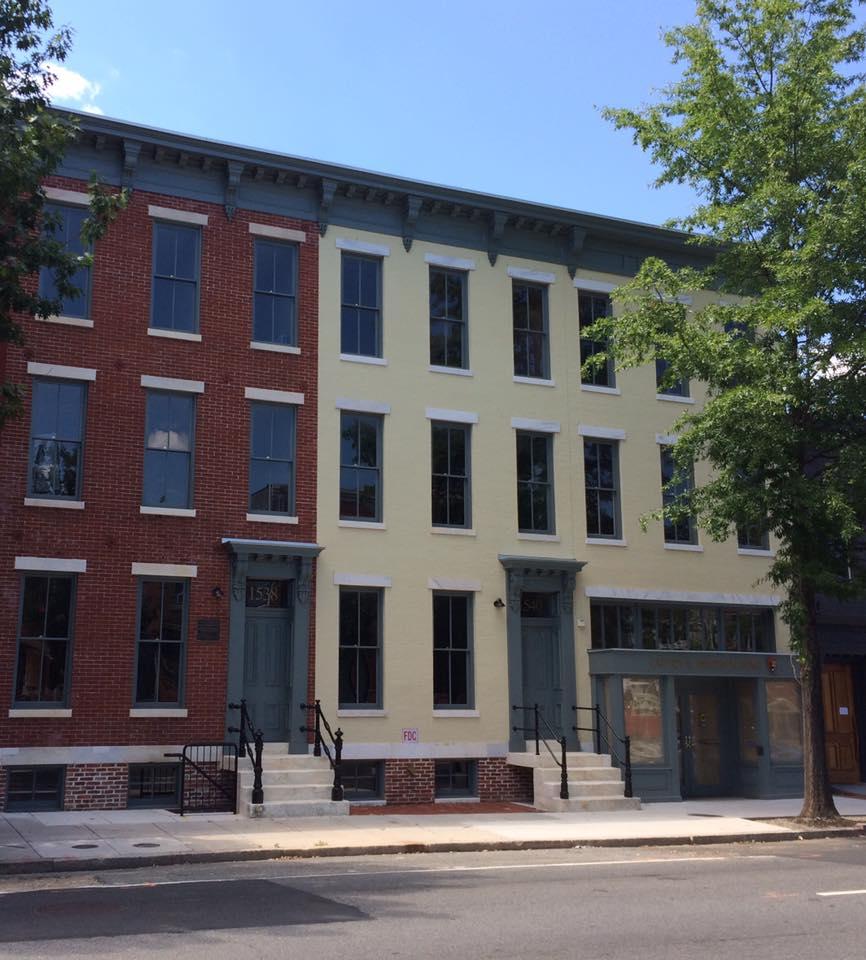
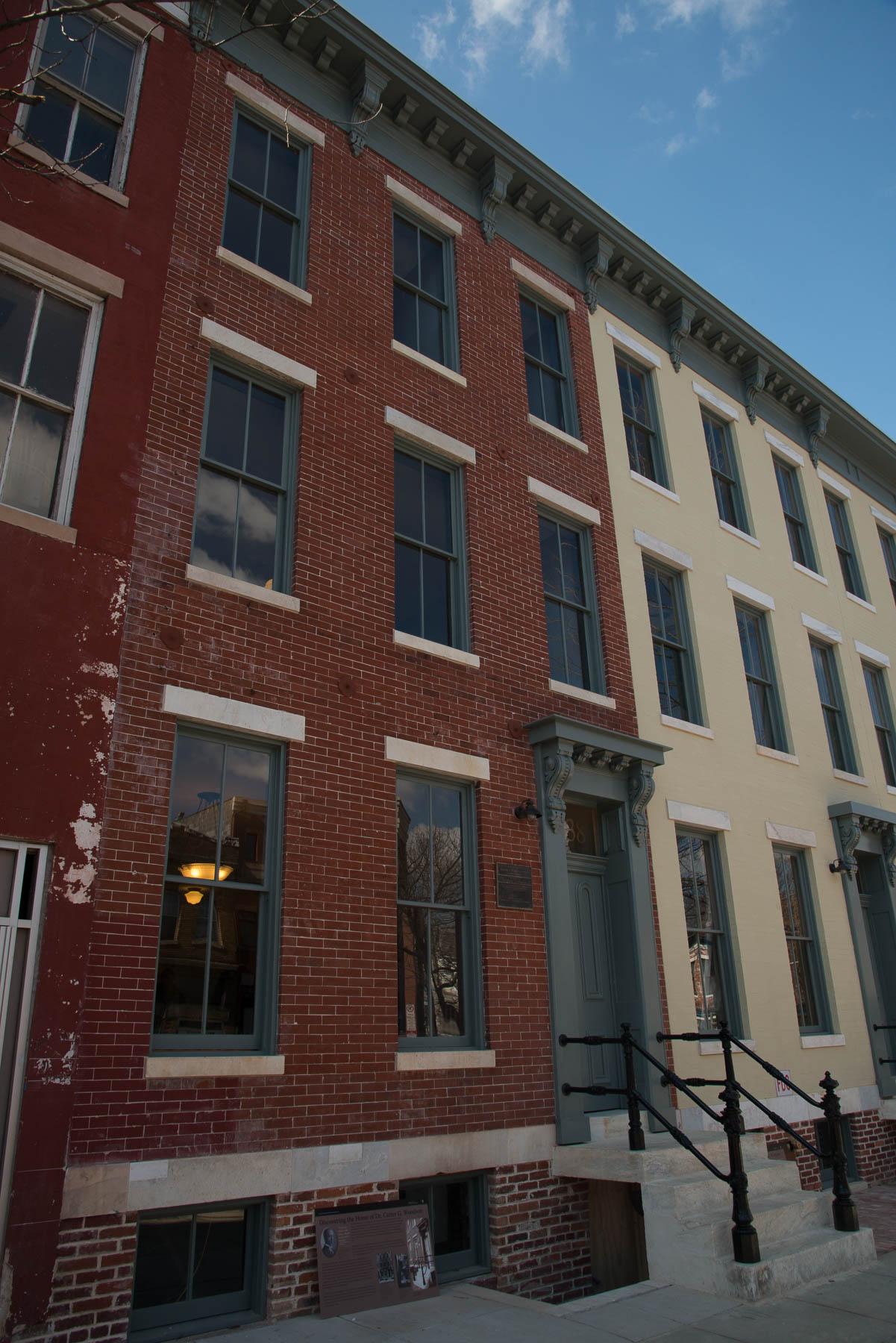
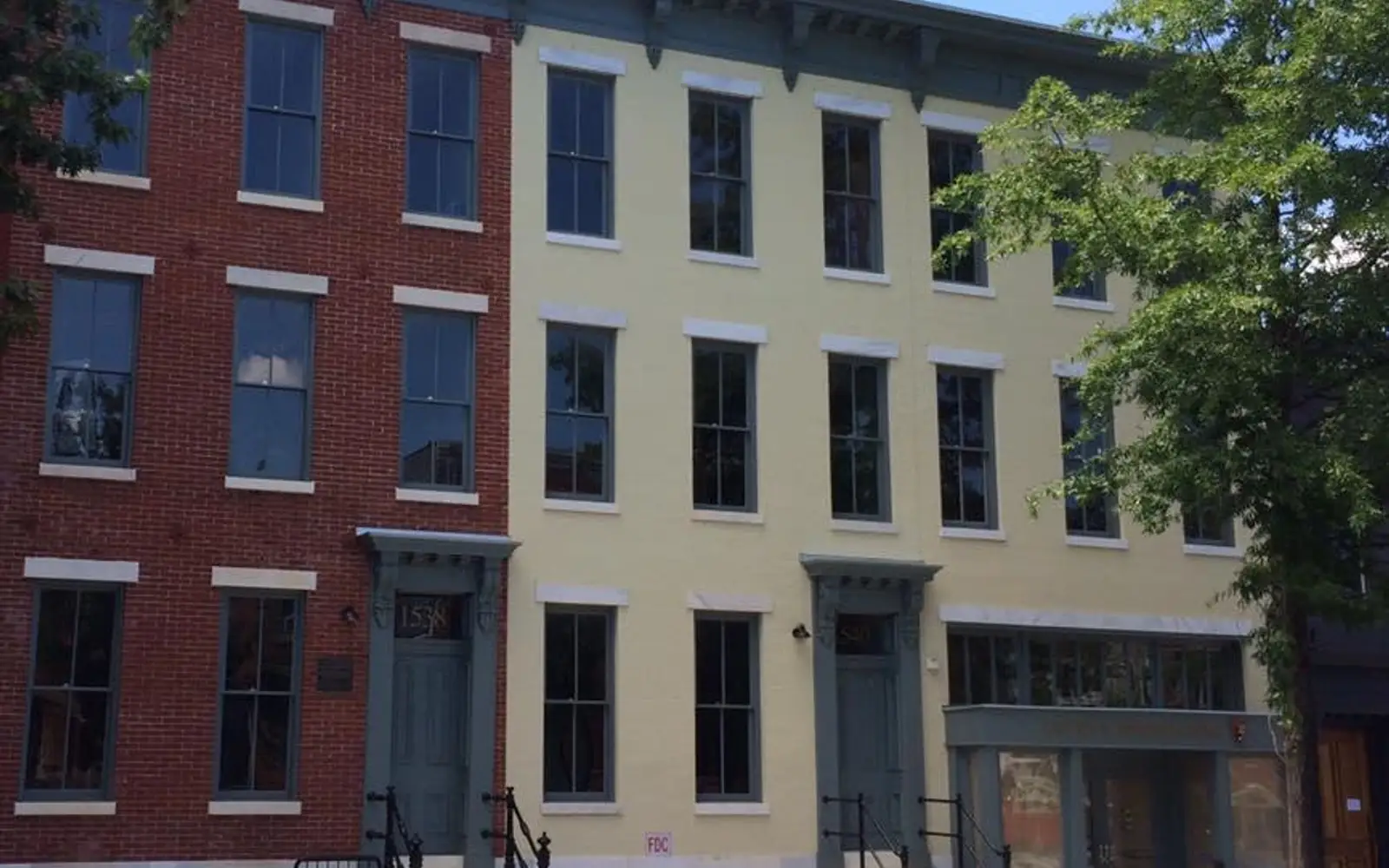
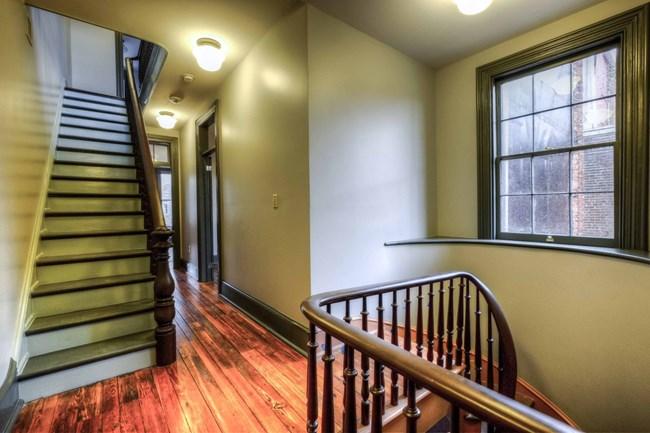
Woodson Home National Historic Site offers a concentrated experience. Its focus is singular: the Shaw neighborhood rowhouse where Carter G. Woodson lived, worked, and established the Association for the Study of African American Life and History, initiating what later became Black History Month in 1926. This is a site defined by intellectual legacy, not by expansive landscapes or trail systems. The historical significance is profound, making it an essential visit for those interested in the origins of African American historical scholarship. However, prospective visitors should understand this is a compact, contemplative stop, not a lengthy excursion. Crucially, the site is presently closed for construction; confirm reopening status via NPS.gov before planning a visit.
The case for it
When the site reopens, a ranger-led tour of the Woodson home will provide a tangible connection to a pivotal moment in American intellectual history. Museum exhibits contextualize Woodson's work. The park store and bookstore offer materials for deeper engagement with African American history. The Junior Ranger Program suits families. A short film outlines broader significance before visitors walk the rooms. Paired with other Shaw neighborhood landmarks or a broader D.C. itinerary, this site punches above its physical size through the weight of its history.
Who it is for
This park delivers a focused historical experience. History enthusiasts, educators, and anyone interested in African American history and the origins of Black History Month will find it genuinely rewarding. Families with curious children will benefit from the Junior Ranger Program. Casual sightseers hoping for extensive outdoor recreation or a long, immersive natural experience should look elsewhere.
Best time to visit
Optimal visitation to this unit occurs in spring and fall, when conditions allow for comfortable exploration. Summer presents high heat and humidity; winter risks snow. Any travel plans must prioritize confirming site reopening post-construction above all other considerations.
Worth seeing
- Ranger-guided tours of the actual rowhouse where Woodson lived and worked
- The birthplace of Negro History Week, now celebrated as Black History Month
- Museum exhibits on Woodson's role in founding African American historical scholarship
- Park film providing context before exploring the home
- Junior Ranger Program for younger visitors
- Bookstore and park store stocked with African American history titles and materials
Before you visit
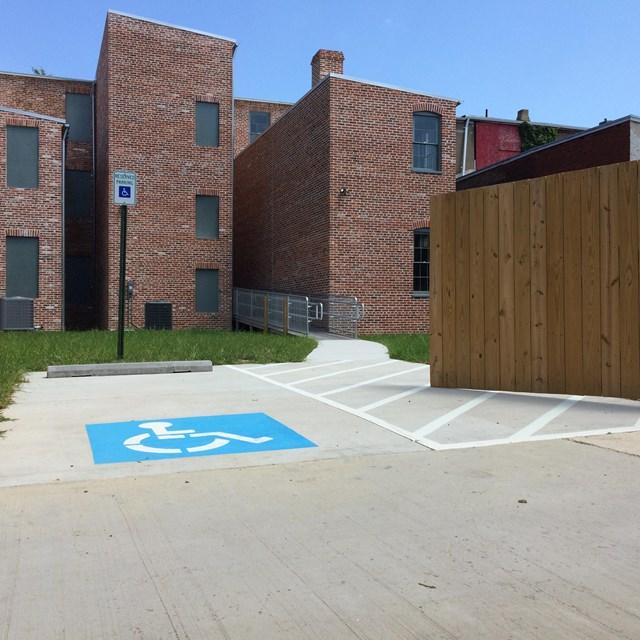
This small urban site is currently closed for construction. When it reopens, visitors should plan for a one-to-two-hour visit. Admission is free. Located in Washington DC's Shaw neighborhood, it is accessible via Metro; no parking lot is available. Use transit or street parking.
Our tipThe verdict here is clear: this site is not a standalone destination. Its compact nature dictates combining a visit with nearby Shaw and U Street corridor landmarks. This allows for a richer half-day experience exploring the neighborhood's deep history in African American culture, politics, and music. Woodson's home integrates naturally into that larger story, rather than serving as a primary focus.