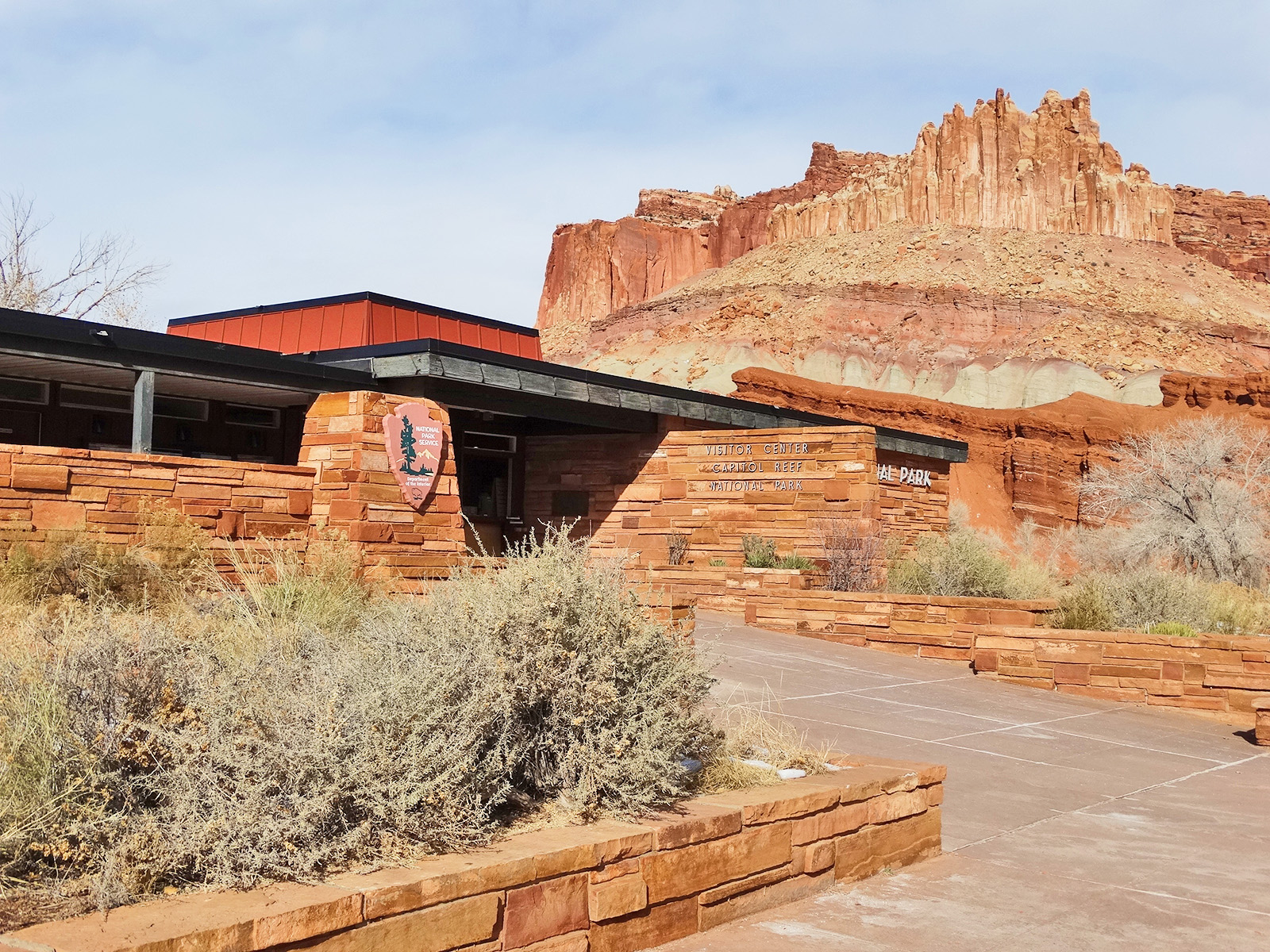
Should you visit Capitol Reef National Park?
Capitol Reef offers a substantial experience, frequently overlooked between Utah's more congested parks.
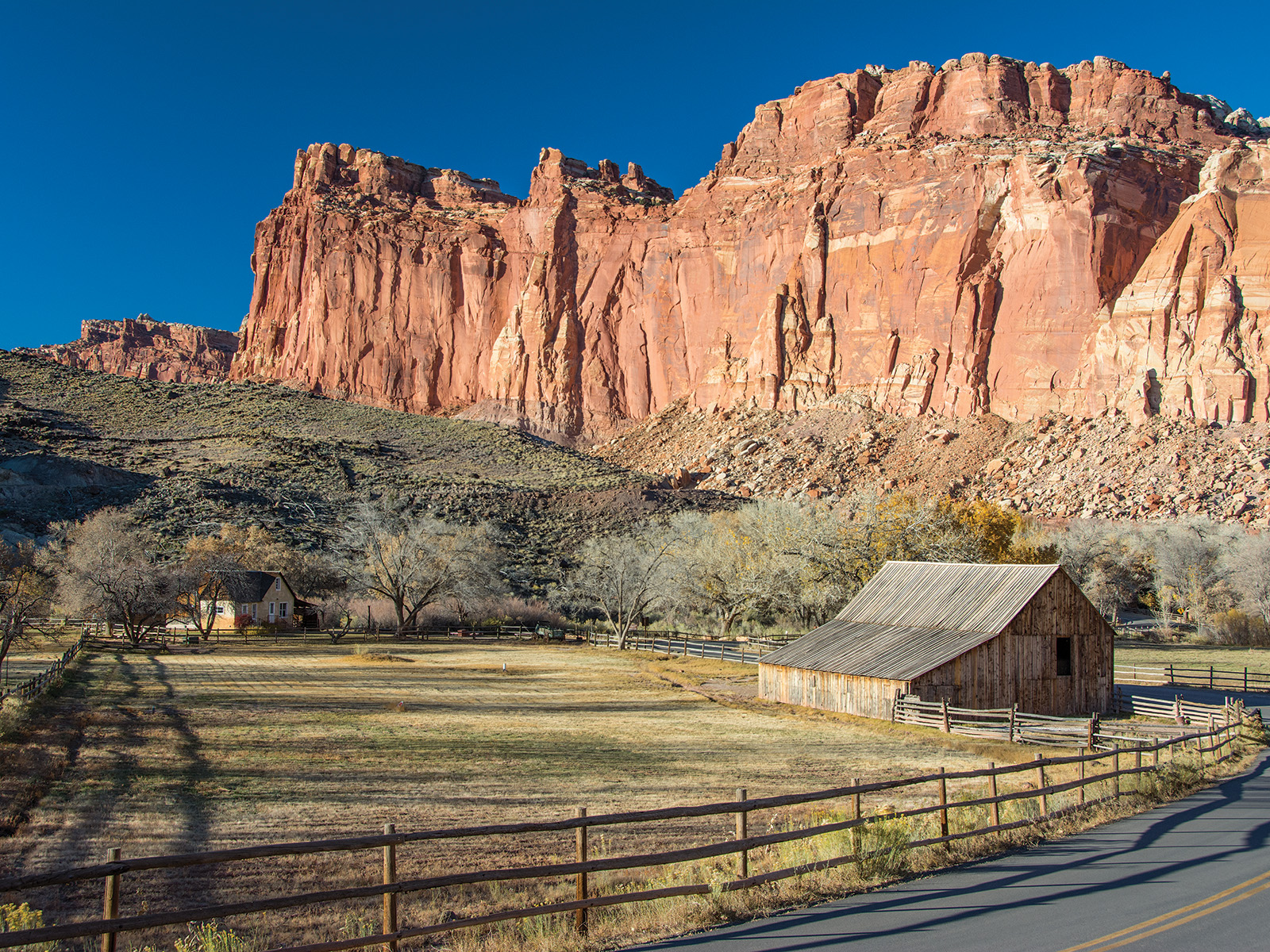
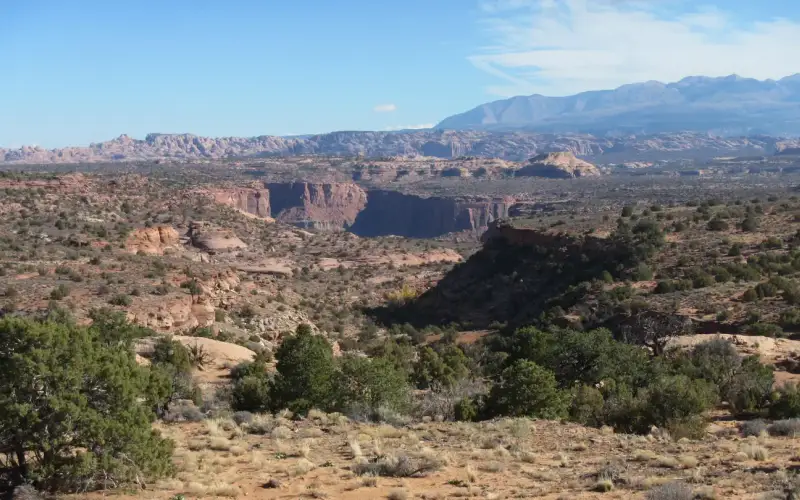
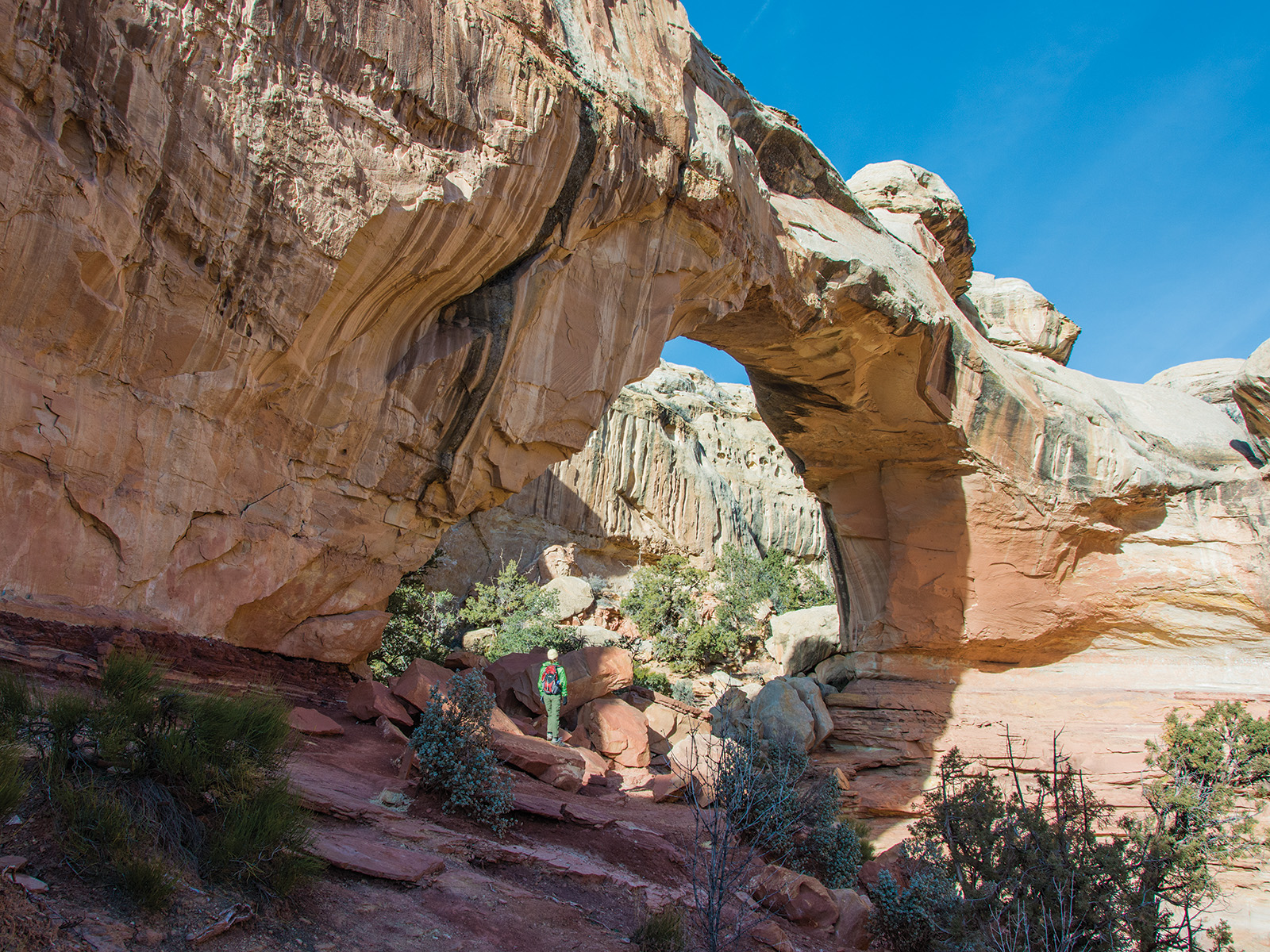
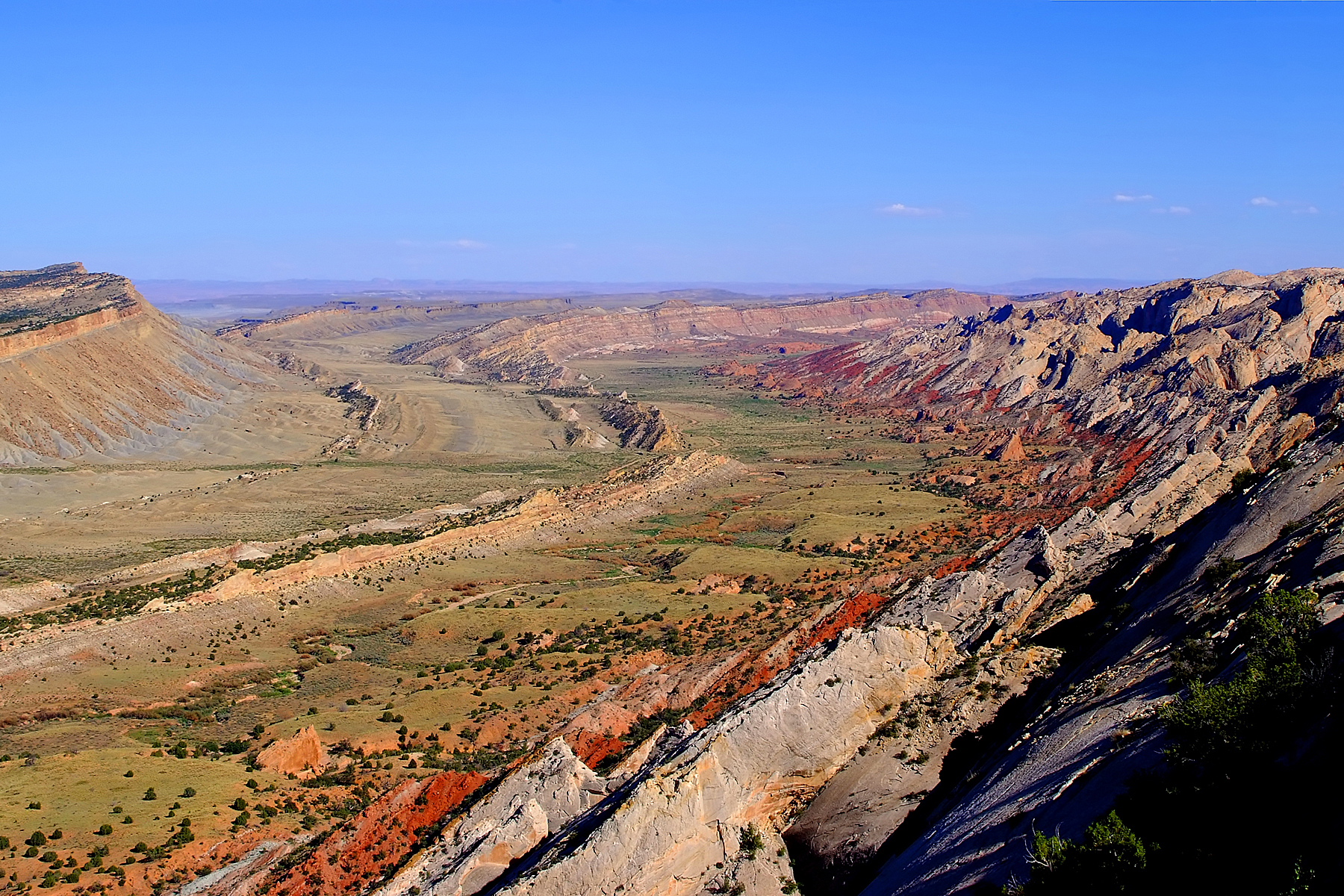
Its core feature is the Waterpocket Fold, a 100-mile geological monocline that creates a landscape of remarkable cliffs, canyons, domes, and natural bridges. With an Experience Score of 90, the park provides diverse opportunities. Visitors can engage in front-country hiking or extensive backcountry exploration. Other activities include climbing, horseback riding, fishing, and stargazing in exceptionally dark skies. A living history orchard, a legacy of Mormon pioneer settlement, adds cultural depth. This park accommodates both casual tourists seeking scenic drives and serious adventurers exploring remote canyon country. The $10 entrance fee represents notable value for its breadth of offerings.
What makes it worth it
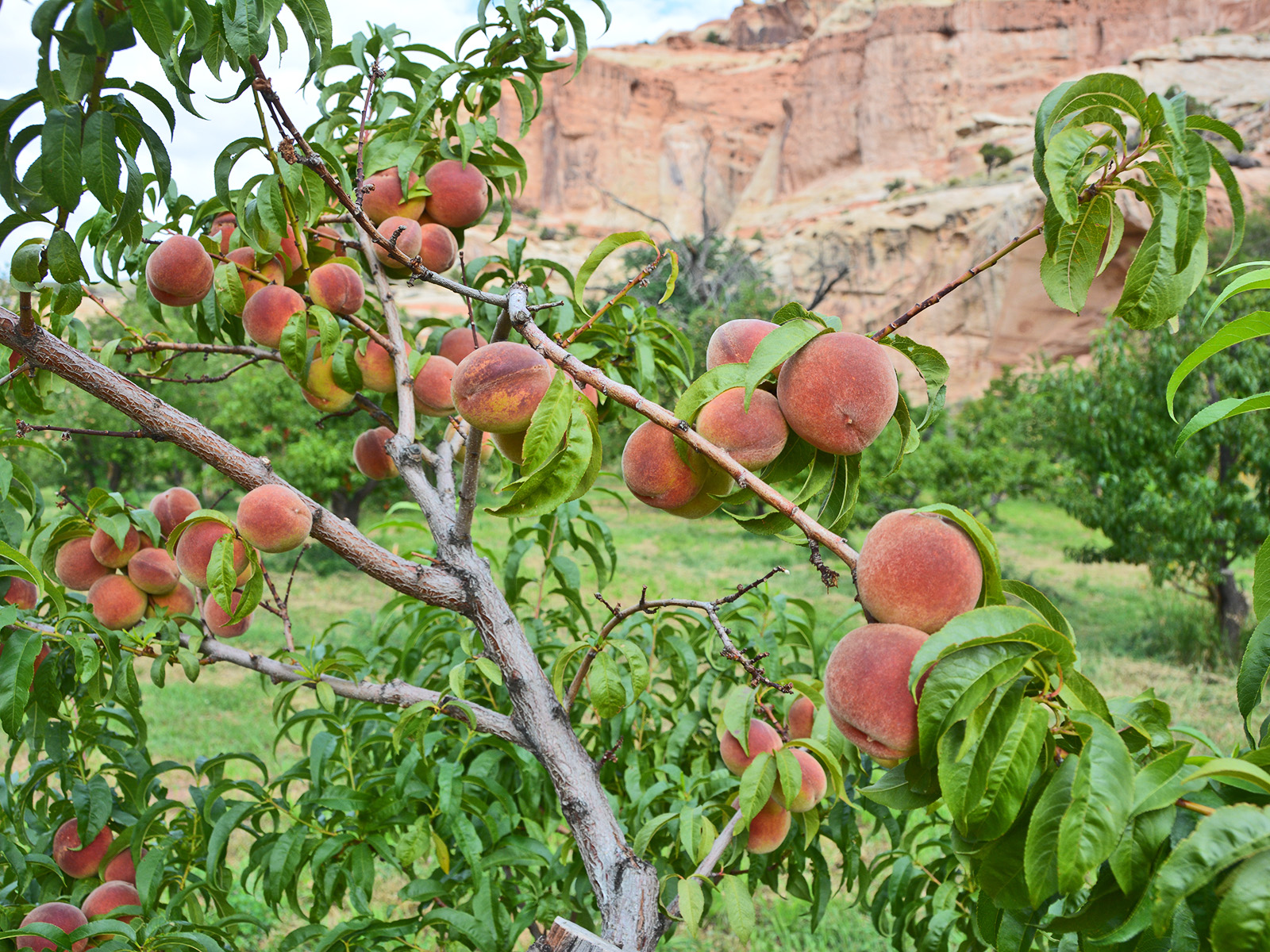
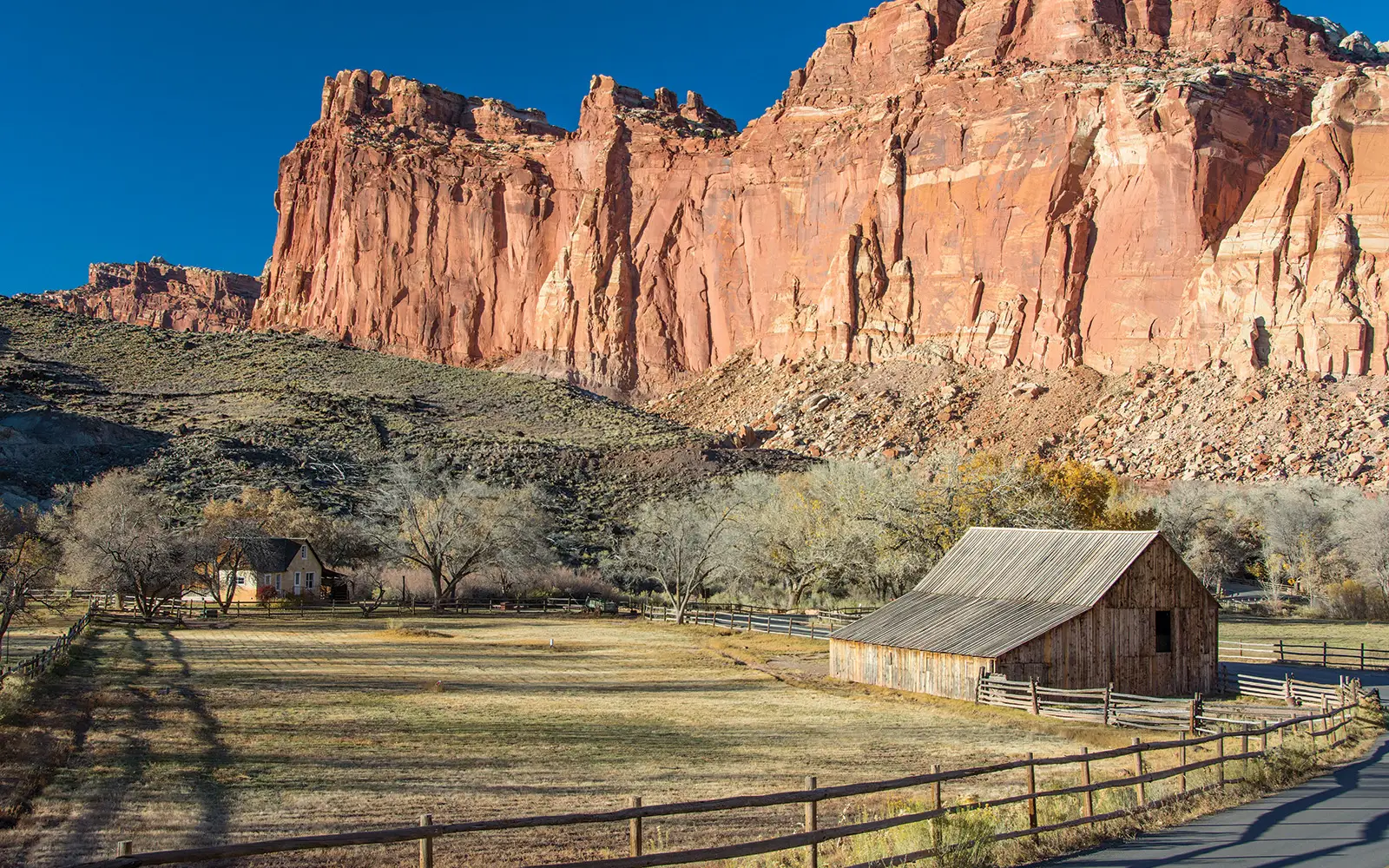
Capitol Reef National Park allows for a varied and layered visitor experience. Begin with the scenic auto tour through the Waterpocket Fold to establish a geographical context. Front-country hikes offer direct access to the park's distinctive rock formations. The historic Fruita district provides a unique living history element; its pioneer orchard permits fruit picking in season. Evenings transform the park. Capitol Reef is a designated dark-sky zone, and stargazing is a documented and prominent activity. Campers have options: established sites in Fruita or backcountry camping for multi-day canyoneering and off-trail expeditions. The park accommodates diverse interests simultaneously. Birders, wildlife observers, and families engaged in the Junior Ranger program can all find suitable activities. This park rewards active, diverse engagement.
Who should go
This park offers a compelling destination for those seeking substantial outdoor engagement. It is best suited for experienced hikers, climbers, and canyoneers, providing serious terrain that rewards effort. Families will find a balanced experience with both accessible points and true wilderness areas. Dark-sky enthusiasts should prioritize a visit; the conditions are genuinely rewarding. However, casual sightseers focused solely on overlook-style visits will find the park's appeal limited without deeper exploration. Its true depth requires investment of time and physical effort.
When to go
Spring and fall emerge as prime visitation periods, offering mild temperatures ideal for hiking and canyoneering. The light on the red rock formations during these seasons is exceptional. Summer presents significant challenges with intense heat and afternoon thunderstorms, which carry a flash-flood risk in narrow canyons. While winter closes some dirt roads, it provides solitude and striking snow-dusted sandstone landscapes. Always consult the daily weather update at the visitor center before entering any slot canyon.
Highlights
- Waterpocket Fold scenic auto tour covering nearly 100 miles of geologic monocline terrain
- Backcountry hiking and off-trail permitted routes for experienced canyon explorers
- Stargazing and astronomy programs under certified dark skies in rural south-central Utah
- Living history and first-person interpretation tied to the Fruita pioneer settlement
- Rock climbing and canyoneering on sandstone domes and canyon walls
- Birdwatching and wildlife watching across diverse desert and riparian habitats
Plan ahead
An entrance fee of $10 places this park well below the Utah state average. While the park maintains 24-hour access, visitor center hours fluctuate seasonally; prospective visitors requiring permits or backcountry information should confirm operating times in advance. Be advised that dirt roads are prone to impassibility following rain or snow. Narrow canyon entry presents genuine danger with any precipitation. This park demands careful planning.
Editor's tipThe Fruita orchard's self-pick honor system during harvest season sets Capitol Reef apart. Visitors are encouraged to consume fruit on-site. For this experience, a late summer or early fall visit is essential.